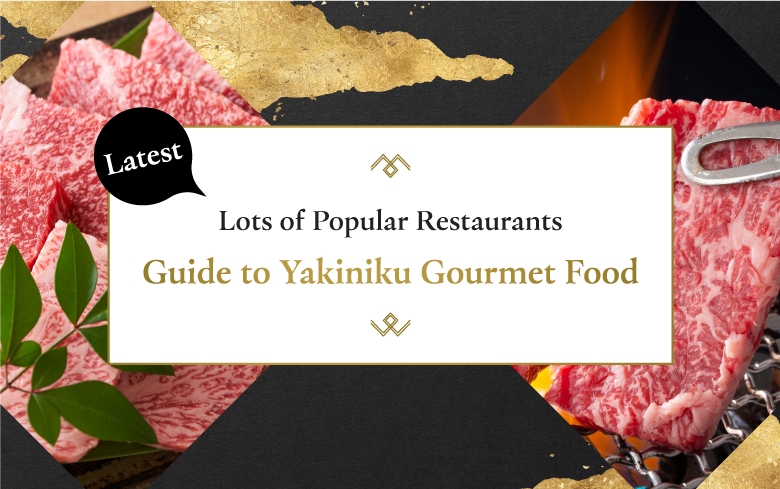
In Search of Delicious Soba Visit Famous Soba Restaurants Popular Nationwide

While soba can easily be enjoyed at home, the experience of dining at a restaurant brings a whole new flavor. Across Japan, in regions such as Shinshu and Izumo, there are many famous soba restaurants where you can savor exquisite handmade soba, including 100% buckwheat soba made without any binders. Be sure to visit and experience it for yourself.

View Popular Spots▸

Soba to Enjoy While Traveling Enjoy Authentic Soba at Famous Restaurants

The Secret to Delicious Soba: The Large Temperature Difference Savoring the Historical Flavor of Shinshu Soba

Nagano Prefecture, also known as Shinshu, has long been famous for its soba. There are renowned soba restaurants throughout the region. The significant temperature differences between day and night help grow delicious buckwheat, and the pure, rich water enhances the aroma and flavor of the buckwheat flour. If you visit Nagano, enjoying Shinshu soba is a must.

A Form of Hospitality Passed Down in the Southern Region Wanko Soba: A Specialty of Iwate Prefecture

Wanko Soba is a well-known gourmet dish from Iwate Prefecture. It is said to originate from the “soba hospitality” tradition passed down in the southern region. When your bowl is empty, another bite of soba is immediately added, and the number of bowls stacks up as you continue eating. The customs, such as the call-outs, differ slightly depending on the region, adding to its unique charm.

Enjoy Fragrant Soba in Two Ways Izumo Soba, a Local Dish of Shimane

Izumo soba, a local dish of Shimane Prefecture, is characterized by its dark, fragrant noodles made by grinding buckwheat seeds with their husks. There are two main ways to enjoy Izumo soba: cold “wariko soba” served in round lacquerware, and warm “kamaage soba” served with soba broth.

Impressed by the Smooth and Chewy Texture Hegisoba Made with Funori Seaweed as a Binder

Hegisoba is one of Niigata’s representative dishes, named after the “hegi,” a wooden container made from strips of wood. With funori seaweed as a binder, Hegisoba is known for its smooth texture and chewy bite. The beautifully arranged, bite-sized portions of soba are part of the unique enjoyment of this dish.

Savor the Soba Broth Until the Very Last Drop

Soba-yu, the water used to boil soba, is served at the end of a soba meal. Nowadays, it’s common to find soba-yu thickened with buckwheat flour for a richer texture. You can drink it as is to enjoy the aroma of the soba, or mix it with the leftover dipping sauce. Adding leftover condiments like shichimi or sansho pepper creates a new flavor experience. Soba-yu is rich in water-soluble nutrients such as minerals, dietary fiber, and polyphenols, making it a healthy addition to your meal.

Soba to Enjoy While Traveling Enjoy Authentic Soba at Famous Restaurants

The Secret to Delicious Soba: The Large Temperature Difference Savoring the Historical Flavor of Shinshu Soba

Nagano Prefecture, also known as Shinshu, has long been famous for its soba. There are renowned soba restaurants throughout the region. The significant temperature differences between day and night help grow delicious buckwheat, and the pure, rich water enhances the aroma and flavor of the buckwheat flour. If you visit Nagano, enjoying Shinshu soba is a must.

A Form of Hospitality Passed Down in the Southern Region Wanko Soba: A Specialty of Iwate Prefecture

Wanko Soba is a well-known gourmet dish from Iwate Prefecture. It is said to originate from the “soba hospitality” tradition passed down in the southern region. When your bowl is empty, another bite of soba is immediately added, and the number of bowls stacks up as you continue eating. The customs, such as the call-outs, differ slightly depending on the region, adding to its unique charm.

Enjoy Fragrant Soba in Two Ways Izumo Soba, a Local Dish of Shimane

Izumo soba, a local dish of Shimane Prefecture, is characterized by its dark, fragrant noodles made by grinding buckwheat seeds with their husks. There are two main ways to enjoy Izumo soba: cold “wariko soba” served in round lacquerware, and warm “kamaage soba” served with soba broth.

Impressed by the Smooth and Chewy Texture Hegisoba Made with Funori Seaweed as a Binder

Hegisoba is one of Niigata’s representative dishes, named after the “hegi,” a wooden container made from strips of wood. With funori seaweed as a binder, Hegisoba is known for its smooth texture and chewy bite. The beautifully arranged, bite-sized portions of soba are part of the unique enjoyment of this dish.

Savor the Soba Broth Until the Very Last Drop

Soba-yu, the water used to boil soba, is served at the end of a soba meal. Nowadays, it’s common to find soba-yu thickened with buckwheat flour for a richer texture. You can drink it as is to enjoy the aroma of the soba, or mix it with the leftover dipping sauce. Adding leftover condiments like shichimi or sansho pepper creates a new flavor experience. Soba-yu is rich in water-soluble nutrients such as minerals, dietary fiber, and polyphenols, making it a healthy addition to your meal.

Choose a 'Soba Restaurant' Based on Genre and Style!

Craftsmanship That Brings out the Best in Materials Chewy Handmade Soba Noodles width=

Handmade soba refers to soba noodles crafted by hand without the use of machines. Soba made by skilled artisans boasts outstanding flavor and texture. The soba-making process includes steps such as mizu mawashi (mixing water with buckwheat flour), kneading, rolling, and cutting. Among these, mizu mawashi and kneading are particularly important for bringing out the best qualities of the ingredients. The technique of incorporating water into the buckwheat flour and kneading it enhances the flavor of the soba, resulting in delicious noodles created through meticulous effort.

  • Shintomicho Maruyasu

    Tokyo

    Shintomicho Maruyasu

    新富町 丸安

    Savor Seasonal Japanese Cuisine in a Casual, Welcoming Setting

    "Shintomicho Maruyasu" is conveniently located just a three-minute walk from Shintomicho Station on the Tokyo Metro. Helmed by a friendly owner with experience at some of Tokyo’s most sought-after restaurants, this refined yet welcoming eatery offers a relaxed atmosphere where guests can enjoy authentic Japanese cuisine without pretense. The restaurant takes pride in using seasonal ingredients, offering meticulously crafted course meals that reflect the flavors of each season. From à la carte dishes and clay pot rice to handmade soba noodles, every item is prepared with care and precision. An extensive selection of sake is available, along with thoughtfully curated small plates, individual hot pots, and other à la carte offerings. Perfect for both casual dining and special occasions such as anniversaries, Shintomicho Maruyasu invites you to unwind and savor the essence of Japanese seasonal cuisine at your own pace.

  • FLO

    Tokyo

    FLO

    FLO

    Creative Japanese Cuisine in a Warm Inviting Interior

    "FLO" is located in a basement space of a building along Aoyama-dori in Minato Ward, Tokyo. The calm interior filled with the warmth of wood creates a comfortable setting suited to a quiet pause. Creative Japanese cuisine prepared with seasonal ingredients offers dishes that engage the senses, with the earthen pot rice standing out as a luxurious item that changes with the seasons and serves well as a closing dish. A wide range of drinks is also available, including wine, sake, cocktails, and sours. The relaxed atmosphere allows easy visits after work, even alone, while private bookings are also available for larger gatherings such as farewell or welcome parties, offering a setting away from the bustle of everyday life.

  • Fukurou

    Toyama

    Fukurou

    福籠

    A Place to Savour the Essence of Toyama’s Seasonal Flavours

    A distinctive establishment offering different experiences on weekdays and weekends. Weekend service highlights soba made from the "Yatsuo native variety," cultivated with Toyama’s clear water and natural environment, then stone-milled and fully hand-cut for a refined finish. Sweets made with soba flour present aromatic flavor with restrained calories, creating a satisfying yet light indulgence. Weekdays feature the visually striking "Hanakago Fermentation Gozen," a set of obanzai prepared with house-made fermented seasonings and seasonal local ingredients, with flavors enriched by wild mountain and field produce gathered by the owner. Lunch service concludes once items sell out, while evening dining operates by reservation only.

  • Fudo Chaya

    Yamanashi

    Fudo Chaya

    不動茶屋

    A Japanese-Style Teahouse You'll Want to Stop by While Strolling Along the Lakeside

    A soba and udon restaurant located on the lake near Kawaguchiko Ohashi Bridge. This is a Japanese house from about 180 years ago that was relocated and restored, with a thatched roof and a great atmosphere. The inside of the restaurant has a quaint appearance that makes you feel like you've traveled back in time, and you can enjoy your meal by the hearth. Our proud udon and soba noodles are made from carefully selected flour and have a gentle flavor that goes down easily. The ingredients on top of the noodles vary depending on the season, so find your favorite version.

Find a Restaurant with Handmade Soba Noodles

Made With Only Buckwheat Flour and Water Juwari Soba With Outstanding Flavor

Because buckwheat flour lacks the stickiness needed to form noodles, binders like wheat flour (which contains gluten), seaweed, or yam are often added. However, soba made solely from buckwheat flour and water, without any binders, is known as juwari soba. Artisans who craft juwari soba need exceptional skills in handmade techniques. One of the main features of juwari soba is that, since it’s made only with buckwheat flour and water, you can enjoy the pure flavor, aroma, and texture of the buckwheat without any additives.

  • Oeyama Oni Sobaya

    Kyoto

    Oeyama Oni Sobaya

    大江山 鬼そば屋

    The Original Home of Oeyama’s Signature Dish, "Oni Soba", in Northern Kyoto

    This is the birthplace of Oeyama's specialty, "Oni Soba", a beloved dish for over 160 years since the Edo period. "Oni Soba" refers to thick, firm, 100% buckwheat soba noodles, handmade from domestically grown whole buckwheat and milled in-house. The name is said to have originated from the phrase "kowai (hard) ki (raw) soba," which became "ki (oni=devil) soba" and eventually evolved into "Oni soba." While the traditional way to enjoy "Oni Soba" is as "Kake soba (served in hot broth)", the seventh-generation owner has continued to innovate with new creations. In addition to the popular "Toriten soba (soba topped with chicken tempura)", guests can enjoy a diverse range of soba noodles with different thicknesses and serving styles, as well as local specialities such as "Maizuru fish pickles (regional fish)" and "Yamabuki no Umani (mountain butterbur simmered in sweet soy sauce)".

  • Kuforune Soba Tenplus, Matsuyama-shi station mae

    Ehime

    Kuforune Soba Tenplus, Matsuyama-shi station mae

    黑船SOBA TENPLUS 市駅前店

    A Dining Offering 100% Buckwheat Soba and Sake From Ehime Prefecture

    Located about a 1-minute walk from Iyotetsu Matsuyamashi Station, this dining spot is known for its freshly made 100% buckwheat soba prepared to order, drawing both locals and visitors. The menu also includes crispy tempura served hot from the fryer and oden simmered in savory soba broth, well suited to accompany drinks.

  • Tsubameya

    Kyoto

    Tsubameya

    つばめ屋

    Exceptional Soba Served with Seasonal Tempura

    Located just a 3-minute walk from Uji Station on the Keihan Electric Railway, Tsubameya is a soba restaurant known for its authentic tempura made with fresh, local ingredients from the Yamashiro area. The menu also features cha soba made with Uji matcha, offering a uniquely local flavor. The restaurant uses carefully selected buckwheat flour, primarily sourced from Kyoto Prefecture and blended with flour from neighboring Shiga, to craft its exquisite soba.

  • Sennorikyu

    Osaka

    Sennorikyu

    千の里休

    Traditional Japanese Dining With a Focus on Soba and Wellness

    "Sennorikyu" is a restaurant specialising in carefully crafted soba and traditional Japanese cuisine. Popular dishes feature health-conscious and beauty-enhancing ingredients, including "Kyoto Duck", known for its rich, high-quality fat, as well as 90% soba noodles, rice flour noodles, and chia seed noodles. Soba is prepared daily by a skilled soba chef, offering handmade noodles of exceptional quality.

Find a Restaurant with Juwari Soba

Attractive Smooth Texture Nihachi Soba With Smooth Texture

Nihachi soba refers to soba noodles made with a mixture of 80% buckwheat flour and 20% wheat flour as a binder. It is easier to make compared to 100% buckwheat soba, and is therefore considered the basic style of soba. The appeal of Nihachi soba lies in its smooth texture and soft feel. You might wonder, “Does the addition of wheat flour affect the flavor or aroma compared to juwari soba?” However, when made with care, the addition of 20% wheat flour does not diminish the rich flavor of the soba.

  • Tsubameya

    Kyoto

    Tsubameya

    つばめ屋

    Exceptional Soba Served with Seasonal Tempura

    Located just a 3-minute walk from Uji Station on the Keihan Electric Railway, Tsubameya is a soba restaurant known for its authentic tempura made with fresh, local ingredients from the Yamashiro area. The menu also features cha soba made with Uji matcha, offering a uniquely local flavor. The restaurant uses carefully selected buckwheat flour, primarily sourced from Kyoto Prefecture and blended with flour from neighboring Shiga, to craft its exquisite soba.

Find a Restaurant Where You Can Eat Nihachi Soba

Must-try Local Soba on Your Travels Unique Local Soba Noodles

All over Japan, you can find unique local soba varieties, each offering a fresh take on the traditional dish. Some famous examples include Nagano’s “Shinshu soba,” Fukui’s “Echizen soba,” which is served with grated radish, chopped green onions, and bonito flakes, Yamaguchi’s “Kawara soba,” featuring tea soba served on a hot tile topped with shredded egg and sweet-simmered beef, and Hyogo’s “Izushi Sarasoba,” where small portions of soba are served with plenty of condiments. Enjoy the authentic taste of local soba while exploring different regions.

  • Keishoan Shirotori-so

    Gifu

    Keishoan Shirotori-so

    鶏匠庵 白鳥荘

    Japanese Modern Space Serving Refined Soba and Chicken Dishes

    Located approximately a 5-minute drive from Shirotori IC on the Tokai-Hokuriku Expressway, "Keishoan Shirotori-so," operated directly by the "Torishige Shoten Group," a poultry wholesaler, is set in a renovated traditional house that evokes a retro-modern hideaway. The interior features red carpeting and antique-style furnishings, creating an elegant atmosphere. The menu highlights premium chicken dishes and soba, featuring fresh eggs, "Okumino Kojidori" chicken, and carefully cultivated rice and vegetables, all prepared by the head of the establishment. On fair days, the terrace opens for pet-friendly dining in a natural setting, where seasonal activities such as barbecues are also held.

  • Izumo soba kigaru

    Shimane

    Izumo soba kigaru

    出雲そばきがる

    Izumo Soba Is Particular About "Locally Produced" and "Freshly Made"

    A restaurant located near Matsue Castle where you can enjoy freshly ground, freshly made, and freshly boiled Izumo soba. We carefully select and secure locally grown buckwheat seeds, including those from Matsue, to make "Gensoba" with the shells attached. The "Gensoba", which is carefully stored, is milled every day using homemade flour in a stone mill, and the soba noodles are made using skilled techniques. The dashi is a carefully selected natural dashi flavored with local seasonings. We are particular about customer service and creating a space with a spirit of hospitality so that you can enjoy delicious soba noodles.

  • Izushisara Soba Gen

    Hyogo

    Izushisara Soba Gen

    出石皿そば 玄

    Enjoy the "Ultimate Izushi Sara Soba" in Izushi Castle Town

    "Izushi Sarasoba Gen", located near Tatsumiyagura Clock Tower, the iconic symbol of Izushi Town in Toyooka City, Hyogo Prefecture, is a beloved soba restaurant dedicated to mastering the art of handmade sara soba. True to the meaning of its name Gen (“to master”), the restaurant is uncompromising in its pursuit of quality, using only the finest buckwheat flour and condiments. A single order of Izushi Sara Soba includes five small plates of noodles, which can be enjoyed with various toppings like egg, grated yam, green onion, and wasabi, allowing diners to explore a variety of flavor combinations. As part of a fun local tradition, those who eat 20 plates (adults) or 15 plates (children) receive a Gen Sara Soba Certificate. Collect five of these and you’ll be awarded the coveted “Gensoba Expert Pass,” which grants you free sara soba (up to 15 plates per visit) for an entire year. In addition to its famed soba, the shop also sells original merchandise, including T-shirts, plates, and coffee cups—making it a memorable stop for both locals and visitors.

  • Soba Saikyoushi

    Hyogo

    Soba Saikyoushi

    そば彩蕎子

    A Stone-ground Handmade Soba Restaurant Located in Izushi Castle Town

    "Sobasai Kyoko" is located within the Important Preservation District for Traditional Buildings in Izushi Town, Toyooka City, Hyogo, where an atmosphere of the Edo period remains. Stepping past the noren reveals a welcoming interior centered on a traditional earthen-floor space, creating a comfortable, character-filled setting away from the bustle of the streets. The handmade soba, prepared by removing the dark outer husk of the buckwheat and stone-grinding the white inner portion, is known for its pale color, subtle sweetness, and smooth texture. The menu includes the local specialty "Izushi Sara Soba" served on small Izushi ware plates, along with hot "Herring Soba," cold "Grated Radish Soba," "Soba Dumplings," as well as udon dishes and local sake.
Find a Restaurant Where You Can Eat Local Soba

Search by Area

Other Special Futures

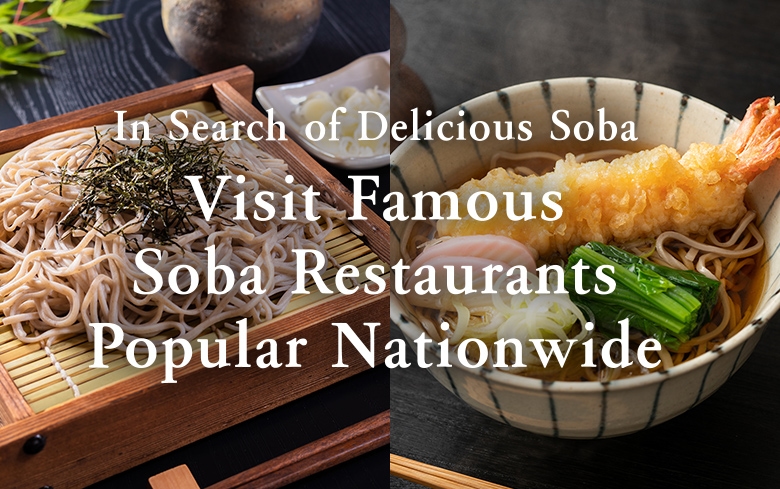
Visit Famous Soba Restaurants Popular Nationwide
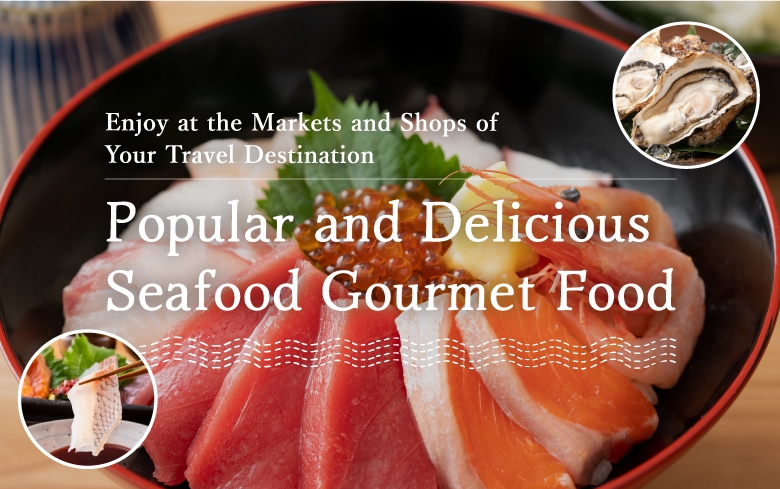
Popular and Delicious Seafood Gourmet Food
How to Enjoy Popular Eel Dishes
Guide to Yakiniku Gourmet Food