• 蛇窪神社
  • 蛇窪神社
  • 蛇窪神社
  • 蛇窪神社
  • 蛇窪神社
  • 蛇窪神社
  • 蛇窪神社
  • 蛇窪神社
  • 蛇窪神社
  • 蛇窪神社

蛇窪神社

Shinagawa Ward, Tokyo

Hebikubo Shrine

蛇窪神社

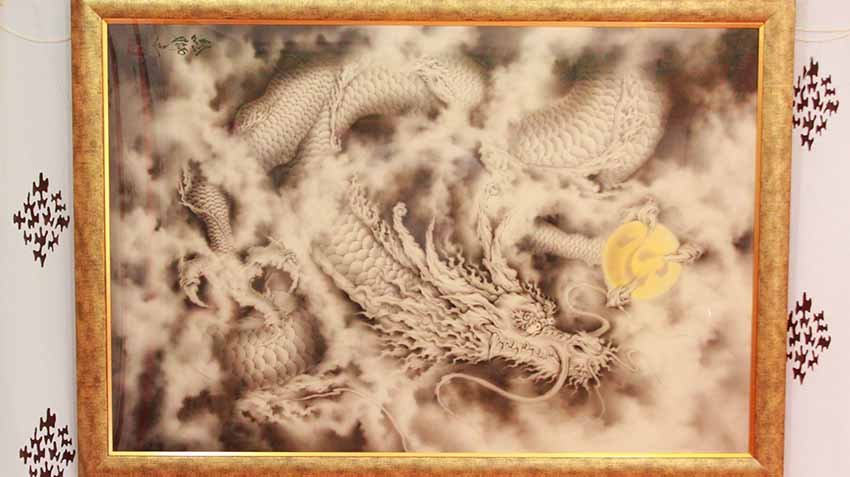
History and Legend Surround "Tokyo's White Snake"

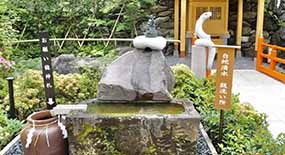
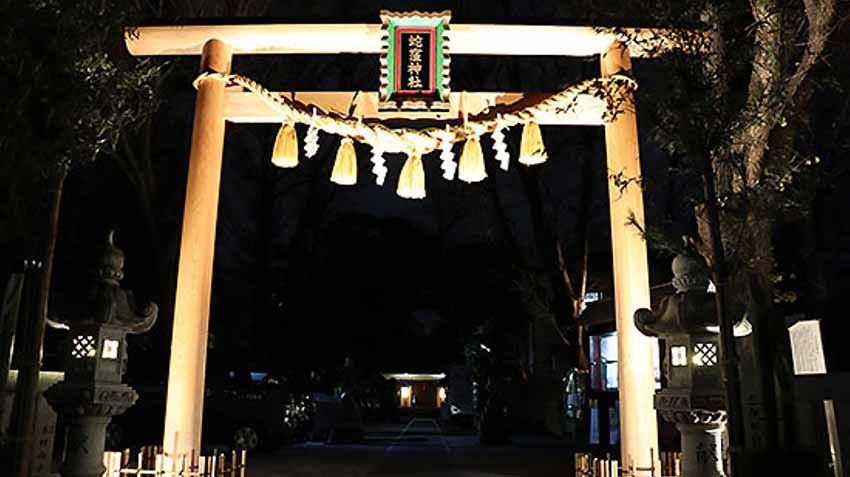
Located in Tokyo's Shinagawa Ward, this historic shrine associated with good fortune is affectionately known as "Tokyo's White Snake." It was founded in 1323 (Genko 3) in gratitude after prayers to a dragon deity for rain saved the local people. Later, after a white snake appeared in people's dreams, "Shirohebi Benzaiten Shrine" was built to enshrine it. Through the blessings of the Hebikubo Dragon Deity and the White Snake deity, the shrine is associated with financial prosperity, improved financial luck, career advancement, good fortune, protection from misfortune, fulfilling relationships, and recovery from illness. The "Shirohebi Shimizu Zeniarai" money-washing ritual, amulets for receiving the White Snake deity's blessings, and creatively designed seasonal goshuin stamps are also popular, attracting many worshipers from Japan and abroad.

蛇窪神社

Must-Know History

  • In 1322, during a severe drought, prayers for rain were offered at Ryujin Pond, and heavy rain followed. The shrine was then founded in gratitude for the rainfall.
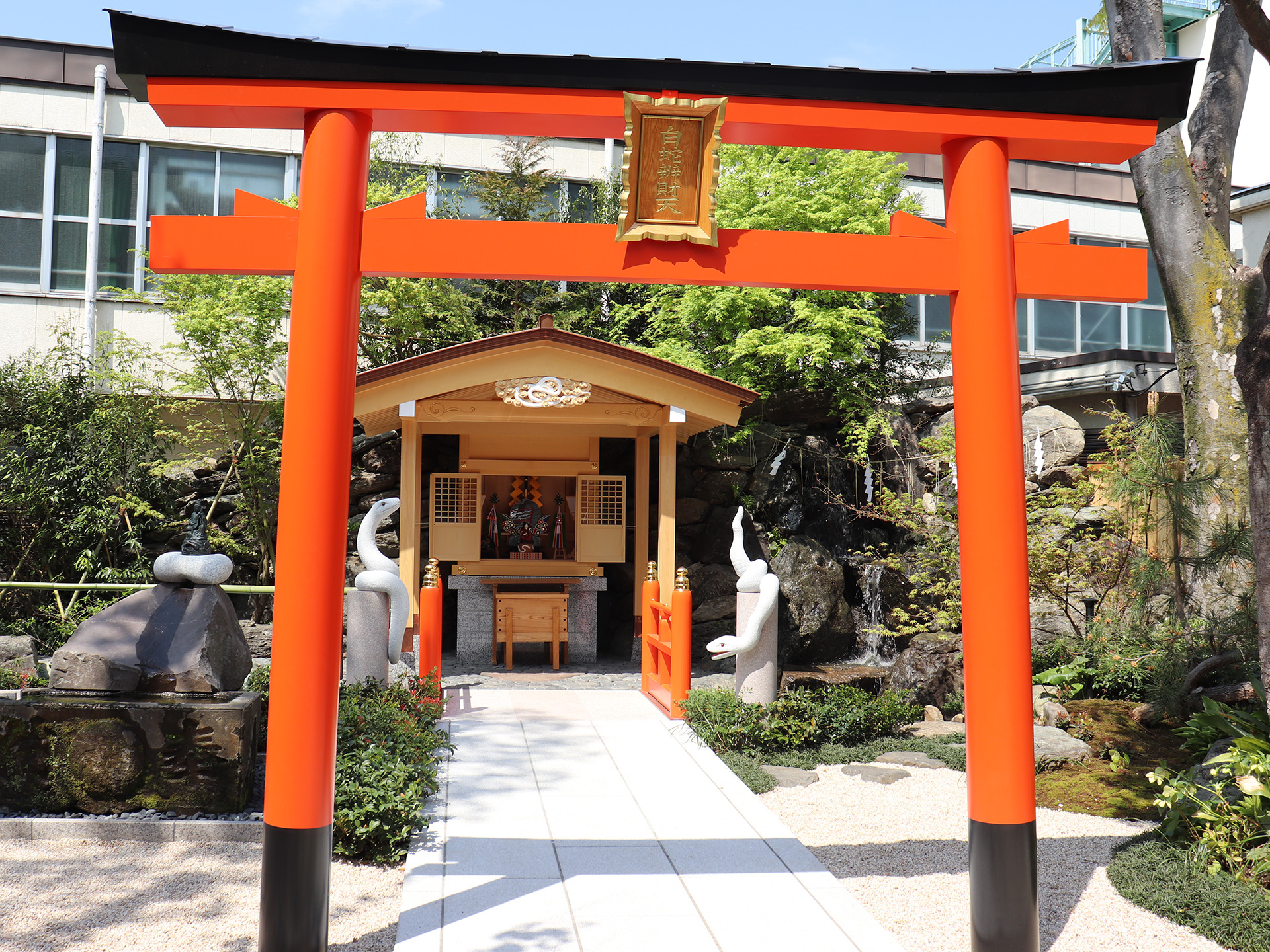
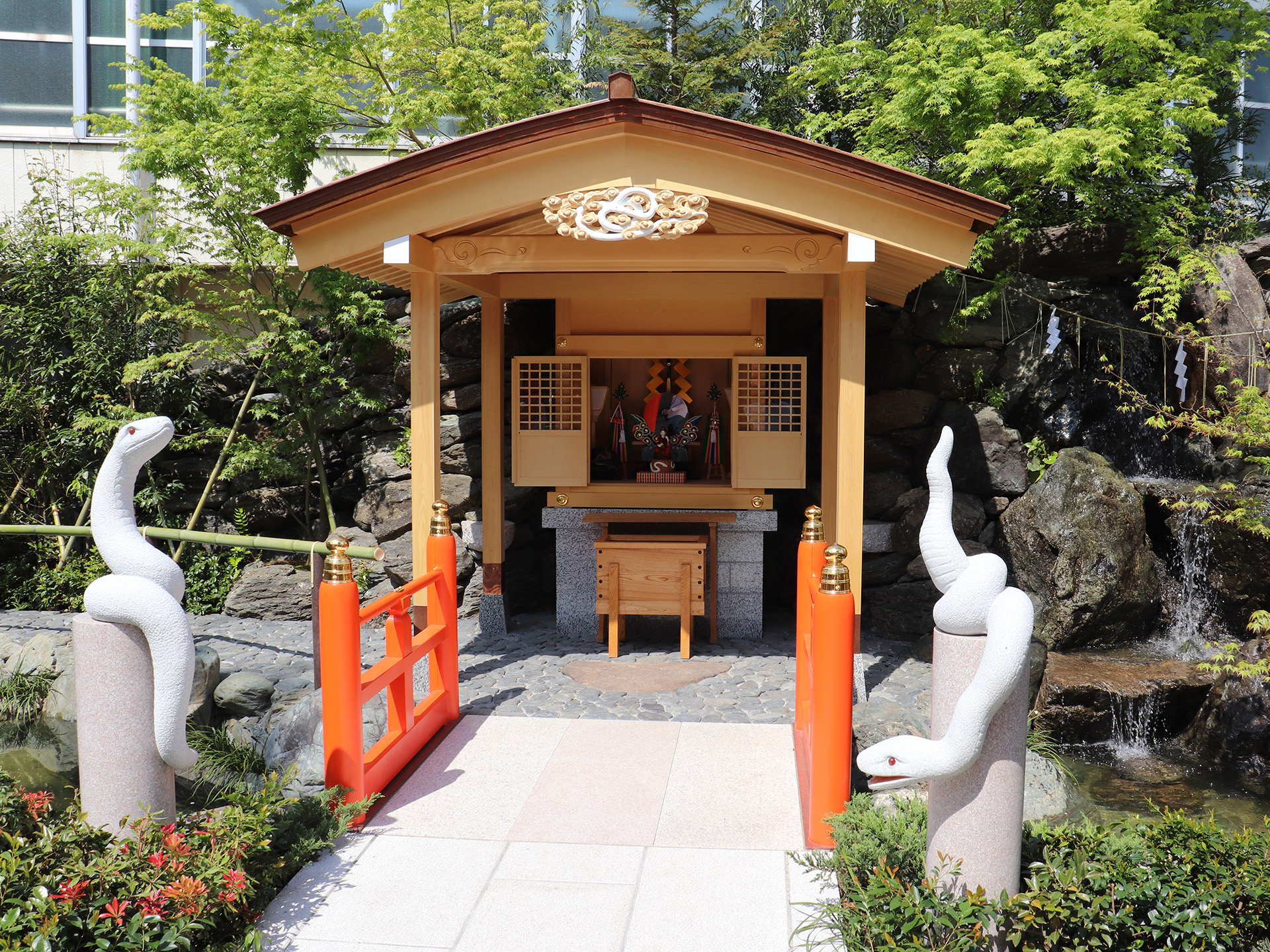
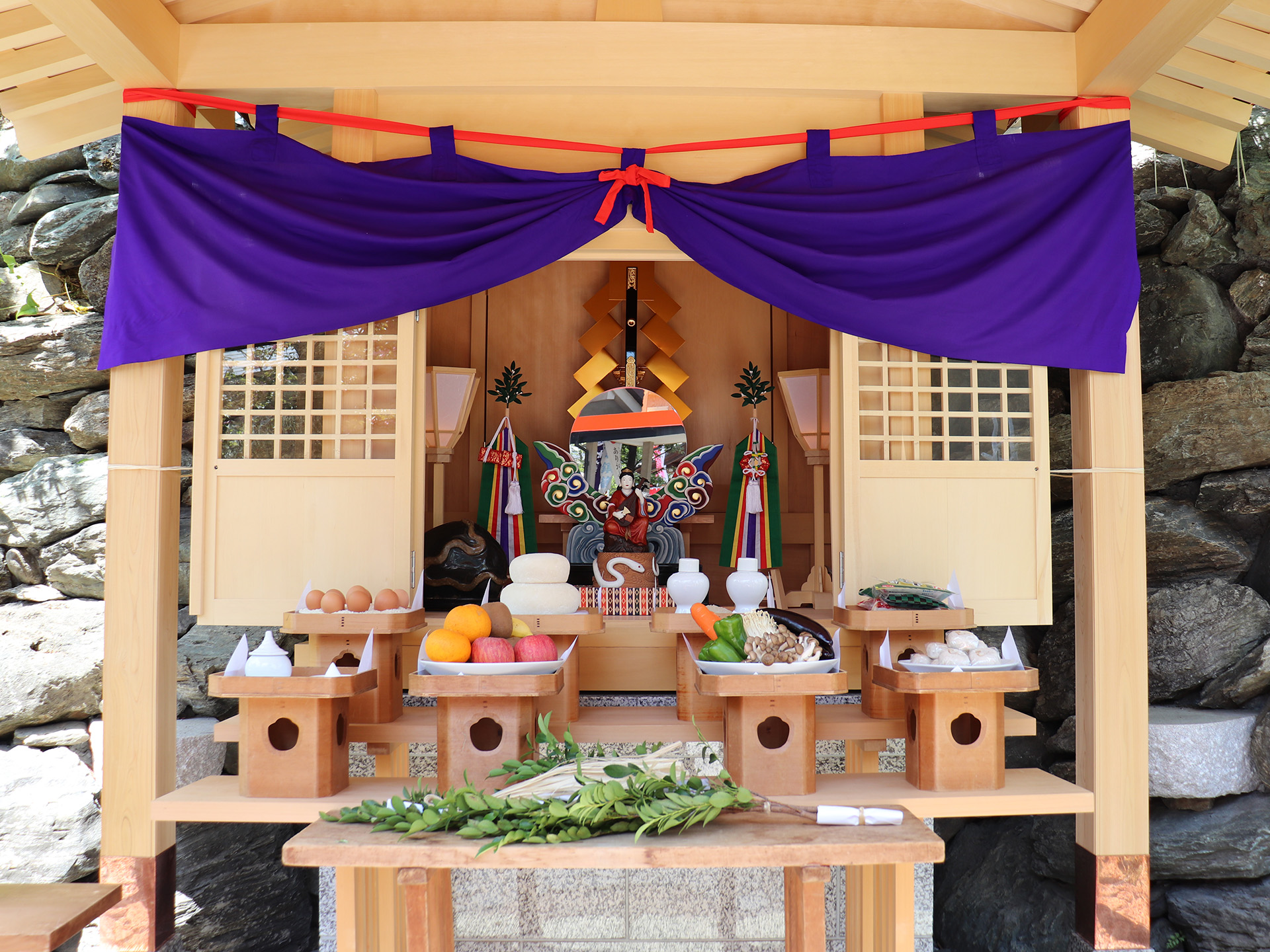
  • A legend tells of a white snake that had long lived in this area and appeared in people's dreams. Even today, the White Snake is enshrined as a messenger of the kami.
  • The name "Hebikubo Shrine", long familiar to the public, has been used as the shrine's official public-facing name since 2019 for greater clarity.
From the Chief priest!

神社 Highlights

Saito Yasuyuki

Chief priest

Saito Yasuyuki

While preserving long-established festivals and Shinto rituals, the shrine organizes a variety of events to remain welcoming and approachable. It also shares the appeal of "Tokyo's White Snake Deity," which draws many worshippers from Japan and abroad.

  1. Point1

    A "White Snake Prayer" Carrying Wishes to the Deity

    The "White Snake Prayer" is a special prayer rite for receiving the blessings of the White Snake deity. Since ancient times, the white snake has been regarded as a sacred messenger of Benzaiten and is associated with financial prosperity, improved financial luck, favorable relationships, and the fulfillment of heartfelt wishes. During the prayer rite, the sacred treasure "Kannabi Ryujin Gohei" is touched to each participant's back to purify them of sins and impurities.

  2. Point2

    Purifying Seed Money with Sacred Water for Better Fortune

    The shrine grounds feature several places associated with blessings for financial prosperity and improved financial luck. These include the "Shirohebi Shimizu Coin Washing", where seed coins are purified; the "Shirohebi Seed Coin Turning", where wishes are entrusted to a White Snake seed coin; and the "Shirohebi Seed Coin Linking (Return Visit)", where an old White Snake seed coin is returned before worshipping with a new one. Together, these practices are said to create a favorable flow of fortune.

  3. Point3

    Special Prayers and Devotional Items on the White Snake's Sacred Days

    This special prayer rite is held on Mi Days, which occur every 12 days, and Tsuchinotomi Days, which occur every 60 days, both special days associated with the White Snake, regarded as a divine messenger. Worshippers pay respects to the White Snake deity while norito prayers are recited to seek greater protection. The devotional items bestowed with the prayer are the "Mi Day and Tsuchinotomi Day Prayer Talisman" and the "Mi Amulet".

ご祈祷内容一覧

  • Shichi-go-san (Children’s Ceremony)Shichi-go-san (Children’s Ceremony)
  • Miyamairi (Newborn Blessing)Miyamairi (Newborn Blessing)
  • MatchmakingMatchmaking
  • Cutting TiesCutting Ties
  • Financial LuckFinancial Luck
  • Business ProsperityBusiness Prosperity
  • Yakuyoke (Purification)Yakuyoke (Purification)
  • Health & Well-beingHealth & Well-being
  • Safe ChildbirthSafe Childbirth
  • Exam SuccessExam Success
  • Traffic SafetyTraffic Safety
  • FertilityFertility
  • Performing ArtsPerforming Arts
  • Love FulfillmentLove Fulfillment
  • Bountiful HarvestBountiful Harvest
  • Family SafetyFamily Safety
  • Academic SuccessAcademic Success
  • Recovery from IllnessRecovery from Illness

Introduction Video

Tracing the pastHISTORY

Origins & Heritage

A Historic Shrine Enshrining a White Snake Deity and Dragon Deity

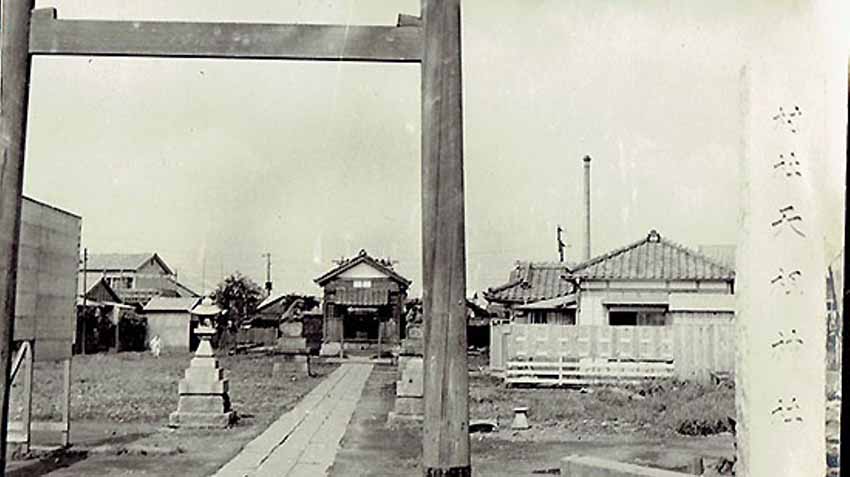
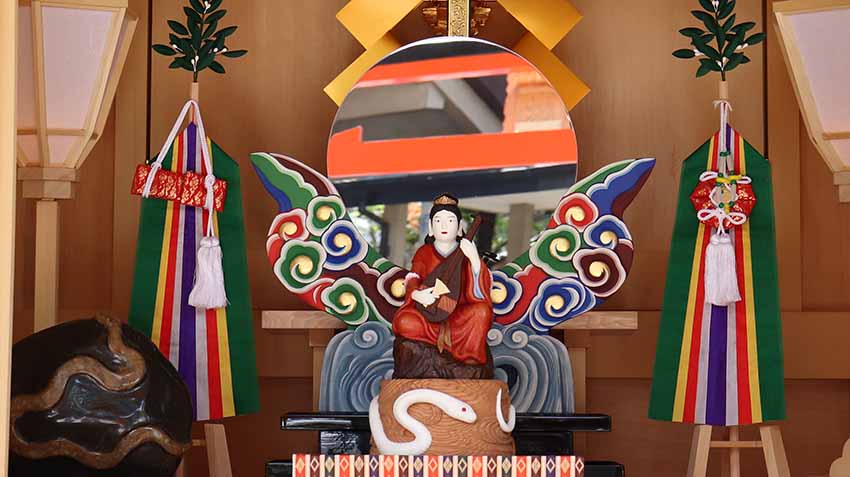
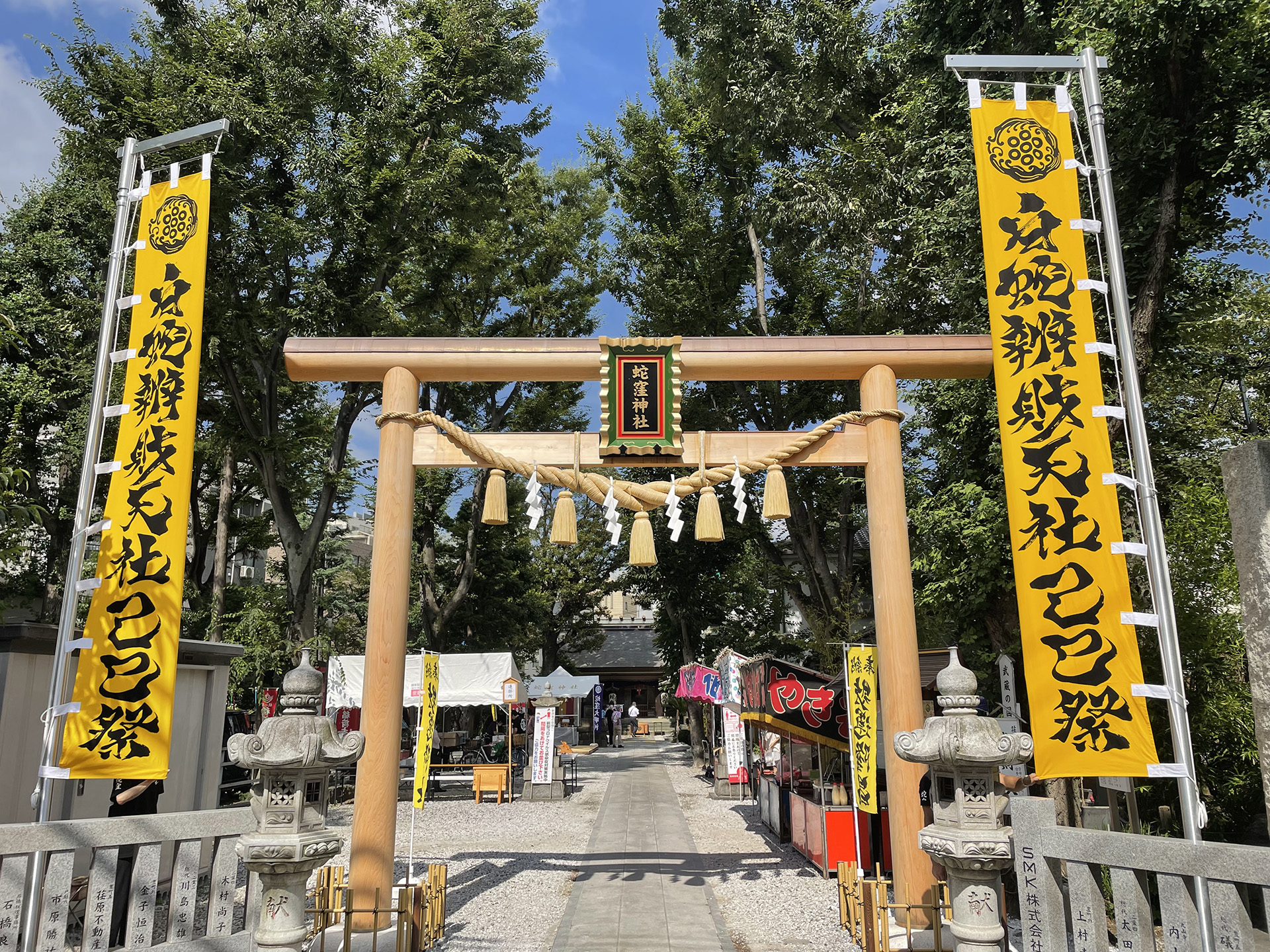
With a history of more than 700 years, the shrine has long been known locally as "Hebikubo Shrine," after the area's former name, Hebikubo Village. In 1322, when Musashi Province (present-day Tokyo, Saitama, and part of Kanagawa) suffered a severe drought, people prayed for rain at a pond where a dragon deity was enshrined. Heavy rain followed, saving the community, and the shrine was founded as the local guardian in gratitude. Around that time, a white snake lived in a spring beside the shrine building. When it was moved to a pond in Togoshi during improvements to the grounds, it appeared in people's dreams and pleaded, "I want to return to my original home," leading to the construction of "Shirohebi Benzaiten Shrine." The route said to have been taken by the returning snake, "Shirohebi-sama no Modorimichi," is still followed by many worshippers today. Known as a place to pray for financial fortune, the shrine also enshrines both the white snake and dragon deity and is associated with "Mi ga Tatsu," a wordplay on "mi ga tatsu," meaning to rise in life, drawing many worshippers seeking good fortune.

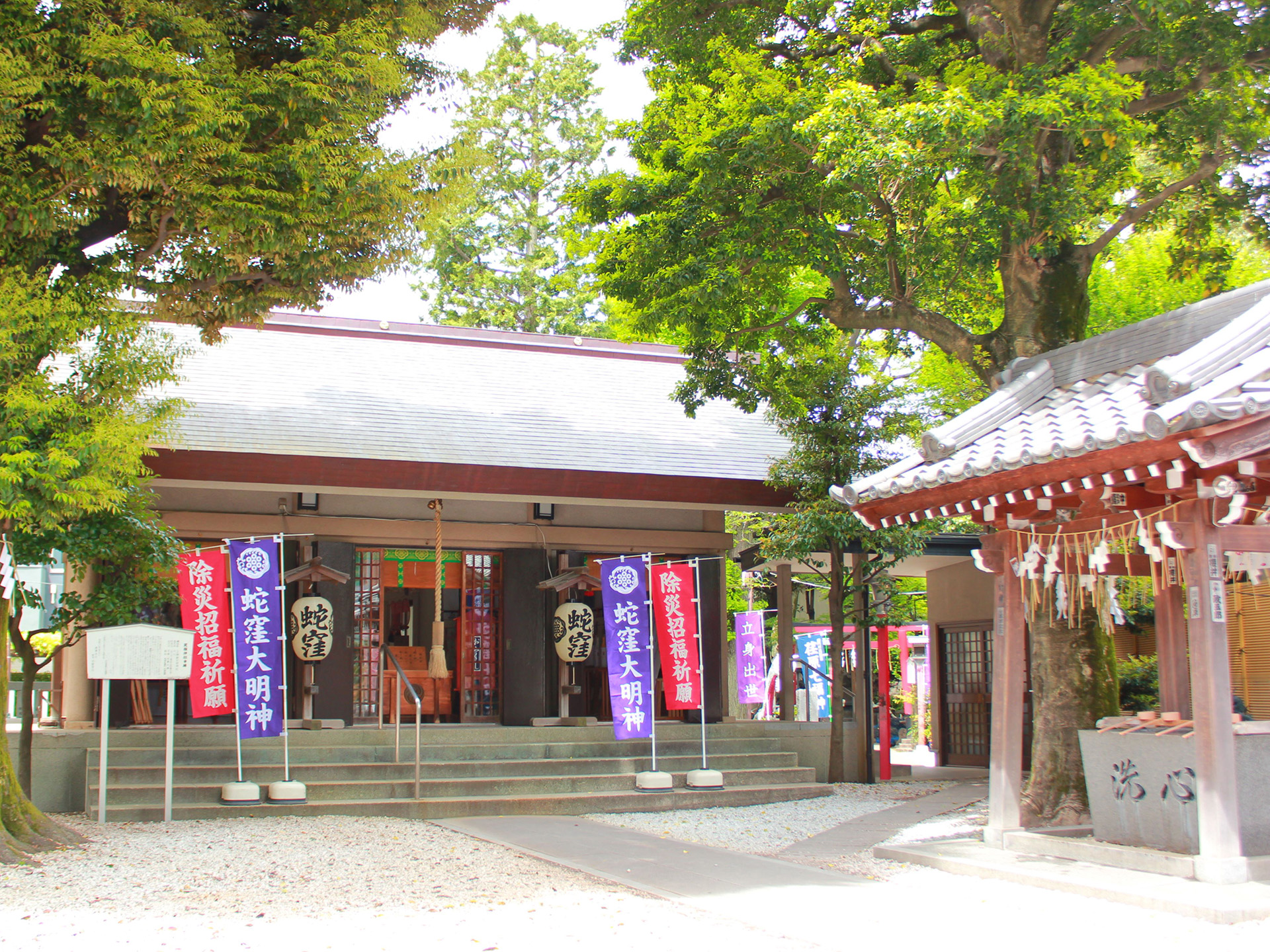
Main hall

A Shrine Hall Enshrining Three Deities and Three Auxiliary Shrines

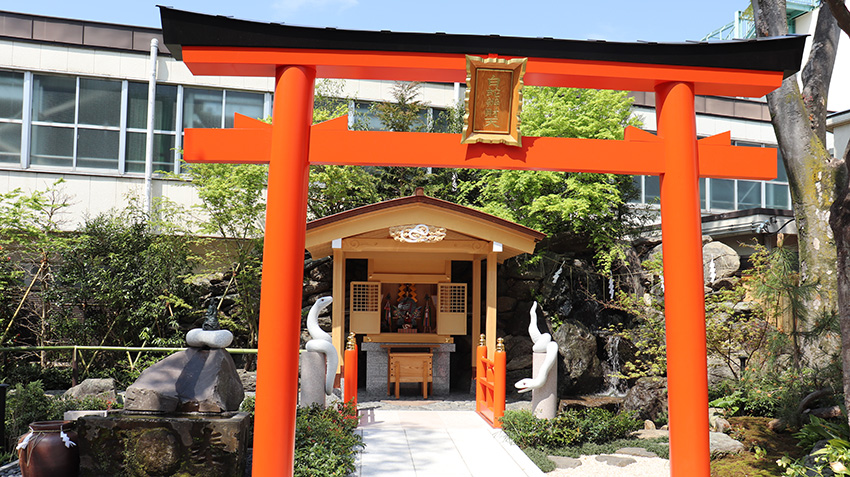
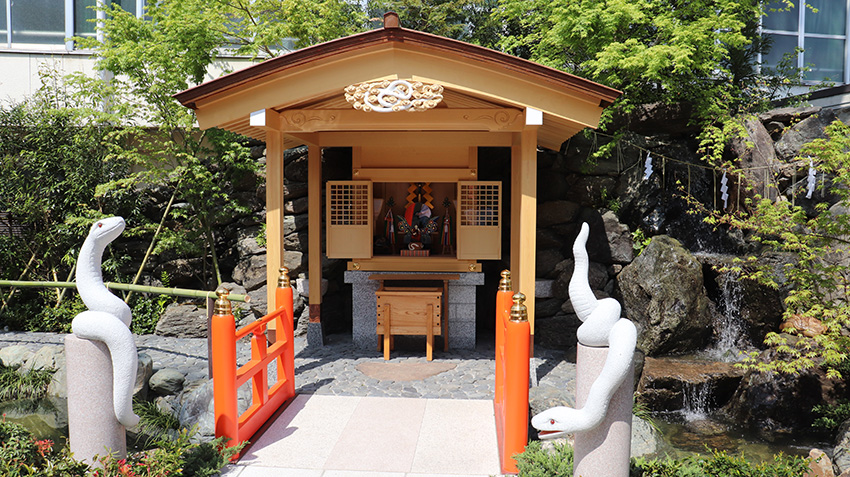
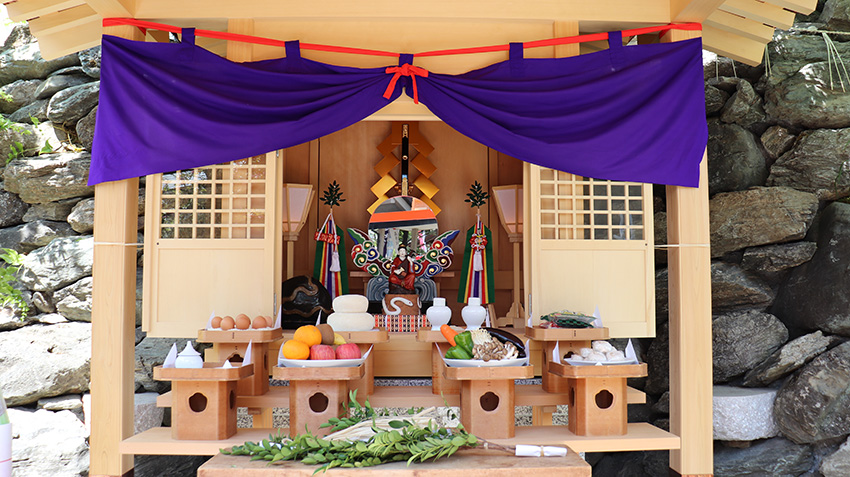
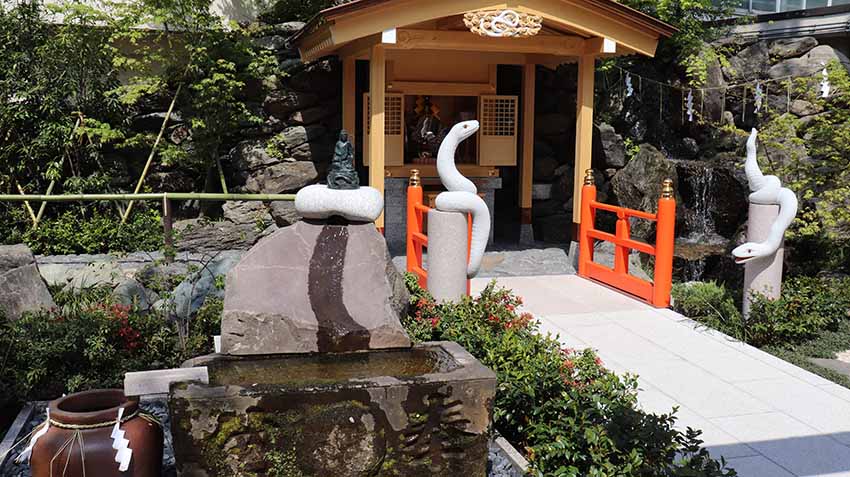
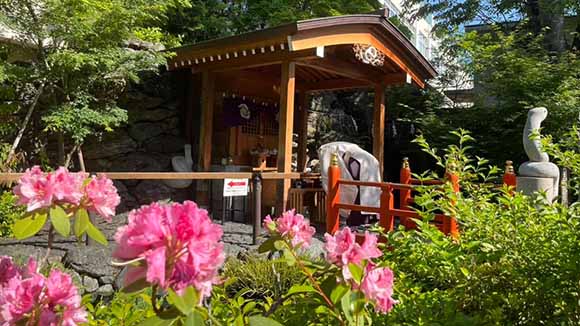
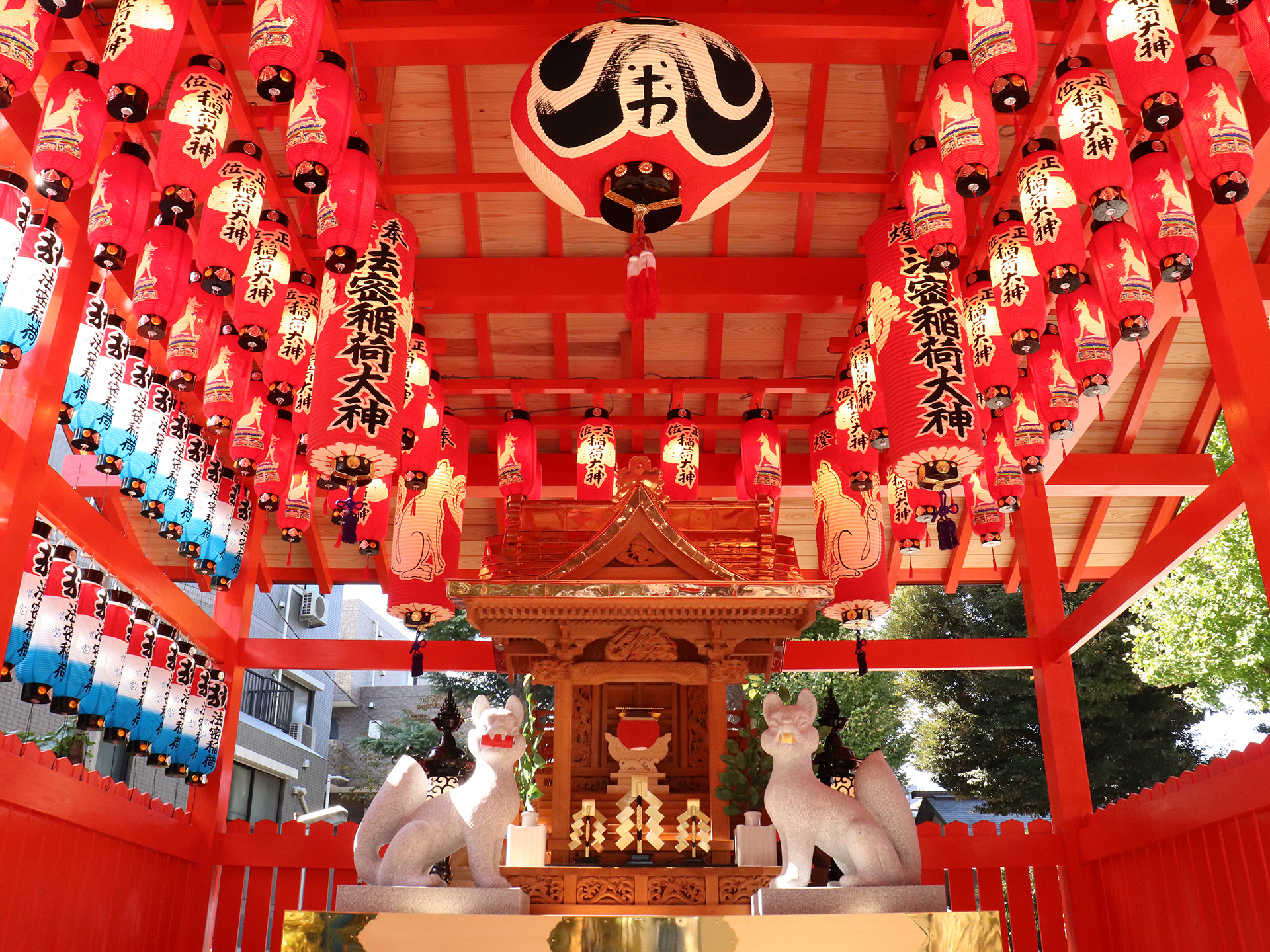
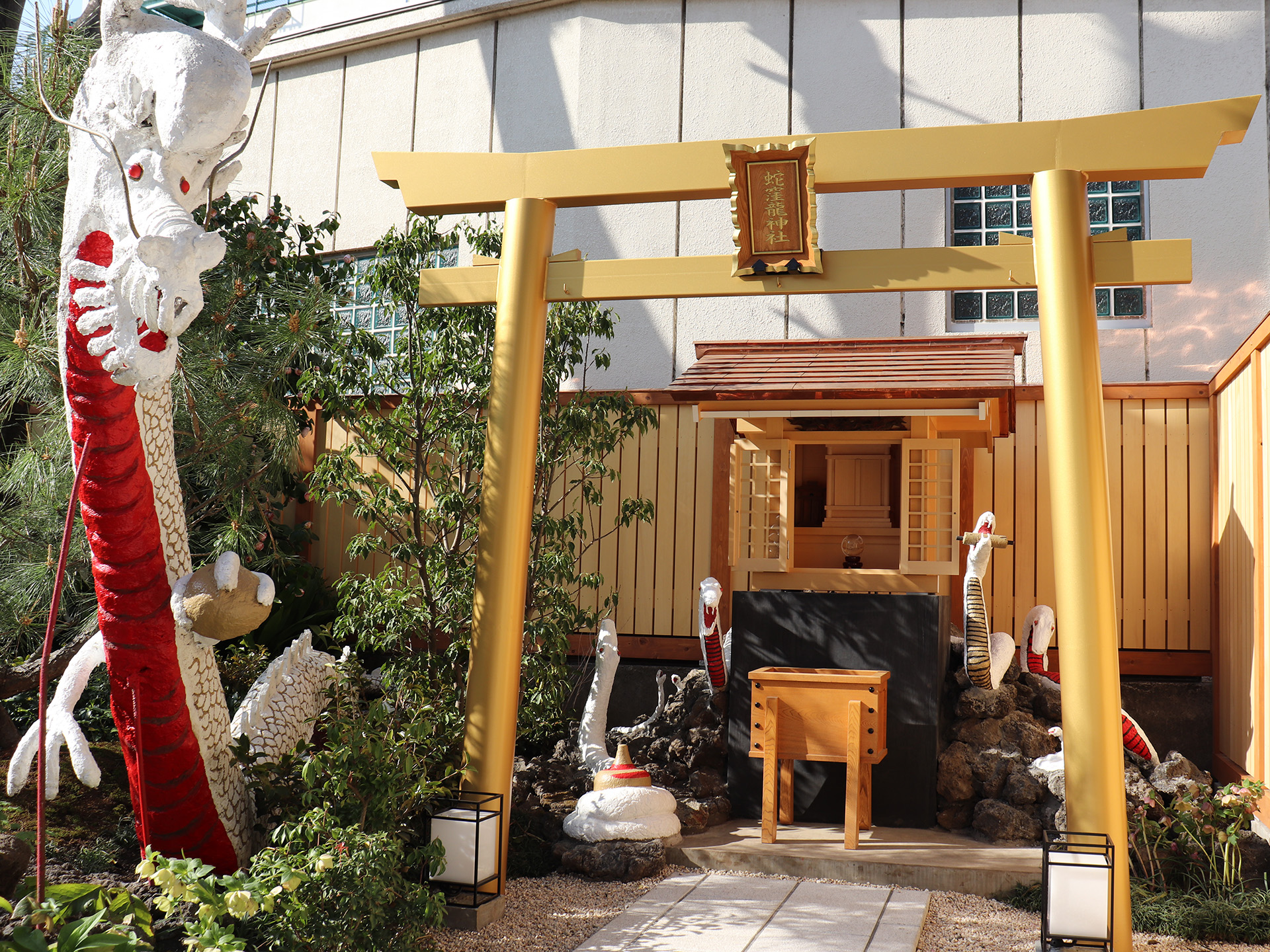
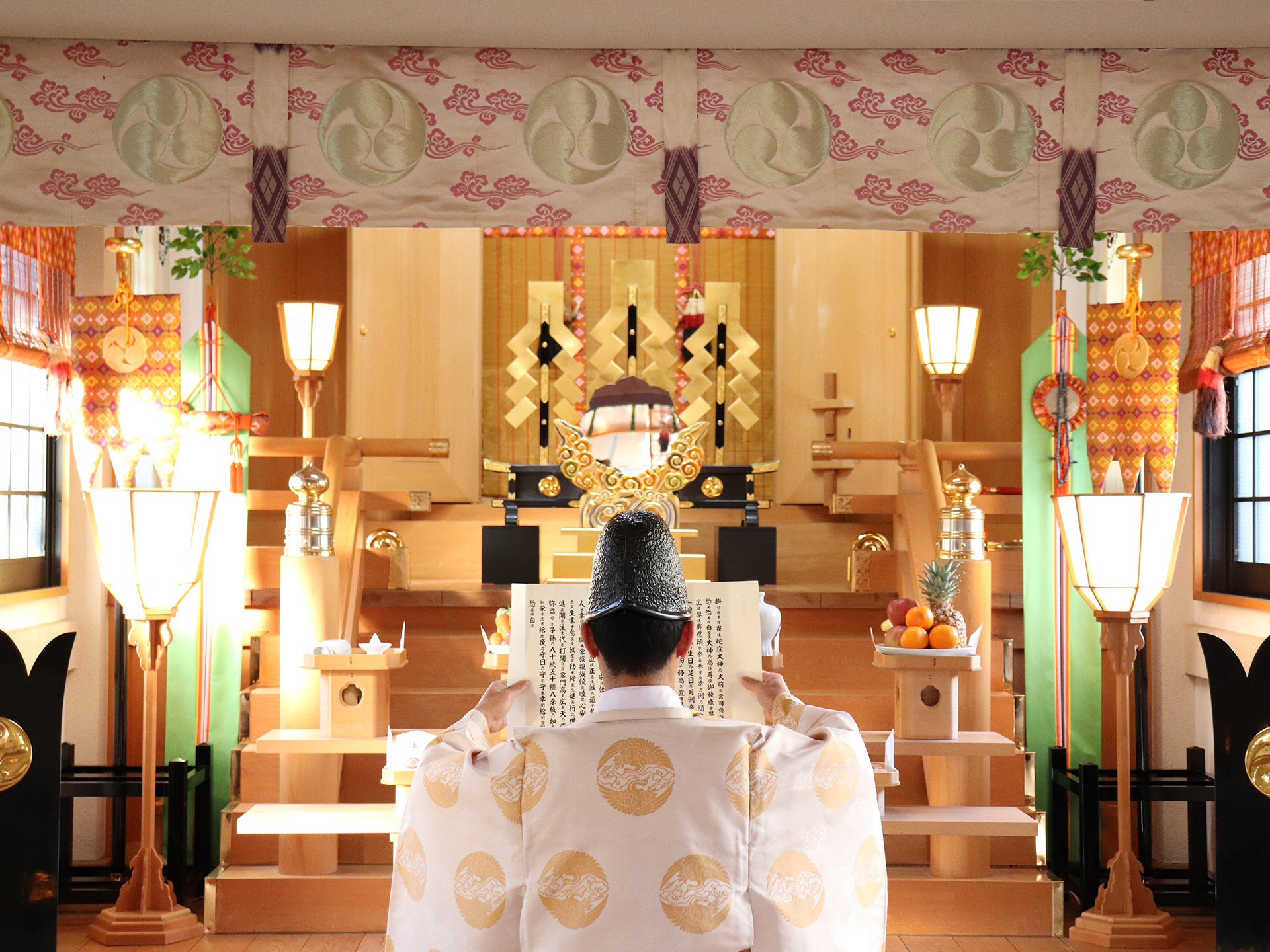
The present shrine buildings were rebuilt in 1961 and have since been carefully preserved with the local community through renovations and improvements to the grounds. The Main Sanctuary features the simple beauty of the Shinmei-zukuri style. Three deities are enshrined here: Amaterasu Omikami as the principal enshrined deity, together with Amenokoyane-no-Mikoto and Emperor Ojin. The shrine draws a steady stream of worshippers seeking blessings for family safety, protection from misfortune, peace for the nation, and good fortune. The grounds also include "Shirohebi Benzaiten Shrine," "Hebikubo Ryujin Shrine," and "Homitsu Inari Shrine." It is unusual to be able to pay respects to deities associated with the white snake, dragon deity, Benzaiten, and Inari within a single shrine complex. Visiting them all offers a deeper sense of the beliefs and legends unique to "Hebikubo Shrine" and an opportunity to form connections with the deities. Seasonal flowers and greenery fill the grounds, creating a refreshing atmosphere removed from everyday life.

White Snake Prayers

Bonds of Good Fortune with the White Snake

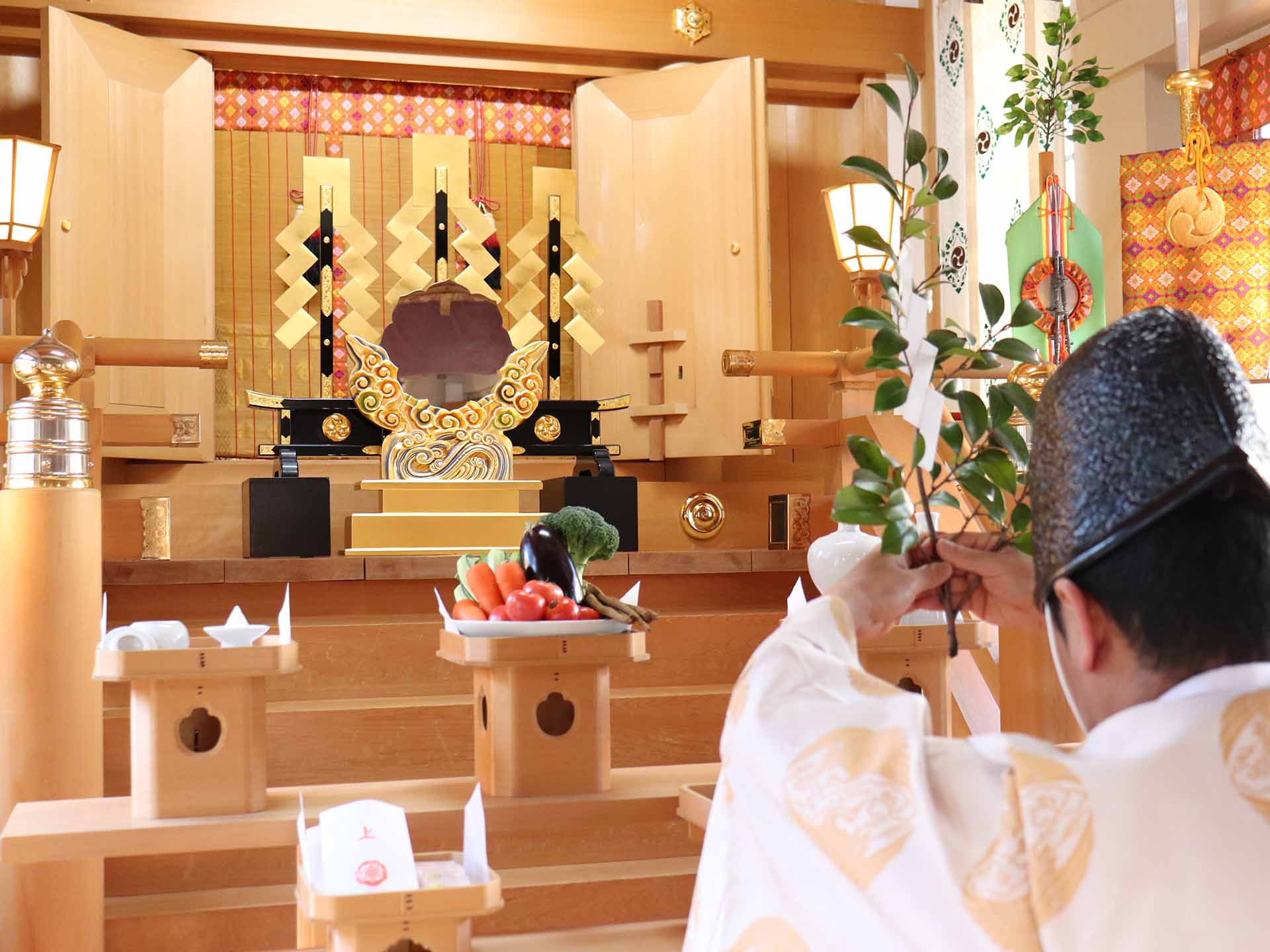
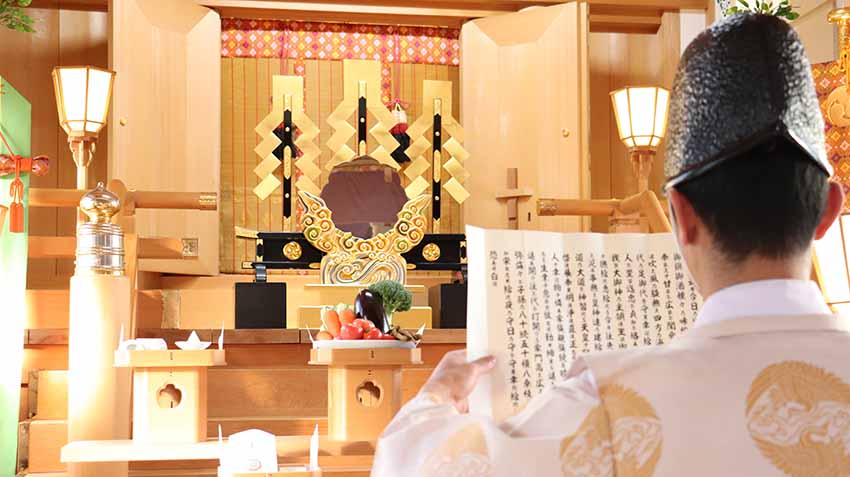
At "Hebikubo Shrine", affectionately known as "Tokyo's White Snake", a special "White Snake Prayer" is offered to receive the blessings of the White Snake deity. The white snake is regarded as a sacred messenger of Benzaiten and, because snakes shed their skin, as a symbol of rebirth. Deepening one's connection with the White Snake, associated with prosperity, improved financial luck, favorable relationships, and the fulfillment of heartfelt wishes, is believed to offer strong support in taking a new step toward the future. Special ofuda and amulets are also offered. The shrine grounds feature several places associated with the White Snake, including "Shirohebi Benzaitensha Shrine", "Nade Shirohebi", and "Shirohebi Tanesen Coin-Turning", where prayers may be offered. Mi Day, which occurs every 12 days, and Tsuchinotomi Day, which occurs every 60 days, are special days associated with the White Snake. On these days, the shrine conducts the "Special Prayer for Mi Day and Tsuchinotomi Day". After norito prayers are recited in the shrine building, worshippers pay respects to the White Snake and pray for its protection. Limited devotional items and special goshuin may also be offered, and the shrine grounds become especially lively with people praying for good fortune.

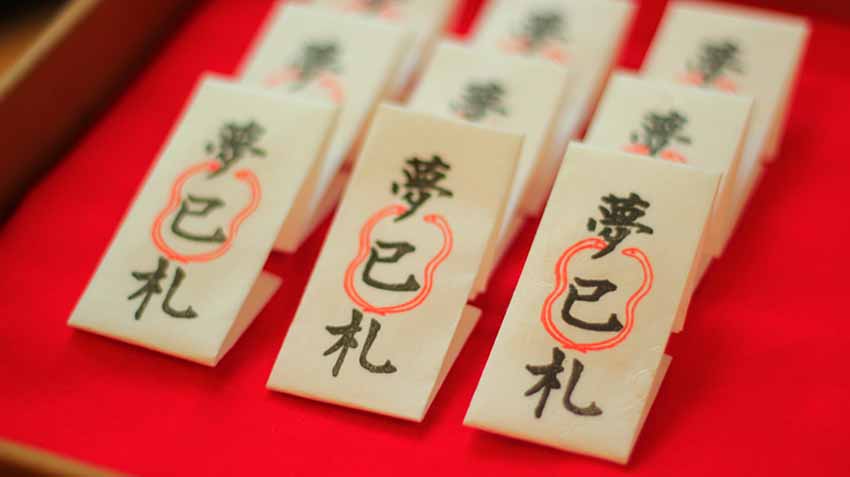
Limited-Edition "Yumemi-fuda"

  • "Yumemi Fuda" 2,000 yen offering

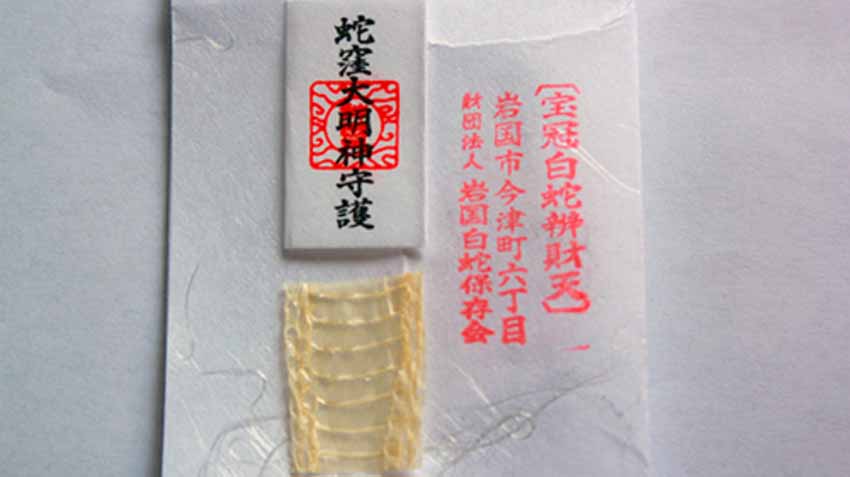
  • This amulet contains shed skin from the

    This amulet contains shed skin from the "Iwakuni White Snake", a nationally designated Natural Monument found in Yamaguchi Pref

White Snake Spiritual Power in a Special Financial-Fortune Omamori

The "Yumemi-fuda", a special amulet associated with "Shirohebi Benzaitensha Shrine", is offered only from January 1 through 11, as well as on Mi Days, which occur once every 12 days, and Tsuchinotomi Days, which occur once every 60 days. It contains shed skin from the "Iwakuni White Snake", a nationally designated Natural Monument found in Iwakuni City, Yamaguchi Prefecture, together with a talisman of Hebikubo Daimyojin. Both are prayed over at "Shirohebi Benzaitensha Shrine", and the amulet is believed to carry their blessings. A snake shedding its skin is regarded as a symbol of rebirth and increased financial luck, while the "Iwakuni White Snake" has long been revered as a messenger of the kami and a guardian deity of the home. "Shirohebi Benzaitensha Shrine" was established after a white snake appeared in the dreams of local residents. The amulet is available only in limited quantities and cannot be sent by mail; it is bestowed in person only to worshippers who visit Hebikubo Shrine on one of these auspicious days. While it is customary to return ordinary amulets after one year and receive new ones, opportunities to receive the "Yumemi-fuda" are limited, so it is said that it may be kept with care until the next opportunity to receive one.

SEASONS

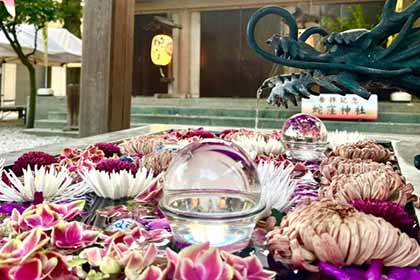
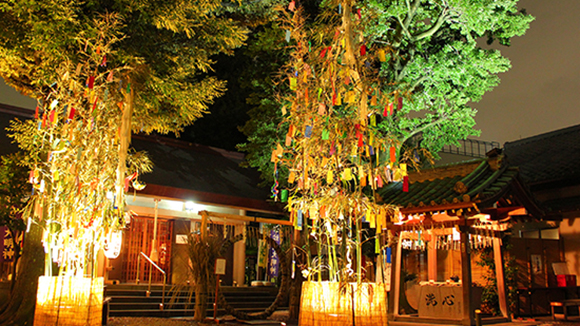
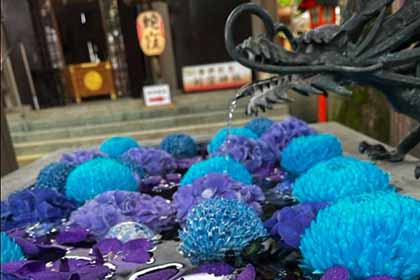
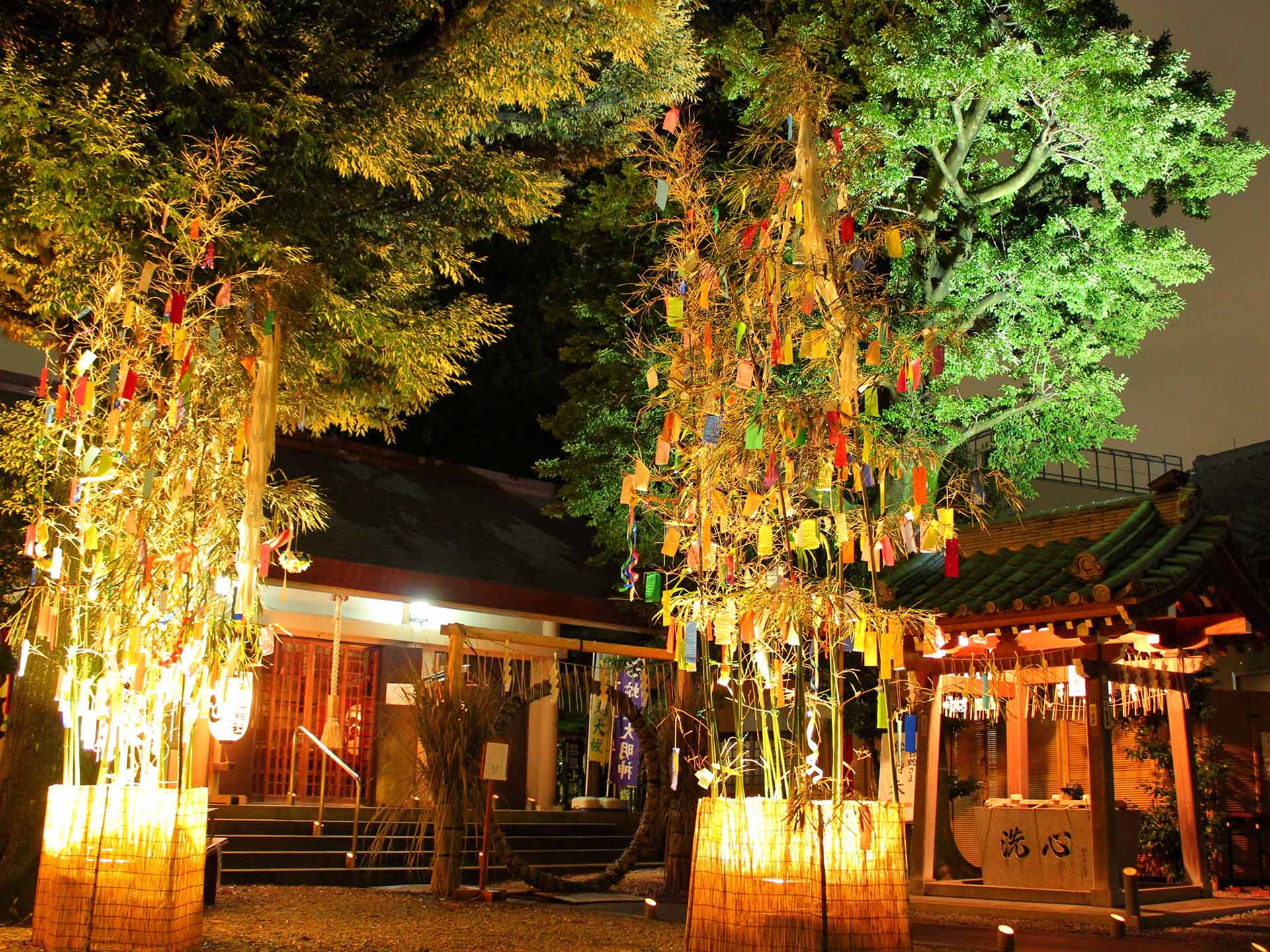
Seasonal beauty within the shrine's grounds and nature

Spring

A New Chapter Under Full-Bloom Cherry Blossoms,

Vowed to the White Snake Deity

Spring image 1
Spring image 2
Summer

Rustling Green Leaves at Hebikubo Shrine

Dispelling Summer's Evil, Welcoming Good Fortune

Summer image 1
Summer image 2
Autumn

With Gratitude for the Autumn Harvest

A Prayer for "One Grain Multiplied Ten Thousandfold"

Autumn image 1
Autumn image 2
Winter

New Year's Good Fortune

Guidance from the White Snake

Winter image 1
Winter image 2

INFOMATION

Hebikubo Shrine

蛇窪神社

View Map
Address
4-4-12 Futaba, Shinagawa Ward, Tokyo

Access
Train: 5-minute walk from Nakanobu Station on the Toei Subway Asakusa Line and Tokyu Oimachi Line, 8-minute walk from JR Nishi-Oi Station, and 12-minute walk from Togoshi-koen Station on the Tokyu Oimachi Line
Website
https://hebikubo.jp/
TEL
+81-3-3782-1711Please let the staff know that you saw this on "Tabiiro."
Social media
  • Facebook
  • Twitter
  • Instagram
  • Youtube
FAX
+81-3-6426-1011
Business hours
9:00 A.M. to 5:00 P.M.
Holidays
Open year-round
Admission fee
Free admission to worship
Parking spaces
Not available
蛇窪神社
※This page is based on information provided by the shrine/temple. ※Please note that inquiries in languages other than Japanese may not be answered.

Recommended articles in the same area

Introducing seasonal outing spots and event information in Tokyo! Visit the places that interest you!

Nearby Spots

View More

Pick popular spots nearby!