


Trying Tea Ware Painting and Fluid Art at Art and Cafe in Shibuya
2026/08/31
 2026/05/25
Tokyo’s 23 wards offer countless shrines, so there are always many to choose from for your first visit of the year. While famous landmarks are a great choice, you can also pick your destination based on the blessings you seek such as luck in love or good health. For many visitors, collecting unique goshuin (shrine stamps) and protective charms is a highlight of the experience.
This guide introduces 14 popular hatsumode spots in Tokyo, highlighting their unique features and attractions. If you are looking for a special blessing or want to try somewhere different this year, use this list to find your perfect New Year destination.
Table of Contents of This Article
Open Table of Contents ▼
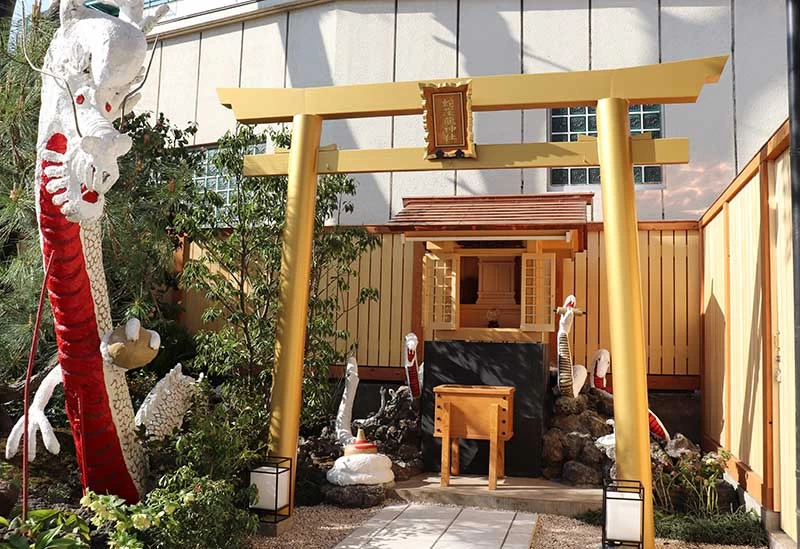
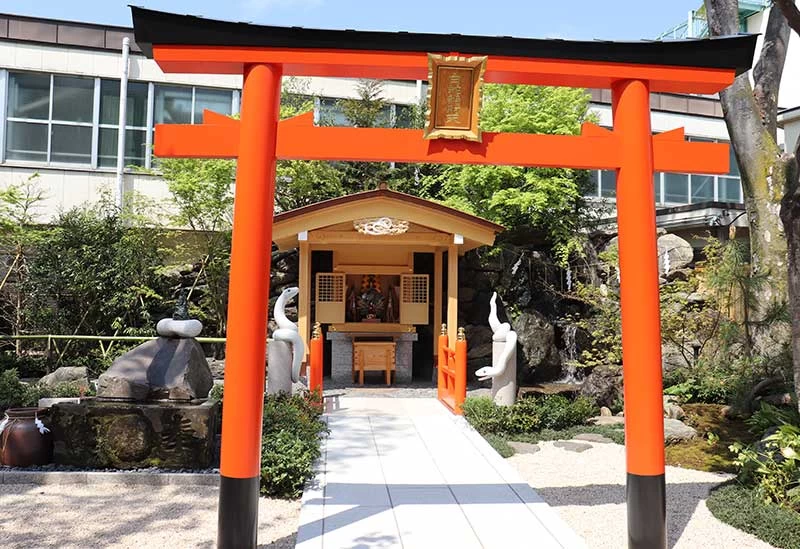
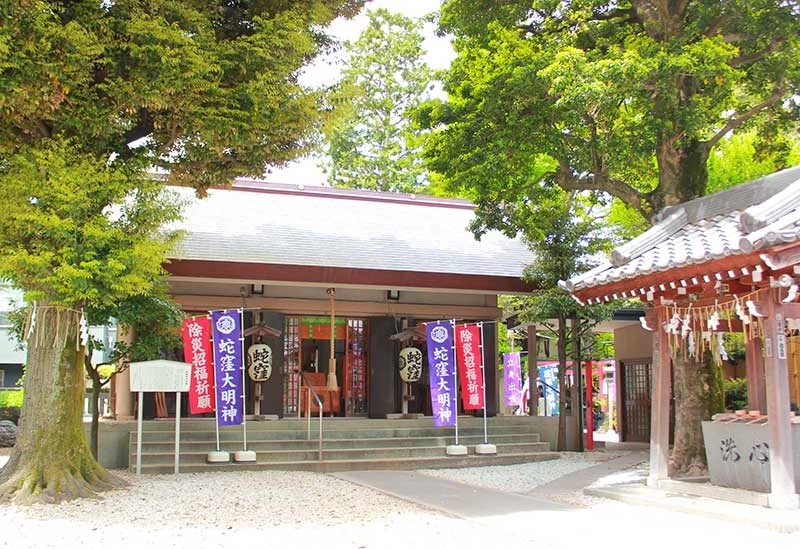
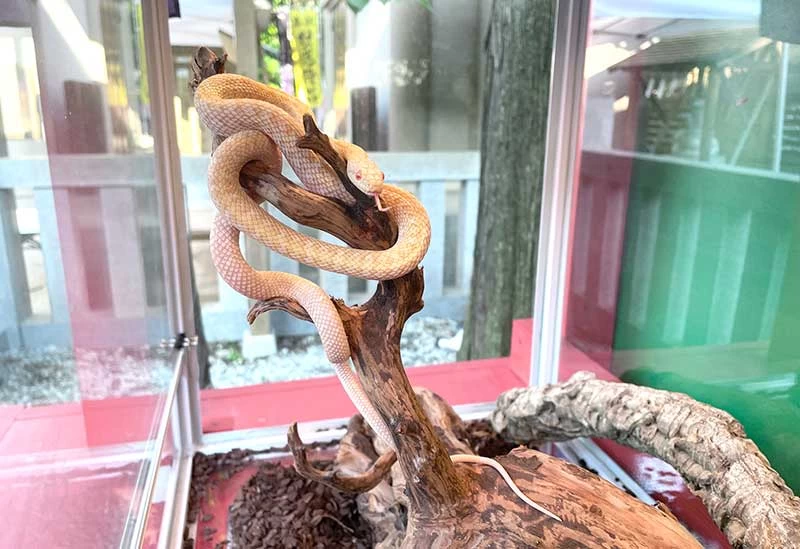
Known affectionately as Tokyo’s White Snake Shrine, Hebikubo Shrine enshrines white snakes as divine messengers called Shirohebi Okami. The shrine honors a dragon deity, which legend says saved the area from a severe drought—creating a rare pairing of two powerful deities. A traditional wordplay linking snakes (mi) and dragons (ryu) with ""rising in the world"" has made the shrine a popular place to pray for career success and advancement.
The shrine is especially lively during the New Year with various traditional events. For a truly special experience, visit on a designated ennichi day (held every 12 days), when two sacred white snakes can be viewed.
Hebikubo Shrine

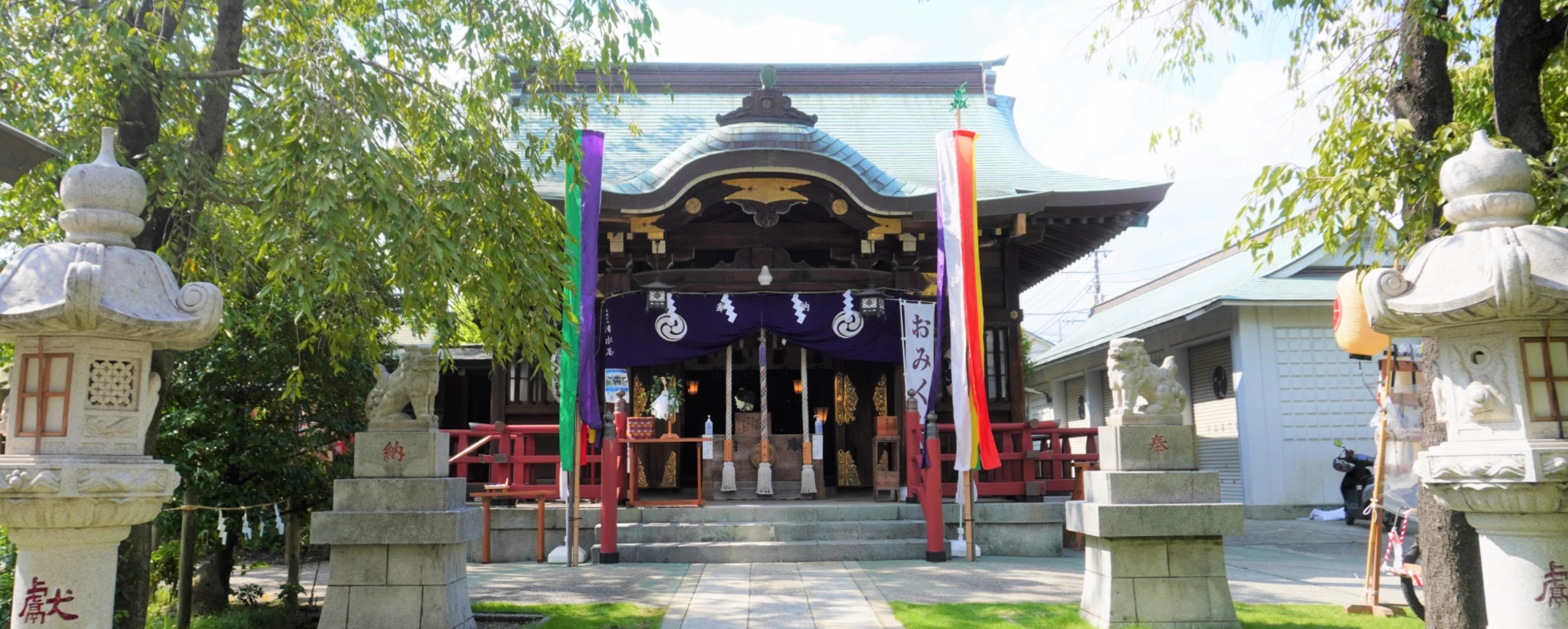
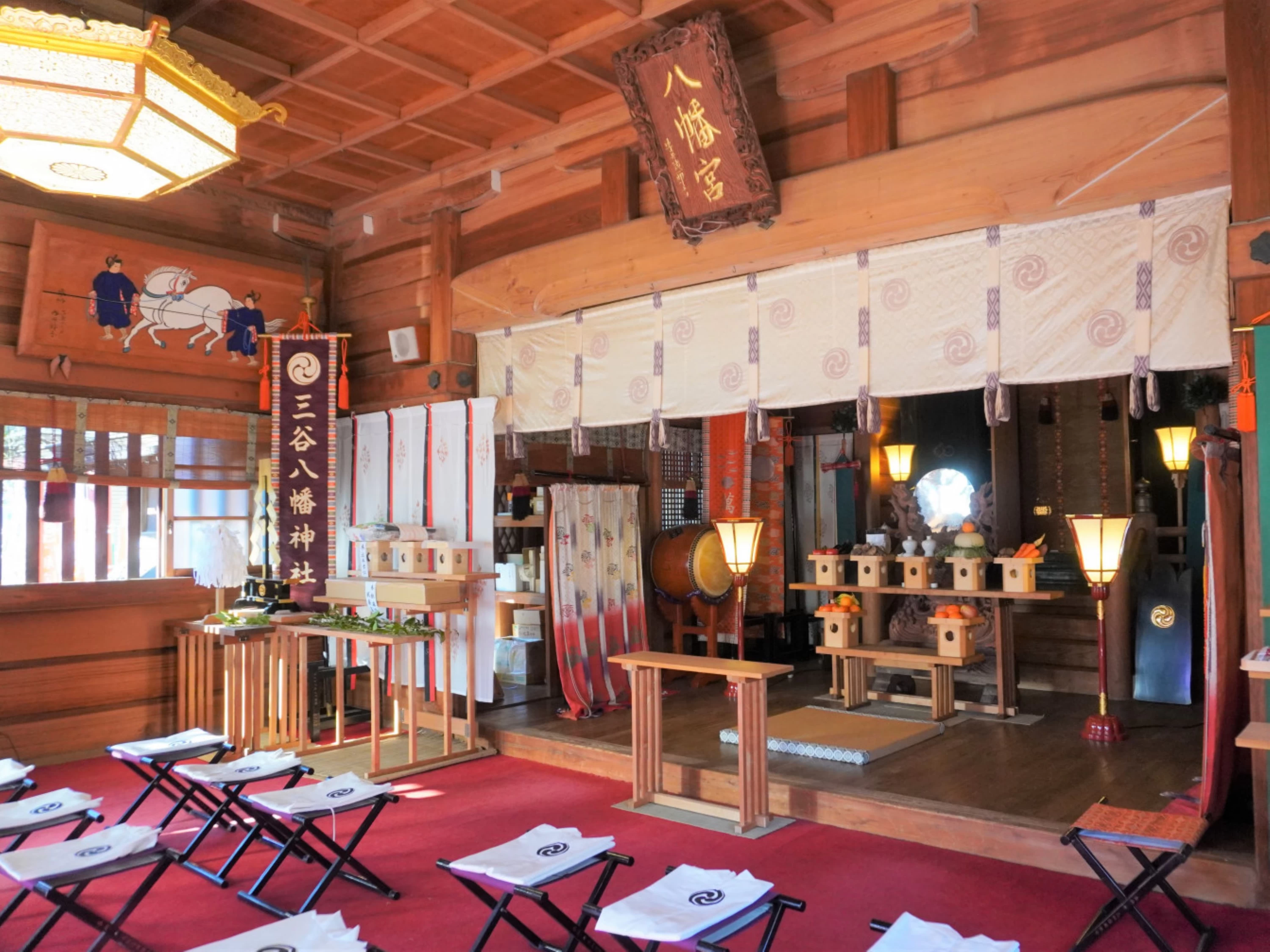
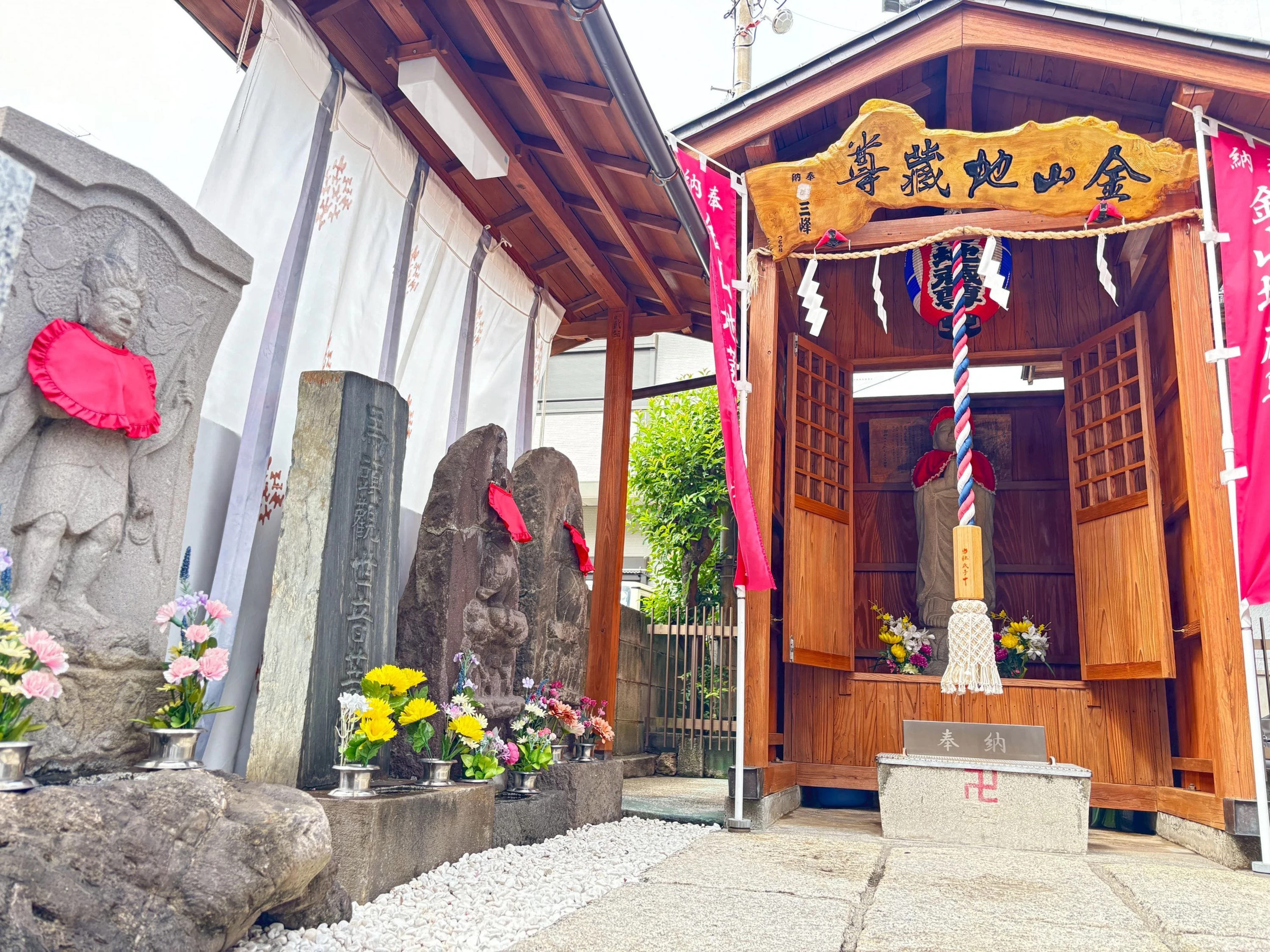
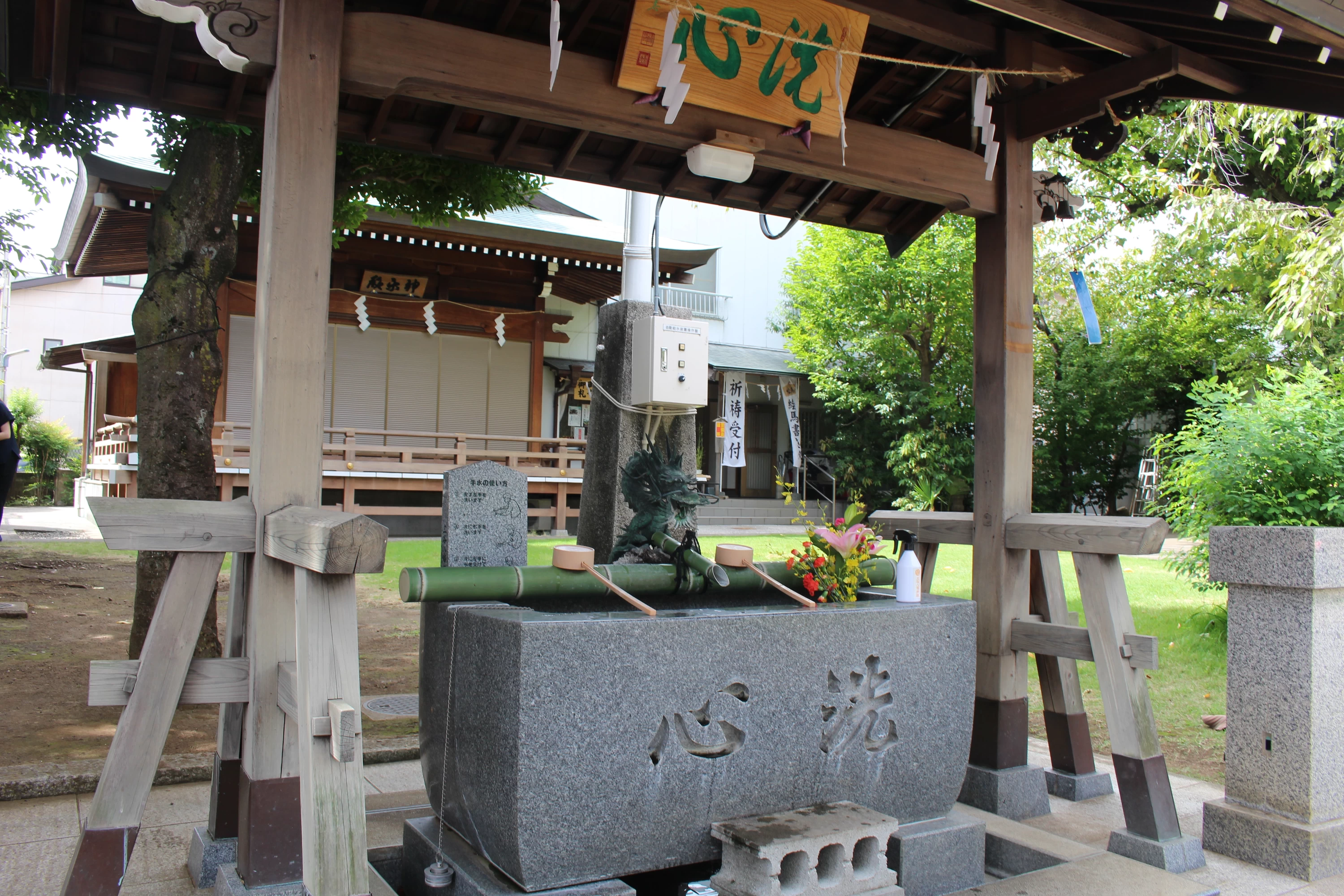
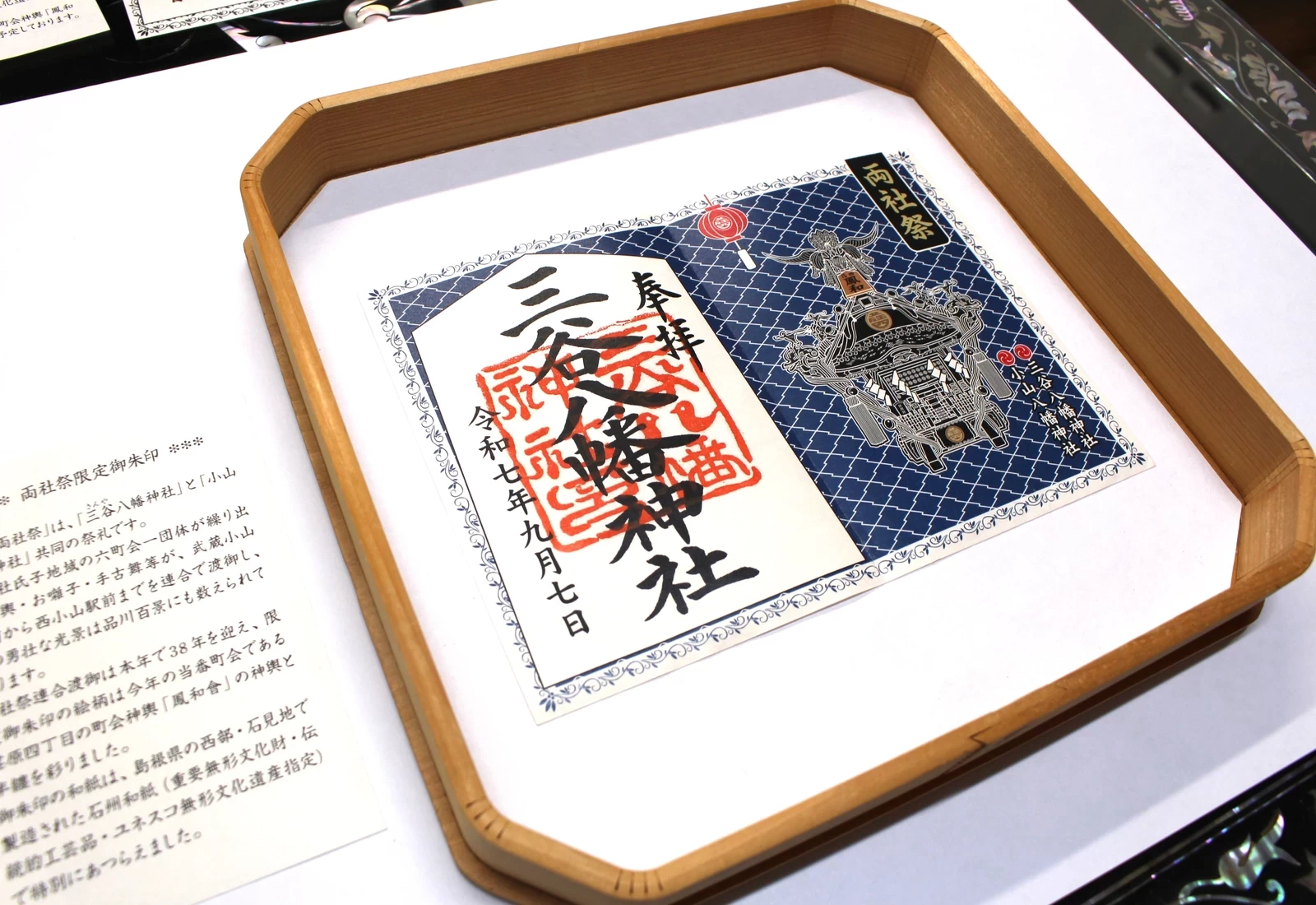
Hachiman worship is one of Japan’s most widespread traditions, with around 30,000 to 40,000 shrines across the country. At Sanya Hachiman Shrine, the main deity is Hondawake-no-Mikoto, a deity associated with scholarship and martial arts who has long been revered by the local community. The shrine also enshrines several other deities, offering blessings such as protection from misfortune, family prosperity, and traffic safety.
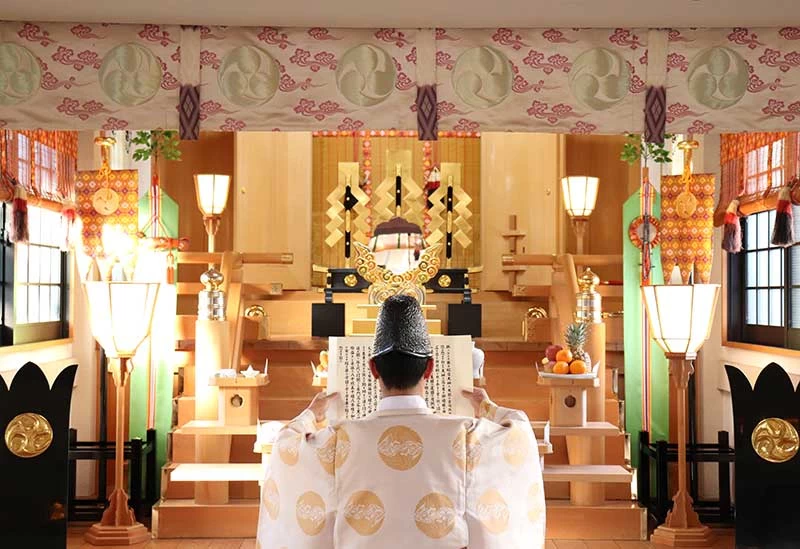
As the year comes to a close, a series of traditional rituals take place, including the Oharai (year-end purification ceremony), the burning of old amulets and talismans, and special ceremonies on New Year’s Eve and New Year’s Day.
Sanya Hachiman Shrine
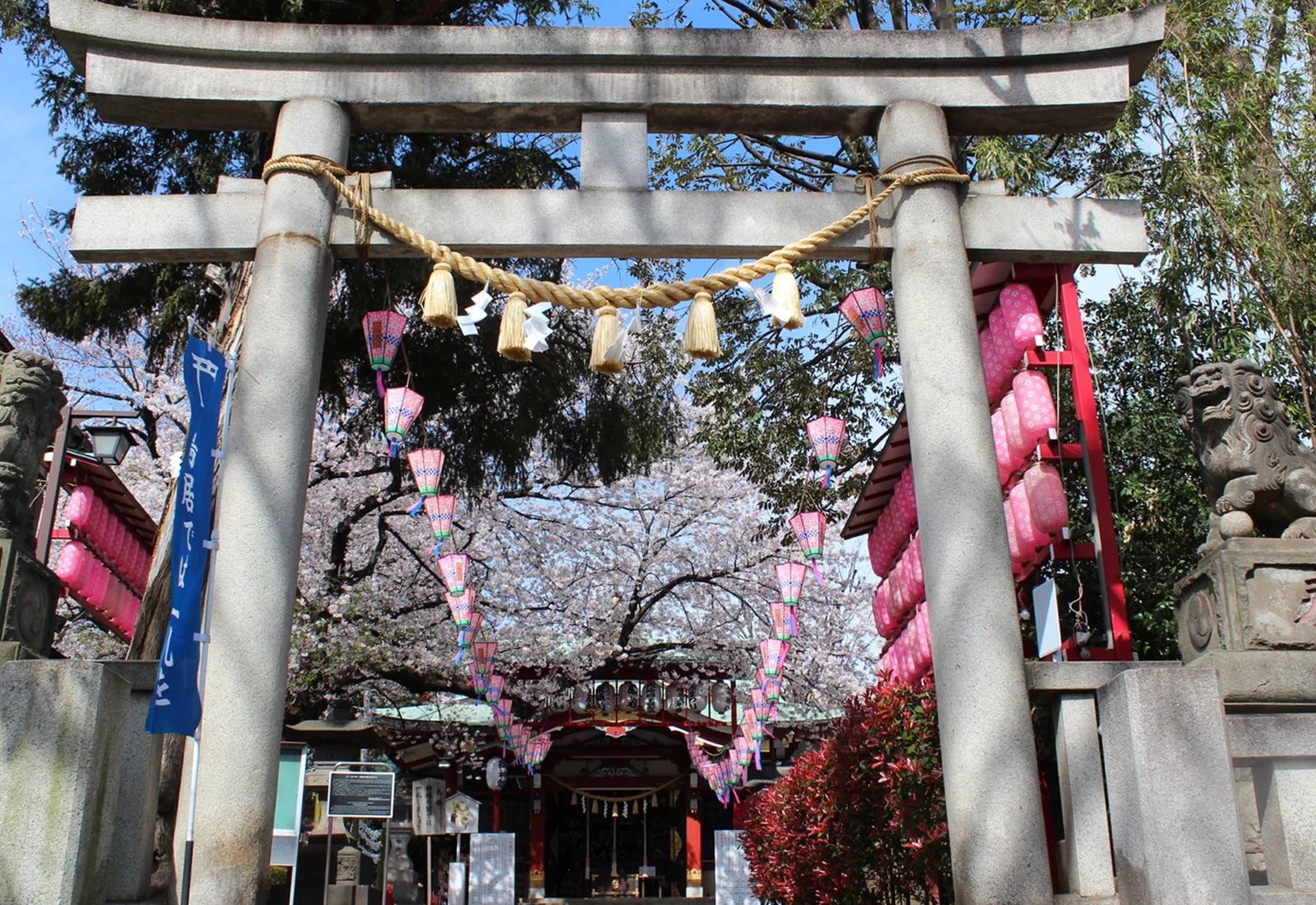
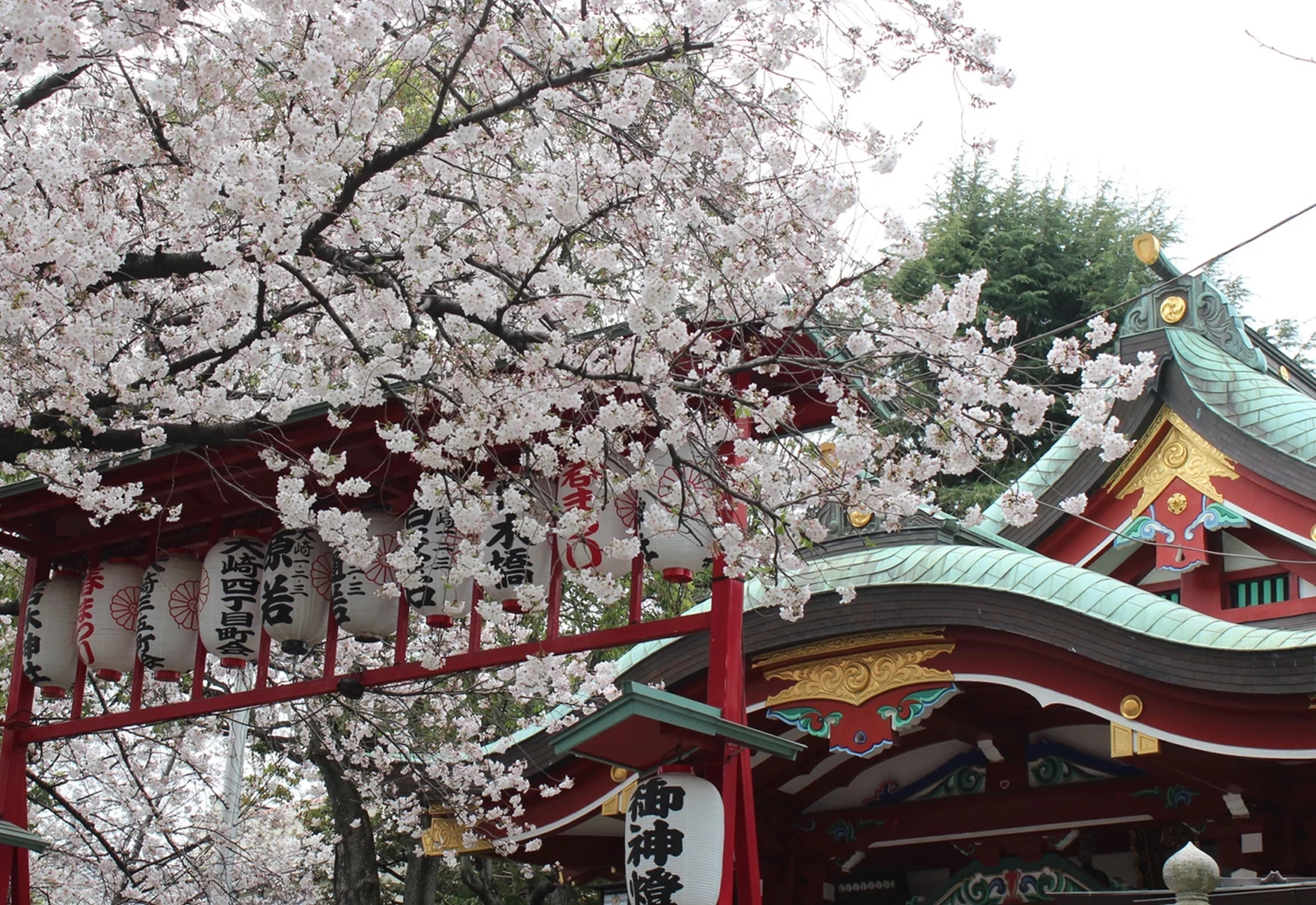
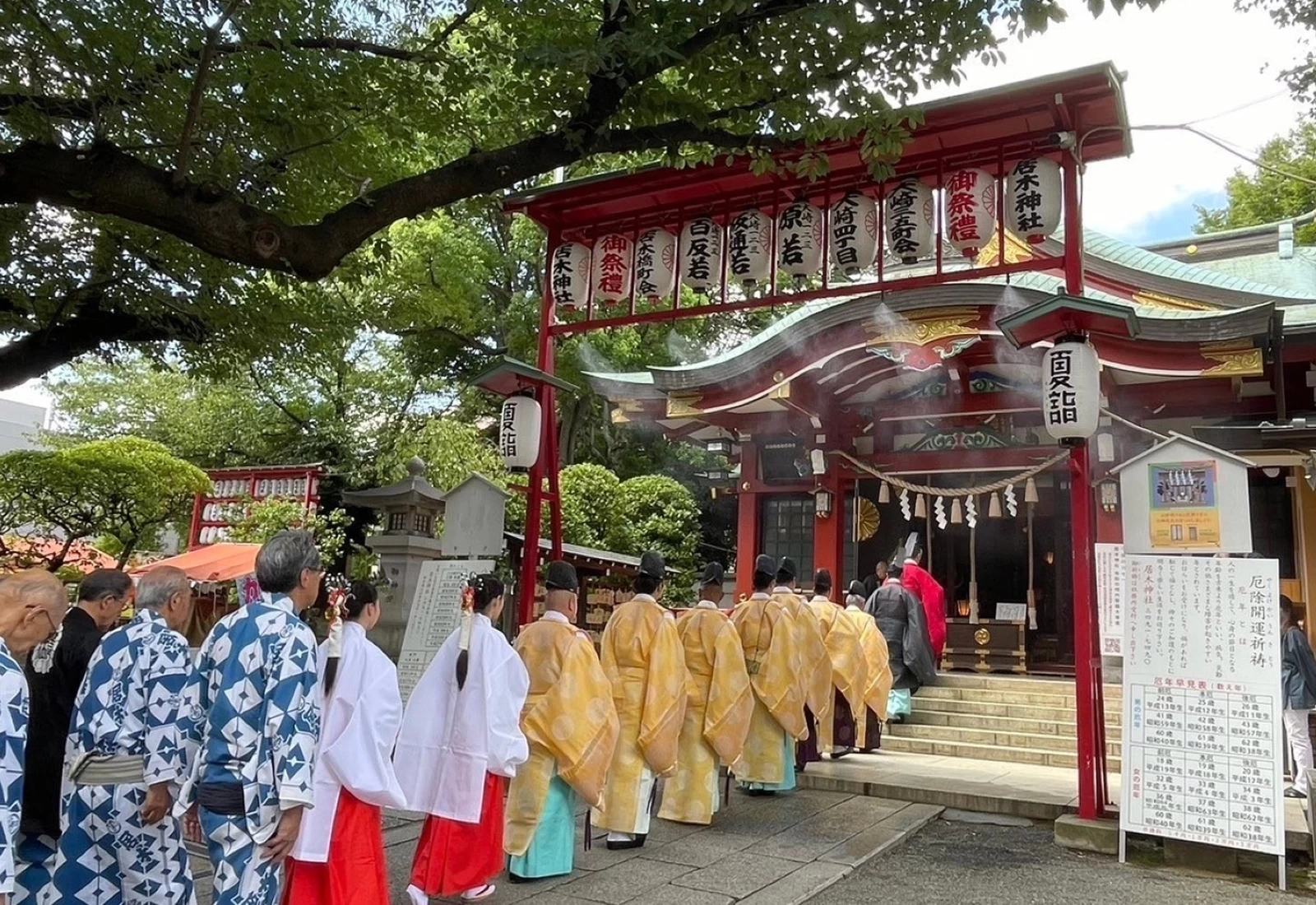
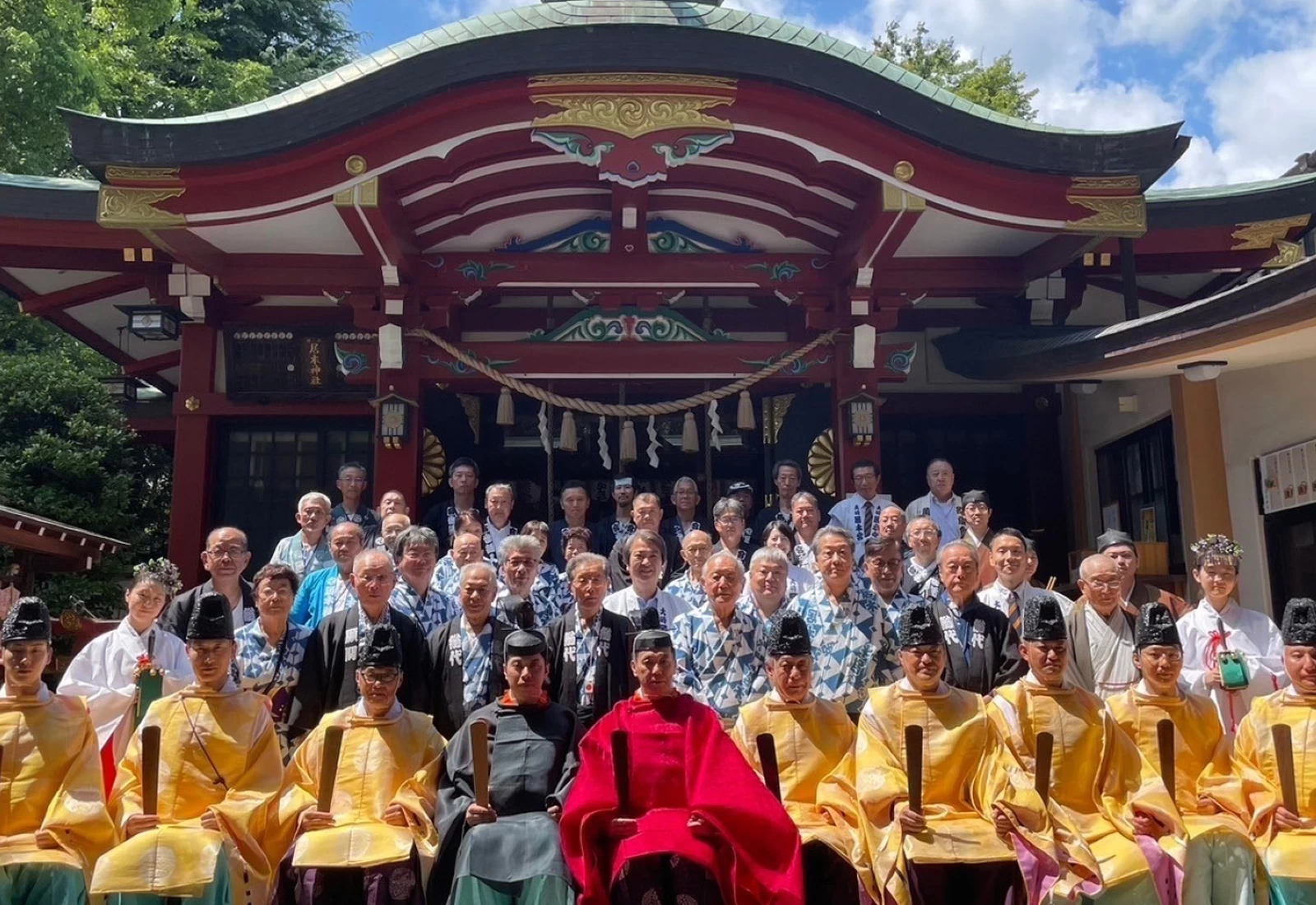
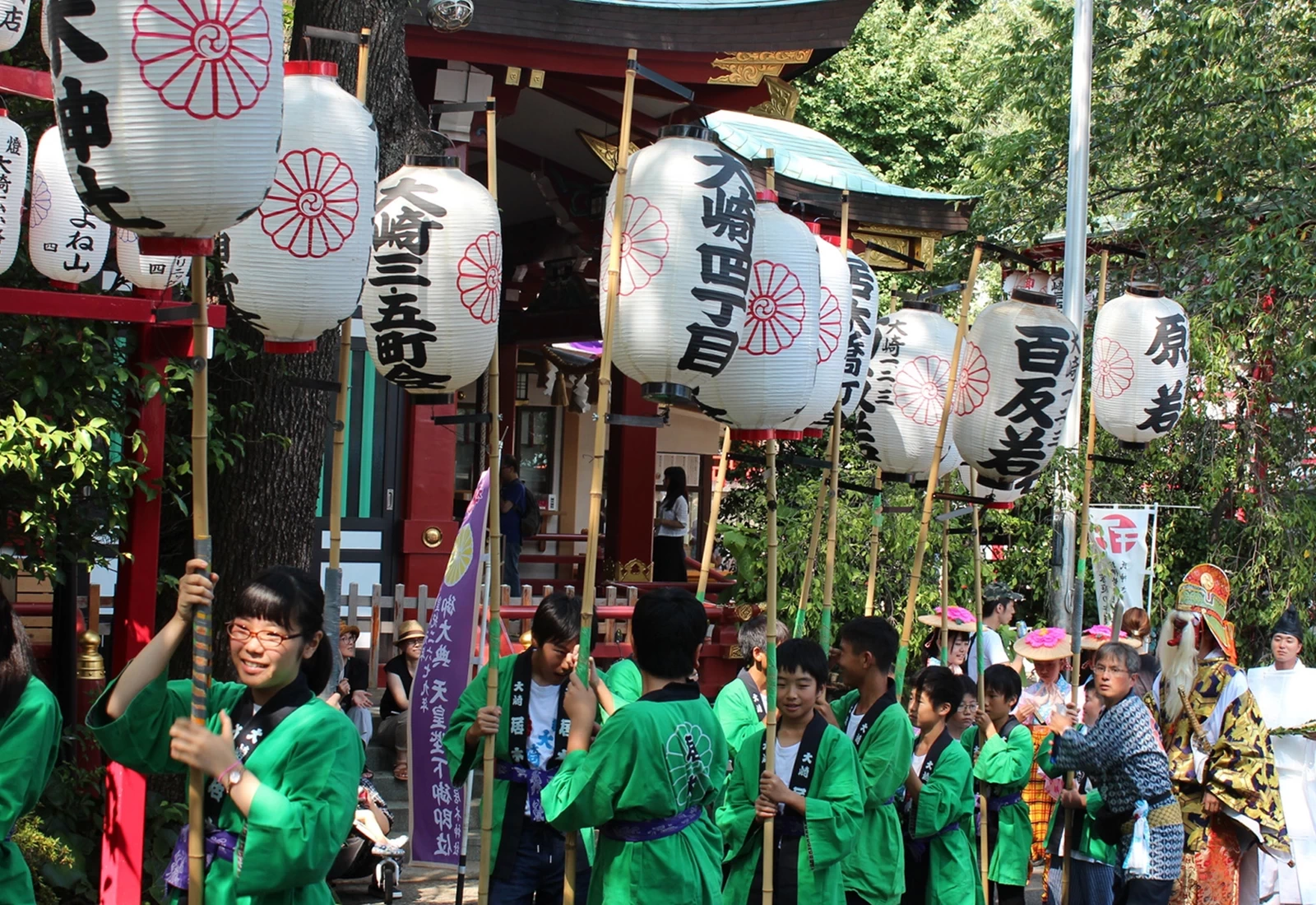
Tucked into a quiet residential neighborhood, Irugi Shrine has long served as a place of comfort for the local community. Having survived relocation to avoid flooding and later reconstruction after wartime damage, the shrine stands today as a symbol of continuity in everyday life. Dedicated to Yamato Takeru no Mikoto along with several other deities, it is associated with a broad range of blessings. Particularly popular is its focus on limited monthly and seasonal editions, with designs offered year-round as well as limited monthly and seasonal editions, including festive styles created especially for the New Year.
Irugi Shrine
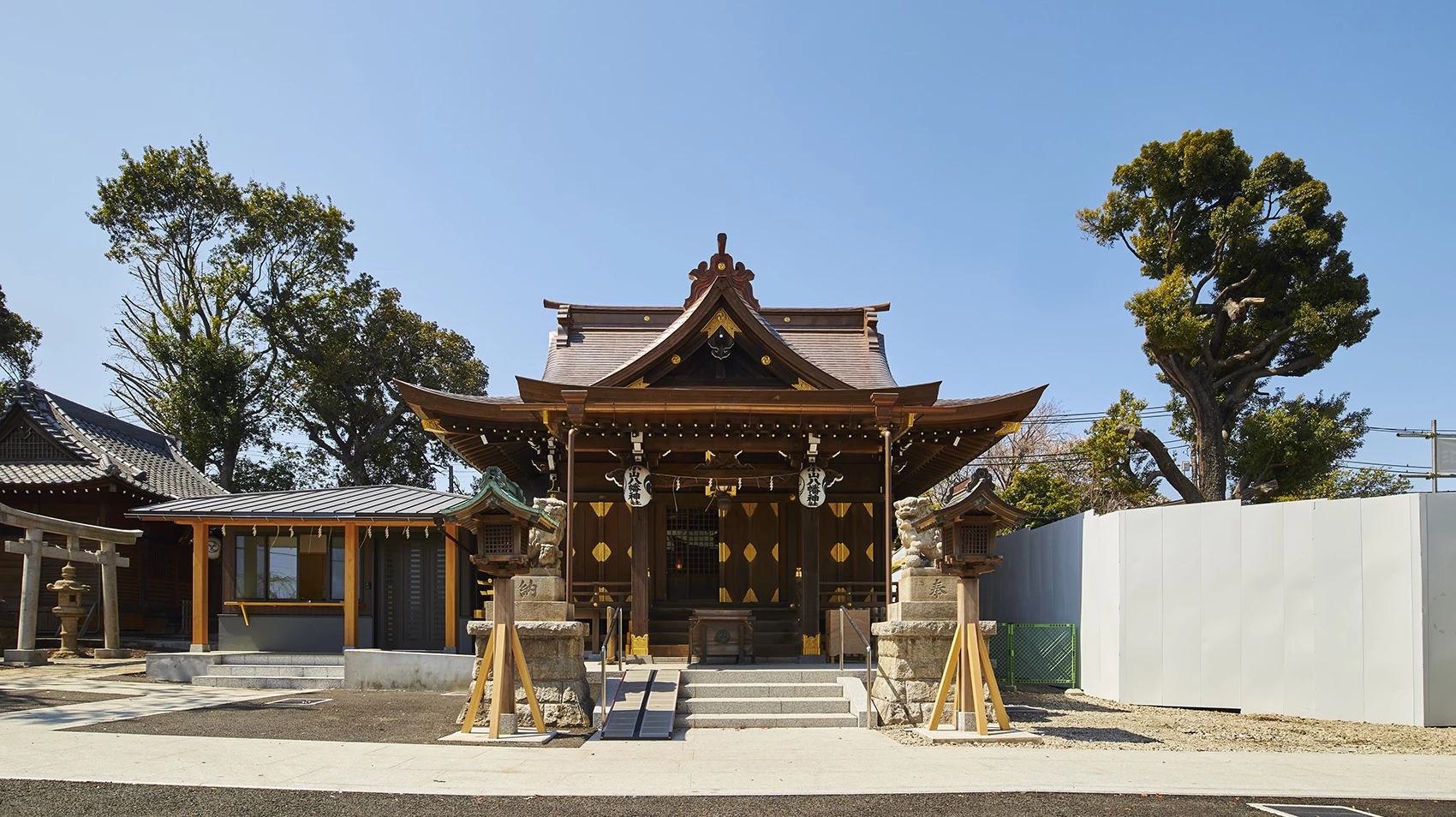
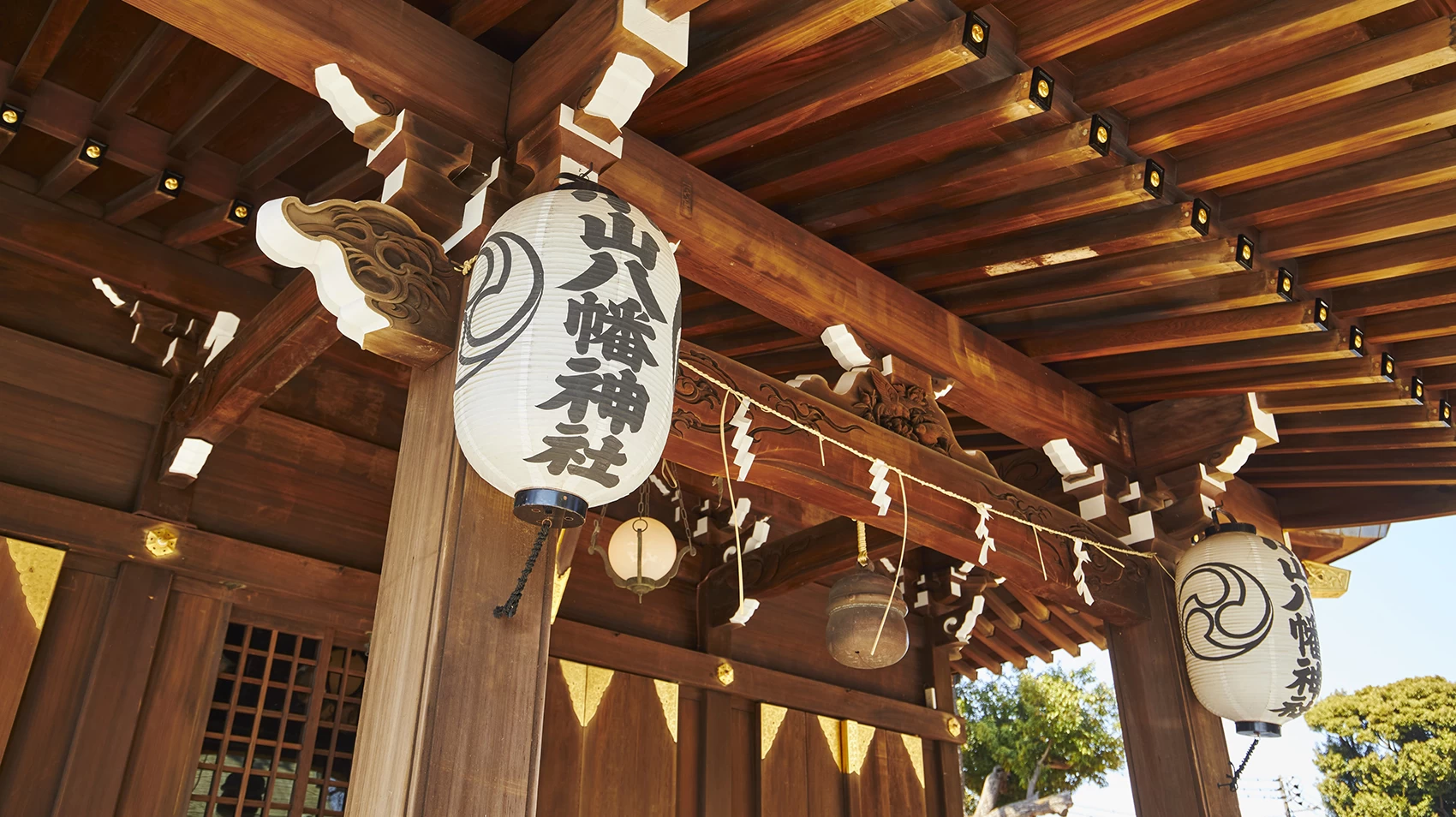
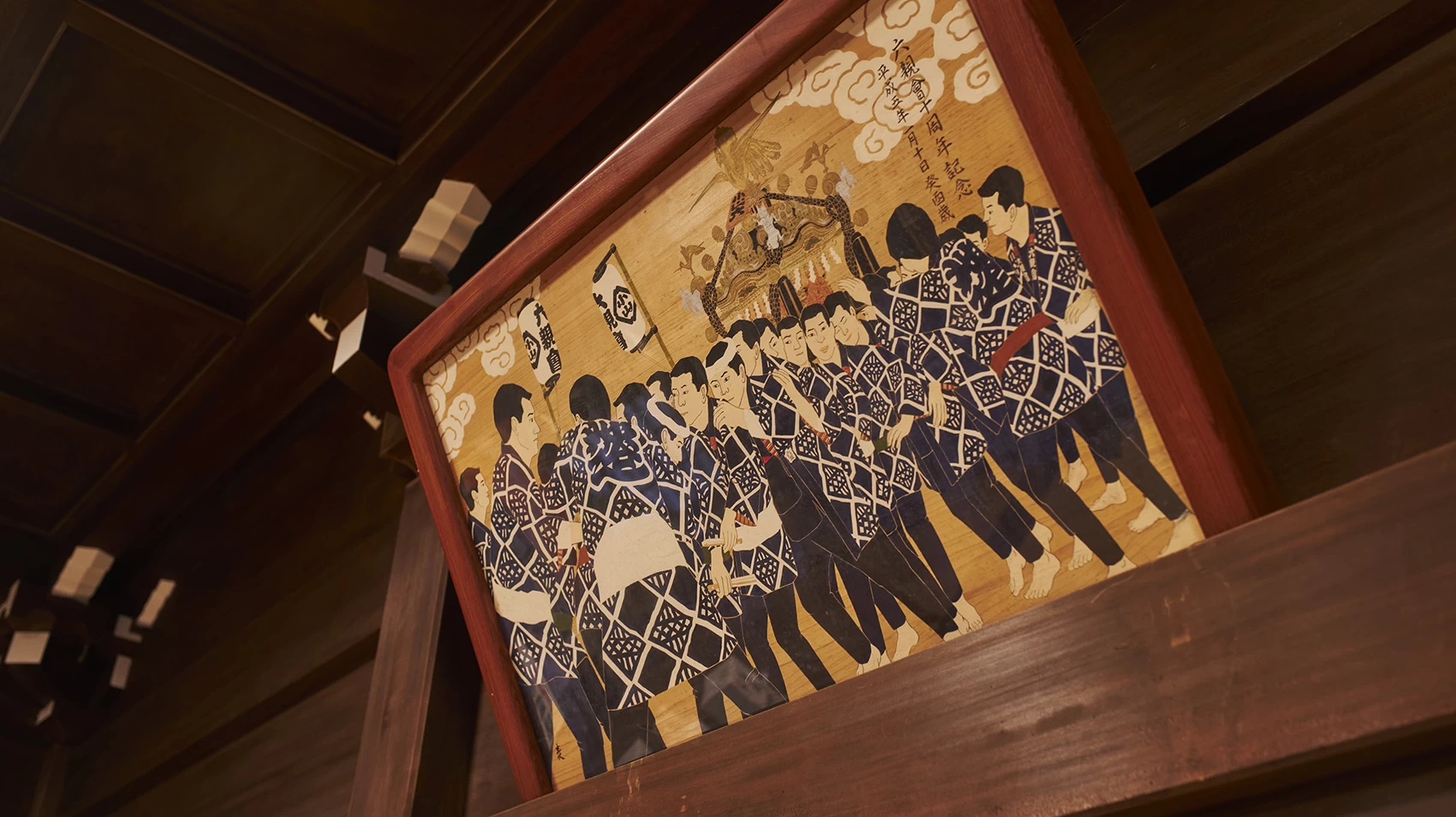
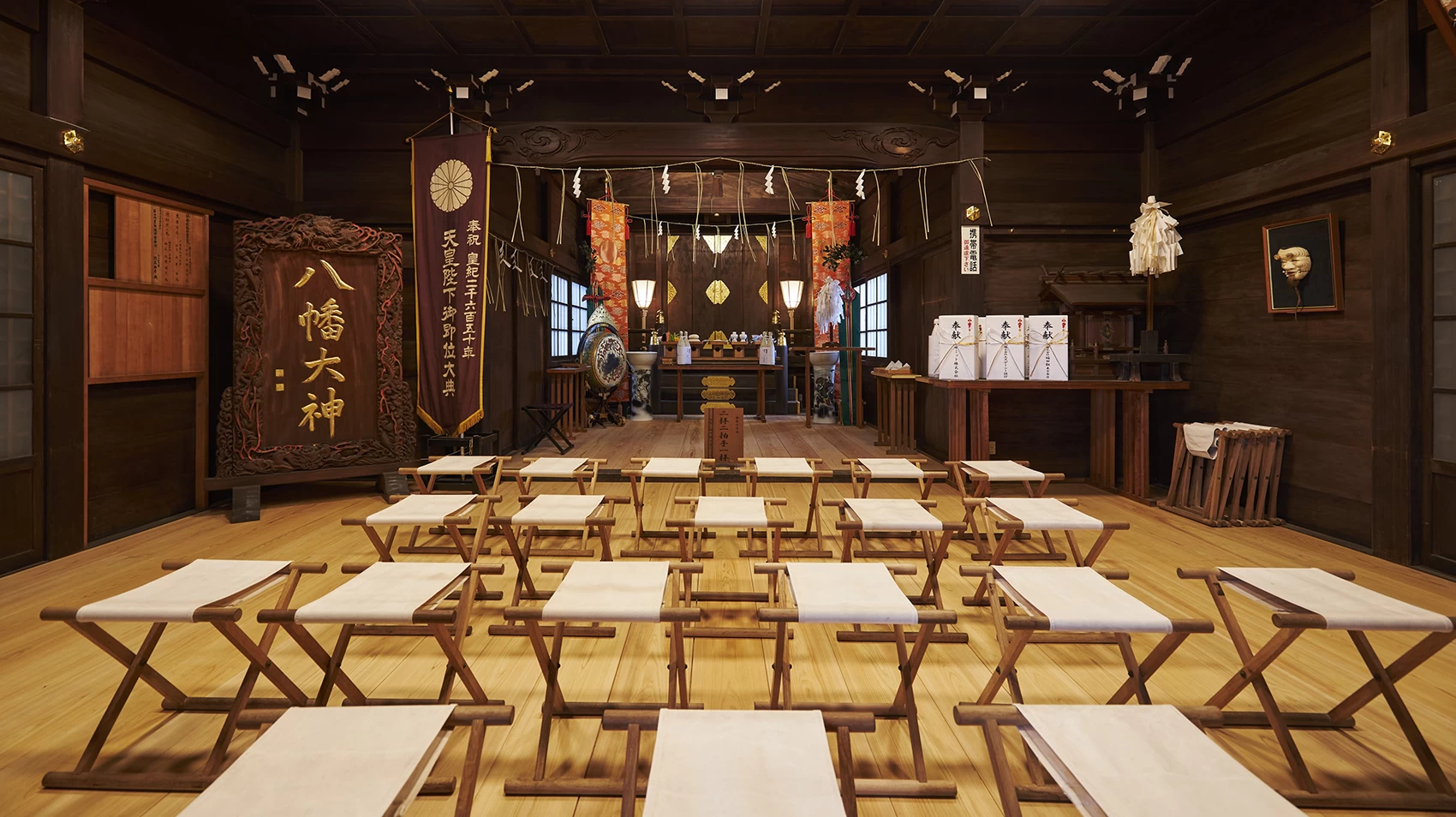
Set on elevated ground above Shinagawa, Koyama Hachiman Shrine offers views that stretch across the surrounding area, creating a calm setting for hatsumode away from the city below. Dedicated to Hondawake-no-Mikoto—a deity associated with learning and martial spirit—the shrine dates back to the Heian period (794–1185), its hillside vantage point lending a sense of perspective well suited to the start of a new year.
Koyama Hachiman Shrine
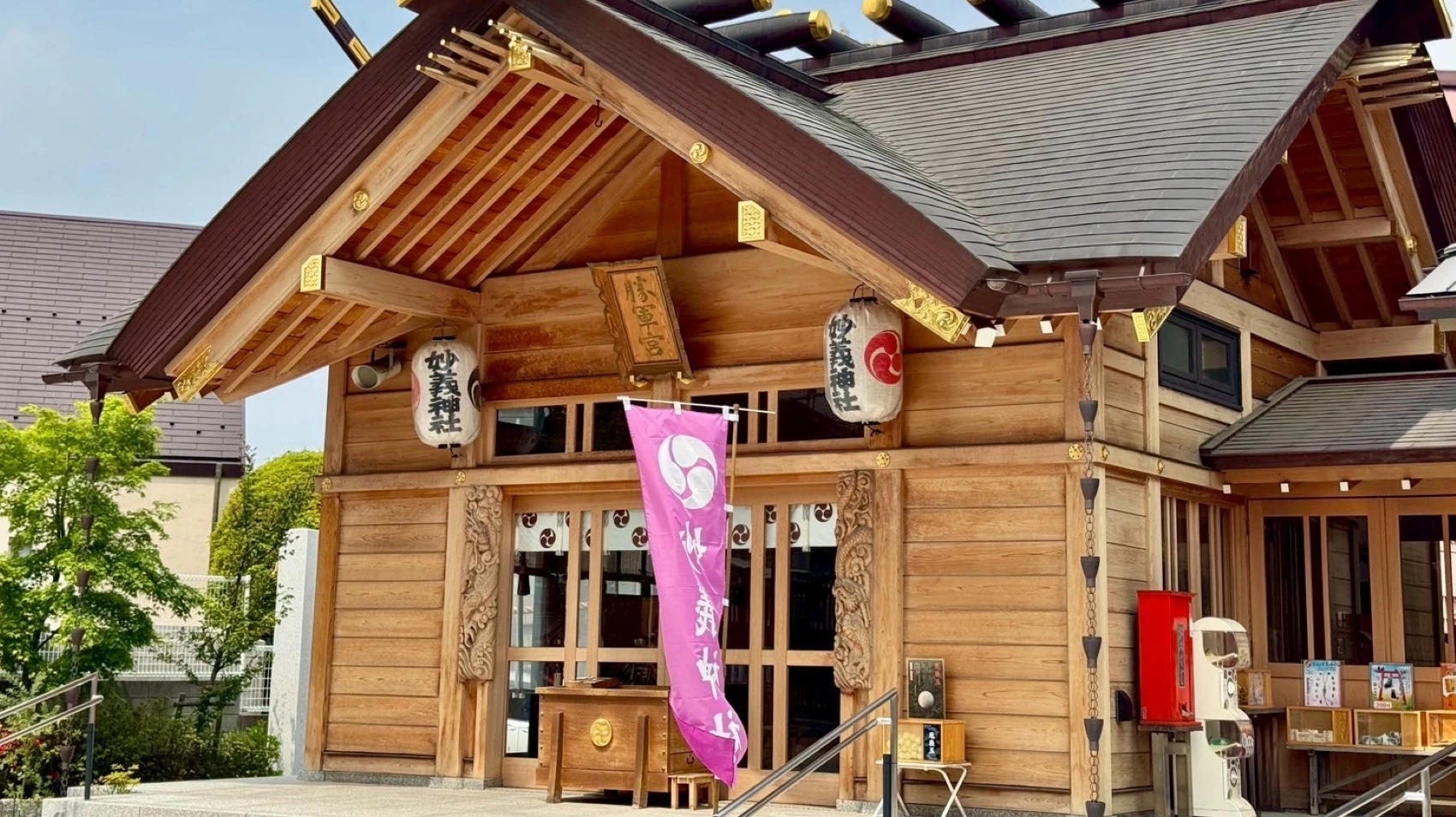
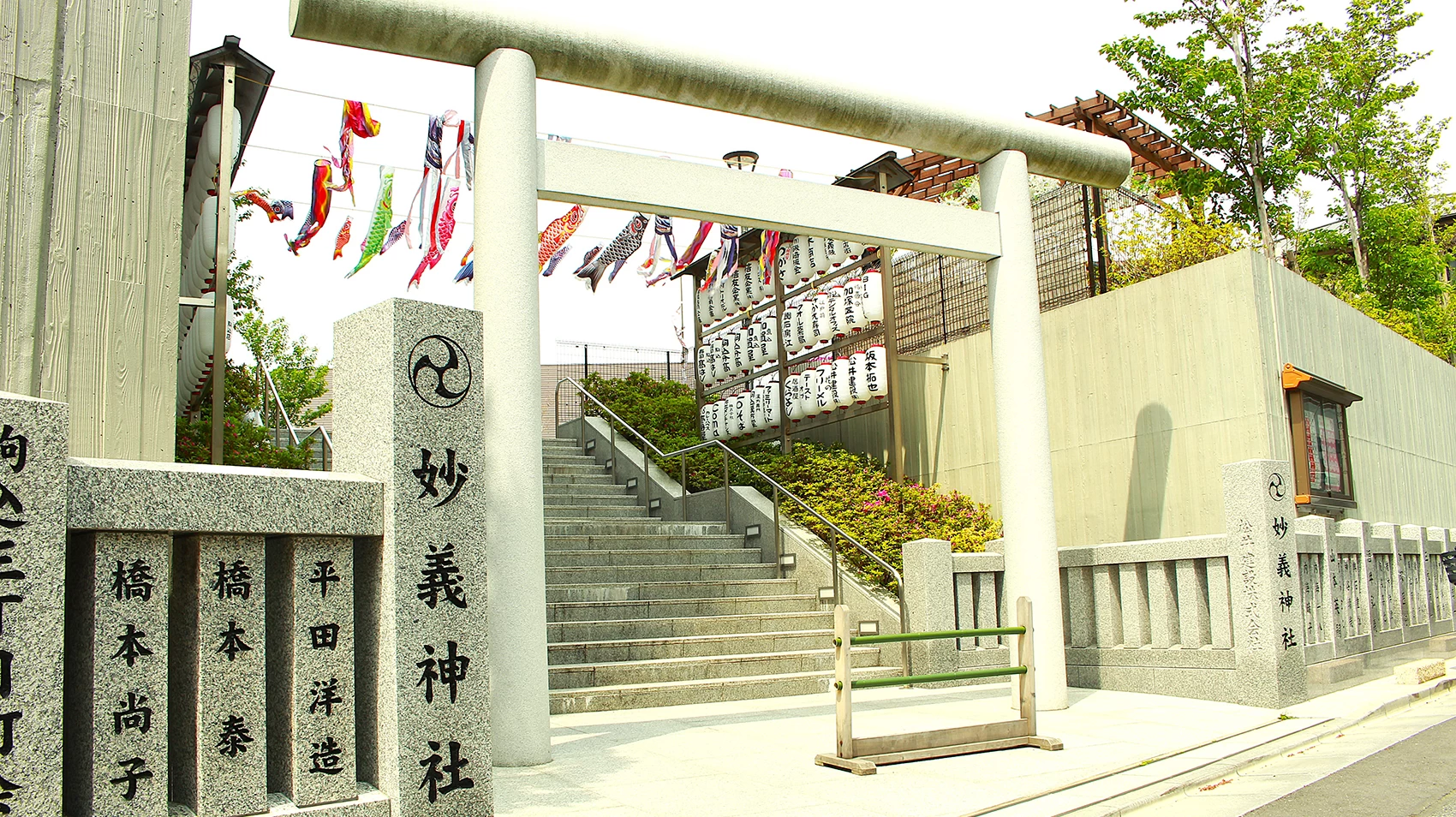
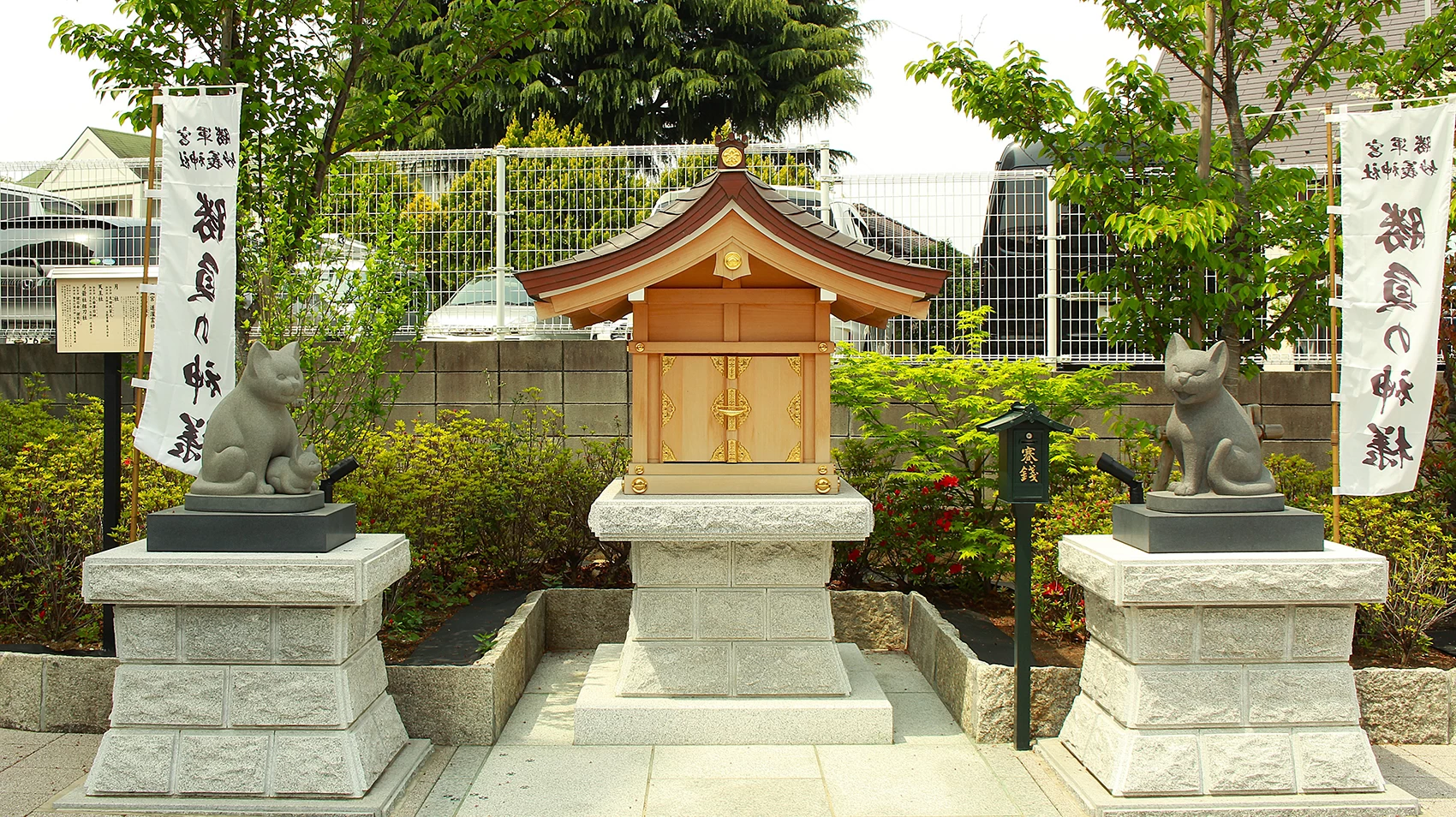
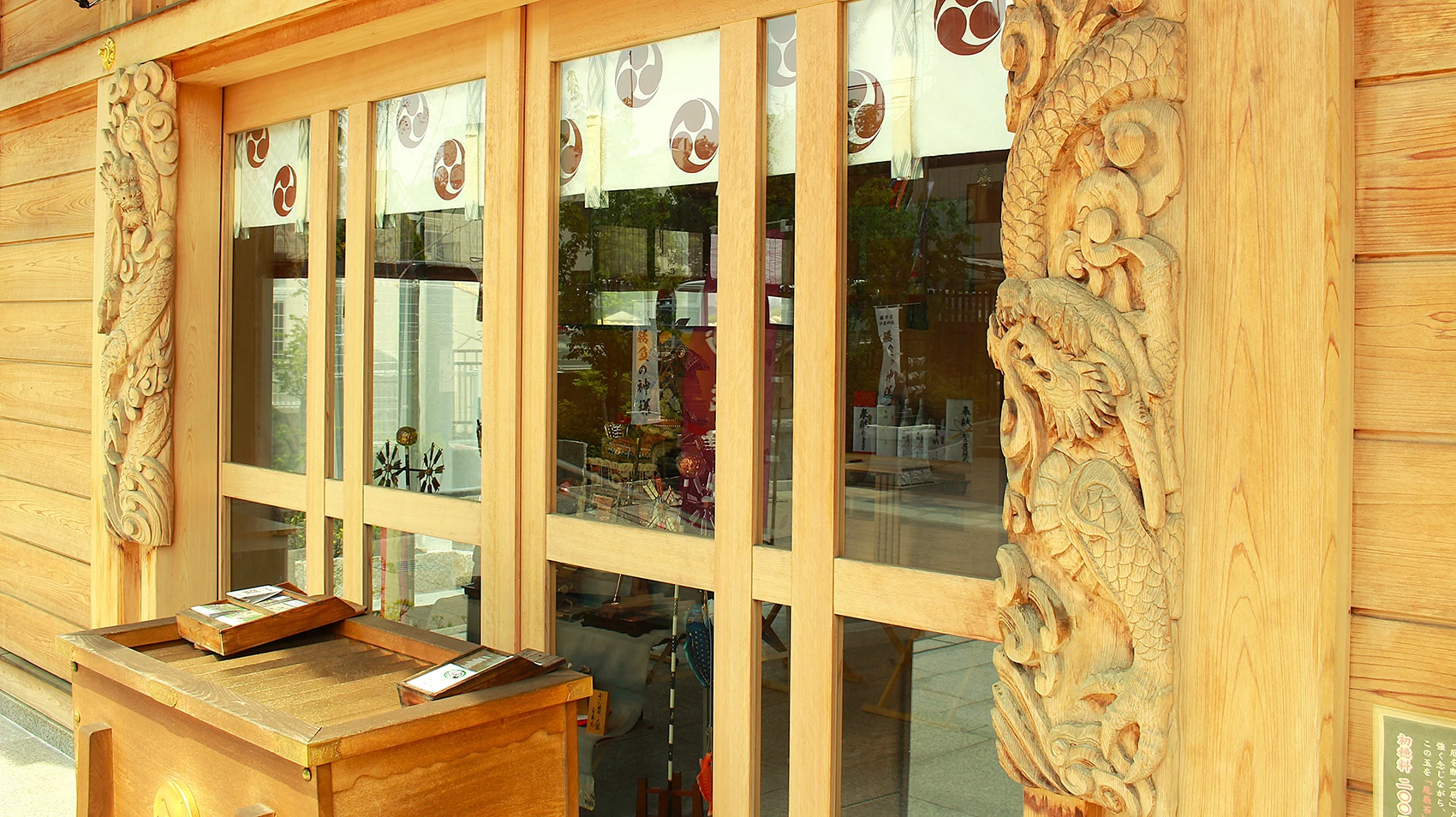
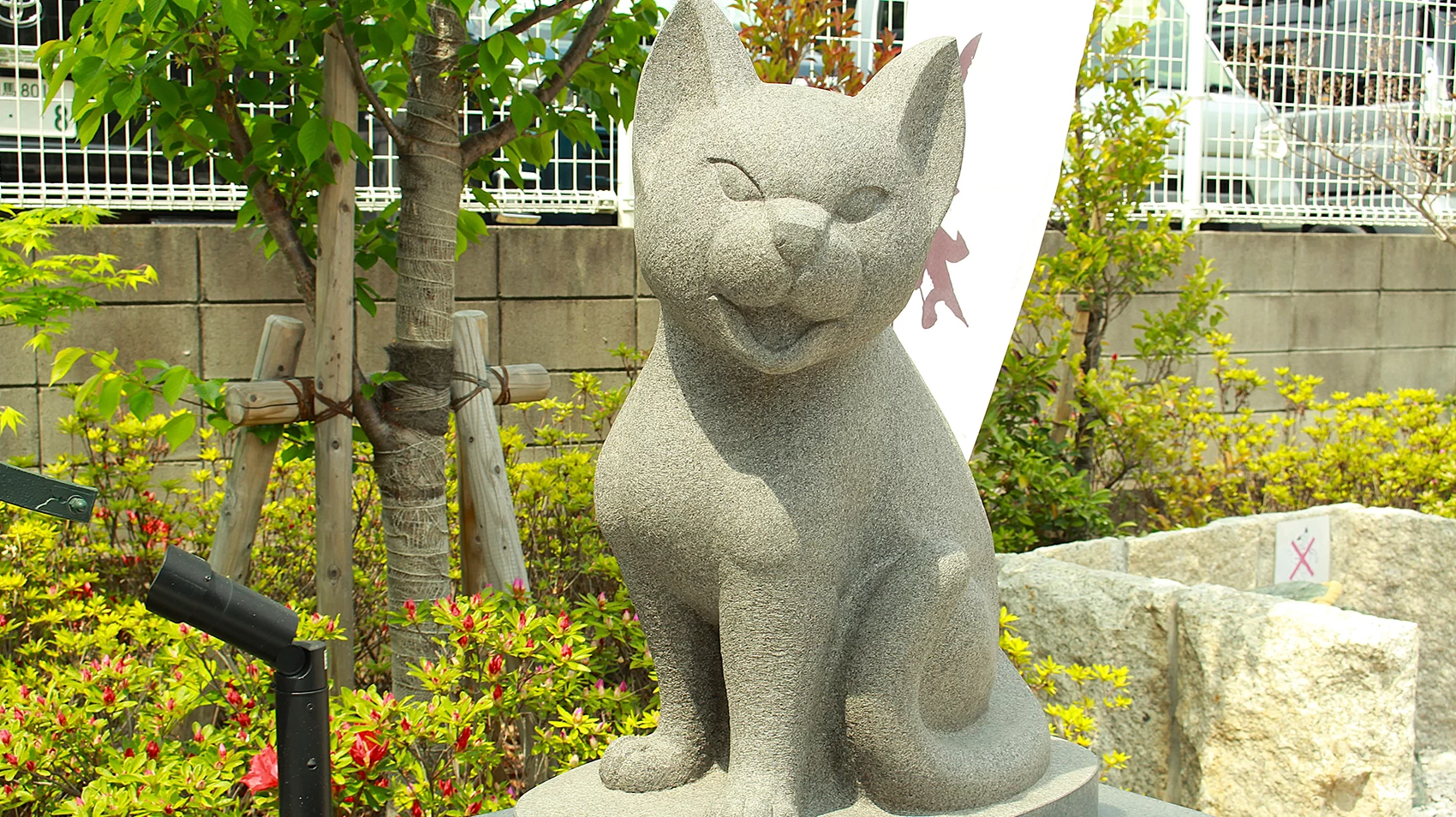
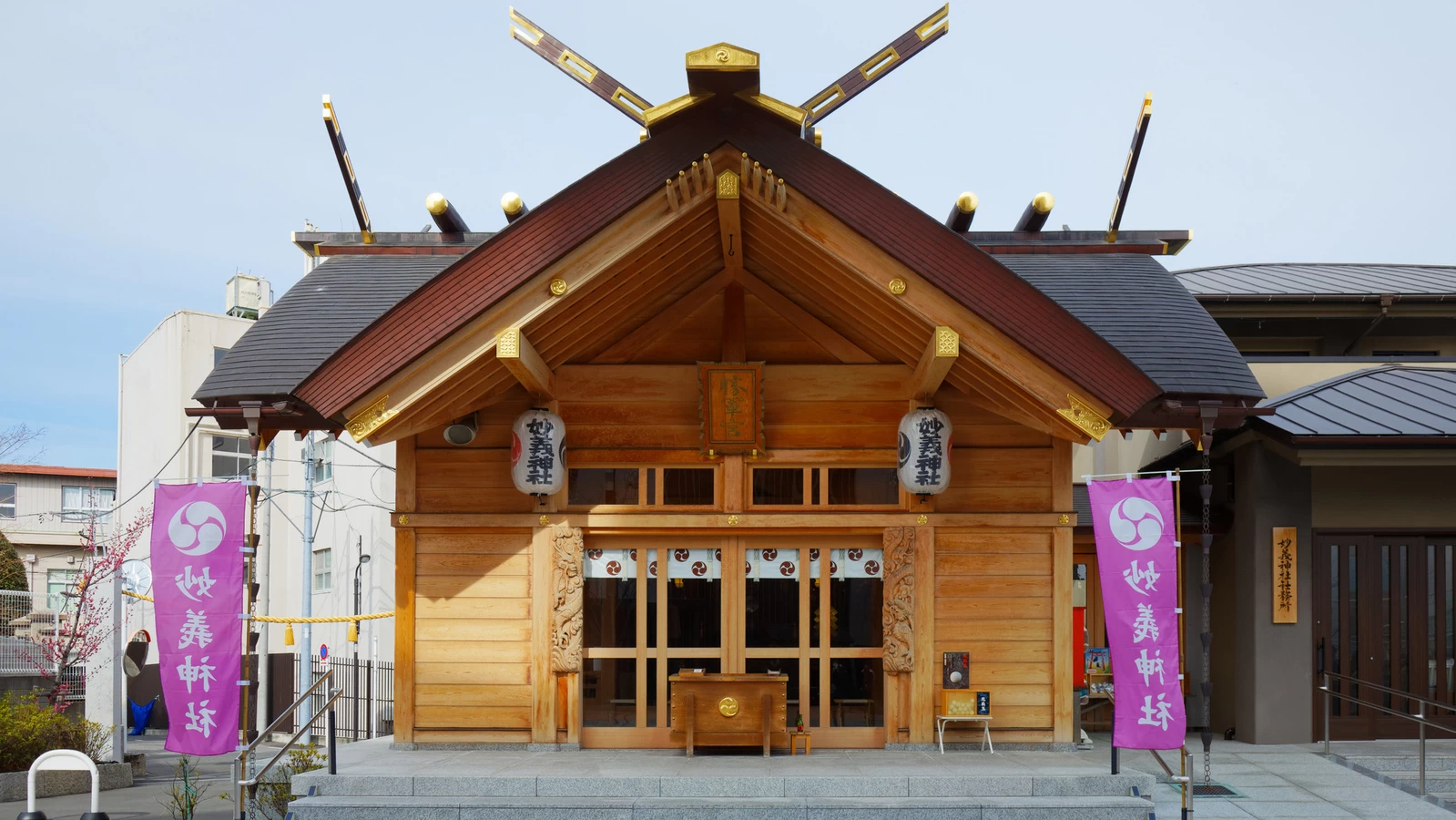
Known as one of Toshima’s oldest shrines, Myogi Shrine has gathered local devotion for over 1,300 years and is often called the Shrine of Victory. Dating back to the Heian period, the shrine enshrines Yamato Takeru no Mikoto and several other deities and is said to have been revered by the warrior Ota Dokan as a guardian shrine.
A local legend tells how a black cat helped guide Dokan to safety after a lost battle. In honor of this story, the shrine features distinctive komaneko (guardian cats) instead of the usual guardian dogs. These feline guardians also appear on goshuin stamps and protective charms, making the shrine a popular spot for cat lovers.
Myogi Shrine
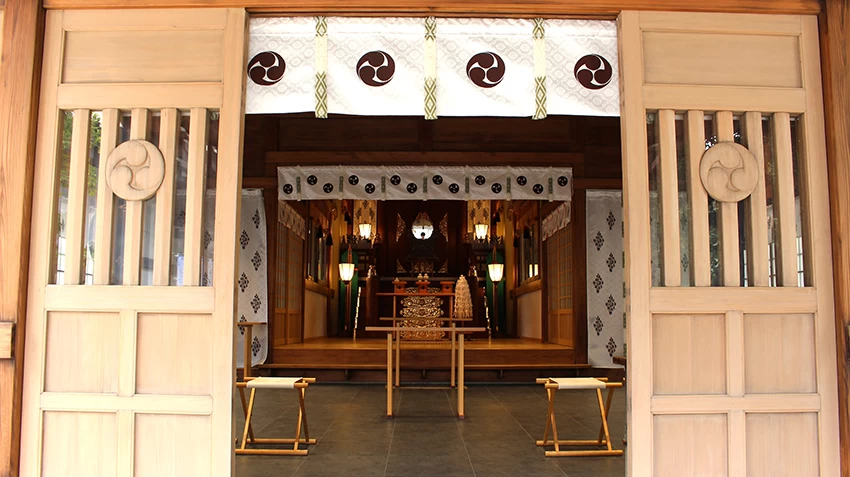
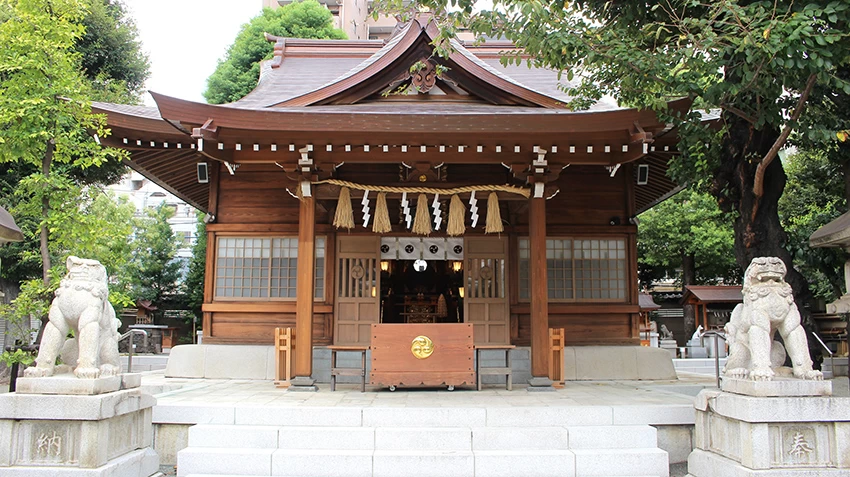
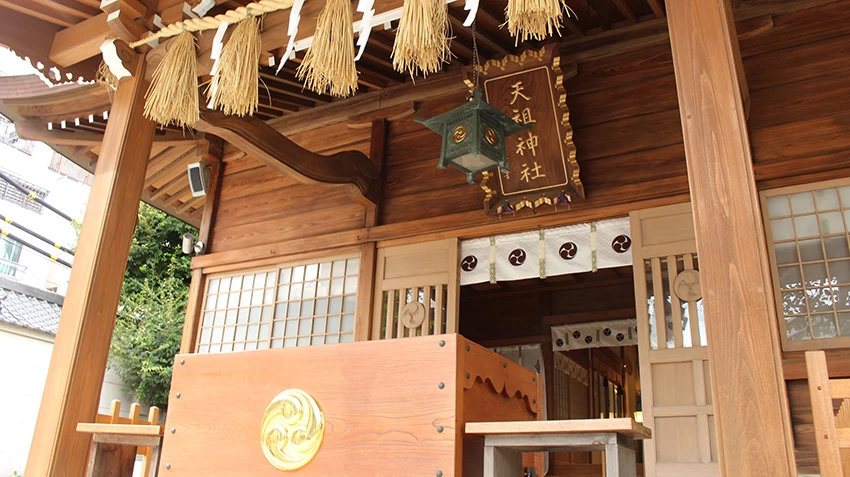
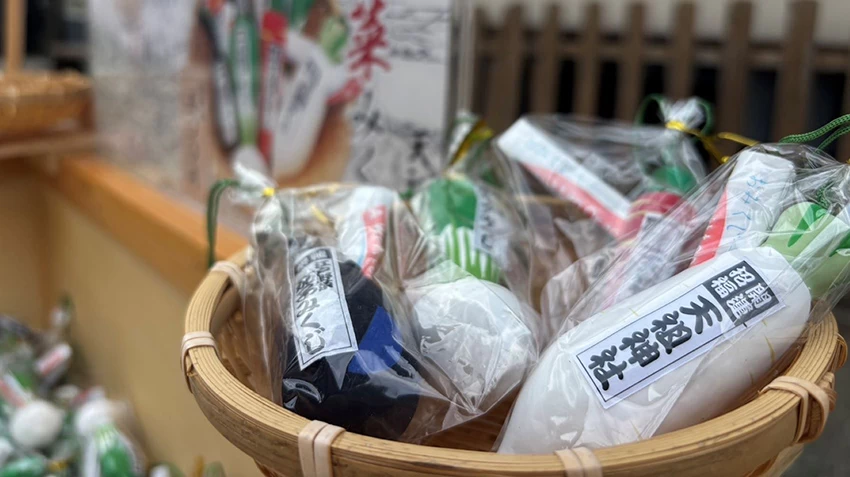
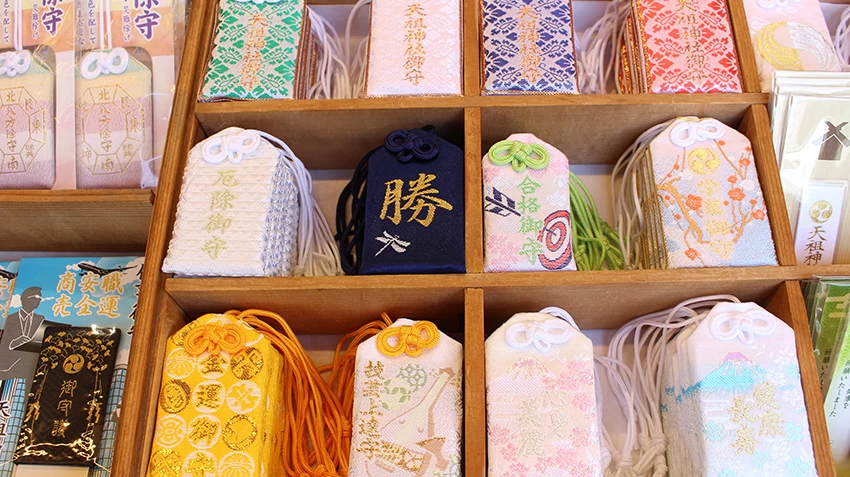
A wide variety of protective charms reflects Otsuka Tenso Shrine’s strong association with safe childbirth, child-rearing, and harmonious relationships. Within the grounds are the nursing kosodate-komainu (child-rearing guardian statue) and the sacred "Married Couple Ginkgo," a pair of trees estimated to be around 600 years old. Enshrining Amaterasu Omikami from Ise’s Grand Shrine, the shrine was founded in the late Kamakura period (1321–1324) and continues to serve as a local guardian.
Otsuka Tenso Shrine
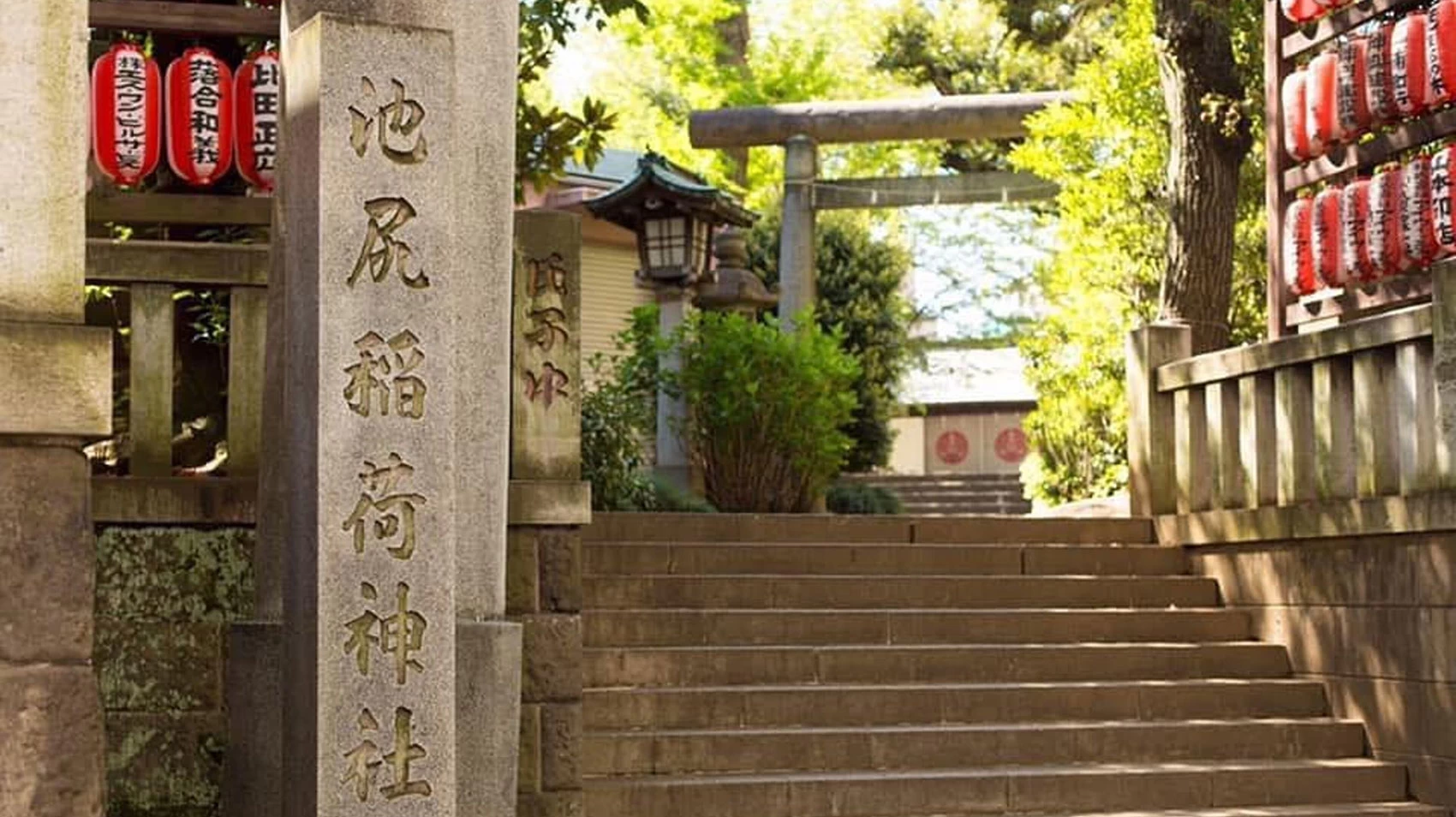
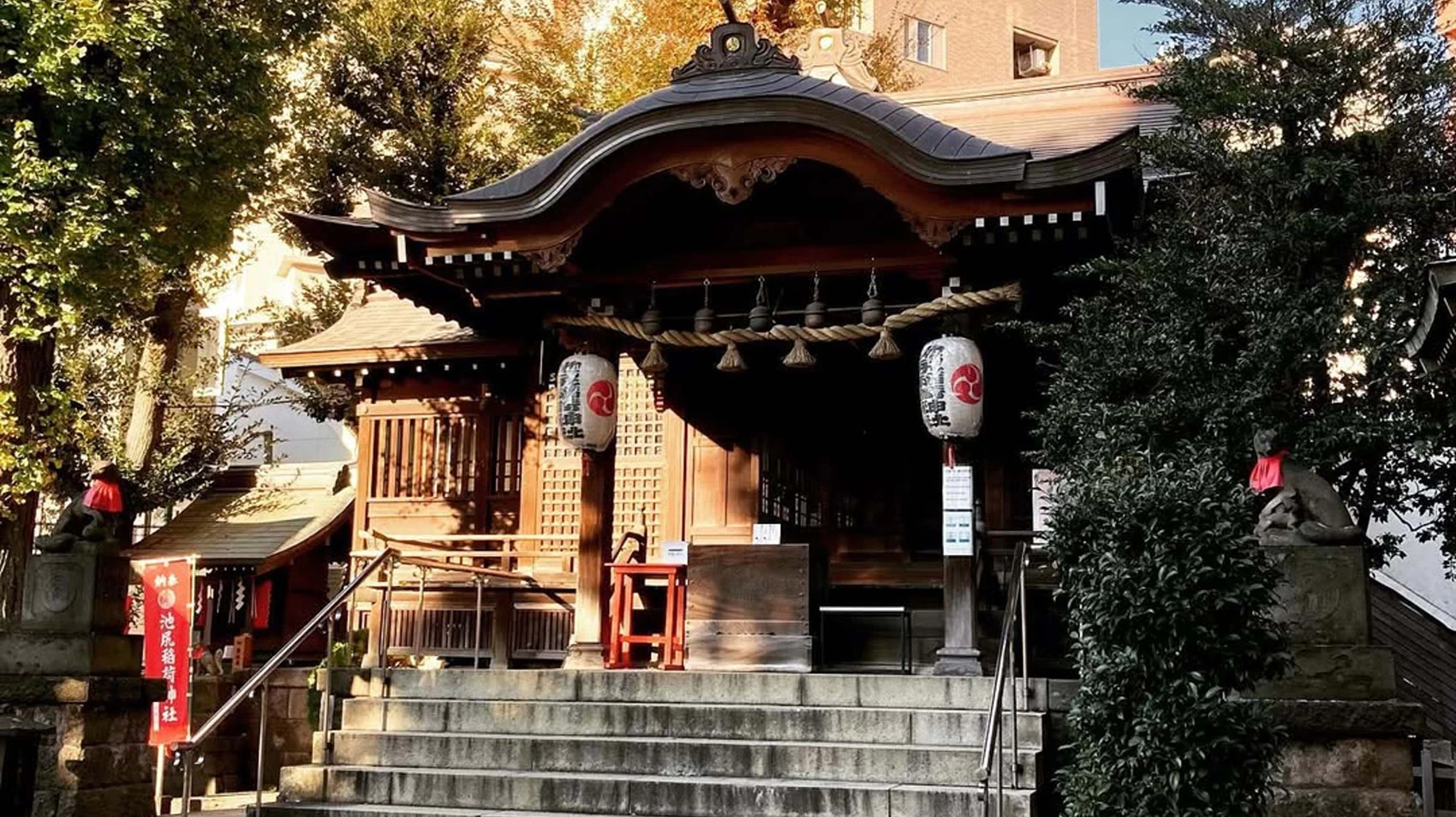
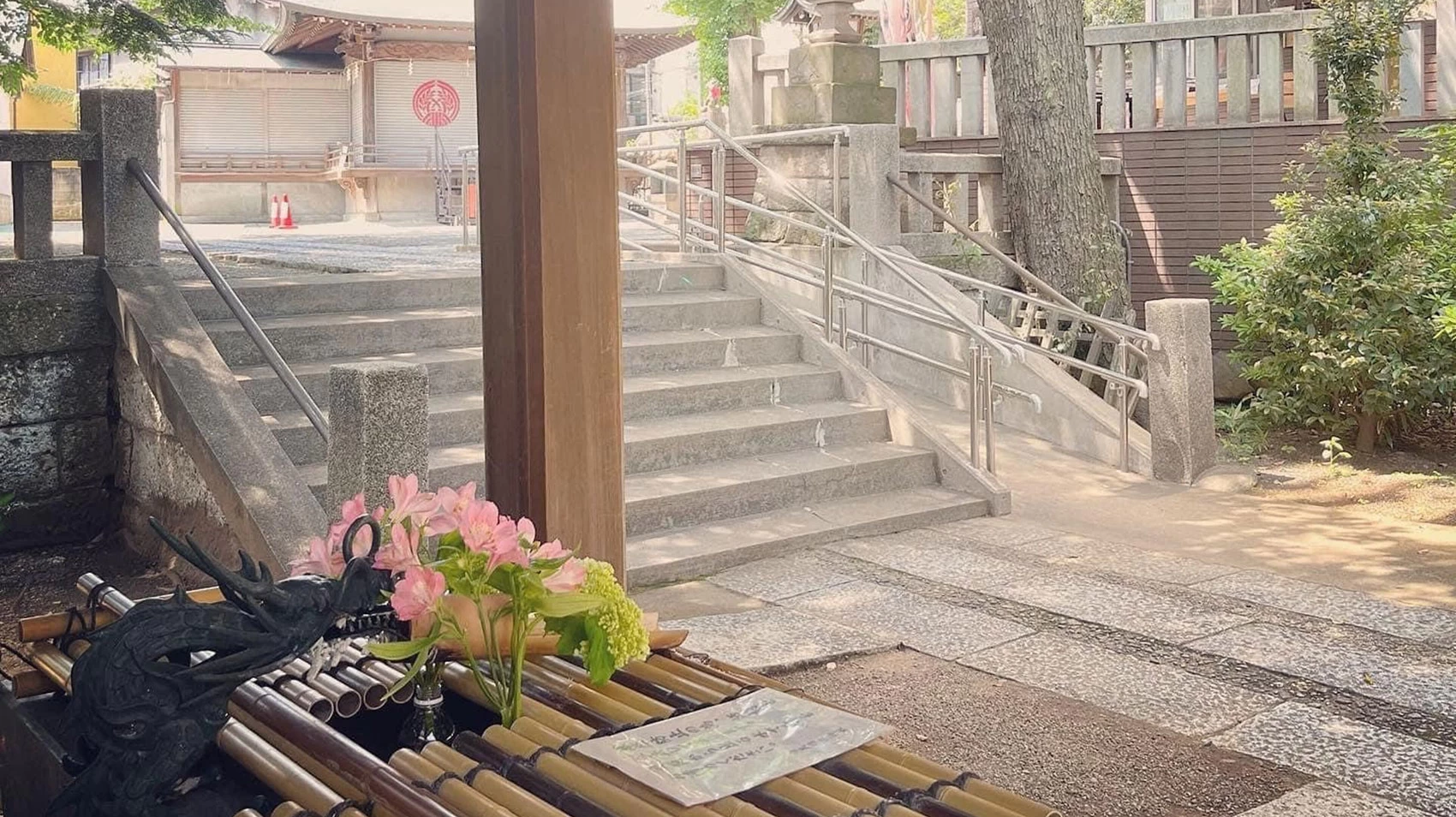
A small shrine that has welcomed worshippers since the Edo period, Ikejiri Inari Shrine was once the local guardian deity of the former Ikezawa Village. The shrine is widely believed to bring blessings for fire protection and child-rearing.
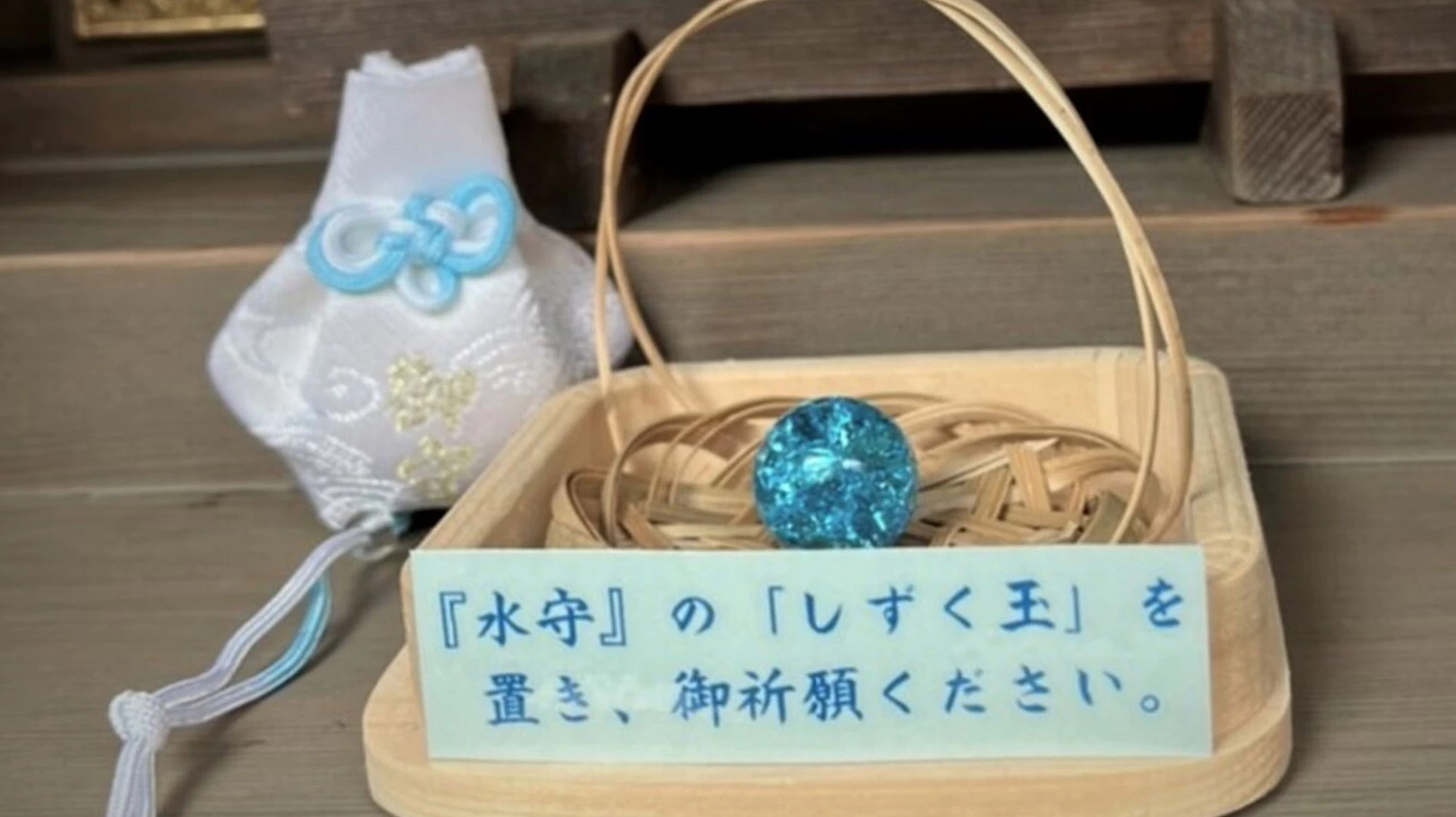
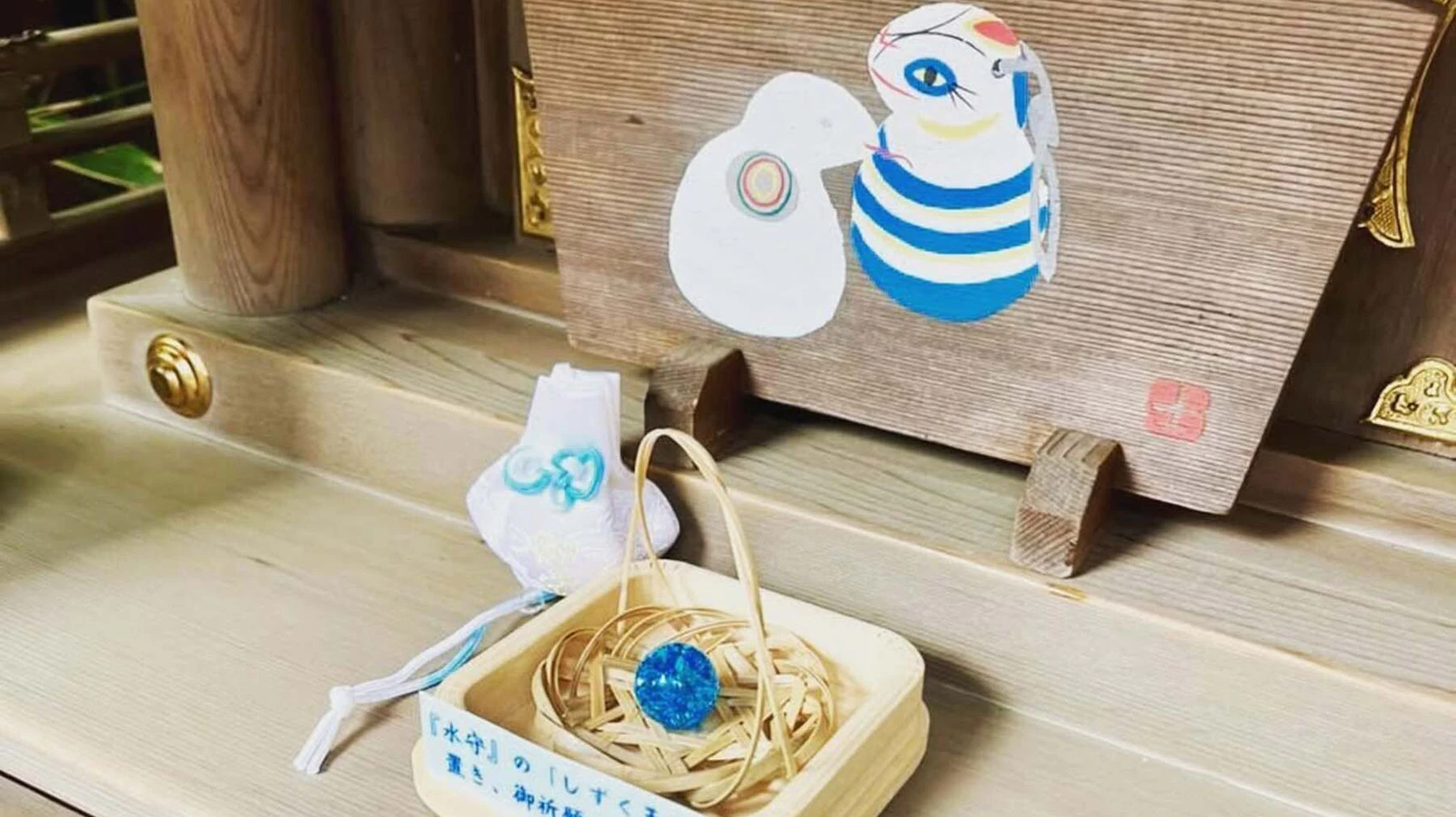
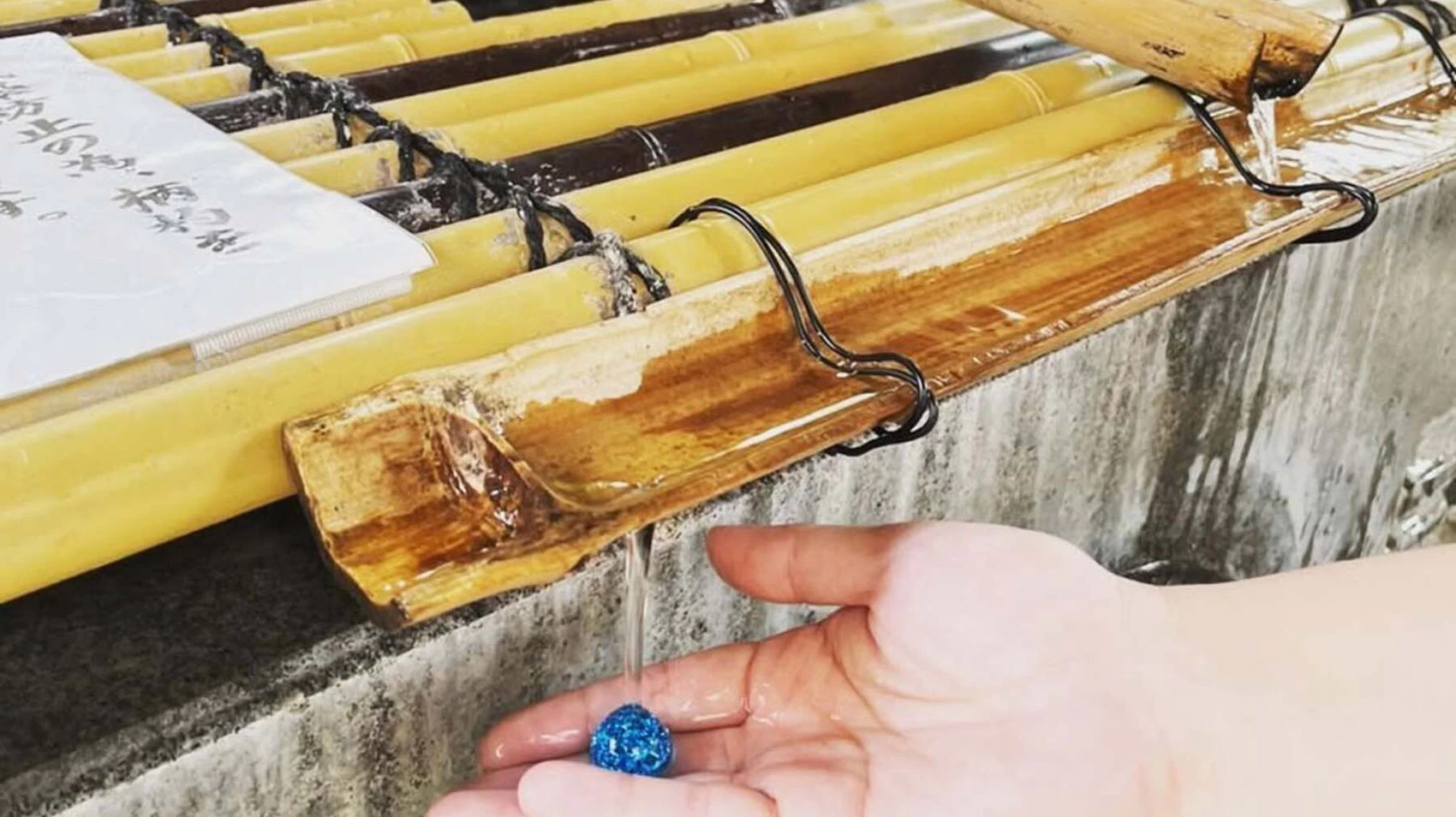
Two spots are especially worth noticing: Yakusui no Ido (the ""Medicinal Water Well""), said to have been revealed through a divine oracle, and the nearby Water Shrine. On mi-no-hi (the Day of the Snake), which occurs every 12 days, visitors can use the sacred well water to purify a shizuku-dama charm. By placing it inside a special amulet pouch and offering a prayer, you can complete your own personalized protective charm.
As these unique amulets are only available on mi-no-hi and finished by your own hands, they are believed to hold special spiritual power. Checking the calendar for the first Day of the Snake in the New Year is a great way to plan a meaningful visit.
Ikejiri Inari Shrine
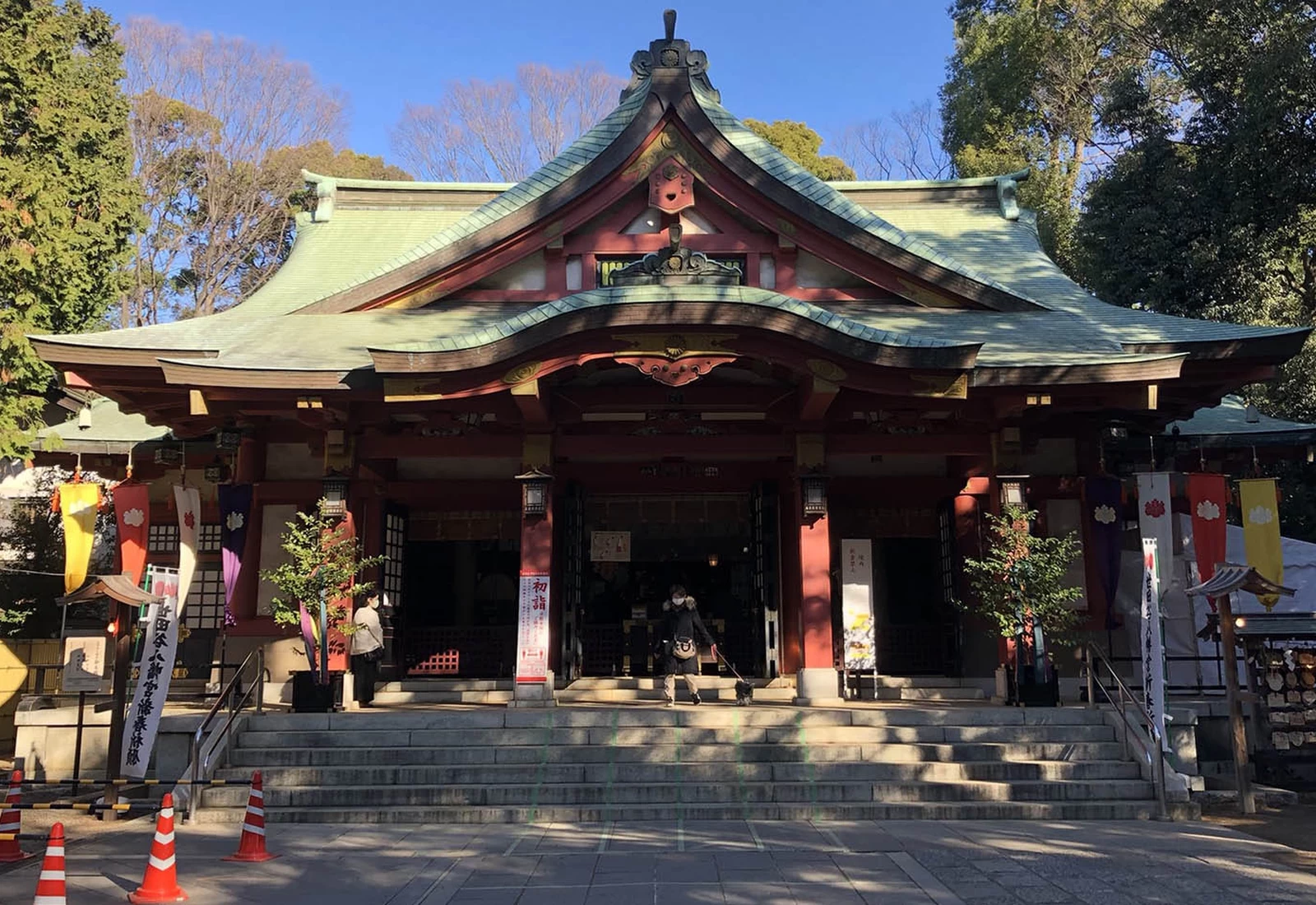
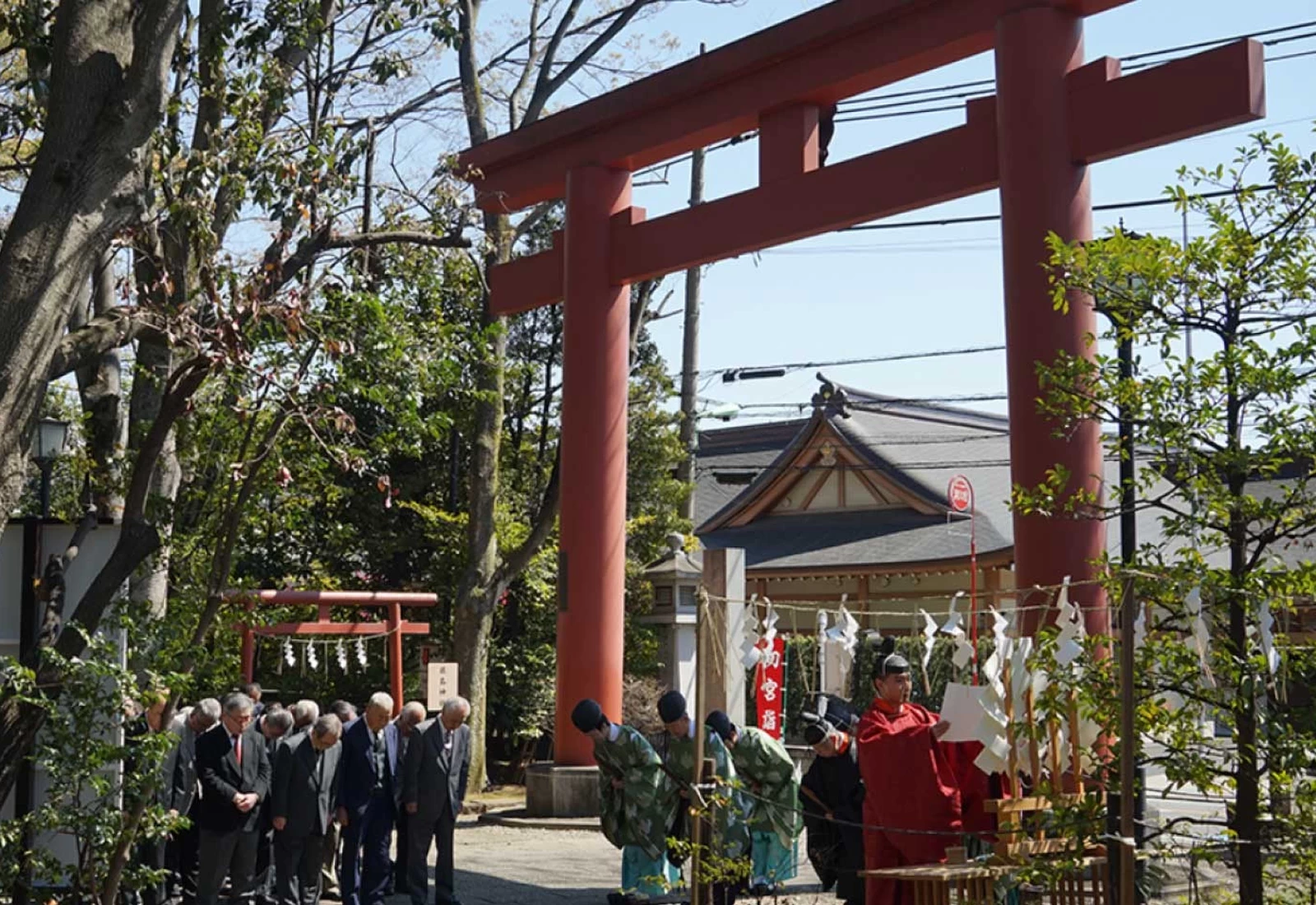
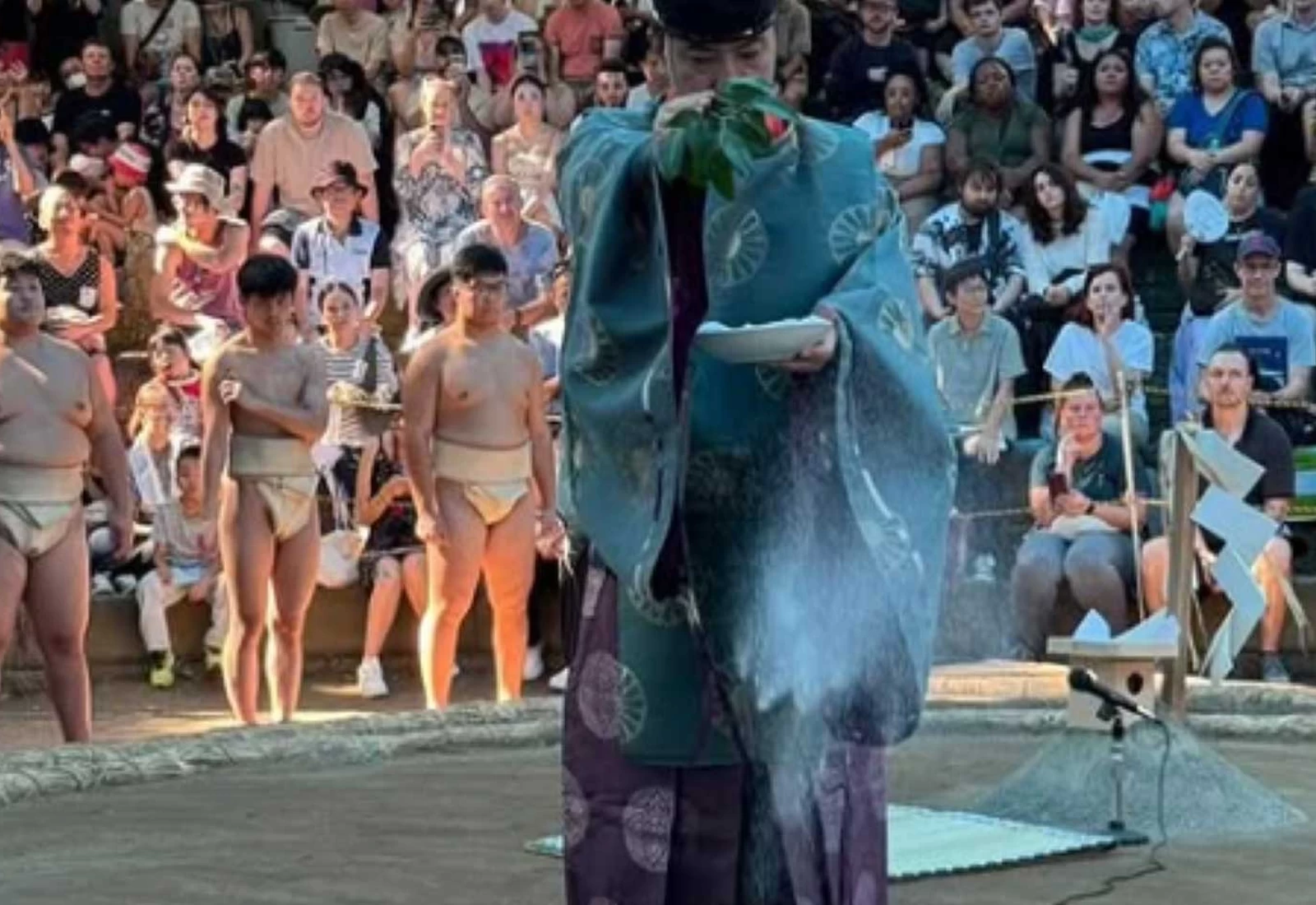
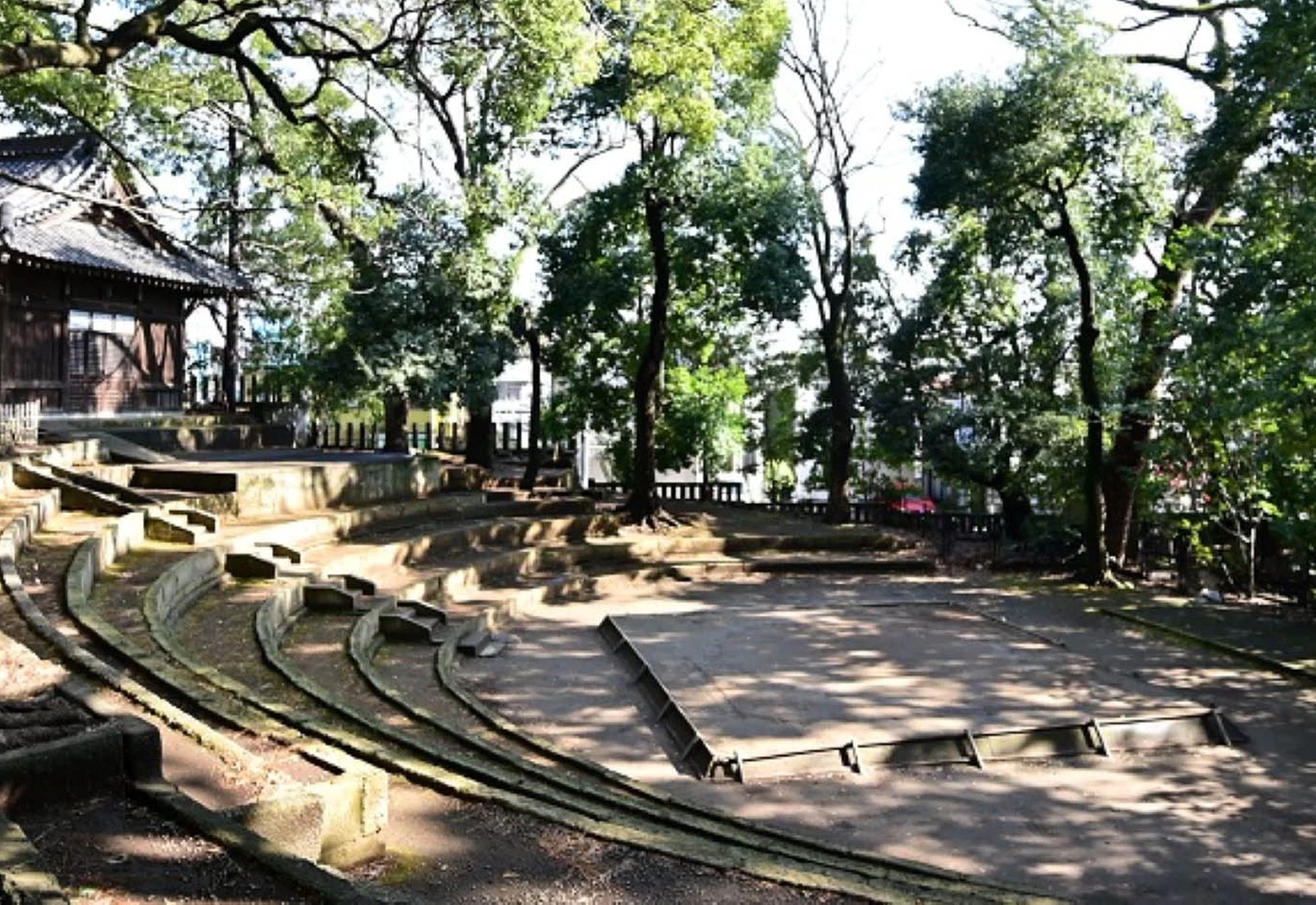
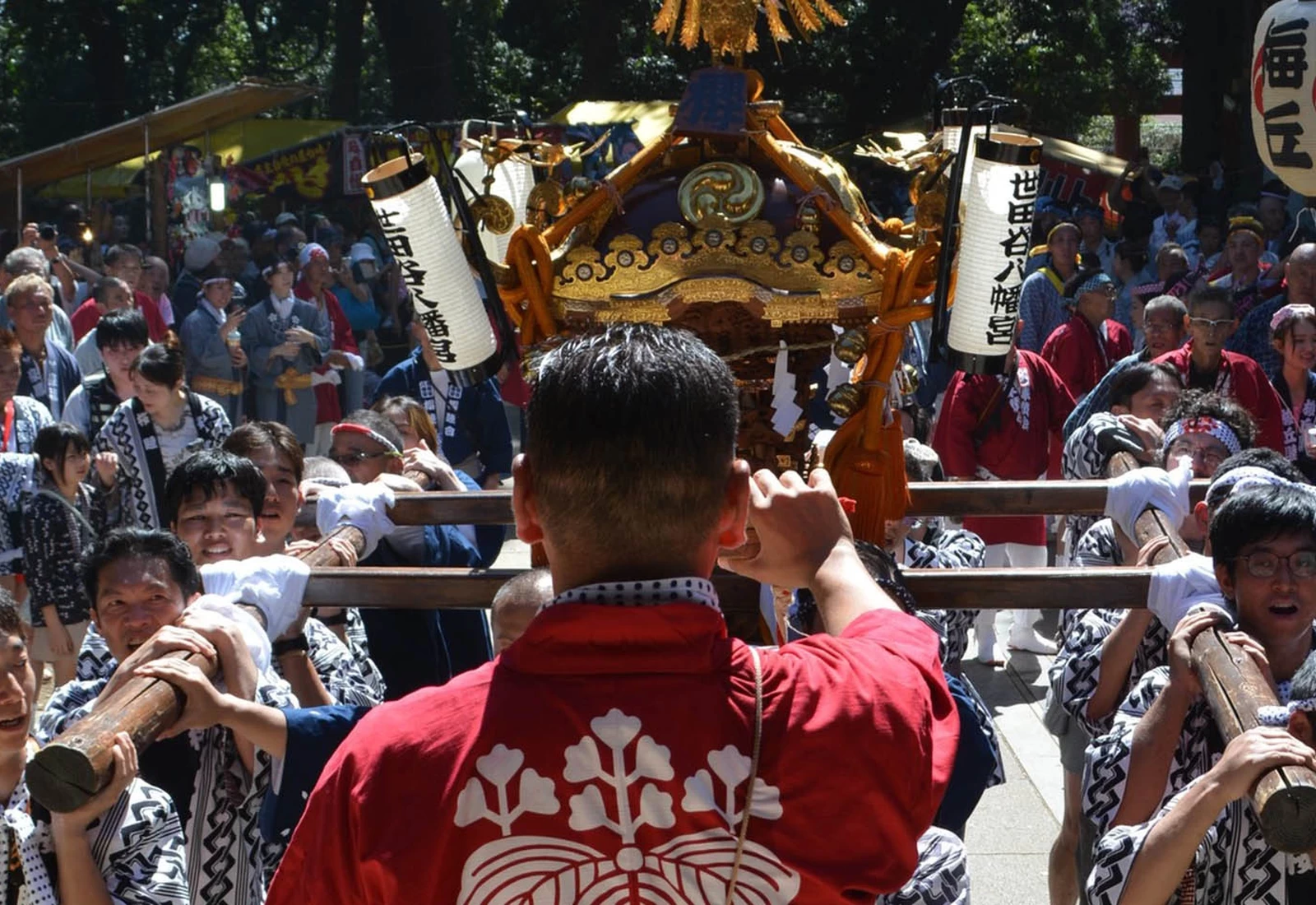
A vivid vermilion torii gate marks the entrance to Setagaya Hachiman Shrine, a local guardian shrine long associated with sumo. Celebrated in the Edo period as one of the "Three Great Sumo Sites of Edo", the tradition continues each September, when ceremonial bouts are offered at the autumn festival by a university sumo club. The grounds also feature parent-and-child guardian dogs and historic chikara-ishi stones once used in traditional strength trials.
Setagaya Hachimangu
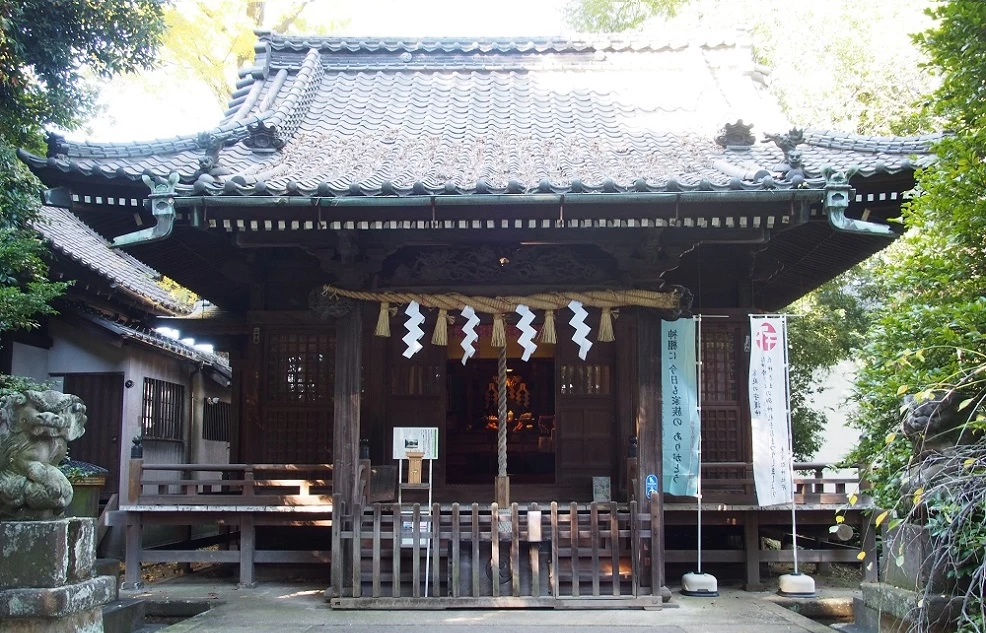
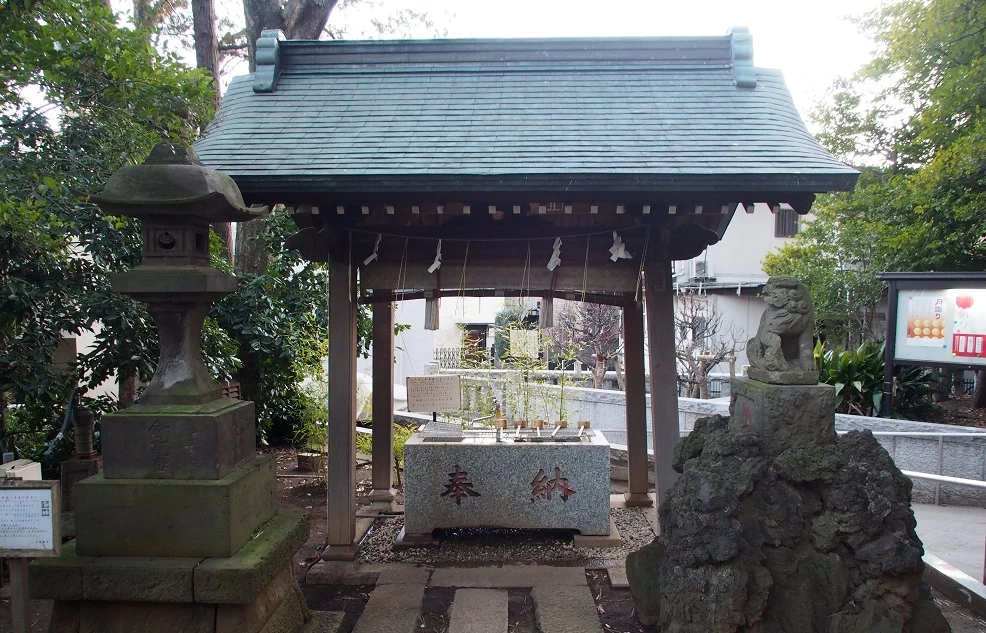
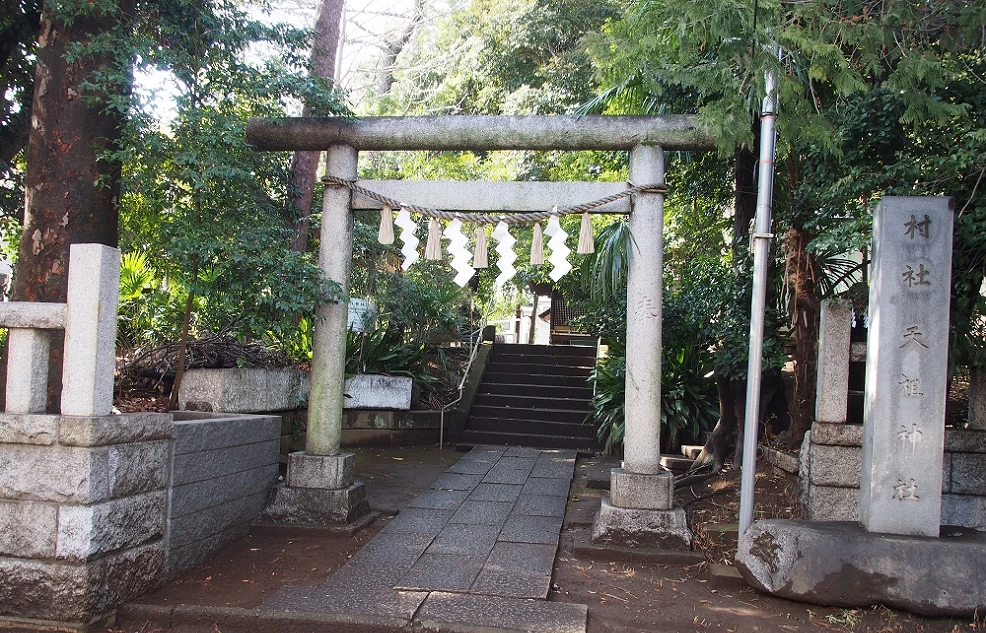
Kyodo Tenso Shrine welcomes the New Year through kagura (sacred Shinto dance), with rituals beginning at midnight on January 1. Kagura has long been preserved here, continuing today in the dedicated kagura hall. Alongside it, local festival music (matsuri-bayashi) is passed down, reflecting the shrine’s role in marking seasonal transitions. The grounds also include Mitake Shrine, an ema hall from the Meiji period, and the ena-zuka mound, where prayers are offered for a child’s healthy growth.
Kyodo Tenso Shrine
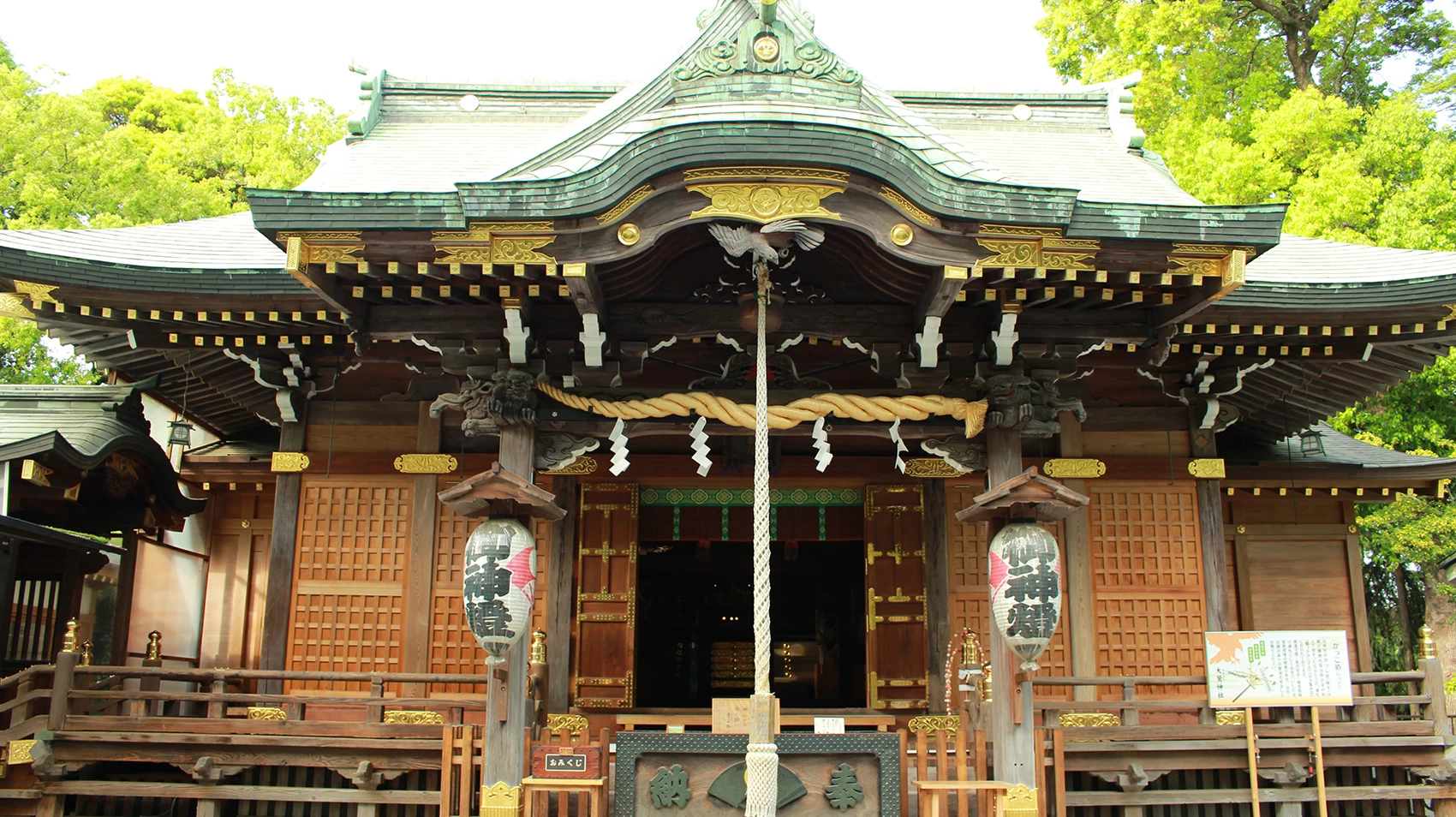
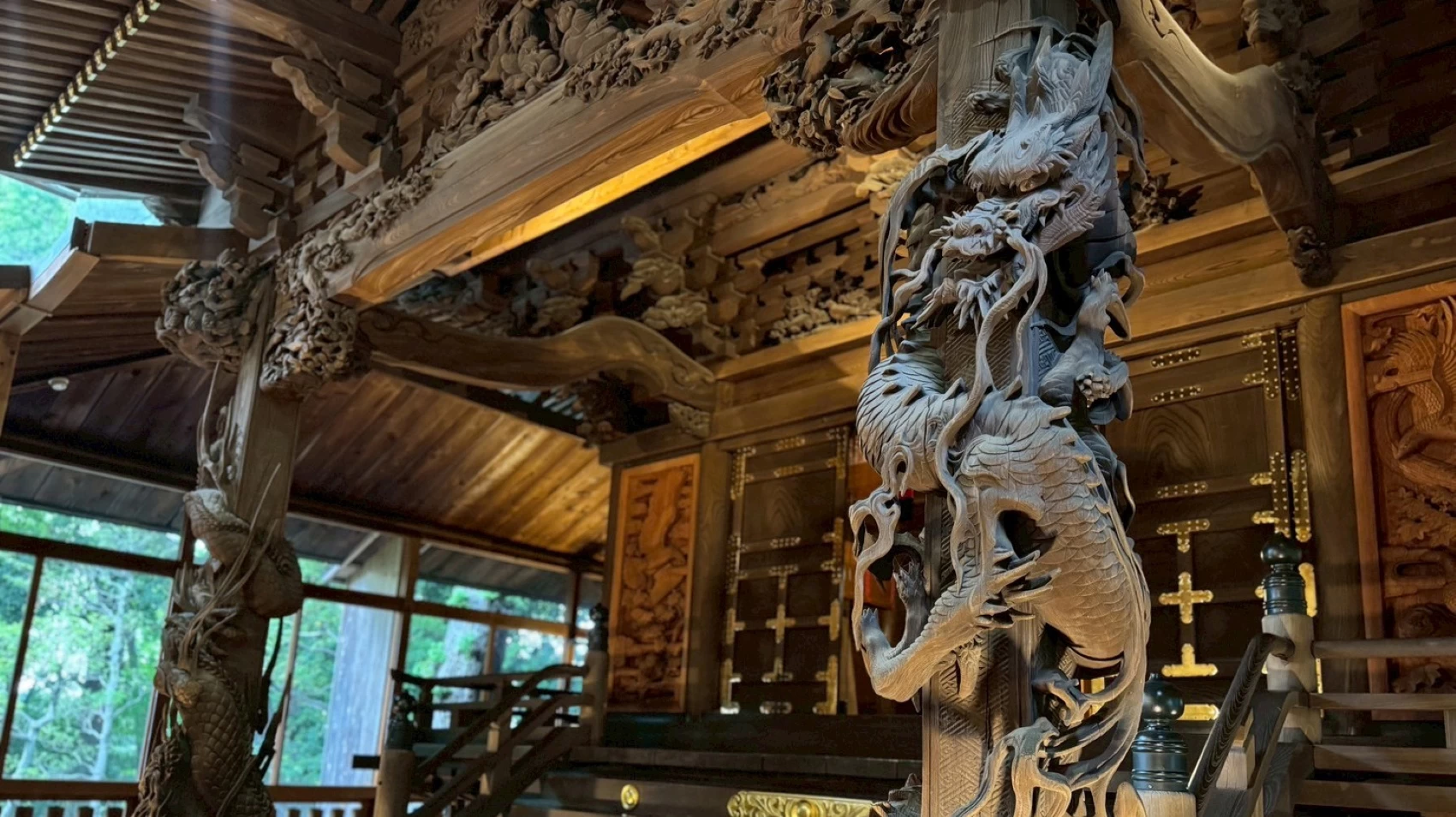
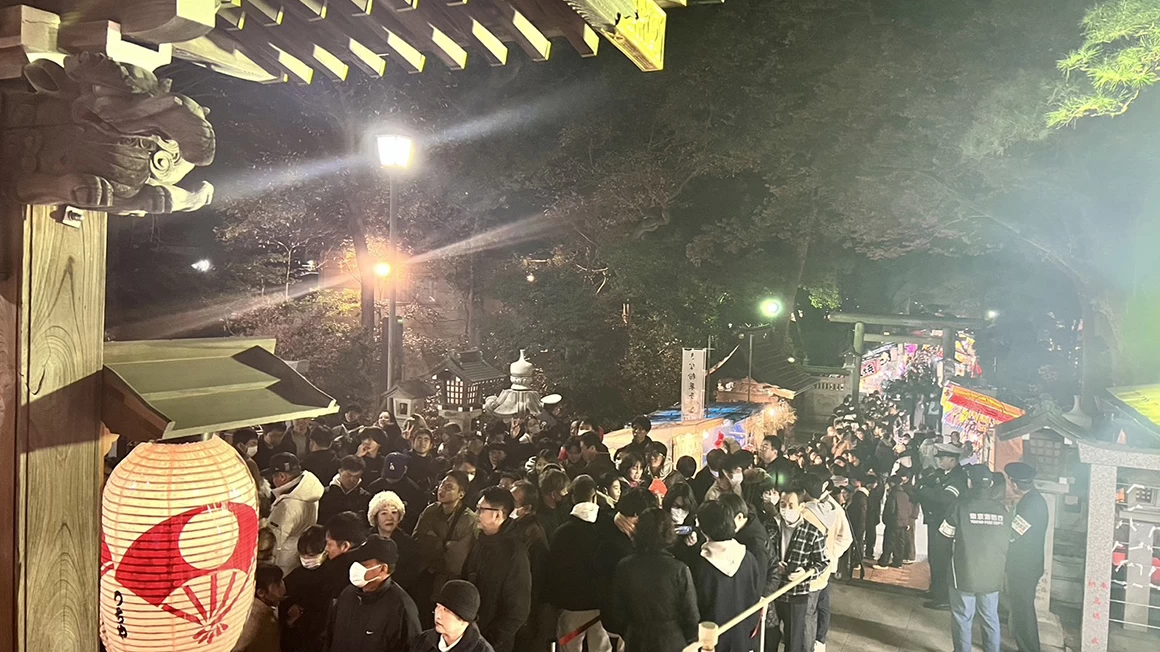
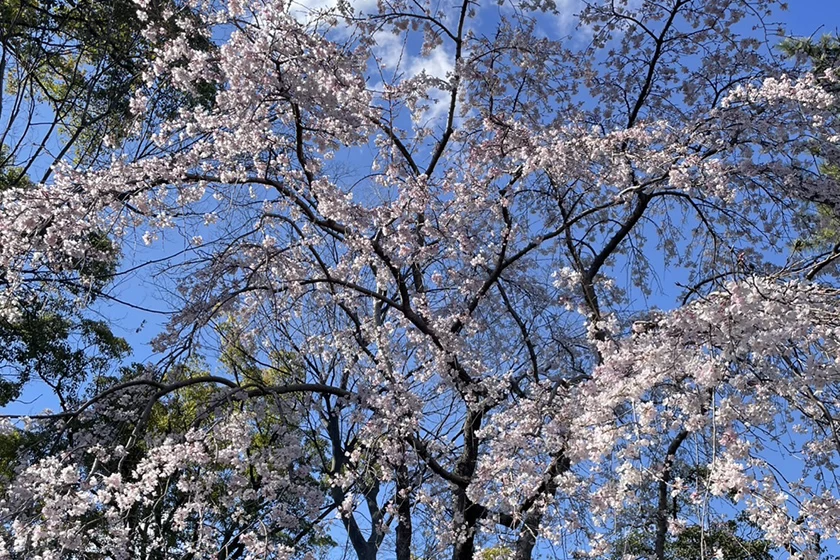
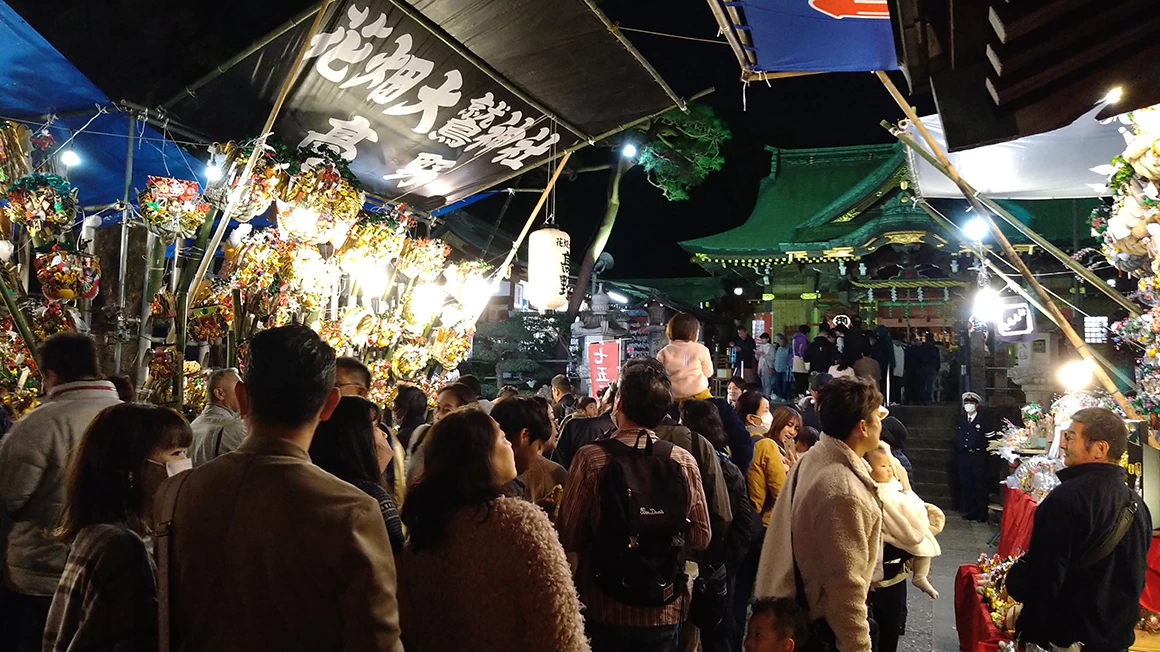
Ootori Shrine is said to be the birthplace of Tori-no-Ichi, the lively markets now held across Tokyo and throughout Japan. The event is held on the Day of the Rooster in November, the date associated with the death of the shrine’s enshrined deity, Yamato Takeru no Mikoto. At these markets, kumade rakes are sold as lucky charms believed to “rake in” good fortune, prosperity in business, and household safety.
Locally the shrine is affectionately known as “Hanabata Otori-sama.” Within the grounds are a small sacred pond and the nearby Water Shrine, both regarded as local power spots.
Ootori Shrine
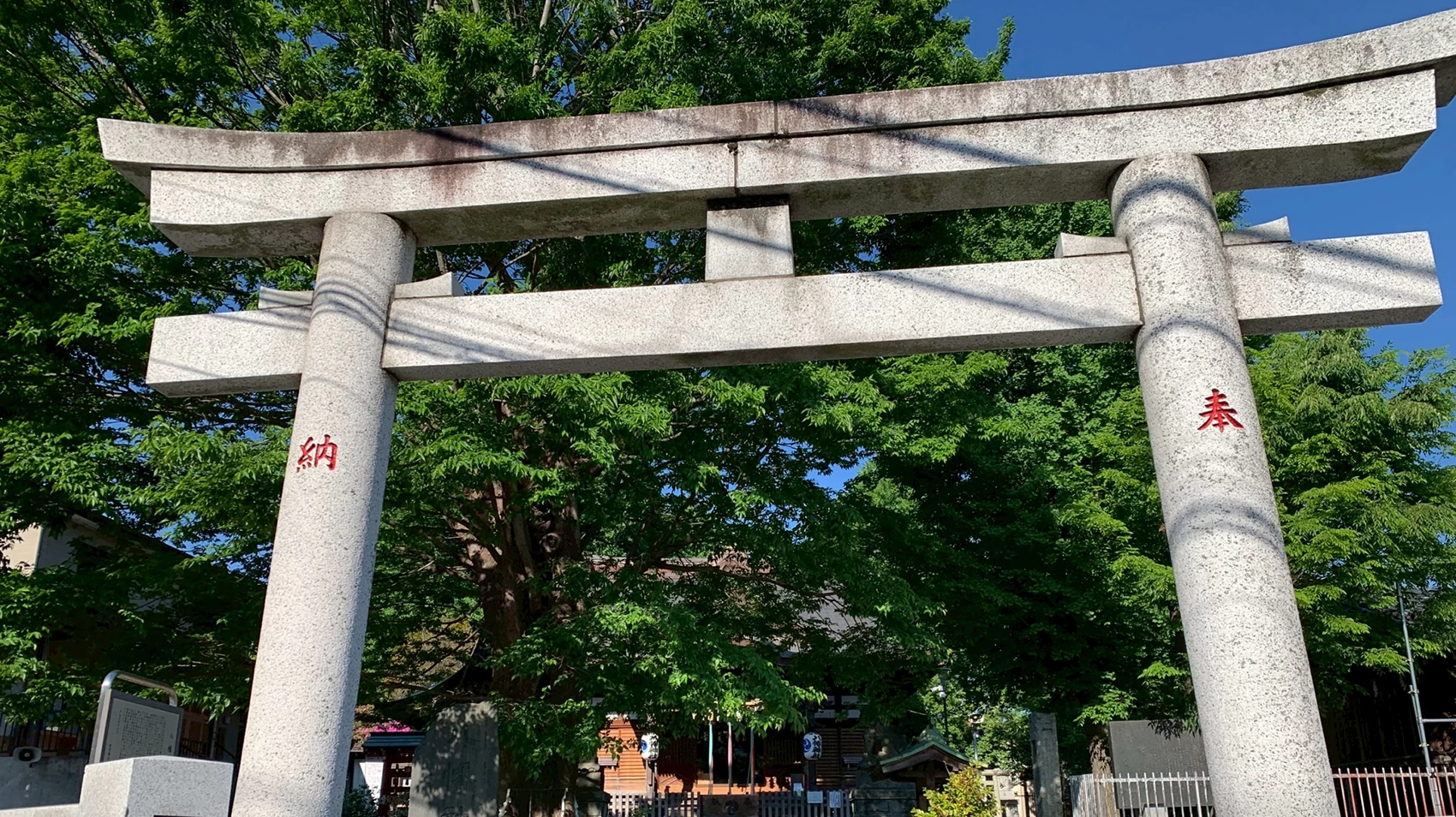
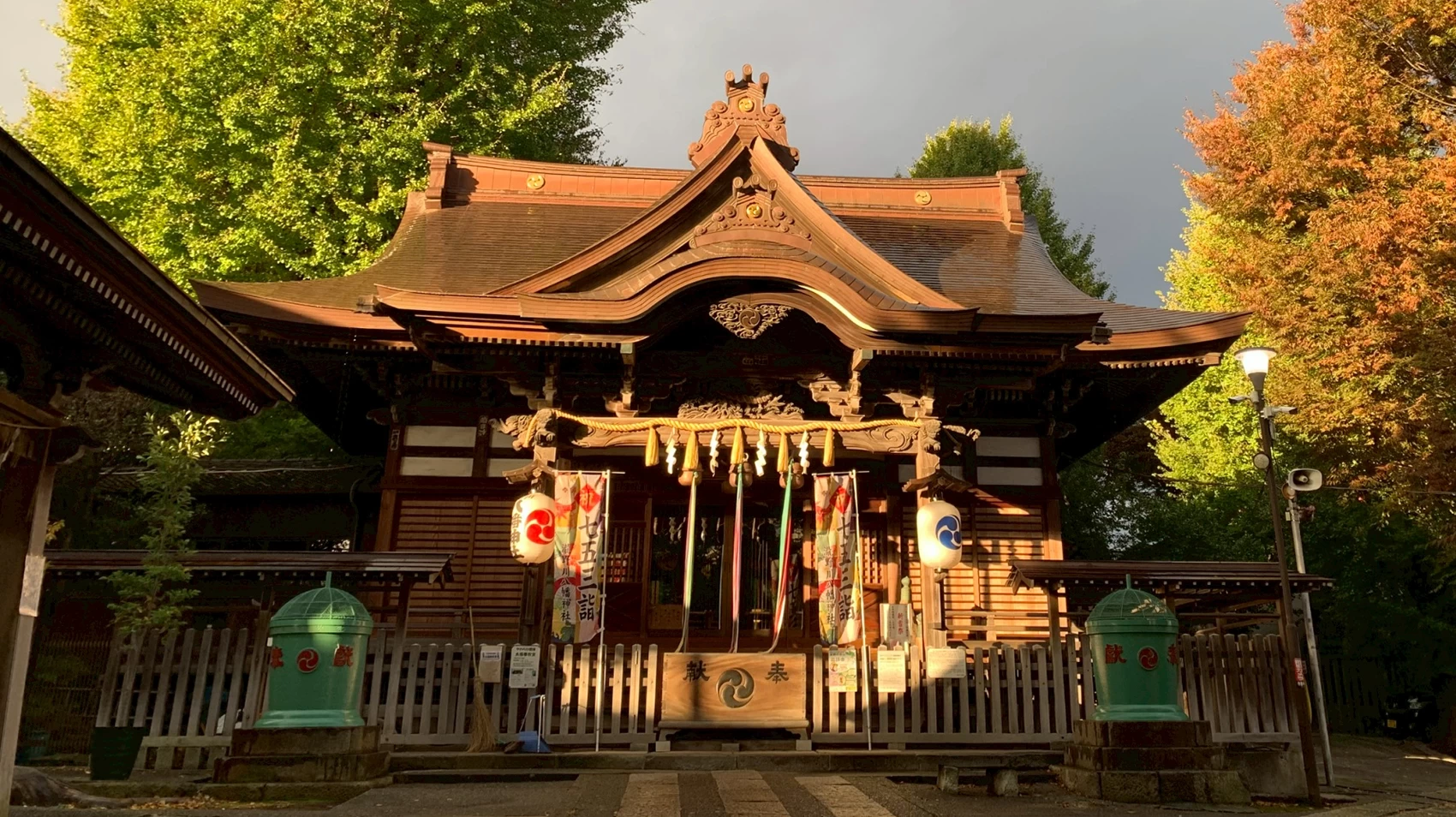
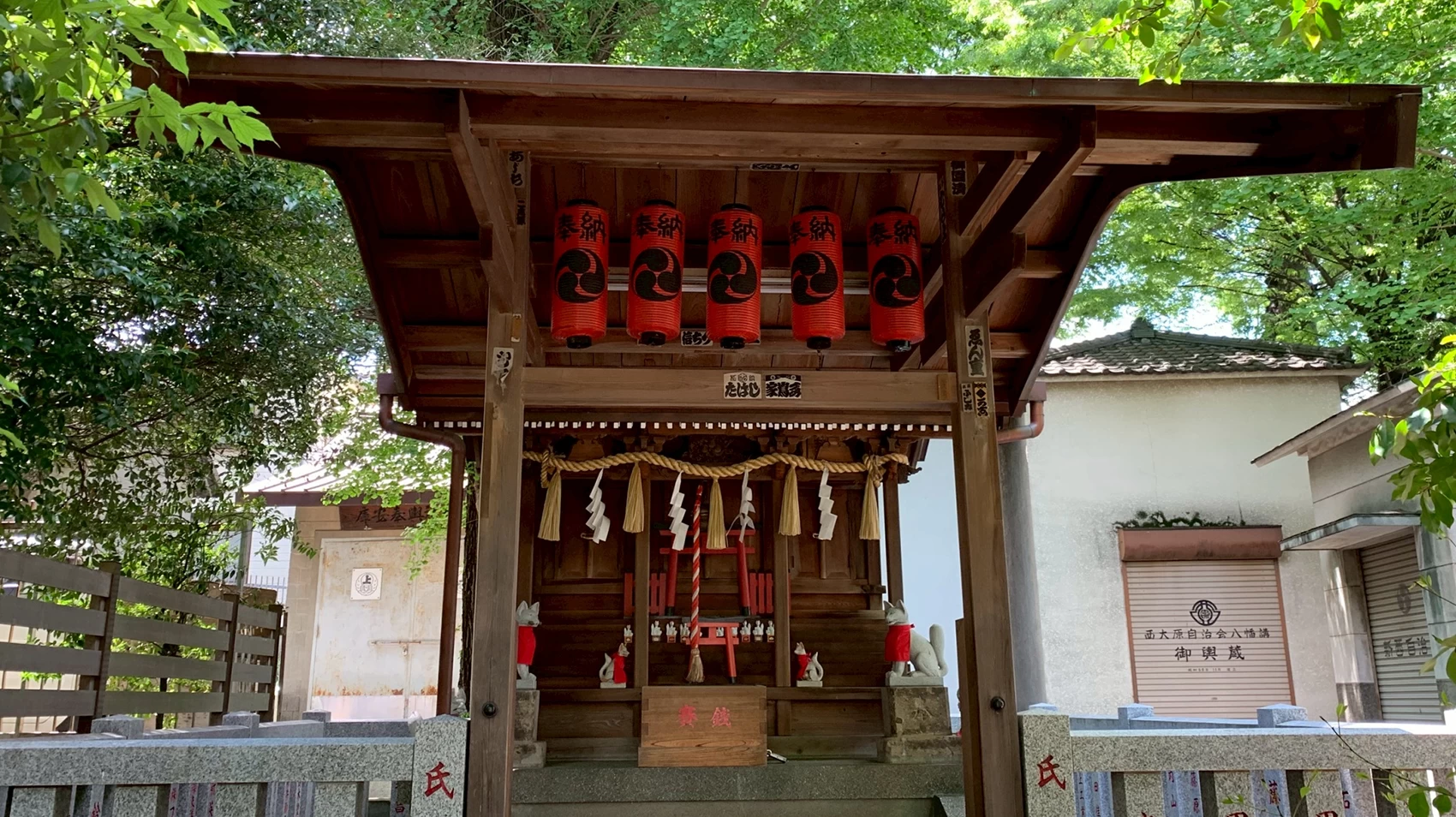
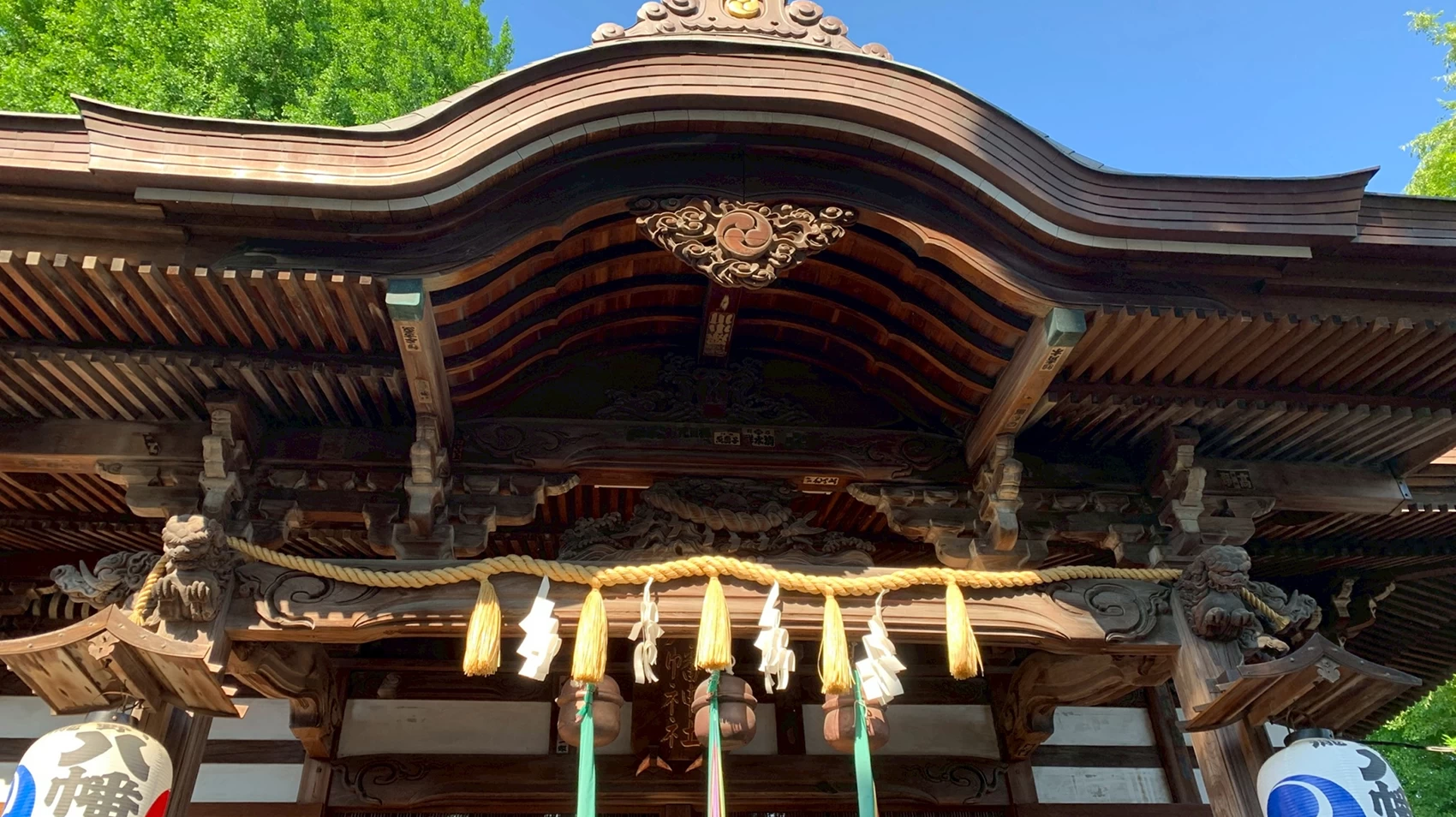
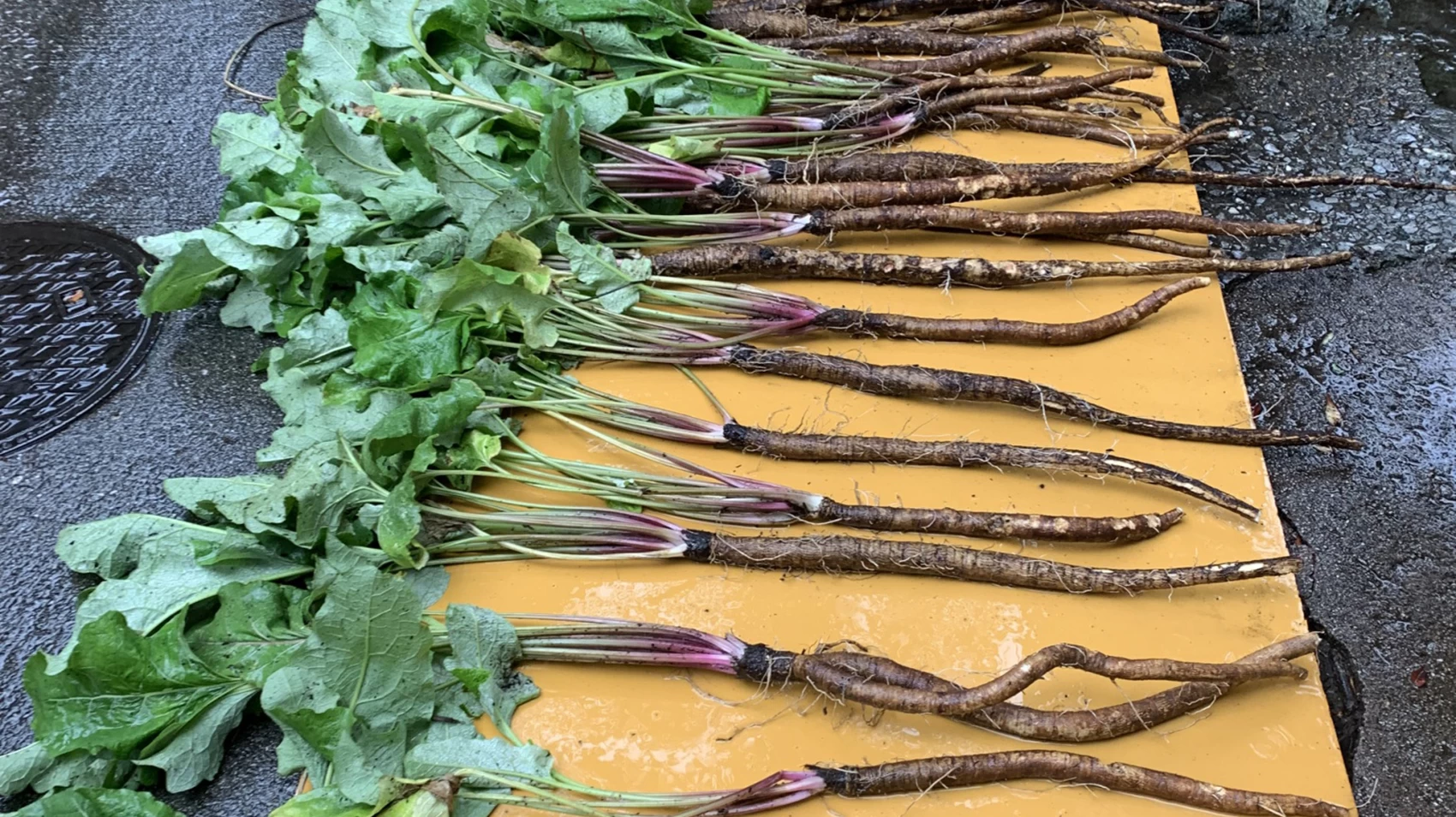
Takinogawa Hachiman is revered as a shrine of victory, dedicated to Hondawake no Mikoto of the Hachiman deities. Amulets such as the V-shō and Shōri (rising carp) charms are sought before exams, matches, key challenges, and New Year shrine visits. The shrine also cultivates traditional local vegetables within its grounds, reflecting the area’s agricultural roots. A short walk along the nearby Shakujii River offers an easy way to round out the visit.
Takinogawa Hachiman Shrine
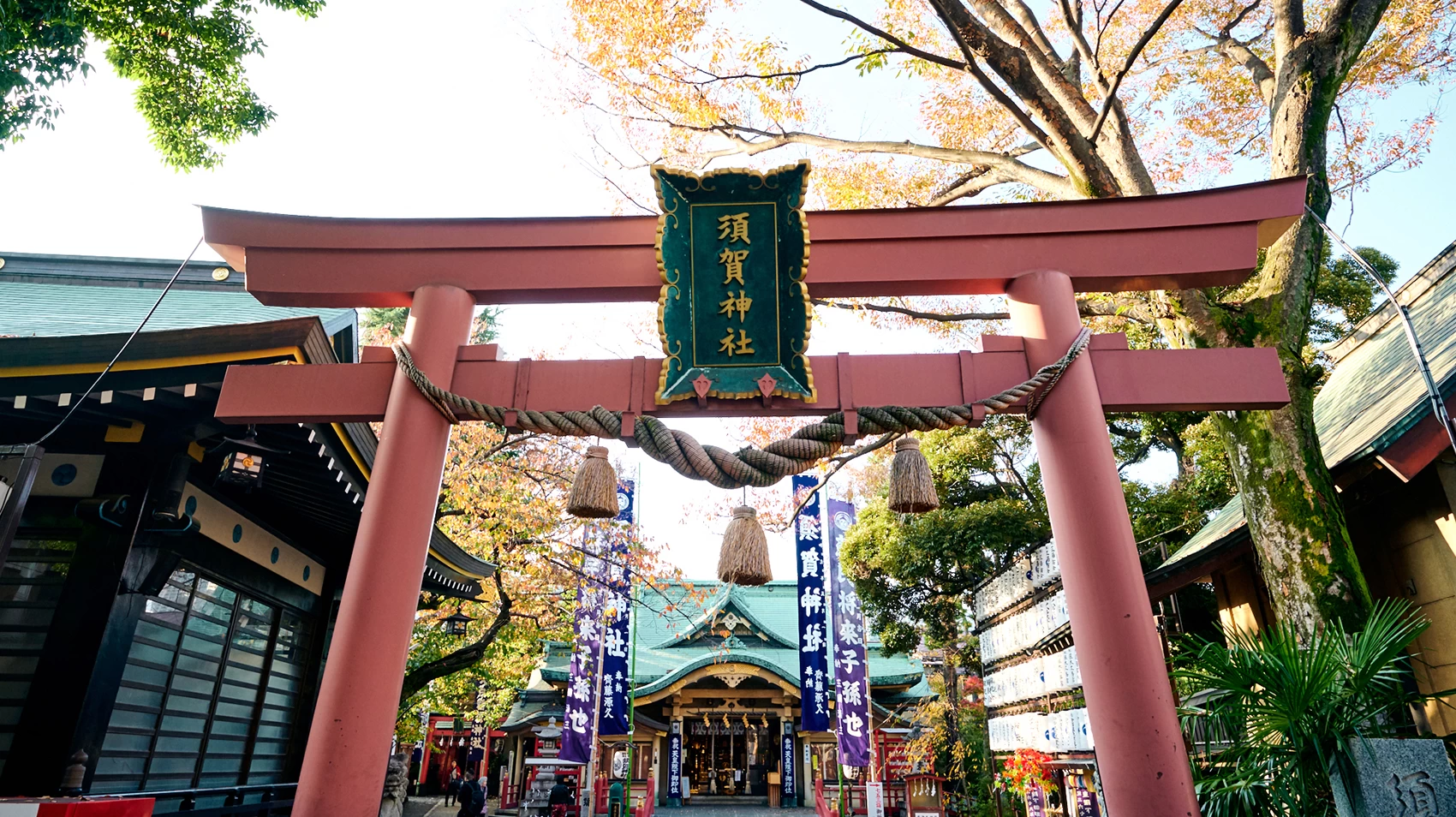
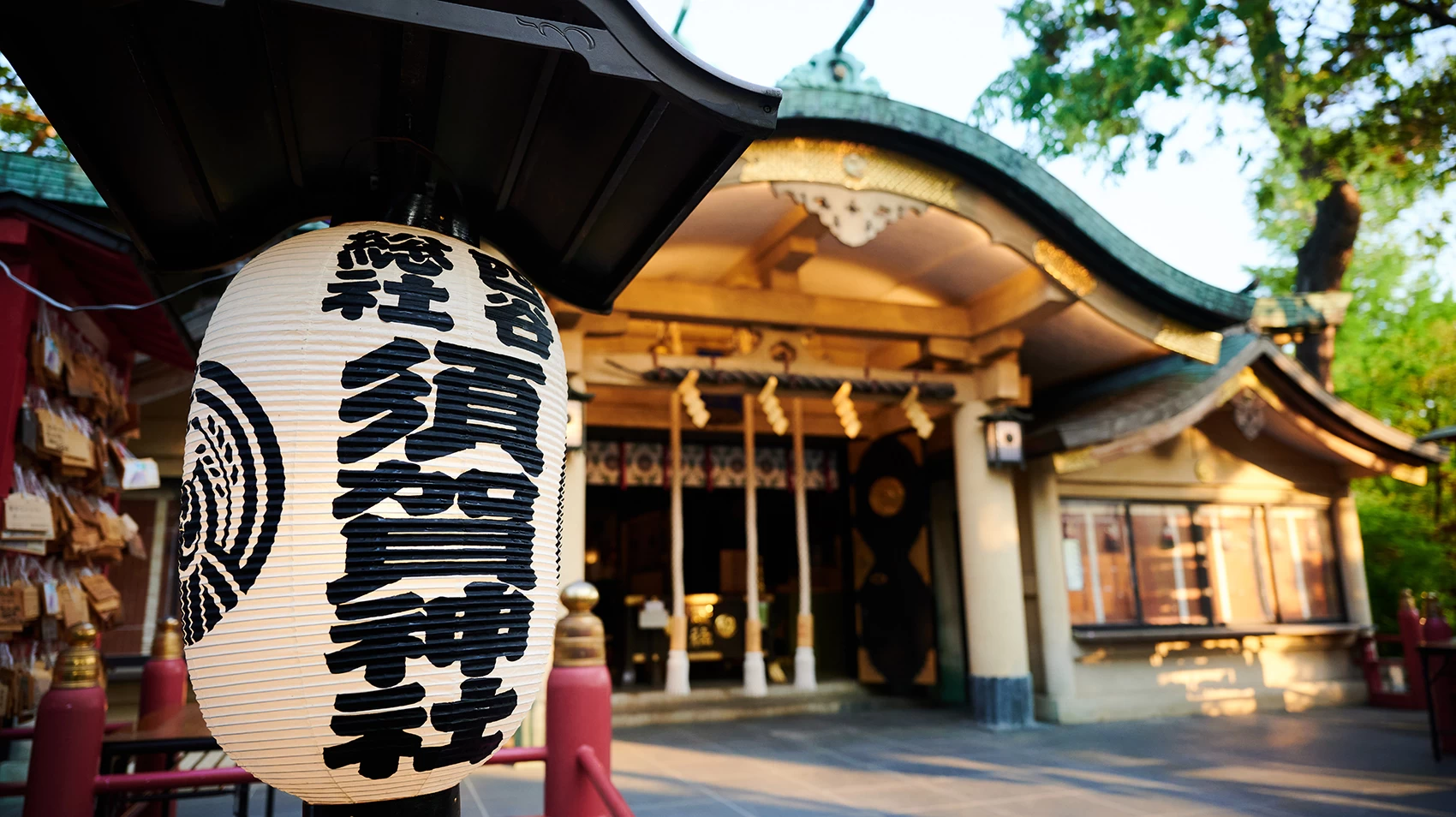
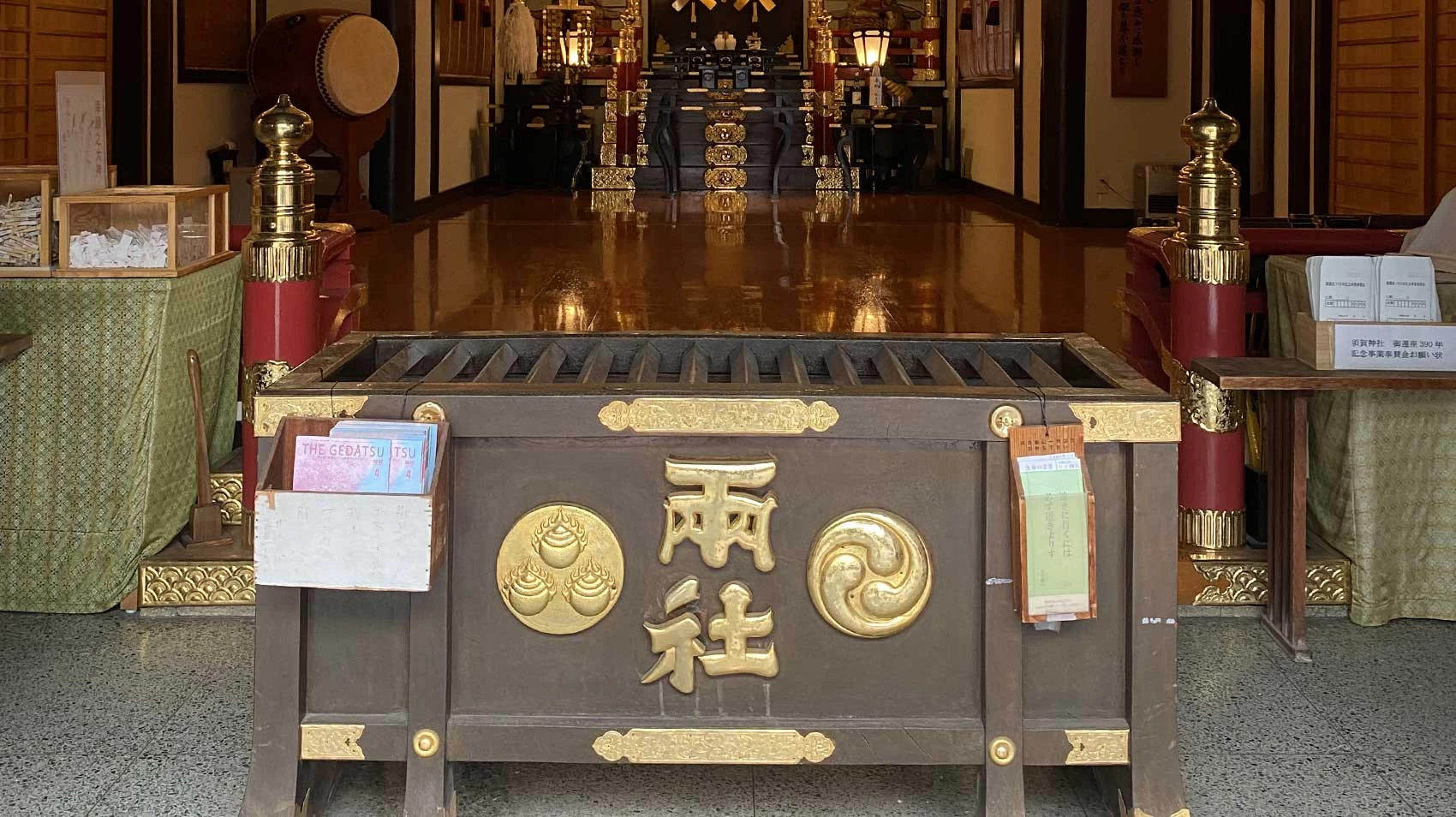
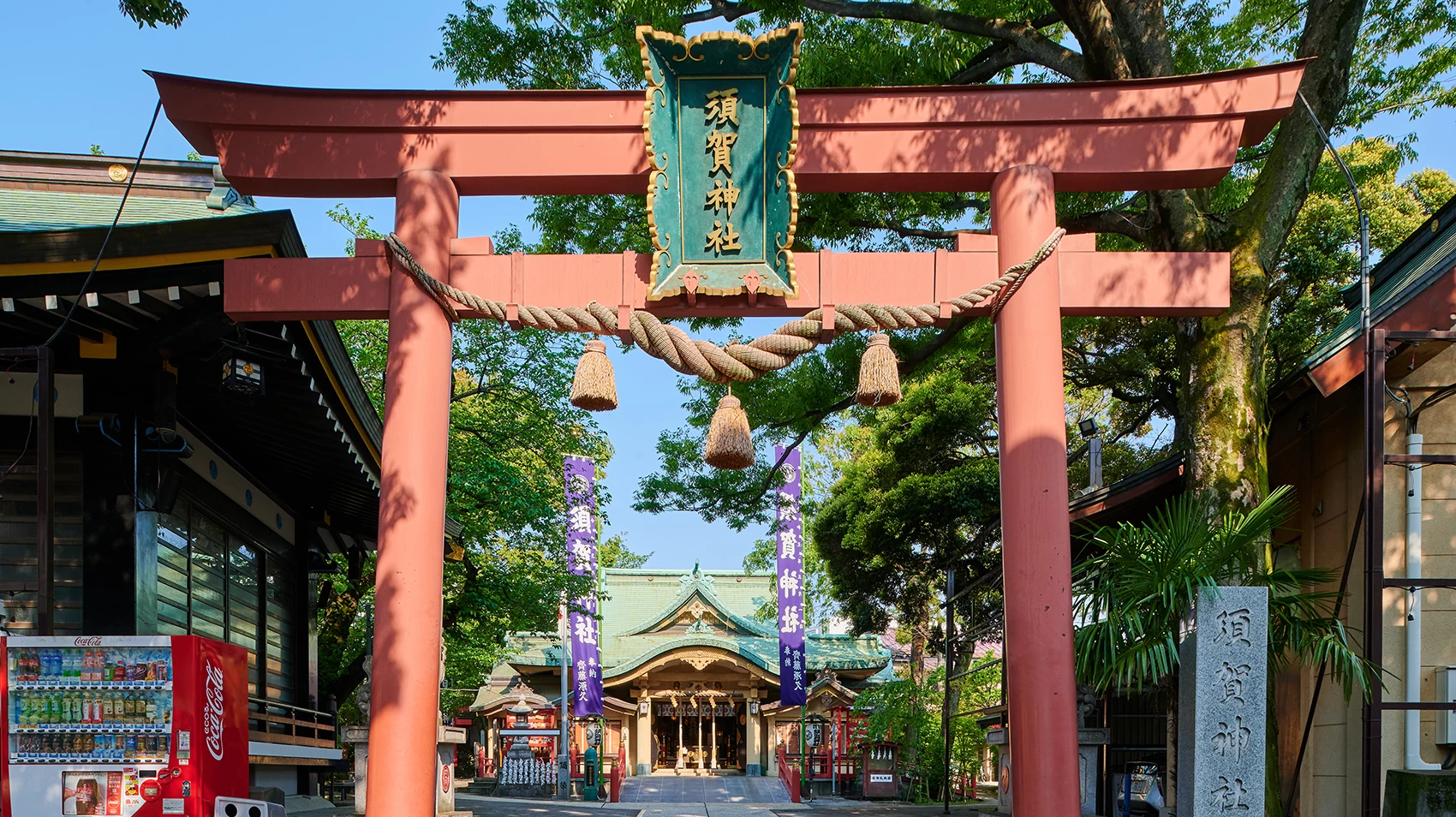
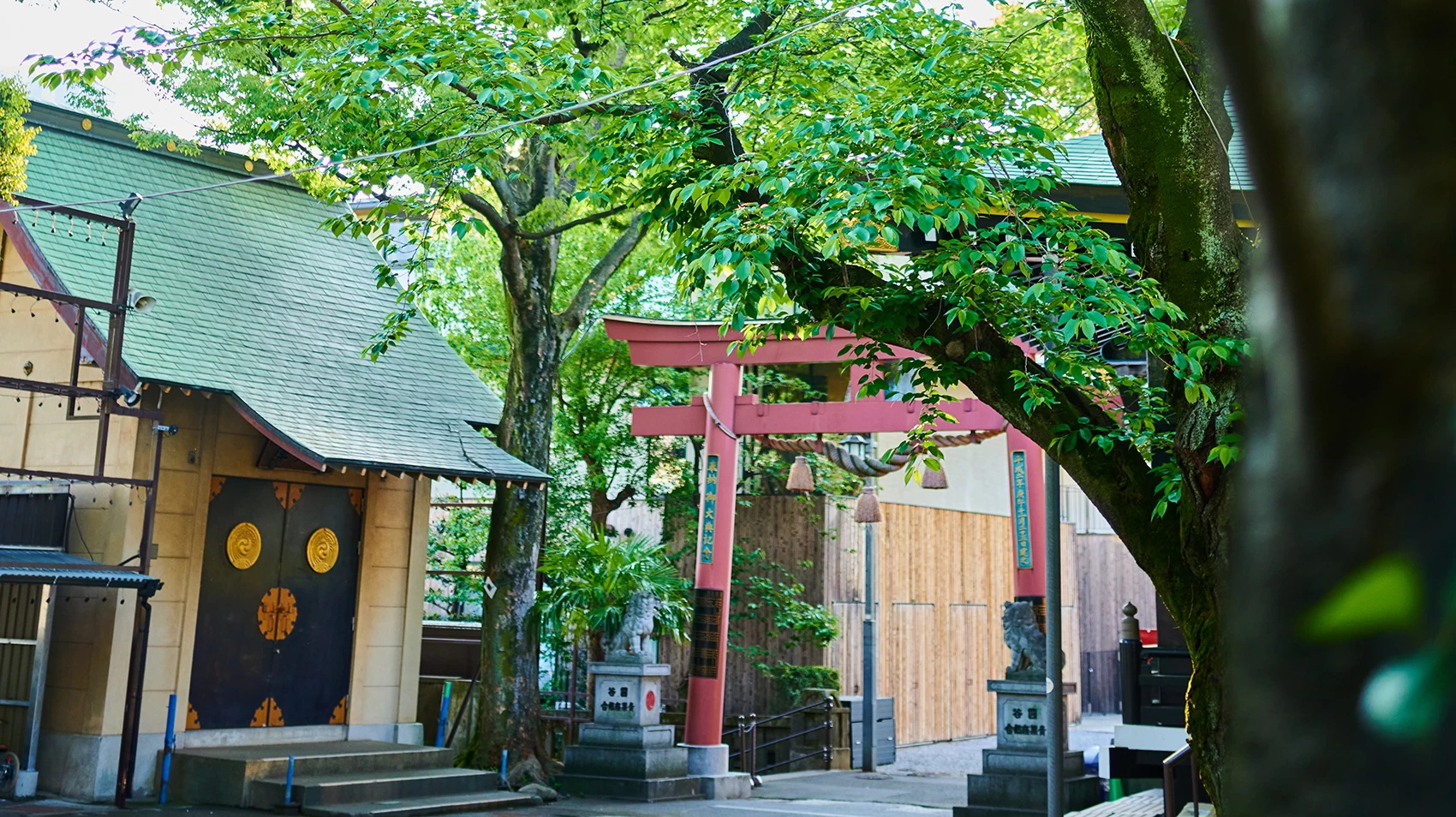
As the New Year begins, early visitors to Suga Shrine are welcomed with Hatsuyume Takarabune (available in limited numbers), a New Year talisman said to invite good dreams and fortune, along with a traditional lion dance. Long revered as the guardian of the Yotsuya area, the shrine has watched over 18 surrounding neighborhoods for nearly four centuries. Rebuilt with local support after wartime damage, its gold-accented hall reflects resilience rooted in everyday life.
Suga Shrine
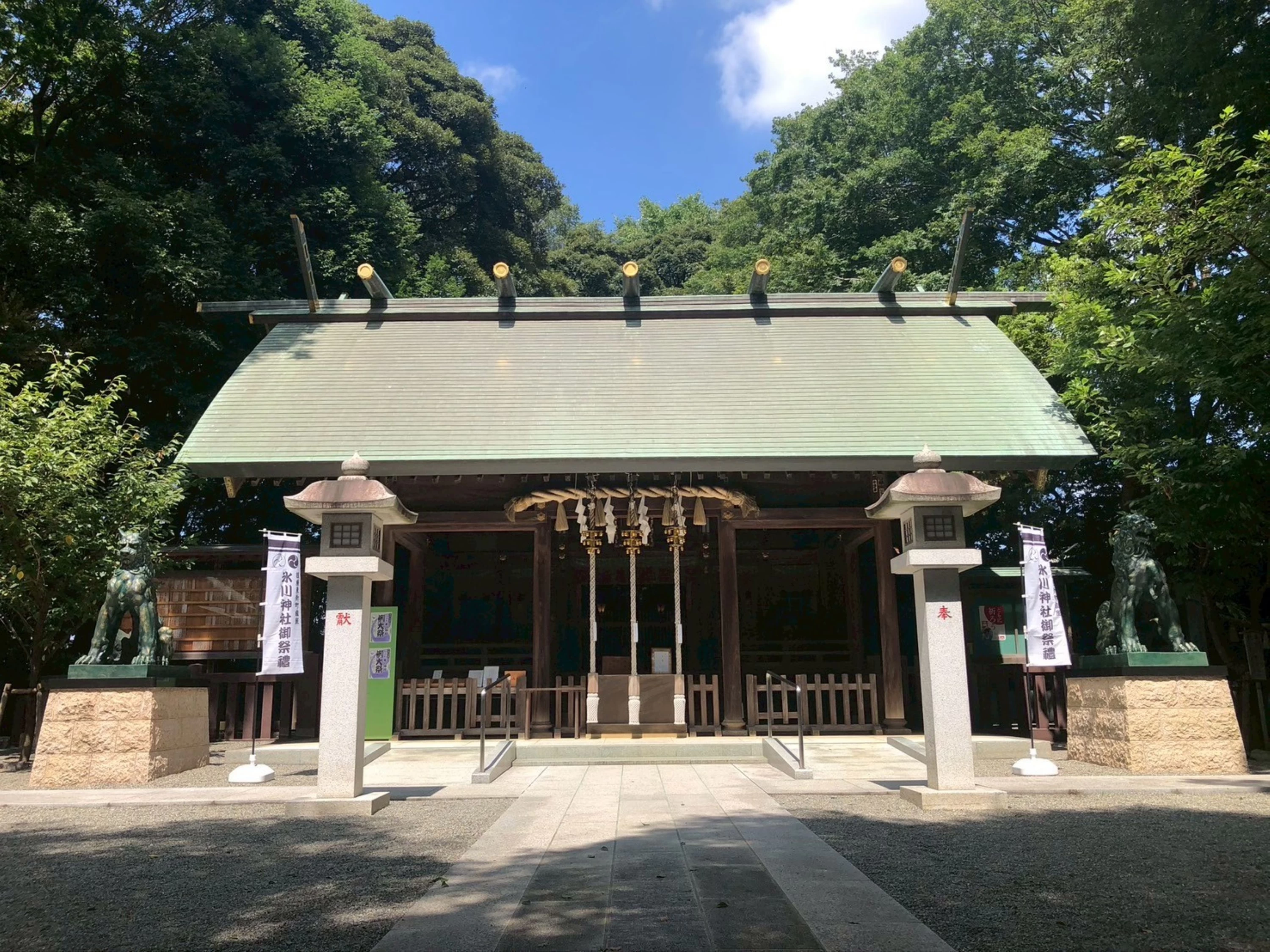
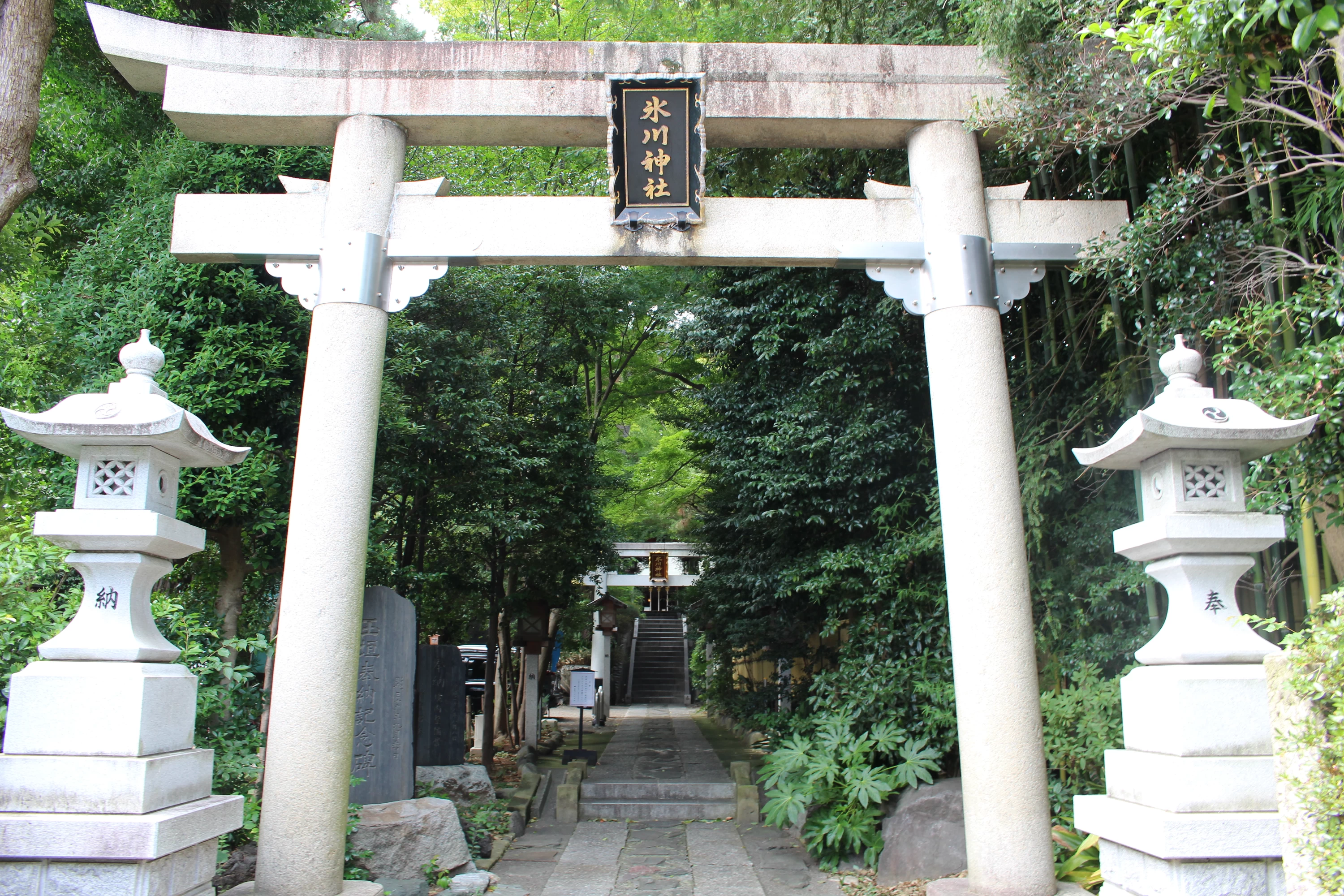
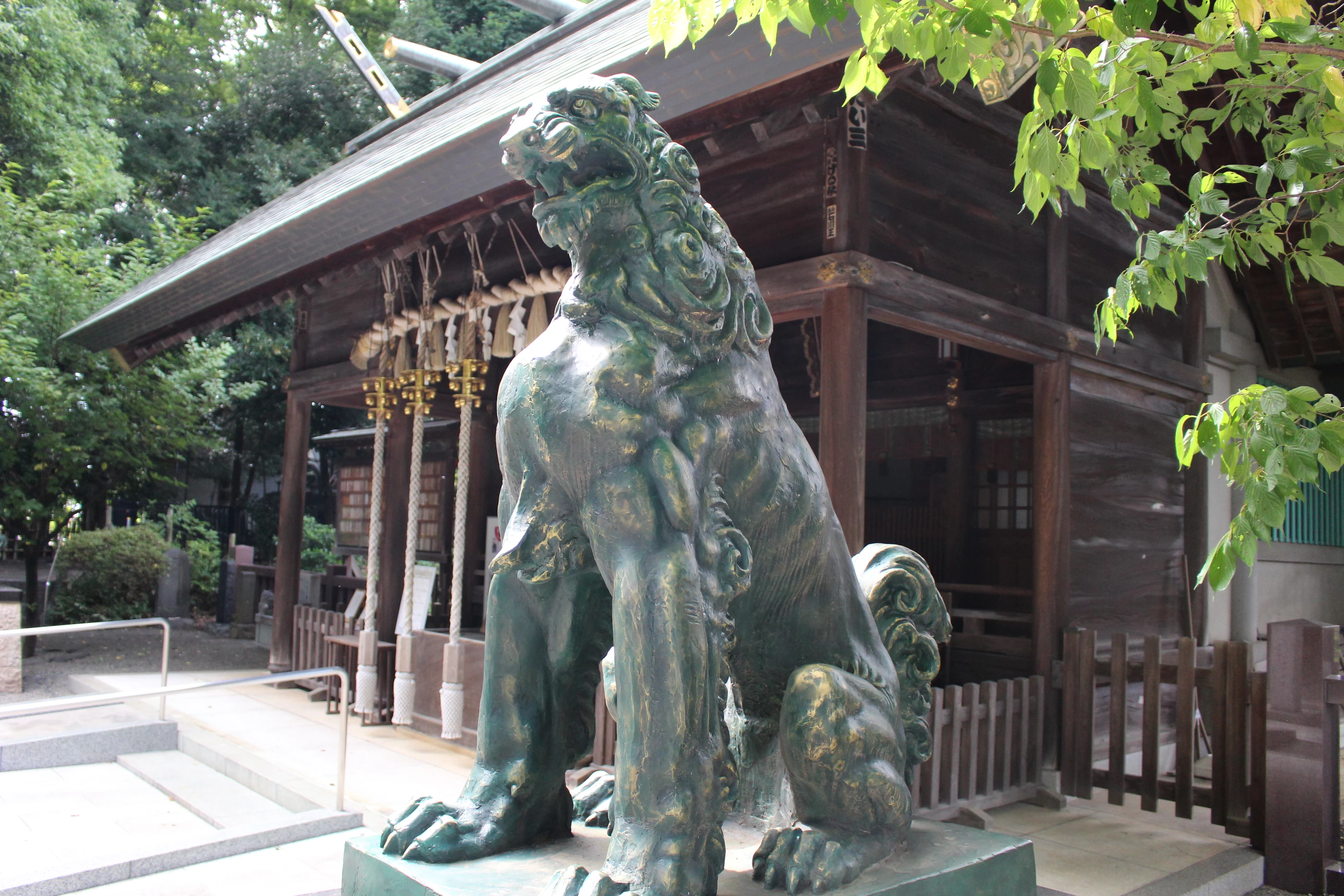
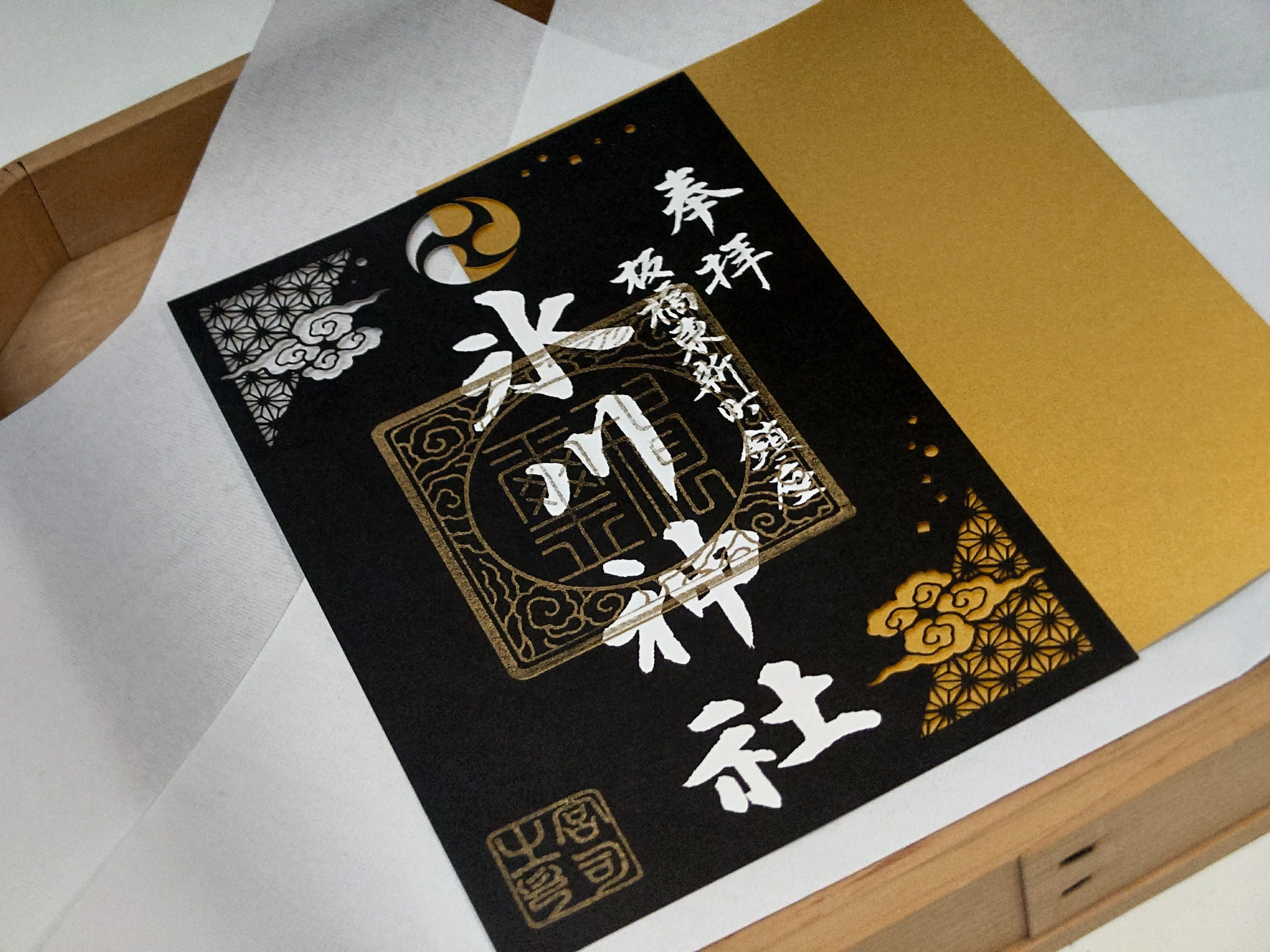
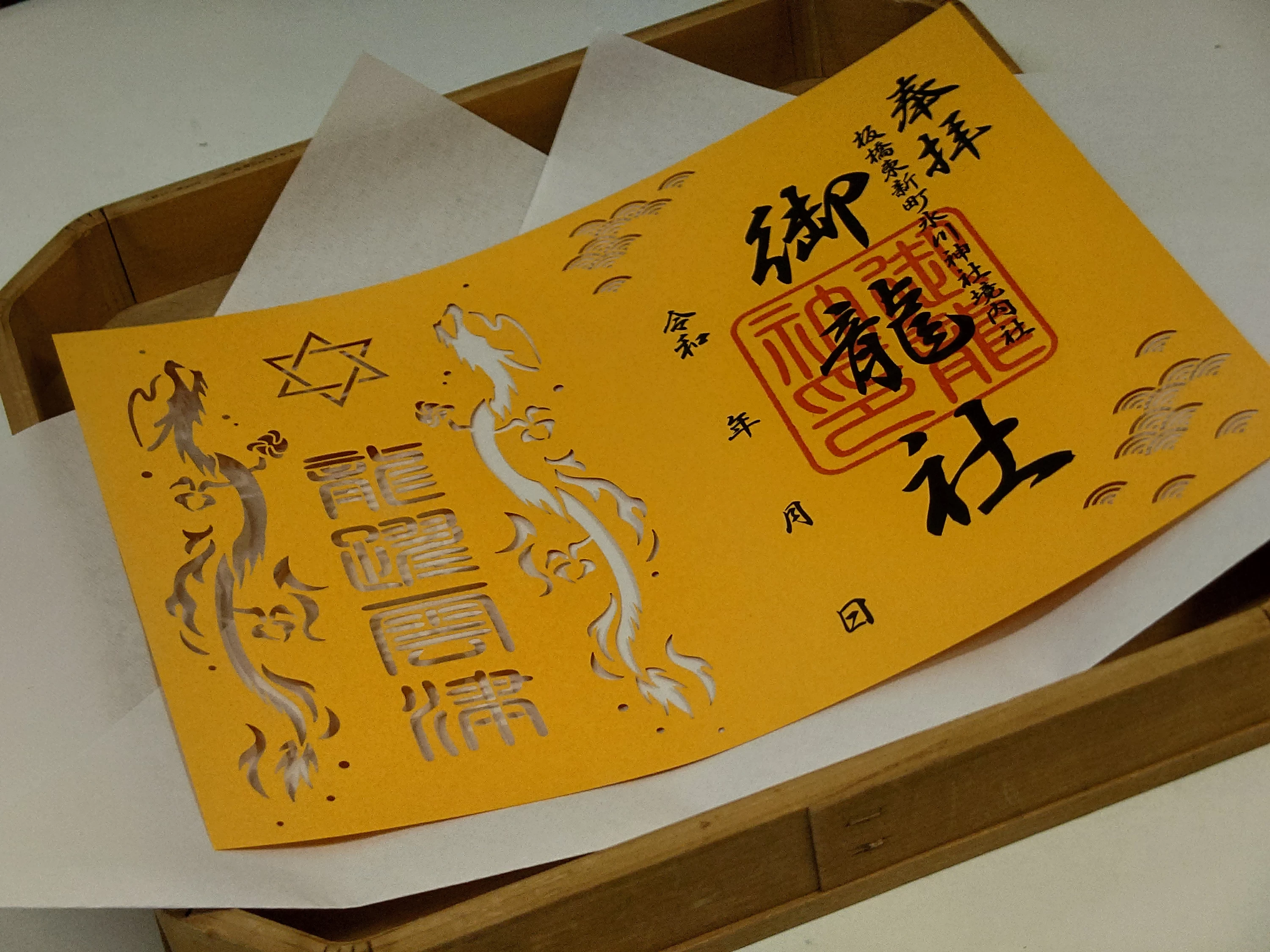
Toshincho Hikawa Shrine is a community shrine dedicated to Susanoo-no-Mikoto. Although no clear records of its founding remain, it is said to have begun as a small roadside shrine and gradually developed with the support of local parishioners. Over time, it grew into the impressive shrine seen today, featuring carved details on the hall and rare bronze komainu guardian statues.
The shrine offers three types of goshuin, including a beautifully designed kirie (cut-paper) version that is distributed only during the annual festival, the New Year, and on special Dragon Days. If you visit for hatsumode, it may be a good opportunity to receive one of these limited designs.
Toshincho Hikawa Shrine
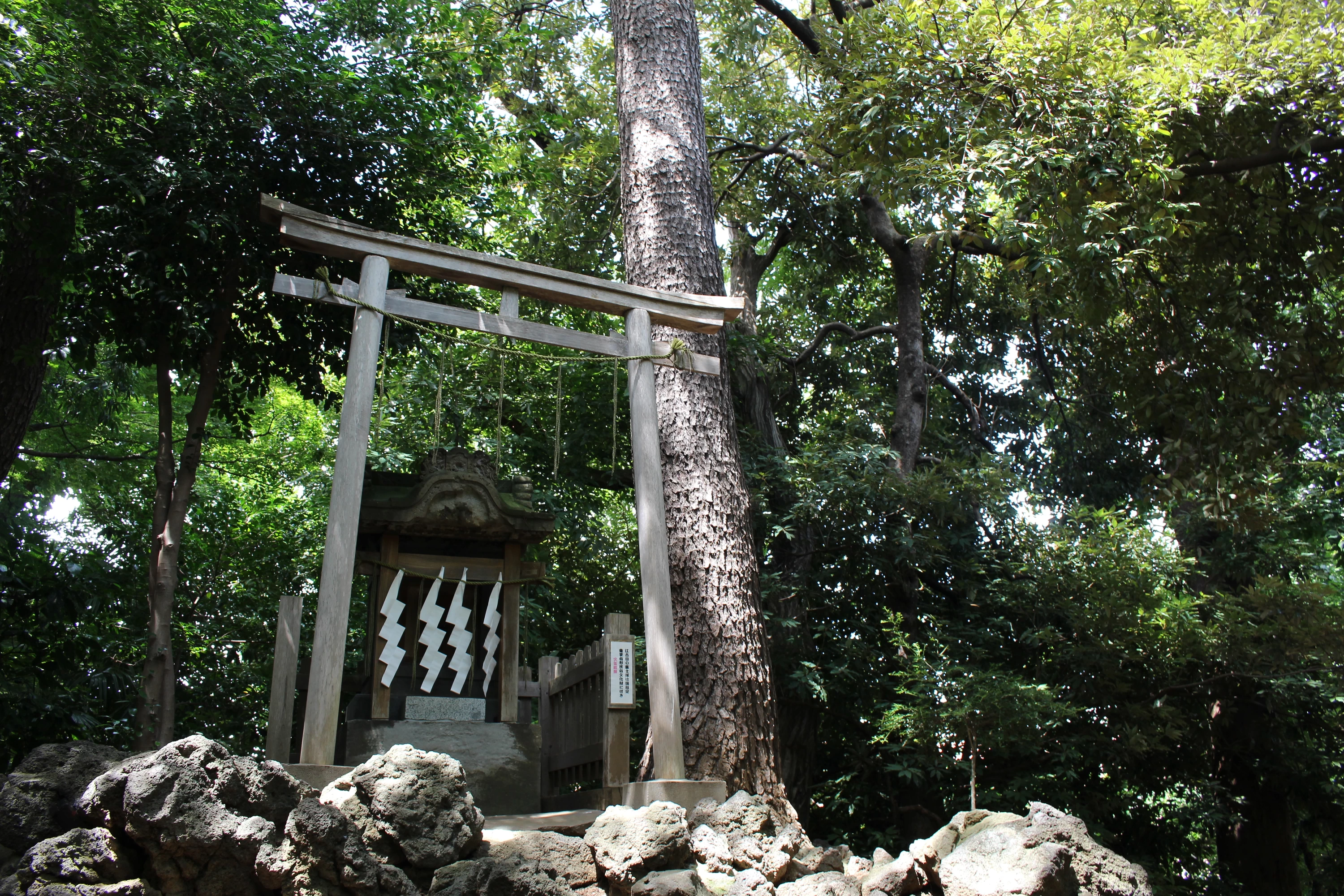
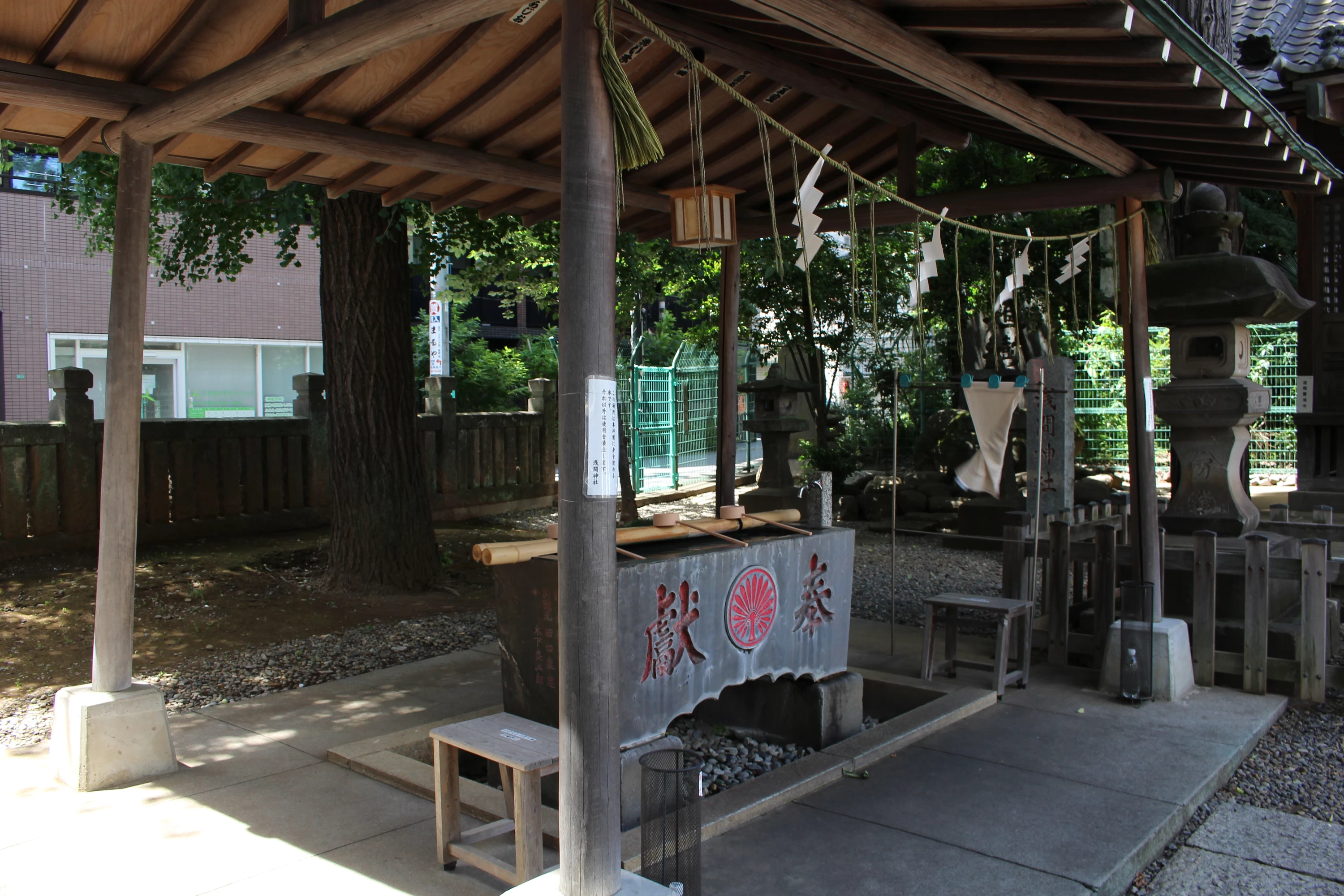
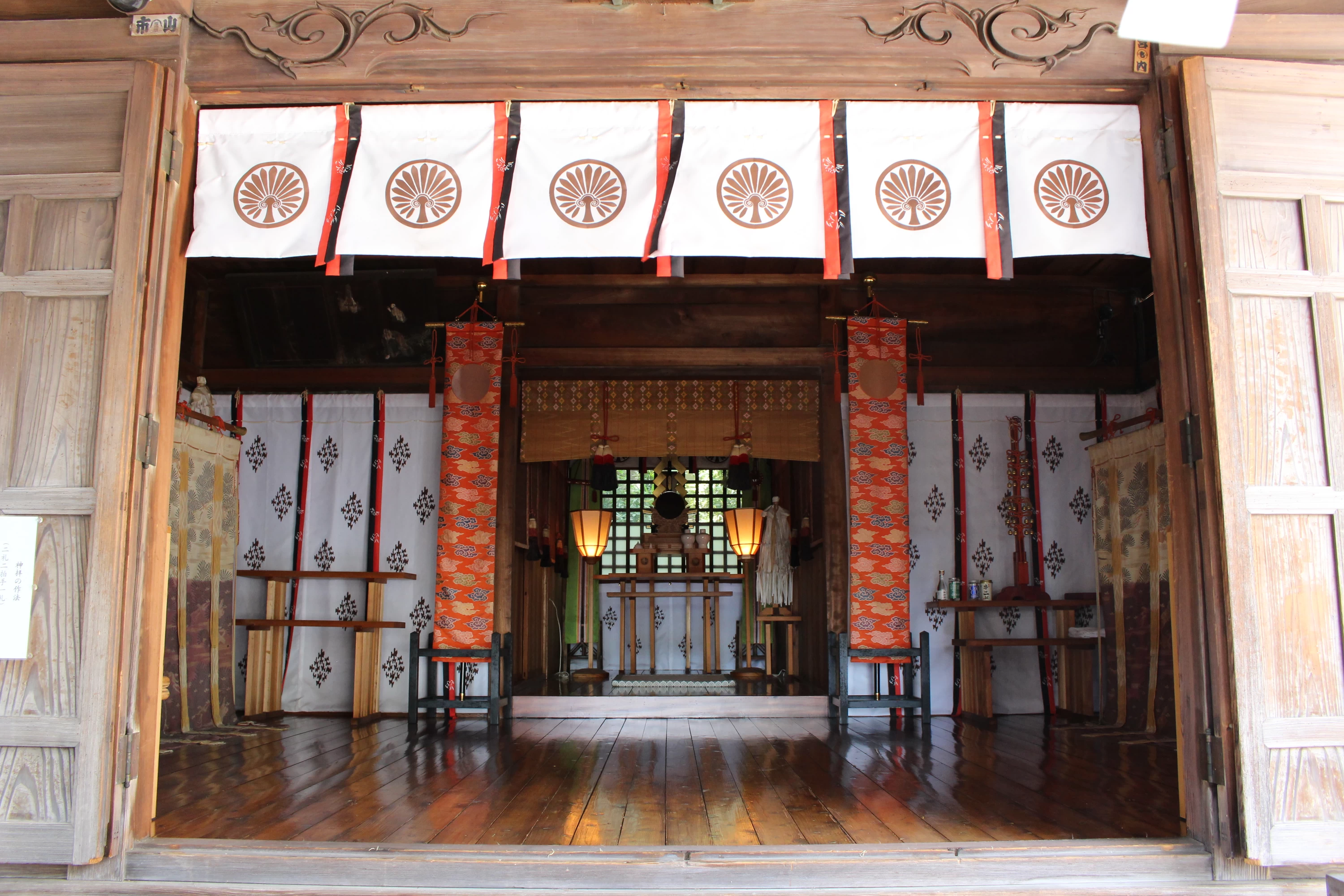
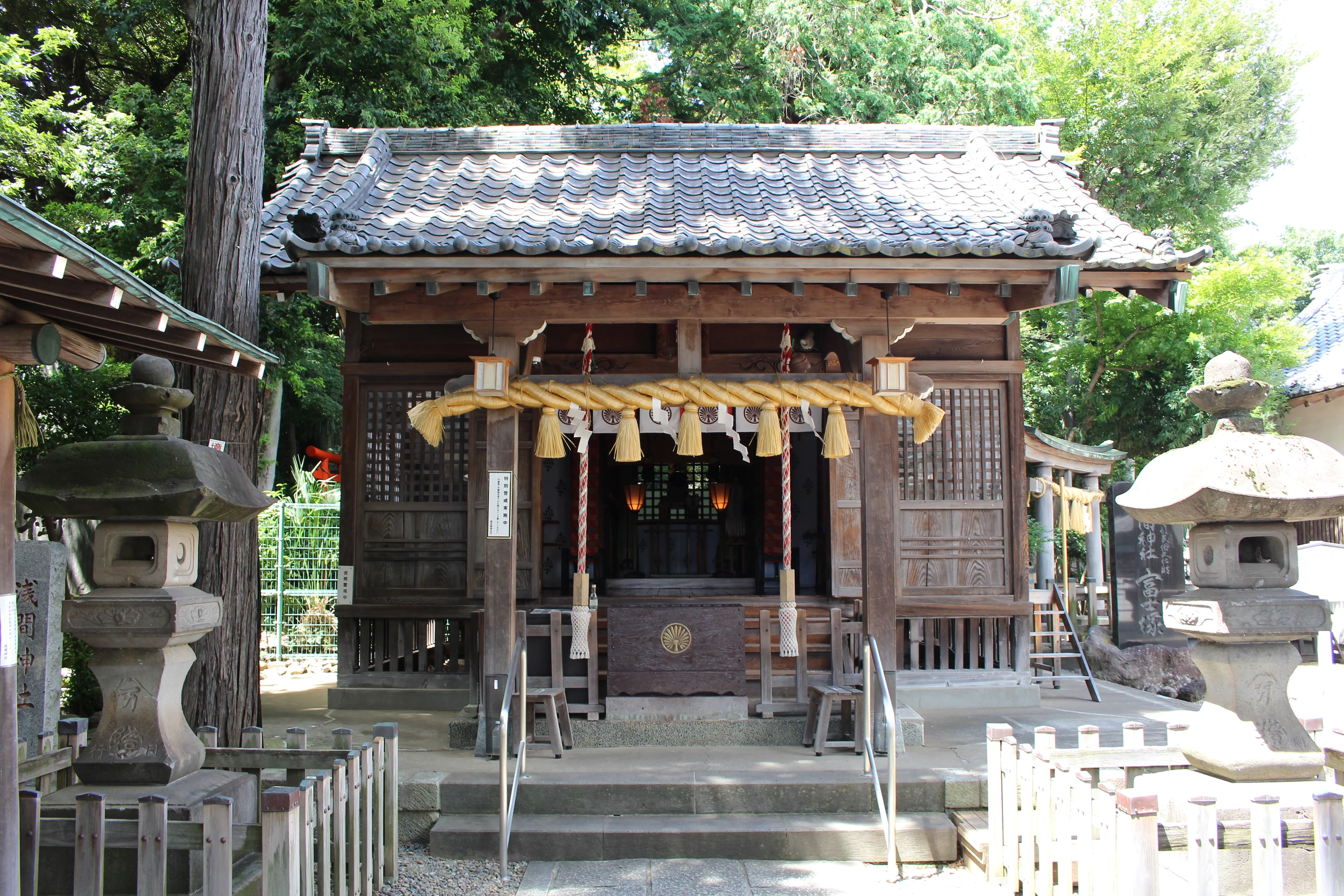
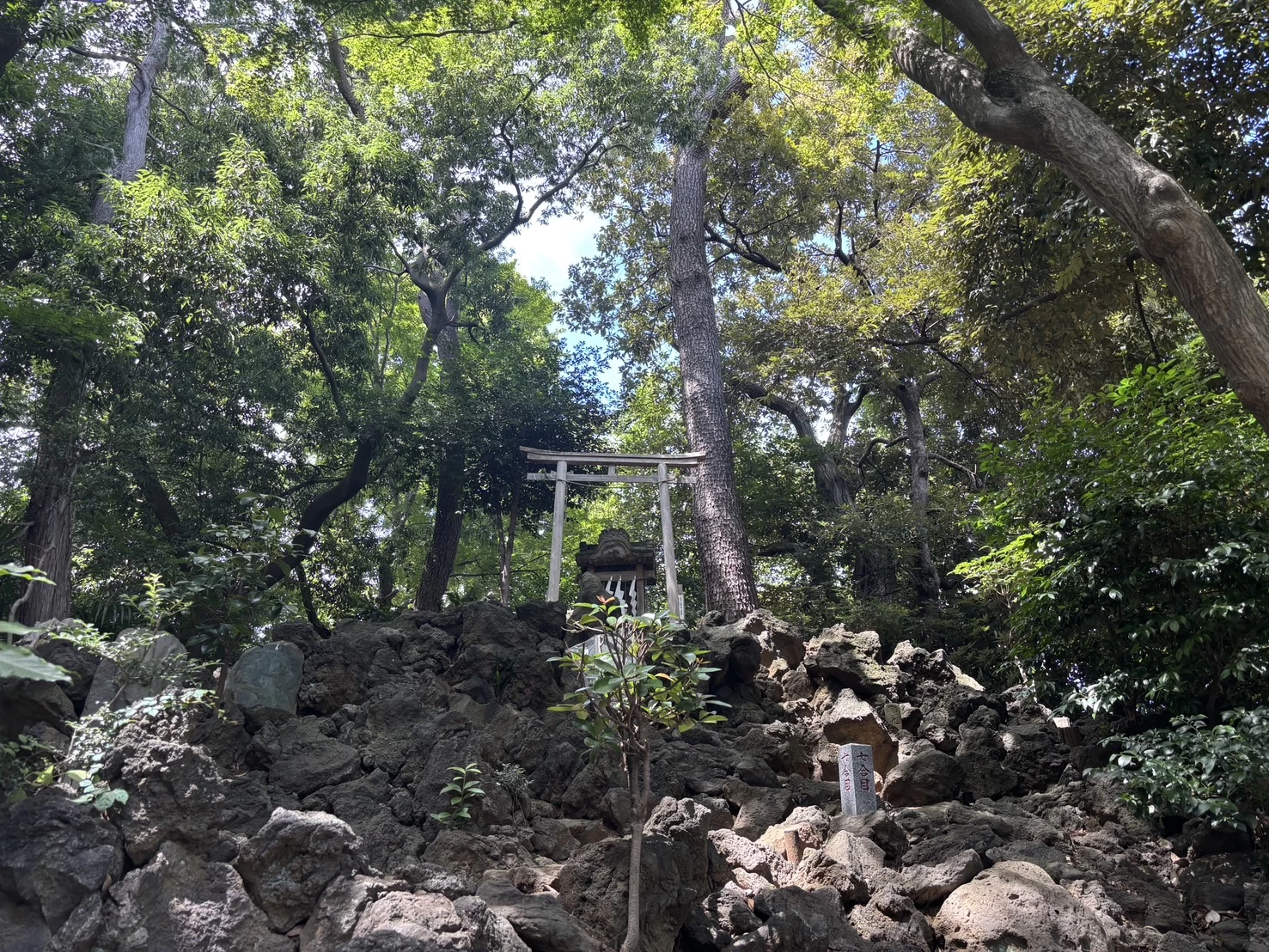
Designated as an Important Tangible Folk Cultural Property, the Fujizuka mound at Egota Sengen Shrine, also known as Ekoda Fuji, preserves the tradition of Mt. Fuji worship within a local shrine setting. Climbing the mound is permitted only three times a year—during the New Year, the July mountain opening, and the September annual festival—making each opportunity distinctly limited. A New Year visit offers a rare chance to ascend the Fujizuka and mark the season through a ritual once central to Edo-period life.
Ekoda Sengen Shrine
In Tokyo, shrine visits are often linked to size or name recognition, but the New Year season offers more flexible ways to visit. Moving between shrines with different settings and customs gives each stop a distinct character. In western Japan, a custom known as "Sanjamairi" involves visiting several shrines in one outing. As crowds are common during the New Year, planning visits outside peak ritual hours can lead to a calmer and more considerate start to the year.
Was it helpful? Please try using it when traveling or going out.
Article planning/supervision:editor nakashima
writer:peekaboo
Trying Tea Ware Painting and Fluid Art at Art and Cafe in Shibuya
2026/08/31
Discover Tokyo’s White Snake Shrine for Good Fortune
2026/06/26

Explore Near Haneda Airport : 16 Must-See Spots and Hidden Gems
2026/05/11
Shrine Etiquette: How to Pray at a Shinto Shrine and How It Differs from a Buddhist Temple
2026/04/06
Shibuya Sightseeing Guide: 19 Must-See Attractions, from Iconic Spots to Local Favorites
2026/03/27
Updated every Monday: Total number of views for 30 days

Coin lockers at Disneyland! Also what to do when you don't have a place or space to leave your belongings!
2024/11/25


Summary of Luggage Lockers (Coin Lockers) at Yokohama Station! Where Can You Find Free or Affordable Options?
2025/01/31

12 Must-Visit Okinawa Souvenir Shops for Awamori, Perfume, and Ryukyu Glass
2026/05/04


Top 10 Souvenirs to Buy at Shin-Yokohama Station — Best Spots for Cute Treats
2026/05/05


Exploring Okinawa by Campervan: A First-Timer’s Guide
2026/05/15
Hebikubo Shrine
5-minute walk from Nakanobu Station (Toei Asakusa Line / Tokyu Oimachi Line). 8-minute walk from Nishi-Oi Station (JR Lines). 12-minute walk from Togoshi-Koen Station (Tokyu Oimachi Line).
Sanya Hachiman Shrine
6-minute walk from Musashi-Koyama Station East Exit (Tokyu Meguro Line)
Irugi Shrine
6-minute drive from the Ebara Exit on the Shuto Expressway Route 2 Meguro Line. 3-minute walk from Osaki Station (JR Lines / Rinkai Line). 6-minute walk from Osaki-Hirokoji Station (Tokyu Ikegami Line)
Koyama Hachiman Shrine
8-minute walk from Nishi-Koyama Station (Tokyu Meguro Line). 13-minute walk from Hatanodai Station East Exit (Tokyu Oimachi Line / Tokyu Ikegami Line)
Myogi Shrine
3-minute walk from Komagome Station Exits 4 or 5 (Tokyo Metro Namboku Line / JR Yamanote Line). 5-minute walk from Komagome Station North Exit (JR Lines) 3-minute walk from Shimofuri-bashi Bus Stop (Kita City Community Bus – Tabata Loop Route). 5-minute walk from Namboku Line Komagome Station Bus Stop (Bunkyo City Community Bus – Sendagi/Komagome Route) or Komagome Station South Exit Bus Stop (Toei Bus Lines)
Otsuka Tenso Shrine
A short walk from Otsuka Station South Exit (JR Yamanote Line).
Ikejiri Inari Shrine
2-minute drive from Ikejiri IC on the Shuto Expressway Route 3 Shibuya Line / Tomei Expressway.5-minute walk from Ikejiri-Ohashi Station South Exit (Tokyu Den-en-toshi Line).
Setagaya Hachimangu
A short walk from Miyanosaka Station (Tokyu Setagaya Line)
Kyodo Tenso Shrine
10-minute walk from Chitose-Funabashi Station (Odakyu Odawara Line)
Ootori Shrine
11-minute drive from the Yashio-Minami Exit on the Shuto Expressway Route 6 Misato Line.8-minute walk from Soka Kinen Taiikukan Bus Stop (Tobu Bus Routes Tani 01 / Take 14)
Takinogawa Hachiman Shrine
5-minute drive from Takinogawa IC (Shuto Expressway Central Circular Route). 8-minute walk from Nishi-Sugamo Station (Toei Mita Line). 11-minute walk from Itabashi Station (JR Saikyo Line)
Suga Shrine
10-minute walk from Yotsuya-sanchome Station Exit 3 (Tokyo Metro Marunouchi Line). 14-minute walk from Yotsuya Station Exit 2 (JR Chuo Line / JR Sobu Line / Tokyo Metro Marunouchi Line / Tokyo Metro Namboku Line).
Toshincho Hikawa Shrine
15-minute walk from Tokiwadai Station (Tobu Tojo Line). 20-minute walk from Kotake-Mukaihara Station (Tokyo Metro Yurakucho Line / Tokyo Metro Fukutoshin Line / Seibu Yūrakuchō Line)
Ekoda Sengen Shrine
A short walk from Ekoda Station (Seibu Ikebukuro Line).