


10 Shrines and Temples to Visit in Hokuriku (Fukui, Ishikawa & Toyama)
2026/07/27
Due to the impact of the 2024 Noto Peninsula Earthquake, local transportation networks and facilities may have been affected.
Before planning your trip, please check the latest news and official announcements from local authorities.
 2026/05/14
A rickshaw ride offered a fresh perspective on Kanazawa. Gliding along the city’s stone-paved streets, I began to notice details that might otherwise slip by—narrow side lanes, the grain of weathered wood, the quiet rhythm of the old townscape.
With Kanazawa Sightseeing Rickshaw Roman-ya, the ride felt less like a transfer between sights and more like another layer of the city opening up.
Table of Contents of This Article
Open Table of Contents ▼
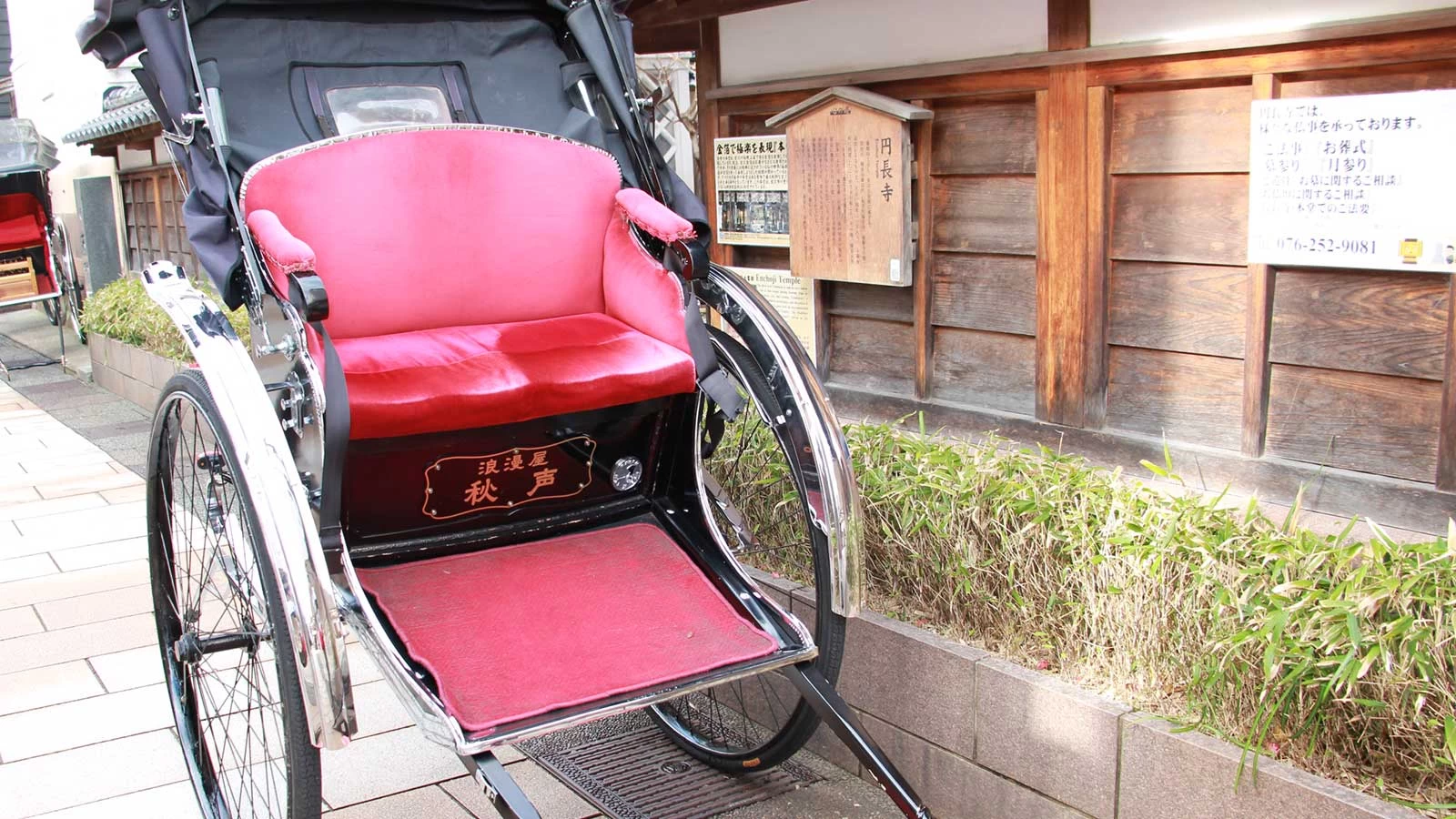
We met in front of Enchoji Temple, near Kanazawa’s Higashi Chaya District. Stone-paved streets and old wooden townhouses framed the scene, and I felt a slight flutter of nerves before my first rickshaw ride. The driver’s easy smile quickly put me at ease.
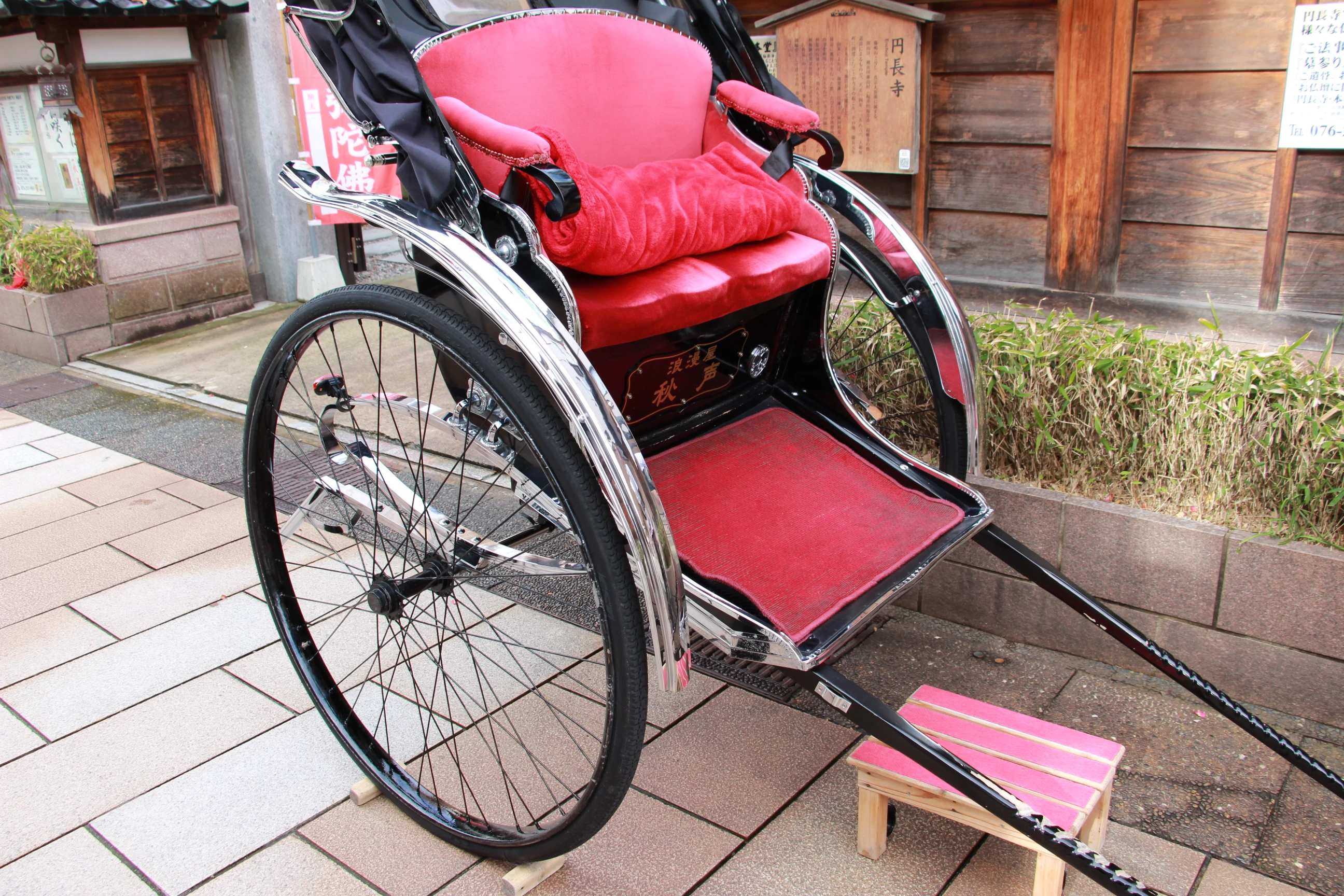
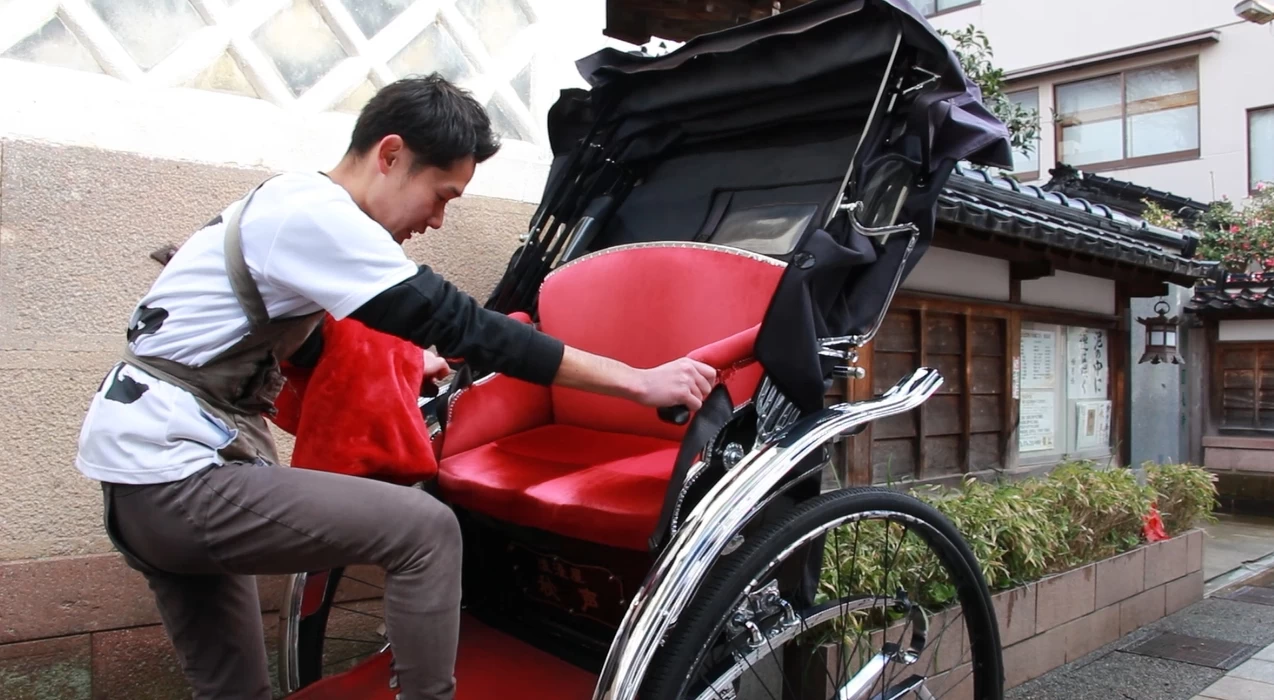
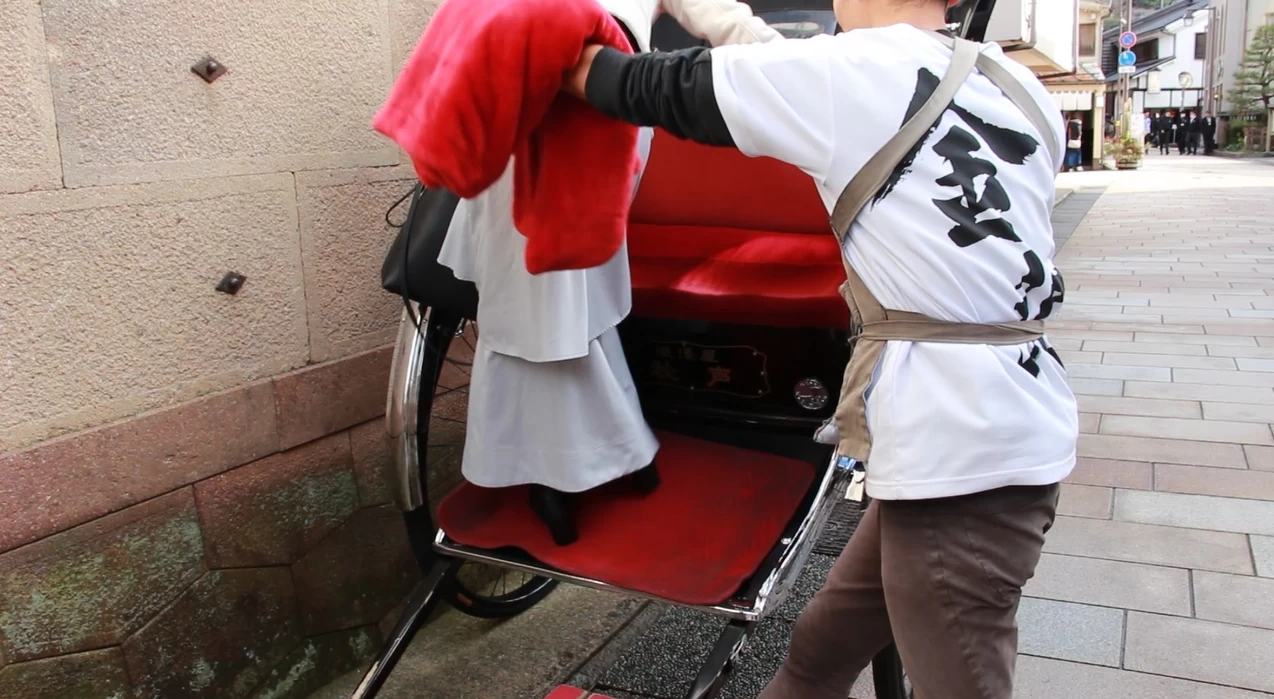
He showed me how to climb in, and once I settled into the seat, I was surprised by how comfortable it felt—and by how high up I was. "Higher than a car, actually," he said.
Then came the count—"One, two, three!"—and with a light lift that felt almost weightless, we were off.
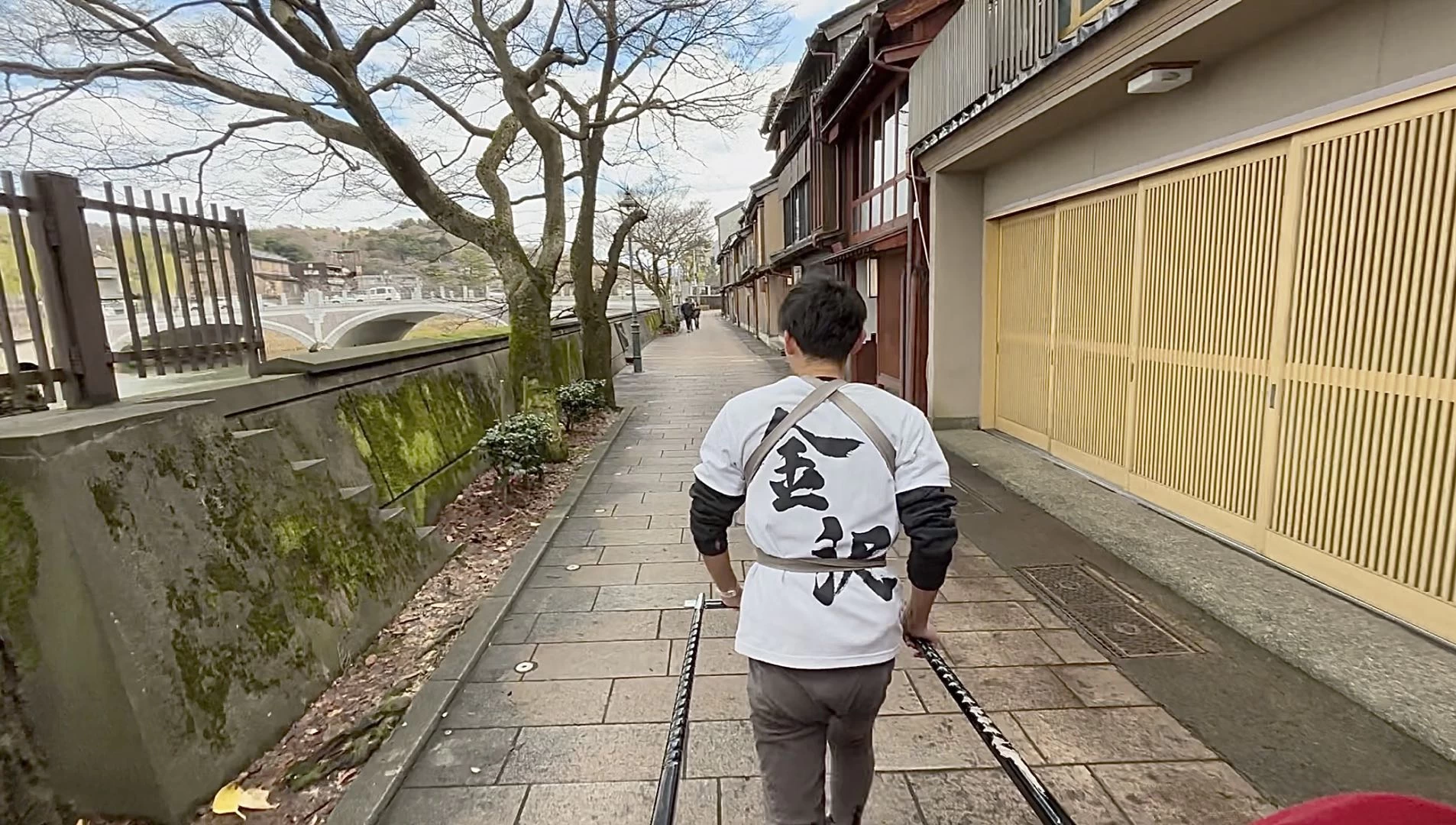
I chose Roman-ya’s most popular 45-minute course, which centers on the Higashi Chaya District and takes in several nearby sights.
Utasu Shrine
Ume-no-Hashi Bridge
Asano River
Izumi Kyoka Kinenkan Museum
Kuboichi Ototsurugigu Shrine
Hikoso Ryokuchi
Kazue-machi Chaya District
It struck a nice balance—long enough to take in the area’s highlights, yet short enough for the atmosphere of the ride to stay with me.
I took the ride in early January.
Winter in Kanazawa is known for frequent rain and snow—locals even say it isbetter to forget your lunch than your umbrella . I had been worried about the weather, but on the day of the ride, the clouds began to break, and patches of blue appeared overhead.
"Days like this are rare," the driver said. "You must have brought the good weather with you."
A few minutes into the ride, we made our first stop at Utasu Shrine.
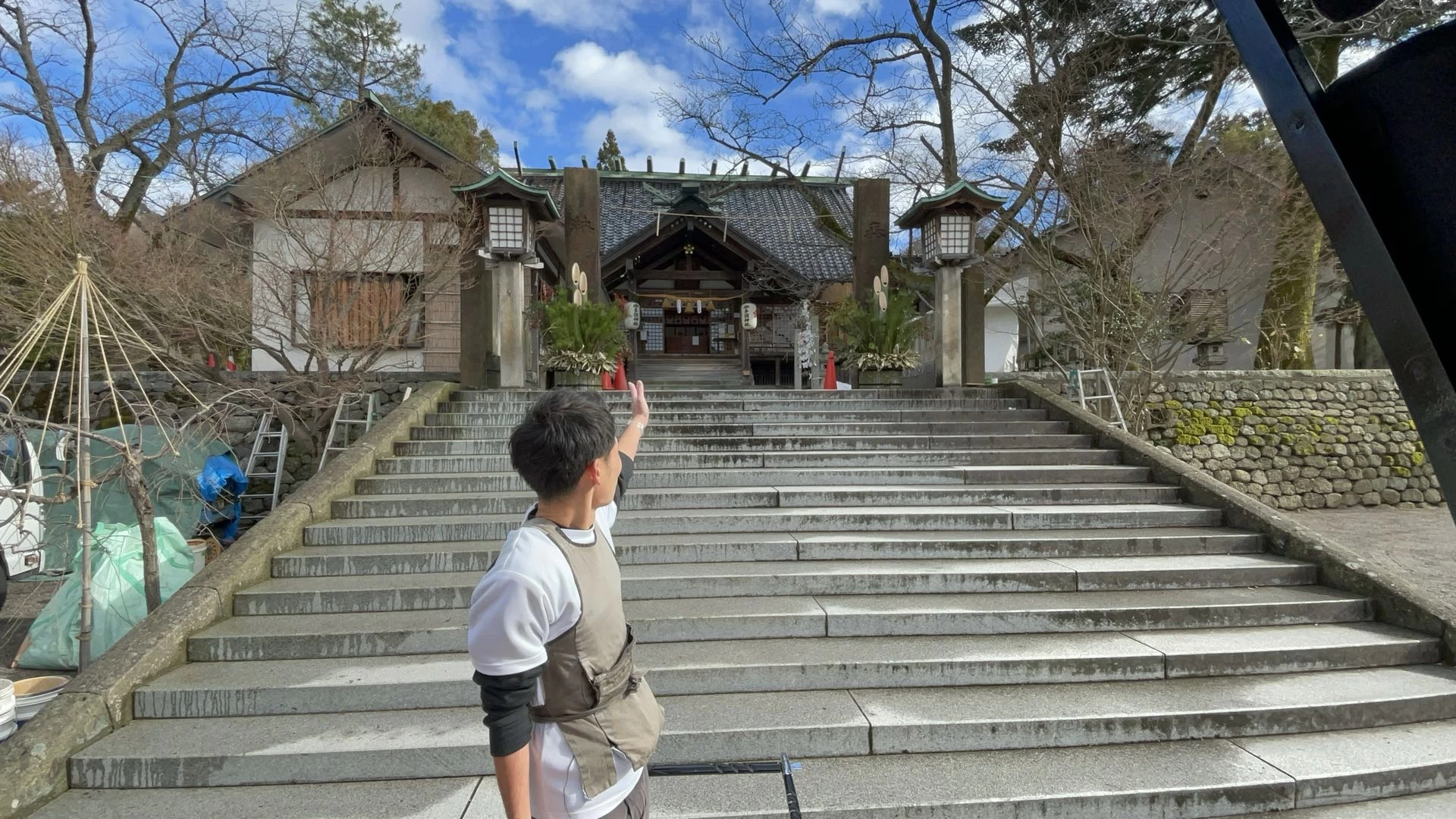
At Utasu Shrine, I learned why rabbits and dragons appear here. I was told that, in older directional beliefs, this side of the city was associated with the rabbit and dragon when seen from Kanazawa Castle, and that the two were thought to help protect it.
Around the grounds, I also noticed the gold crest of the Maeda family, the ruling clan of the former Kaga Domain."
Another surprise was the pair of komainu, or guardian lion-dog statues, one upside down and the other with a child at its side.
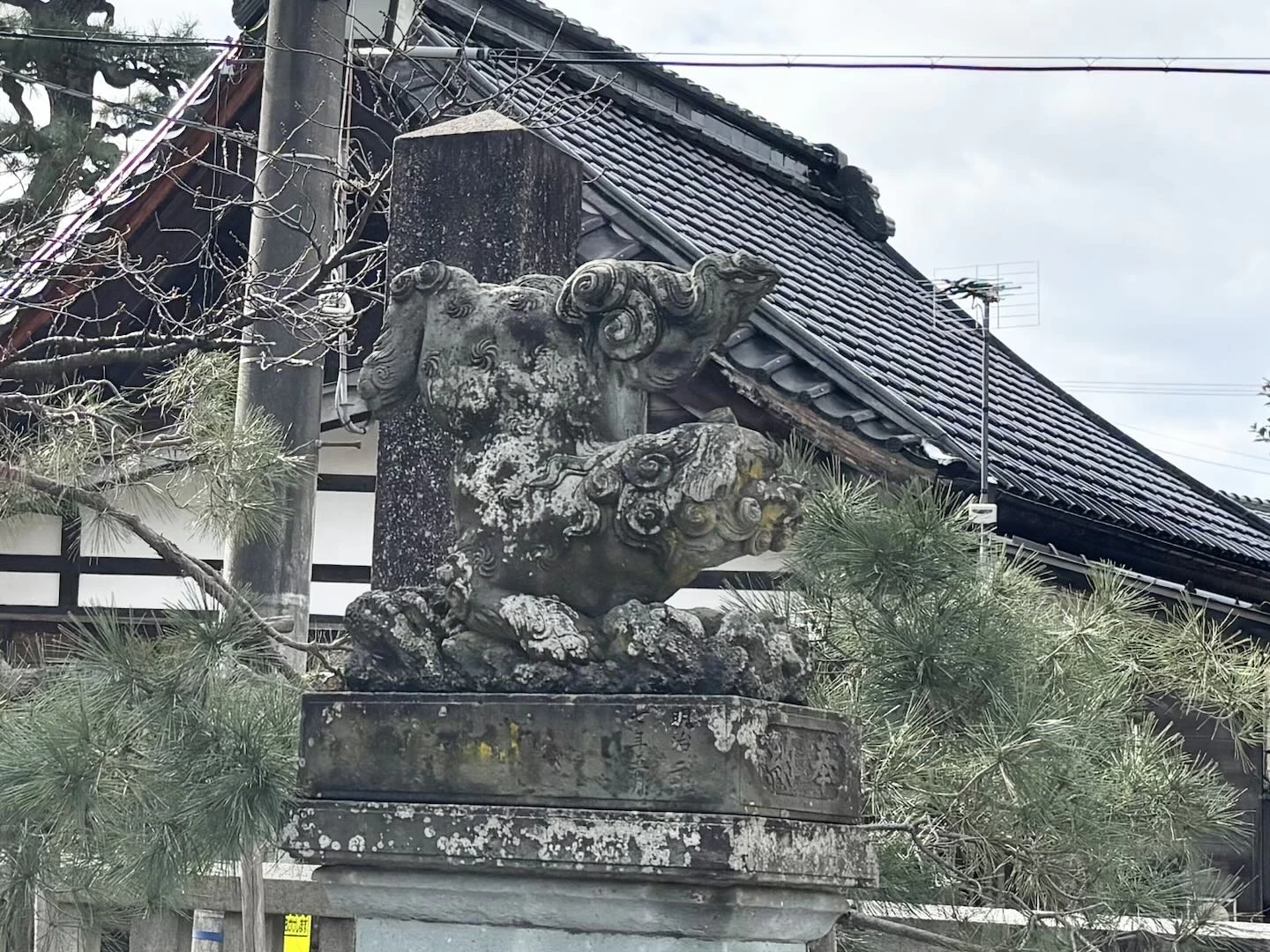
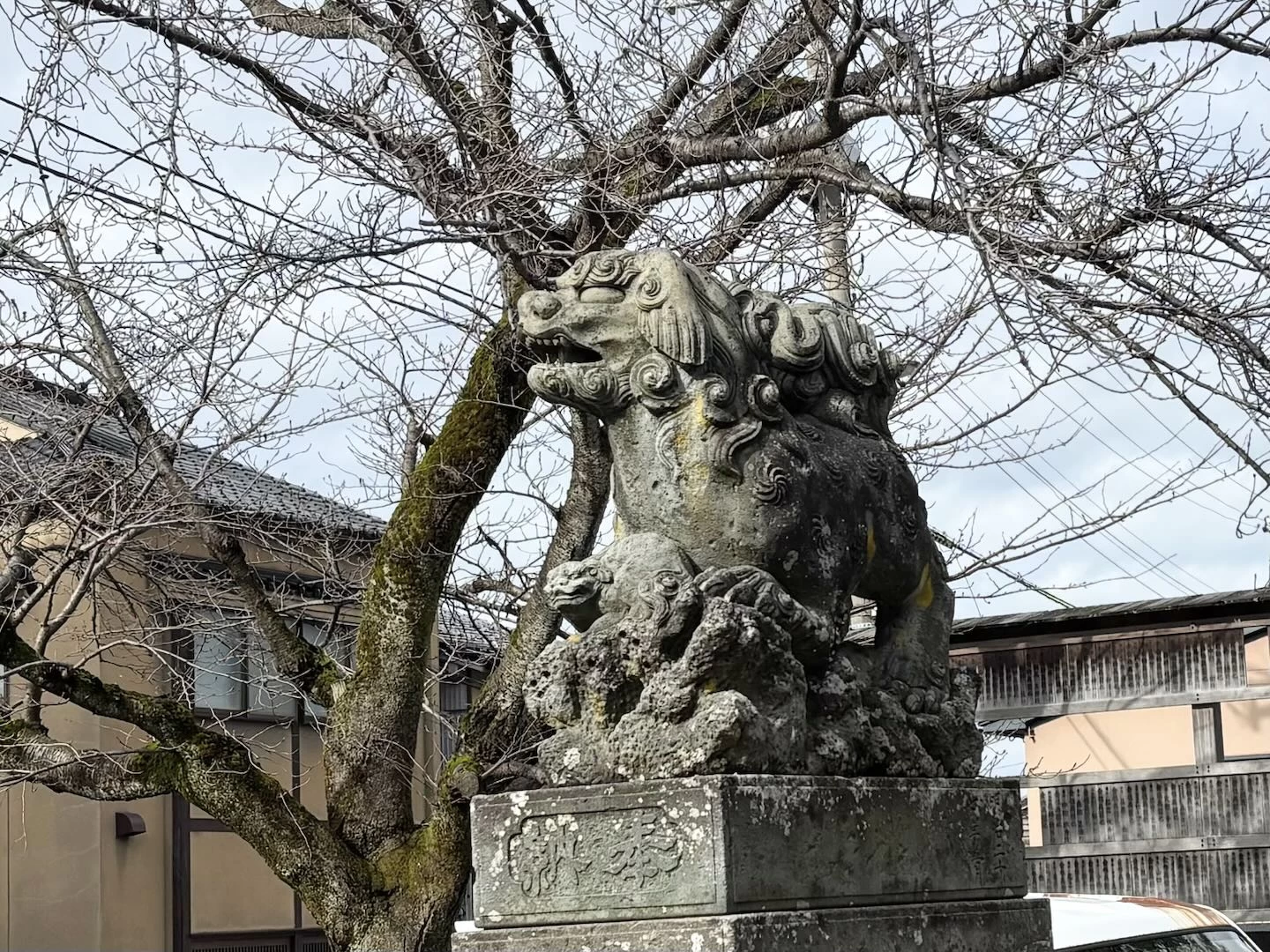
Utasu Shrine is not the only place to see upside-down komainu. More than 100 shrines across Ishikawa are said to have them, including some around Kanazawa Station and Kenrokuen Garden. Hearing that on the spot made me notice guardian statues I might otherwise have passed without a second thought.
One of the pleasures of the rickshaw ride, I realized, was hearing those small stories on the spot, rather than only understanding their meaning after the trip was over.
One of the things that stood out on the ride was how much of Kanazawa’s appeal lives out in its streets
As we moved along, the driver pointed out narrow lanes too slim for cars, lined with old wooden facades and quiet passageways.
"These streets are often used in TV dramas and films," he said, and it was easy to see why.
But what makes them memorable is not only the scenery itself.
I also heard that one reason Kanazawa escaped wartime air raids may have been its cloudy weather, which could make the ground difficult to see from above.
Whatever the reason, that history still seems to linger in the wooden buildings and narrow lanes that shape the city today.
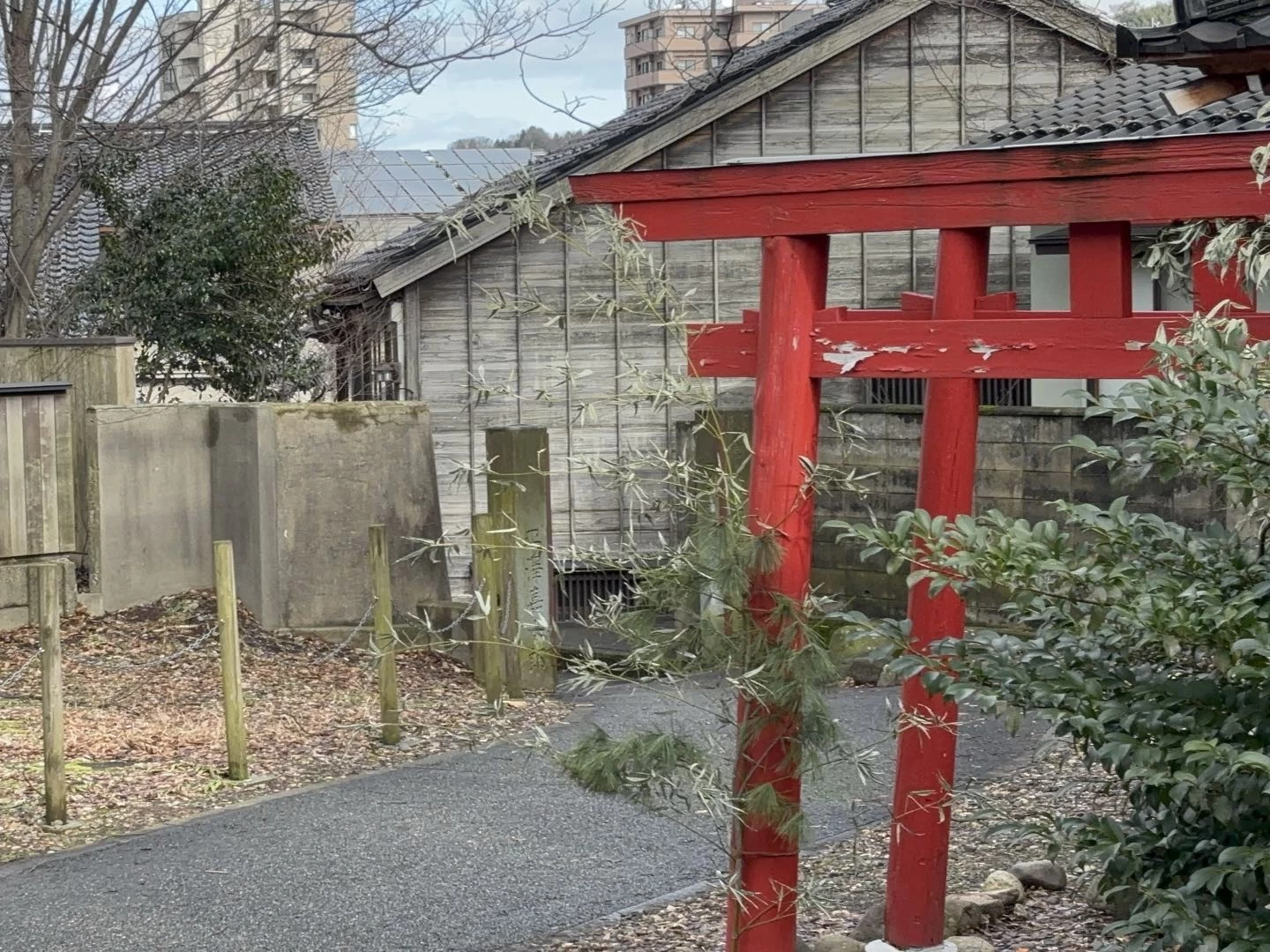
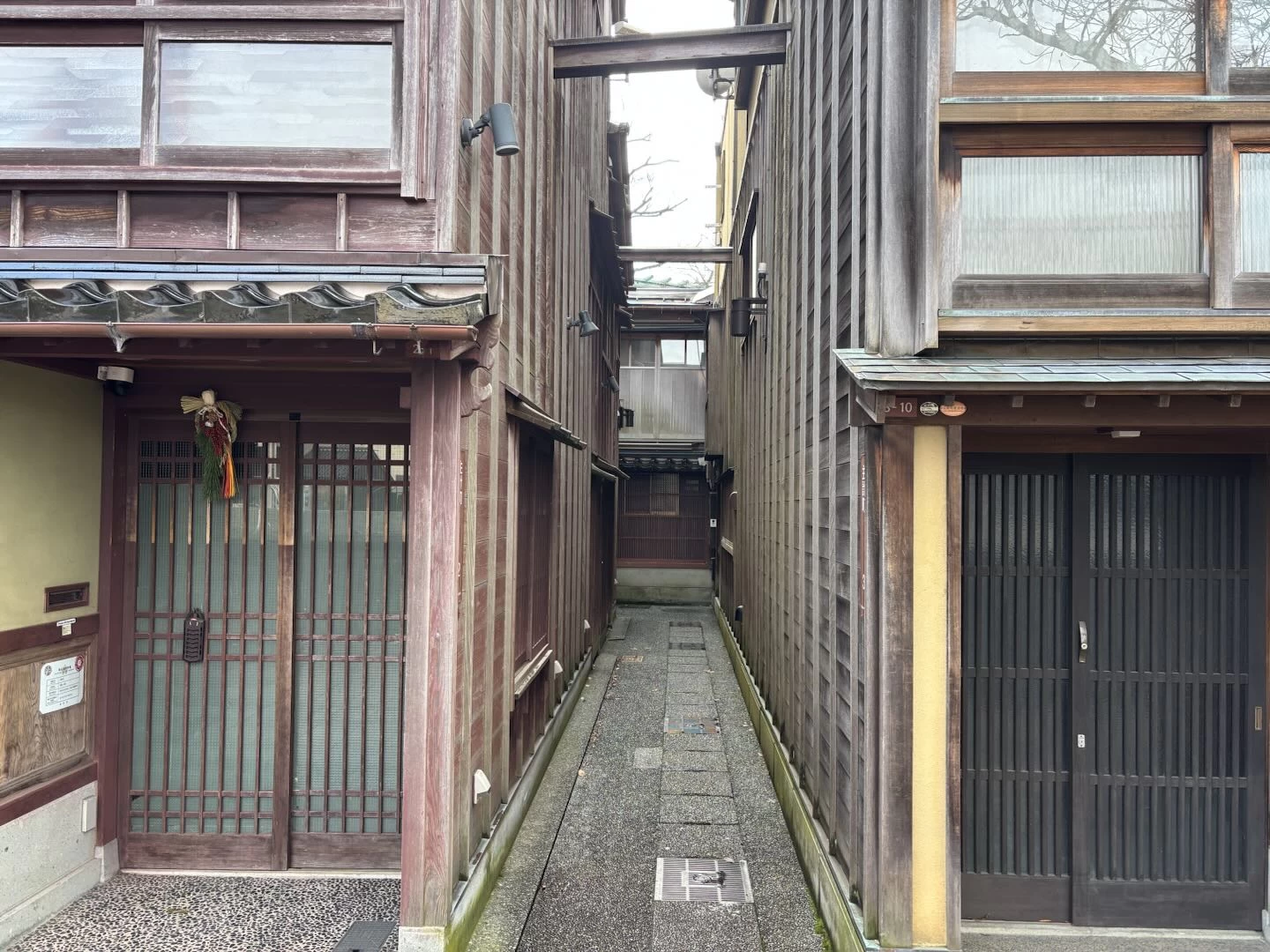
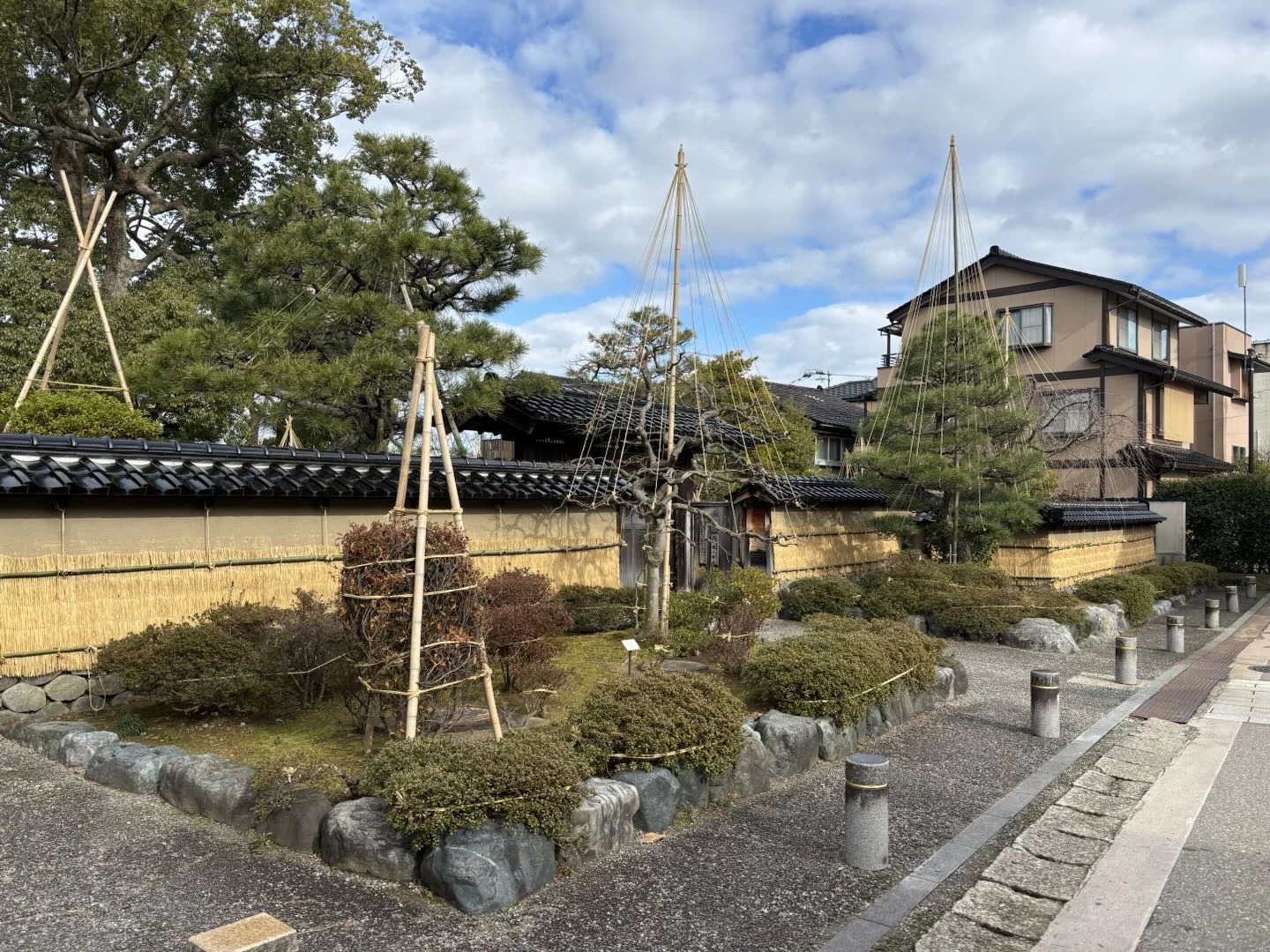
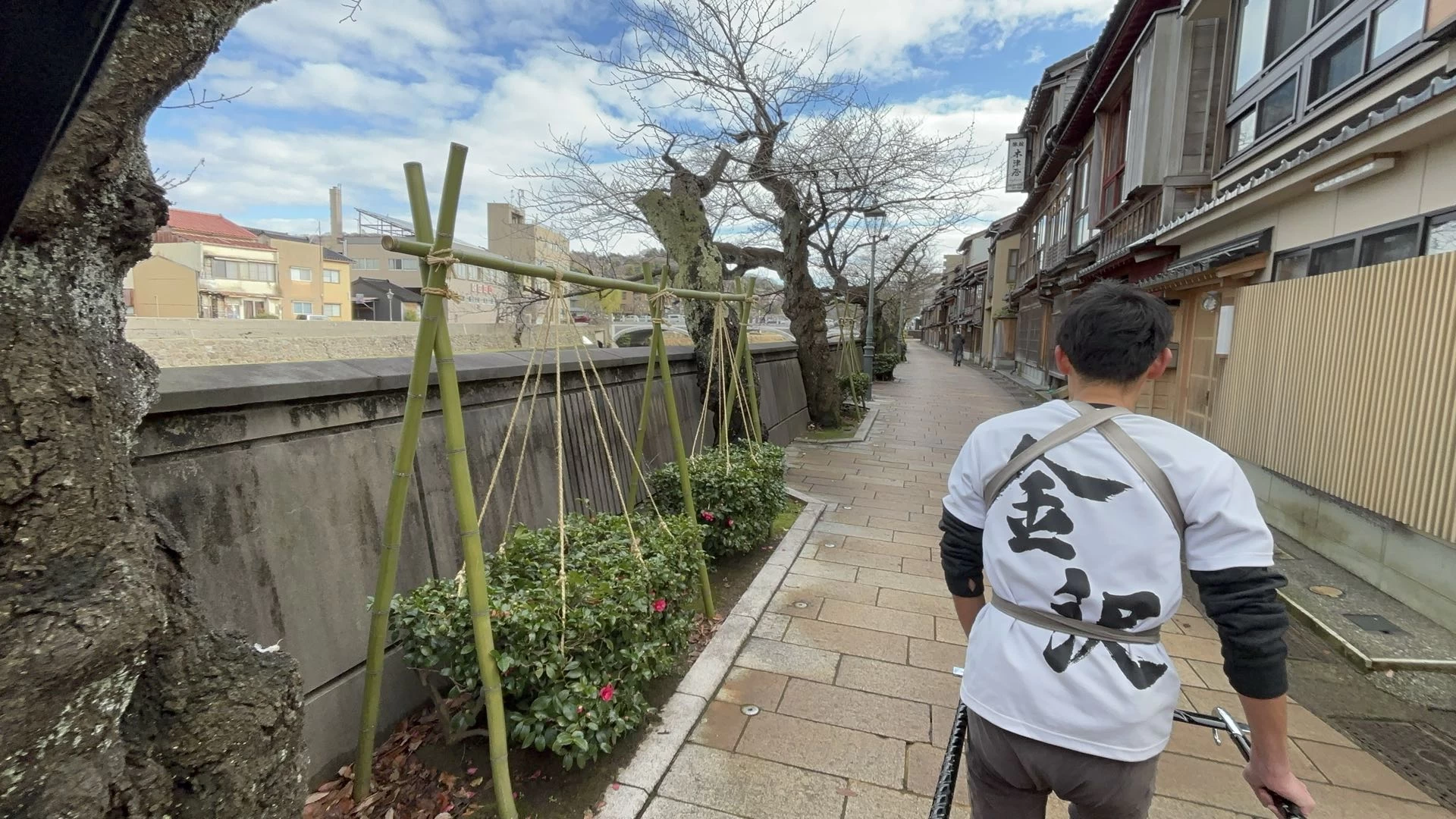
Behind Kuboichi Ototsurugigu Shrine lies Kuragari-zaka, a narrow stepped lane that leads to the Kazue-machi Chaya District. The driver told me that, in the past, some men would pretend they were on their way to pray here, only to slip away instead for an afternoon at the teahouses—a story that gave the quiet street a slightly playful undertone.
Not far from there, another seasonal detail came into view: yukitsuri, the rope supports used to protect tree branches from snow. I learned that the practice is said to date back to the early Meiji period, when apple branches were tied up to shield them from winter damage.
Kanazawa’s winter scenery looked a little different after that. Its beauty seemed to grow out of everyday life, shaped by the ways people have learned to live with winter.
"Have you ever heard of ura-eto—the zodiac sign opposite your own?" the driver asked.
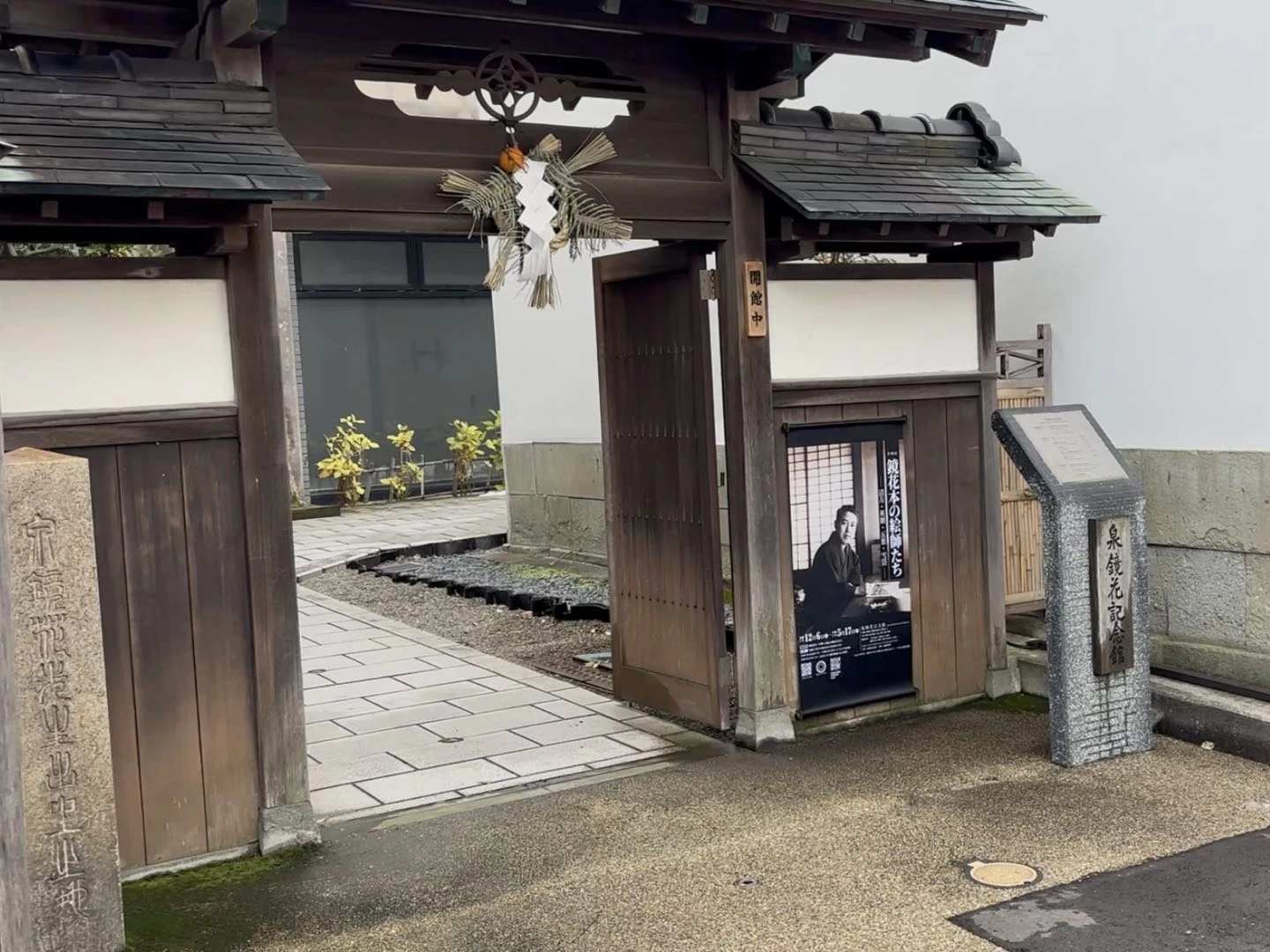
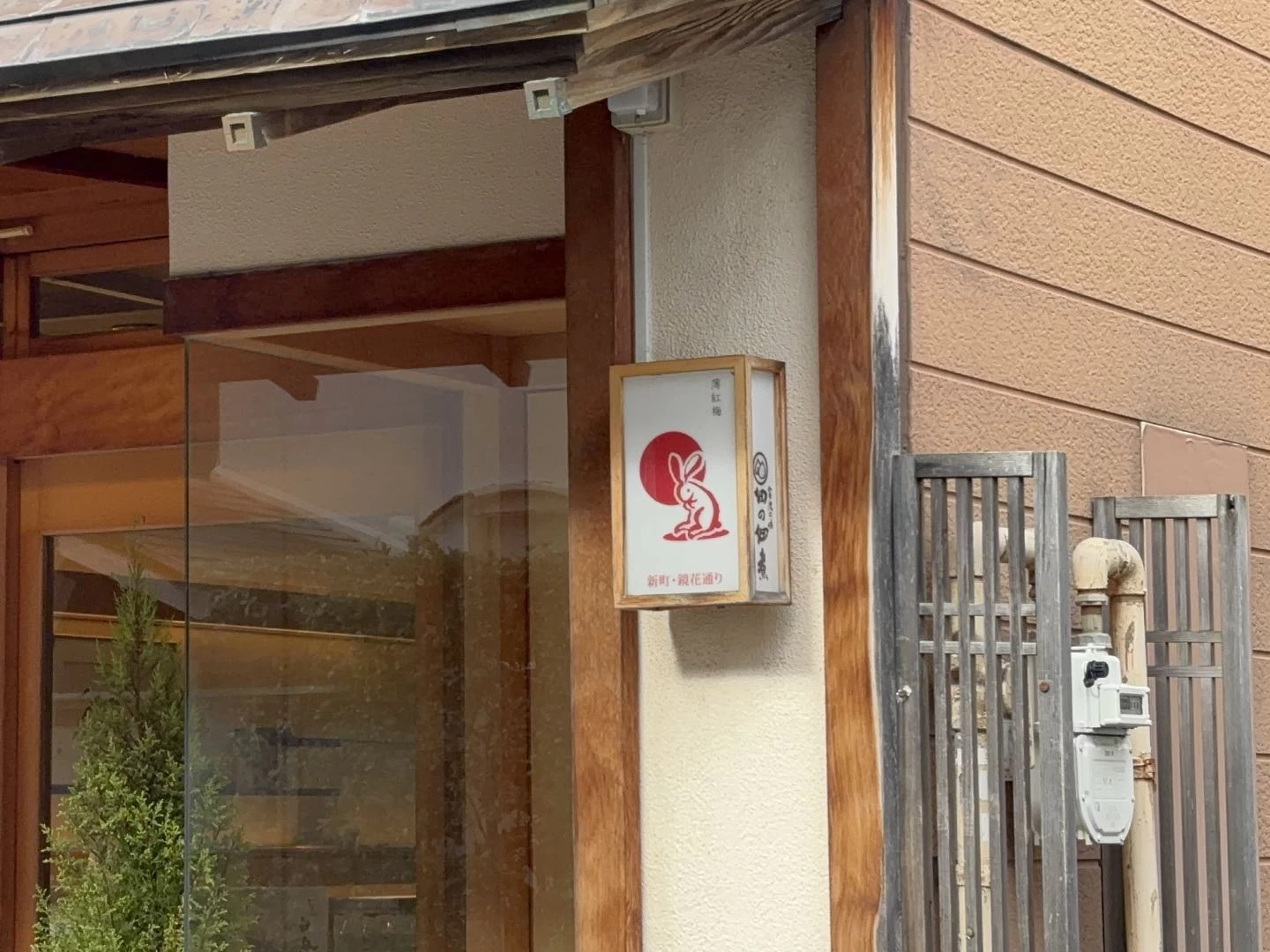
The driver explained that ura-eto is the zodiac animal directly across from your own on the 12-sign cycle.
At the Izumi Kyoka Kinenkan Museum, I learned that writer Izumi Kyoka cherished his own opposite sign, the rabbit; born in the Year of the Rooster, he grew up with his mother’s belief that keeping the rabbit close would bring him happiness.
That story still lingers around the museum, where rabbit lanterns hang on the walls of nearby homes and shops.
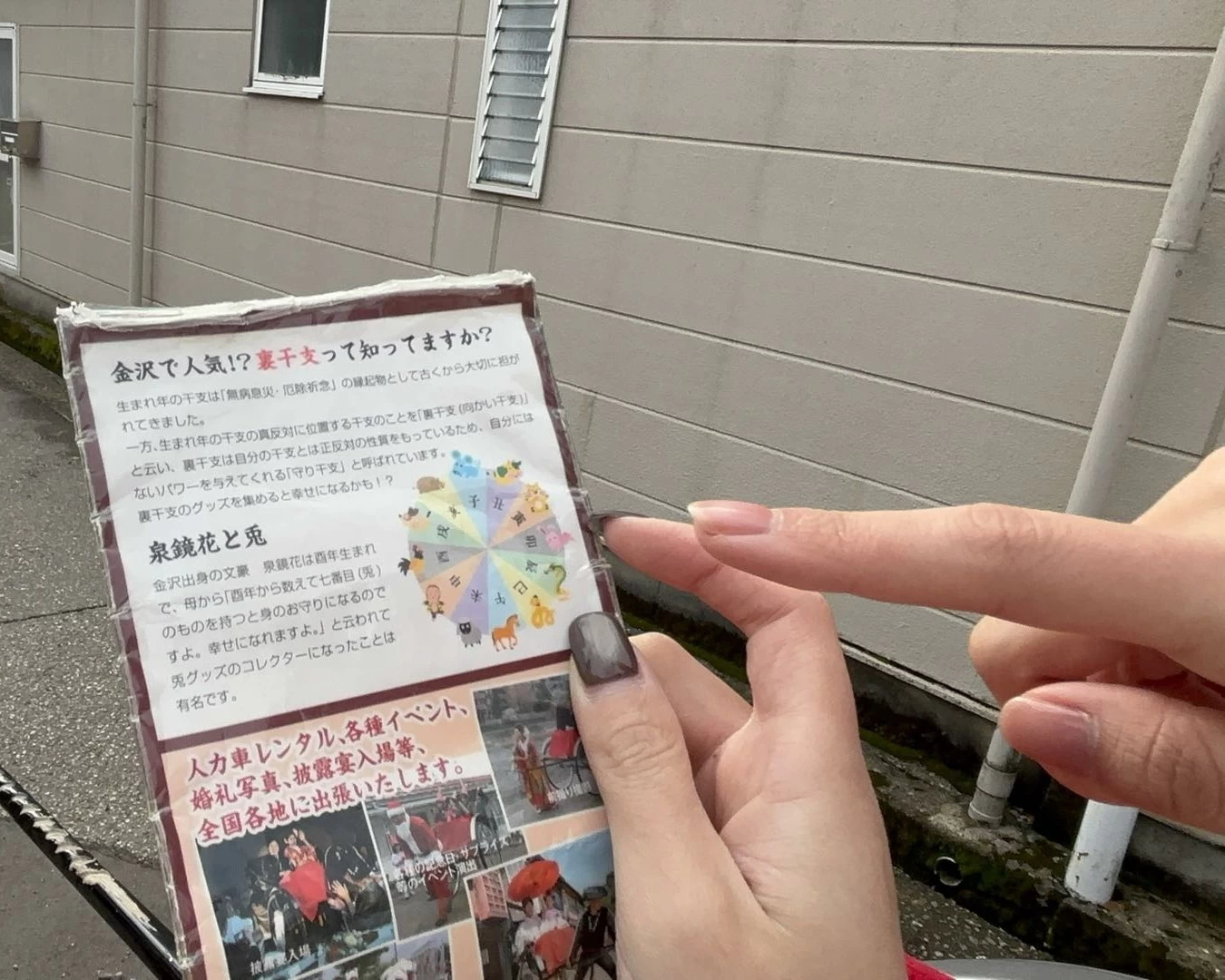
Before long, I found myself checking the chart for my own opposite sign as well. It is said to make up for what your own sign lacks and to watch over you, and by then it felt like one more small piece of local good fortune to carry away from the ride.
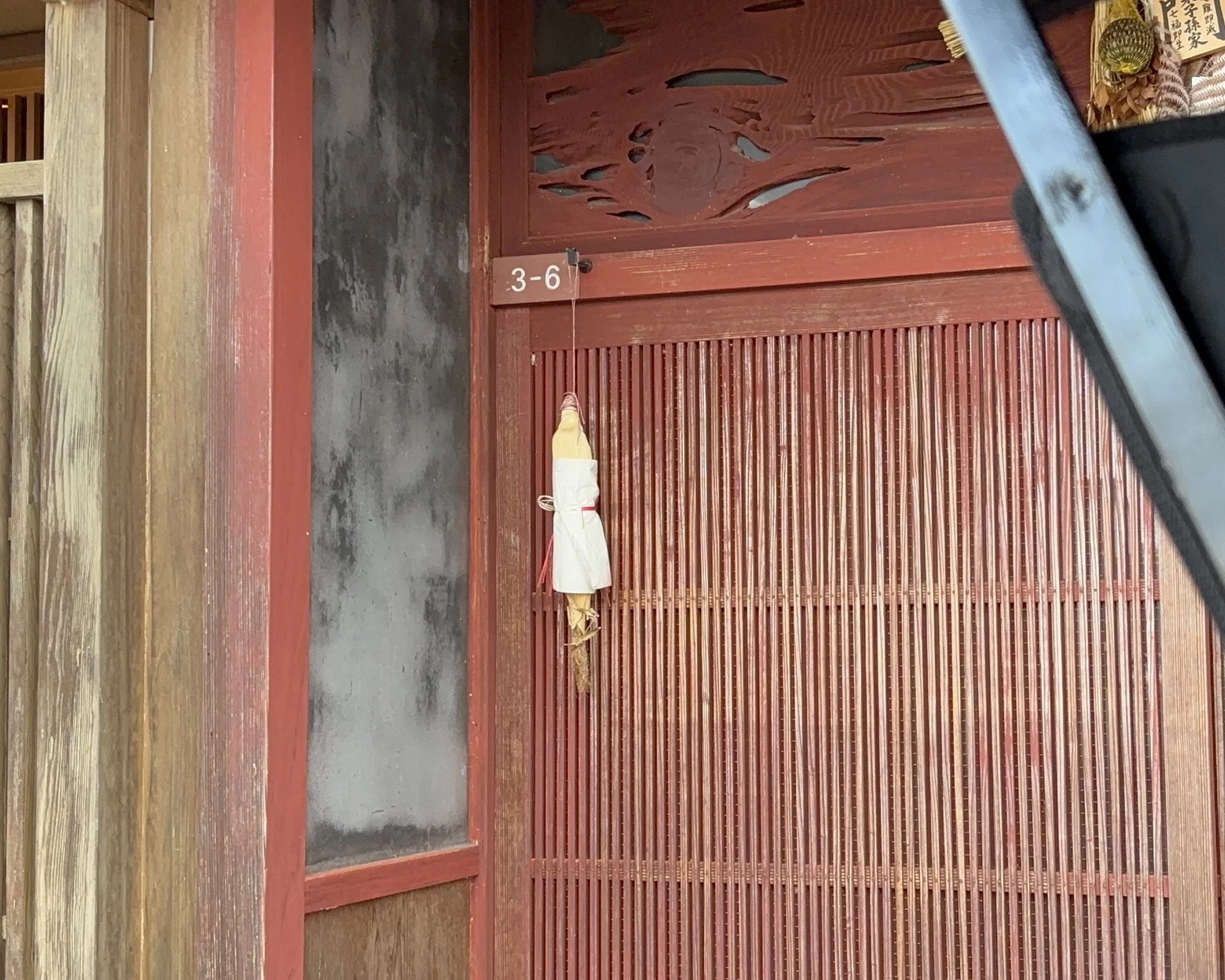
Before boarding the rickshaw in the Higashi Chaya District, I noticed ears of corn hanging beneath the eaves and wondered why they were there.
Later, I learned that they were auspicious charms given out once a year at Kannon-in, a temple associated with the Maeda family of the Kaga Domain and known for prayers for safe childbirth, during an annual observance called Shimanrokusennichi.
This corn is believed to symbolize :
protection from evil
many descendants, reflected in its many kernels
prosperity, suggested by its abundant silk
After the ride, walking through the Higashi Chaya District felt different.
The streets themselves had not changed, but I was noticing more in them—details the driver had pointed out, stories that had suddenly fallen into place, and places I now wanted to return to on my own.
Taking the rickshaw ride early in the trip turned out to be a satisfying way to begin, giving me a better feel for Kanazawa before setting out to explore the city further.
Along the way, there were also moments when the driver would turn to us and say, “All right, time for a quiz,” kicking off a lively three-choice question that made the ride even more memorable.
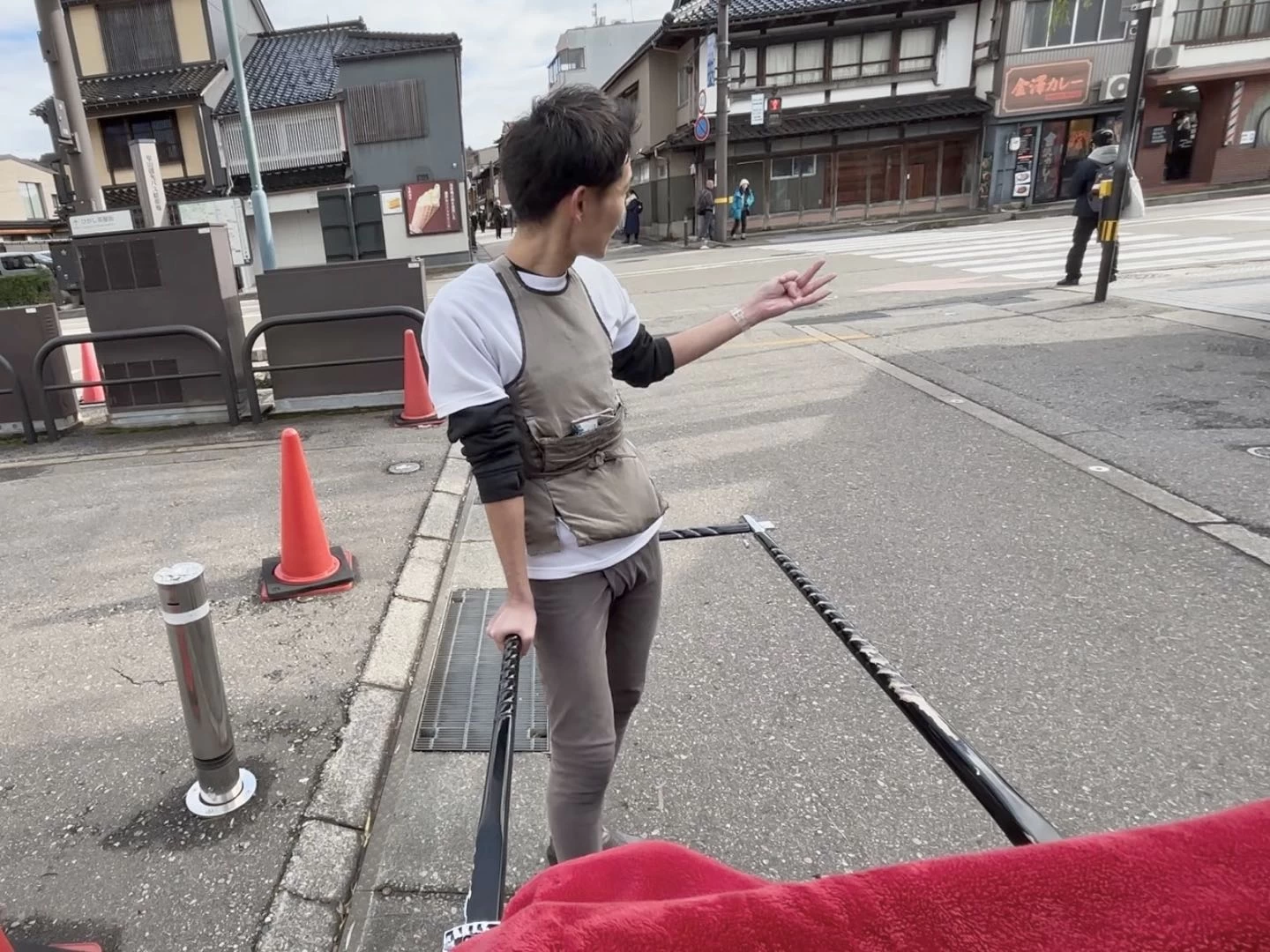
The questions ranged from Kanazawa’s history to small local curiosities, and many of the answers were surprising enough to draw a laugh or a quick flash of excitement.
By the end, I felt I had come away with more than impressions alone. I had picked up the kind of small, memorable stories that stay with you—and are easy to share once the trip is over.
Whenever we reached a scenic spot, the driver would slip naturally into the role of photographer, saying, "Let’s take one here." He handled the framing, called out, "Give me a nice smile," and captured photos set against Kanazawa’s streetscape.
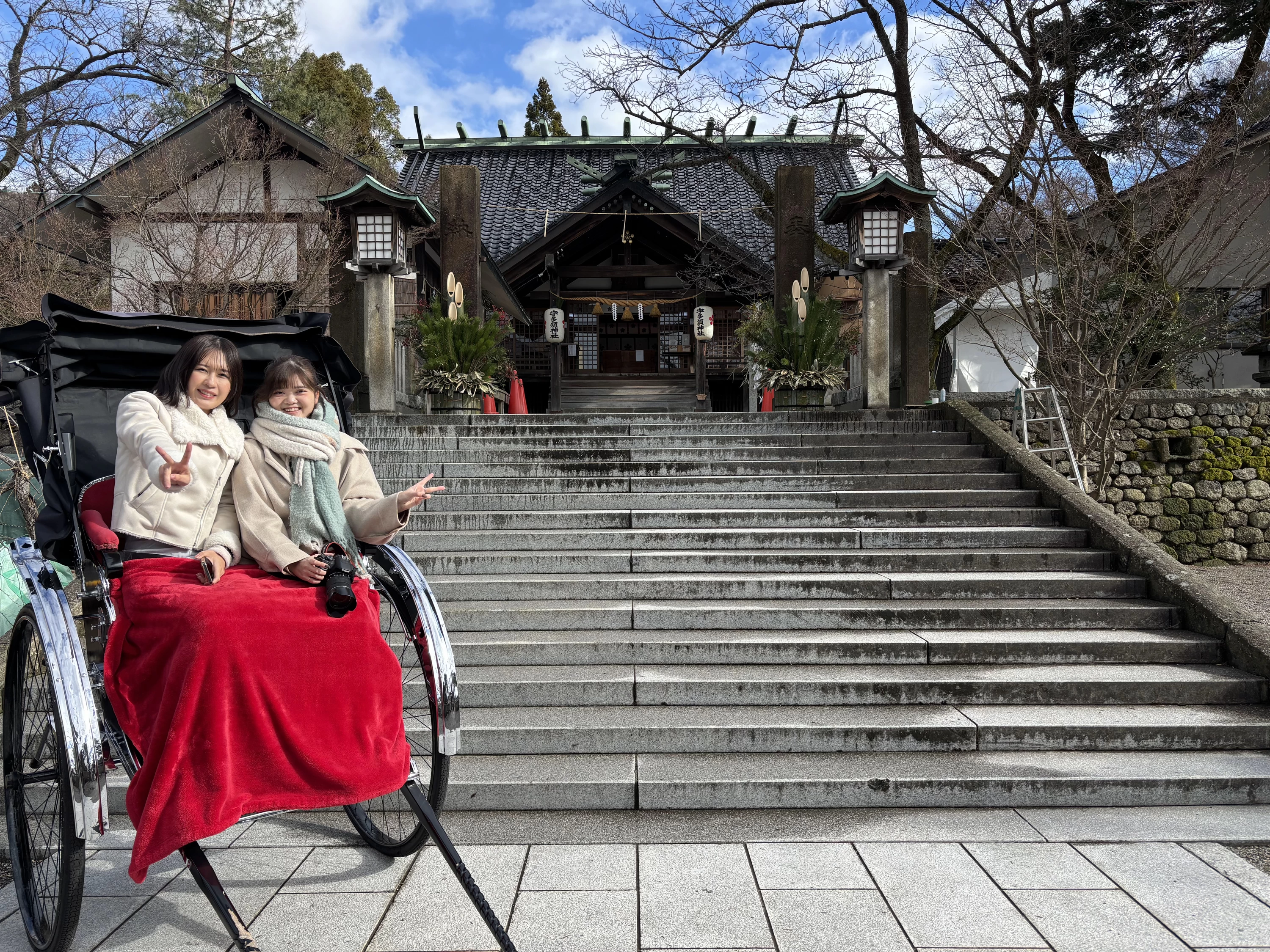
One of the quiet pleasures of the ride is coming away with pictures that bring the moment back naturally later—shots that would have been difficult to take on your own.
At one point, our rickshaw guide pointed ahead and said, "We can actually slip through here." He was talking about a stone bollard.
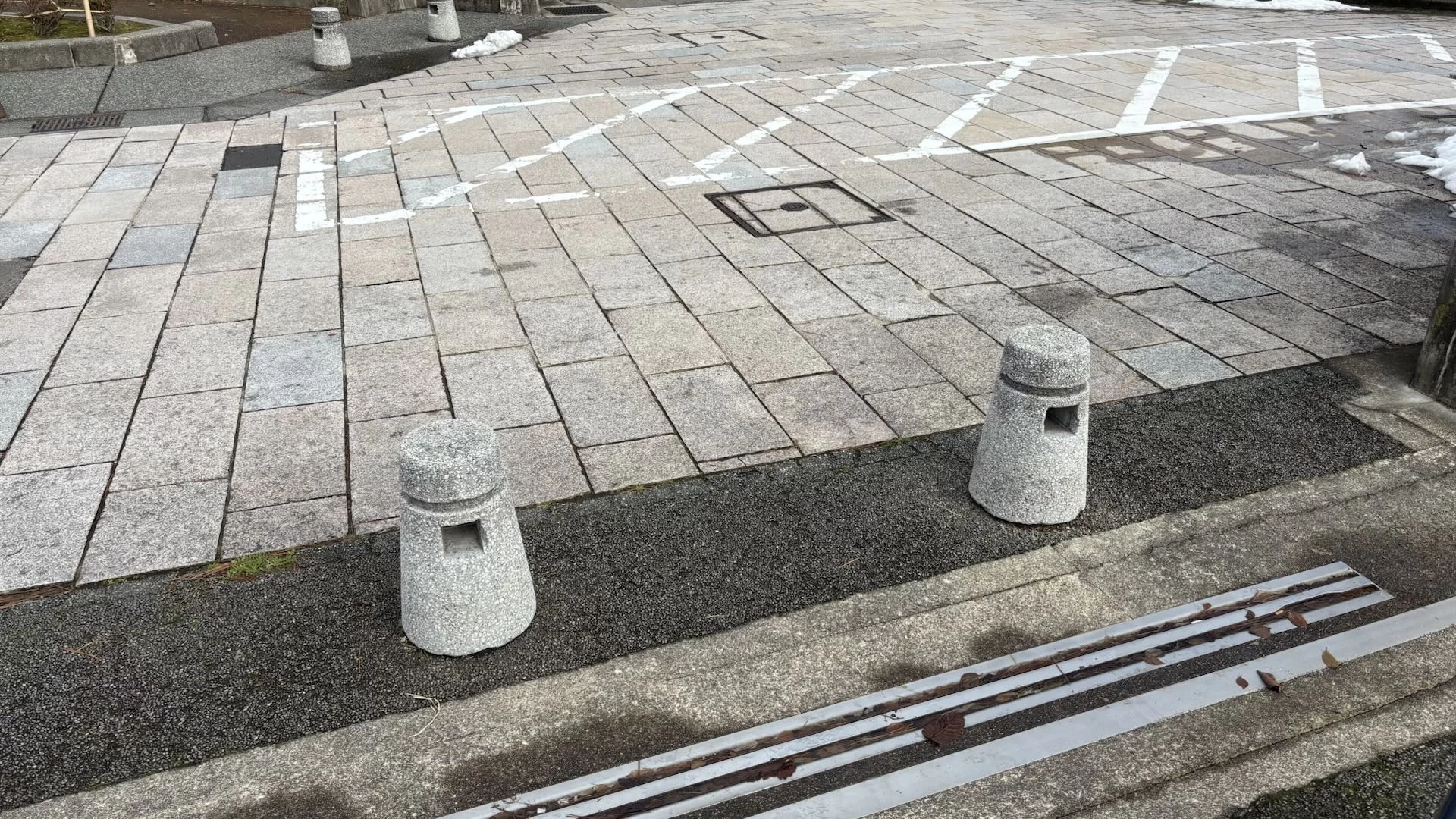
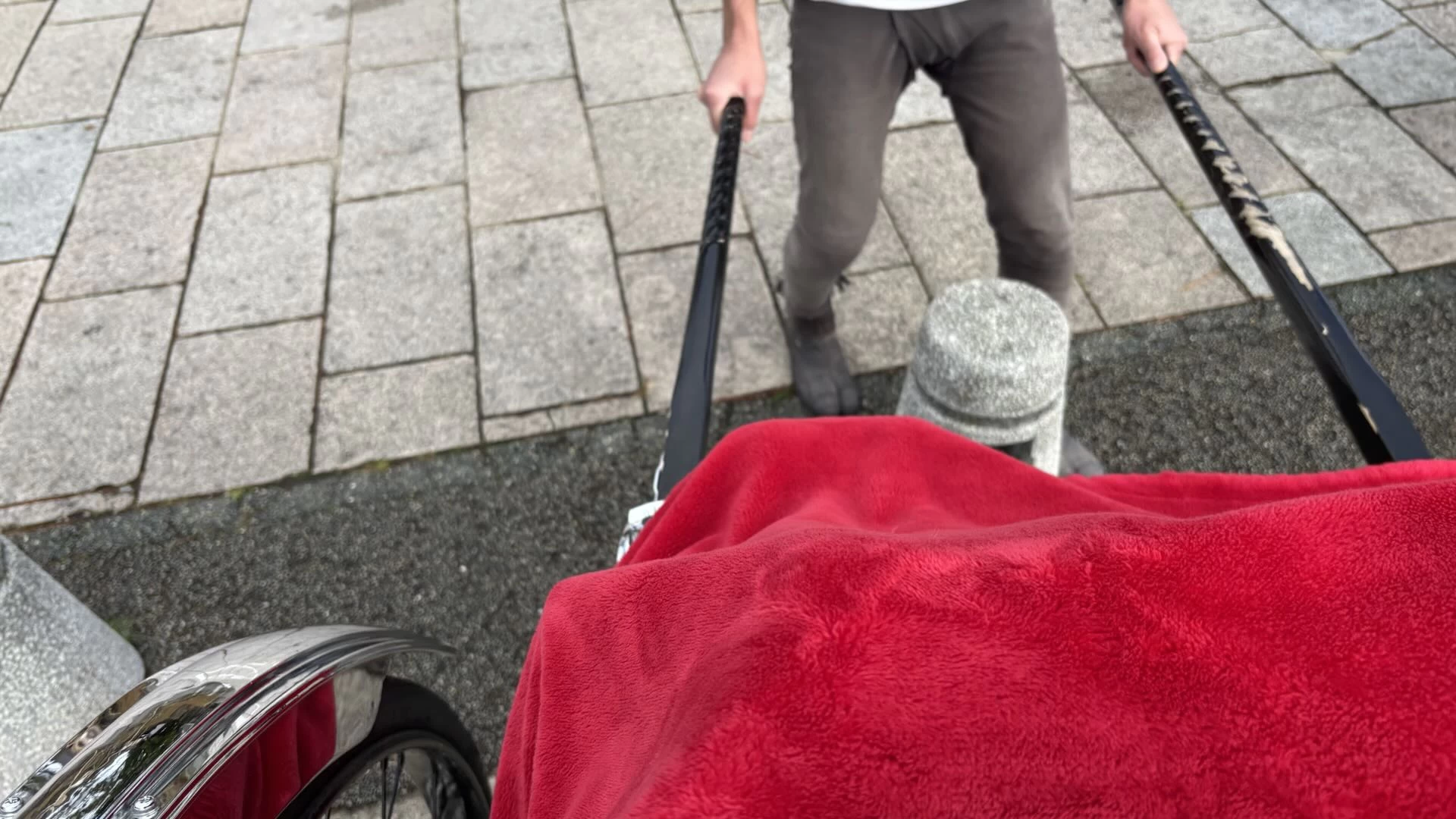
Before I had time to wonder how, he adjusted the angle and guided the rickshaw through in one smooth motion, the stone passing neatly between the wheels.
That kind of control comes through training, but what stayed with me just as much was the care throughout the ride itself—from shielding us from the sun to warning us about even slight changes in the road.
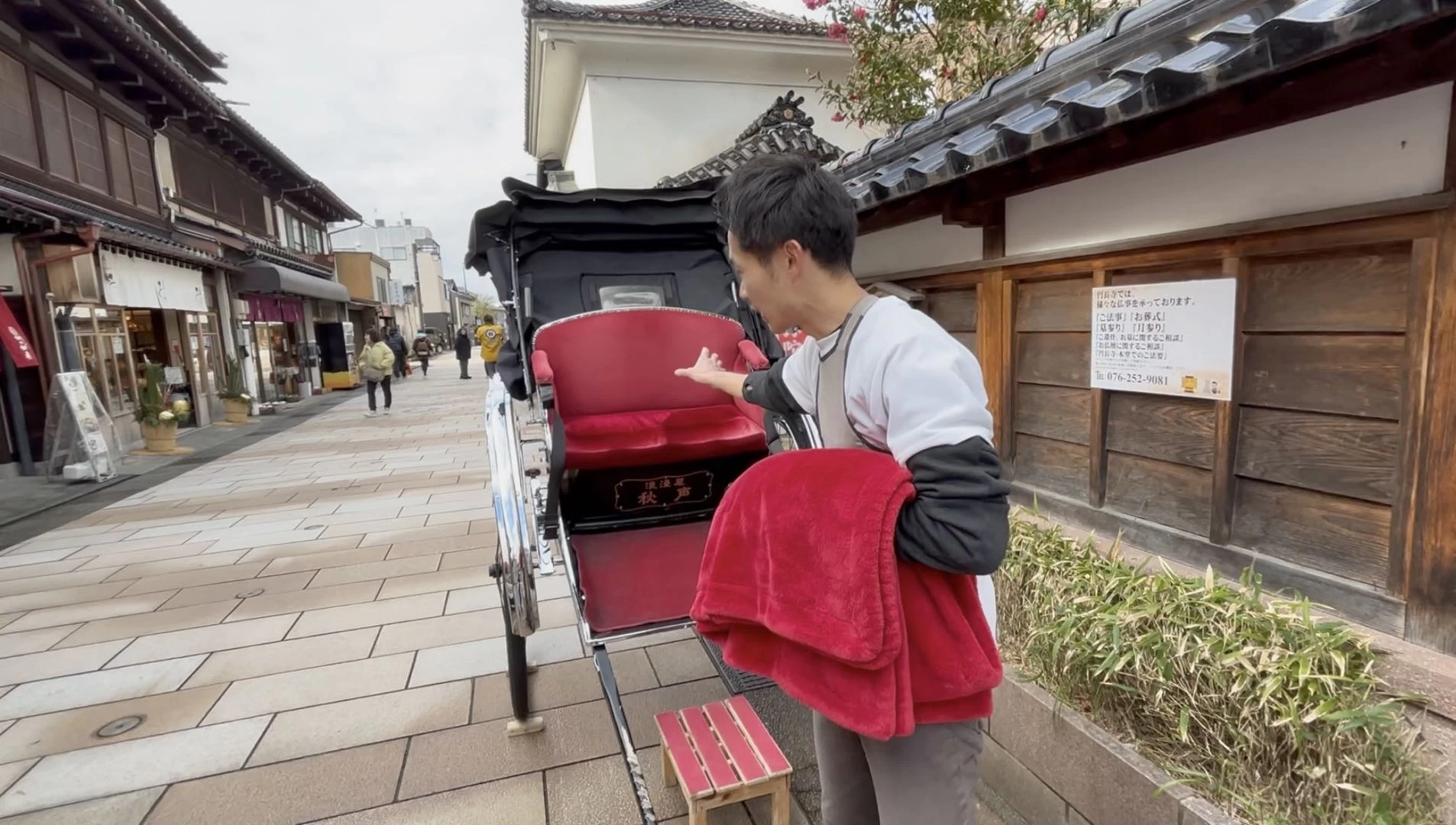
By then, I felt relaxed enough to admit something I had been thinking from the start: "I’d always assumed rickshaws might be a little intimidating." He smiled right away.
"Not at all—please feel free to hop on." He added that locals sometimes take short rides too, and that pick-up and drop-off points can be adjusted depending on time and budget.
Together with the small courtesies throughout the ride—from shielding us from the sun to warning us about even slight bumps in the road—it made the whole experience feel far more relaxed and approachable than I had expected.
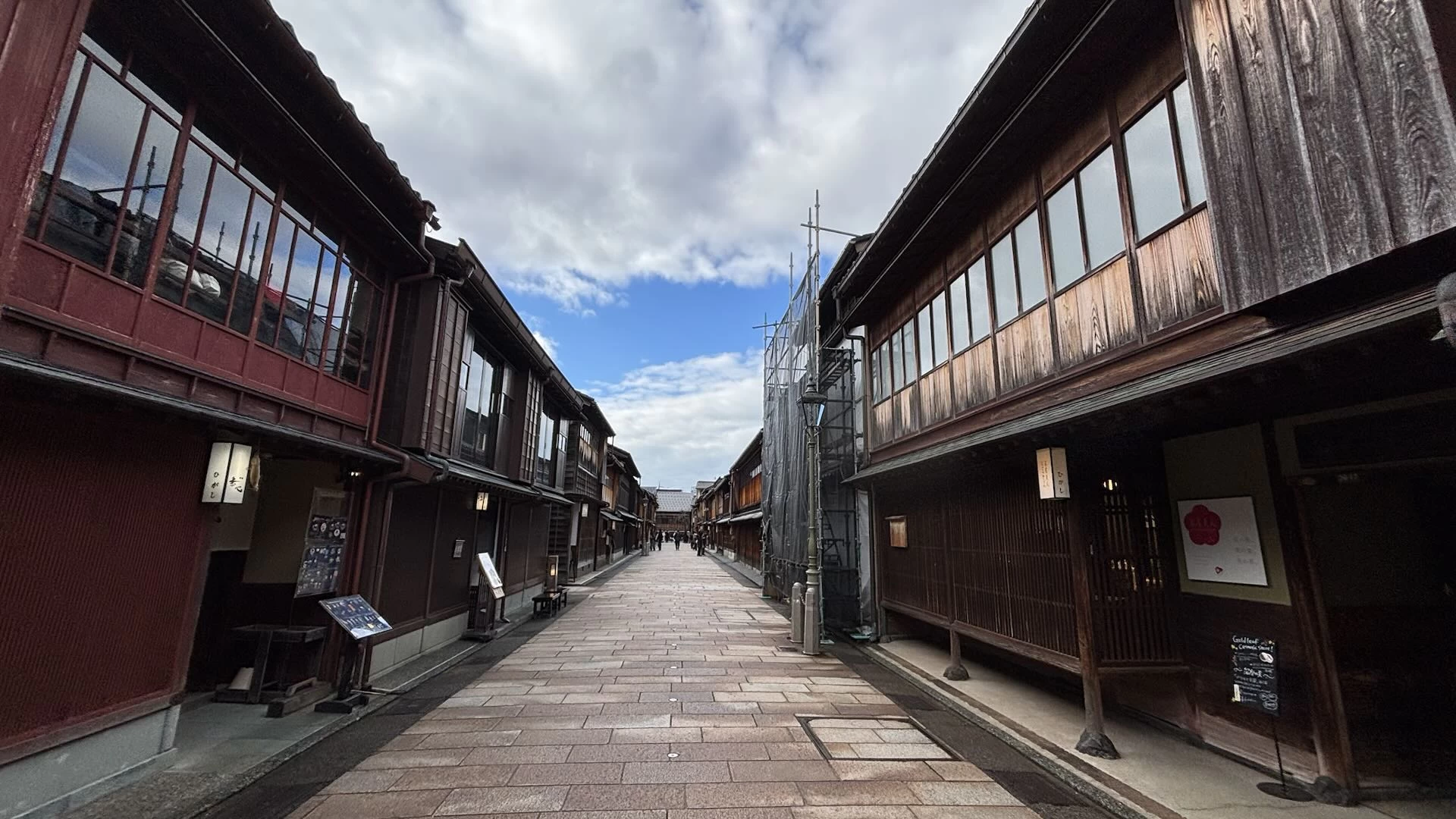
After my first rickshaw ride, I came away thinking it offers more than a way to get from place to place. It feels especially well suited to travelers who want :
・ memories shaped by views and perspectives unlikely to appear in a guidebook
・ a slower, more unhurried way to see Kanazawa
・ photos and moments that feel a little more distinctive than an ordinary walk
For anyone hoping to experience Kanazawa a little differently, that may be reason enough. With a guide who clearly knows and loves the city, and with the distinct vantage point of the rickshaw itself, familiar streets begin to stay with you in a different way.
Romanya Rickshaw Tours / Kanazawa


Was it helpful? Please try using it when traveling or going out.
Article planning/supervision: 旅色編集部
writer:まつばら
10 Shrines and Temples to Visit in Hokuriku (Fukui, Ishikawa & Toyama)
2026/07/27
18 Must-Buy Kanazawa Souvenirs: From Iconic Sweets to Shimmering Gold Leaf Crafts
2026/05/22
29 Best Things to Do Near Kanazawa Station: A Local Walking Guide
2026/04/09
Shrine Etiquette: How to Pray at a Shinto Shrine and How It Differs from a Buddhist Temple
2026/04/06
How to get from Komatsu Airport to Kanazawa Station? Compare bus, train, and taxi fares and times!
2025/01/30
Updated every Monday: Total number of views for 30 days

Coin lockers at Disneyland! Also what to do when you don't have a place or space to leave your belongings!
2024/11/25


Summary of Luggage Lockers (Coin Lockers) at Yokohama Station! Where Can You Find Free or Affordable Options?
2025/01/31

12 Must-Visit Okinawa Souvenir Shops for Awamori, Perfume, and Ryukyu Glass
2026/05/04

Top 10 Souvenirs to Buy at Shin-Yokohama Station — Best Spots for Cute Treats
2026/05/05

Exploring Okinawa by Campervan: A First-Timer’s Guide
2026/05/15
Romanya Rickshaw Tours / Kanazawa
Available around the Higashi Chaya District