Dining by the River: 6 Kyoto Kawadoko Dining Spots
Update date:2026/03/26
- Kanto
- Chiba
- Kinki
- Kyoto
- Washoku
- French
- Instagrammable
- TraditionalJapaneseCuisine
- JapaneseCuisine
- LocalJapan
- Kyoto
Table of Contents of This Article
- What Is Kawadoko, and Why Is It Special?
- Kyoto’s Three Main Kawadoko Areas
- Before You Go
- Manzara Donguribashi (Kamogawa)
- Pontocho Idumoya (Kamogawa)
- LE UN Funatsuru Kyoto Kamogawa Resort (Kamogawa)
- Fumiya (Kamogawa)
- Hyoue (Kibune)
- Hirobun (Kibune)
- Takao Kanko Hotel (Takao)
Open Table of Contents ▼
What Is Kawadoko, and Why Is It Special?
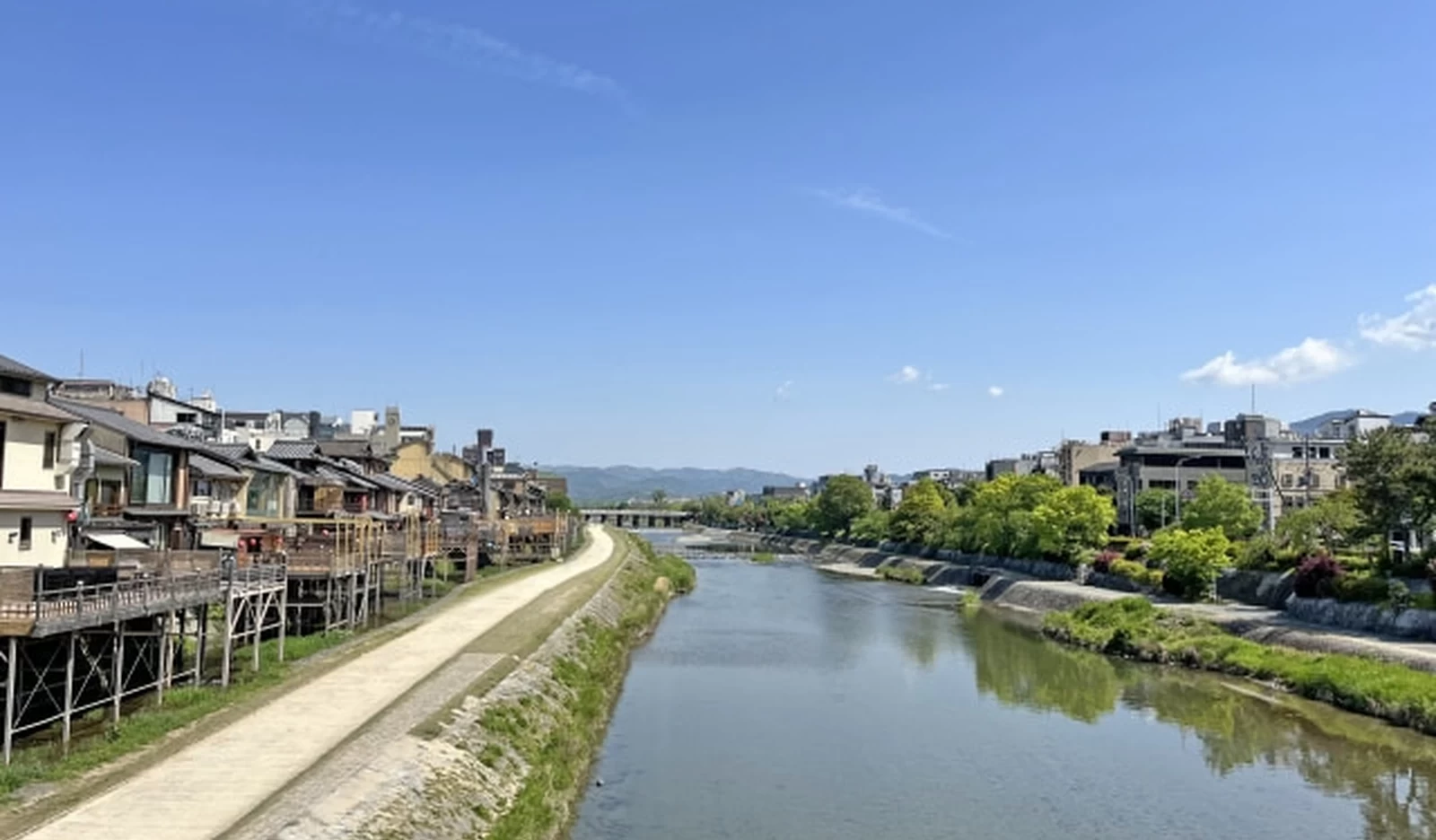
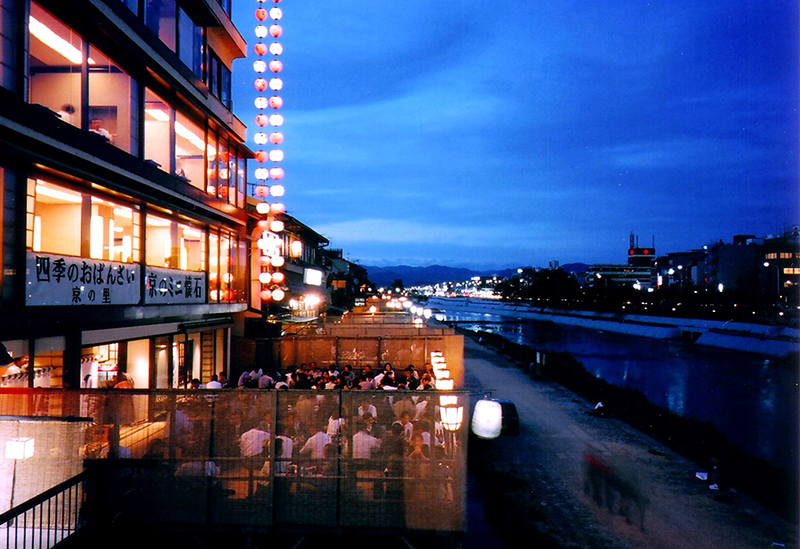
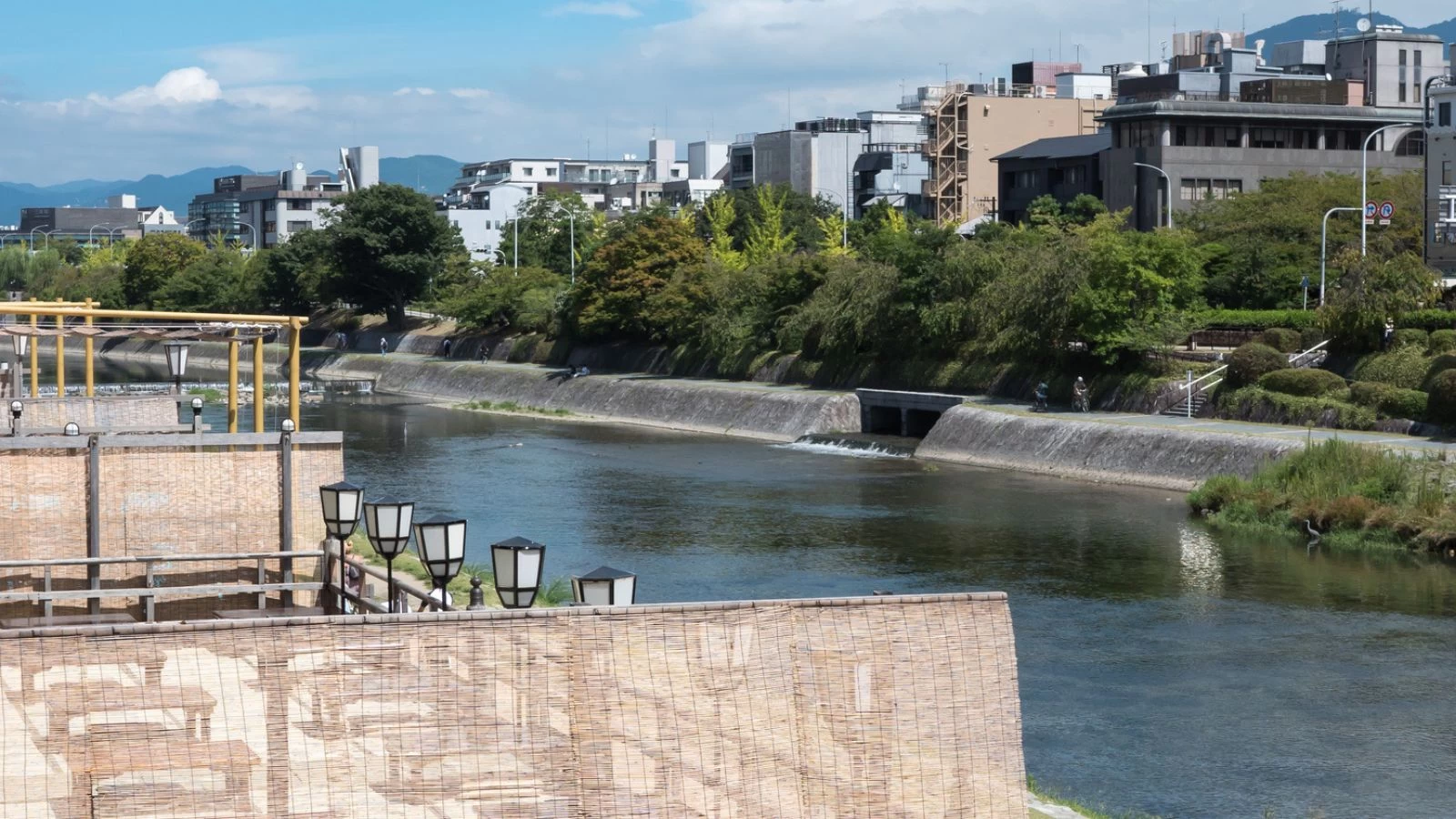
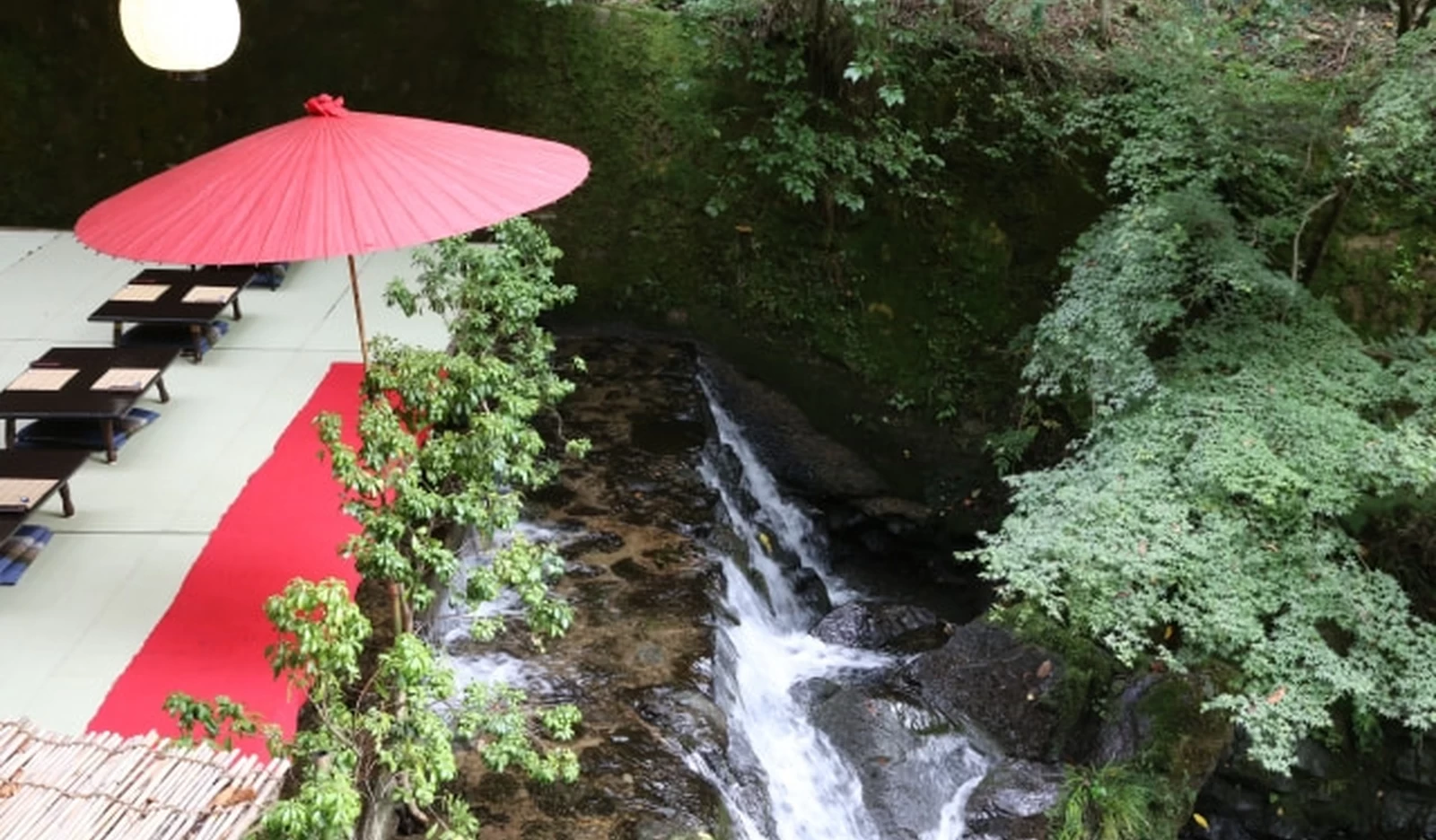
Kawadoko refers to dining by the river, a long-standing summer tradition in Kyoto. During the city’s hot and humid summer months, these open-air settings offer a welcome change of atmosphere. Along the Kamo River, it takes the form of open-air decks overlooking the water, while in Kibune, in northern Kyoto, the decks sit just above the stream, bringing diners close to the sound of flowing water.
Kawayuka or Kawadoko?
You can say either kawayuka or kawadoko—both are correct. Along the Kamo River, riverside dining like this is often called kawayuka, while in the Kibune and Takao areas, kawadoko is the more common term.
Kyoto’s Three Main Kawadoko Areas
1. Kamogawa area
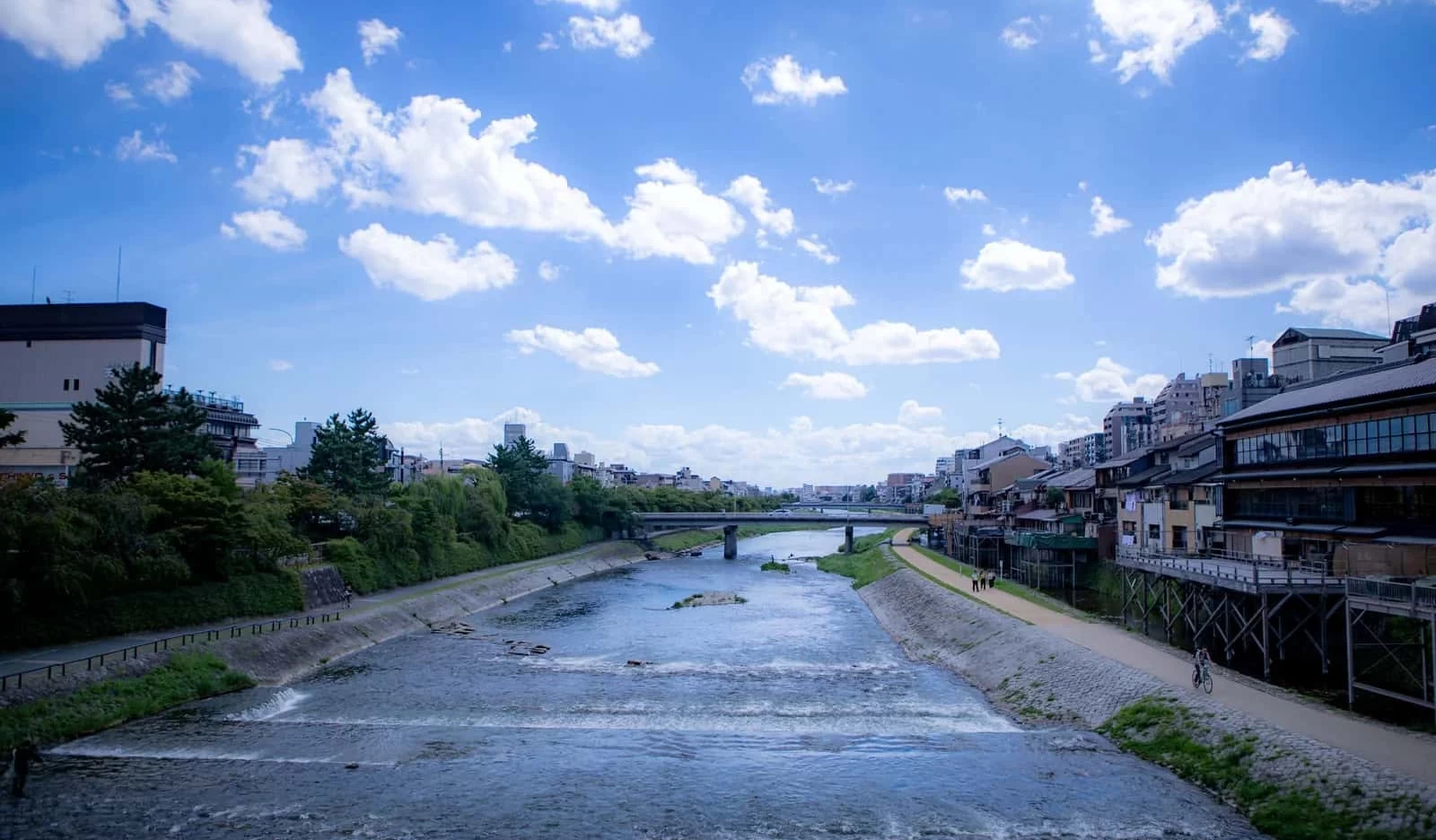
For the most city-centered kawadoko experience, head to the Kamo River. Known here as kawayuka, these raised decks extend toward the river and are easy to combine with sightseeing. The dining options are also the widest, from Kyoto cuisine (kyo ryori) to French and Italian.
2. Kibune area
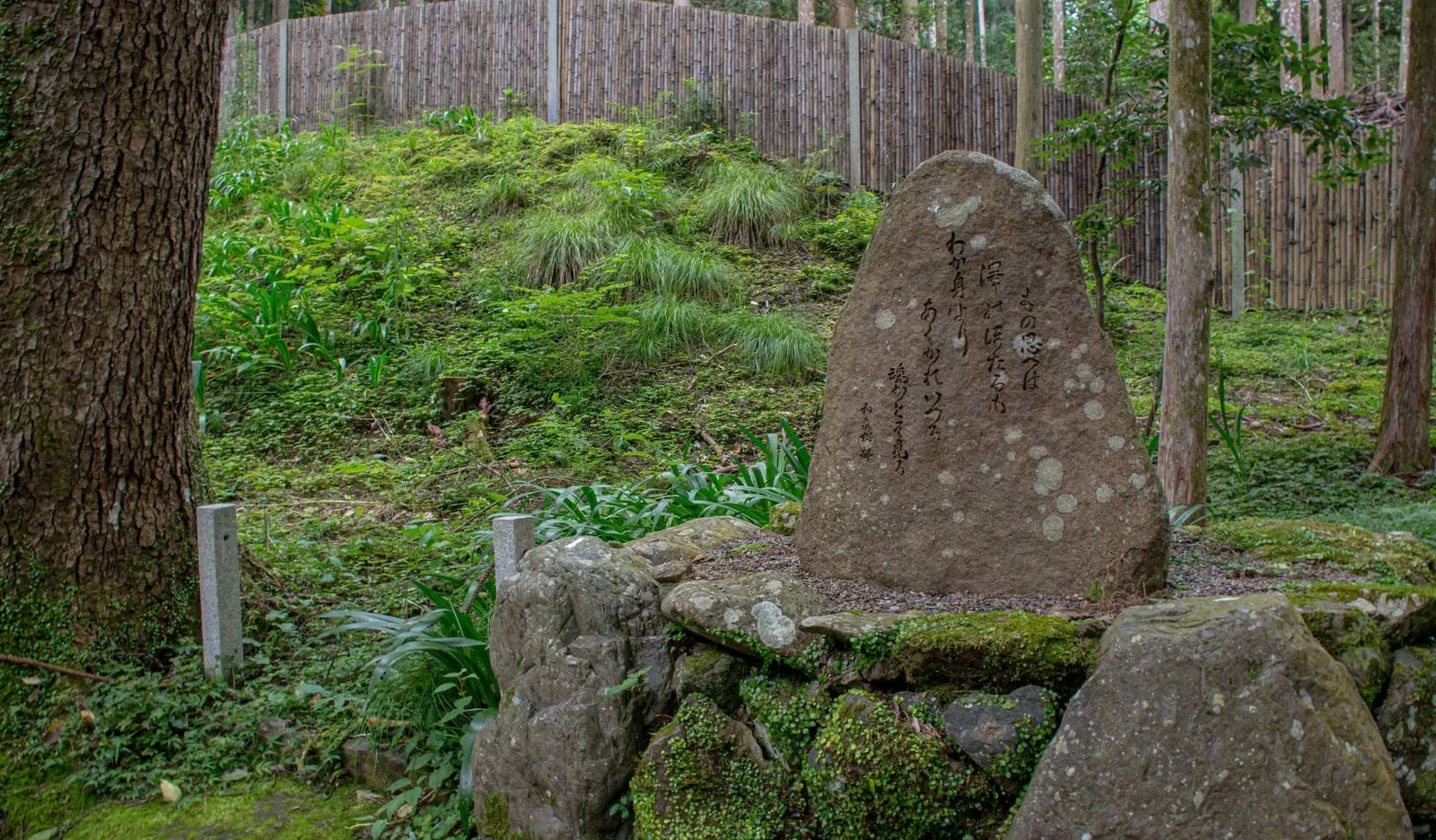
Kibune, in northern Kyoto, is where kawadoko feels closest to the water. From roughly May through September, low decks sit directly above the Kibune River, surrounded by deep greenery. Many are attached to ryokan and chaya (traditional restaurants) known for their cuisine.Seasonal specialties include ayu (sweetfish) and hamo (pike conger), both closely tied to Kyoto’s summer table.
3. Takao area
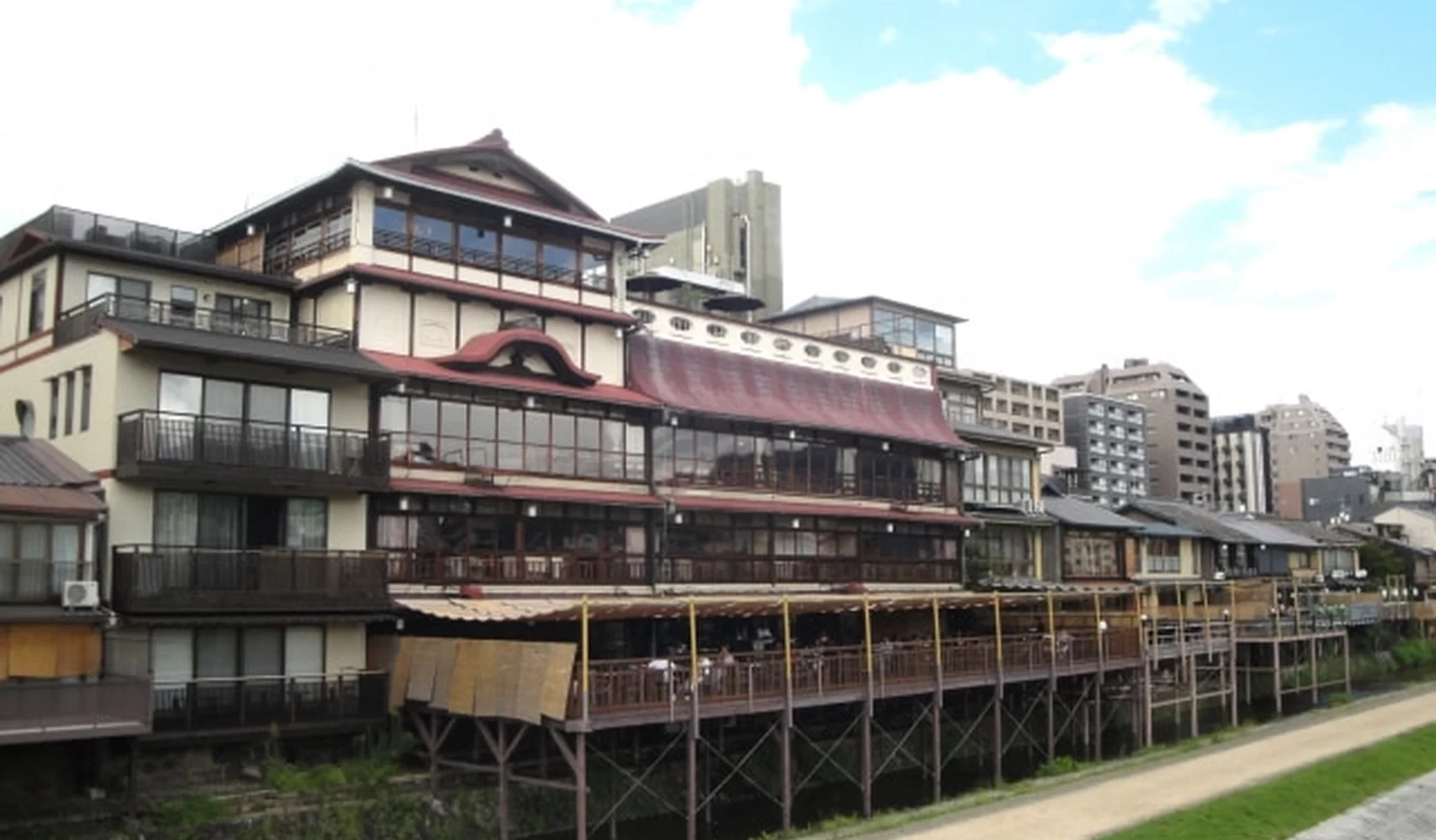
Takao, outside central Kyoto, offers the quietest take on kawadoko. Set along the Kiyotaki River, it is known for Kyoto cuisine served at riverside inns, often on decks with roofs overhead, giving them a more sheltered feel. Kawadoko here is generally available from April to November.
Before You Go
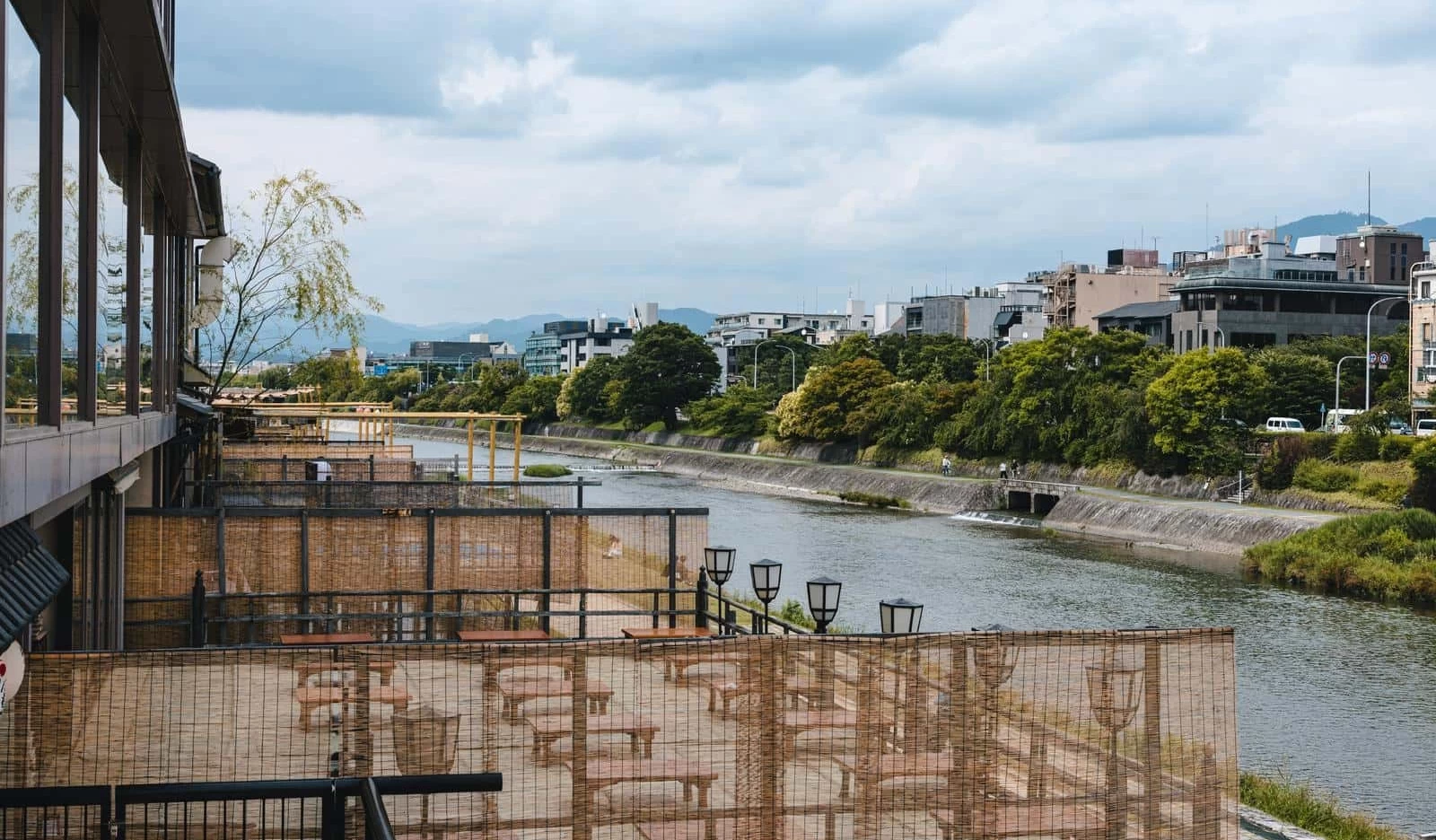
It is worth planning ahead for kawadoko. Season dates vary by area and restaurant, and rainy weather may affect whether riverside seating is available, so check the details in advance.
There is usually no strict dress code, but smart casual is a good choice. Rental kimono or yukata also suits the setting well, and quiet conversation is appreciated.
Manzara Donguribashi (Kamogawa)
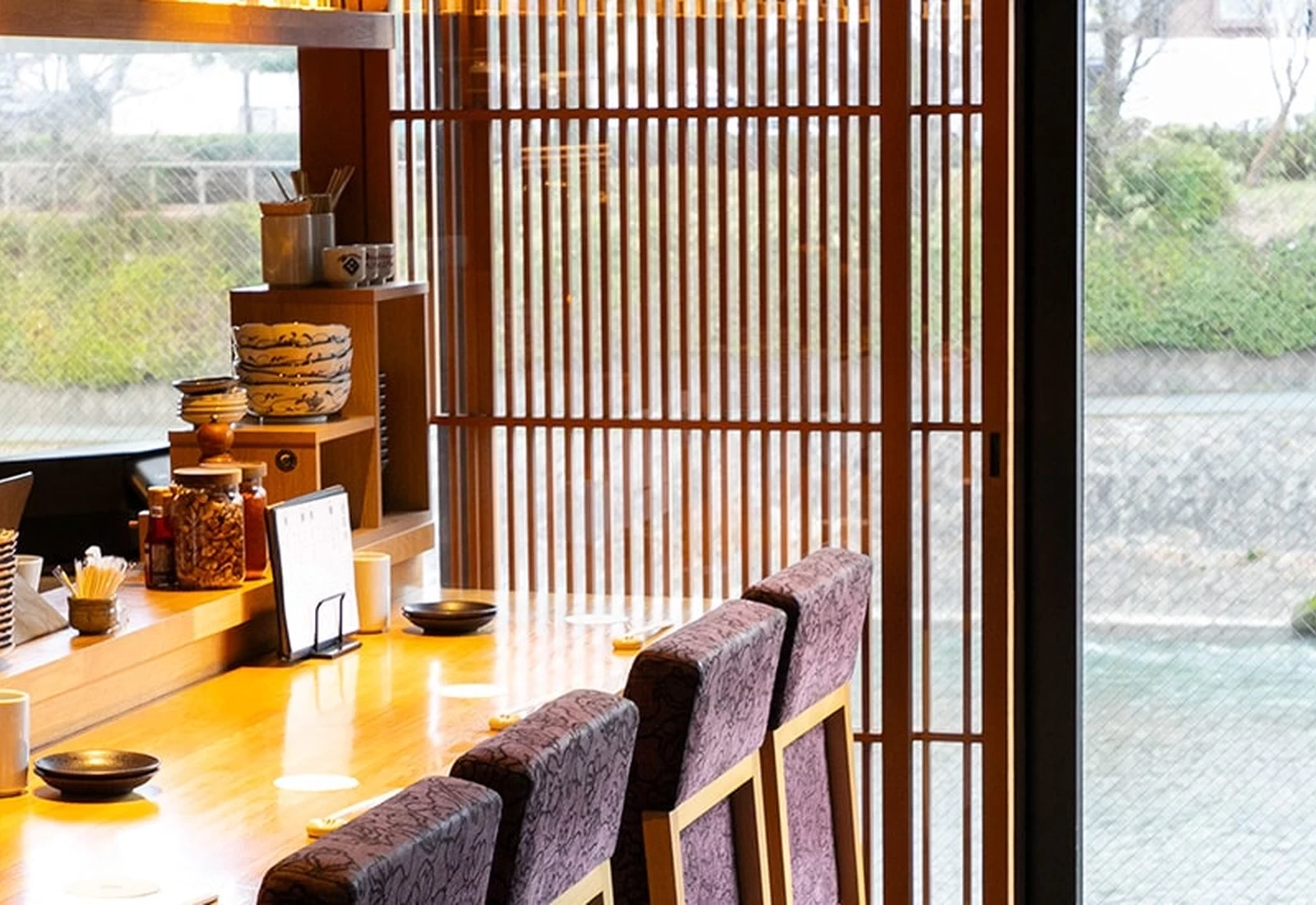
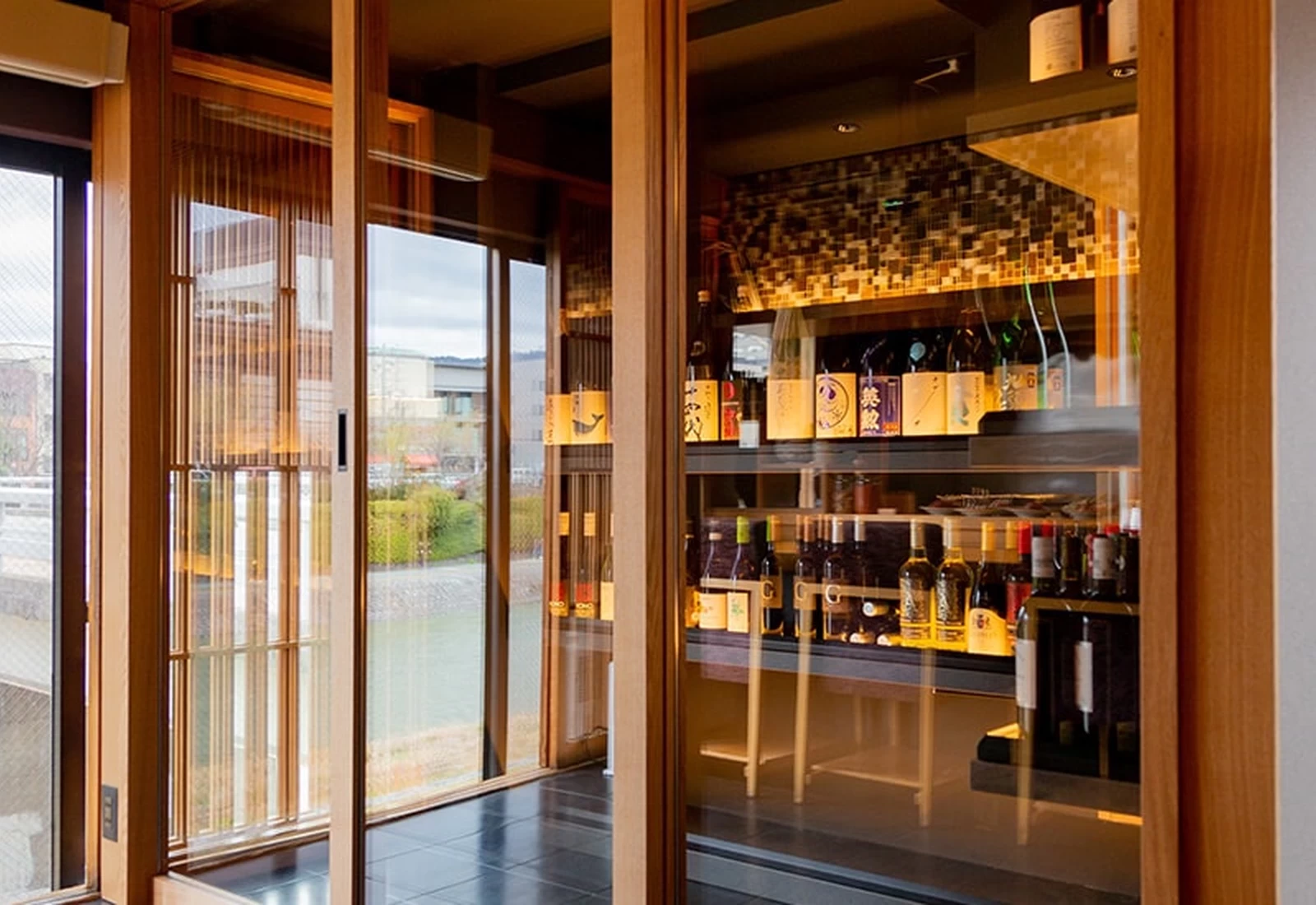
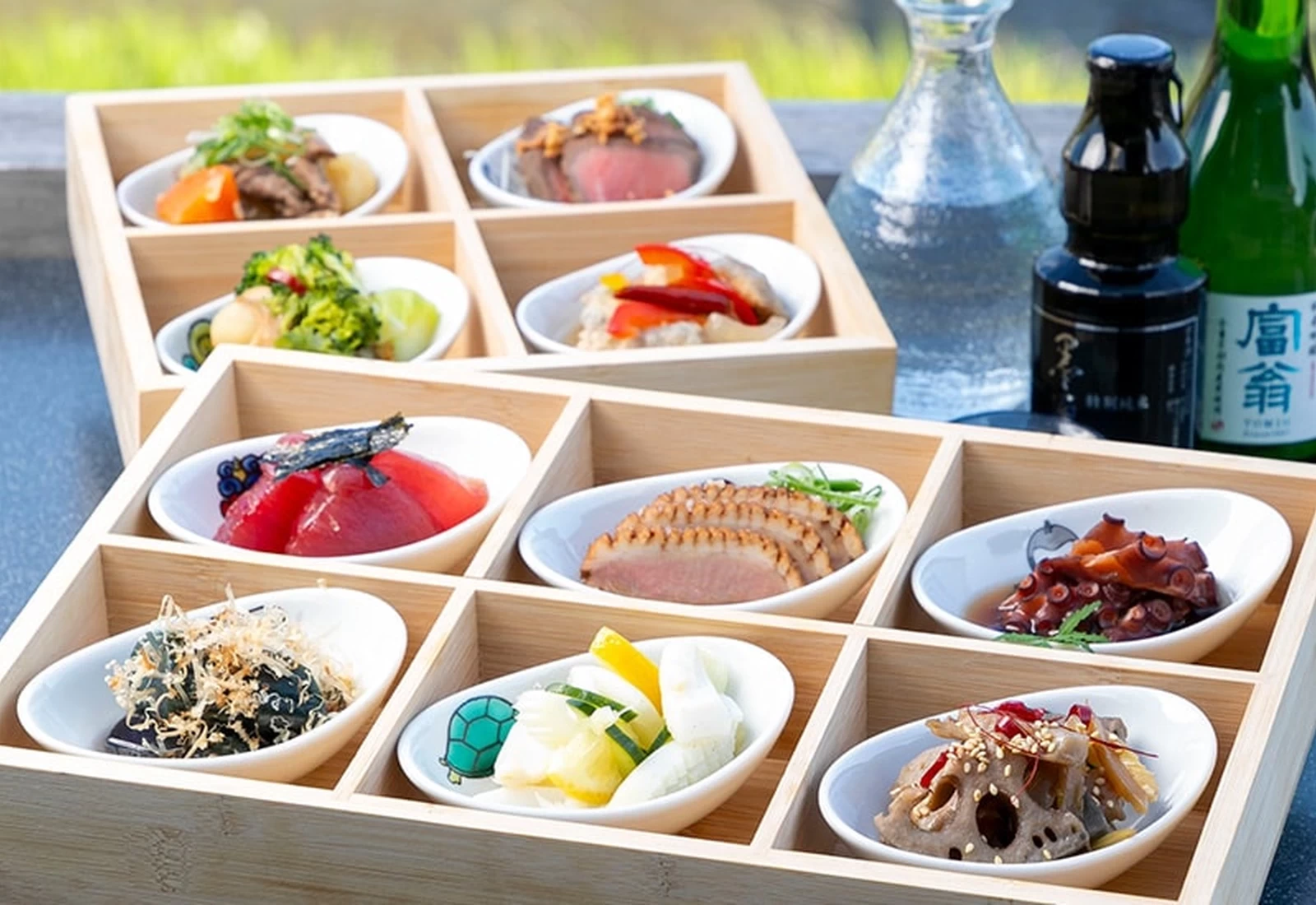
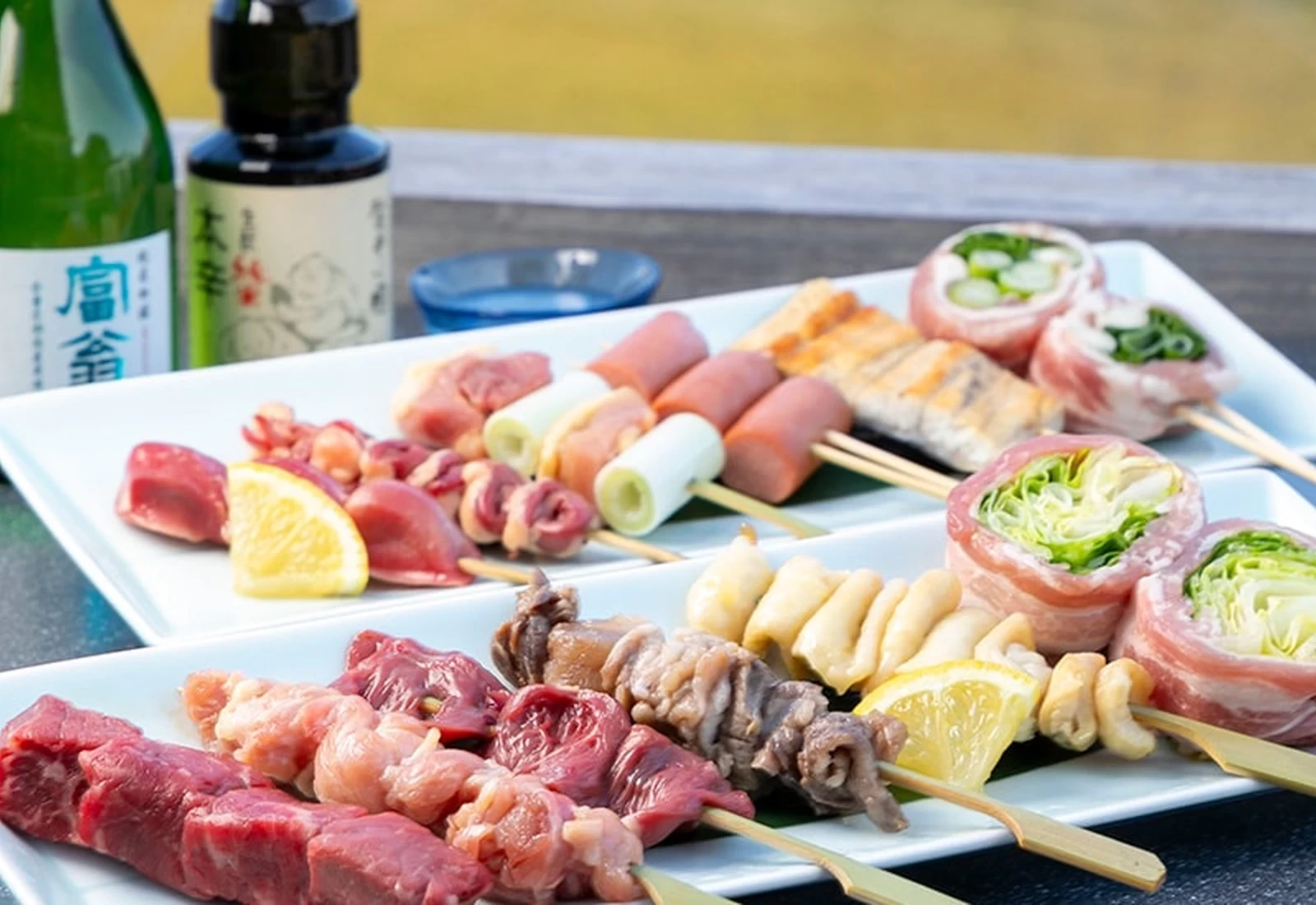
Manzara Donguribashi sits at the foot of Donguri Bridge on the Kamo River and offers kawayuka dining roughly from May to September. It specializes in obanzai (Kyoto home-style dishes) and grilled skewers, with popular items such as sweet-savory braised pork belly and Wagyu roast beef.
- Address
- 1F Takaoka Building, Donguribashi Nishi, Shijo-dori Kiyamachi-sagaru, Shimogyo Ward, Kyoto
- Access
- 3-minute walk from Kawaramachi Station (Hankyu Kyoto Line)
5-minute walk from Gion-Shijo Station (Keihan Main Line) - Official Website
- https://manzara.co.jp/shop/donguri/
- TEL
- +81-75-344-0280

Pontocho Idumoya (Kamogawa)
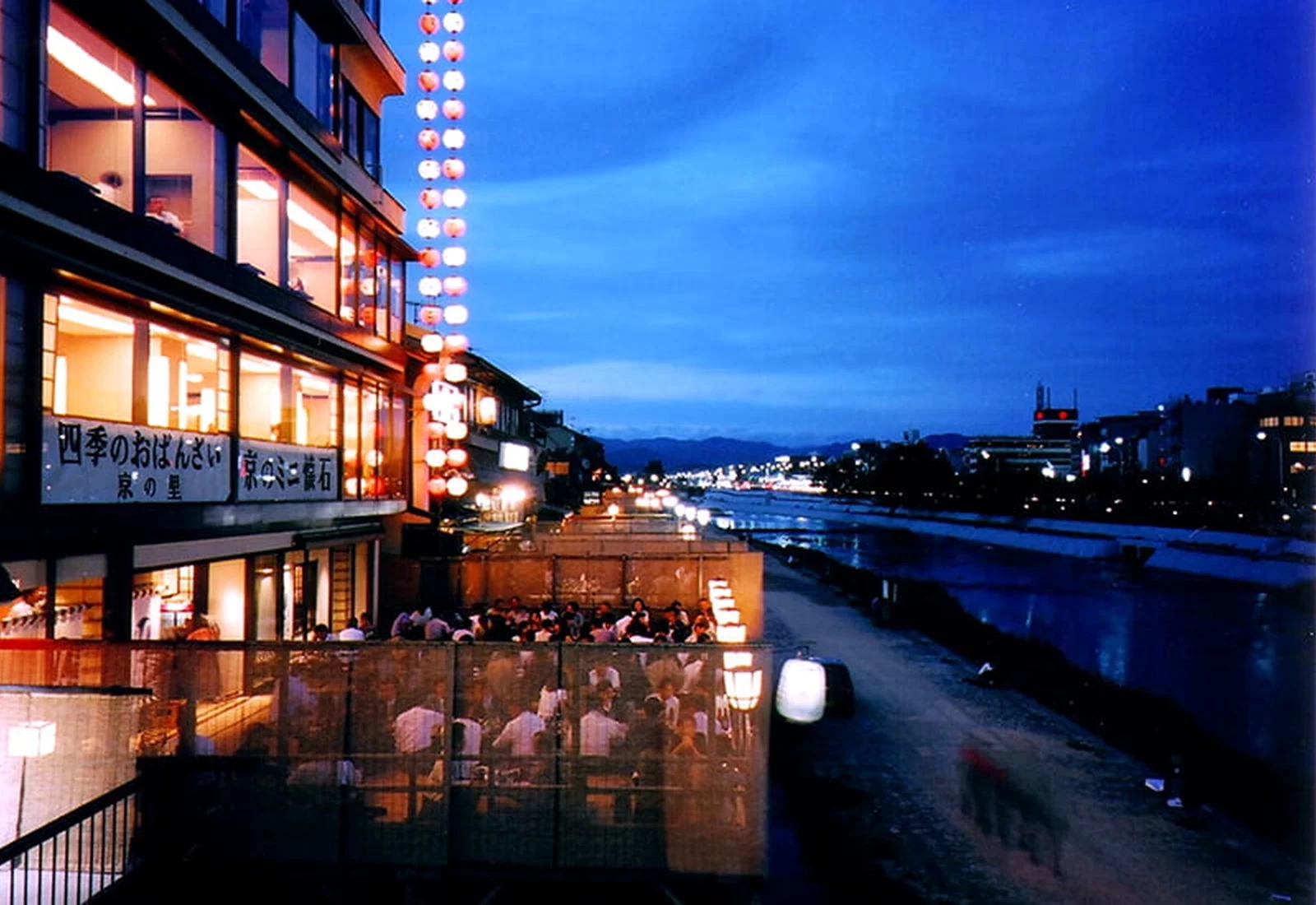
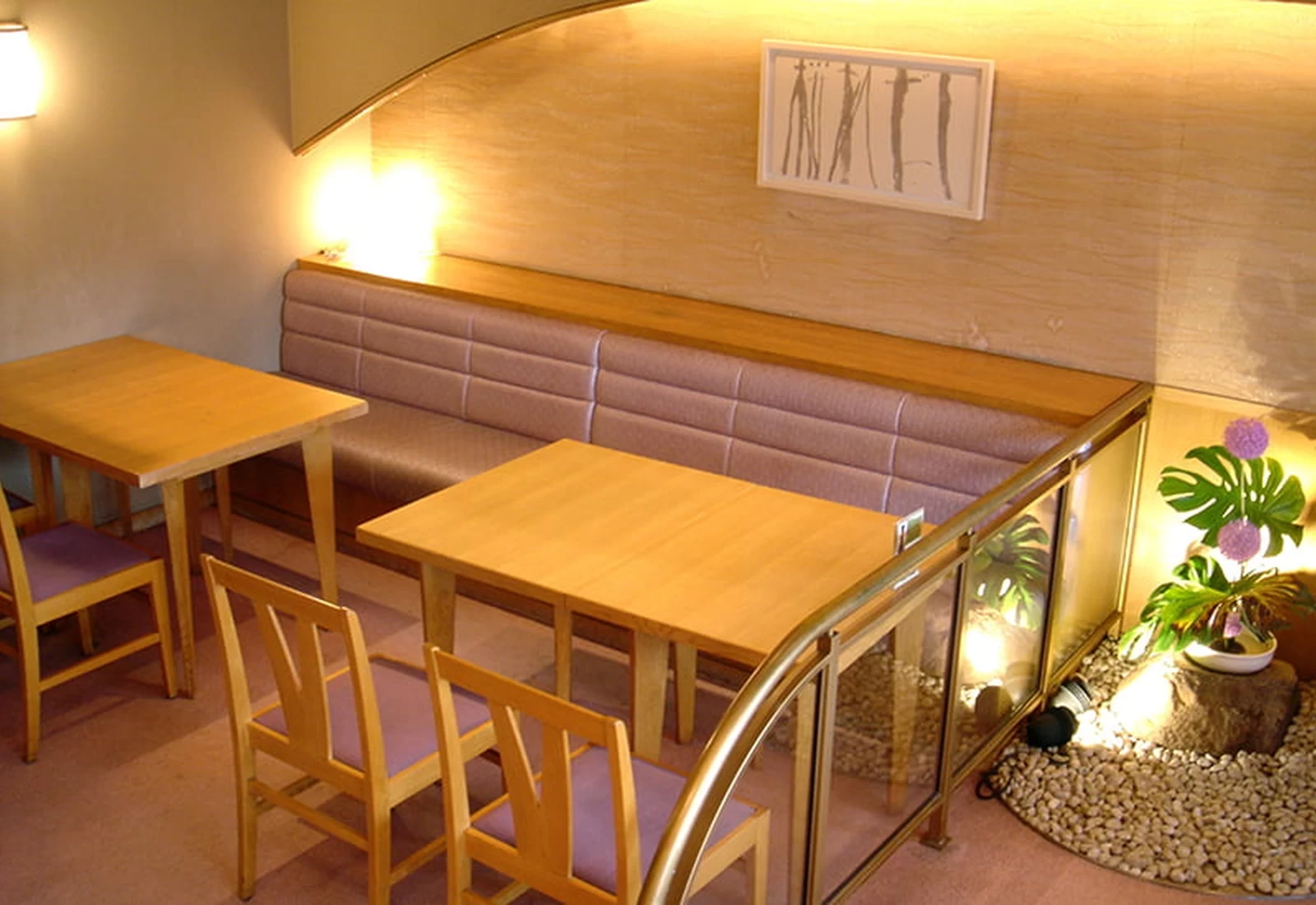
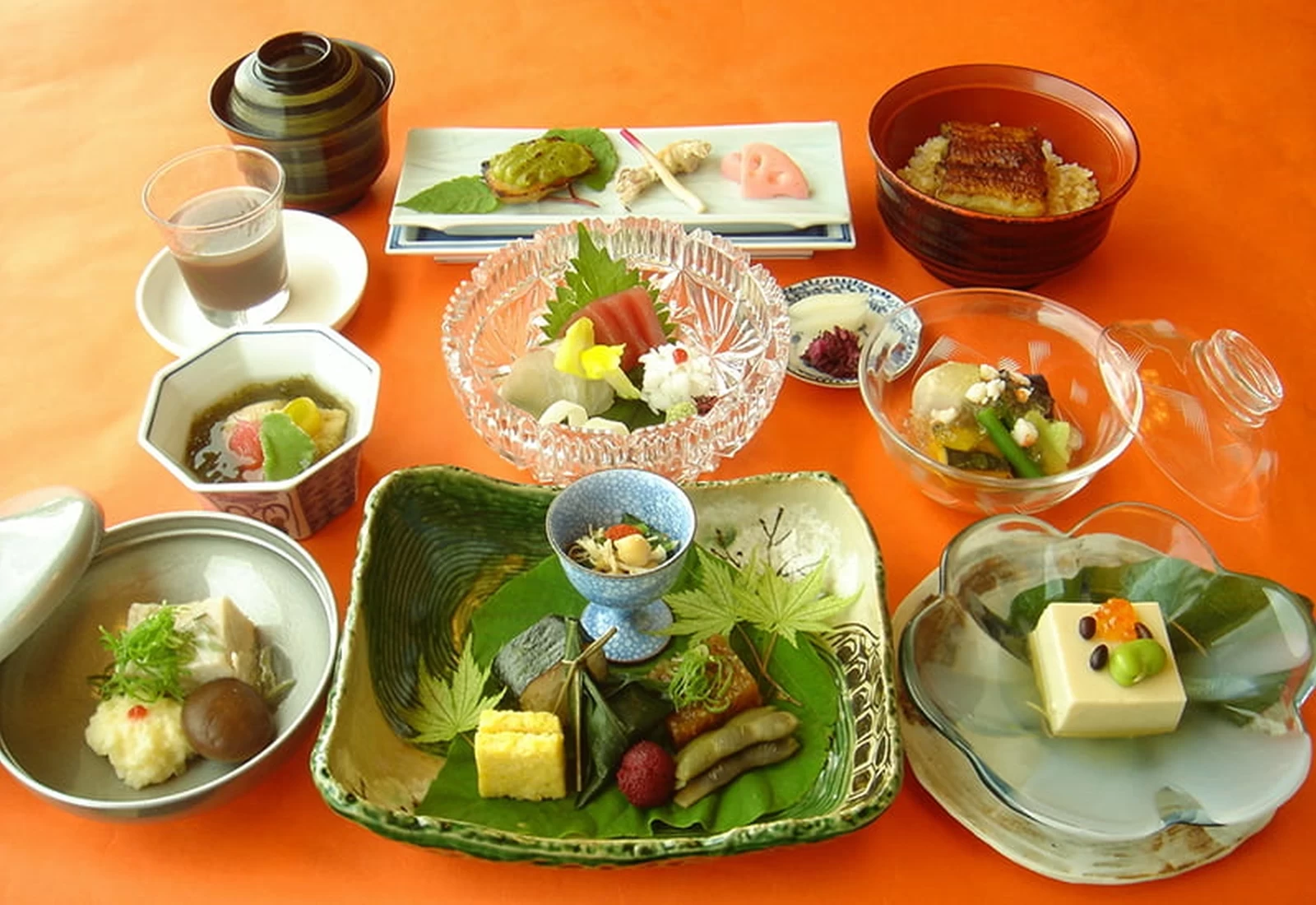
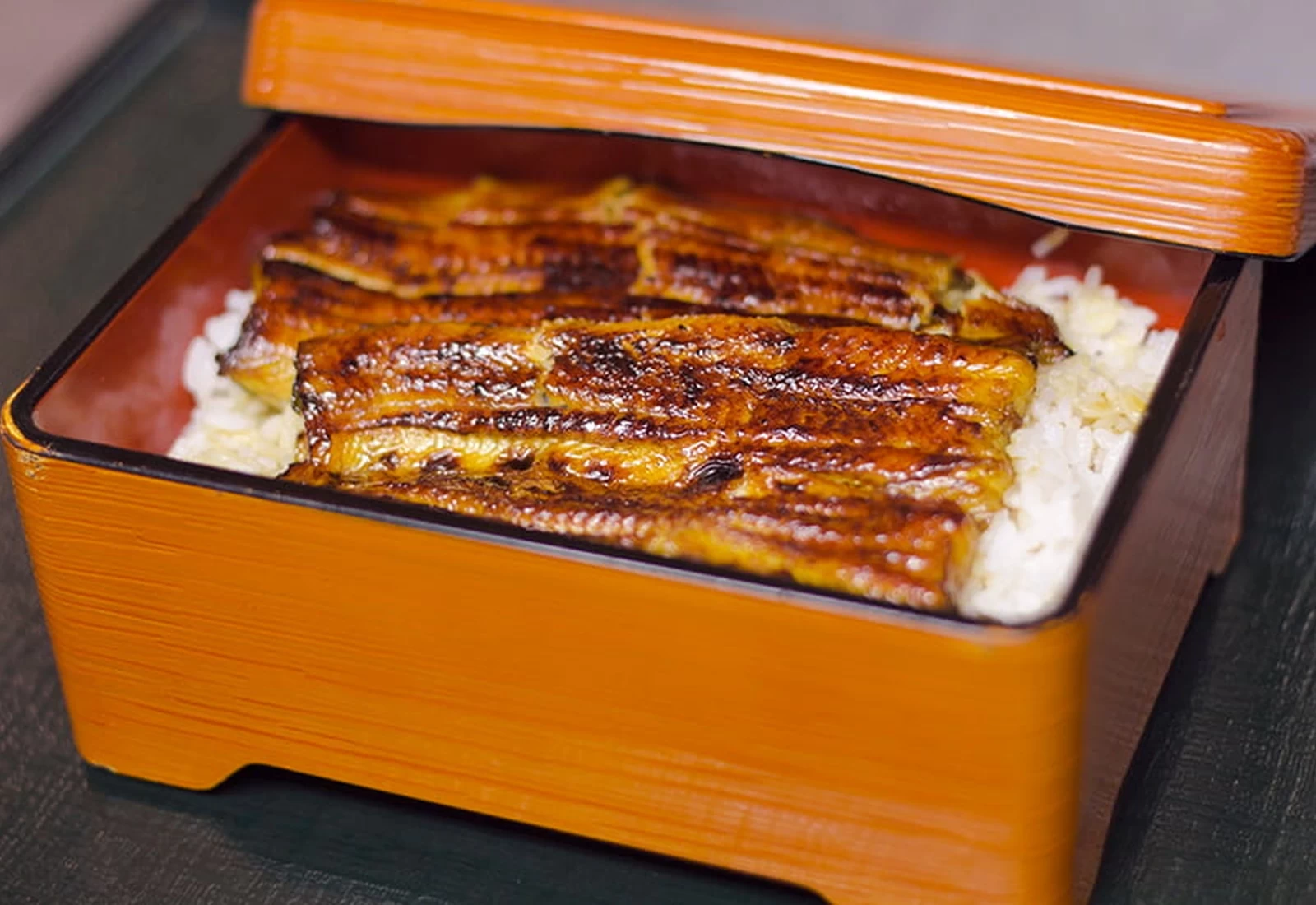
Founded in 1916, Pontocho Izumoya is a long-established restaurant known for premium eel grilled over binchotan charcoal. The eel is steamed before grilling for a plump, tender finish, then brushed with a house sauce that has been added to and maintained for more than a century. During the kawayuka season (around May to September), its seasonal riverside deck catches breezes off the Kamo River.
Pontocho Idumoya
- Address
- 173-2 Kashiwaya Town, Nakagyo Ward, Kyoto City, Kyoto
- Access
- [Train] Approximately 1-minute walk from Kyoto Kawaramachi Station on the Hankyu Kyoto Main Line, Approximately 4-minute walk from Gion-Shijo Station on the Keihan Main Line
- Official Website
- https://www.idumoya.co.jp/
- TEL
- +81-75-211-2501
- Business hours
- 11:30 A.M. to 10:00 P.M. (LO 9:00 P.M.), *Lunch Service: 11:30 A.M. to 3:30 P.M.
- Regular Holiday
- Open all-year-round
- Parking
- Not available
LE UN Funatsuru Kyoto Kamogawa Resort (Kamogawa)
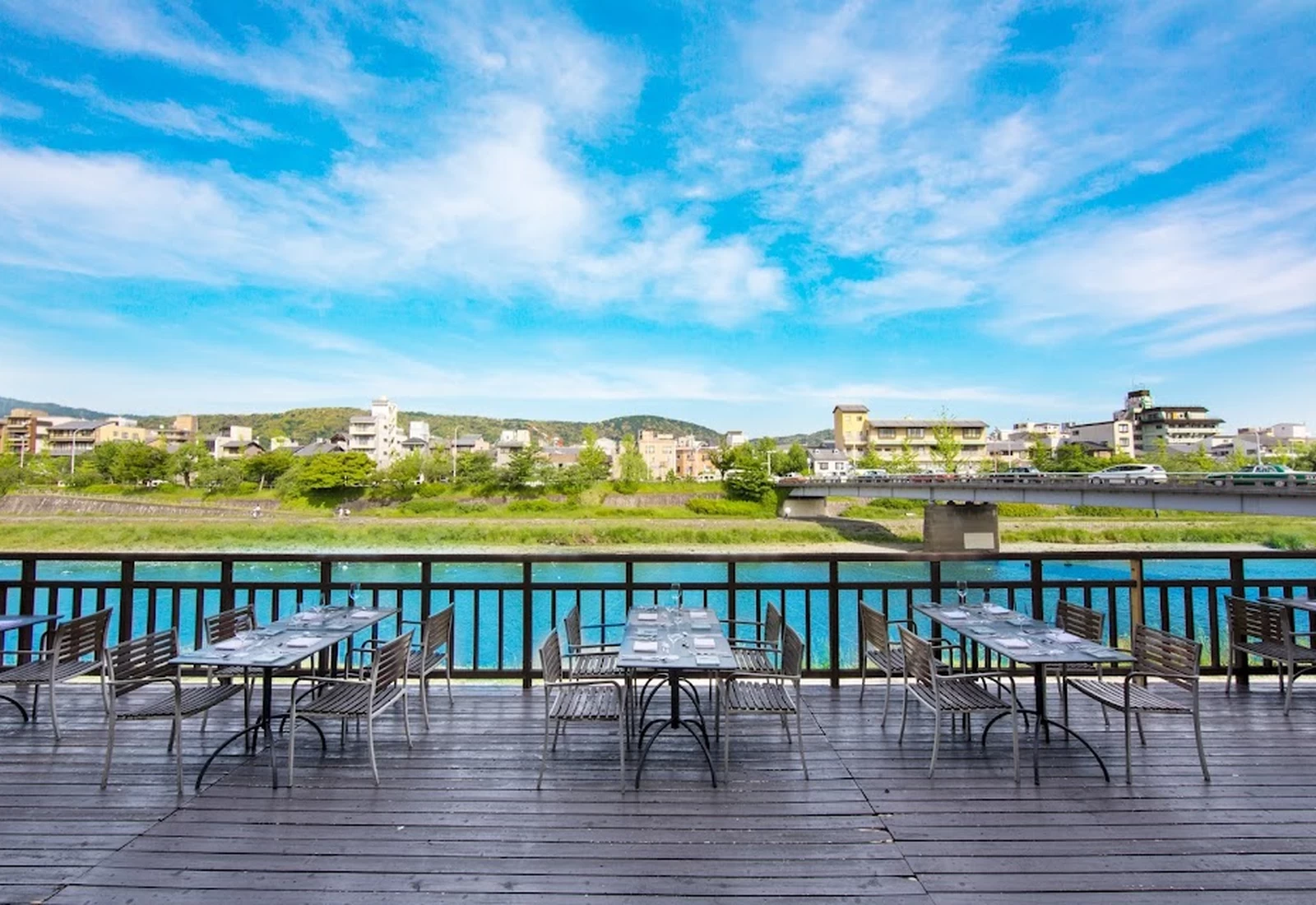
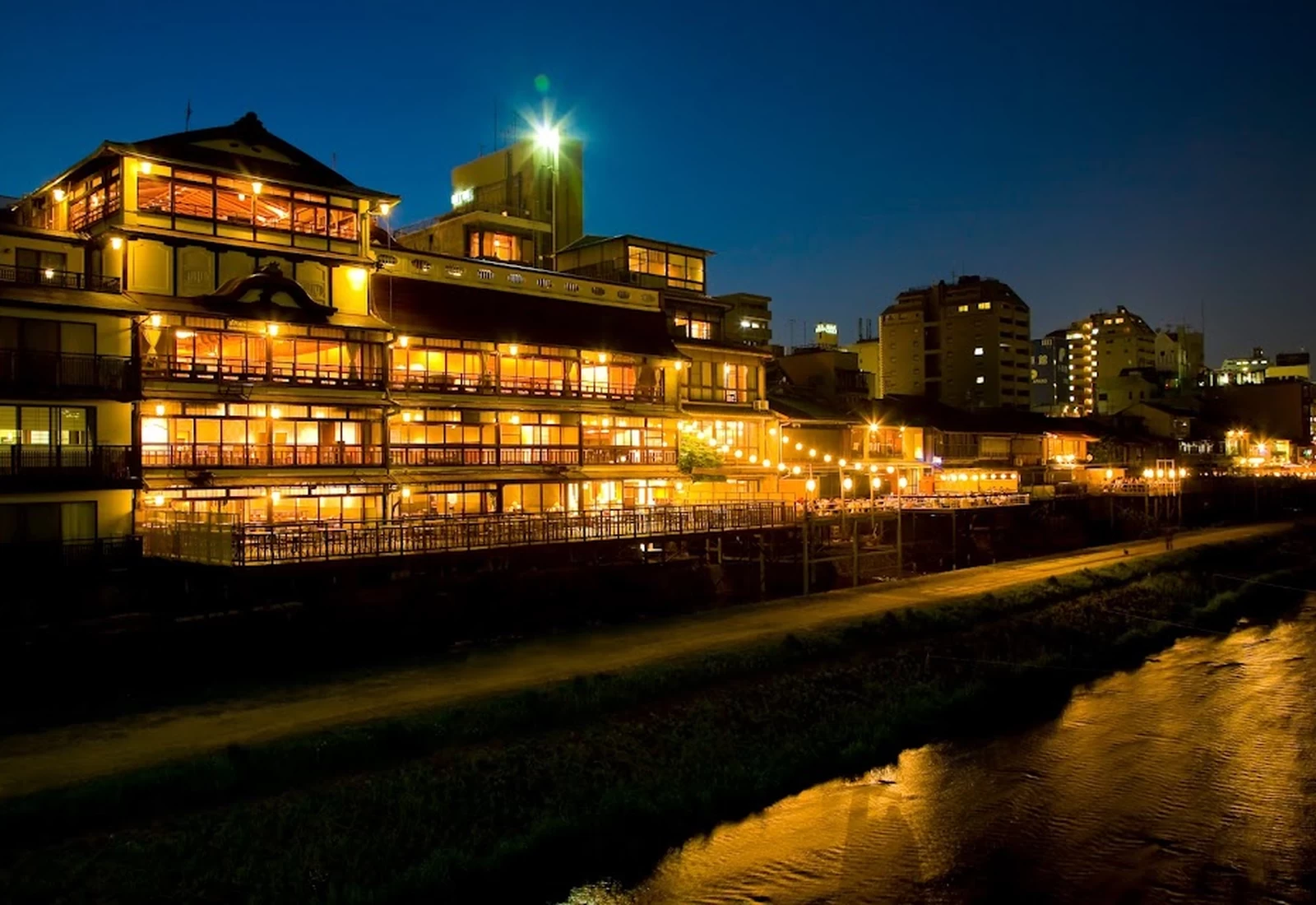
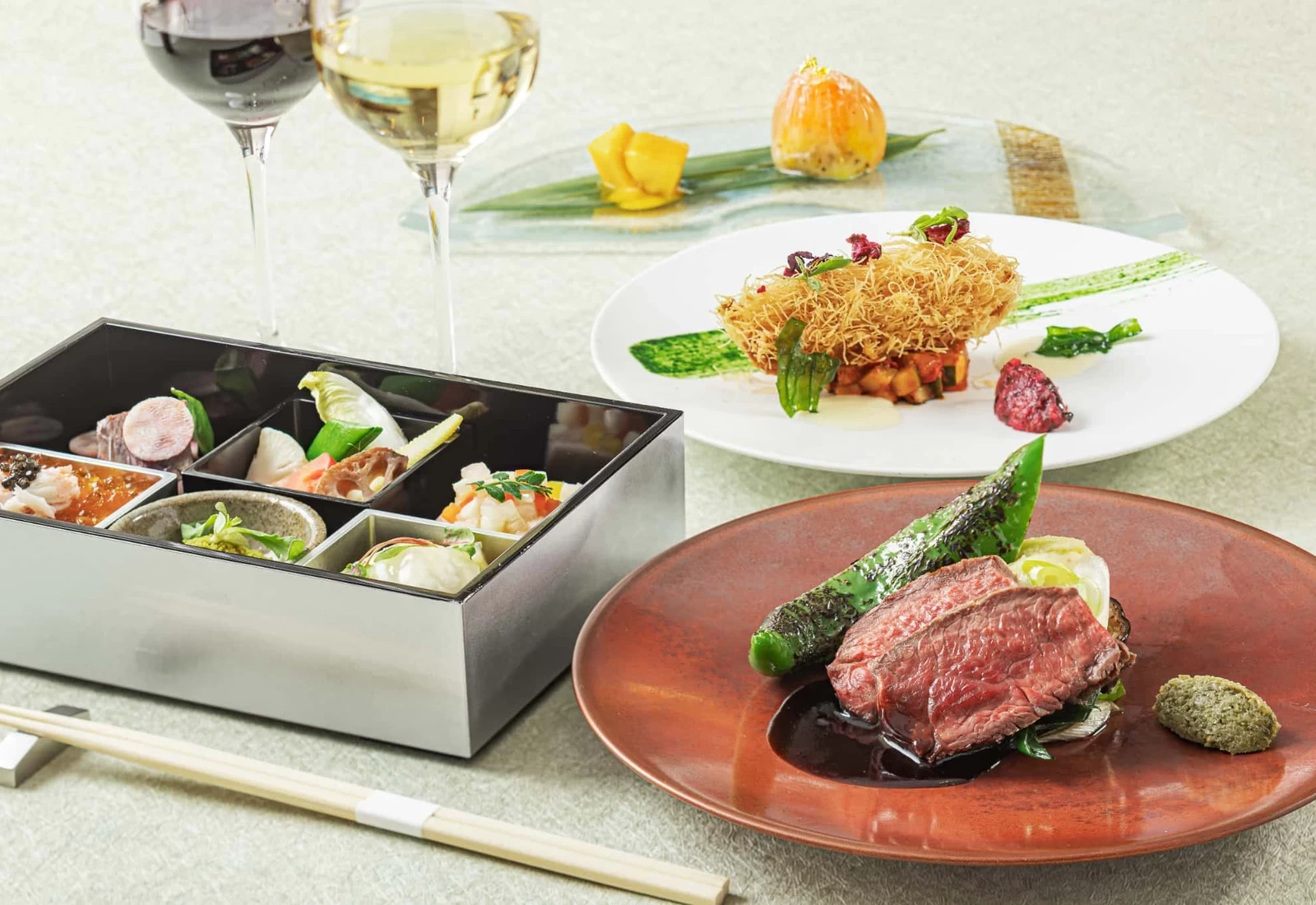
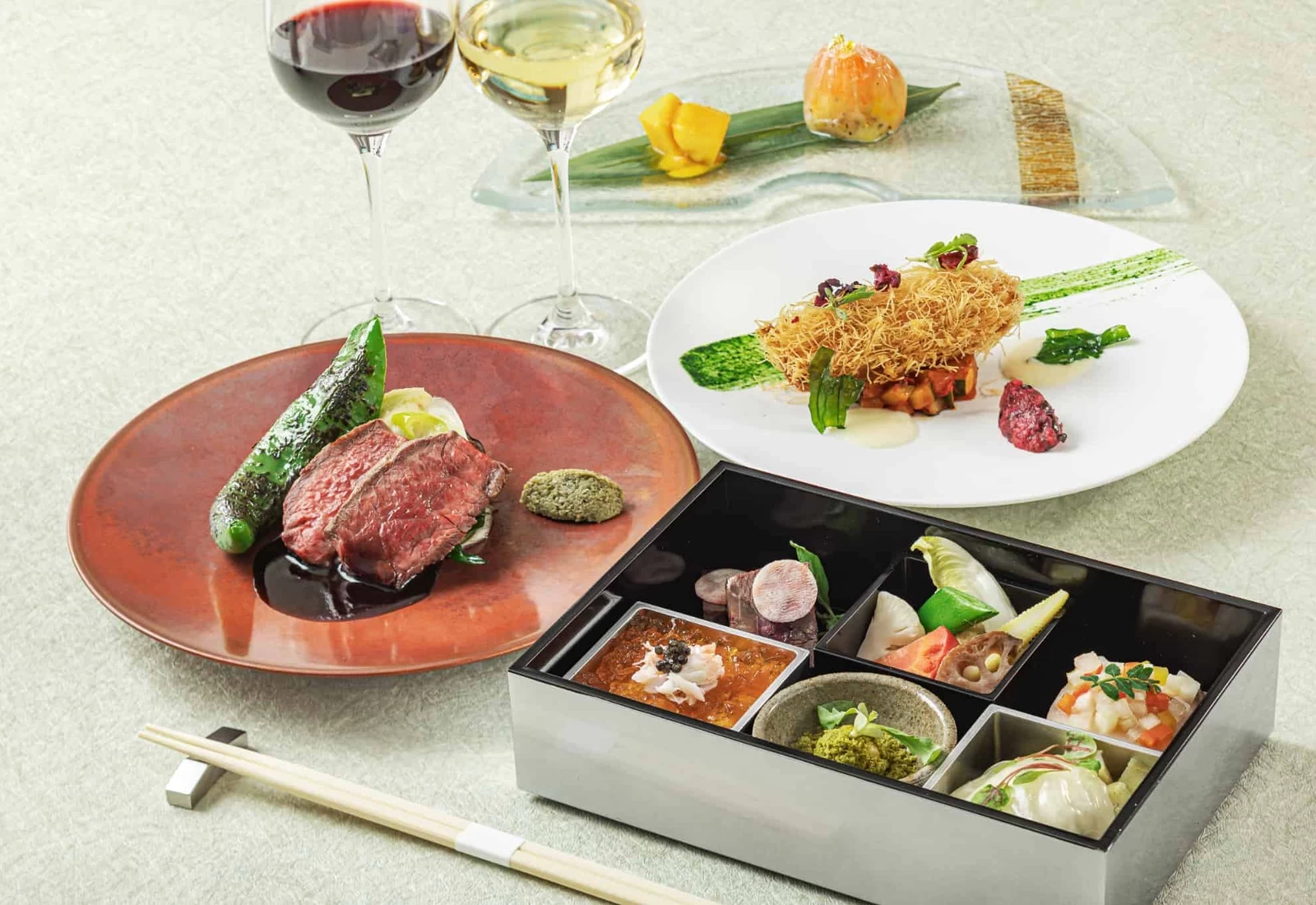
LE UN Funatsuru Kyoto Kamogawa Resort serves Kyoto-influenced French cuisine, weaving local ingredients into elegant multi-course menus inside a registered Tangible Cultural Property—a restored historic building on the Kamo River. Its kawayuka is one of the largest along the river, creating a wide, open riverside setting that brings the restaurant’s seasonal Kyo-French dishes into a relaxed, summery mood. The kawayuka operates from May 1 to October 15.
LE UN Funatsuru Kyoto Kamogawa Resort
- Address
- 180 Minoya Town, Kiyamachi-dori Matsubara-agaru, Shimogyo Ward, Kyoto
- Access
- 8-minute walk from Kawaramachi Station (Hankyu Kyoto Line) and Gion-Shijo Station (Keihan Main Line)
- Official Website
- https://www.funatsuru.com/restaurant/en/
- TEL
- +81-75-351-8541
Fumiya (Kamogawa)
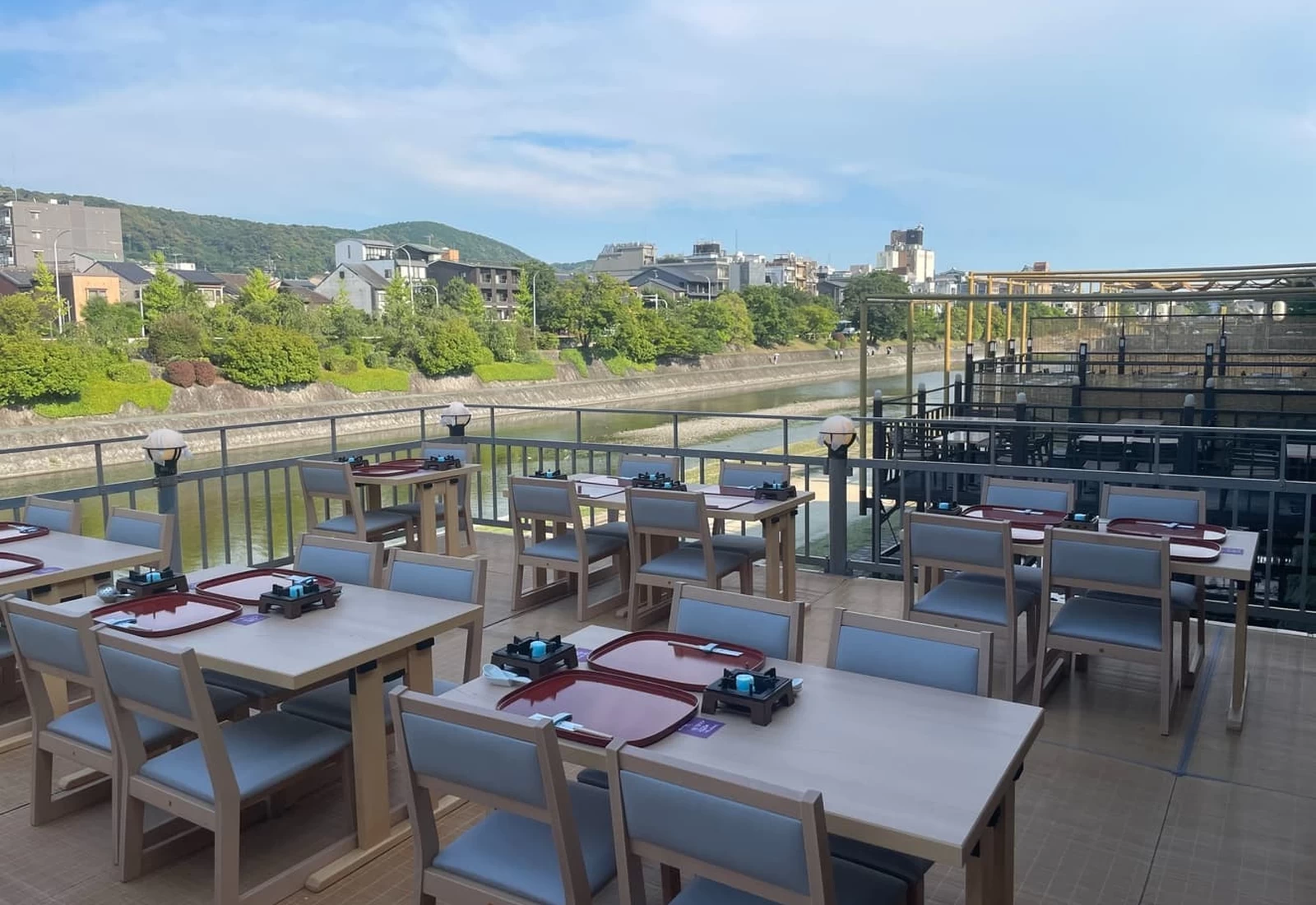
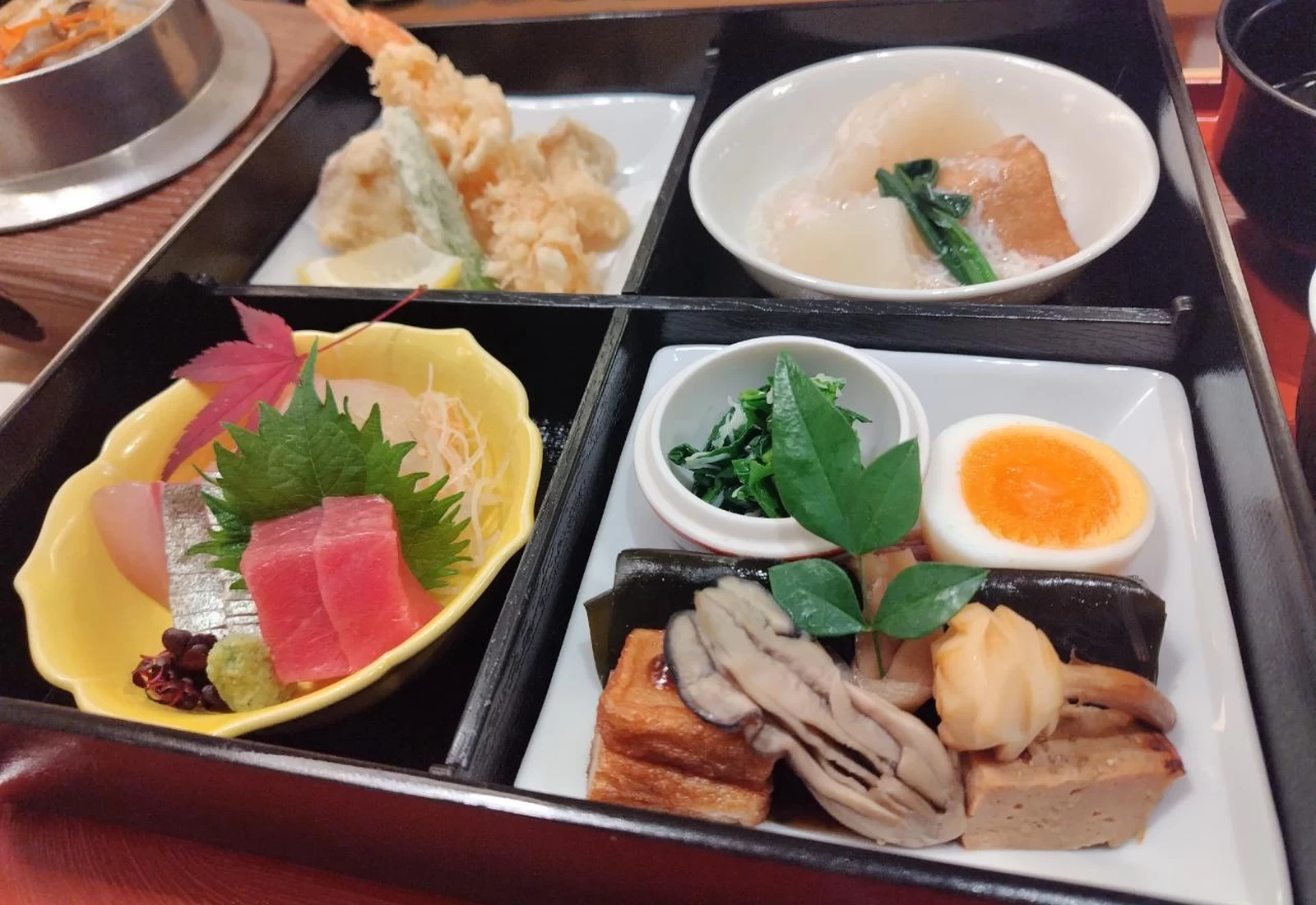
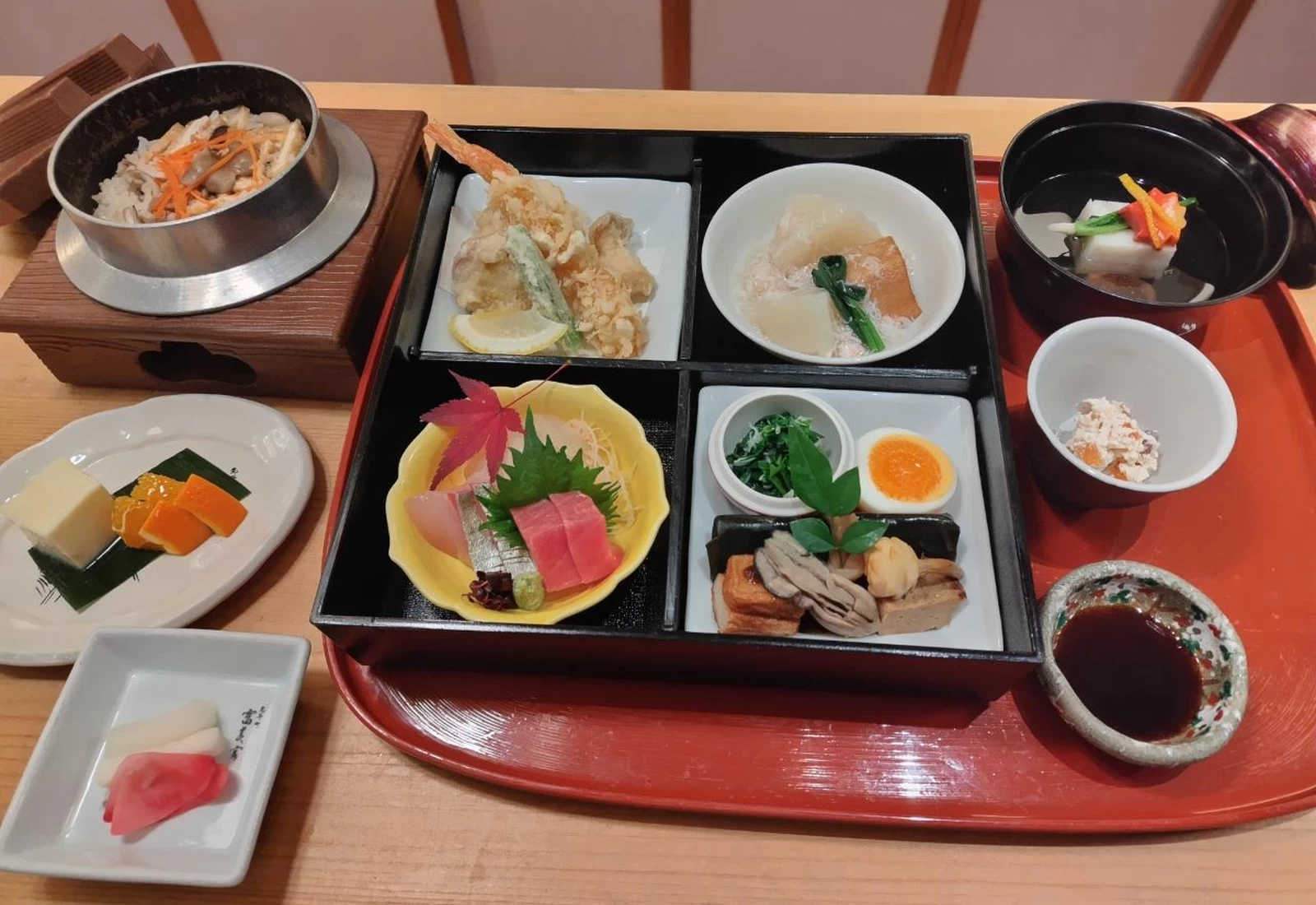
Fumiya, a long-running restaurant with a 75-year history, serves seasonal Kyoto cuisine in a polished Japanese-modern space. From May 1 to October 15, its kawayuka offers kaiseki (a multi-course meal designed to be enjoyed with drinks) and hamo courses at relatively approachable prices.
Fumiya
- Address
- 134 Hashishita Town, Pontocho Sanjo-sagaru, Nakagyo Ward, Kyoto (two buildings south of Pontocho Kaburenjo Theater)
- Access
- 3-minute walk from Sanjo Station
- Official Website
- http://www.pontocho-fumiya.co.jp/
- TEL
- +81-75-211-5054
Hyoue (Kibune)
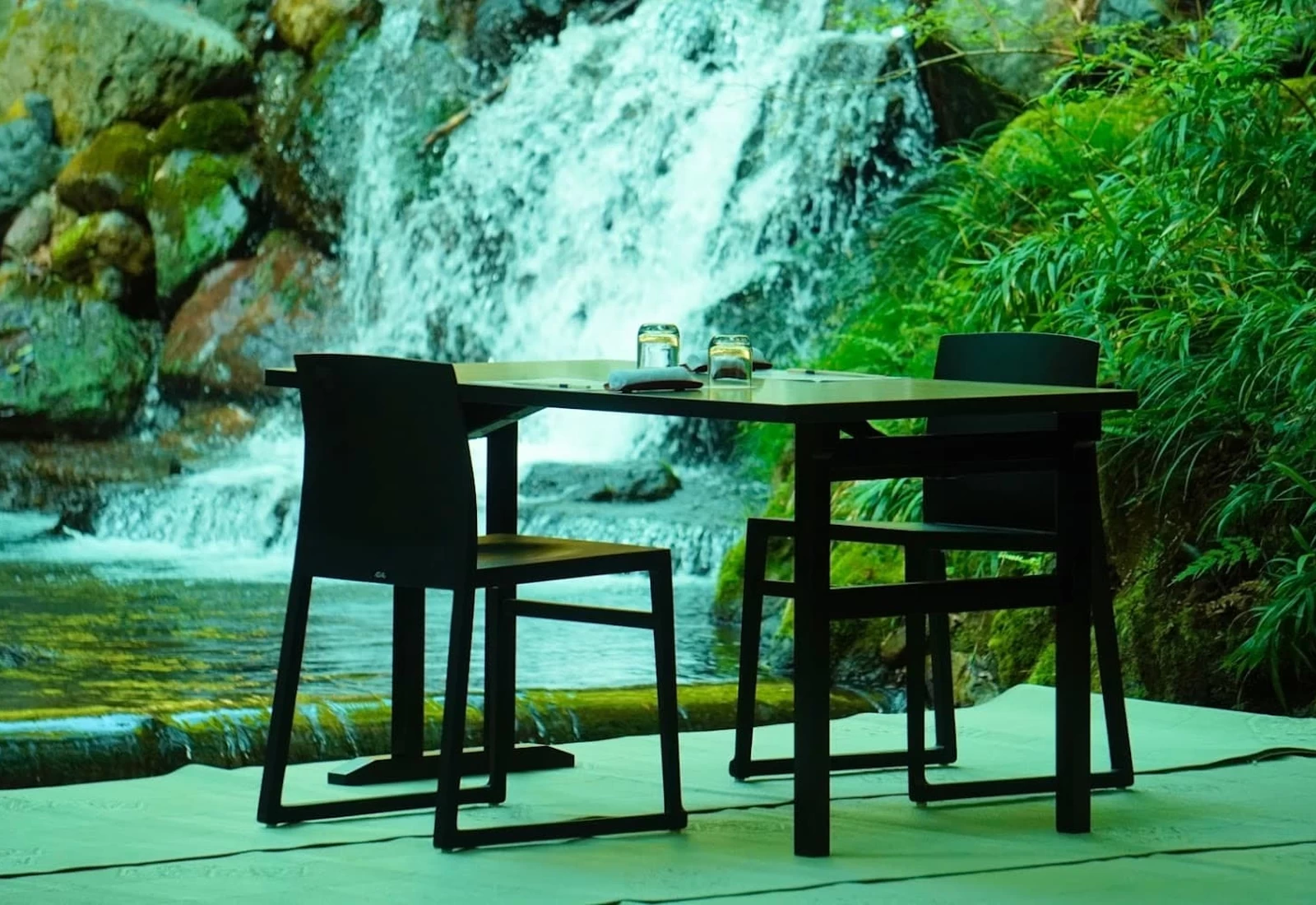
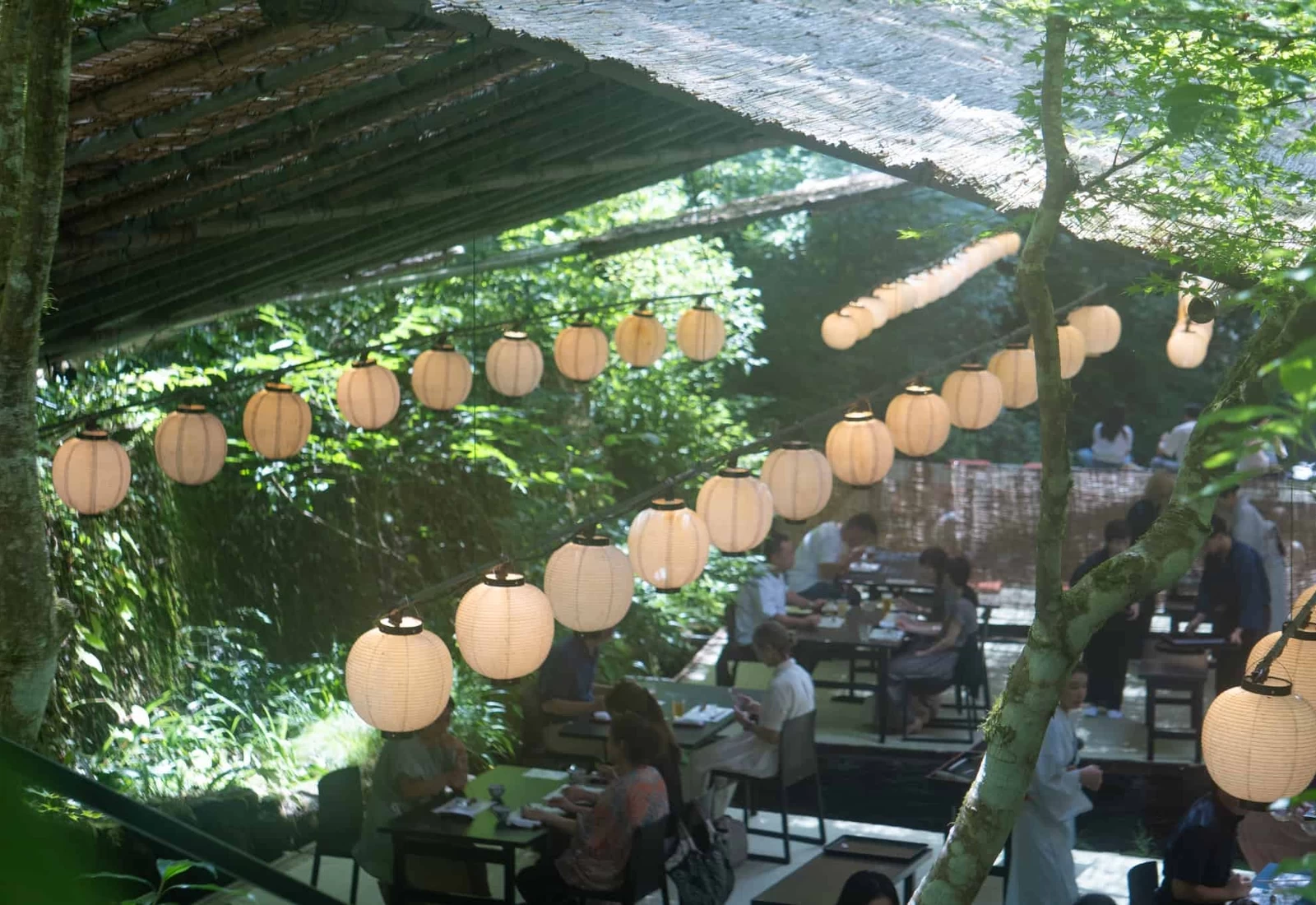
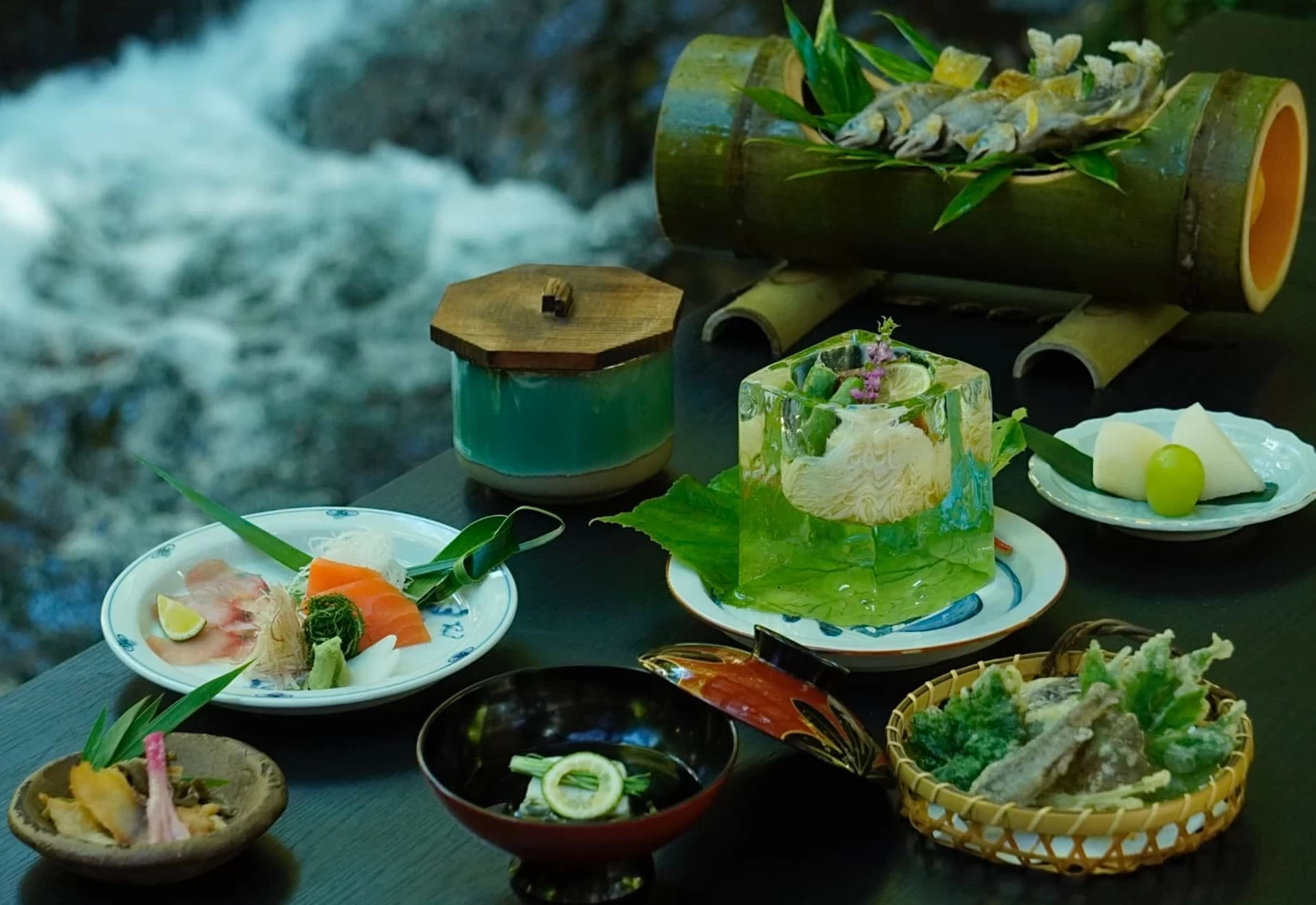
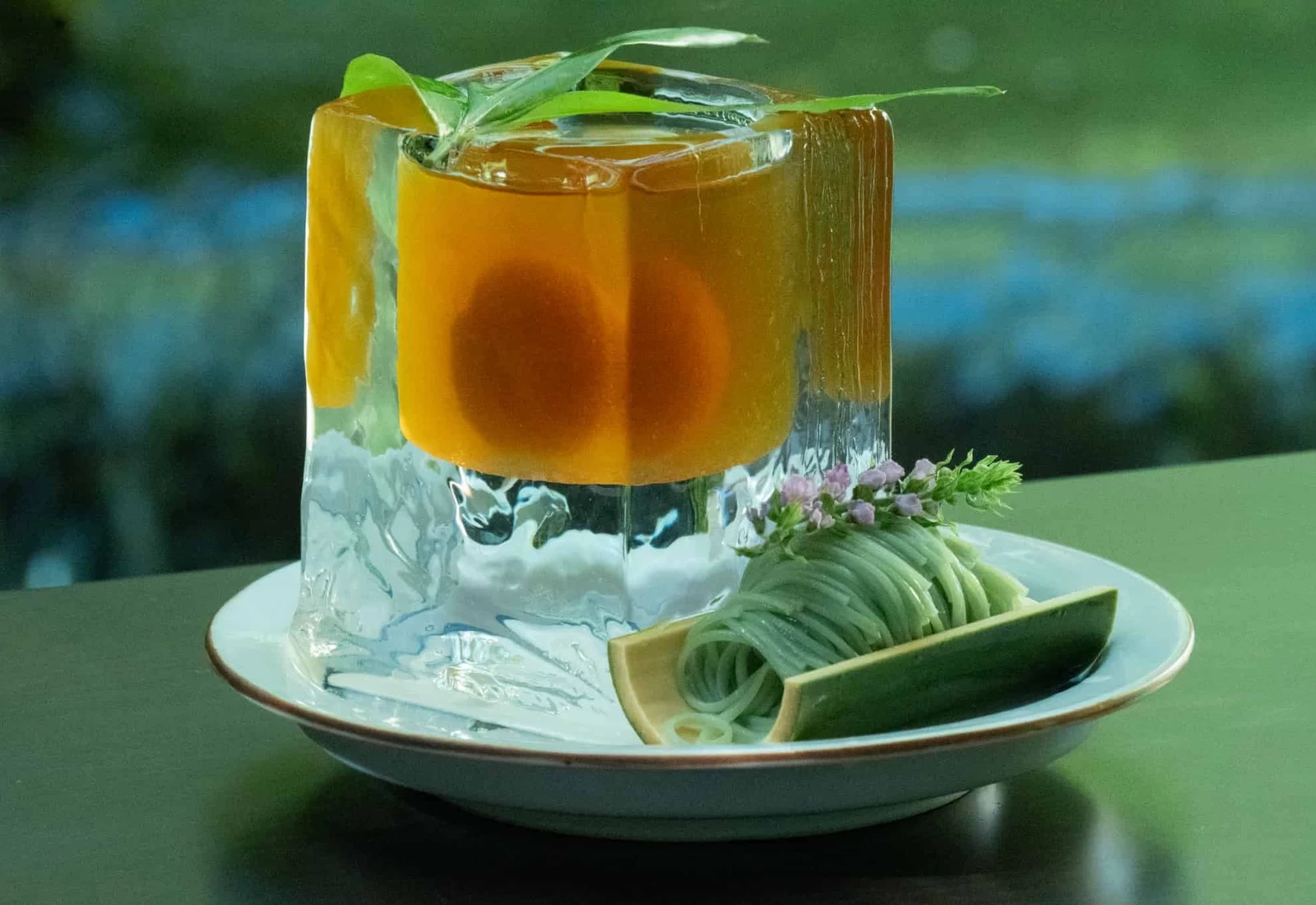
Beyond Kifune Shrine, Oku-Kifune Hyoue—attached to a traditional ryokan—offers seasonal kawadoko dining surrounded by deep forest. During the warmer months, the multi-course menu highlights ayu and hamo, including the house specialty, ayu no sasa-yaki, grilled in bamboo leaves and presented on fresh green bamboo. In midsummer, Himuro somen—thin wheat noodles served in an ice bowl—adds a cooling note, while dinner courses feature hamo shabu-shabu and beef shabu-shabu.
Kawadoko is available from May to late September. All kawadoko seating is at tables.
Hyoue
- Address
- 101 Kurama Kifune Town, Sakyo Ward, Kyoto
- Access
- Free shuttle service from Kokusaikaikan Station and Kibuneguchi Station (reservation required)
- Official Website
- https://hyoue.com/en/
- TEL
- +81-75-741-3066
Hirobun (Kibune)
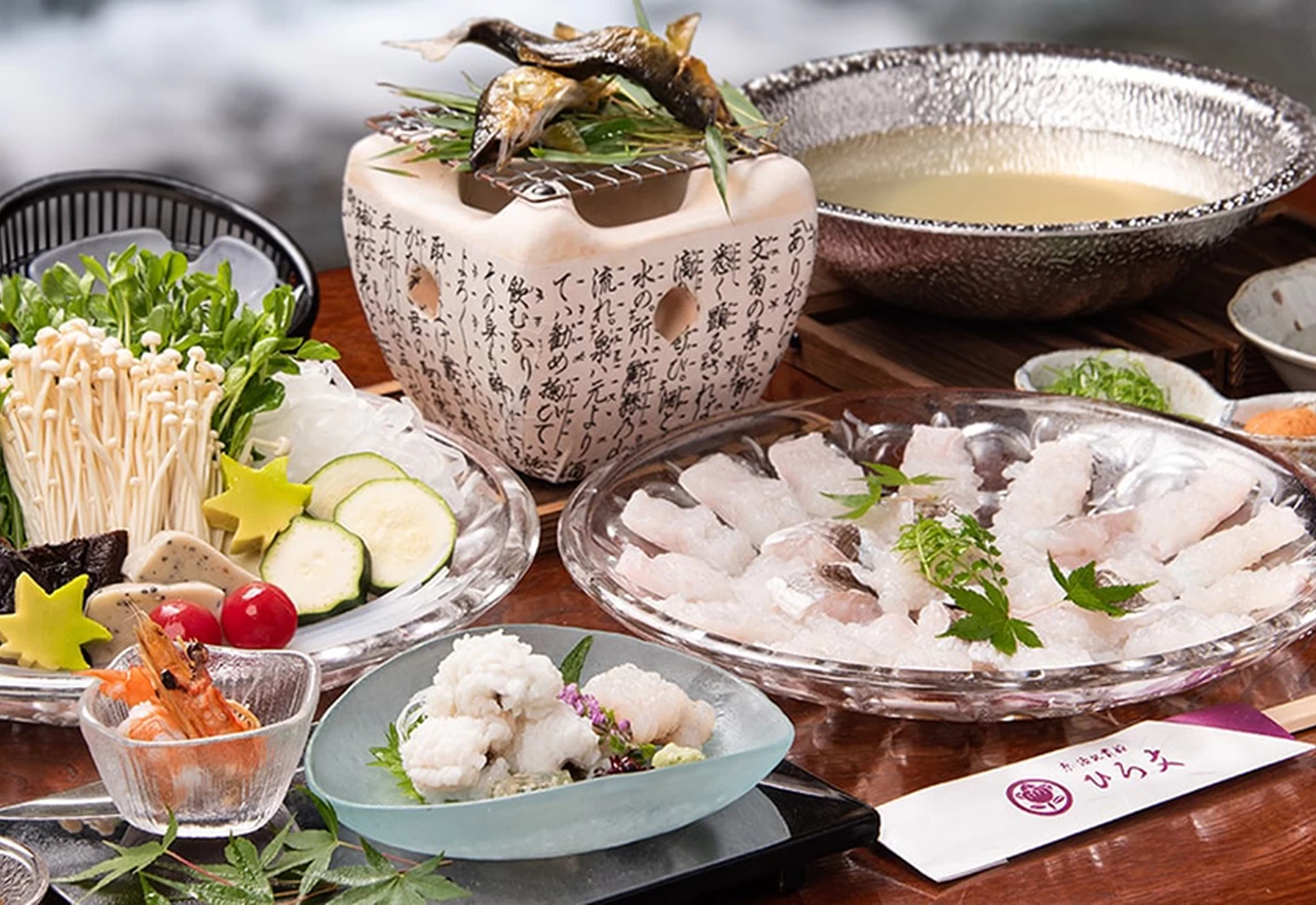
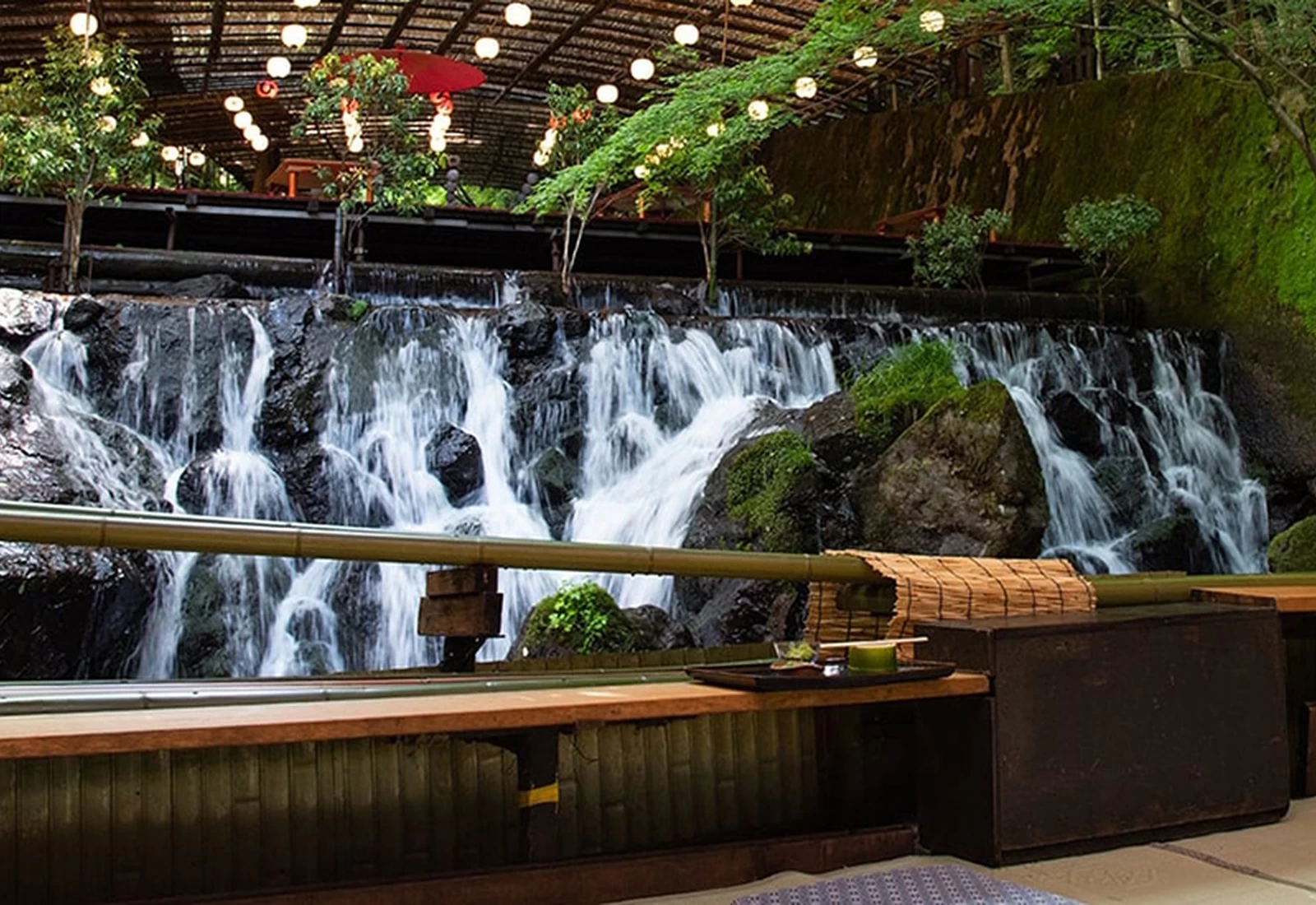
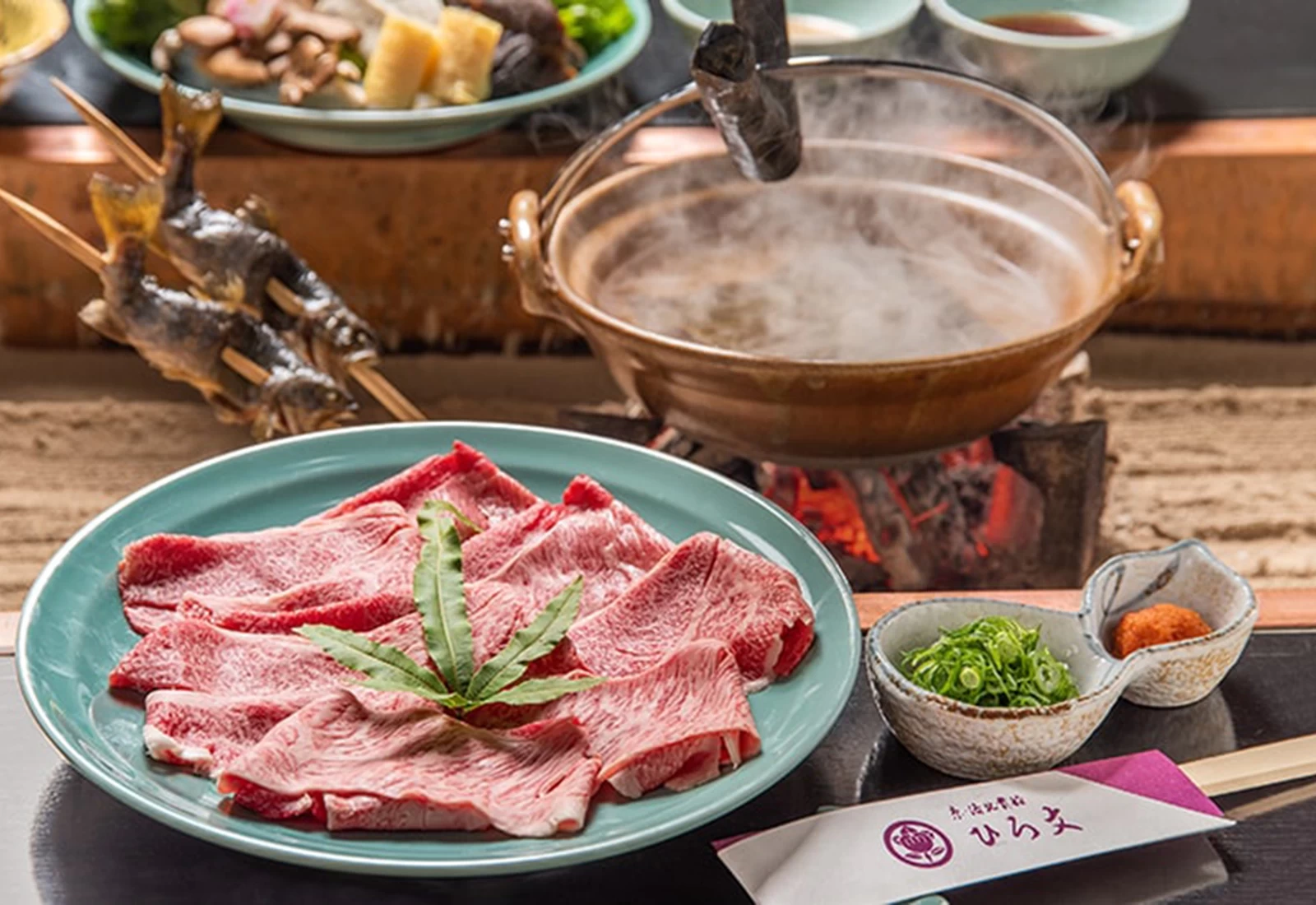
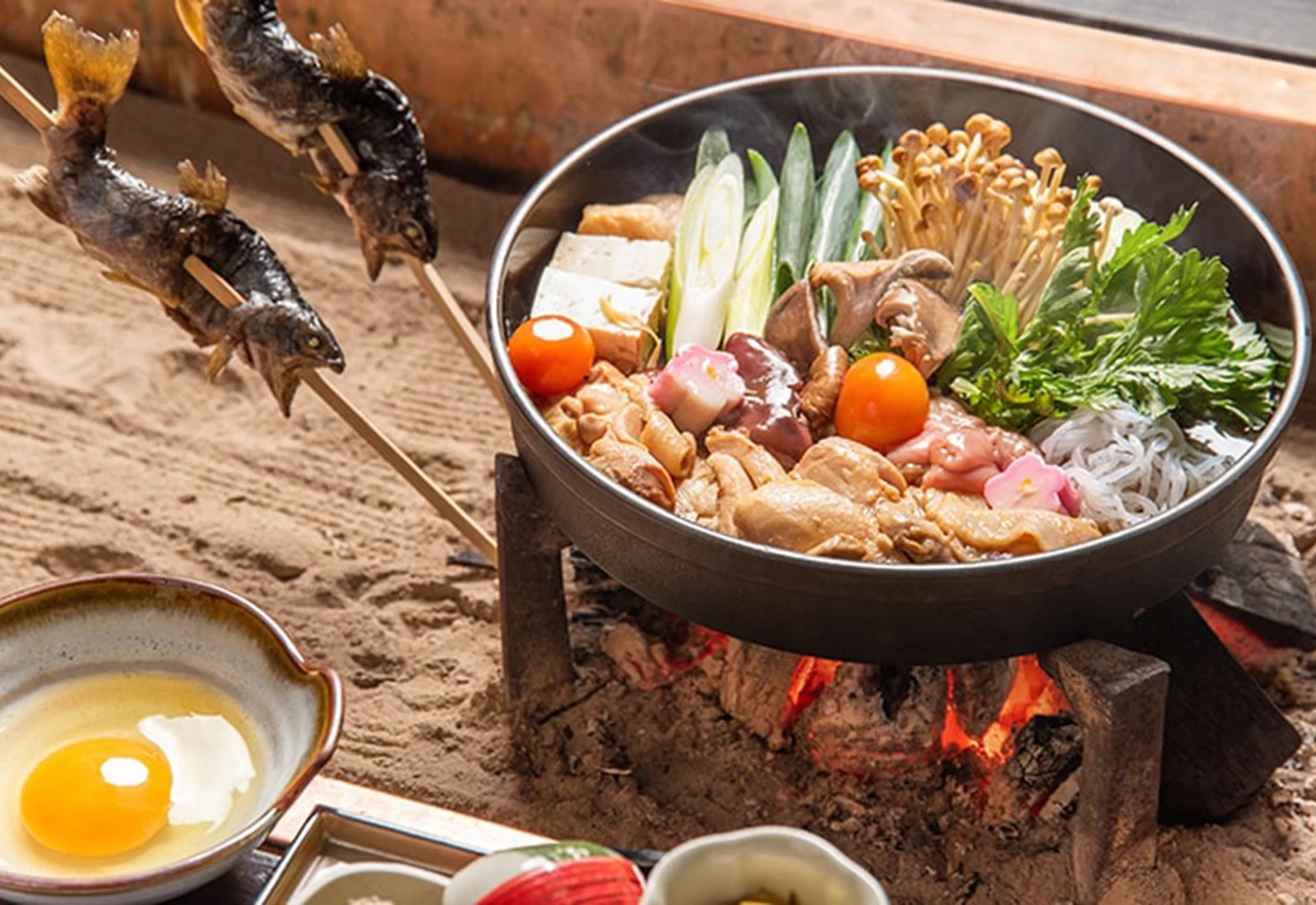
Head to Hirobun in Kibune, a short walk from Kifune Shrine. Here, you can enjoy nagashi-somen on temporary summer platforms set above the river, where somen noodles flow down a bamboo flume filled with cold water and are caught as they pass.
In summer, the restaurant also serves hamo dishes. In autumn and winter, it offers seasonal Kyoto cuisine and Botan nabe (wild boar hot pot) around the irori hearth in a traditional Kyoto townhouse.
Hirobun
- Address
- 87 Kurama Kibune Town, Sakyo Ward, Kyoto
- Access
- 7-minute drive from Kibuneguchi Station (Eizan Railway Kurama Line)
*Shuttle bus available with reservation
50-minute drive from Kyoto Minami IC on the Meishin Expressway - Official Website
- https://hirobun.co.jp/
- TEL
- +81-75-741-2147
Takao Kanko Hotel (Takao)
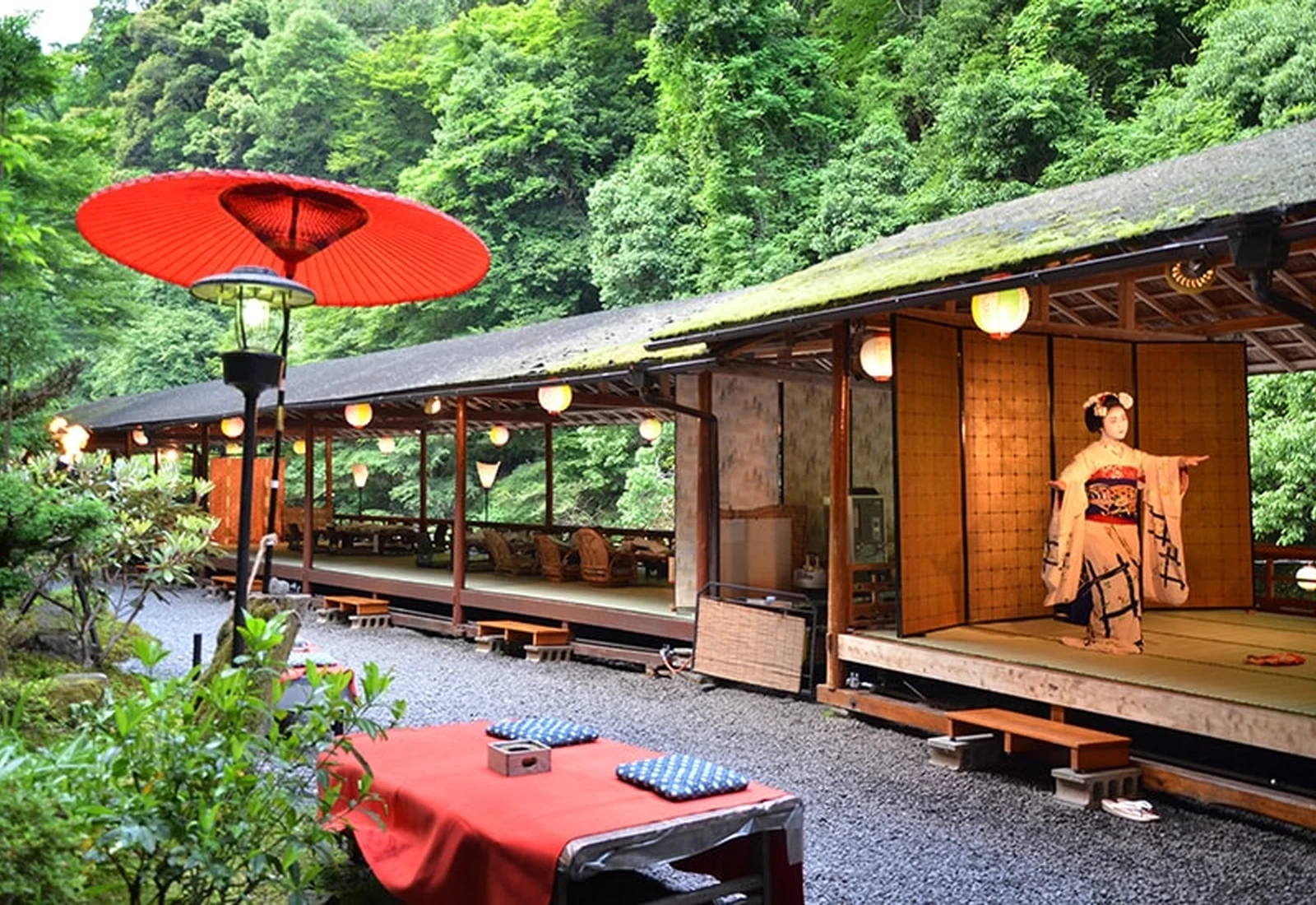
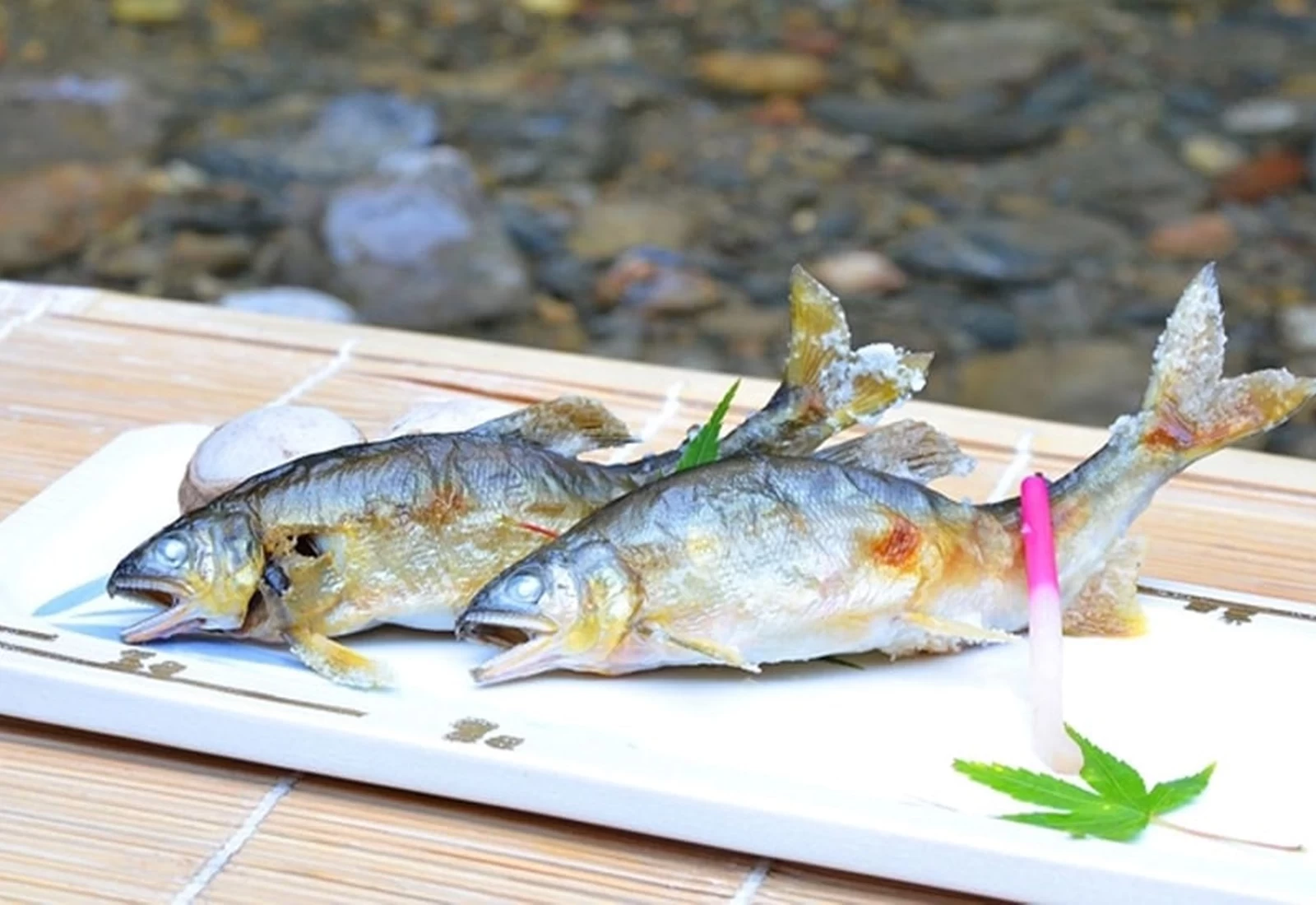
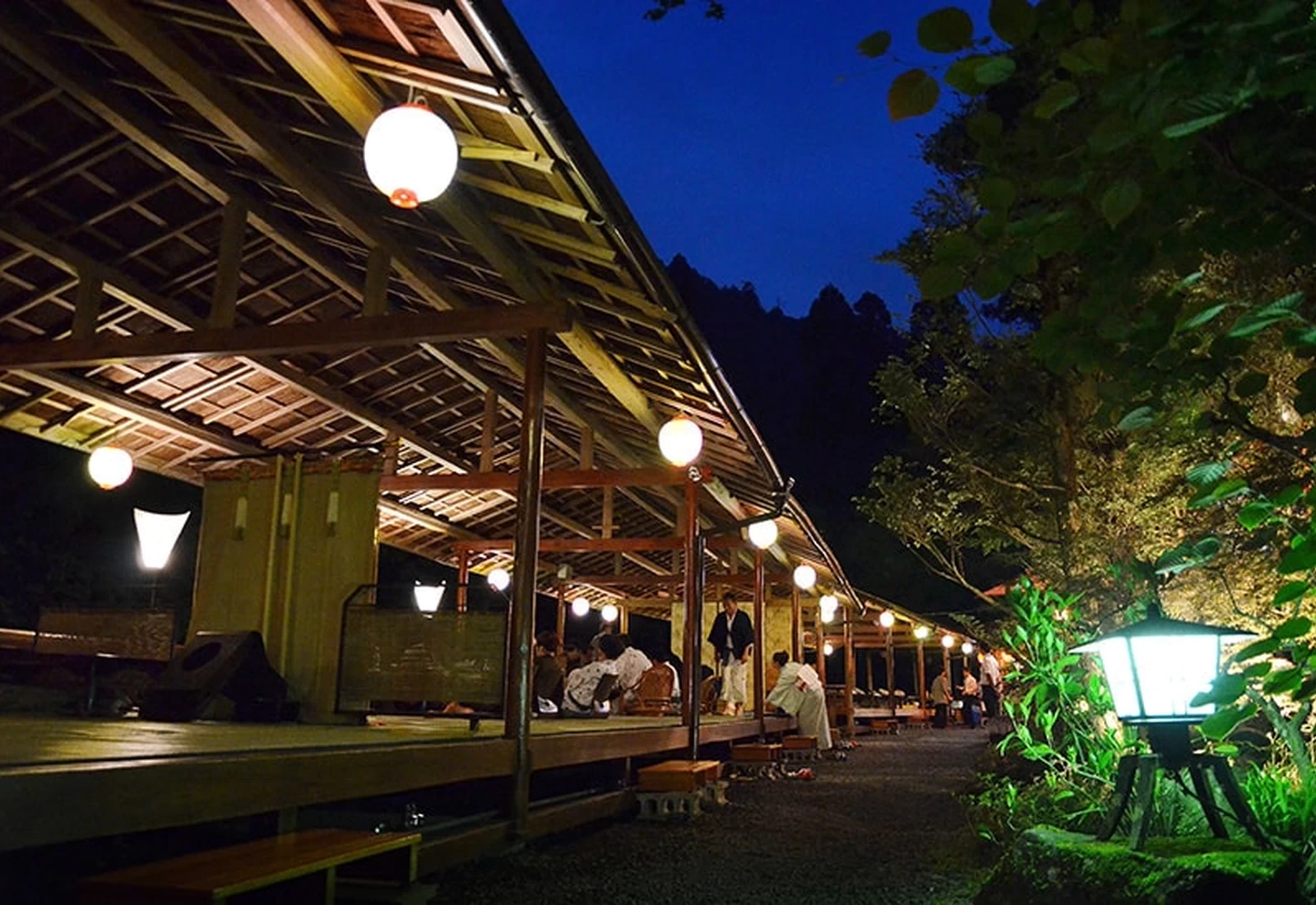
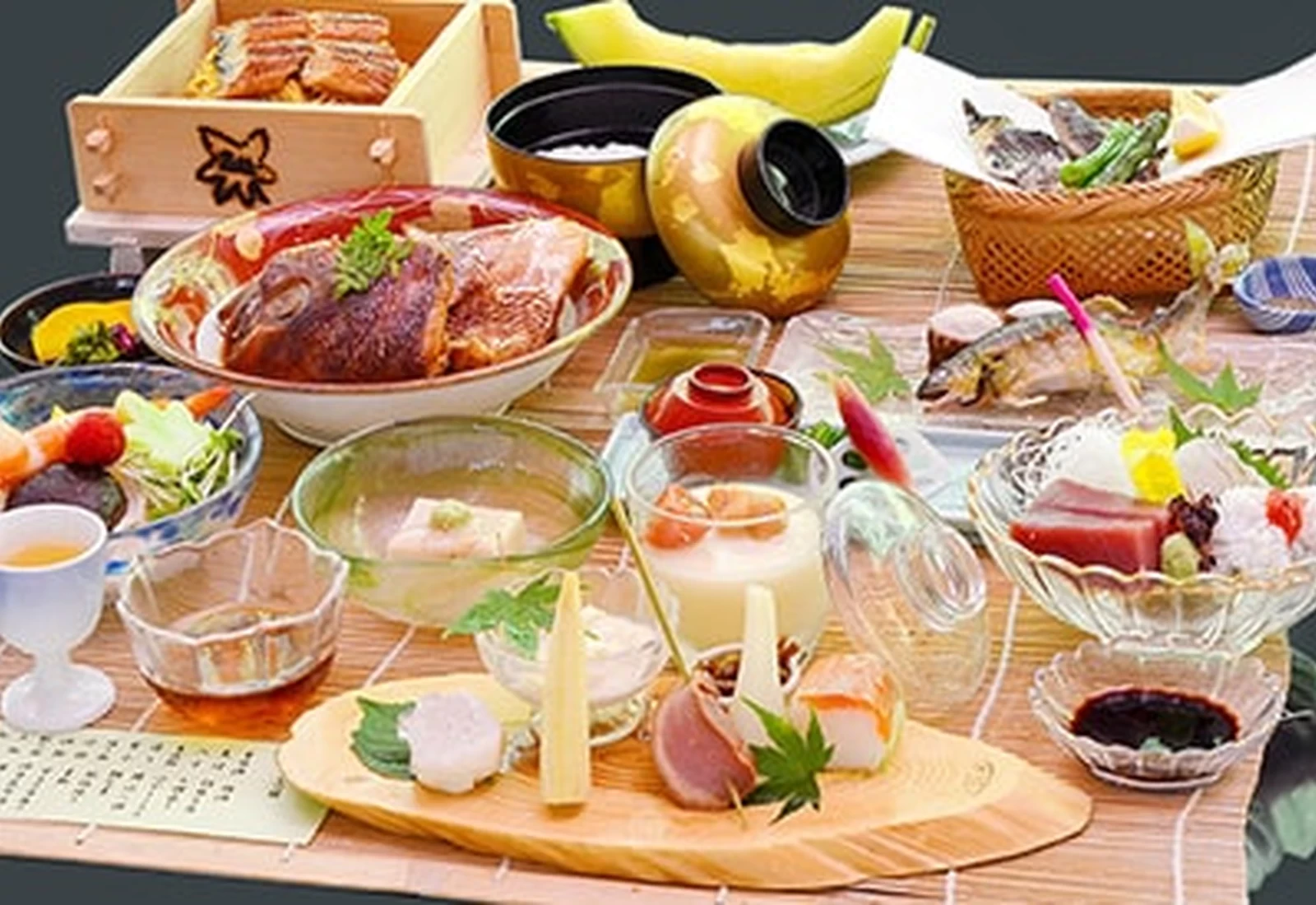
Plan a meal at Takao Kanko Hotel, a traditional inn and dining spot in Kyoto’s Takao area, where meals follow the seasons—served on kawadoko platforms above the clear Kiyotaki River in the warmer months and in calmer indoor rooms during the colder ones.
Spring brings Kyoto bamboo shoots and mountain vegetables, while summer is especially popular for hamo and salt-grilled ayu, enjoyed in air said to be about 5°C (9°F) cooler than central Kyoto. Autumn shifts to maple leaves, matsutake mushrooms, and chestnuts, and winter moves indoors for snow-viewing hot pot. From July onward, some Friday, Saturday, and holiday-eve plans also include a maiko dance performance, subject to confirmation.
Takao Kanko Hotel
- Address
- 5 Umegahata Takao Town, Ukyo Ward, Kyoto
- Access
- 40-minute drive from Kyoto Minami IC on the Meishin Expressway
8-minute walk from Takao bus stop (West Japan JR Bus Takao Keihoku Line / Kyoto City Bus Route 8) - TEL
- +81-75-871-2991
Kyoto on the Water
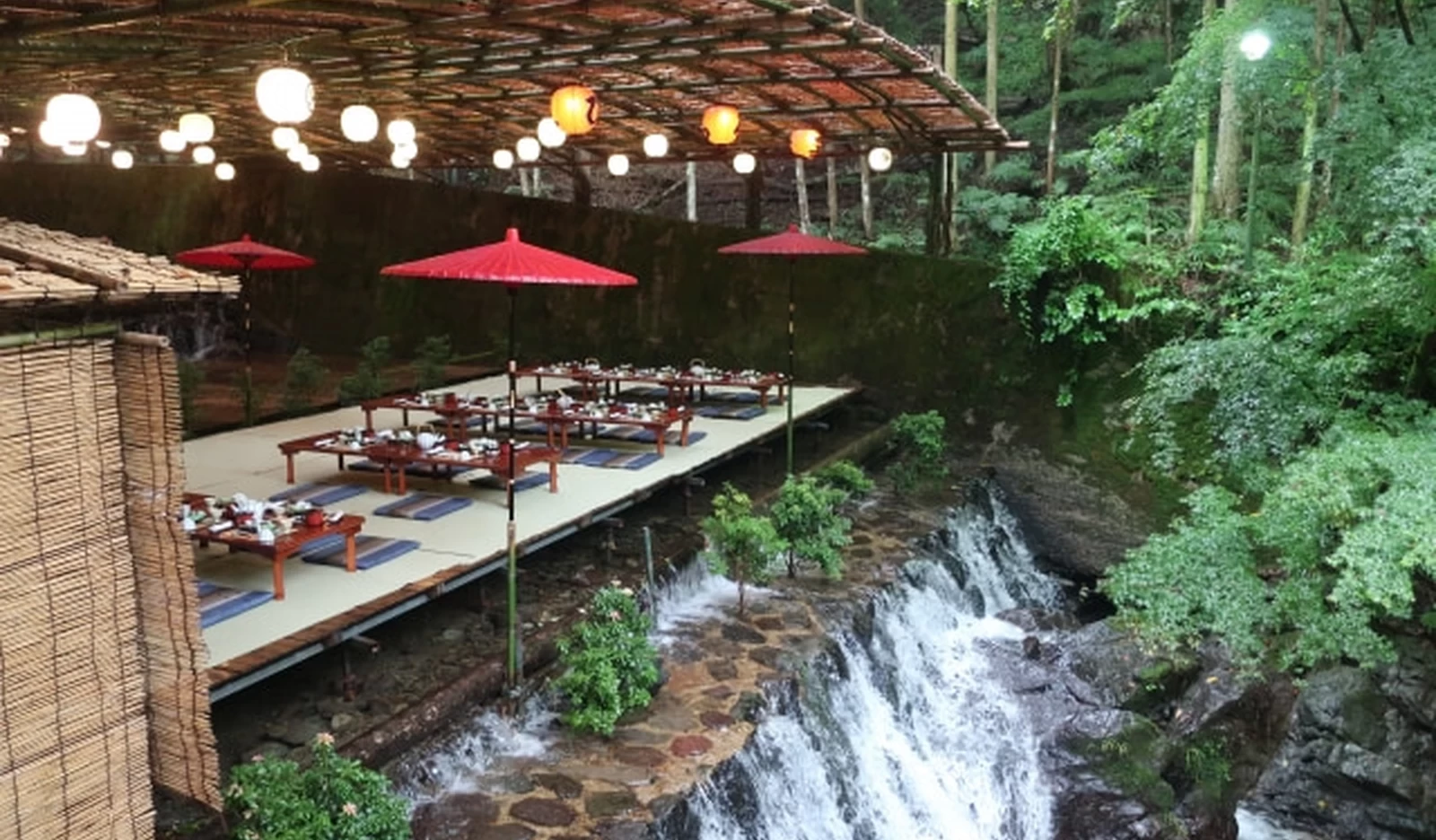
Add kawadoko to your Kyoto plans and reserve a spot for one of the city’s defining summer experiences—Kyoto flavors, open air, and the river at your feet.
*Details are current as of August 2025; check official restaurant websites for updates.