


Recommended articles in the same area
Introducing seasonal outing spots and event information in Mie! Visit the places that interest you!
金井神社
 Inabe City, Mie
金井神社
Wishes Come True at "Kanai-no-Miya"
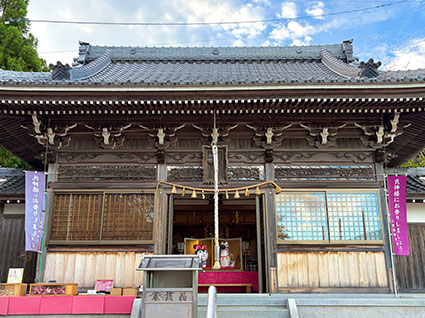
Kanai Shrine was founded in 1221 (Jokyu 3) by inviting and enshrining divided spirits from Kotai Jingu (the Inner Shrine of Ise Jingu) and Toyouke Daijingu (the Outer Shrine of Ise Jingu). Affectionately known as "Kanai-san," the shrine attracts attention for its flower-filled purification basins, goshuin stamps, and colorful pinwheels inscribed with wishes that spin on the grounds. Worshipers whose wishes had come true linked the name Kanai (金井) with the identical-sounding kanai (叶い), suggesting a wish coming true, and the shrine gradually became known as "Kanai no Miya." In recent years, many worshipers from across Japan have visited to pray for their wishes to come true.
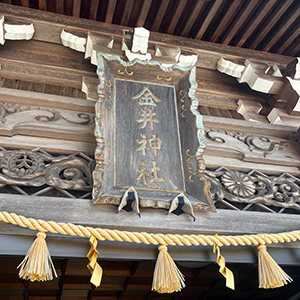




Assistant priest
Tanemura Mutsuyoshi
During the COVID-19 pandemic, he began improving the shrine grounds out of a desire to "brighten worshippers' spirits precisely because times were difficult." That work continues today as he strives to create grounds where anyone can visit easily and entr

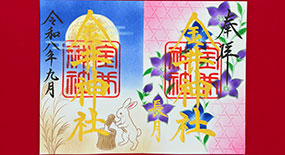
The goshuin are distinguished by their illustrated designs and are carefully handwritten rather than printed. The designs change each month, incorporating seasonal motifs such as flowers, animals, and annual events. Looking back at a goshuin can bring back memories of the day of worship, while each visit offers a chance to encounter a new seasonal design.

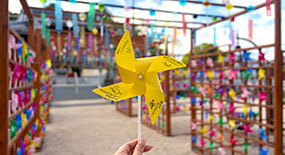
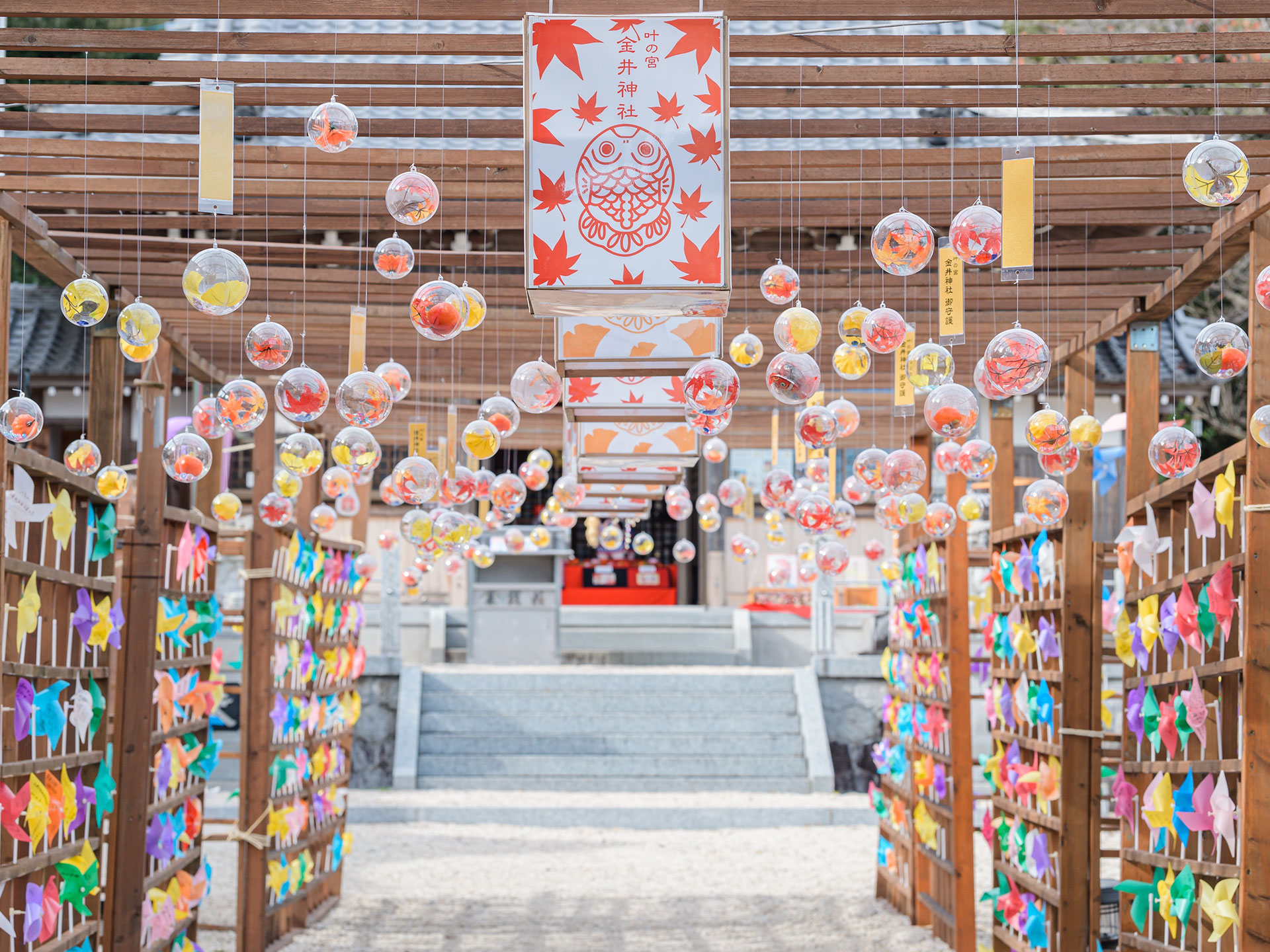
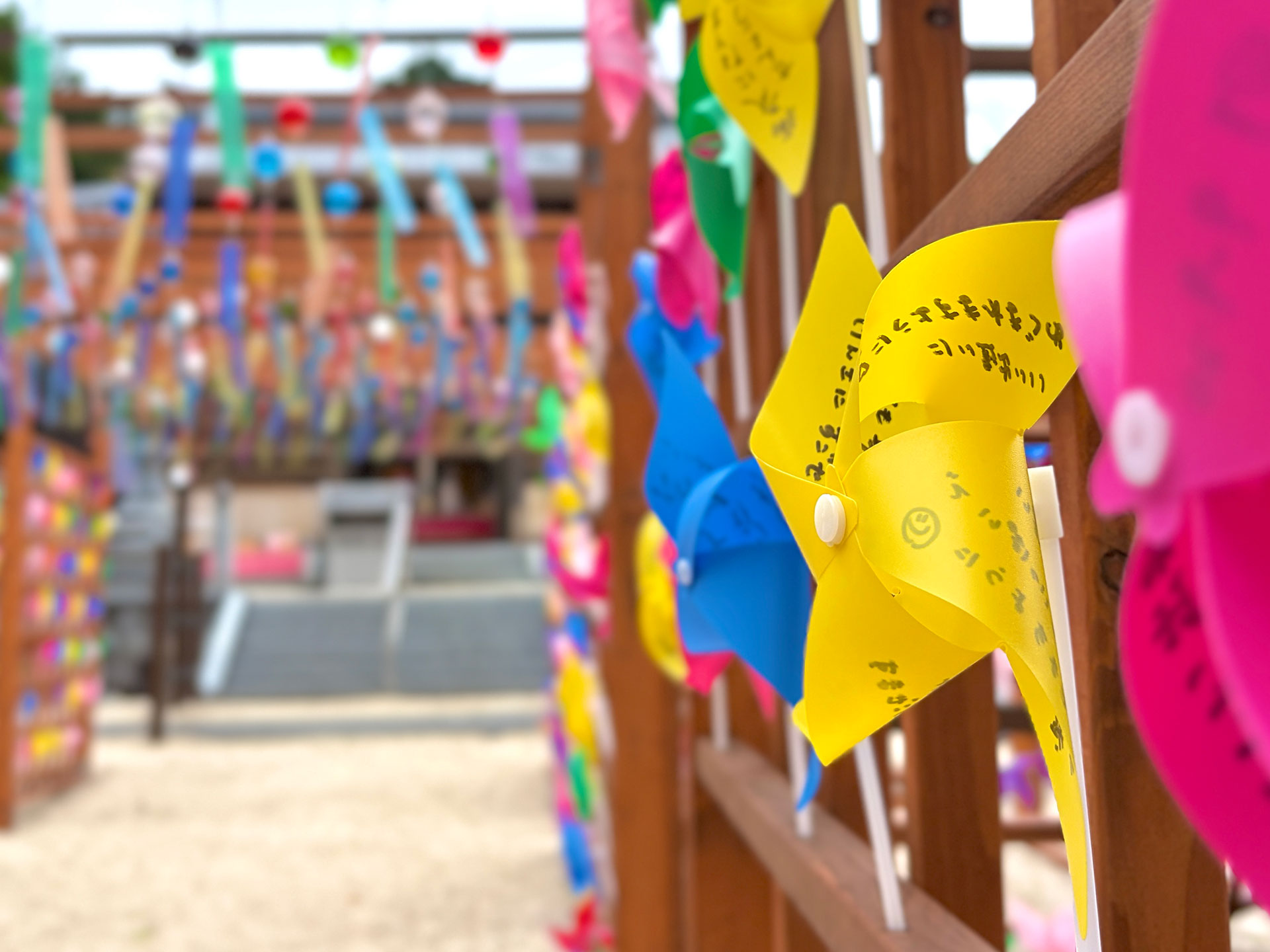
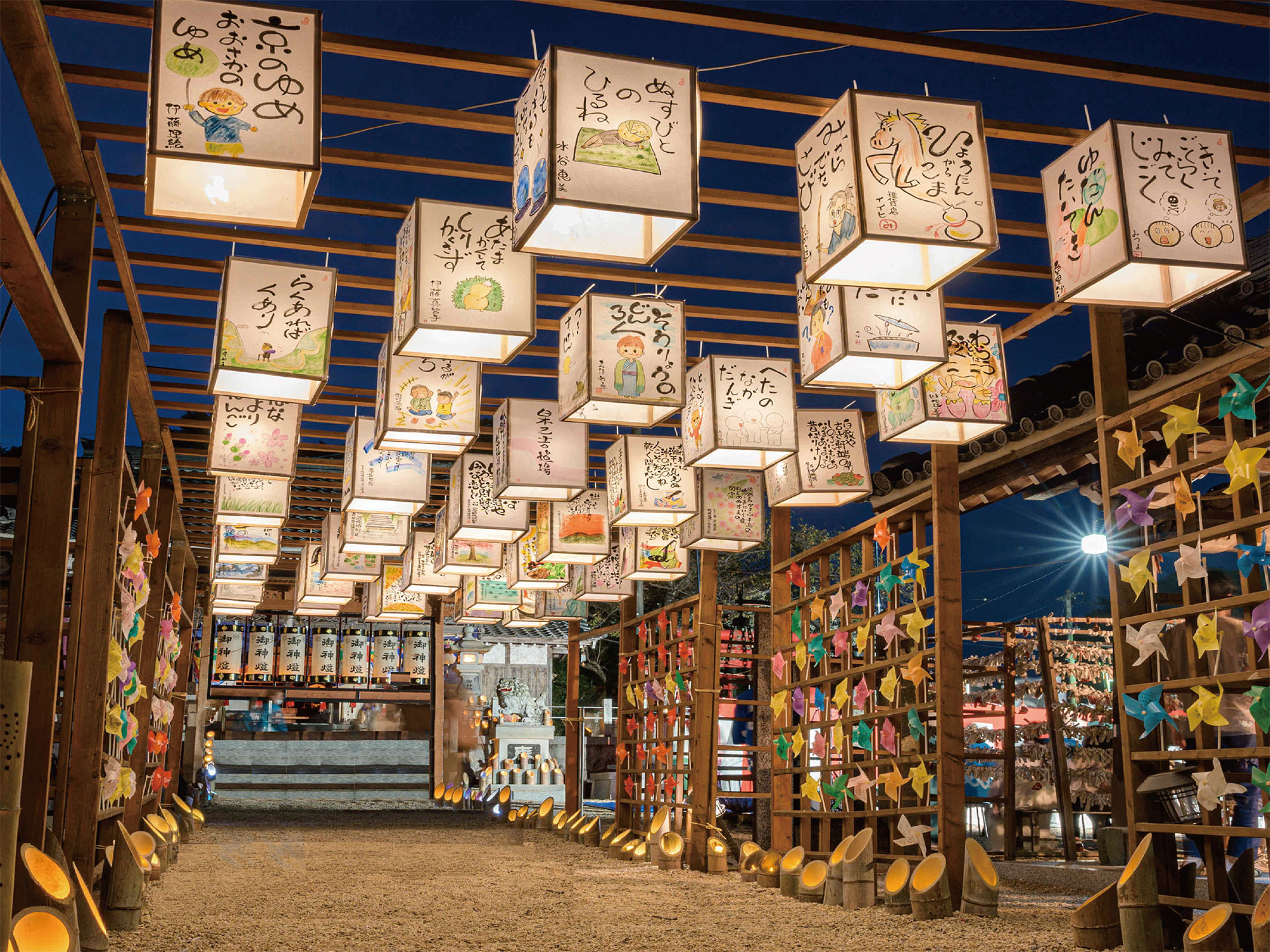
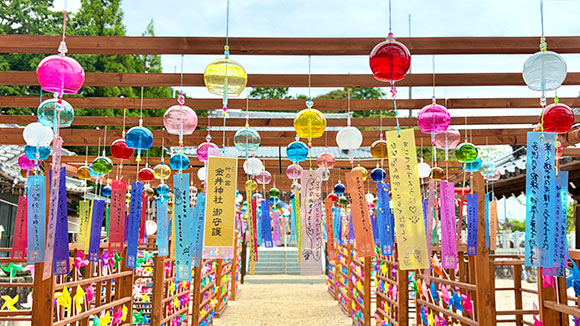
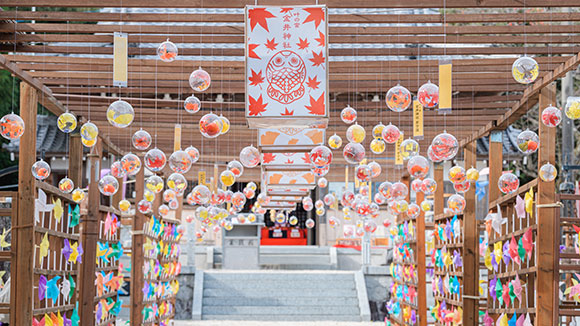
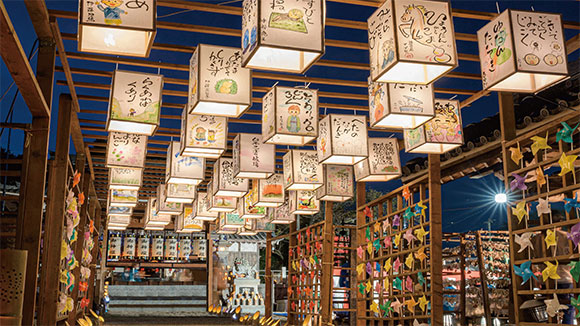
Pinwheels are dedicated throughout the shrine grounds, carrying the prayer, "May our wishes ride the wind and reach the deity". In summer, strips of paper bearing wishes and wind chimes decorate the grounds, swaying in the breeze and creating a seasonal scene accompanied by their clear tones.


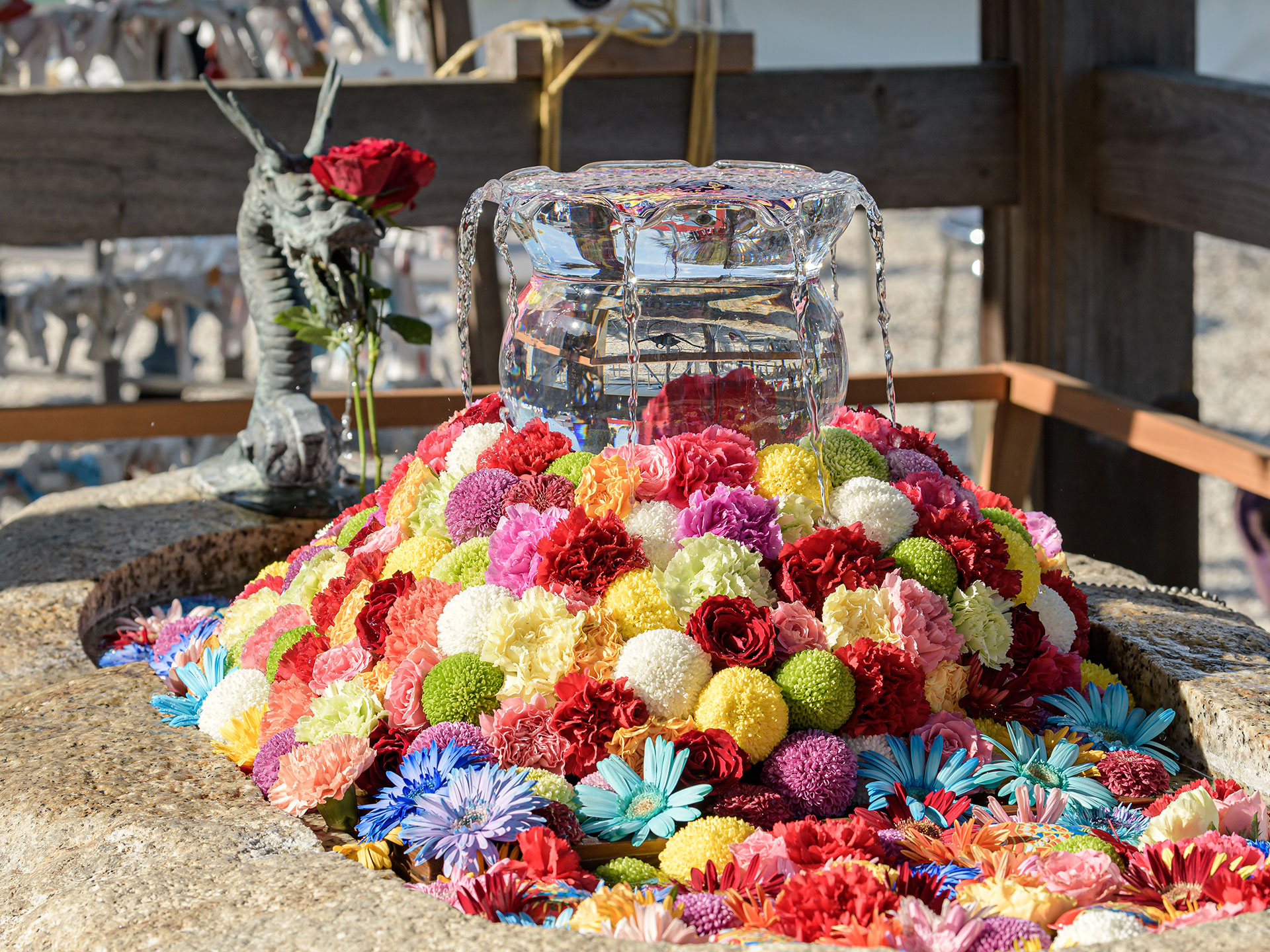
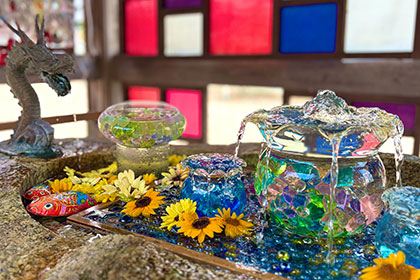
Colorful seasonal flowers fill the purification basin. This flower-filled basin, which brings a sense of calm to worshippers, is one of the highlights reflecting the changing seasons. Before worship, visitors can take in the flowers, compose and purify the mind, and approach the enshrined deity with a sense of calm.

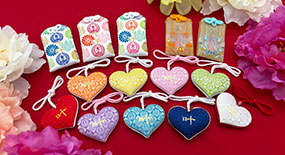
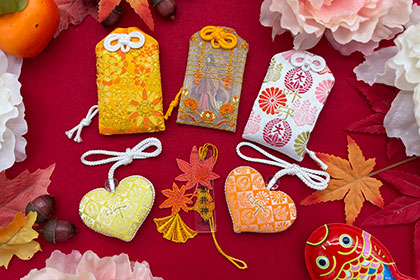
A wide variety of designs is available so that each person can find an amulet suited to their wish. Offerings include the heart-shaped "Kanai-mamori" and the "Hime-mamori", created with women's wishes in mind. Each shape and color carries its own meaning, and these devotional items can be treasured as a source of support in everyday life.

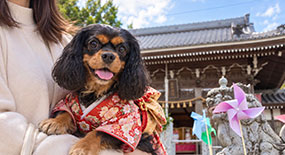
Visitors may worship before the enshrined deity together with a beloved pet, praying for the healthy growth, good health, and longevity of this cherished member of the family. Surrounded by the changing beauty of the seasons, the shrine grounds offer a peaceful setting to spend time together. Pets must be carried while on the shrine grounds.

 Shichi-go-san (Children’s Ceremony)
 Miyamairi (Newborn Blessing)
 Matchmaking
 Cutting Ties
 Financial Luck
 Business Prosperity
 Yakuyoke (Purification)
 Health & Well-being
 Safe Childbirth
 Exam Success
 Traffic Safety
 Fertility
 Performing Arts
 Love Fulfillment
 Bountiful Harvest
 Family Safety
 Academic Success
 Recovery from Illness

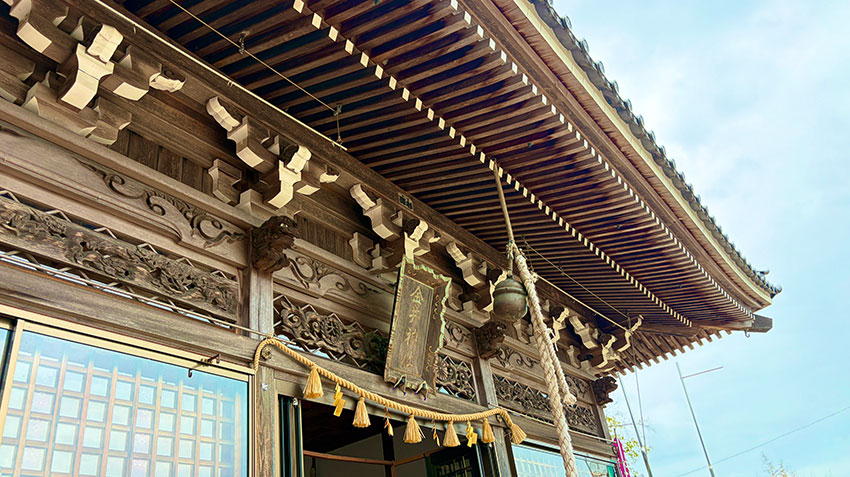
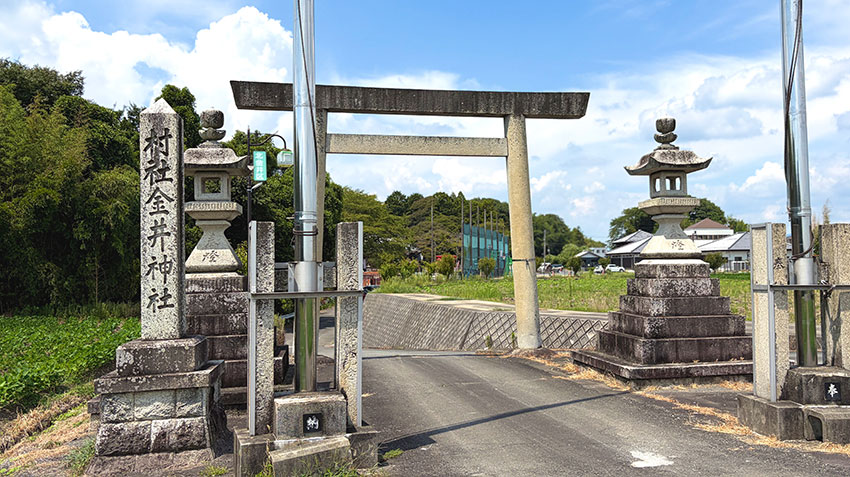
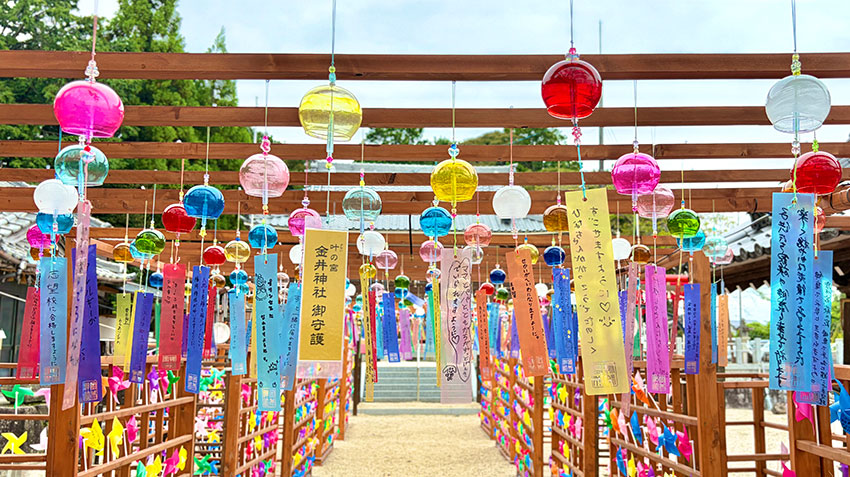
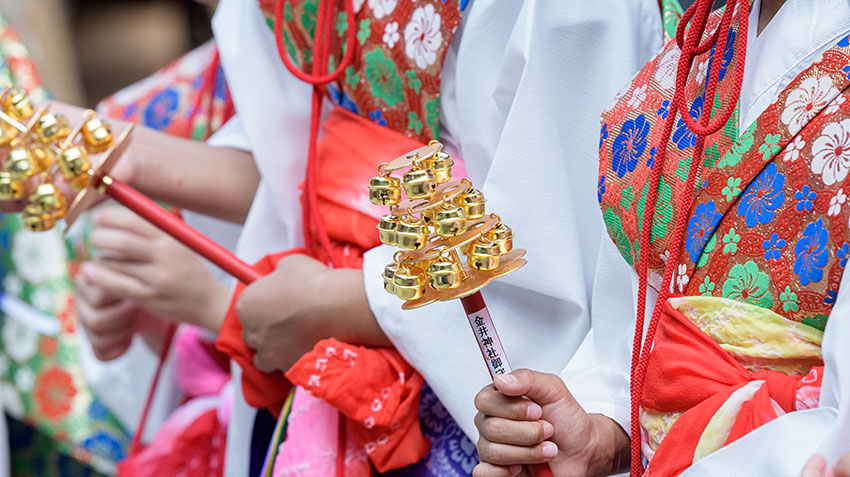
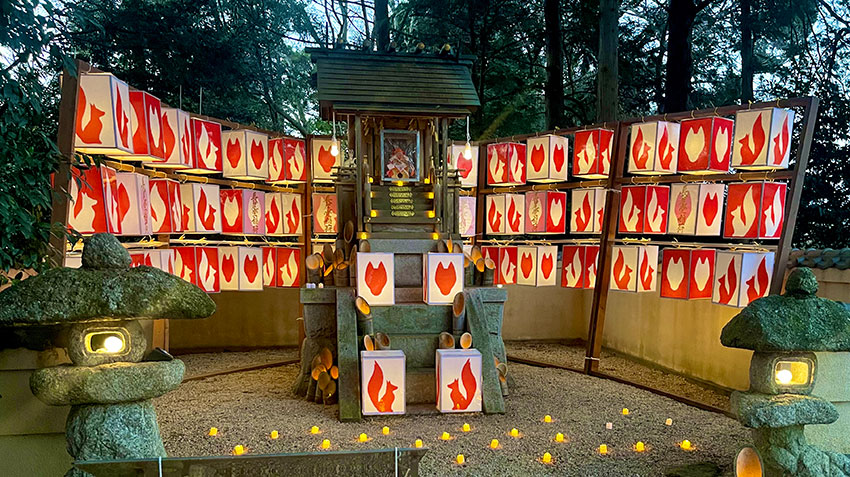
In 1221, amid the turmoil of the Jokyu War and a succession of floods and famines, the shrine was founded by inviting and enshrining a divided spirit from Ise Jingu to pray for abundant harvests and the safety of the local community. Although the shrine buildings burned down during the Sengoku period, local people rescued the "Jokyu 3 ridge plaque," and worship continued. In 1761, the shogunate formally recognized it as an ancient shrine and the buildings were reconstructed. The shrine was restored as the local ujigami, and proxy pilgrimages to Ise Jingu were resumed. During the Meiji period, the nearby "Kasuga Shrine" and "Kanaiwa Shrine" were merged into it. Affectionately known as "Kanai-san," the shrine gradually became known as "Kanai no Miya." Worshippers linked the name Kanai (金井) with the identical-sounding kanai (叶い), suggesting a wish coming true, and the shrine became widely known as a place where wishes are fulfilled.
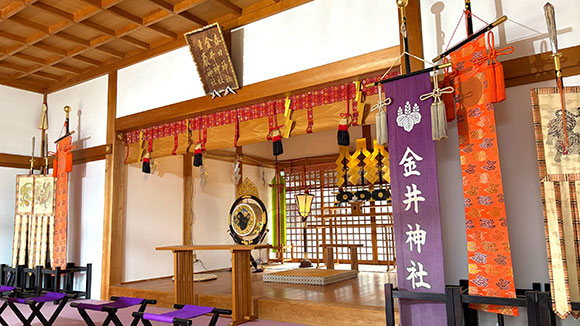
The shrine enshrines many deities, including Amaterasu Omikami, the sun deity, as the principal enshrined deity; Toyoukehime-no-Okami, associated with food, clothing, and shelter; Oyamatsumi-no-Kami, who presides over the mountain deities; Okuninushi-no-Mikoto, associated with matchmaking; and Takemikazuchi-no-Kami, associated with victory. Together, they are associated with blessings for a wide range of wishes and prayers.
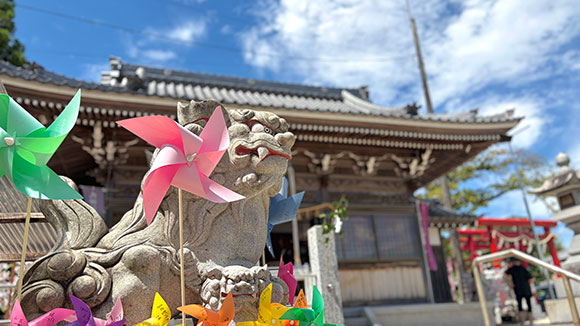
During invasions by Oda Nobunaga in the Eiroku era (1558–1570), the shrine buildings and many other structures in the village were destroyed by fire. Amid the warfare, however, the local people succeeded in protecting the "Munafuda Dated Jokyu 3", a wooden building plaque recording the year in which the shrine's worship was established. Although the shrine buildings were lost, devotion to the shrine continued, eventually leading to its reconstruction during the Edo period. Sustained by the deep faith and bonds of the local community, the shrine continues to preserve this history while welcoming worshippers today.
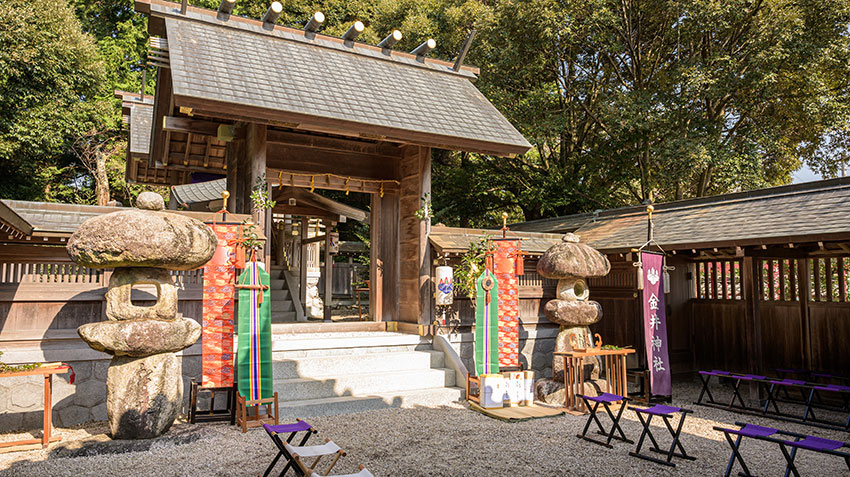
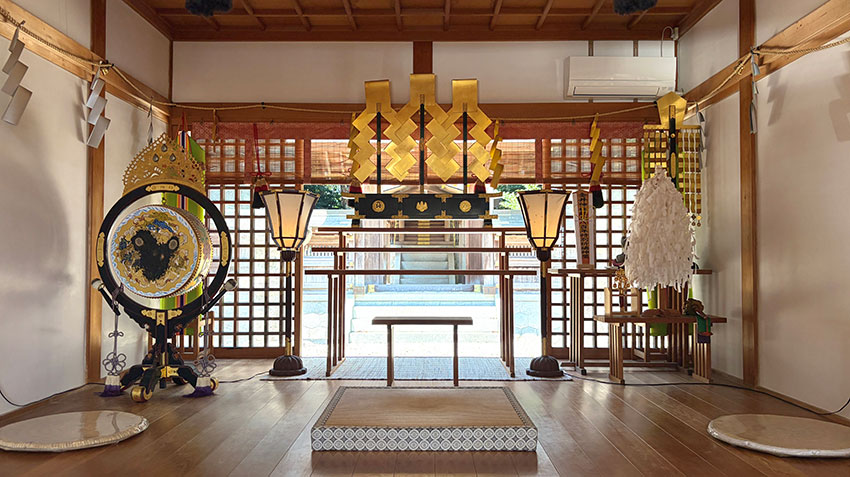
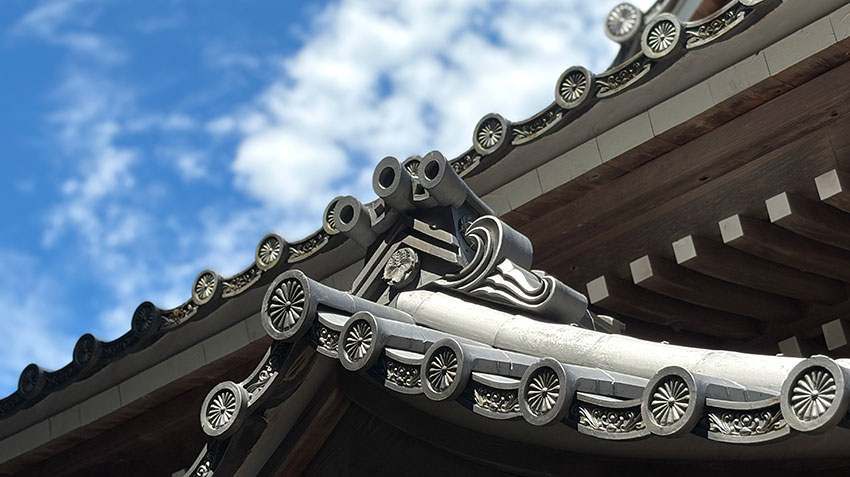
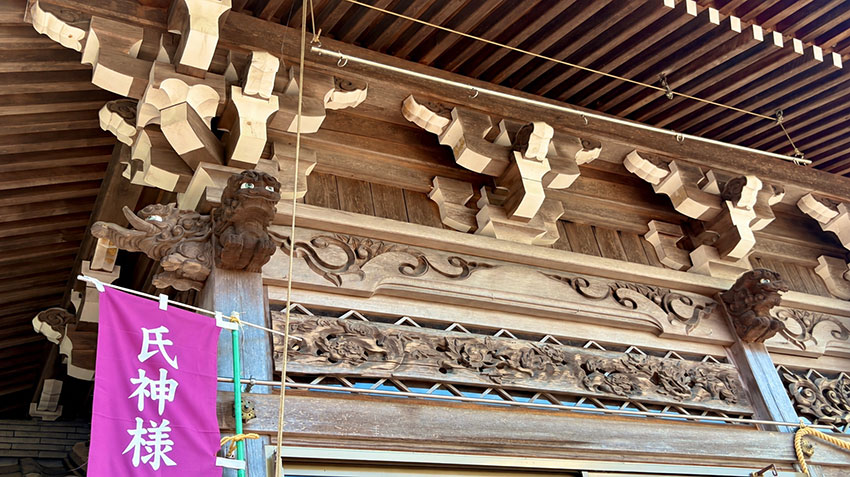
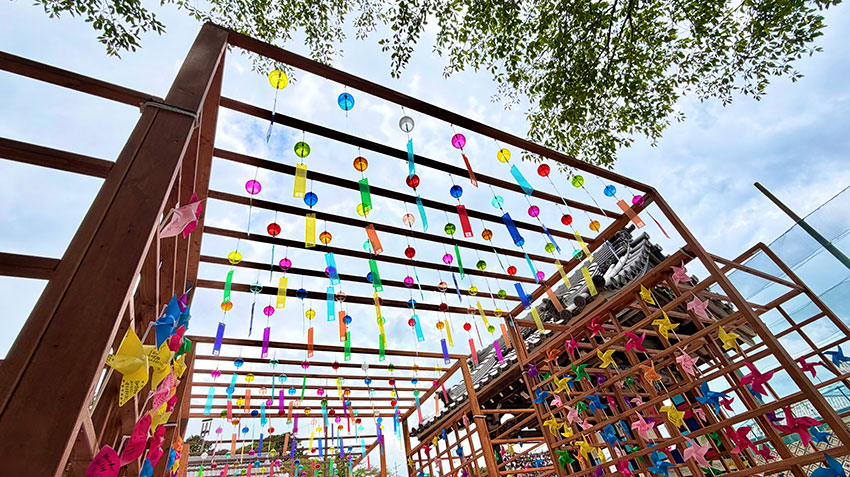
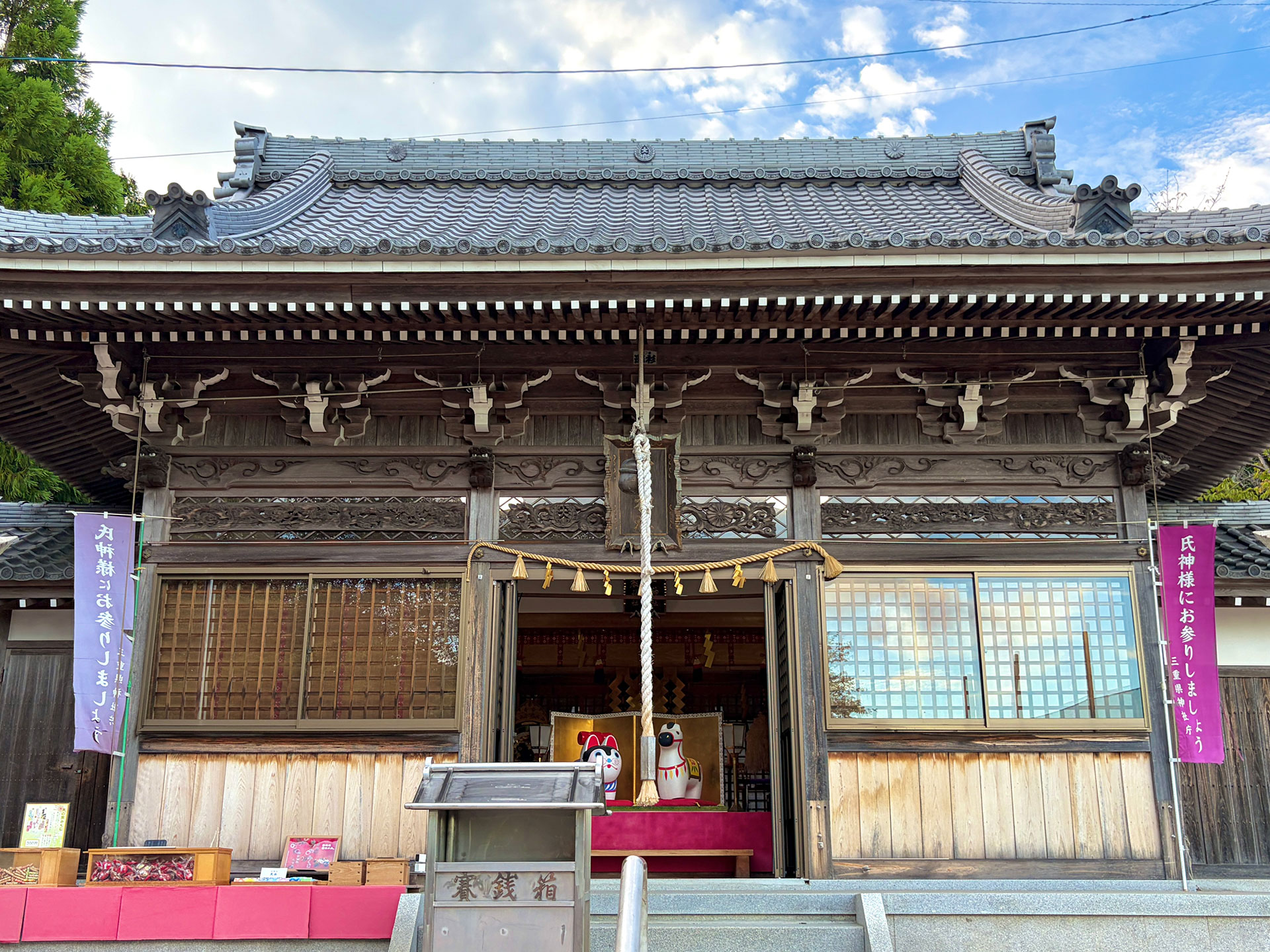
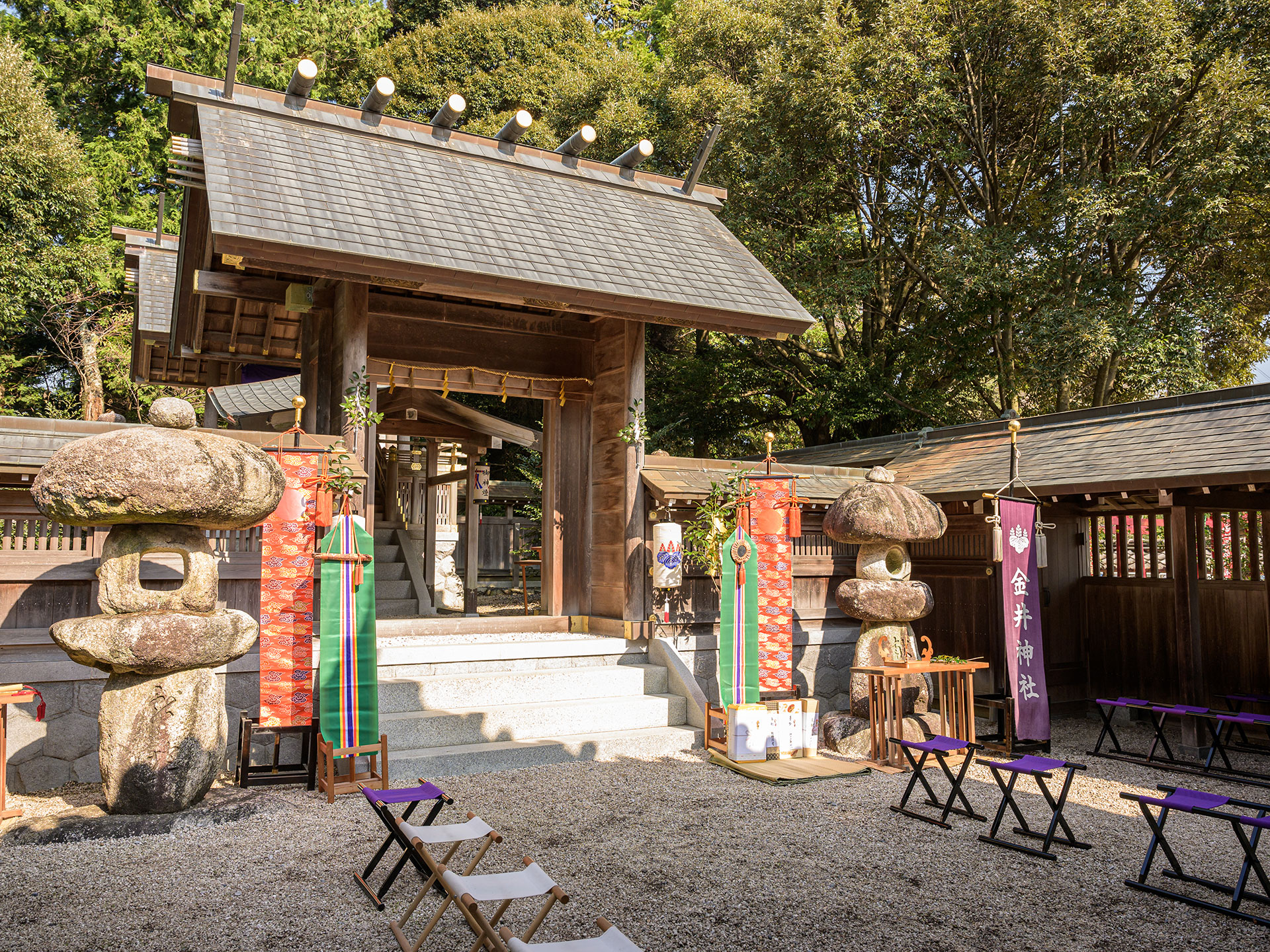
The shrine buildings were reconstructed in the solemn Shinmei-zukuri style also used at Ise Jingu, and carvings of lions, baku, and other figures can be seen on the kibana, the decorative ends of the wooden beams. During the Meiji period, when the consolidation of multiple shrines was promoted, "Kanai Shrine" incorporated the nearby "Kasugasha Shrine", which had served as the guardian shrine of the Shingon Buddhist temple Eigenji, and "Kanaiwasha Shrine", which had been revered as a place of prayer by the local land steward. The three shrines were thus enshrined together as one, and three shrine crests appear throughout the grounds: the Sixteen-Petal Chrysanthemum, Five-and-Seven Paulownia, and Nasu Fuji crests. These preserve the histories carried forward by each of the three shrines. The grounds also feature flower-filled purification basins decorated with seasonal blossoms, brightly colored pinwheels, and other seasonal displays. The atmosphere of the historic shrine buildings and the vivid colors of the grounds blend harmoniously, allowing the changing seasons to be felt with each visit.
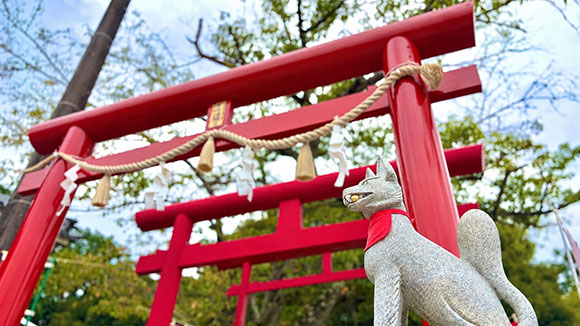
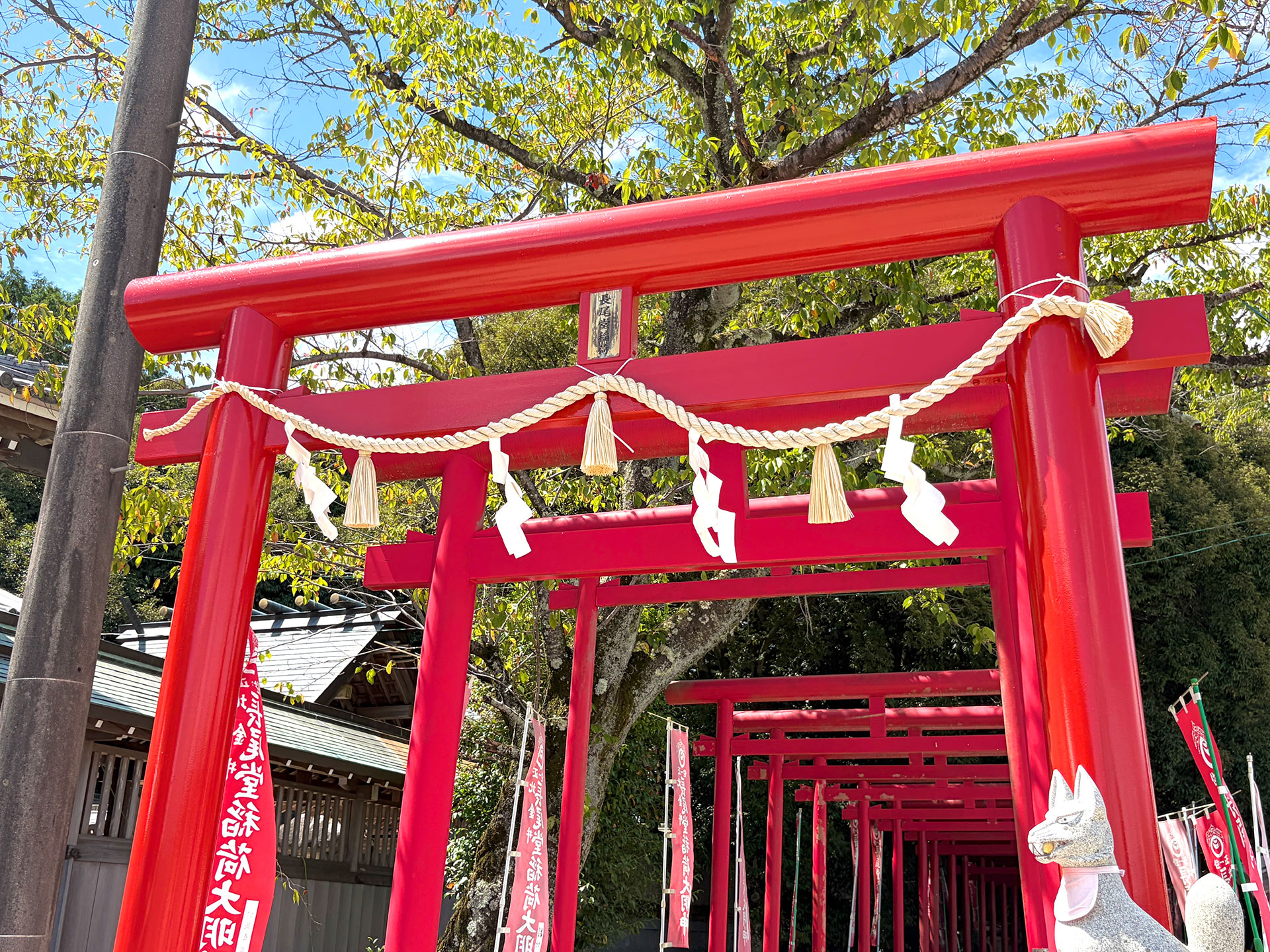
Nagao-do Inari, an auxiliary shrine within the grounds, enshrines Ukanomitama-no-Kami, a kami associated with agriculture and commerce. According to tradition, the shrine was granted Shoichii, the highest rank in the system of divine ranks, by Fushimi Inari Taisha, and has long been affectionately known as "O-Inari-san". It has attracted deep devotion for blessings associated with abundant harvests, prosperity in business, family safety, and other wishes, and many prayers continue to be offered there today.
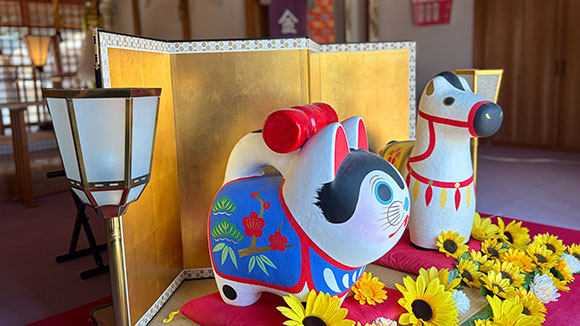
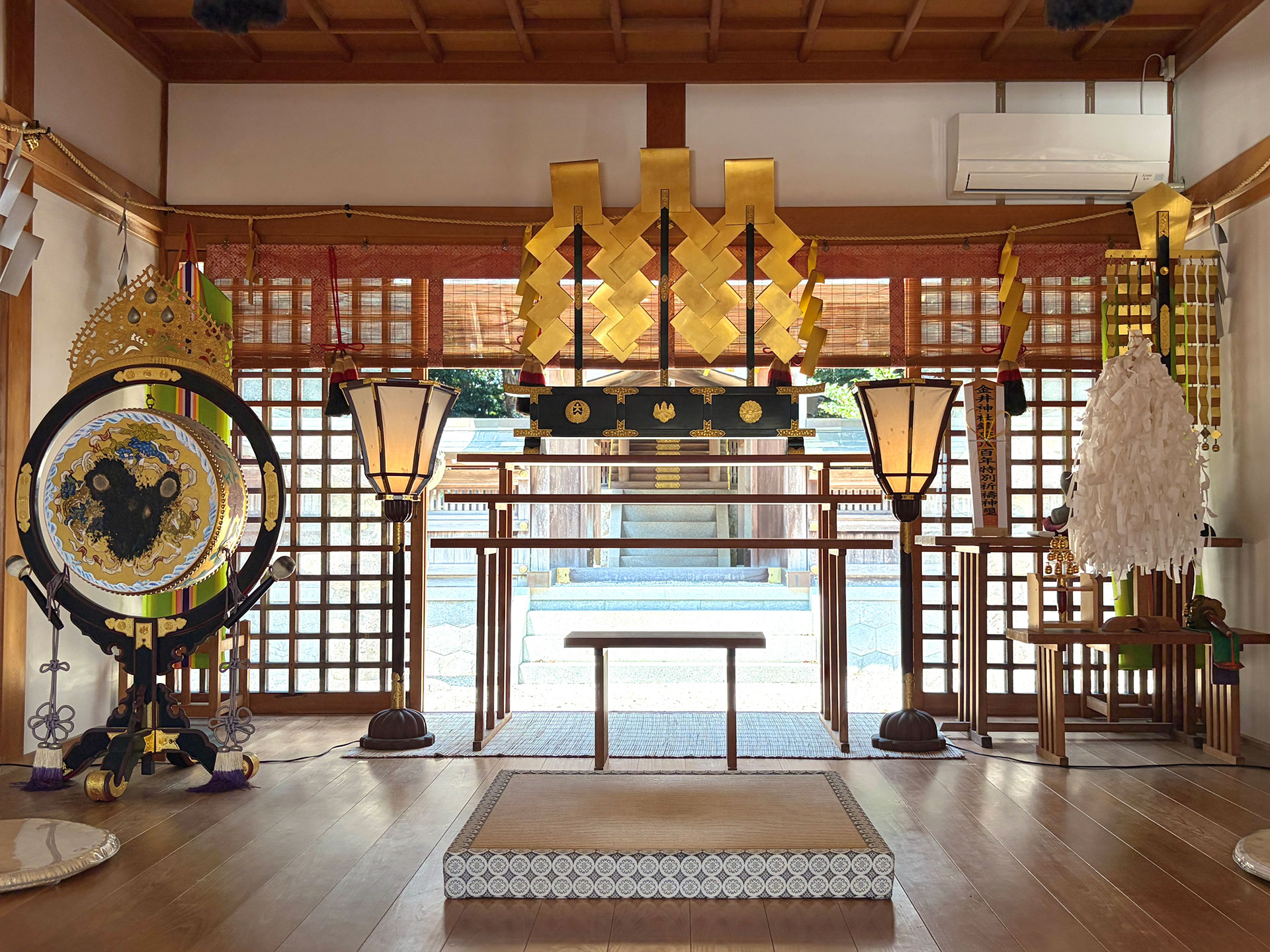
"Kanai Shrine" places importance on the colors of the four seasons, reflected in its flower-filled purification basins, goshuin, amulets, and other features. Inside the shrine buildings, decorations inspired by the zodiac animal of the year and the current season create a different atmosphere with each visit. Seasonal designs throughout the year adorn the area before the kami, adding a sense of the changing seasons to moments of worship. While preserving the solemn character of a place of prayer, the shrine also offers a distinctive setting in which the beauty of the seasons can be felt close at hand.
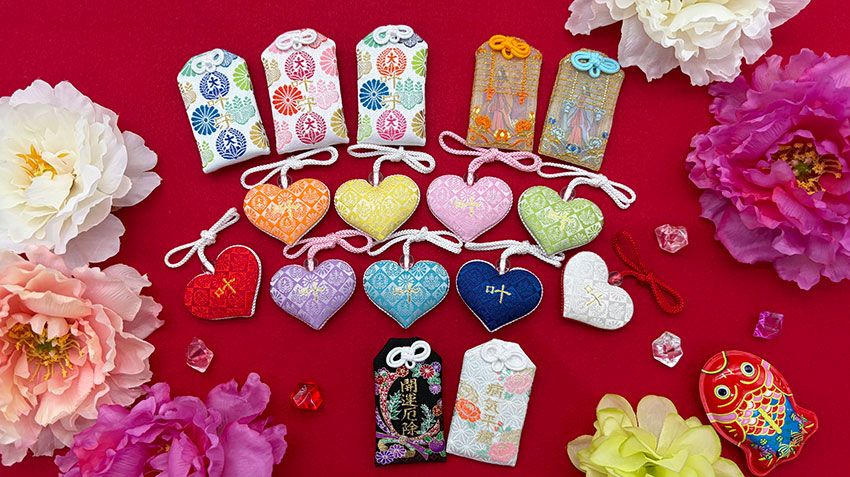
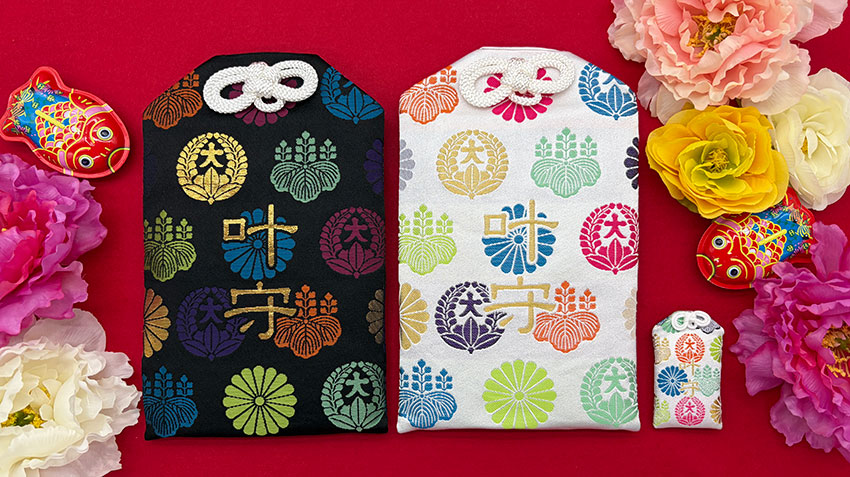
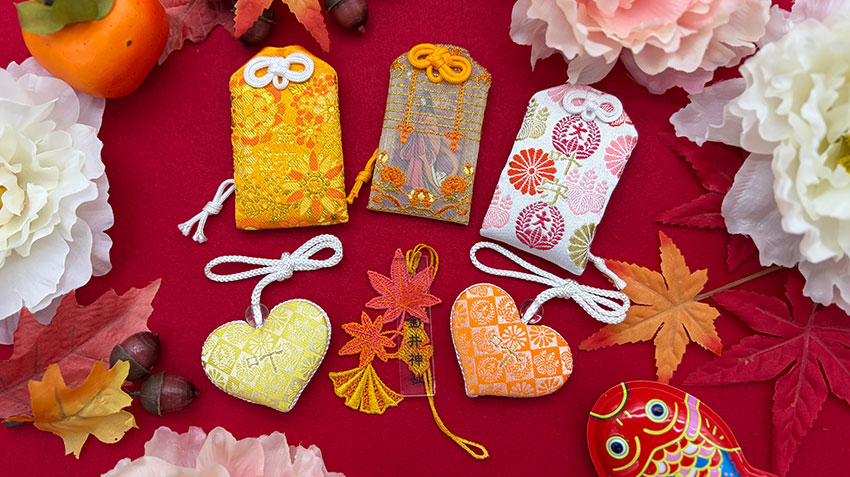
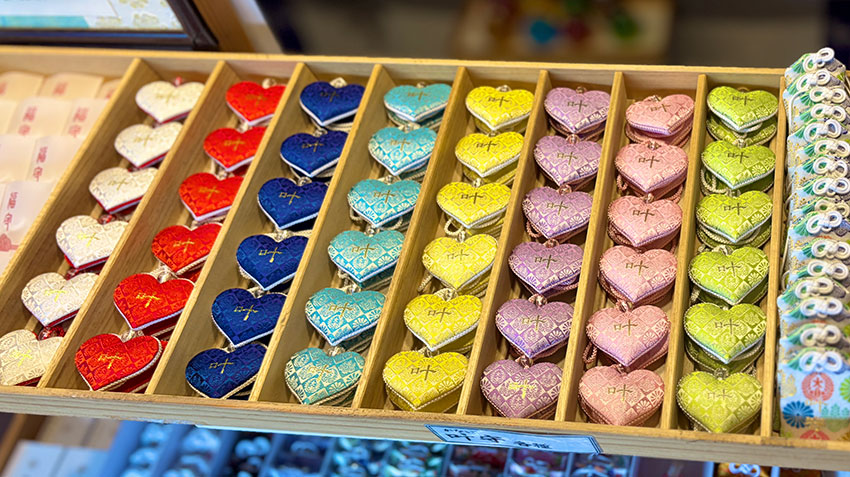
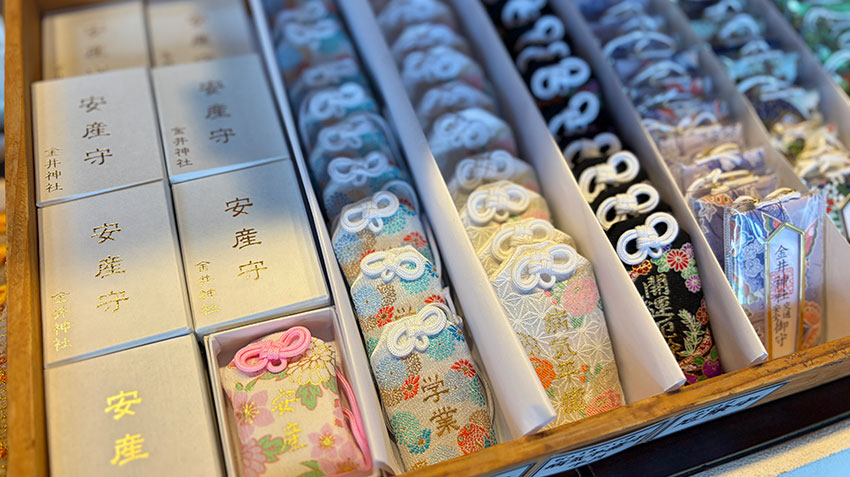
One of the distinctive amulets offered at "Kanai Shrine", known as "Kanai no Miya", is the "Kanai-mamori". Three types are available: a hexagonal "Kanai-mamori", the "Daifuku Kanai-mamori" measuring more than 20 centimeters, and a "Kanai-mamori" featuring a heart-shaped motif. The heart design is especially popular among worshippers. Each amulet bears the crests of the three shrines that were consolidated here and is carefully crafted one by one. Designed to attach easily to bags or pouches, the amulets also come in a variety of colors. Other amulets are offered for different wishes, including the "Recovery from Illness Amulet", "Good Fortune and Protection from Misfortune Amulet", "Safe Childbirth Amulet", "Academic Success Amulet", and "Traffic Safety Amulet". These amulets are intended to be worn or carried with care each day while seeking the protection of the deity.
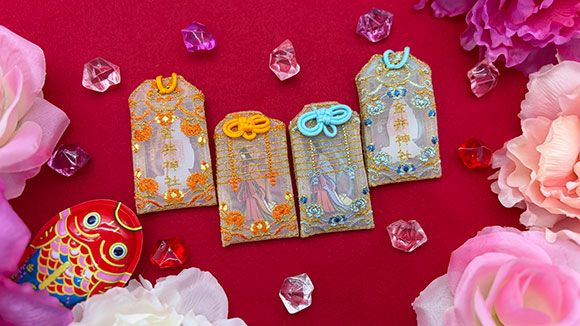
Delicate lace is embroidered with gold thread in a distinctive design depicting a princess behind a misu screen. When it catches the light, the embroidery glows softly, gently revealing the figure of the princess. Inspired by the enshrinement of Amaterasu Omikami, the principal enshrined deity, and Himegami, both female deities, the design carries a wish for people to remain healthy in body and mind and live each day with beauty from within under the protection of these deities.
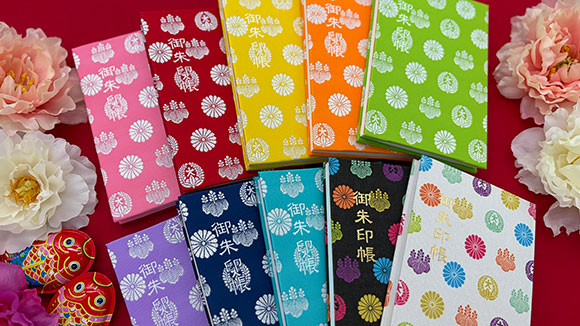
Like the "Kanai-mamori", this original goshuincho features the crests of each of the three shrines brought together through joint enshrinement. Available in 10 colors, careful attention has been given to the colors and design so that it can feel familiar in everyday life and be treasured for years to come. Along with goshuin received as records of worship, the book gathers the prayers and scenes of the shrine grounds from each visit, bringing those memories back whenever it is opened and serving as a lasting companion for years to come.
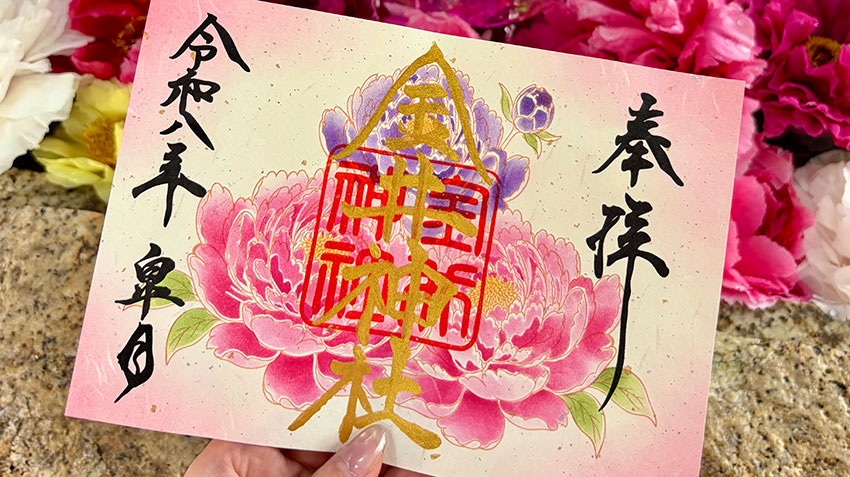
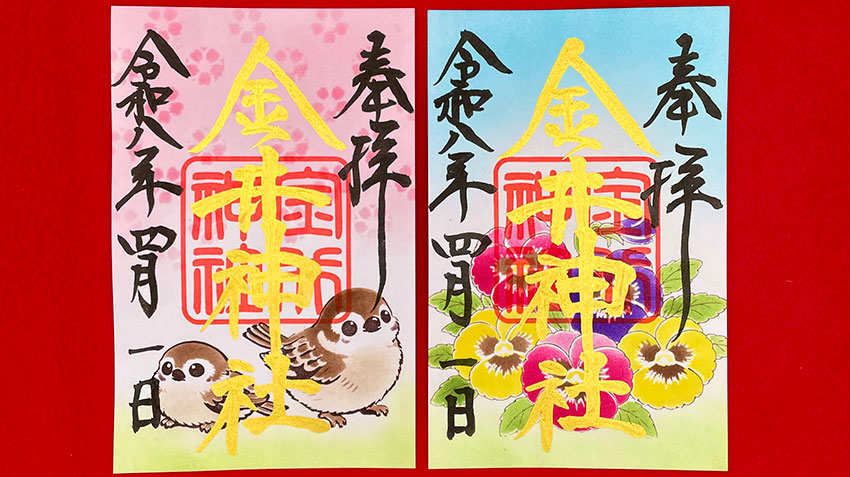
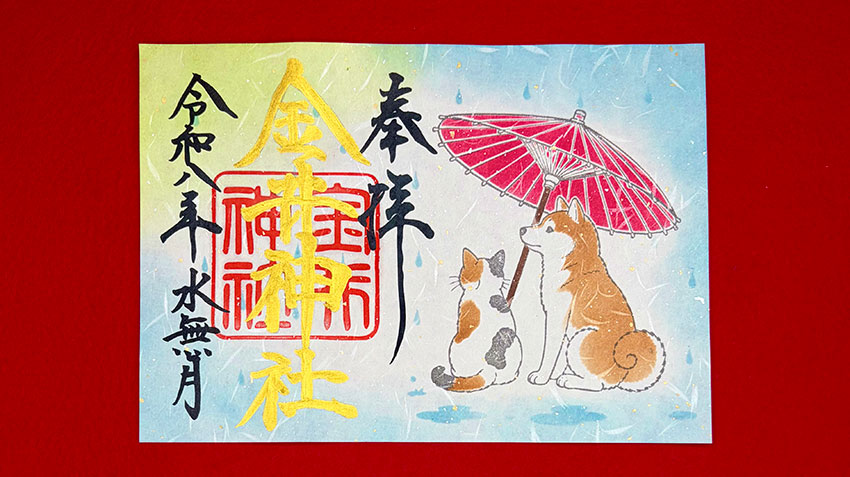
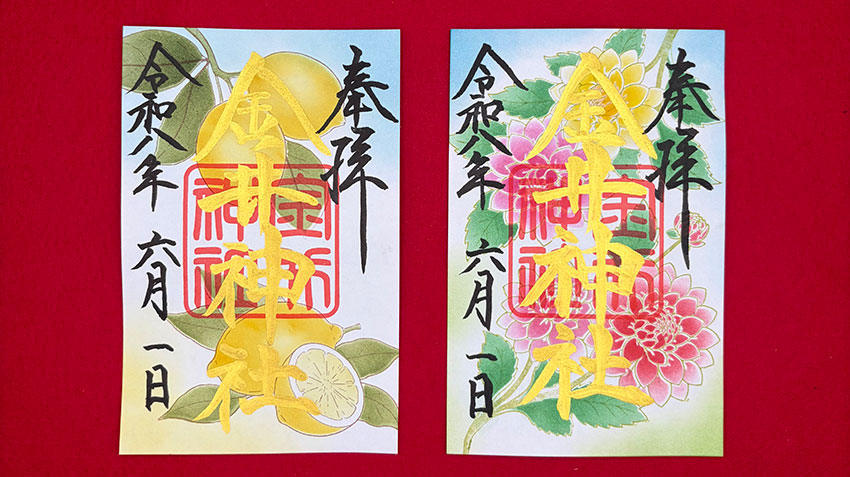
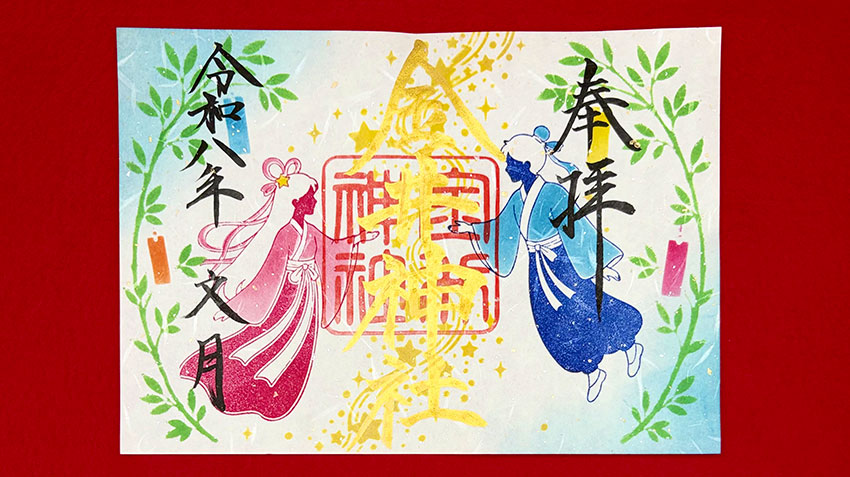
"Kanai Shrine" offers four goshuin designs each month, including "Monthly Goshuin" and "Special Goshuin." Rather than relying on printed designs, each motif is carefully drawn by hand, preserving the distinctive character and warmth of handwritten work. The designs are created from the ground up by the Shinto priest and incorporate seasonal subjects such as flowers, animals, and monthly events. Even for the same month, different colorful designs are created each year. Both goshuin inscribed directly into a goshuincho and pre-written sheets are completed individually by hand with care. Looking back at the goshuin can recall memories of the day of worship and the seasonal scenery of the shrine grounds. Receiving a new seasonal design with each visit is also part of the appeal of worship at the shrine.
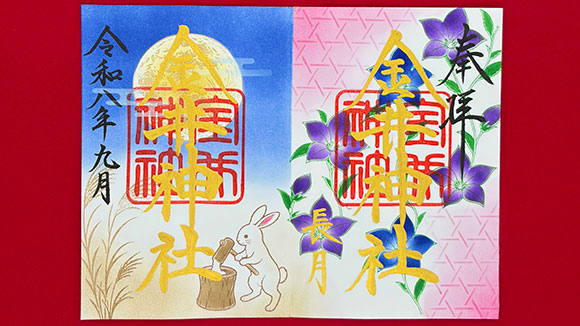
Two "Monthly Goshuin" designs are offered each month and can be inscribed directly into a goshuincho. Each one is carefully handwritten with attention to every book, so there may be a wait on some days; allowing extra time is recommended. Pre-written sheets are also available. A new "Kanai Shrine" goshuincho can also be obtained at the shrine office and used for a direct inscription.
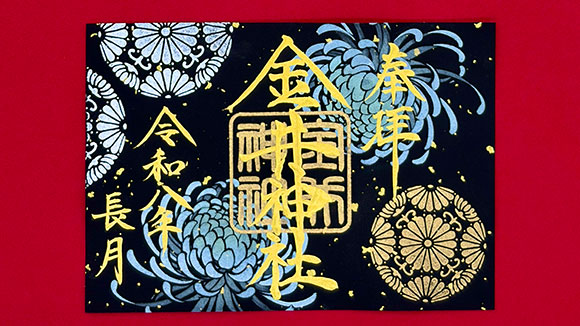
Two "Special Goshuin" designs are also offered each month on A5-size washi paper. Depending on the design, washi containing gold leaf is used in a variety of colors, including black, deep blue, white, and pink, with the color and texture of the paper carefully selected as part of the overall design. Each type of washi is chosen to complement that month's motif, and every goshuin is carefully inscribed by hand.
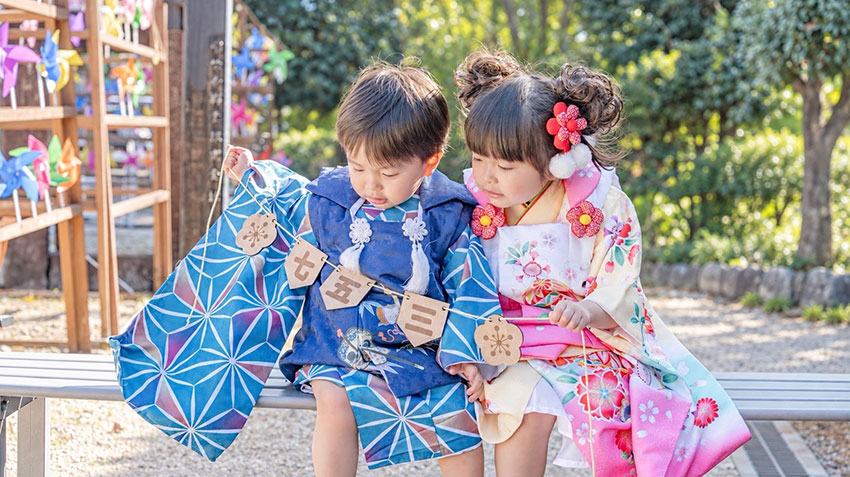
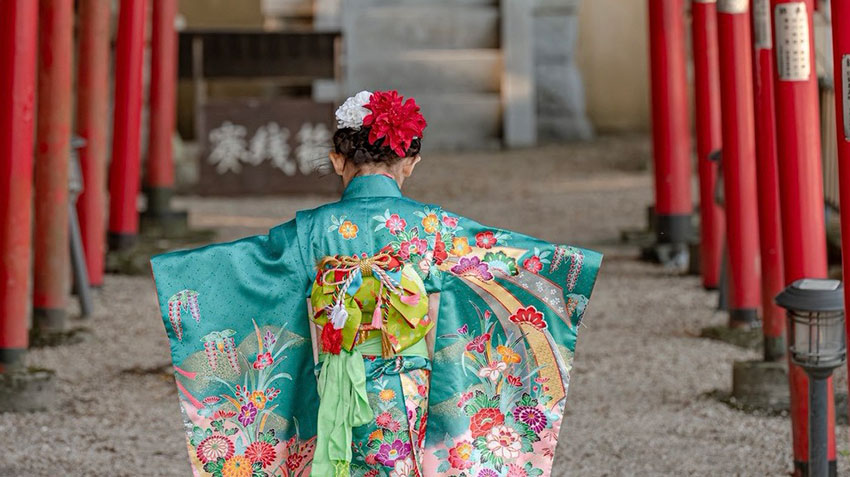
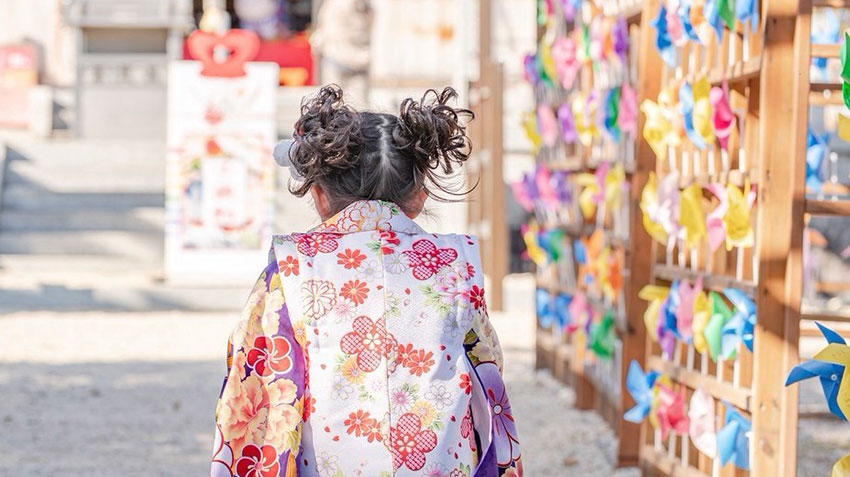
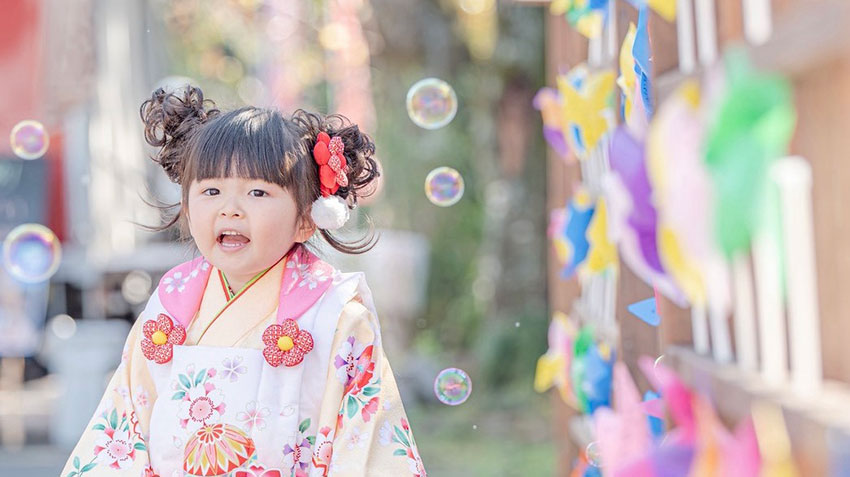
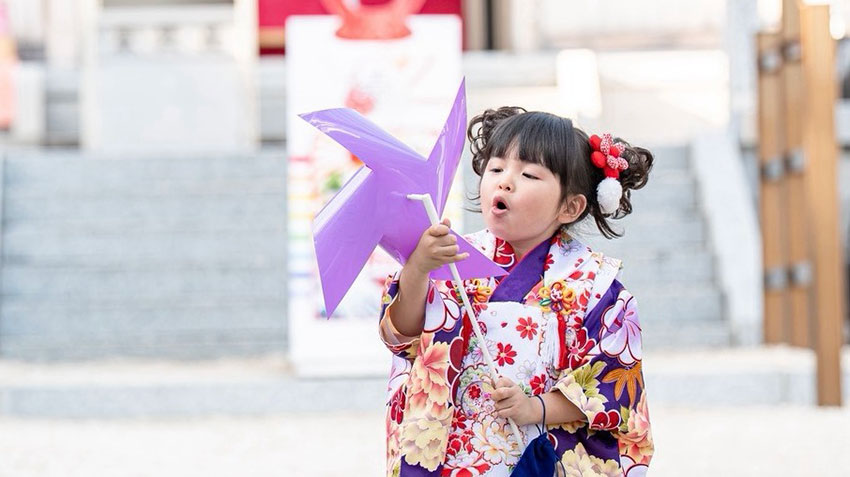
At "Kanai Shrine", known as the "Kanai no Miya", families can receive Shichi-go-san prayers giving thanks for a child's growth and praying for continued healthy development and the well-being of the family. At this important milestone, one of the special joys of a "Shichi-go-san visit" is offering prayers before the enshrined deity together with children dressed in formal attire. The shrine grounds are decorated for the season with flower-filled purification basins, pinwheels, and other colorful displays, adding a distinctly Japanese atmosphere to the occasion. After worship, families can take photographs of the children in their formal attire amid the seasonal decorations, preserving precious memories to look back on as they grow. It is a meaningful occasion to celebrate a child's growth as a family while praying for happiness in the years ahead.
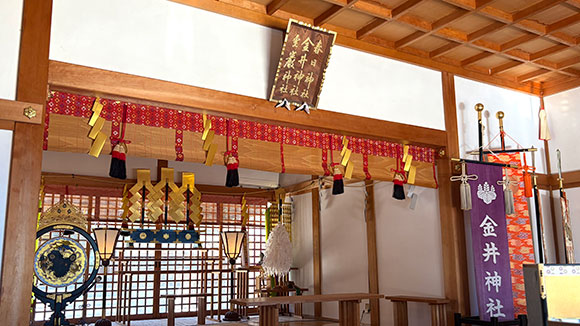
A wide range of prayer rites is offered for important life milestones and everyday wishes, including "Hatsumiyamairi", "Protection from Misfortune", "Safe Childbirth", "Traffic Safety", "Prosperity in Business", "Recovery from Illness", and "Academic Success". Before the enshrined deity, prayers are offered for the deity's protection and for each wish to be peacefully fulfilled. Worshippers may pray not only for themselves but also for the happiness and health of their families.
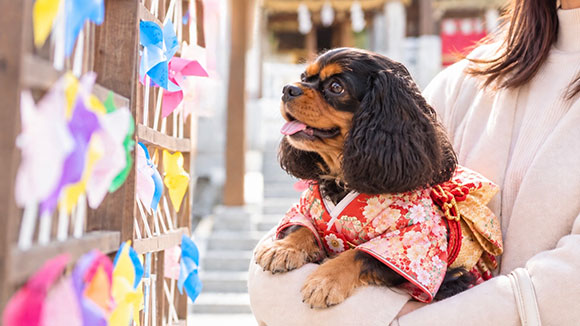
"Kanai Shrine" also conducts prayer rites, by reservation only, for the healthy growth, good health, and longevity of pets regarded as cherished members of the family. Gratitude is offered to the kami for the time shared together, along with prayers for the pet to continue living in good health and peace. The prayer rite provides an important opportunity to reflect anew on the bond shared with a beloved pet.

Seasonal beauty within the shrine's grounds and nature


Summer Flower Chōzu, Bringing Coolness
Through Seasonal Blooms and Wind Chimes

Autumn Foliage and Seasonal Colors,
Wishes Woven into Autumn-Colored Omamori

Lanterns Illuminating the Grounds,
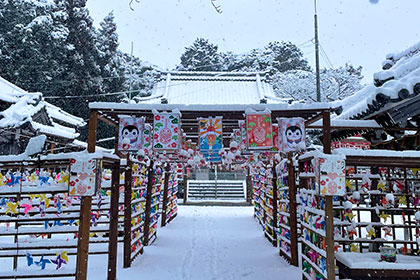
Wrapped in a Snow-Covered Winter Scene

Kanai Shrine
金井神社


Introducing seasonal outing spots and event information in Mie! Visit the places that interest you!
Pick popular spots nearby!

2.5kmfromKanai Shrine
Address:2282-1 Oida, Daian Town, inabe, mie

7.8kmfromKanai Shrine
Address:2999-26 Ishigure Minami, Daian Town, inabe, mie

13.8kmfromKanai Shrine
Address:Yunoyama Onsen, Komono Town, mie, mie

29.2kmfromKanai Shrine
Address:4-47 Oaki Town, nagoya, aichi

30.6kmfromKanai Shrine
Address:3F AEON MALL Nagoya Noritake Garden, 3-1-17 Noritake Shinmachi, nagoya, aichi

32kmfromKanai Shrine
Address:2F Nagoya Premium Medical Mall Marunouchi, 2-16-8 Marunouchi, nagoya, aichi

34.2kmfromKanai Shrine
Address:1 Osugi and 2 Shimizu, nagoya, aichi

36kmfromKanai Shrine
Address:7-56 Okujo, tokoname, aichi

37.2kmfromKanai Shrine
Address:3-1605, Sekohigashi, nagoya, aichi

38kmfromKanai Shrine
Address:3305 Arimatsu, nagoya, aichi
 Local Specialties
3.6kmfromKanai Shrine
Address:1178-25 Ishigurahigashi, Daian Town, inabe, mie
 Japanese Cuisine
8kmfromKanai Shrine
Address:1093-1 Yamashiro Town, yokkaichi, mie
 Café/Sweets
10.2kmfromKanai Shrine
Address:7-18 Shinnishikata, kuwana, mie
 Café/Sweets
11.8kmfromKanai Shrine
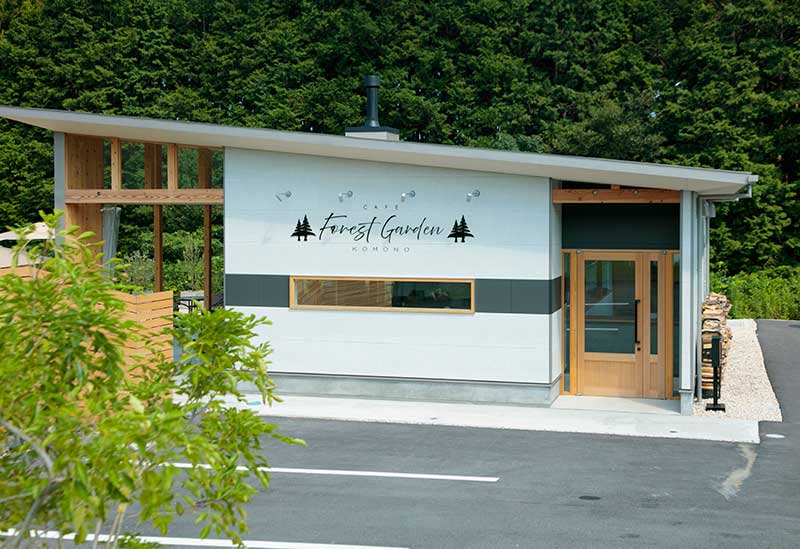
Address:7045-67 Higashieno, Chikusa, Komono Town, mie, mie
 Japanese Cuisine
12.2kmfromKanai Shrine
Address:1F Sunfare South Building, 1-1 Soei Town, kuwana, mie
 Izakaya/Bar
12.2kmfromKanai Shrine
Address:1F Act Building, 50 Yuraku Town, kuwana, mie
 Asian/Ethnic Cuisine
12.8kmfromKanai Shrine
Address:Emblem Lots 1F, 37 Daio Town, kuwana, mie
 Japanese Cuisine
13.1kmfromKanai Shrine
Address:30 Senba Town, kuwana, mie
 Local Specialties
16.3kmfromKanai Shrine
Address:12-3 Hamada Town, yokkaichi, mie
 Local Specialties
18.2kmfromKanai Shrine
Address:1200-1 Yamamoto Town, suzuka, mie

11.8kmfromKanai Shrine
Address:7045-67 Chikusa Higashieno, Komono Town, mie, mie
20.1kmfromKanai Shrine
Address:1290-167 Yoro Park, Yoro Town, yoro, gifu
29.5kmfromKanai Shrine
Address:2-39-5 Nakajima Town, nagoya, aichi
29.6kmfromKanai Shrine
Address:3-28-2 Kamikomeno Town, nagoya, aichi

29.8kmfromKanai Shrine
Address:1-9 Kamimeno Town, nagoya, aichi

30.3kmfromKanai Shrine
Address:2-12-3 Kamejima, nagoya, aichi

31.1kmfromKanai Shrine
Address:3-21-7 Meieki, nagoya, aichi

31.3kmfromKanai Shrine
Address:1-2-7 Sakae, nagoya, aichi

34.8kmfromKanai Shrine
Address:2-4-13 Matsubara, hikone, shiga

53.7kmfromKanai Shrine
Address:1533, Katsuno, takashima, shiga


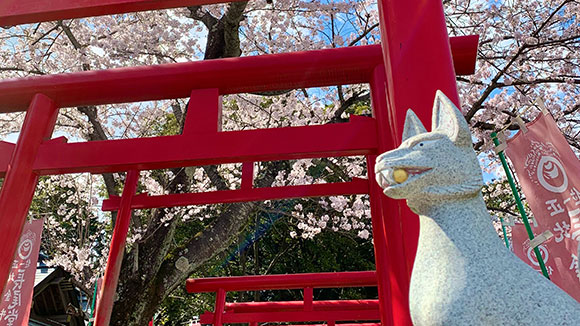
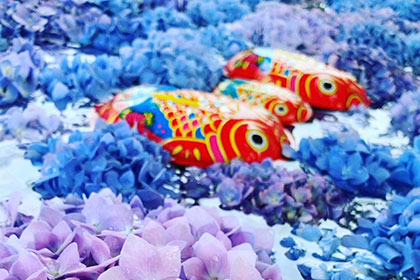
Cherry Blossoms and Flower Chōzu in Spring,
Carp Streamers Dancing in the Breeze