


Recommended articles in the same area
Introducing seasonal outing spots and event information in Okayama! Visit the places that interest you!
高野山真言宗 別格本山 金陵山西大寺(観音院)
 Higashi Ward, Okayama City, Okayama
高野山真言宗 別格本山 金陵山西大寺(観音院)
A Historic Temple Renowned as a Spiritual Power Spot
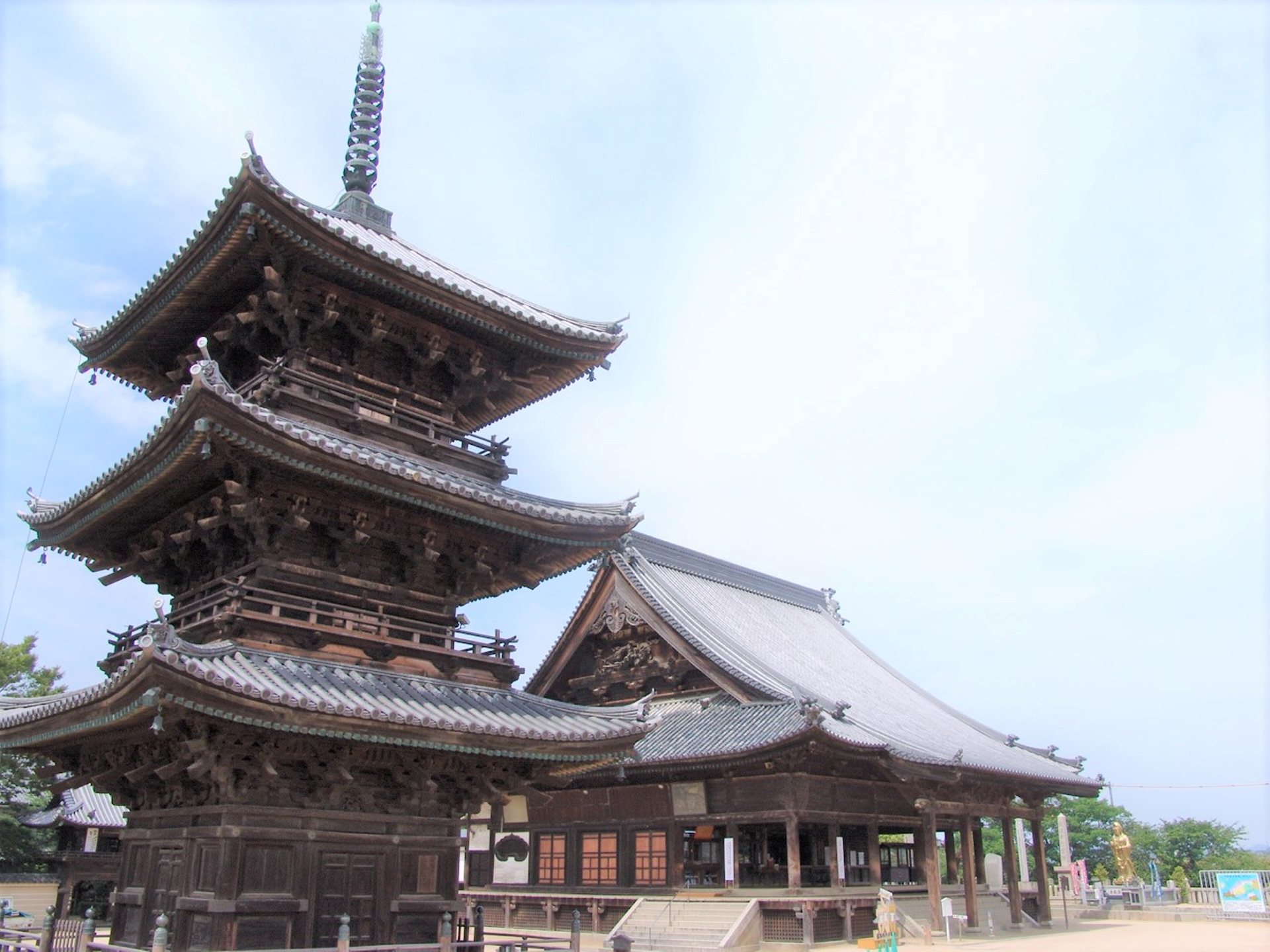
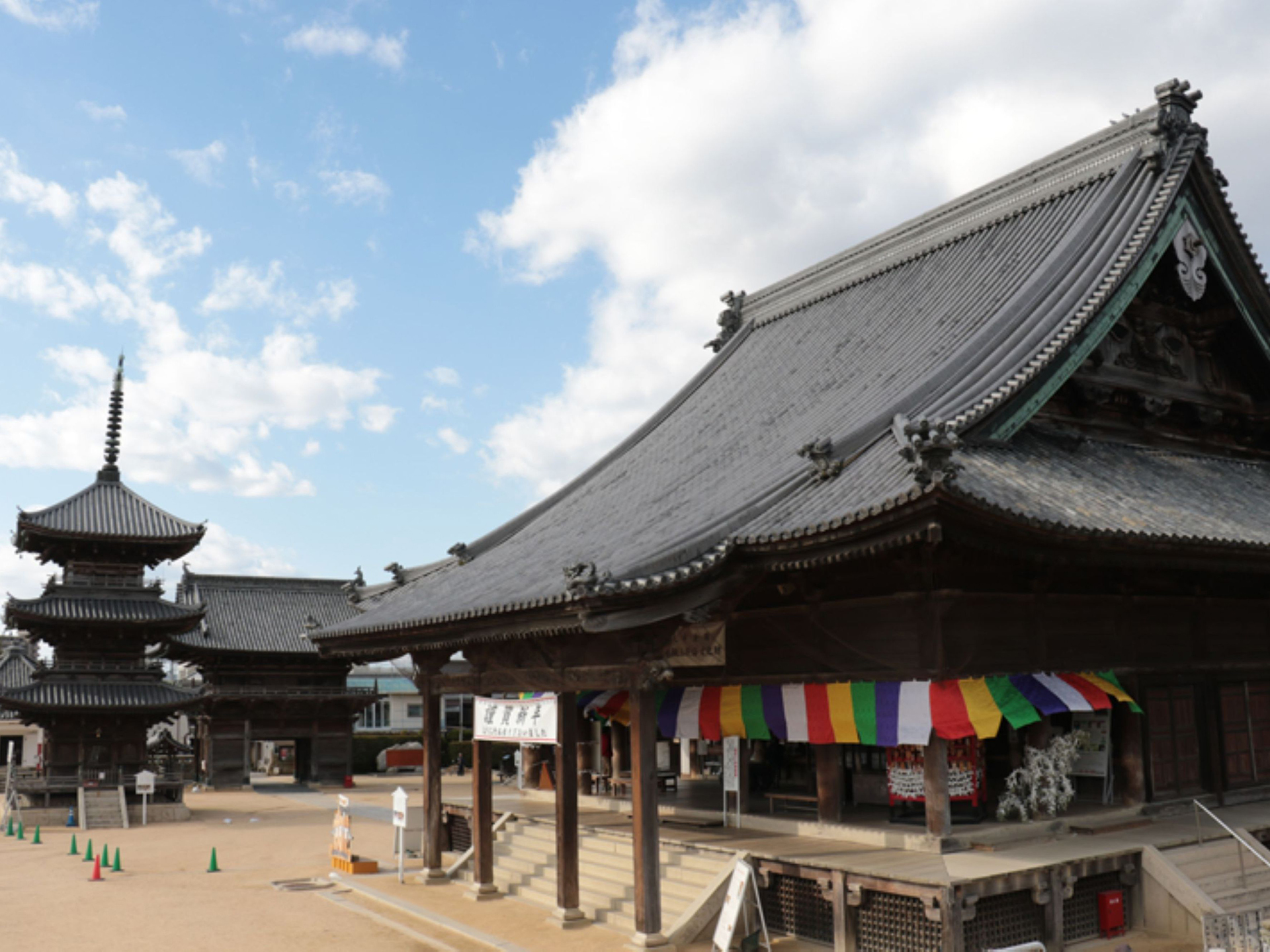
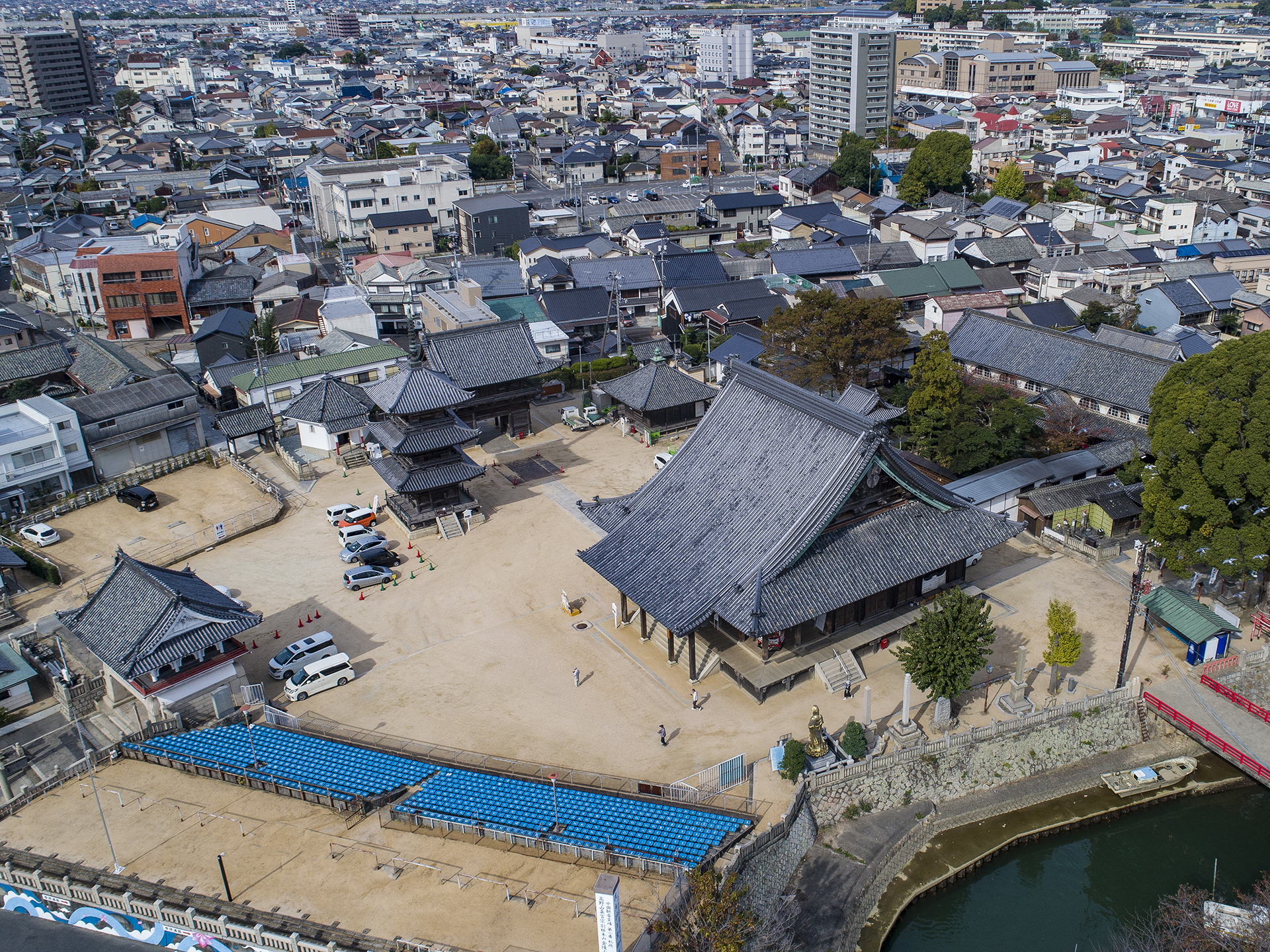
Located in Okayama City, Okayama Prefecture, this historic temple has a history spanning approximately 1,250 years. Its principal object of worship is the Thousand-Armed Kannon Bodhisattva, believed to save people from calamity. The temple has long been revered for blessings of protection from misfortune, recovery from illness, fulfilling relationships, fertility, and safe childbirth. Notable sights on the grounds include the main hall, designated an Important Cultural Property by Okayama City, a three-story pagoda designated an Important Cultural Property by Okayama Prefecture, a stone gate, and a Niomon Gate. Held every February, "Saidaiji Eyo" is a nationally designated Important Intangible Folk Cultural Property also known as the "Naked Festival," drawing lively crowds of visitors. A special public viewing of the principal object of worship is scheduled for 2028 (Reiwa 10).





Chief priest
Tsuboi Ryoko
The chief priest of this temple, known for Saidai-ji Eyo, also called the "Naked Festival." He frequently gives seminars and lectures on "end-of-life planning," including family funerals, perpetual memorial services, and grave closures.

The temple is especially well known for blessings associated with protection from misfortune, safe childbirth, and recovery from illness. Prayer requests are accepted at any time and can also be submitted online. It is said that using a mawashi worn during the "Saidaiji Eyo" as a maternity sash brings a safe delivery, and many people take part in the festival seeking this blessing.

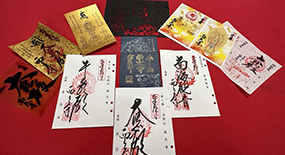
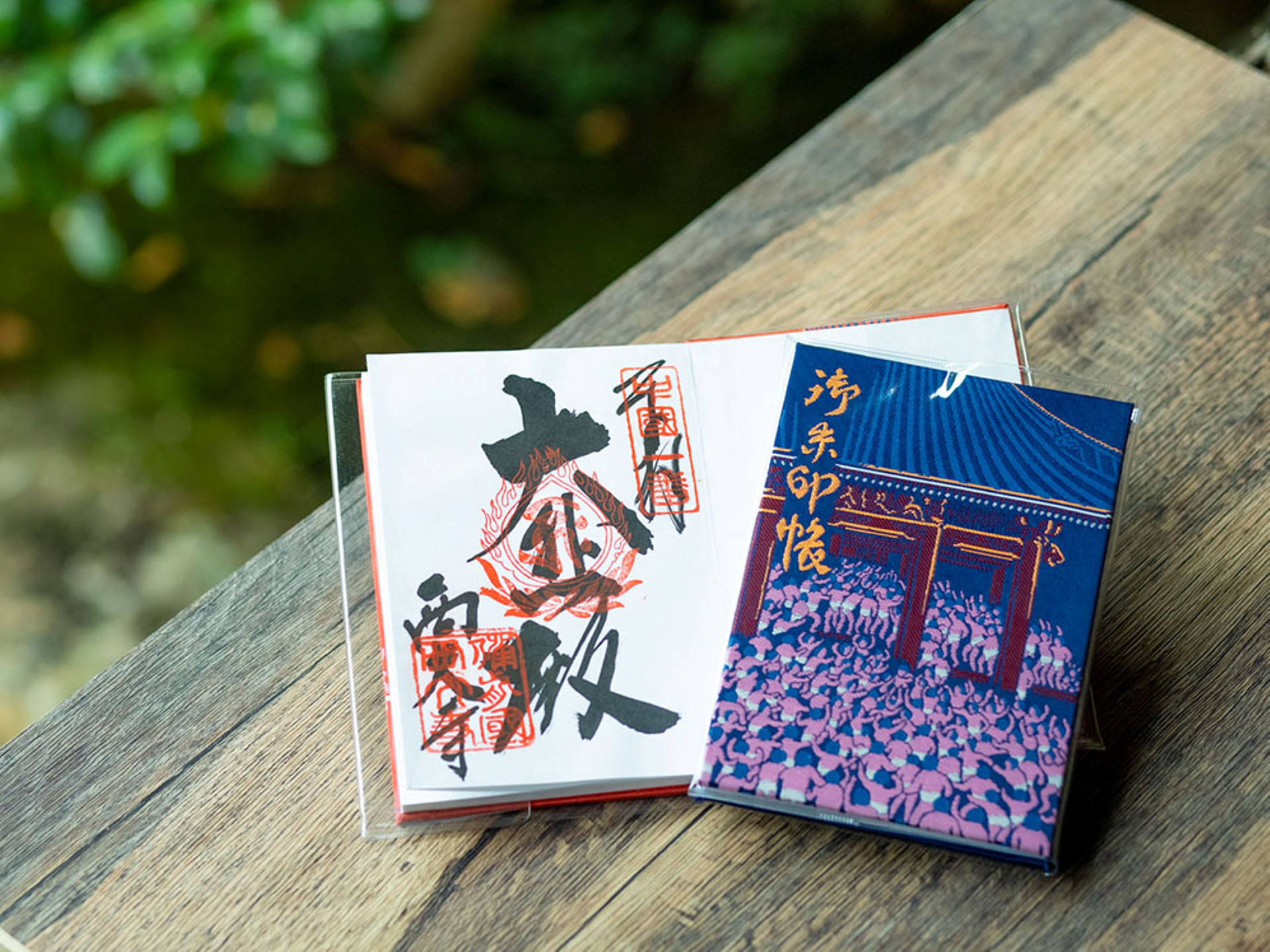
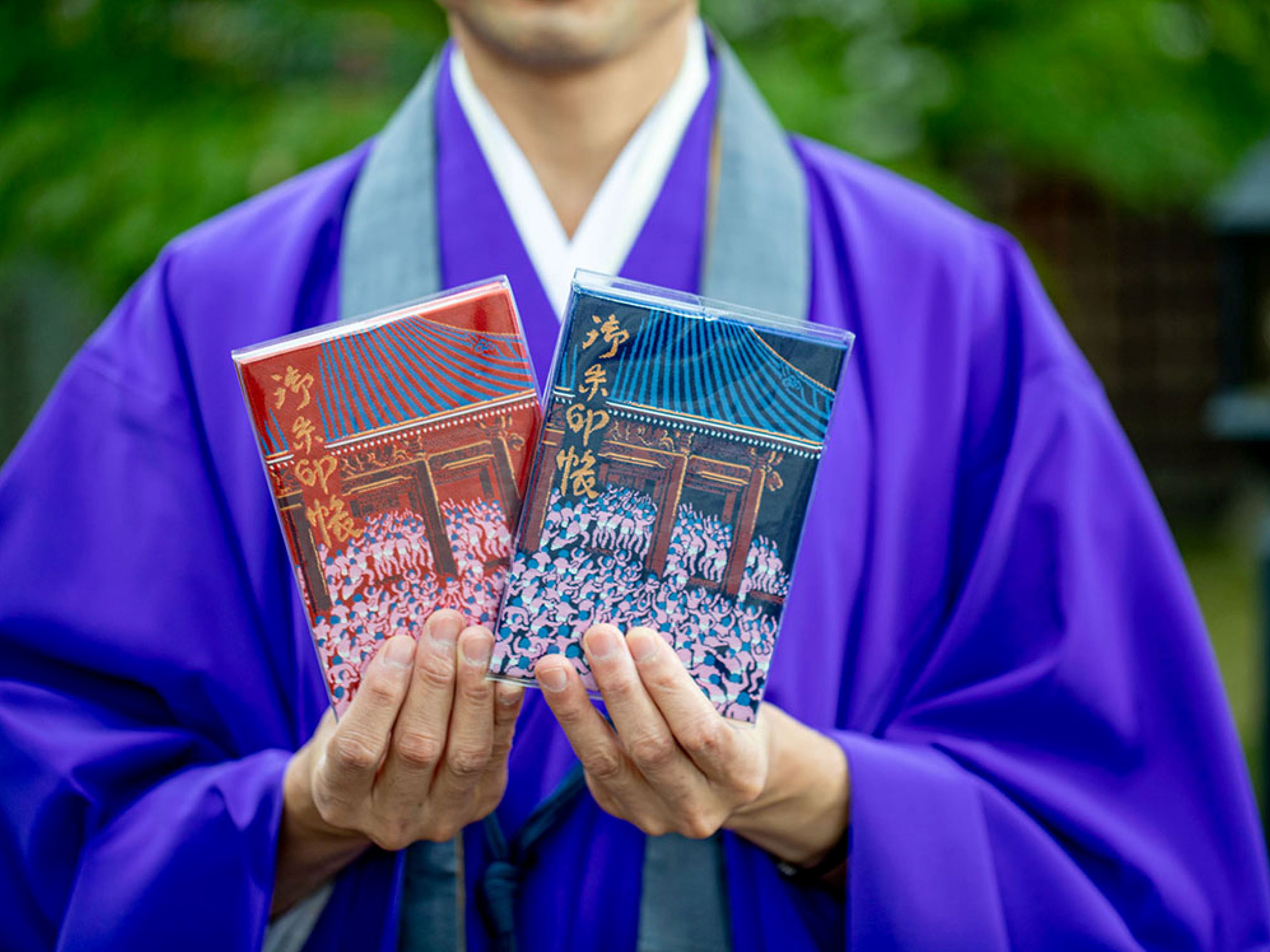
A wide variety of devotional items and goshuin associated with the blessings of the long-established "Saidaiji Eyo" are available. Many types of amulets, ofuda, and other items are offered throughout the year and can be chosen according to a particular wish or as a keepsake of a temple visit. All are also available online, allowing requests to be made from afar.

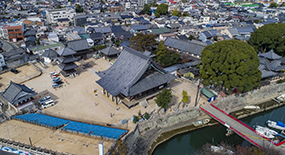
The temple is said to have originated in 751, when Fujiwara no Minatarihime built a hermitage in the Kanaoka area of Bizen Province and enshrined a statue of Senju Kannon. In 777, Anryu Shonin founded the temple. Many cultural properties with distinctive architectural features remain throughout the grounds, conveying the depth of the temple's history.

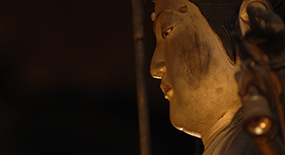
In 2028, commemorating the 1,250th anniversary of the temple's founding, the hidden principal object of worship, Senju Kannon Bosatsu, will be unveiled in a special opening held once every 33 years. This rare opportunity to view up close the principal object of worship that has watched over the well-being of the people of Okayama Prefecture and receive its blessings is attracting considerable attention from worshippers.

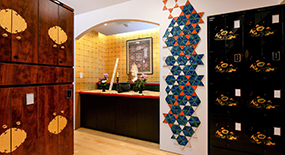
At the "Renge-do" ossuary on the temple grounds, cremated remains are entrusted to the temple, where monks conduct perpetual memorial services every day for as long as the temple continues to exist. In addition to supporting families remembering the deceased, it is cherished as a warm community space where local residents and many others naturally gather and form connections.

 Shichi-go-san (Children’s Ceremony)
 Miyamairi (Newborn Blessing)
 Matchmaking
 Cutting Ties
 Financial Luck
 Business Prosperity
 Yakuyoke (Purification)
 Health & Well-being
 Safe Childbirth
 Exam Success
 Traffic Safety
 Fertility
 Performing Arts
 Love Fulfillment
 Bountiful Harvest
 Family Safety
 Academic Success
 Recovery from Illness

The temple's origins date to 751, when Fujiwara no Minaashihime enshrined Senju Kannon Bosatsu, whom she deeply revered, in the Kaneoka area of Bizen Province. In 777, Anryu Shonin received a revelation from Kannon and built a temple hall, laying the foundation for the temple. For about 1,250 years, it has drawn deep devotion as one of Okayama's leading Kannon pilgrimage sites. Despite repeated fires and warfare in the medieval period, the temple was rebuilt each time. In the modern era, the surrounding temple town developed through transport on the Yoshii River and the opening of the railway. Today, the temple continues to provide places for prayer in step with the times, including the perpetual memorial charnel hall "Renge-do," while supporting people through everyday life and major milestones as "Tenka no Kito-dera." In 2028, it will mark the 1,250th anniversary of its founding, when its normally hidden principal image will be unveiled for the first time in 33 years.
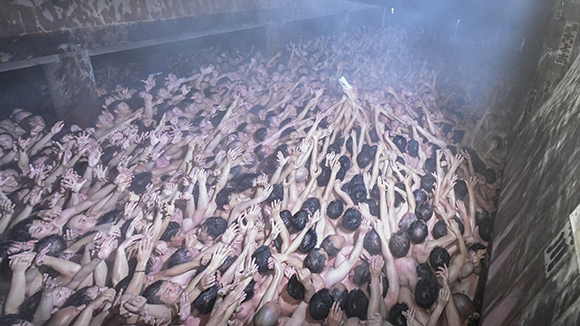
The "Saidaiji Eyo," said to have taken its present form in 1510, is an essential part of the temple's history. It is widely known throughout Japan for the powerful sight of large numbers of participants competing for shingi, sacred wooden sticks believed to bring good fortune. With prayers for good health and abundant harvests, this festival has been passed down for more than 500 years and is one of the region's defining traditions.
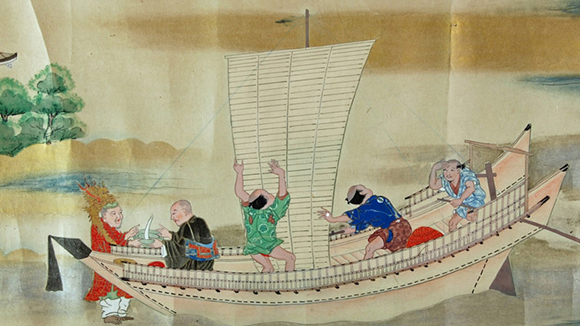
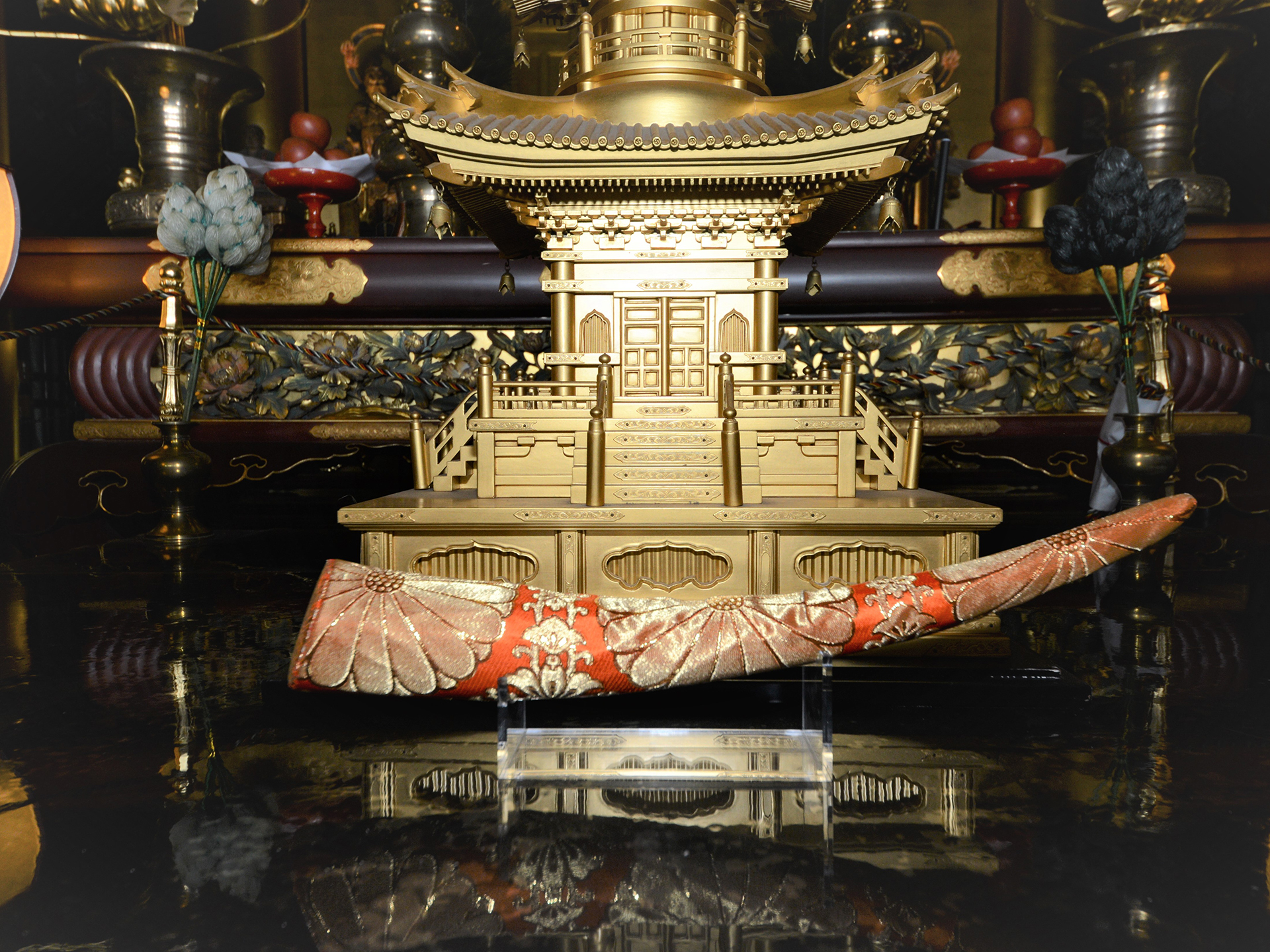
According to tradition, the temple's name traces back to 777 (Hoki 8), when Anryu Shonin encountered a hermit carrying a rhinoceros horn. After receiving the horn, he enshrined it in a newly built temple hall and named the temple "犀戴寺" (Saidaiji), with the character 犀 meaning "rhinoceros." Over time, the name came to be written as "西大寺" (Saidaiji), retaining the same pronunciation. The name still preserves the story of the temple's founding and the deep faith associated with its origins.
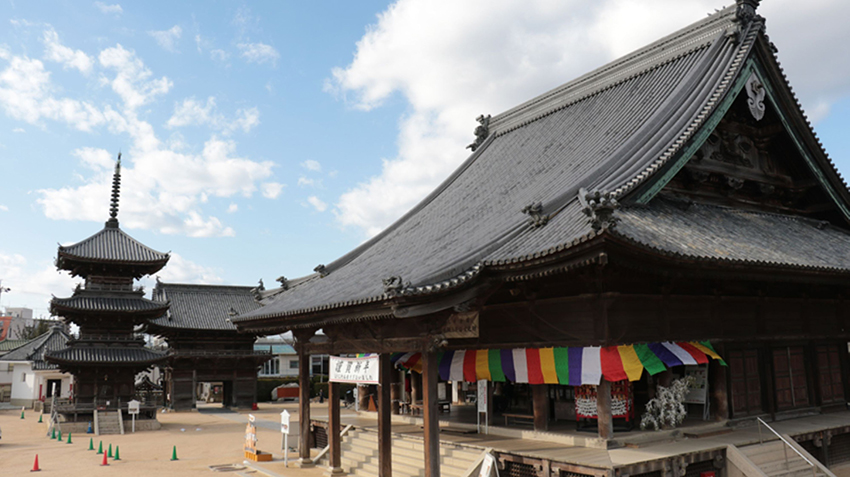
The main hall enshrines Senju Kannon Bosatsu, the temple's principal image, and serves as its center of worship. A solemn atmosphere fills the hall, where worshippers quietly offer prayers for protection from misfortune, good fortune, family safety, and other blessings. For generations, people have offered their prayers here, making it a place visitors should not miss. Other distinctive historic buildings throughout the grounds are also worth exploring. Gooshoden, known for its unusual rafter construction, enshrines a guardian deity long revered as a protector of the local community. Another highlight is the hexagonal sutra repository, whose revolving bookcase is said to grant the same merit as reciting the Daihannya Sutra. The Stone Gate, with its stone lower level and wooden second story, resembles the mythical Ryugu Palace. The Bell Tower Gate houses a Korean bell dating to the Goryeo period that has been designated a National Important Cultural Property, adding to the wealth of historic architecture throughout the grounds.
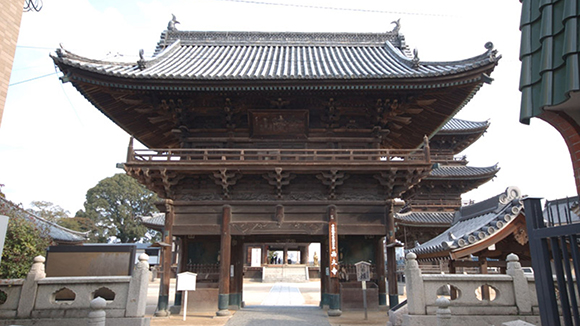
The Niomon Gate, built around 1740, is a two-story gate measuring three bays across with a single passageway. Its highly decorative design features extensive use of bracket complexes. Carvings of the twelve animals of the zodiac decorate the spaces between the brackets, while statues of the Nio guardian figures stand on either side of the gate. The onigawara ridge-end tiles on the main roof preserve decorative features of the period, and a large plaque handwritten by Shaku Itsuzan, a Zen monk renowned for his calligraphy, is another highlight. As a gate preserving the architectural beauty of the Edo period, it is designated a Registered Tangible Cultural Property of Japan.
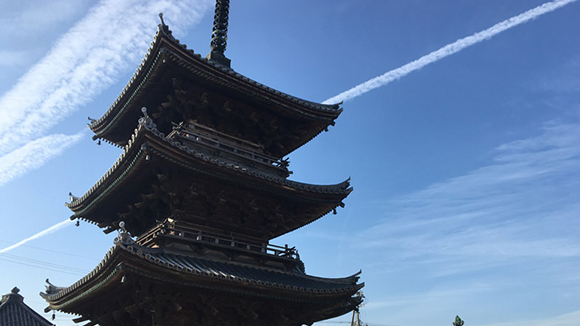
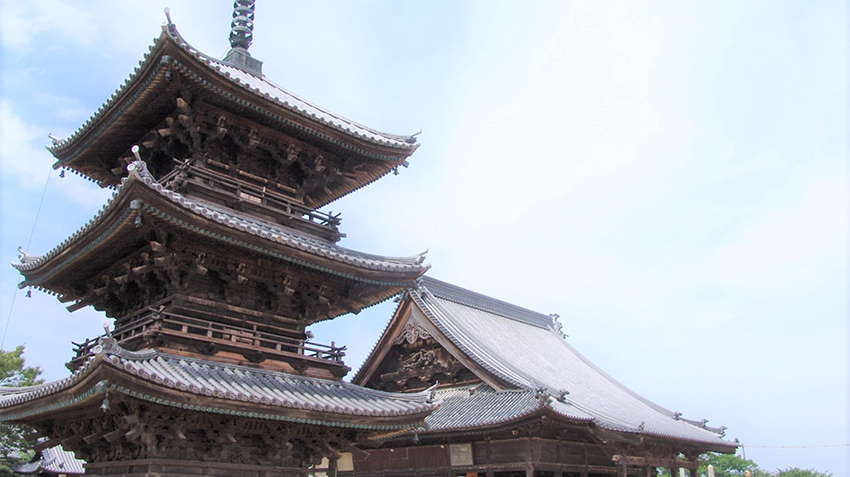
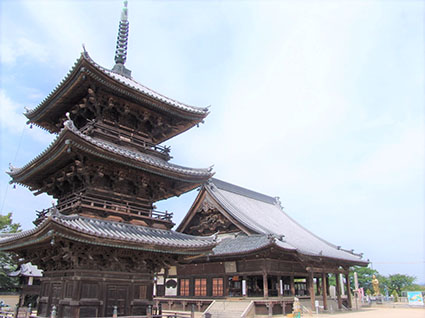
The three-story pagoda, built in 1678, is admired for its graceful, well-proportioned form. Enshrined inside is Dainichi Nyorai, the principal Buddha in the teachings of Shingon Buddhism. Another point of interest is the "Buddha's Footprint Stone" near the pagoda, which is popular with people praying for healthy legs and lower backs. A valuable example of early Edo-period temple architecture, the pagoda is designated an Important Cultural Property by Okayama Prefecture.
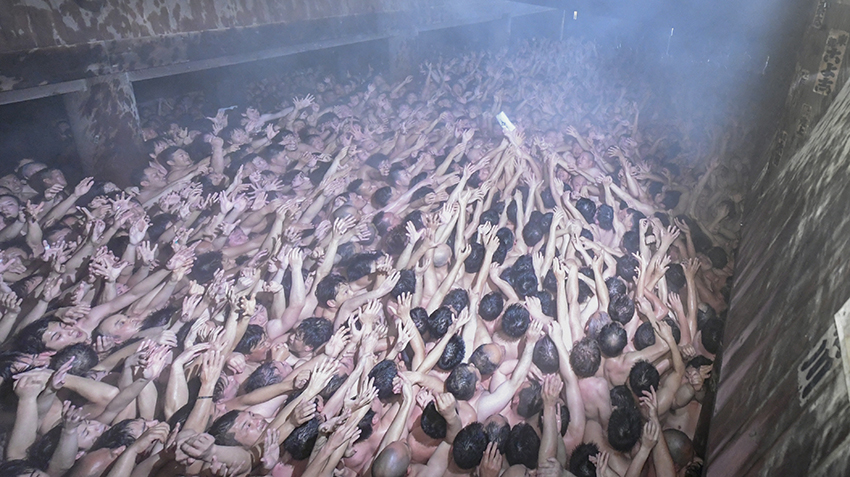
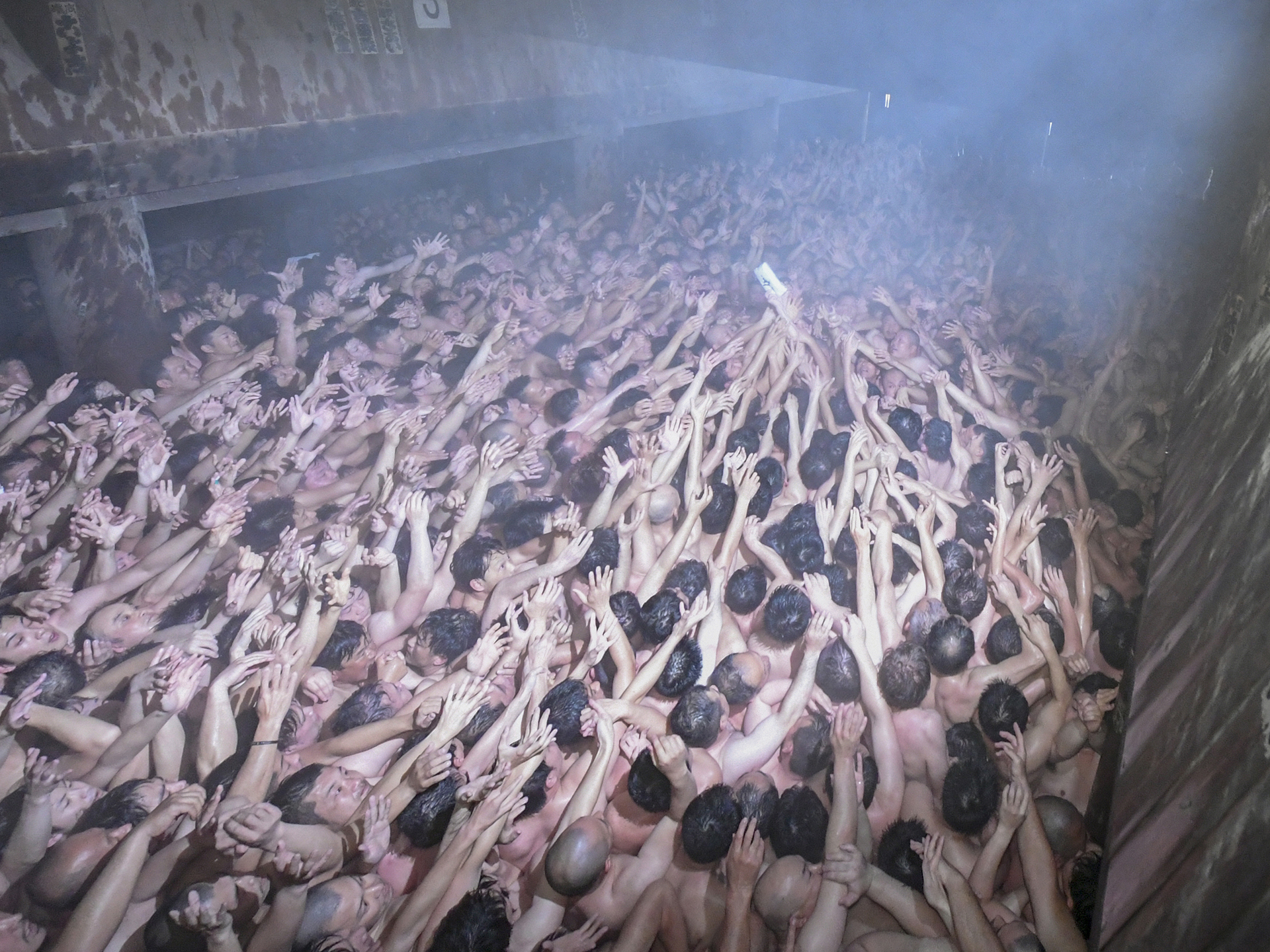
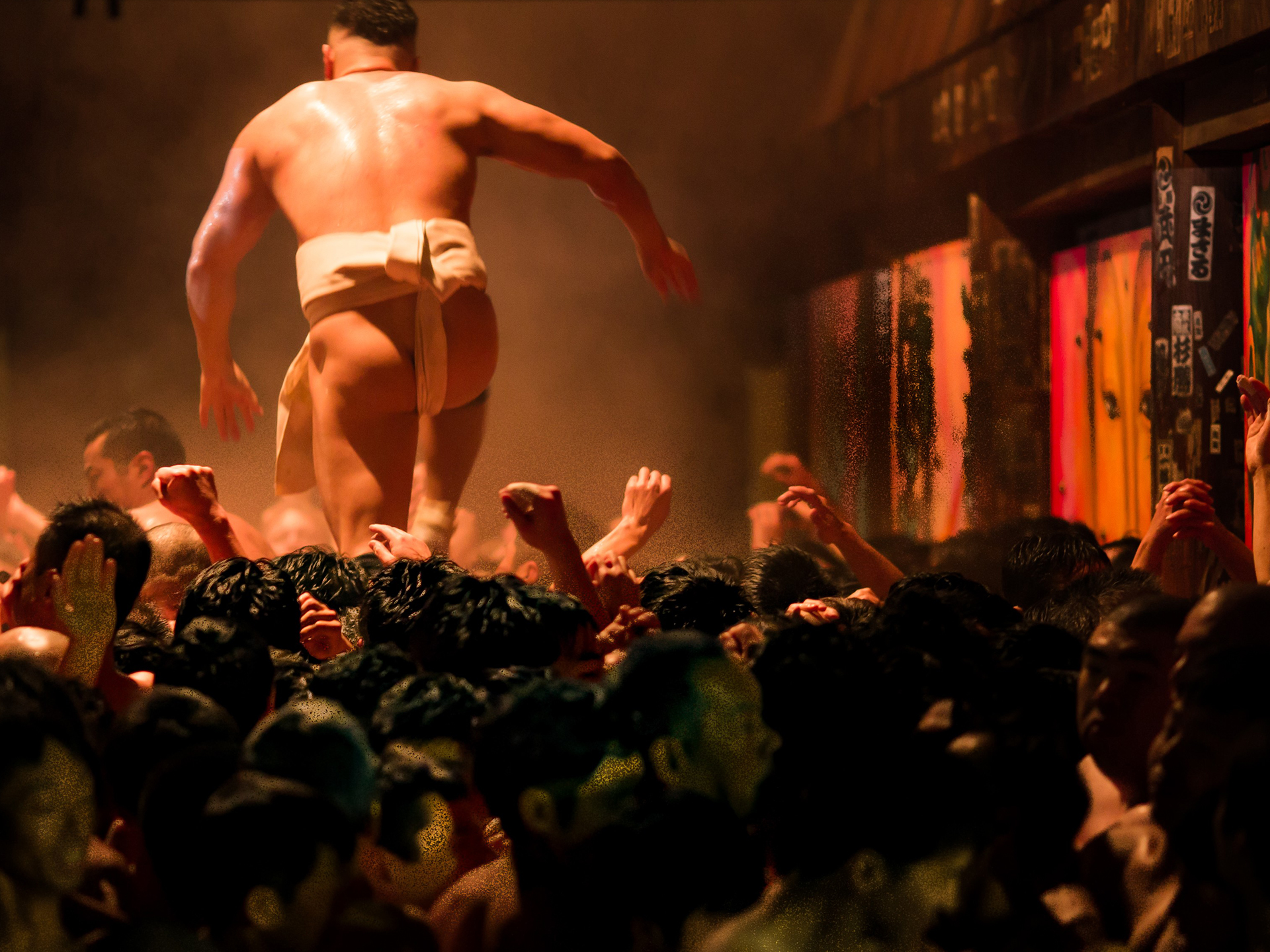
The "Saidaiji Eyo" began in 1510, when worshippers competed for protective talismans distributed on the final day of the Shushoe observance. This nationally known traditional event has been preserved for approximately 500 years. Once held on the 14th day of the first month of the lunar calendar, it now takes place every year on the third Saturday of February. On the day of the festival, naked men wearing mawashi perform mizugori purification by dousing themselves with cold water at the Koritoriba purification area in front of the stone gate near the main hall, then surge toward the main hall's large raised floor with energetic shouts. Although widely known as a "men's festival", women also play an important role in supporting the event. At around 7:00 P.M., a group of women dressed in white performs mizugori, while all the players of the "Eyo Taiko", whose drumming encourages the men, are also women. The powerful sound of the drums further heightens the excitement of the festival and is one of its highlights. In 2016, the event was designated an Important Intangible Folk Cultural Property of Japan.
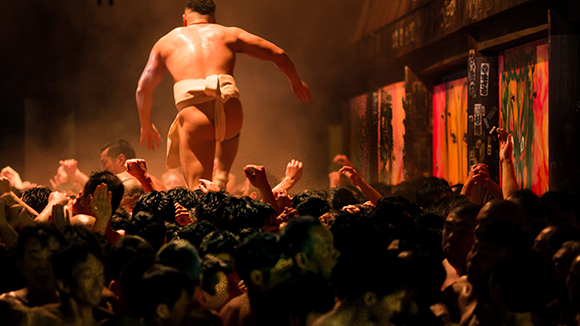
The festival's main highlight is the moment when two "shingi" are dropped from the "Gofuku-mado" window in the inner sanctuary of the main hall. At 10:00 P.M., several thousand naked men fiercely compete for the shingi dropped by the chief priest. Those who obtain one are known as "Fukuotoko" and are traditionally believed to receive good fortune for the coming year. Bearing the wishes of many people, the shingi can be considered a symbol of the "Saidaiji Eyo".
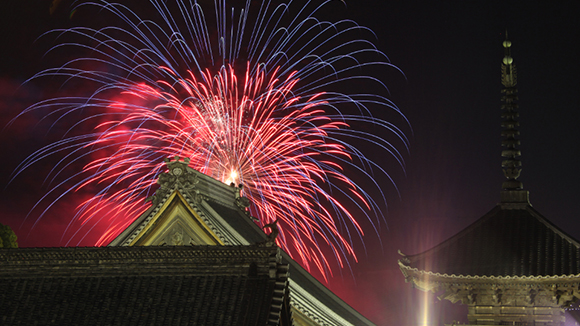
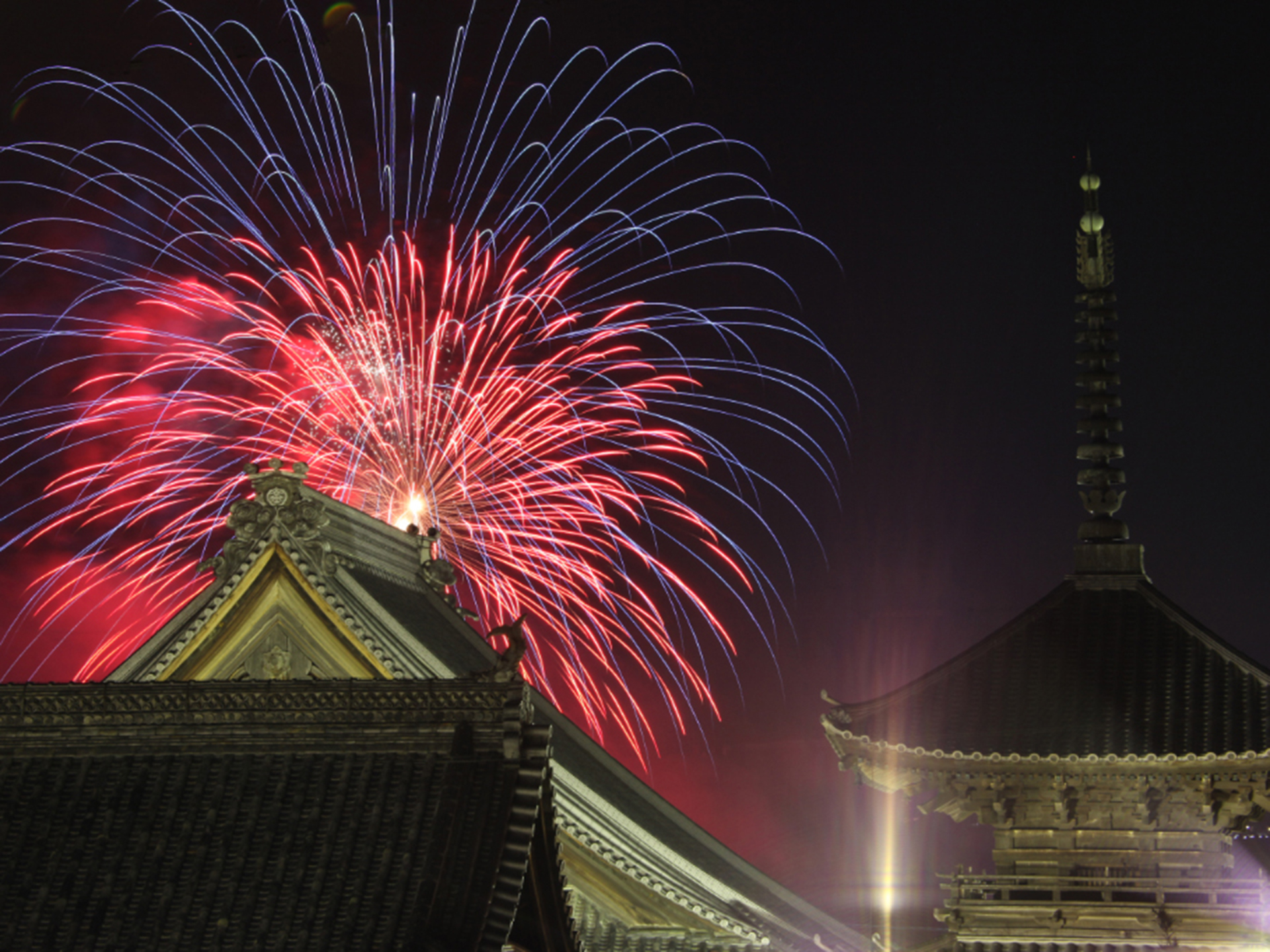
The "Eyo Winter Fireworks", held in conjunction with the "Saidaiji Eyo", is a popular event that lights up the winter night sky. Approximately 1,800 fireworks are launched from around Kannon-in within the temple grounds, adding a spectacular flourish to the opening of the spirited festival. Viewed in the crisp winter air, the fireworks have a distinctive beauty unlike those seen in summer and continue to captivate many worshippers and tourists.
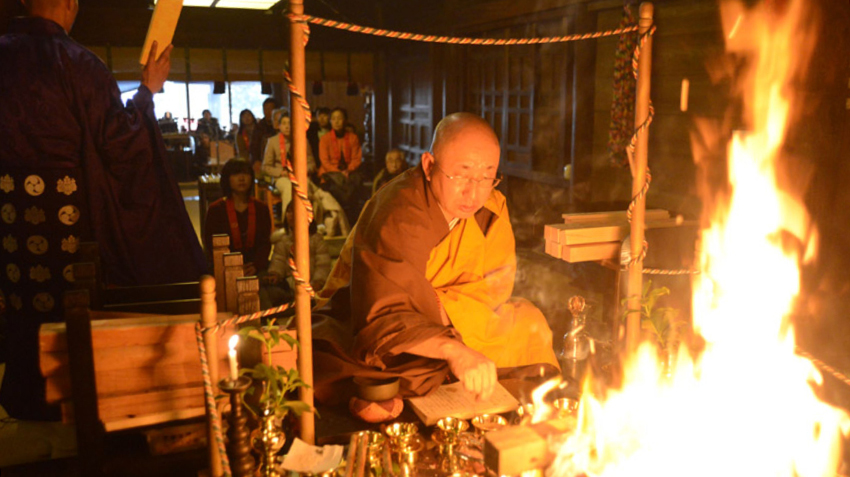
"Kinryozan Saidaiji Temple, a Special Head Temple of the Koya-san Shingon Sect," has long been known as the "Temple of Prayer for the Nation," welcoming the prayers and wishes of generations of worshippers. Prayer rites passed down through its long history, including the Shusho-e observance for peace throughout the land and abundant harvests, continue to provide spiritual support for worshippers today. In the Main Hall and Gooshoden, the chief priest and other monks offer heartfelt prayers for each person's wishes, including protection from misfortune, family safety, and good health. The many worshippers who come from within and beyond Okayama Prefecture seeking these blessings are a testament to the devotion the temple has inspired over generations. Special prayers are also held throughout the year, including the "New Year's Prayer Rites," the "Hoshi Matsuri Prayer Rites for Protection from Misfortune," and the "Daisaito Goma Prayer Rite," solemnly conducted to mark the conclusion of the "Saidaiji Eyo" festival. In recent years, the temple has also responded to requests for prayers for recovery from infectious diseases and for world peace, continuing to offer spiritual comfort amid the uncertainties of modern society.
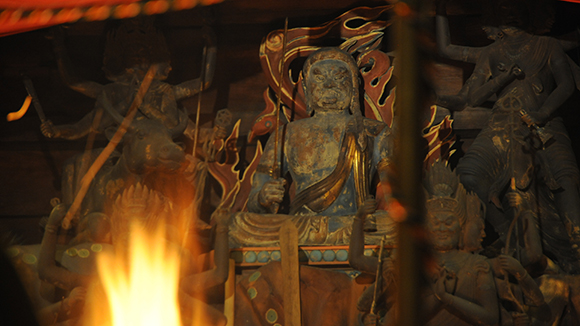
The various halls throughout the temple grounds enshrine different Buddhist figures, each associated with particular blessings. Konpira Daigongen, enshrined in Gozusho Hall, has long been revered for protection from misfortune and water-related dangers. Shiratama Monju Bosatsu is known for blessings related to wisdom and success in examinations, while Shomen Kongo is associated with recovery from illness. Worshippers continue to quietly offer prayers for a wide variety of wishes.
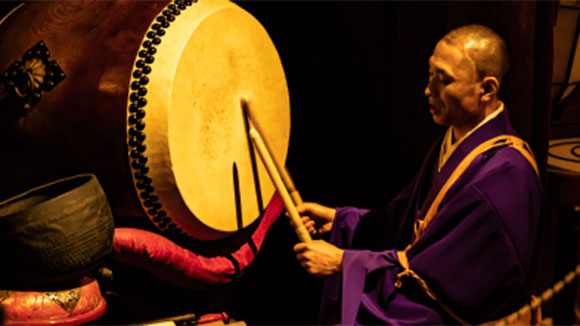
For those who find it difficult to visit the temple because of distance, illness, or other circumstances, prayer requests are accepted through the online offering office. Wooden talismans and amulets that have been prayed over are delivered to their homes, allowing them to feel a connection with the principal object of worship in their daily lives. This modern form of prayer reflects the chief priest's hope that "one day, guided by the principal object of worship, they will come to visit the temple".
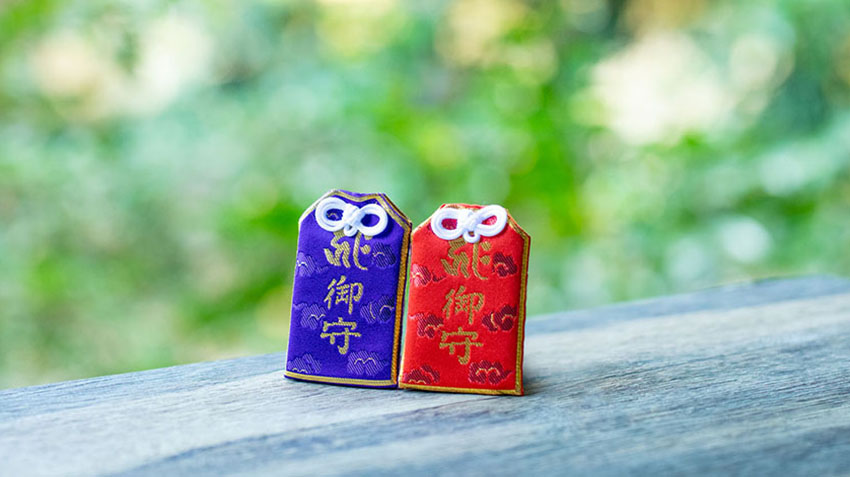
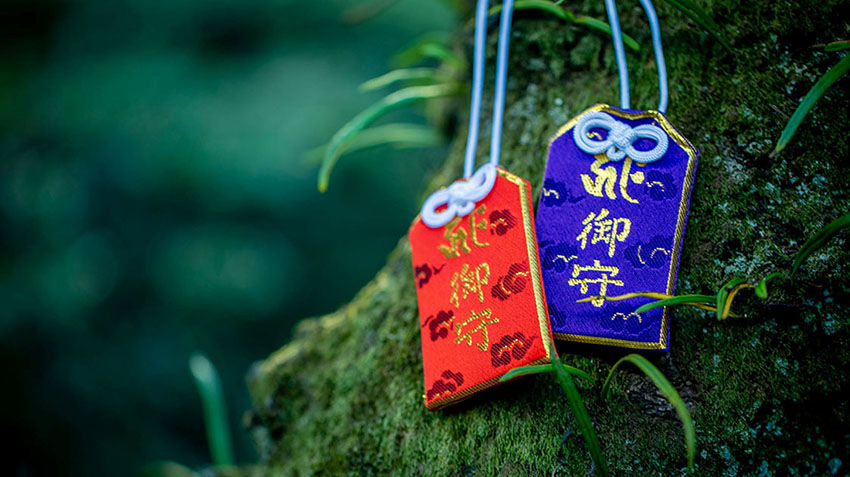
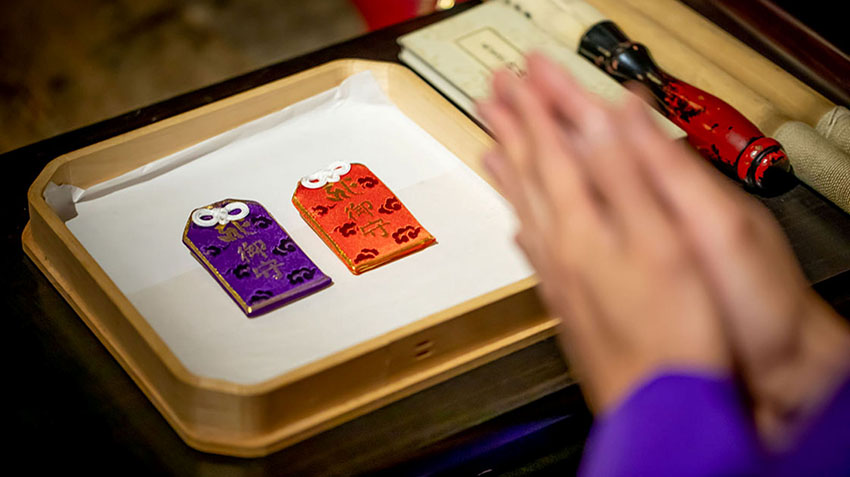
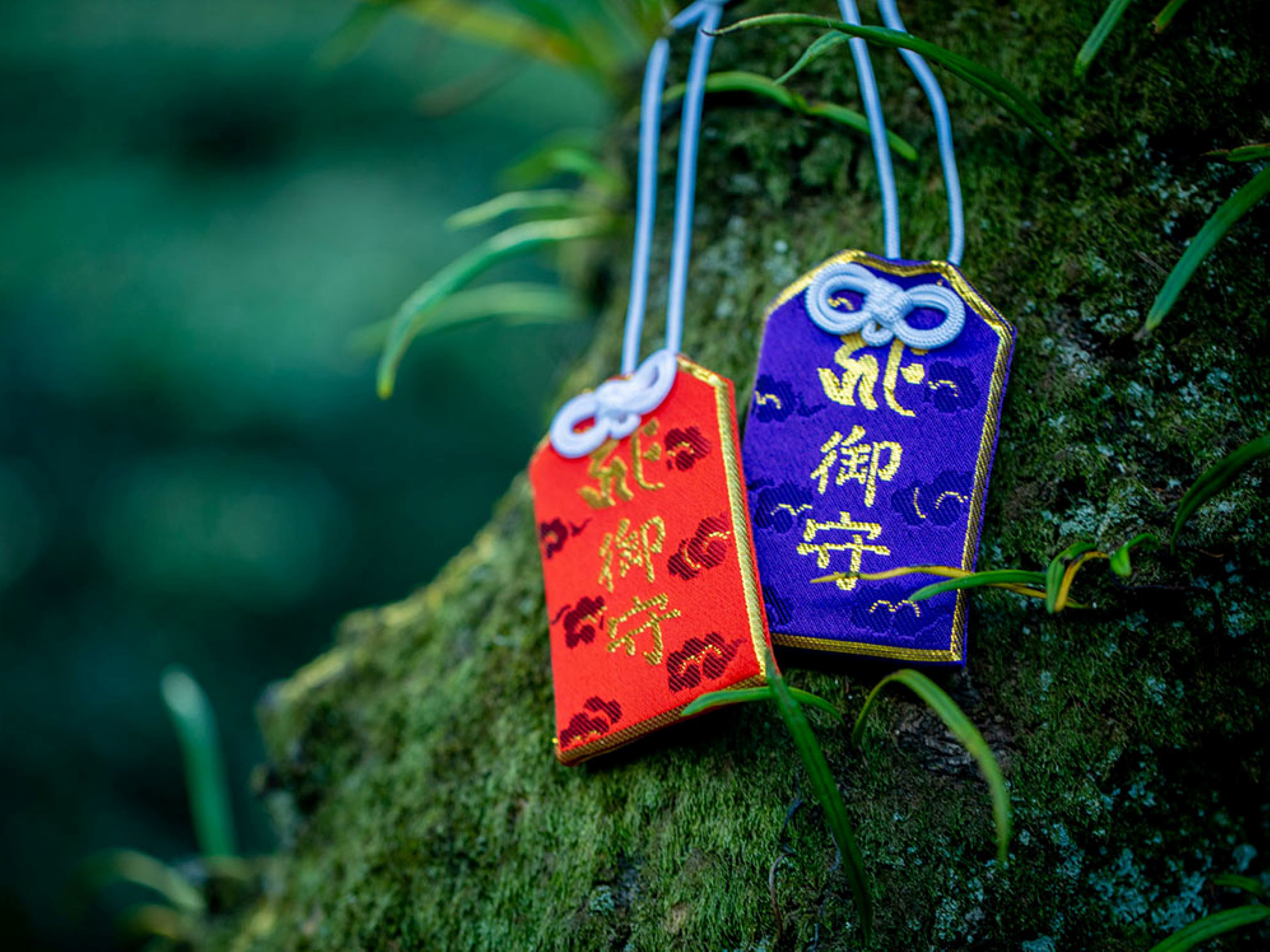
A wide variety of devotional items is available for different wishes, including protection from misfortune, good fortune, traffic safety, academic success, and safe childbirth. Offerings include amulets seeking the protection of Senju Kanzeon Bosatsu, the principal object of worship, as well as wooden talismans, nenju Buddhist prayer beads, and many other items. Each is imbued with prayer and is also popular as a memento of a temple visit or as a gift. A special devotional item offered to worshippers who view the interiors of the main hall and Gozusho Hall is the "Gofukuko-mamori". Carrying the soothing fragrance of shingi, it is said to help calm the mind. Other offerings include the standard red and purple "Migawari-mamori", believed to take misfortune in place of its bearer, as well as amulets associated with Shiratama Monju Bosatsu for success in examinations and academic achievement. The "Safe Childbirth Amulet" and "Safe Childbirth Maternity Sash", associated with Senju Kanzeon Bosatsu and its blessings for safe childbirth, gently support families awaiting the birth of a new child. These devotional items offer a way to keep the blessings of the various Buddhist figures close in everyday life.
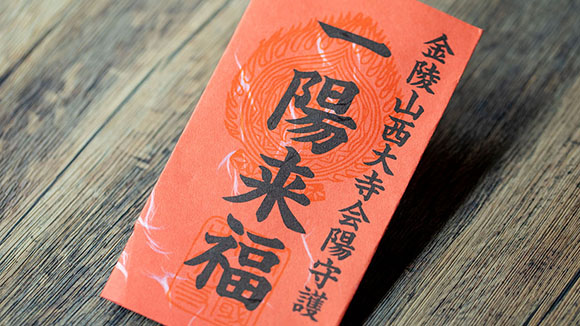
Inspired by the "Saidaiji Eyo", devotional items such as the "Eyo Amulet", "Eda Shingi Amulet", and "Fukuotoko Strap" offer a tangible connection to this spirited traditional festival. They allow the blessings of good fortune associated with the event and passed down for approximately 500 years to be kept close in everyday life. These popular items preserve memories of the festival in tangible form and are also chosen as keepsakes of a temple visit or as gifts for someone special.
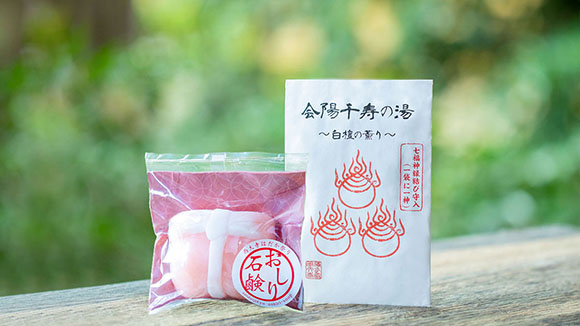
For those who find it difficult to visit the temple for various reasons, an online offering office is available where prayer requests can be made and amulets and other devotional items received at home. Limited items associated with the "Saidaiji Eyo" are especially popular. The "Oshiri Soap", modeled on the buttocks of the fundoshi-clad men who take part in the festival, has attracted attention as a playful and endearing item that brings a smile.

Kinryozan Saidaiji Temple (Kannon-in), Special Head Temple of the Koyasan Shingon Sect
高野山真言宗 別格本山 金陵山西大寺(観音院)

Introducing seasonal outing spots and event information in Okayama! Visit the places that interest you!
Pick popular spots nearby!

10kmfromKinryozan Saidaiji Temple (Kannon-in), Special Head Temple of the Koyasan Shingon Sect
Address:8-48 Tenjin Town, okayama, okayama

14.4kmfromKinryozan Saidaiji Temple (Kannon-in), Special Head Temple of the Koyasan Shingon Sect
Address:2697 Inbe, bizen, okayama

17kmfromKinryozan Saidaiji Temple (Kannon-in), Special Head Temple of the Koyasan Shingon Sect
Address:3010 Ishijima, tamano, okayama

25.1kmfromKinryozan Saidaiji Temple (Kannon-in), Special Head Temple of the Koyasan Shingon Sect
Address:1077 Niborihigashi, akaiwa, okayama

28.6kmfromKinryozan Saidaiji Temple (Kannon-in), Special Head Temple of the Koyasan Shingon Sect
Address:168 Kankakedori, Shodoshima Town, shozu, kagawa

32.4kmfromKinryozan Saidaiji Temple (Kannon-in), Special Head Temple of the Koyasan Shingon Sect
Address:931 Taurako, Shodoshima Town, shozu, kagawa

33.4kmfromKinryozan Saidaiji Temple (Kannon-in), Special Head Temple of the Koyasan Shingon Sect
Address:796-53 Goto Town, takamatsu, kagawa

34kmfromKinryozan Saidaiji Temple (Kannon-in), Special Head Temple of the Koyasan Shingon Sect
Address:3720-360 Mure, Mure Town, takamatsu, kagawa

34.1kmfromKinryozan Saidaiji Temple (Kannon-in), Special Head Temple of the Koyasan Shingon Sect
Address:36-1 Kozai Honmachi, takamatsu, kagawa

34.9kmfromKinryozan Saidaiji Temple (Kannon-in), Special Head Temple of the Koyasan Shingon Sect
Address:4-1 Minamishin Town, takamatsu, kagawa
 Japanese Cuisine
8.3kmfromKinryozan Saidaiji Temple (Kannon-in), Special Head Temple of the Koyasan Shingon Sect
Address:605-3 Kannonji, Seto Town, okayama, okayama
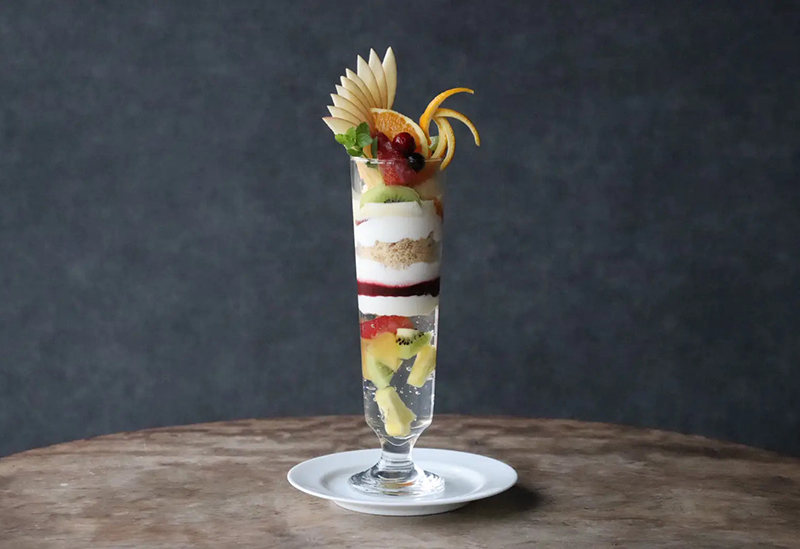 Café/Sweets
10.5kmfromKinryozan Saidaiji Temple (Kannon-in), Special Head Temple of the Koyasan Shingon Sect
Address:101 Takeda Building, 5-14 Okuda Minamimachi, okayama, okayama
 Japanese Cuisine
10.5kmfromKinryozan Saidaiji Temple (Kannon-in), Special Head Temple of the Koyasan Shingon Sect
Address:2F, SWISS Nishikawa, 2-13-1-C Ta Town, okayama, okayama
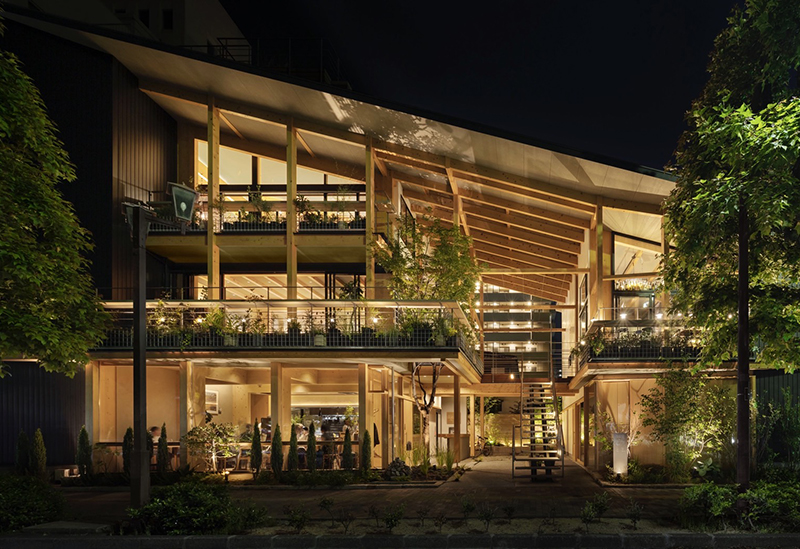 Western Cuisine
10.5kmfromKinryozan Saidaiji Temple (Kannon-in), Special Head Temple of the Koyasan Shingon Sect
Address:2F NISHIGAWA TERRACE North Building, 1-8-28 Tamachi, okayama, okayama
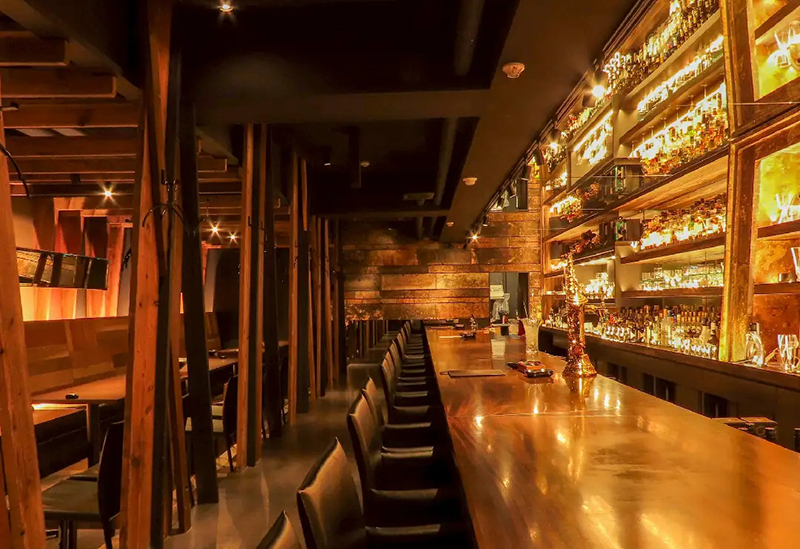 Izakaya/Bar
10.7kmfromKinryozan Saidaiji Temple (Kannon-in), Special Head Temple of the Koyasan Shingon Sect
Address:1F Sanga Building, 3-3 Saiwai Town, okayama, okayama
 Western Cuisine
10.7kmfromKinryozan Saidaiji Temple (Kannon-in), Special Head Temple of the Koyasan Shingon Sect
Address:1F Yamasa Building, 3-4 Nishiki-machi, okayama, okayama
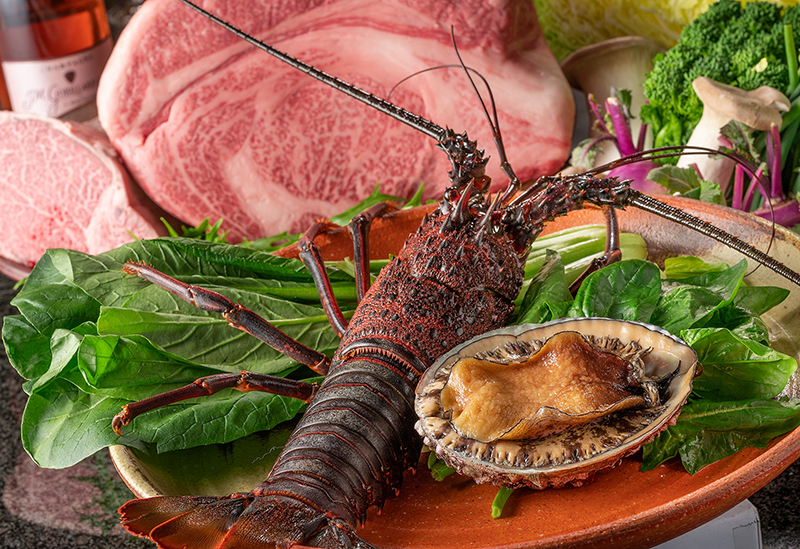 Local Specialties
11.1kmfromKinryozan Saidaiji Temple (Kannon-in), Special Head Temple of the Koyasan Shingon Sect
Address:19F Hotel Granvia Okayama, 1-5 Ekimoto-machi, okayama, okayama
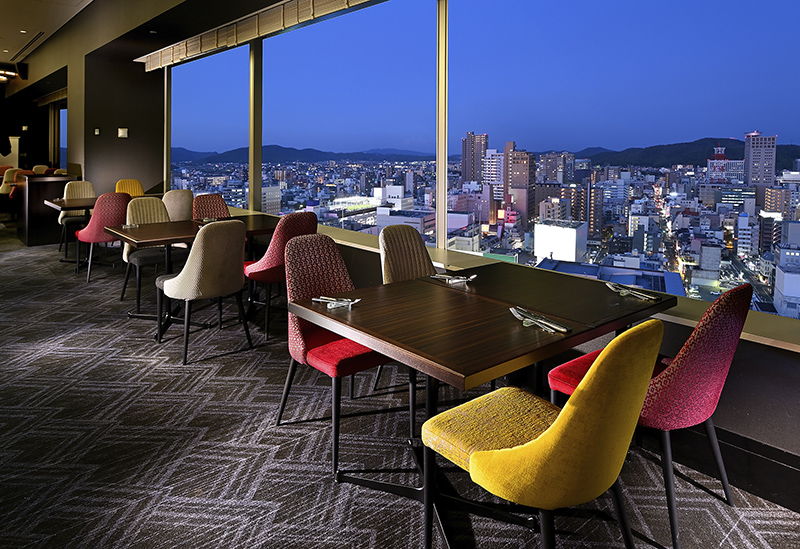 Western Cuisine
11.1kmfromKinryozan Saidaiji Temple (Kannon-in), Special Head Temple of the Koyasan Shingon Sect
Address:19F Hotel Granvia Okayama, 1-5 Ekimoto-machi, okayama, okayama
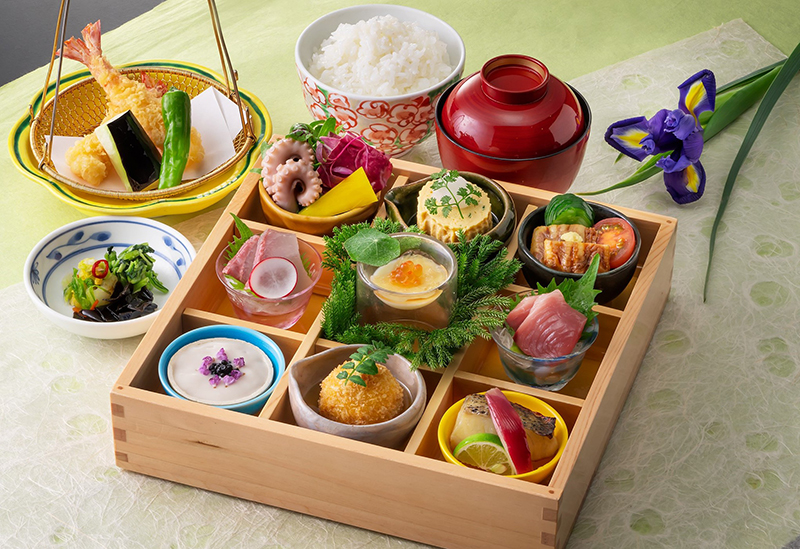 Local Specialties
11.1kmfromKinryozan Saidaiji Temple (Kannon-in), Special Head Temple of the Koyasan Shingon Sect
Address:2F Hotel Granvia Okayama, 1-5 Ekimoto-machi, okayama, okayama
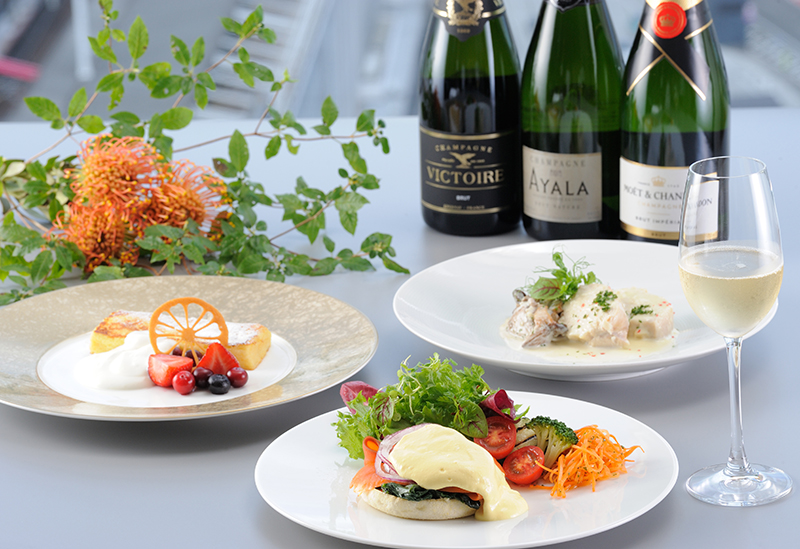 Western Cuisine
11.1kmfromKinryozan Saidaiji Temple (Kannon-in), Special Head Temple of the Koyasan Shingon Sect
Address:19F Hotel Granvia Okayama, 1-5 Ekimoto-machi, okayama, okayama

8.2kmfromKinryozan Saidaiji Temple (Kannon-in), Special Head Temple of the Koyasan Shingon Sect
Address:4-1-16 Kadotahon Town, Naka Ward, okayama, okayama

11.4kmfromKinryozan Saidaiji Temple (Kannon-in), Special Head Temple of the Koyasan Shingon Sect
Address:3-1-35 Hokan Town, okayama, okayama

16.7kmfromKinryozan Saidaiji Temple (Kannon-in), Special Head Temple of the Koyasan Shingon Sect
Address:5-28-30 Tai, tamano, okayama

22.5kmfromKinryozan Saidaiji Temple (Kannon-in), Special Head Temple of the Koyasan Shingon Sect
Address:63-1 Yagatazaki Ko, Tonosho Town, shozu, kagawa

23.3kmfromKinryozan Saidaiji Temple (Kannon-in), Special Head Temple of the Koyasan Shingon Sect
Address:2937 Hinase Town, bizen, okayama

23.7kmfromKinryozan Saidaiji Temple (Kannon-in), Special Head Temple of the Koyasan Shingon Sect
Address:3018 Hinase, Hinase Town, bizen, okayama

24.8kmfromKinryozan Saidaiji Temple (Kannon-in), Special Head Temple of the Koyasan Shingon Sect
Address:1-21 Higashimachi, kurashiki, okayama

27kmfromKinryozan Saidaiji Temple (Kannon-in), Special Head Temple of the Koyasan Shingon Sect
Address:5596-716 Ikeda, Shodoshima Town, shozu, kagawa
31.6kmfromKinryozan Saidaiji Temple (Kannon-in), Special Head Temple of the Koyasan Shingon Sect
Address:2746 Kamano, shozu, kagawa

33kmfromKinryozan Saidaiji Temple (Kannon-in), Special Head Temple of the Koyasan Shingon Sect
Address:499-1 Kisawa, Ougoshi Town, sakaide, kagawa
