


Tokyo Disneyland Coin Lockers: Where to Store Luggage and What to Do When Lockers Are Full
2024/11/25
 2024/11/28
"Wakayama Prefecture is home to remarkable UNESCO World Heritage sites, including the ancient Kumano Kodo pilgrimage routes and sacred Nachi Falls. While the region offers attractions year-round, winter brings a quieter beauty, from the snow-covered temples of Koyasan to the historic grounds of Wakayama Castle. Shirahama Onsen, one of Japan's three oldest hot spring resorts, is another inviting destination during the colder months.
This guide introduces 18 of the best places to visit in Wakayama in winter. Savor seasonal seafood, warm up in traditional hot springs, and discover the wildlife experiences at Adventure World. From historic landmarks to relaxing hot spring retreats, Wakayama offers a memorable winter getaway filled with natural beauty and cultural discoveries."
Table of Contents of This Article
Open Table of Contents ▼
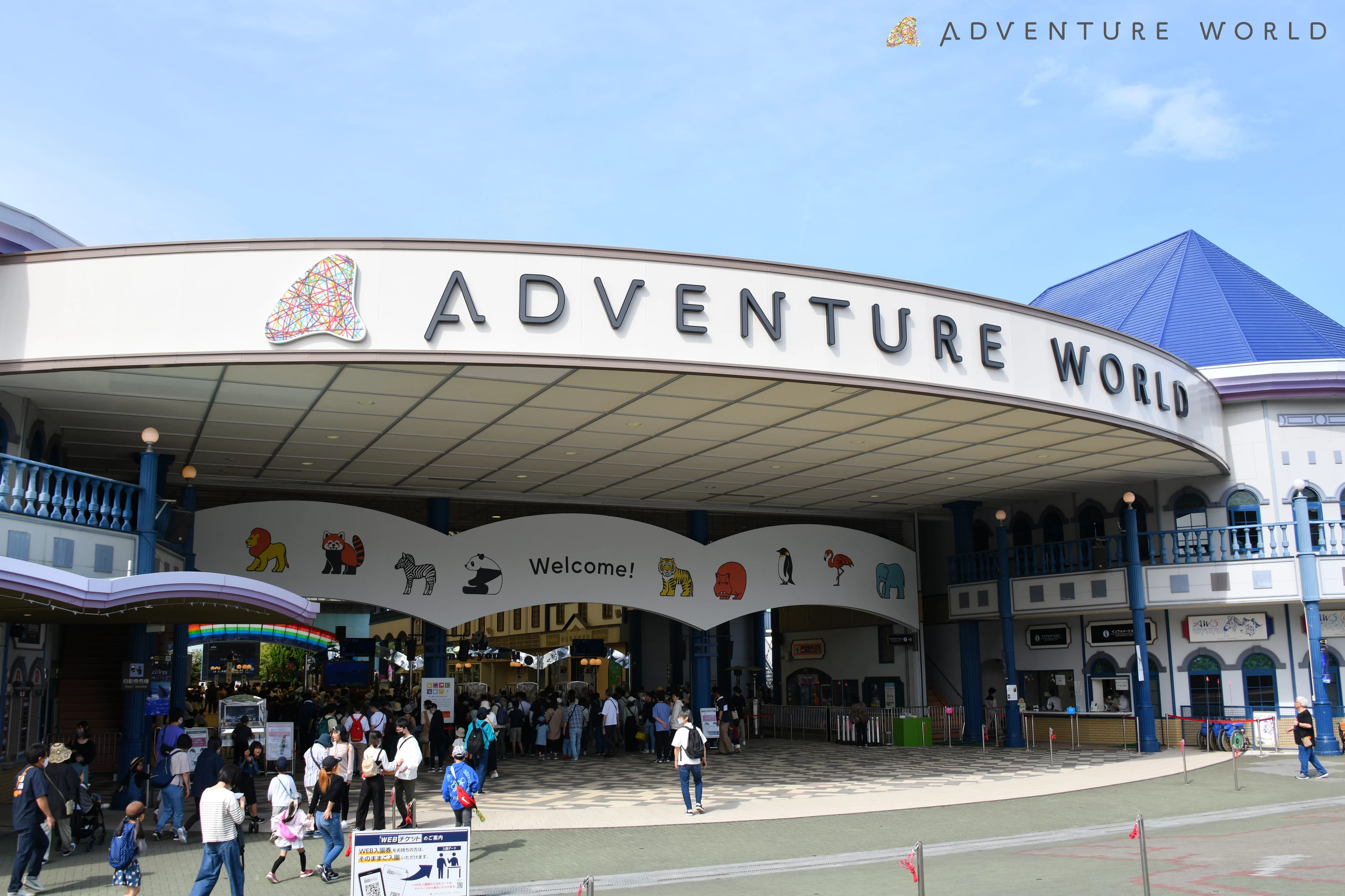



Combining a zoo, aquarium, and amusement park, Adventure World in Shirahama offers a wide range of experiences for visitors of all ages. Highlights include dynamic marine shows featuring dolphins and whales, as well as a safari train ride through Safari World, where visitors can observe herbivores and carnivores in spacious habitats. With opportunities to encounter fascinating wildlife and enjoy exciting attractions, Adventure World is a must-visit destination on a trip to Wakayama.
Adventure World

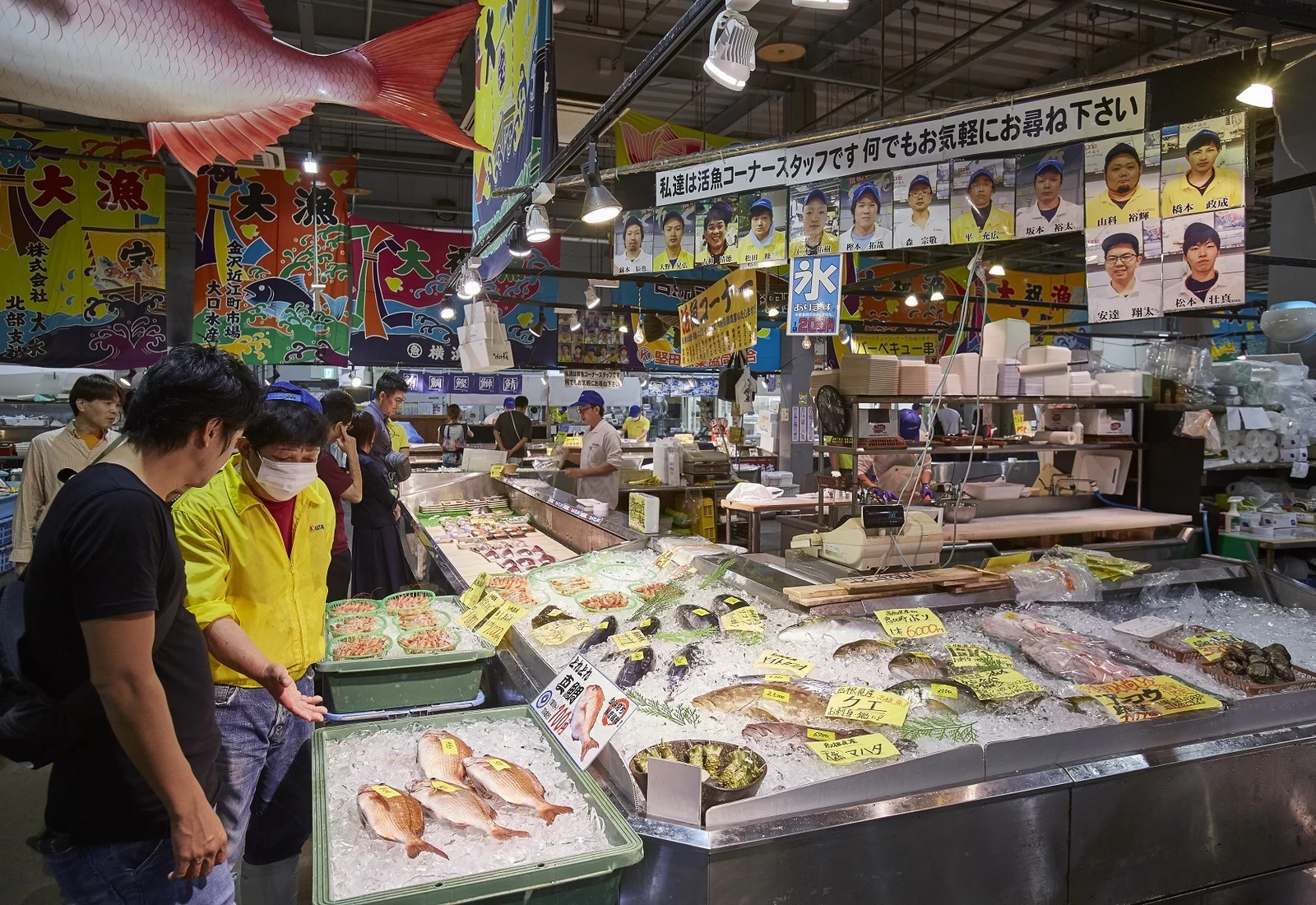
Operated by a local fishing cooperative, Toretore Market is a popular seafood market in Shirahama, known for its fresh seafood from across Japan. Winter is an especially rewarding time to visit, with seasonal specialties such as kue (longtooth grouper), a prized fish often served in hotpots, and Ise-ebi (Japanese spiny lobster). While the market offers fresh seafood year-round, winter brings its own delicious discoveries. One of the highlights is the tuna-cutting demonstration, held several times a day, where visitors can watch skilled professionals expertly carve a whole tuna up close.
Toretore Market Nanki Shirahama
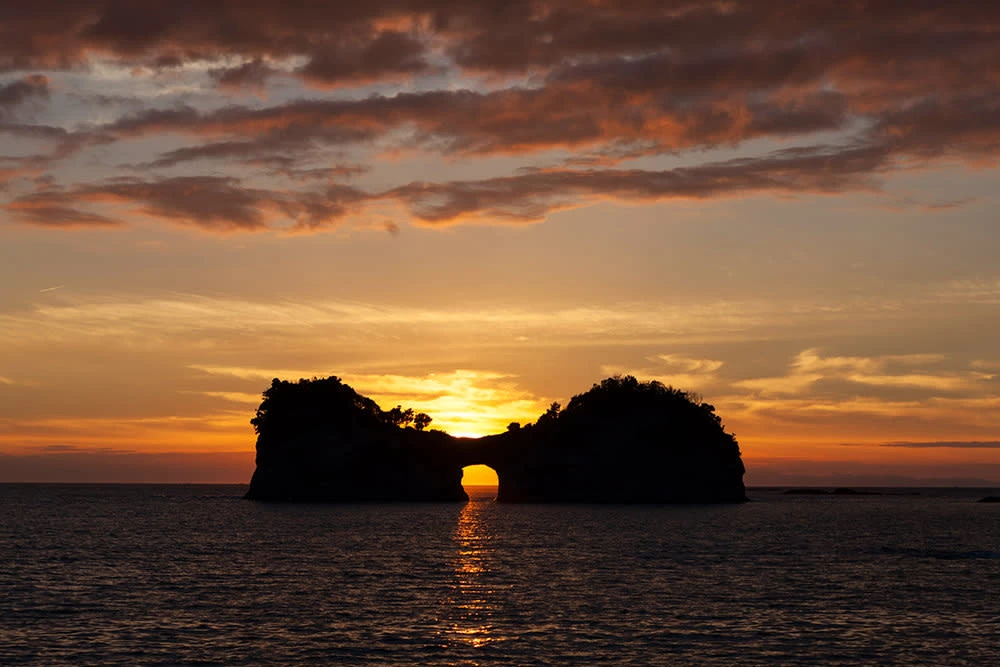
Engetsu Island is a small island off the coast of Shirahama, measuring approximately 130 meters from north to south and 35 meters from east to west. Officially named Takashima, it is popularly known as Engetsu Island, or "Full Moon Island," because of the circular opening in its center. The island is especially famous for its spectacular sunsets, recognized among Japan's 100 Best Sunset Spots. Around the spring and autumn equinoxes, the setting sun can sometimes be seen through the opening. Although these seasons offer particularly striking views, the clearer weather from autumn through winter also makes it a beautiful destination for sunset photography.
Engetsu Island
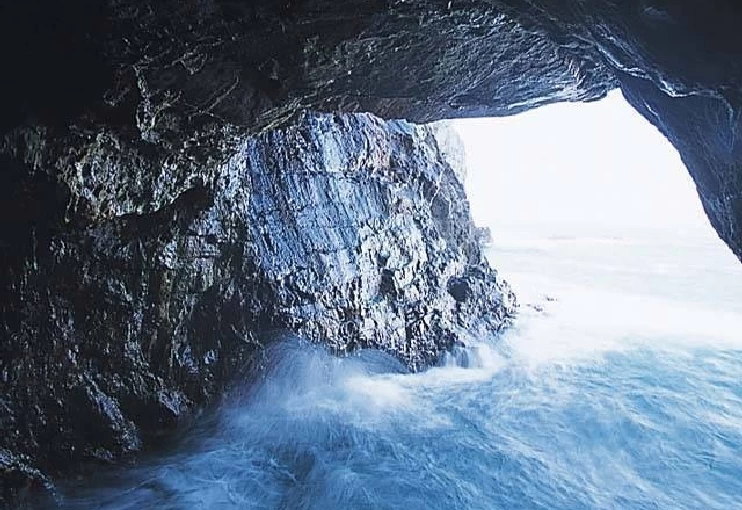
Hidden beneath the dramatic Sandanbeki Cliffs in Shirahama, Sandanbeki Cave is steeped in history and legend. During Japan's 12th-century Genpei War, the Kumano naval forces, who supported the Minamoto clan, are said to have used the cave to conceal their ships. Today, visitors can explore the cave and witness powerful Pacific Ocean waves crashing against its rocky walls. From autumn through winter, the special Starry Cave Night Walk transforms the cave with colorful illuminations and projected stars, creating a magical nighttime atmosphere. On select dates, guided stargazing sessions offer another opportunity to enjoy the night sky above the Pacific Ocean.
Sandanbeki Cave

Toretore no Yu is a spacious day-use hot spring facility in Shirahama, offering a wide variety of baths and relaxation experiences. Highlights include rock baths filled with natural Shirahama hot spring water, saunas with löyly steam sessions, and open-air baths overlooking the Pacific Ocean from an elevated location. Body treatments and traditional Korean body scrubs are also available, making it easy to spend hours unwinding. While the facilities can be enjoyed year-round, winter is an especially inviting time to soak in the warm mineral waters. Located near Toretore Market Nanki Shirahama, introduced earlier, the spa is a perfect place to relax after exploring the seafood market.
Shirahama Onsen Toretore no Yu
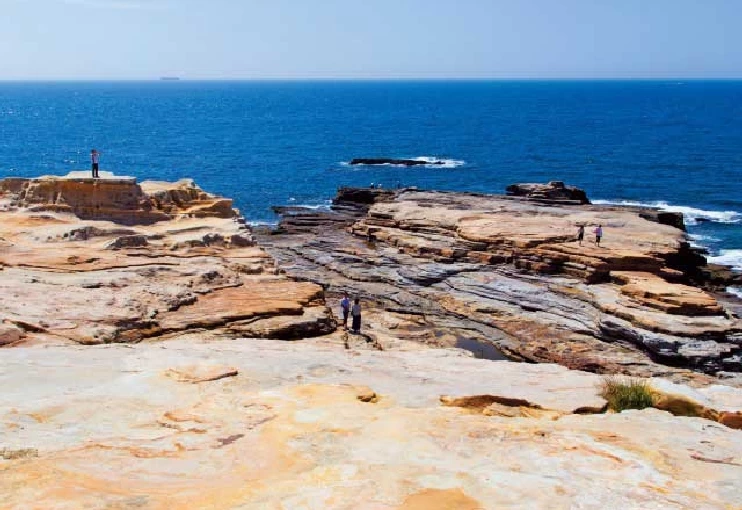
Senjojiki Rock Plateau is one of Shirahama's most spectacular natural attractions. Over millions of years, powerful Pacific Ocean waves have shaped its vast expanse of smooth, white sandstone into distinctive, layered formations. Its name, meaning "one thousand tatami mats," reflects the broad, flat rock surface stretching toward the sea. Visitors can admire the dramatic coastal scenery and watch the sun set over the Pacific horizon. Although beautiful year-round, Senjojiki offers a different atmosphere in winter, making it a worthwhile stop on a winter trip to Wakayama.
Senjojiki Rock Plateau
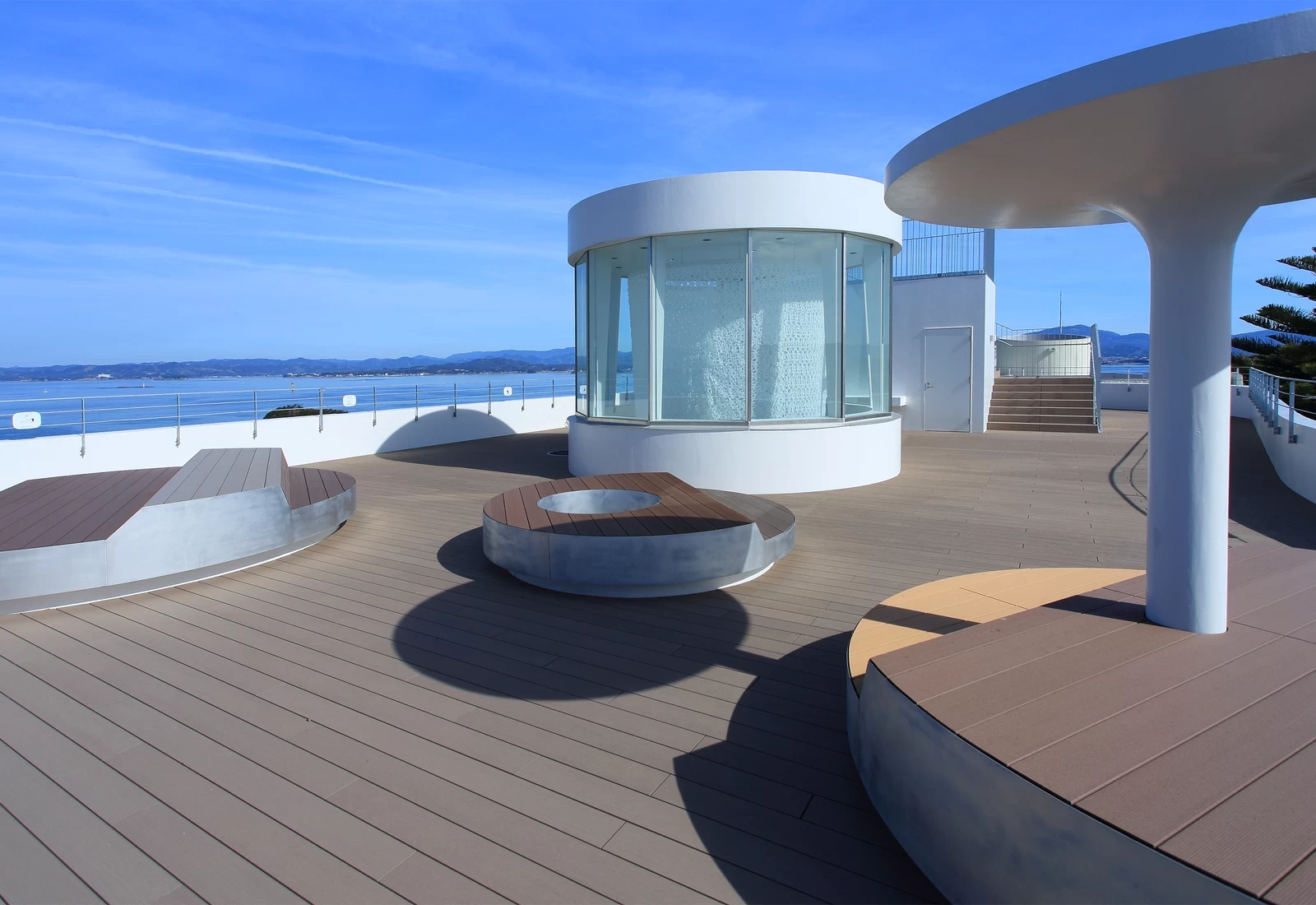
The Minakata Kumagusu Museum celebrates the life and achievements of Minakata Kumagusu (1867–1941), a Wakayama-born naturalist and pioneering folklorist. Known for his wide-ranging research in Japan and abroad, Kumagusu made significant contributions to the study of nature, particularly slime molds. The museum displays approximately 800 exhibits tracing his life from childhood through his international research and later years. One of the highlights is the opportunity to observe living slime molds under a microscope, offering a fascinating glimpse into the organisms he studied. With its extensive indoor exhibits, the museum is an excellent destination for a cold winter day in Wakayama.
Minakata Kumagusu Museum
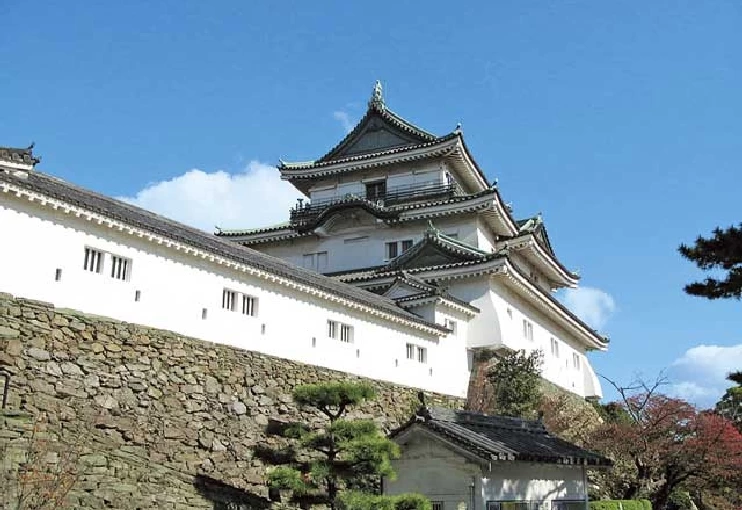
Wakayama Castle is one of Wakayama City's most iconic landmarks and a nationally designated historic site. Once home to the powerful Tokugawa clan, the castle is known for its impressive architecture and beautiful grounds. Although snowfall is rare in Wakayama City, the castle looks especially picturesque when covered in snow. Around February, plum blossoms begin to bloom near Oimawari Gate, adding a touch of color to the winter landscape. Visitors can also explore a small zoo and a traditional Japanese teahouse within the castle grounds, making it a rewarding destination for a winter stroll.
Wakayama Castle
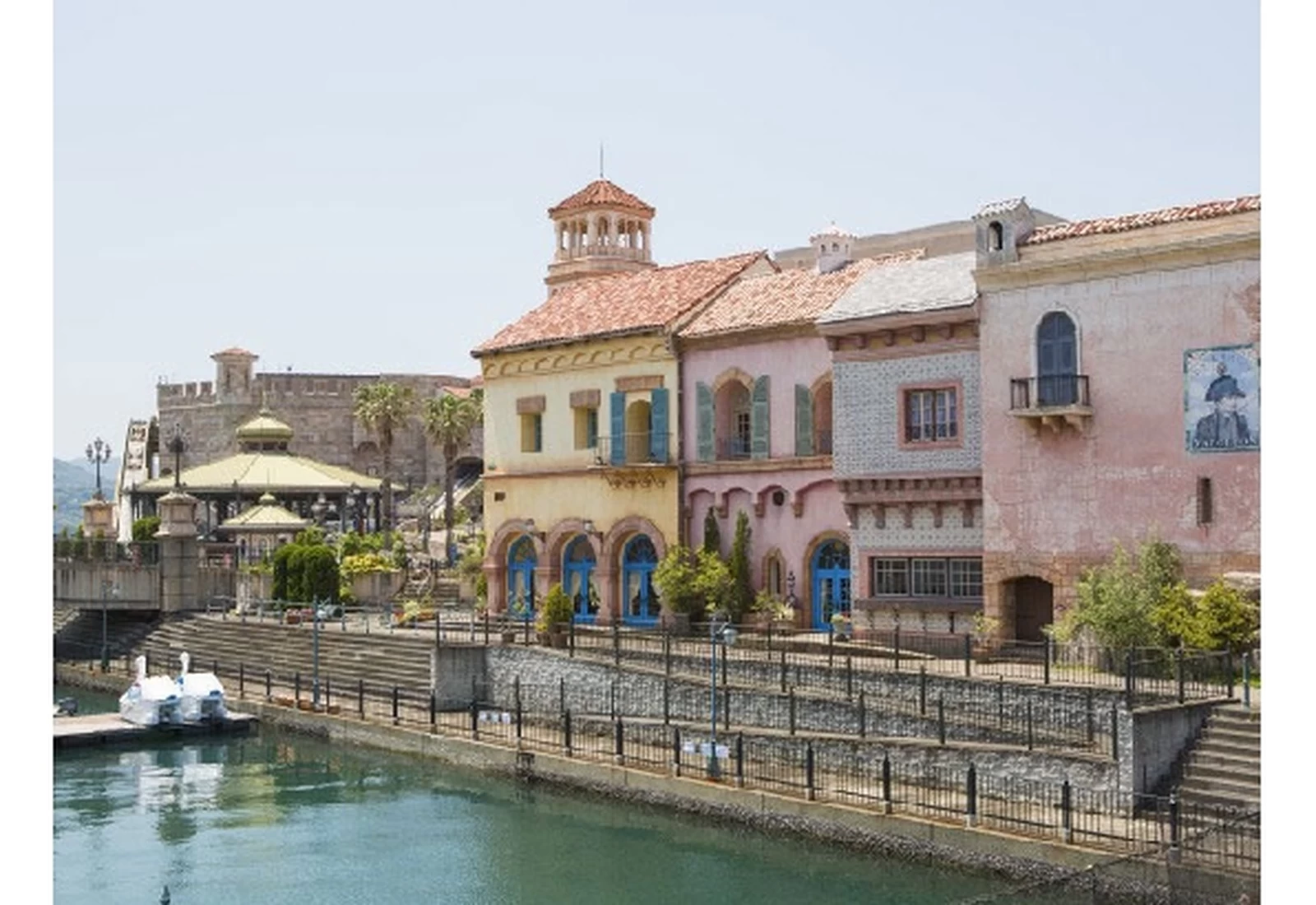
Wakayama Marina City is a seaside resort island where visitors can enjoy entertainment, dining, and relaxation all in one place. Its attractions include Porto Europa, a theme park inspired by European coastal towns; Kuroshio Market, known for its fresh seafood; Kishu Kuroshio Onsen, offering ocean-view hot spring baths; and a seaside fishing park. With so much to explore, visitors can easily spend an entire day here.
In winter, the resort becomes even more magical with FeStA LuCe, a seasonal festival of lights held from October 31, 2026, through February 14, 2027. Colorful illuminations, projection mapping, and special light-themed events transform Porto Europa into a dazzling nighttime destination, making Wakayama Marina City an especially memorable place to visit during winter.
Wakayama Marina City
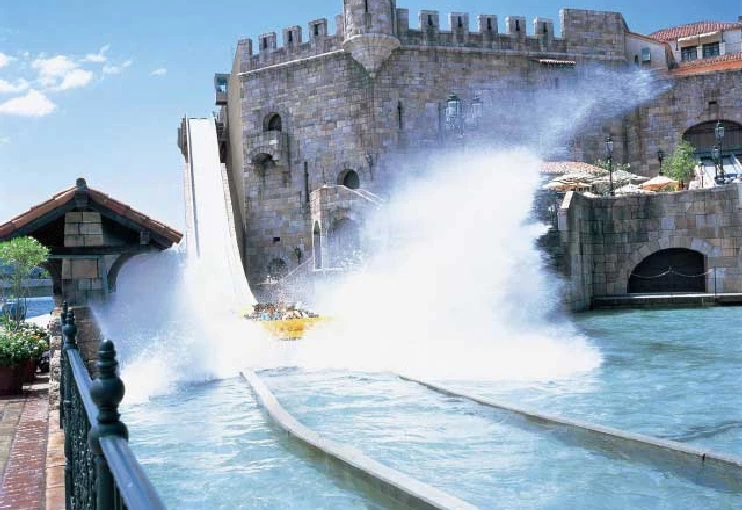
Porto Europa is a European-inspired theme park in Wakayama Marina City, featuring charming streets modeled after coastal towns in France and Italy. Visitors can enjoy strolling through the picturesque surroundings or try a variety of attractions, including a thrilling water ride, amusement park rides, and virtual reality experiences. With activities for children and adults alike, the park offers plenty of opportunities for family fun. During winter, Porto Europa also hosts FeStA LuCe, a spectacular illumination festival that transforms the park into a dazzling world of lights.
Porto Europa
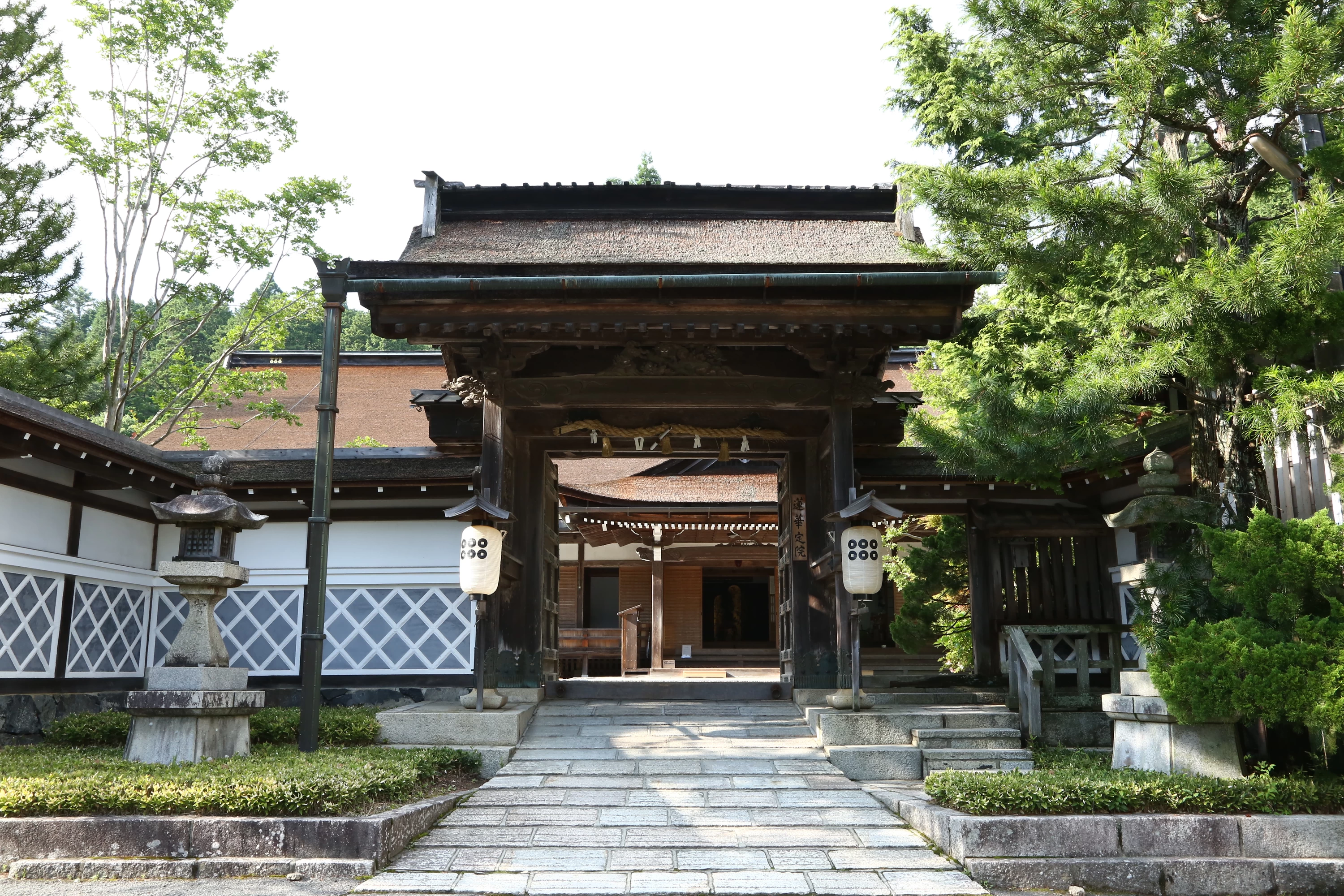
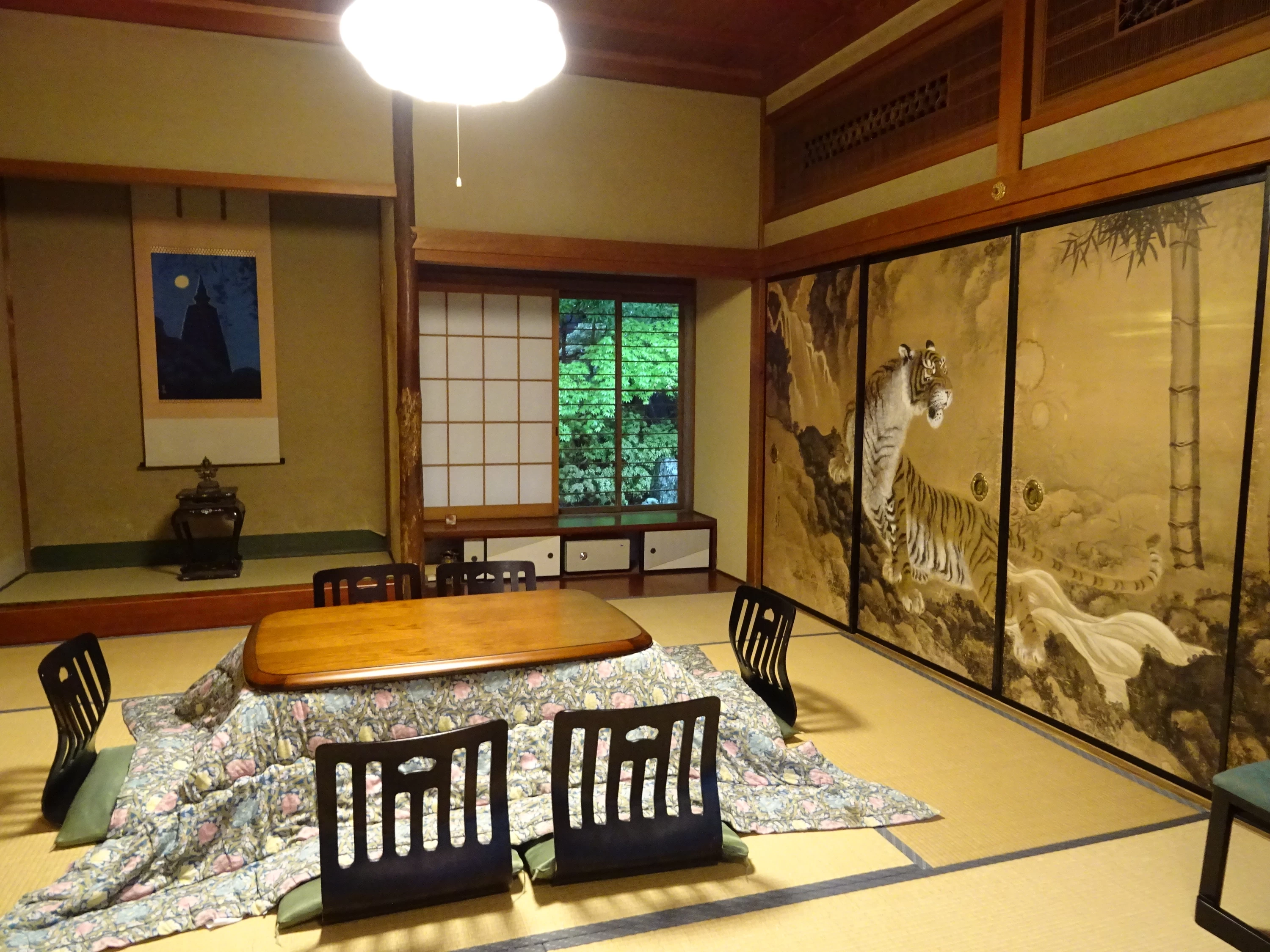
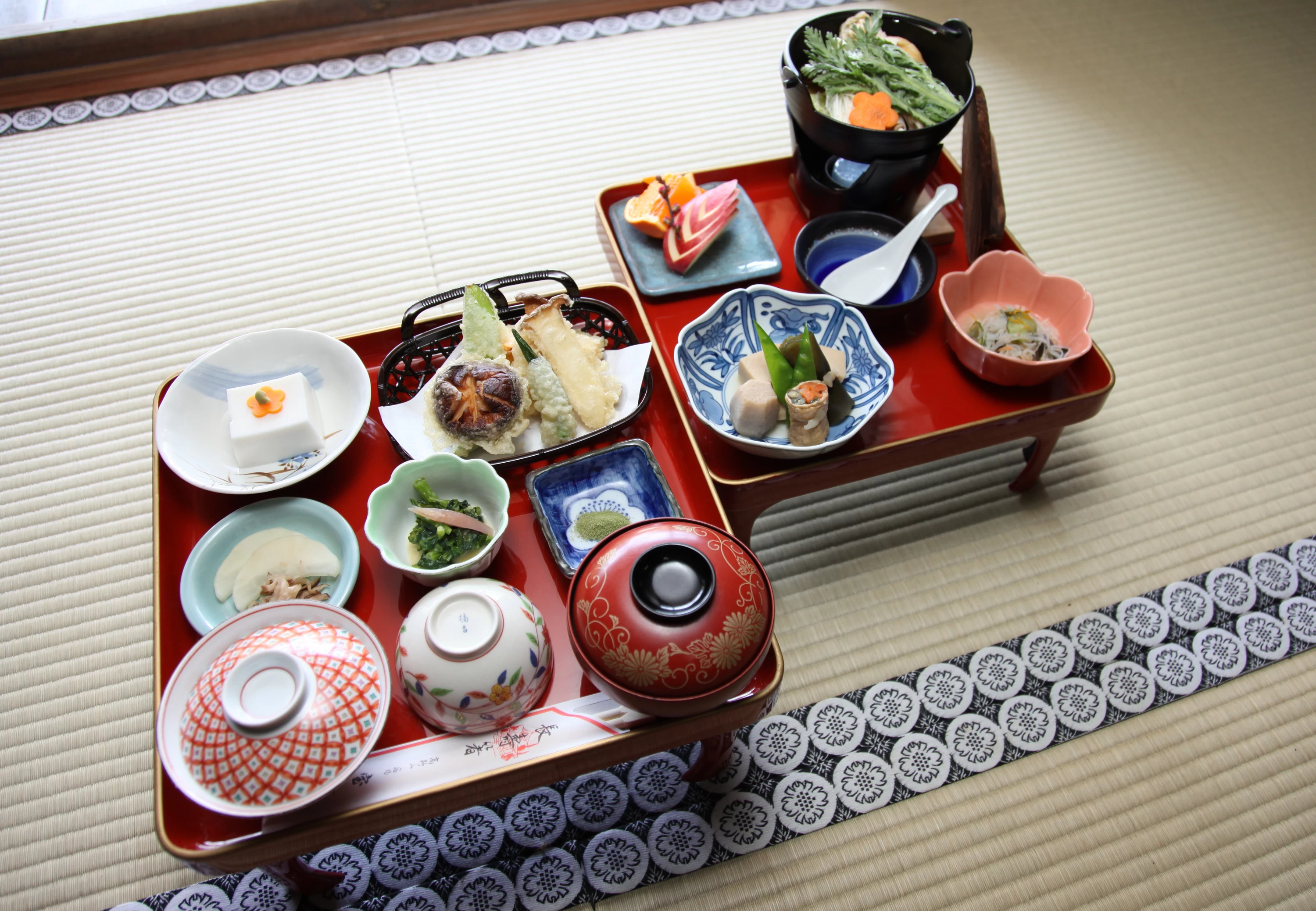
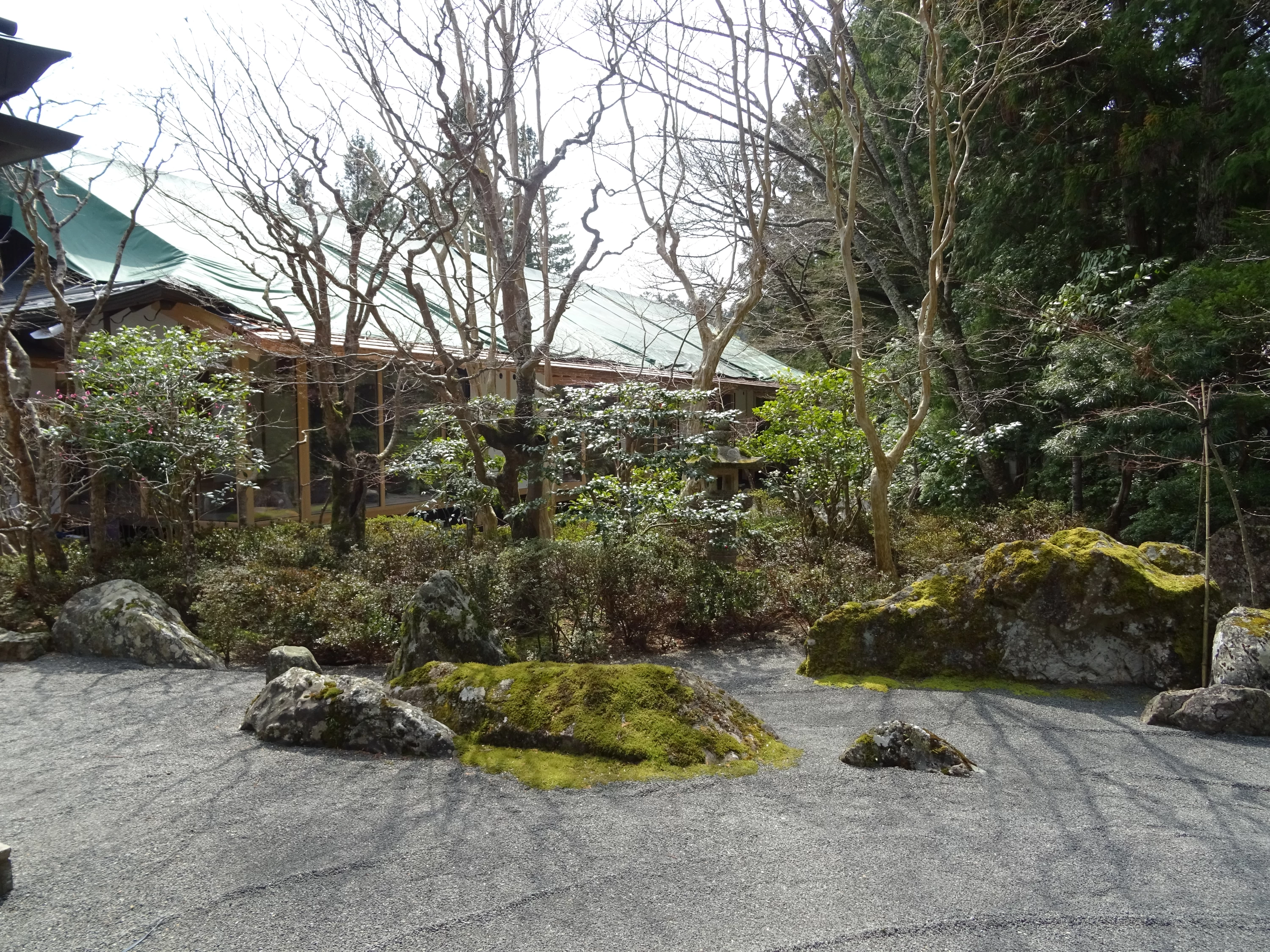
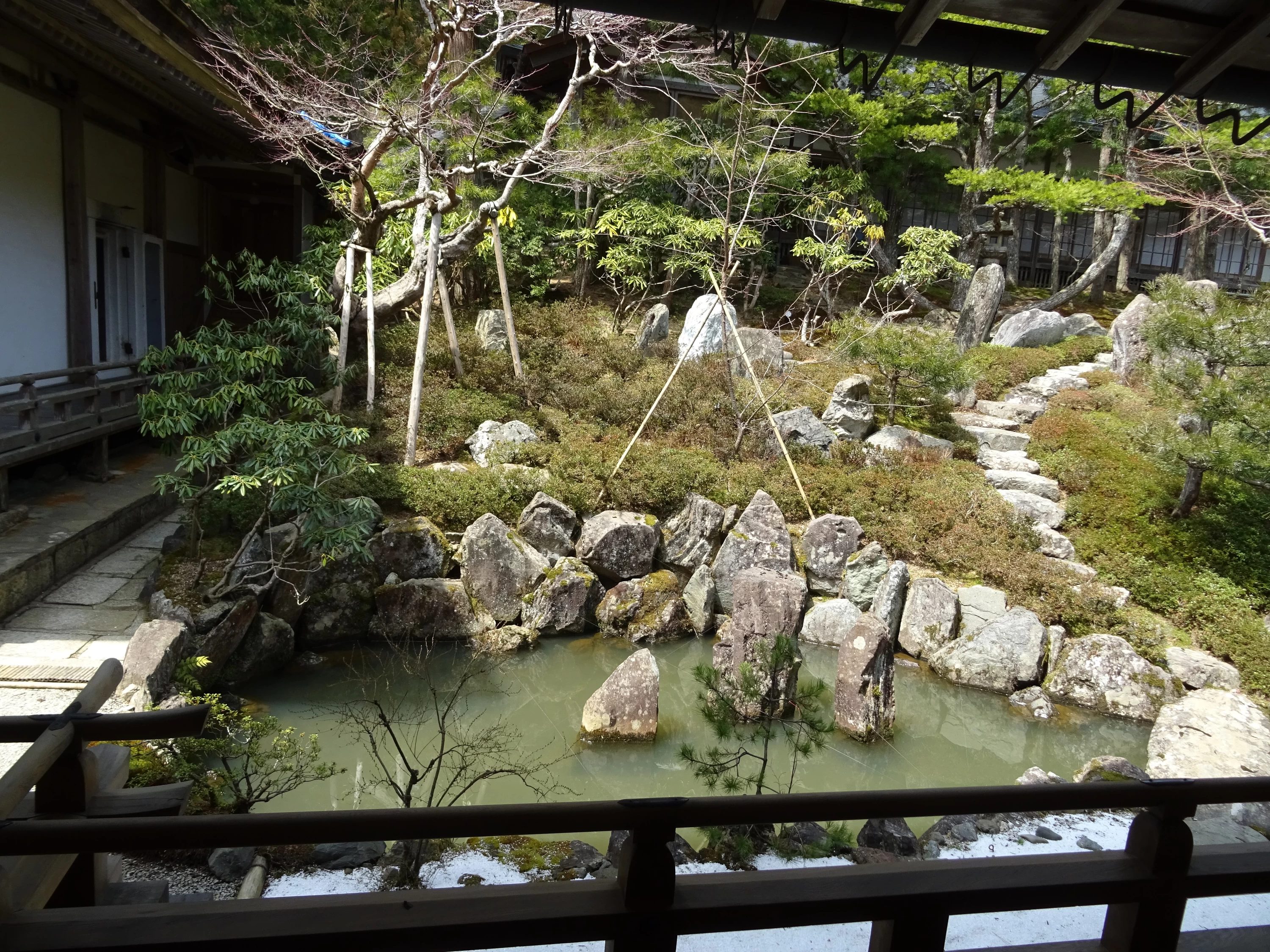
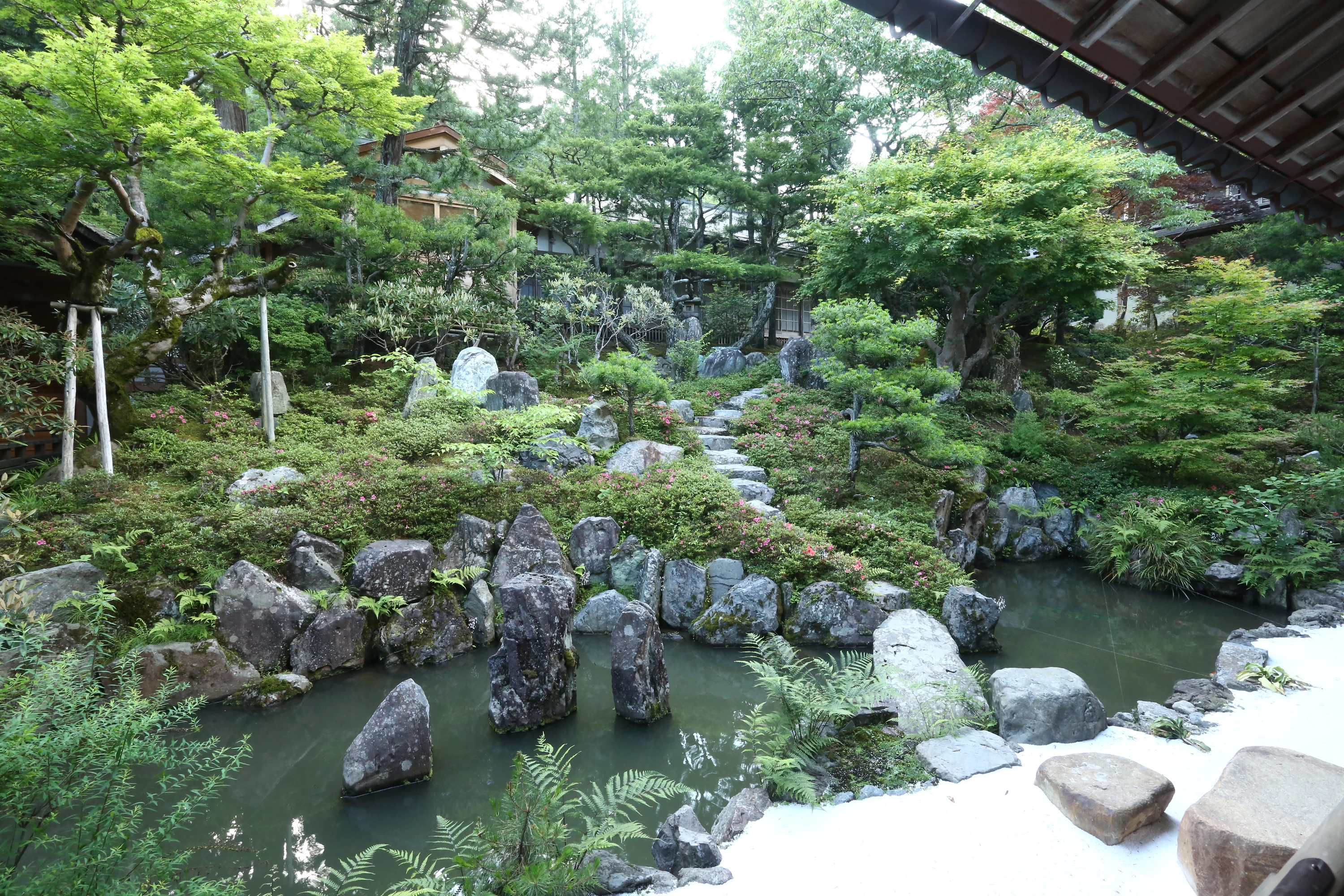
Founded in the early 9th century by the Buddhist monk Kukai (Kobo Daishi), Koyasan is one of Japan's most sacred Buddhist sites and the spiritual center of Shingon Buddhism. For centuries, pilgrims have traveled to this mountain sanctuary to worship and seek spiritual guidance. Today, more than 50 temples offer shukubo, traditional temple accommodations where visitors can experience Buddhist culture and practices firsthand. Depending on the temple, guests may participate in morning prayers, meditation, or sutra copying, and enjoy shojin ryori, traditional Buddhist vegetarian cuisine. Surrounded by Koyasan's peaceful, spiritual atmosphere, a temple stay offers a memorable opportunity to experience Japan's religious traditions.
Koyasan Shukubo (Temple Lodgings)
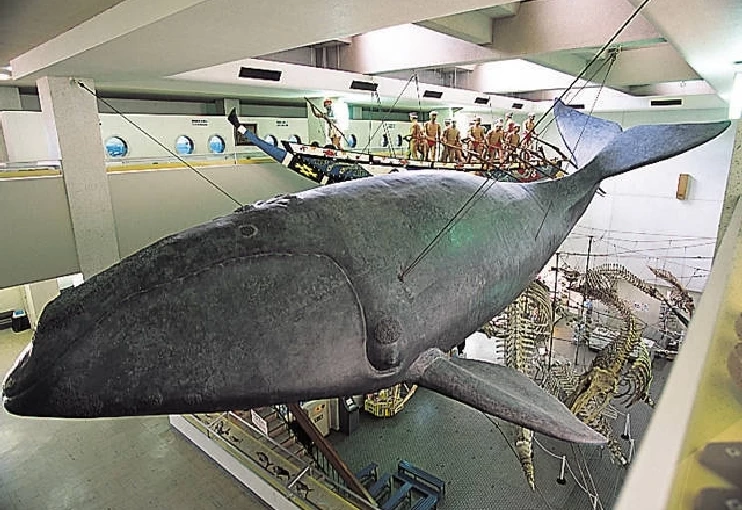
Taiji Whale Museum offers a fascinating look at the biology of whales and dolphins, as well as the centuries-old relationship between these marine mammals and the people of Taiji, a town known for its whaling history. In addition to its extensive exhibits, the museum offers interactive experiences with whales and dolphins. From a pier overlooking a natural seawater pool, visitors can observe the animals up close and even feed them fish. Although the museum is popular year-round, winter may offer a quieter atmosphere for exploring the exhibits and enjoying these memorable wildlife encounters.
Taiji Whale Museum
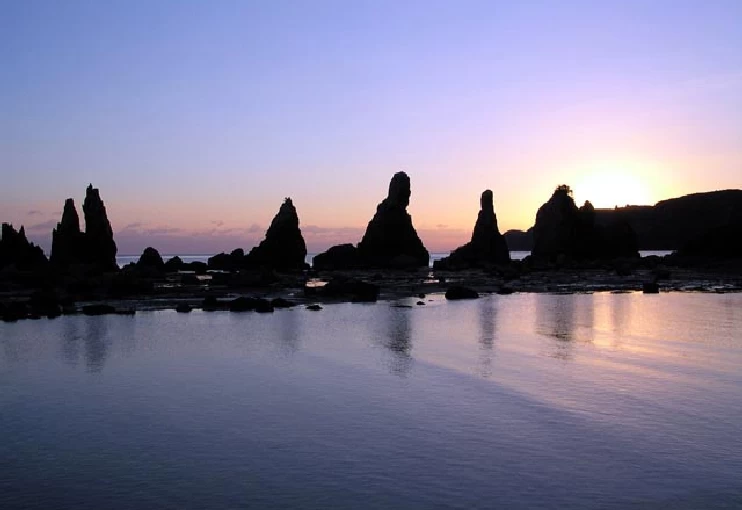
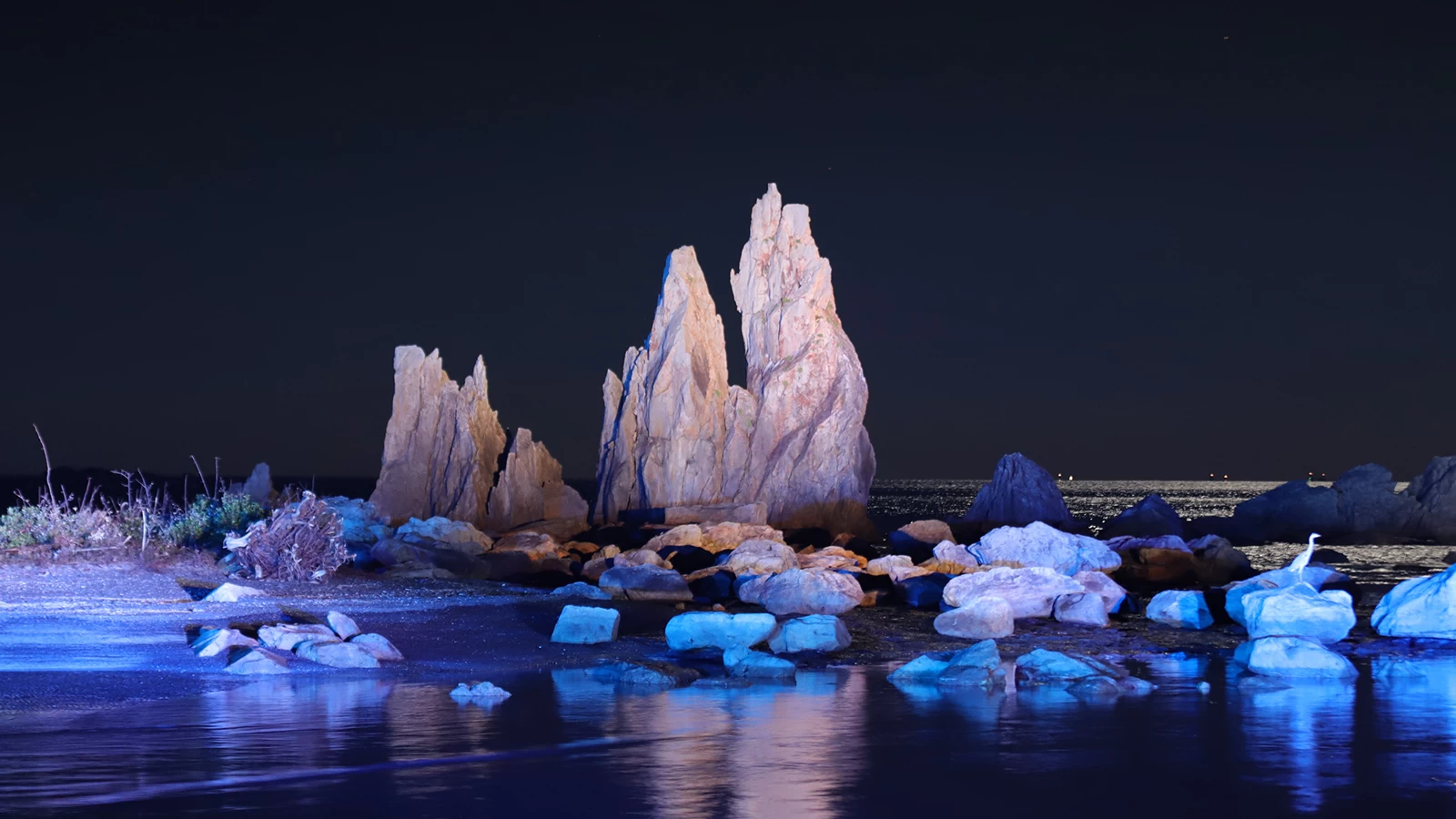
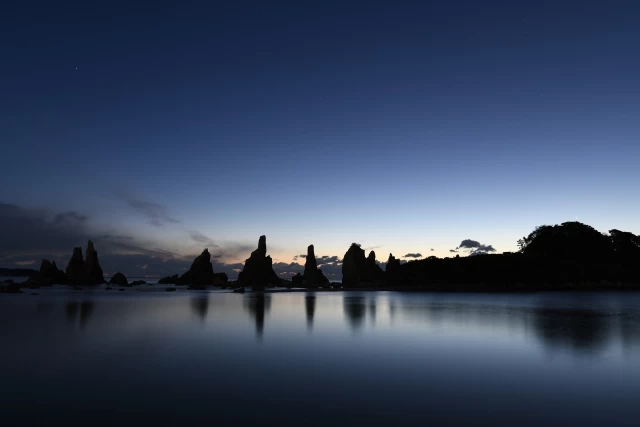
The Hashigui-iwa Rocks are one of Kushimoto's most remarkable natural landmarks, featuring more than 40 rock pillars stretching approximately 850 meters into the sea. Their distinctive, evenly spaced formation resembles the posts of a bridge, giving the rocks their name. Shaped by volcanic activity and centuries of erosion, the dramatic landscape changes with the tides and shifting light. Both sunrise and sunset offer beautiful views, making this a popular destination for photography. Designated by the Japanese government as both a Place of Scenic Beauty and a Natural Monument, the Hashigui-iwa Rocks are a spectacular sight worth visiting year-round.
Hashigui-iwa Rocks
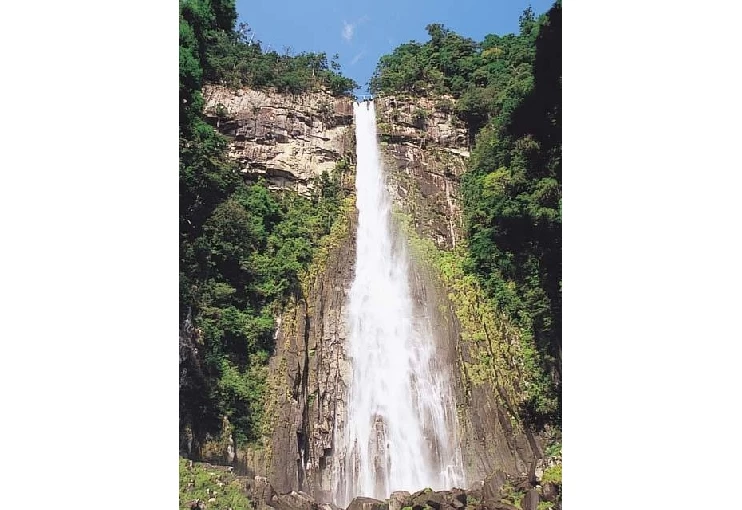
Nachi Falls is Japan's tallest single-drop waterfall, plunging 133 meters through a lush primeval forest. The powerful cascade creates a breathtaking sight, accompanied by the thunderous sound of rushing water. More than a natural wonder, the waterfall itself is worshipped as a sacred deity at Hiro Shrine, an auxiliary shrine of Kumano Nachi Taisha, giving the site a deeply spiritual atmosphere. Part of the UNESCO World Heritage site Sacred Sites and Pilgrimage Routes in the Kii Mountain Range, Nachi Falls is also nationally designated as a Place of Scenic Beauty. In the crisp winter air, its majestic beauty and sacred atmosphere feel especially striking.
Nachi Falls (Hiro Shrine)
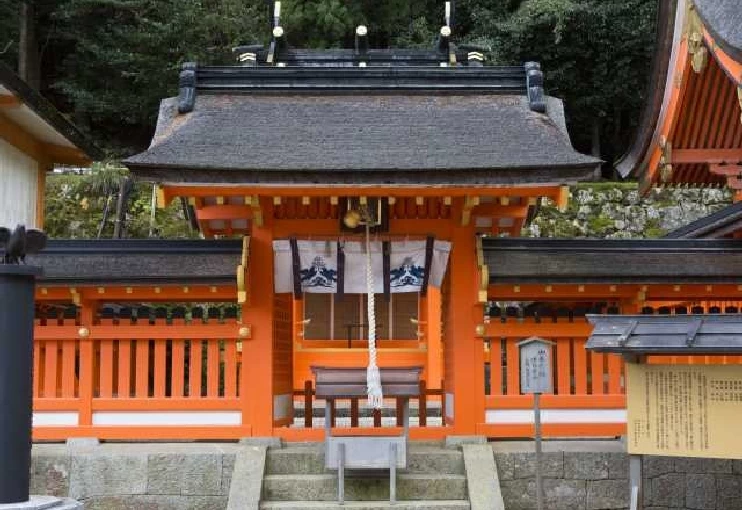
Kumano Nachi Taisha is one of the three sacred Kumano Grand Shrines and a spiritual center of the ancient Kumano faith. It serves as a principal shrine for thousands of Kumano shrines throughout Japan and has long been revered as a place where people pray for meaningful connections, fulfilled wishes, and safe journeys. Part of the UNESCO World Heritage site Sacred Sites and Pilgrimage Routes in the Kii Mountain Range, the shrine is also home to nationally designated Important Cultural Properties. One of its most enchanting winter traditions is the illumination of nearby Nachi Falls on New Year's Eve. From December 31 into New Year's Day, the illuminated waterfall creates a breathtaking sight amid the sacred atmosphere of the surrounding mountains.
Kumano Nachi Taisha Grand Shrine
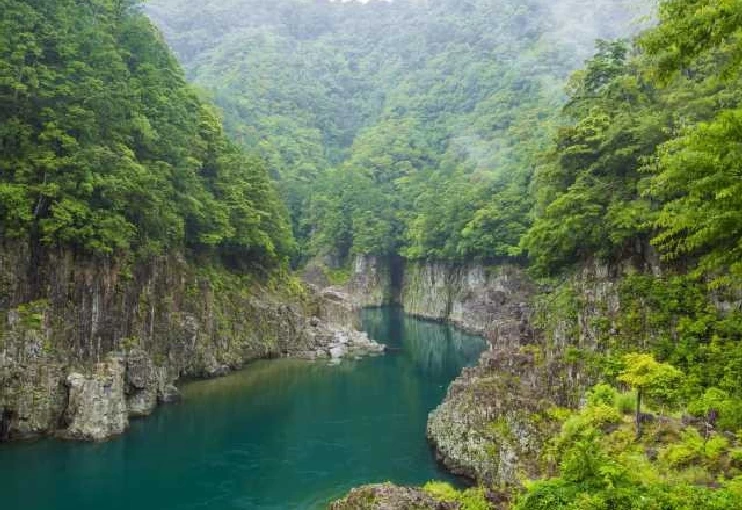
Stretching across Wakayama, Nara, and Mie prefectures, Dorokyo Gorge is a breathtaking natural wonder known for its towering cliffs, massive rock formations, and tranquil emerald-green waters. Its most scenic section, Dorohaccho, is designated as a National Special Place of Scenic Beauty and Natural Monument. The dramatic landscape offers a peaceful escape into nature, with refreshing river breezes and scenery that feels untouched by time. Far from the bright lights of major cities, the gorge may also offer opportunities for stargazing on clear winter nights, when the crisp air can make the night sky especially beautiful.
Dorokyo Gorge
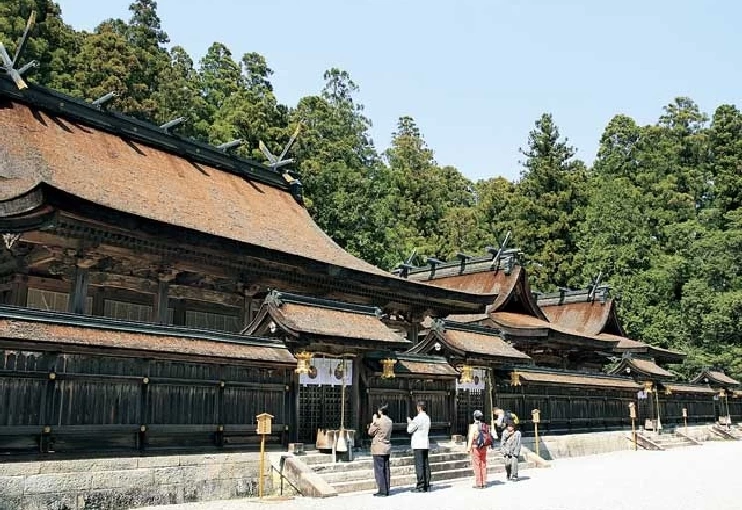
Kumano Hongu Taisha is one of the three sacred Kumano Grand Shrines and the principal shrine of thousands of Kumano shrines throughout Japan. Its main deity is Ketsumimiko Okami, identified with Susanoo-no-Mikoto in Japanese mythology. According to ancient legend, the deities descended to the shrine's original site, Oyunohara, giving the area its deeply spiritual significance. Today, the shrine is part of the UNESCO World Heritage site Sacred Sites and Pilgrimage Routes in the Kii Mountain Range and continues to attract pilgrims from across Japan and beyond. A particularly meaningful winter tradition is the Aketora Festival, held from 2:00 a.m. to 4:00 a.m. on New Year's Day. During this sacred ceremony, the shrine's main sanctuary doors are opened for special prayers, and tradition holds that worshipping at this time can help fulfill wishes for the coming year.
Kumano Hongu Taisha Grand Shrine
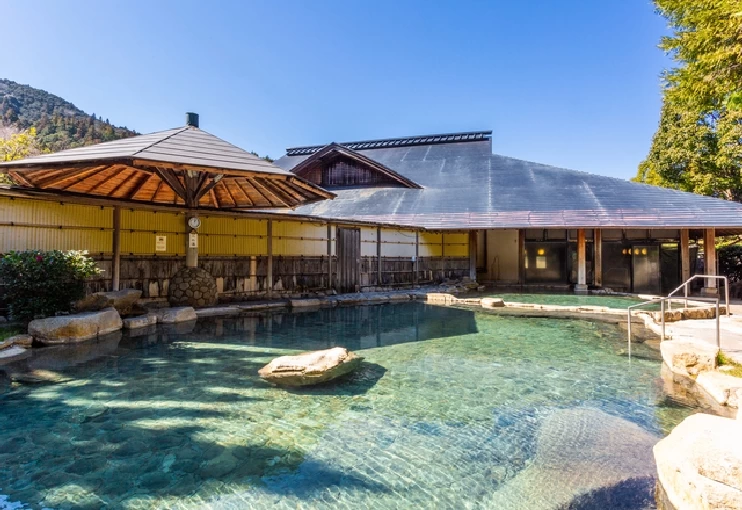
Watarase Onsen is home to one of the largest open-air hot spring bathing facilities in western Japan. Surrounded by lush mountains, its spacious outdoor baths feature natural hot spring water flowing continuously from the source, allowing visitors to relax while enjoying the fresh mountain air. In addition to the main open-air baths, the facility offers indoor baths and private outdoor baths for families, making it an inviting destination for visitors of all ages. Winter is an especially magical time to soak in the warm waters beneath a star-filled sky, surrounded by rising steam and the peaceful beauty of nature.
Watarase Onsen Large Open-Air Baths
Wakayama offers a wealth of winter attractions, from historic landmarks to stunning natural scenery. Located at the southern tip of the Kansai region, the prefecture enjoys a relatively mild winter climate, making it an inviting destination for seasonal travel. On rare snowy days, Wakayama Castle and the sacred temples of Koyasan take on an especially magical appearance. Winter also brings spectacular illumination events at theme parks and delicious seasonal seafood. Whether traveling with family, friends, or a partner, Wakayama offers something for everyone. Explore its beautiful landscapes, discover its rich history, and savor local specialties for an unforgettable winter getaway.
Was it helpful? Please try using it when traveling or going out.
Article planning/supervision:Tabiiro Editorial Department Omori
writer:peekaboo
Updated every Monday: Total number of views for 30 days


Tokyo Disneyland Coin Lockers: Where to Store Luggage and What to Do When Lockers Are Full
2024/11/25


Yokohama Station Coin Lockers: Locations, Prices, and Free Options
2025/01/31


12 Must-Visit Okinawa Souvenir Shops for Awamori, Perfume, and Ryukyu Glass
2026/05/04


Top 10 Souvenirs to Buy at Shin-Yokohama Station — Best Spots for Cute Treats
2026/05/05


Exploring Okinawa by Campervan: A First-Timer’s Guide
2026/05/15
Adventure World
8-minute drive from Nanki-Shirahama IC (Kisei Expressway)
Toretore Market Nanki Shirahama
A short walk from Toretore Ichiba-mae bus stop, 20-minute drive from Nanki-Shirahama IC (Kisei Expressway)
Engetsu Island
15-minute drive from Nanki-Shirahama IC (Kisei Expressway)
Sandanbeki Cave
Shirahama Onsen Toretore no Yu
3-minute walk from Toretore Ichiba-mae bus stop, 5-minute bus ride from Shirahama Station (JR Kinokuni Line)
Senjojiki Rock Plateau
A short walk from Senjo-guchi bus stop, 21-minute bus ride from Shirahama Station (JR Kinokuni Line) on the Meiko Bus bound for Sandanbeki
Minakata Kumagusu Museum
10-minute walk from Rinkai bus stop, 20-minute drive from Nanki-Shirahama IC (Kisei Expressway)
Wakayama Castle
10-minute walk from Wakayama Castle-mae bus stop, 10-minute bus ride from Wakayama Station (JR Lines)
Wakayama Marina City
10-minute drive from Kainan IC (Hanwa Expressway)
Porto Europa
A short walk from Wakayama Marina City bus stop, 15-minute bus ride from Kainan Station (JR Kinokuni Line)
Koyasan Shukubo (Temple Lodgings)
40-minute drive from Kihoku-Katsuragi IC (Keinawa Expressway) (Parking availability varies by temple lodging.)
Taiji Whale Museum
A short walk from Kujirakan-mae bus stop, 5-minute bus ride from Taiji Station (JR Kinokuni Line)
Hashigui-iwa Rocks
Nachi Falls (Hiro Shrine)
15-minute walk from Nachi-no-Taki-mae bus stop, 25-minute bus ride from Kii-Katsuura Station (JR Kinokuni Line)
Kumano Nachi Taisha Grand Shrine
15-minute walk from Nachisan bus stop, 25-minute bus ride from Kii-Katsuura Station (JR Kinokuni Line)
Dorokyo Gorge
Kumano Hongu Taisha Grand Shrine
A short walk from Hongu Taisha-mae bus stop, 125-minute bus ride from Kii-Tanabe Station (JR Kinokuni Line)
Watarase Onsen Large Open-Air Baths
5-minute walk from Wataze Onsen bus stop, 120-minute bus ride from Kii-Tanabe Station (JR Kinokuni Line)