


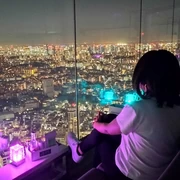
SHIBUYA SKY: A Firsthand Visit Report From 229 Meters Above Tokyo
2025/12/12
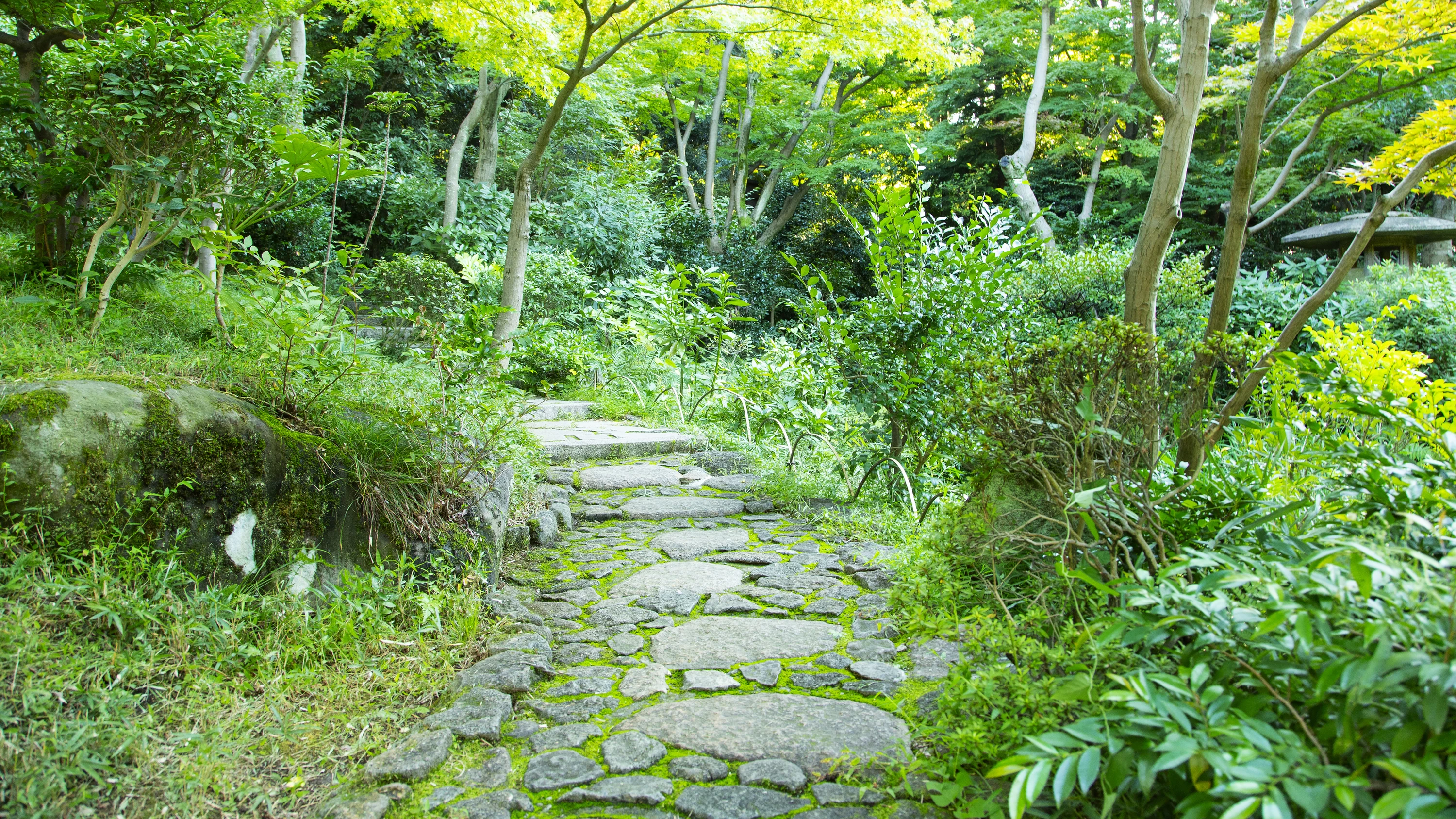
Shibuya is the heart of Japan’s trendsetting culture, constantly redefining fashion, food, and lifestyle. As one of Tokyo’s most energetic hubs, the district is packed with endless shopping and iconic sightseeing spots.
This guide introduces the latest attractions, organized by area for easy exploring. From destinations known for cutting-edge fashion and buzzing restaurants to quiet spots ideal for unwinding alone, it highlights the many ways to experience the best of Shibuya.
Table of Contents of This Article
Open Table of Contents ▼
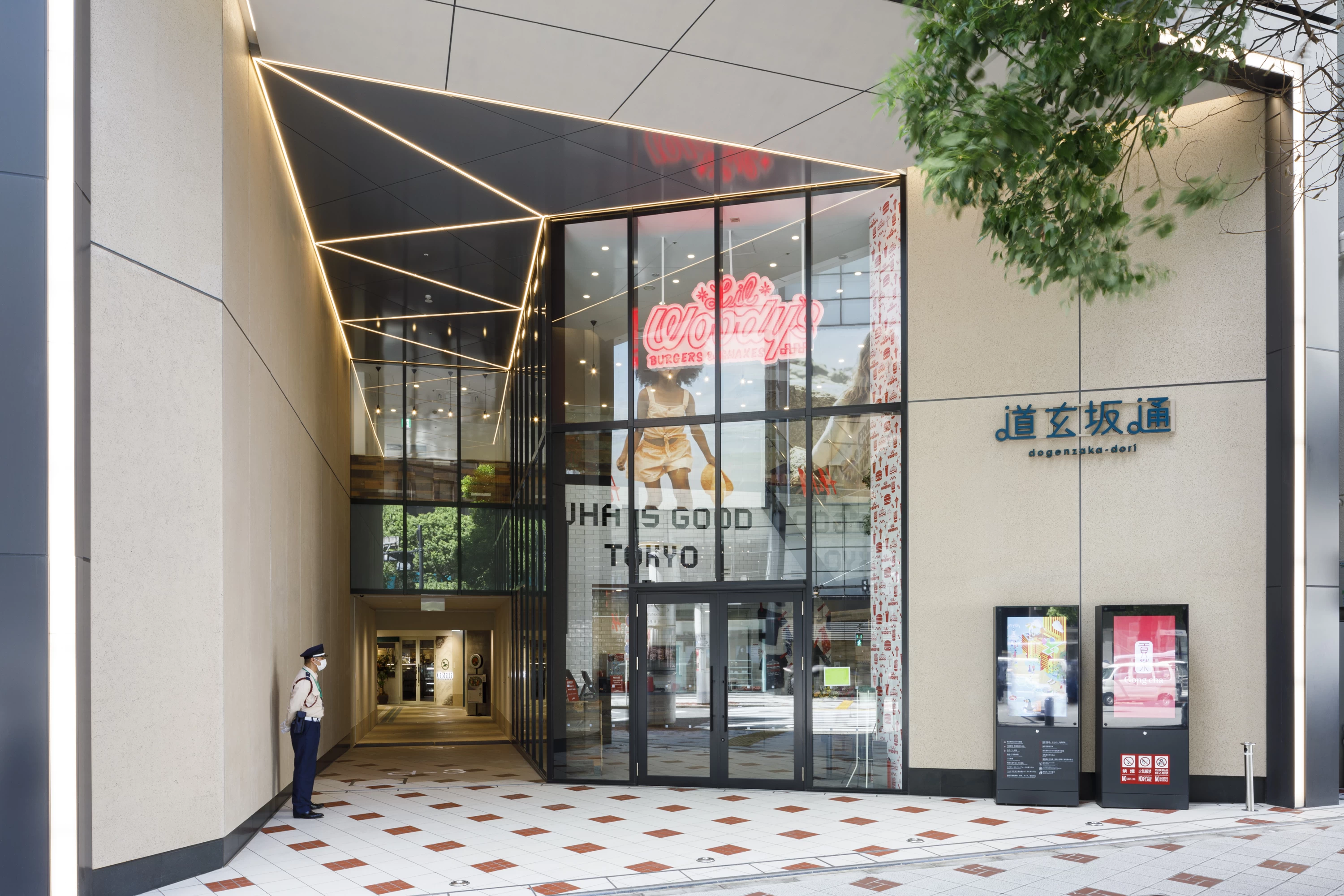
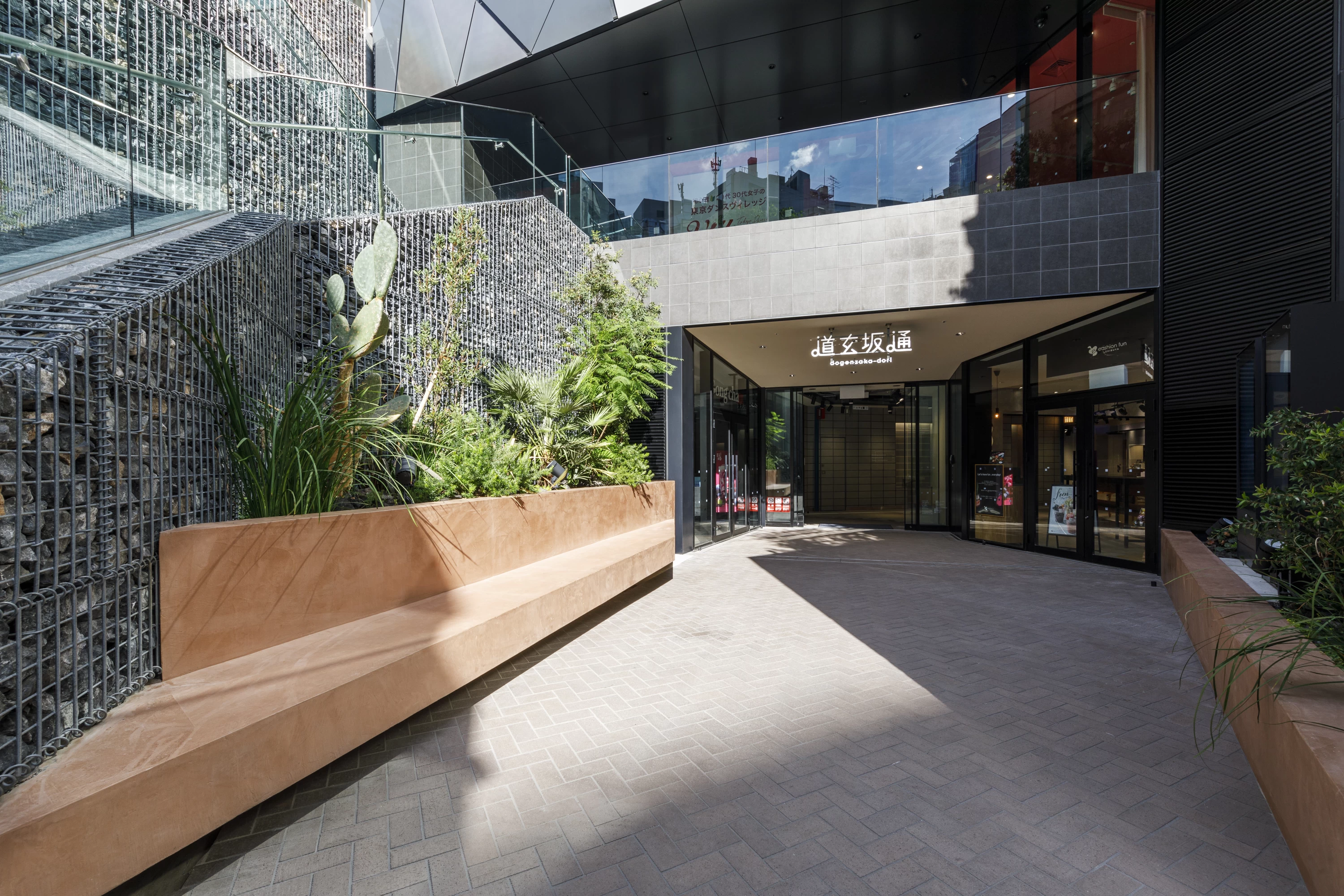
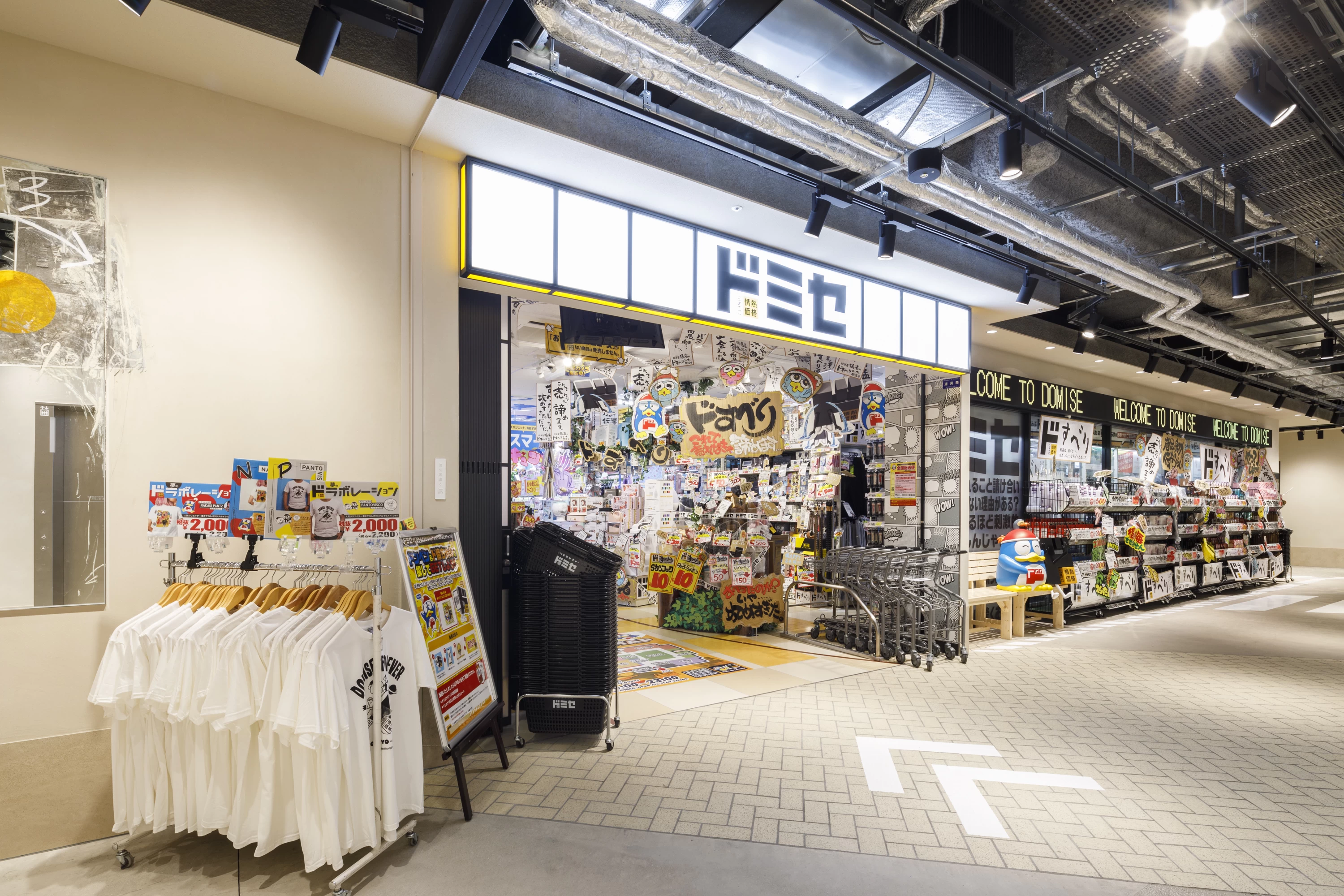
This large-scale complex brings together shopping, offices, and a hotel. The first and second floors host 12 popular dining and retail spots from Japan and abroad, including Domise, a new concept store by Don Quijote.
With four separate entrances, the building offers easy passage between Bunkamura-dori and Dogenzaka Koji, making it a convenient shortcut while exploring the area. It is a notable addition to Shibuya’s ever-evolving urban landscape.
dogenzaka-dori

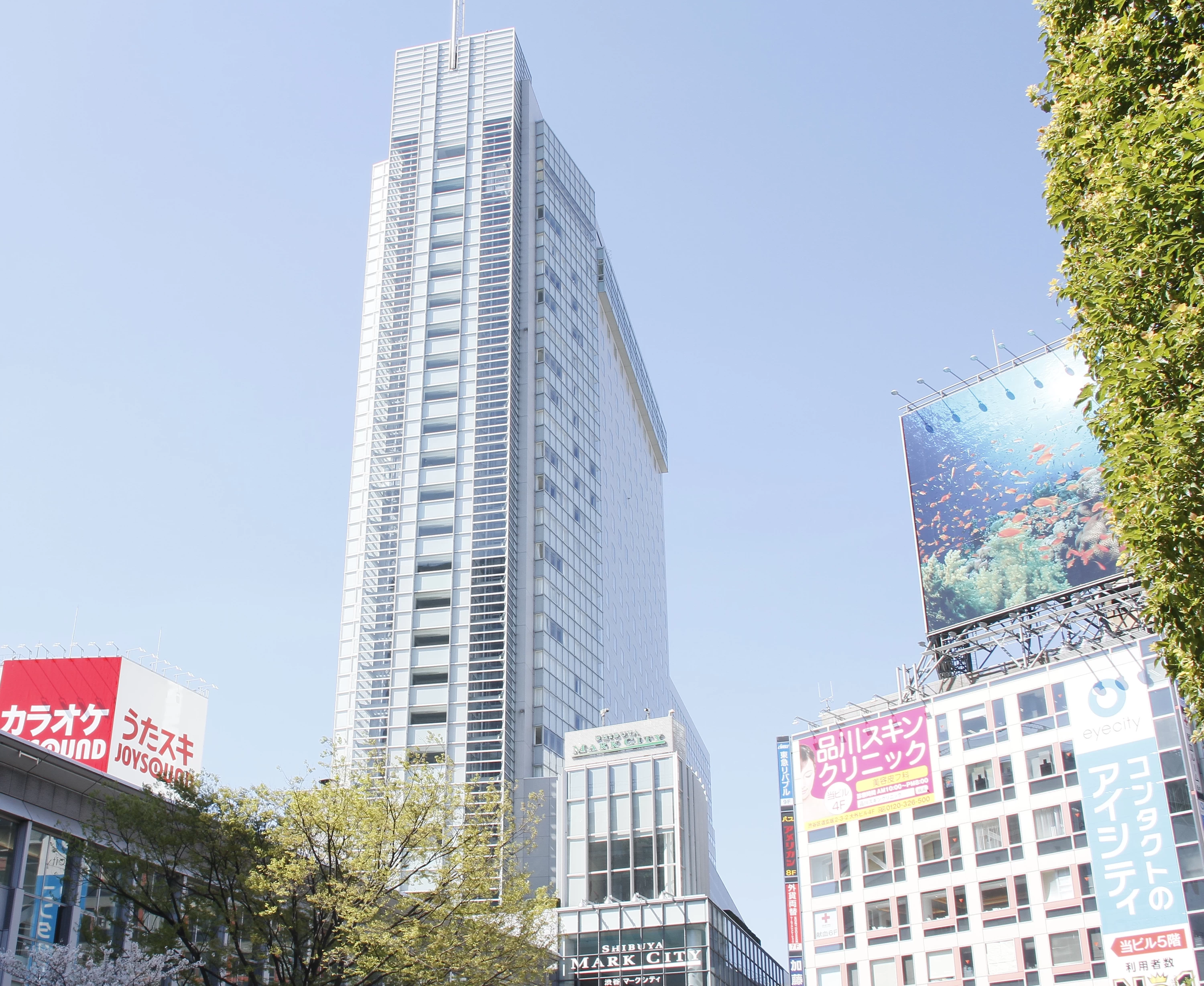
Directly connected to Shibuya Station on the Keio Inokashira Line, Shibuya Mark City is a convenient hub for shopping, dining, and travel. A major highway bus terminal on the fifth floor also makes it a practical stop for travelers.
On the lower floors, Tokyu Food Show offers a wide selection of sweets, fresh foods, and groceries, including items ideal for souvenirs and gifts. Its easy access makes it a convenient place to pick up food or presents before continuing a journey.
Shibuya Mark City
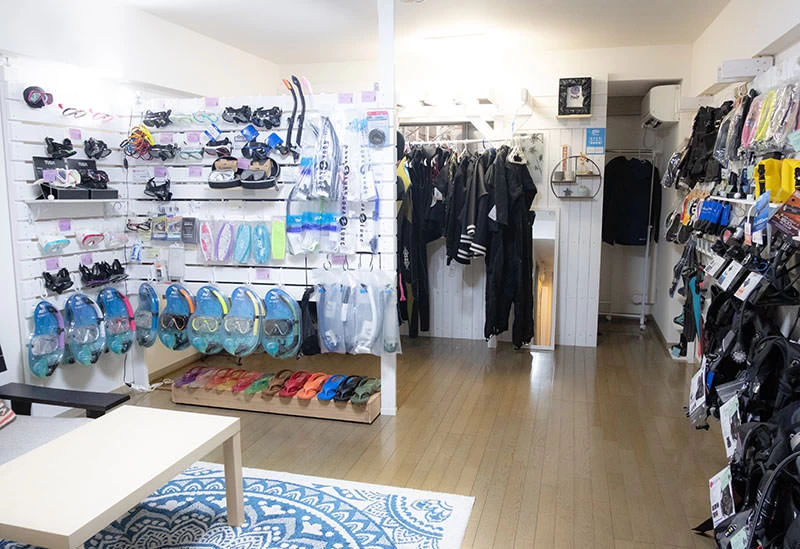
Located just a short walk from Shibuya Station, this specialty shop makes scuba diving accessible right in the heart of the city. In addition to an extensive range of diving gear, the shop offers opportunities to join diving sessions at a nearby pool facility about 30 minutes away.
Beginners are well supported, with experienced instructors providing clear guidance on everything from ear equalization to equipment use. The experience offers an active and unexpected way to add variety to a Shibuya sightseeing itinerary.
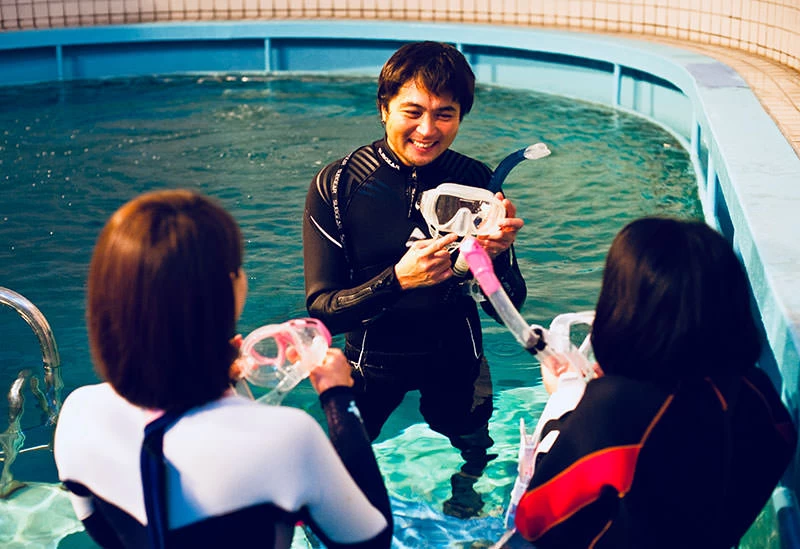
In addition to introductory experiences, the shop offers a full range of programs for certified divers, from advanced step-up courses to specialized training in skin diving (freediving) techniques and etiquette. Official diving license certification courses are also available.
Gentle, low-impact programs are offered for senior participants who prefer to move at a comfortable pace. Combined with sightseeing in Shibuya, these programs provide an accessible way to explore a new hobby during a visit to the city.
Scuba Pro Shop Shibuya
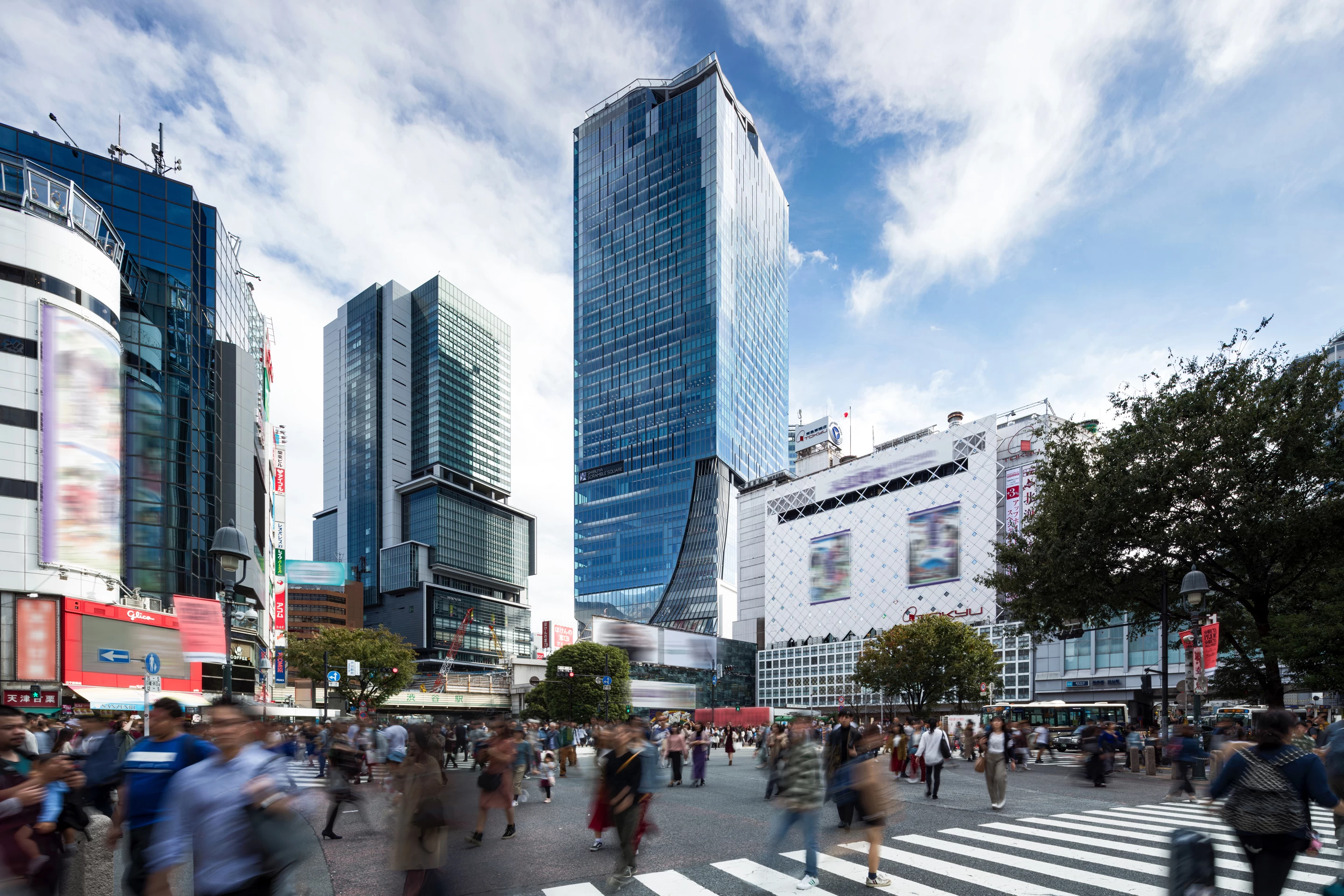
Shibuya Scramble Square rises 229 meters above the city and is a premier destination for shopping, dining, and city views. Its highlight is SHIBUYA SKY, an observation deck that has become one of Tokyo’s most popular attractions since its opening.
The open-air rooftop offers a sweeping 360-degree panorama across Tokyo, with Mount Fuji visible on clear days. As night falls, light and sound effects transform the space, creating a striking urban atmosphere. A seasonal rooftop bar also operates for limited periods, serving drinks and snacks alongside the glittering cityscape.
Shibuya Scramble Square
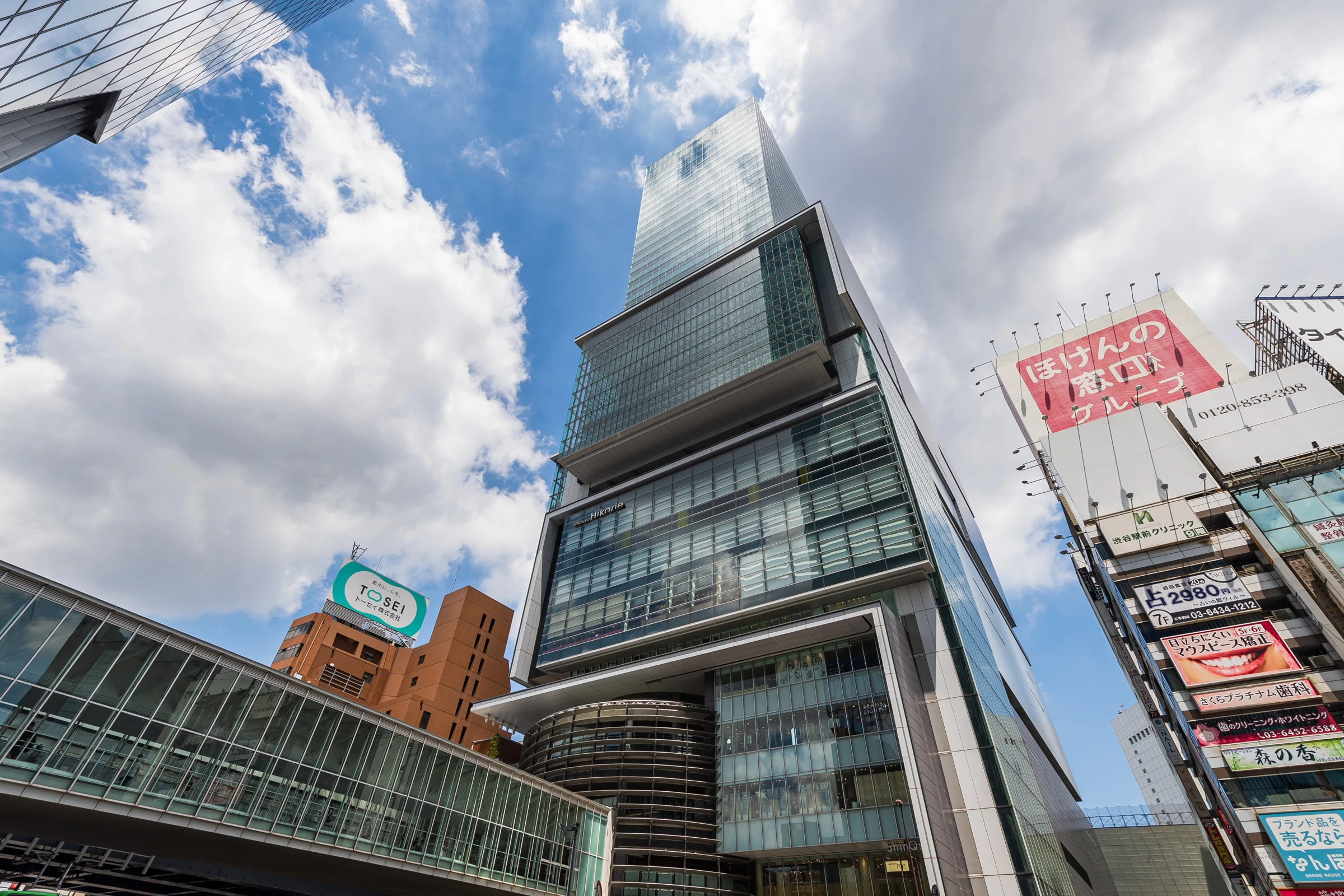
Built with the vision of being a “light” that inspires the future, Shibuya Hikarie is a vibrant hub of style and creativity. Beyond shopping and dining, it features cultural spaces such as 8/ (Hachi), dedicated to contemporary art, and the renowned Tokyu Theatre Orb.
The Sky Lobby on the 11th floor offers free panoramic views of Shibuya’s ever-changing skyline. Especially in the evening, it provides a relaxed setting to enjoy city views, making it a popular stop for casual sightseeing.
Shibuya Hikarie
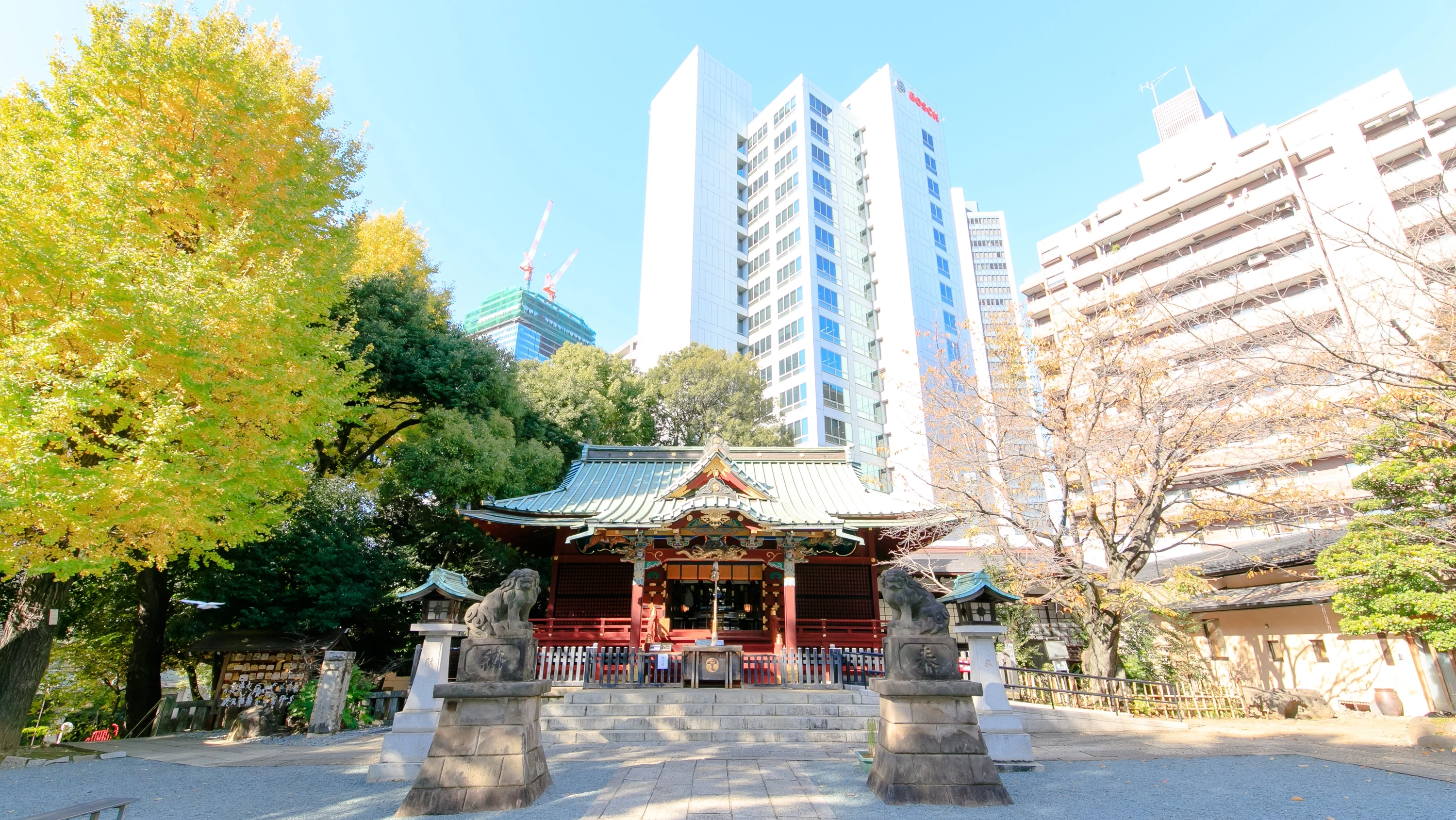
Konno Hachimangu was founded in 1092 and is deeply connected to the origins of the Shibuya name. Its main hall is a designated Cultural Property, noted for its vibrant colors and intricate design.
The on-site Treasure Museum displays valuable artifacts, including one of Tokyo’s oldest mikoshi (portable shrines). In spring, the rare Konno-zakura cherry tree comes into bloom, distinguished by its mix of single and double petals on the same branch. Planted centuries ago to honor a legendary local warrior, the shrine’s quiet grounds offer a peaceful glimpse into the past within the heart of the modern city.
Konnoh Hachimangu
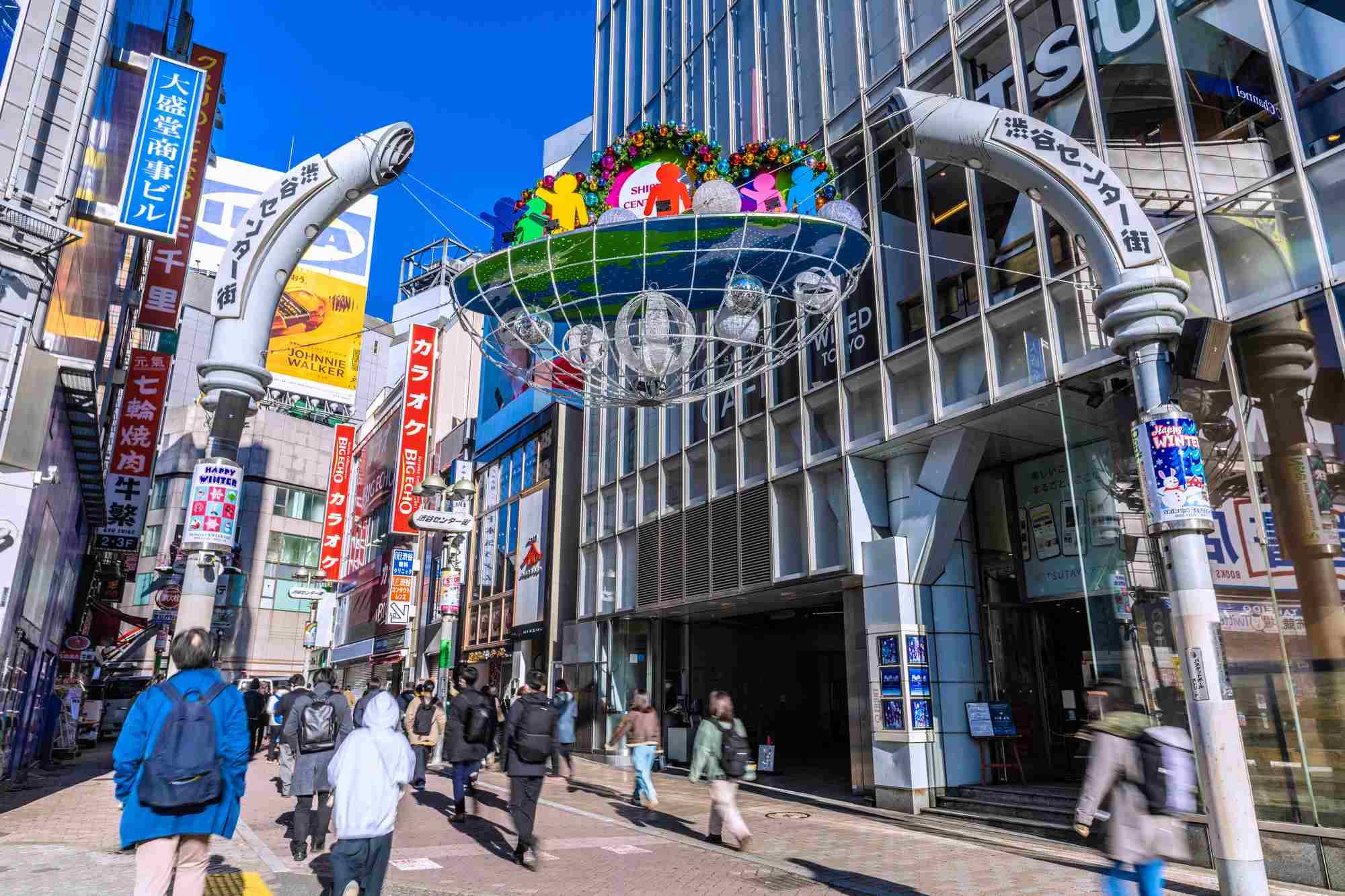
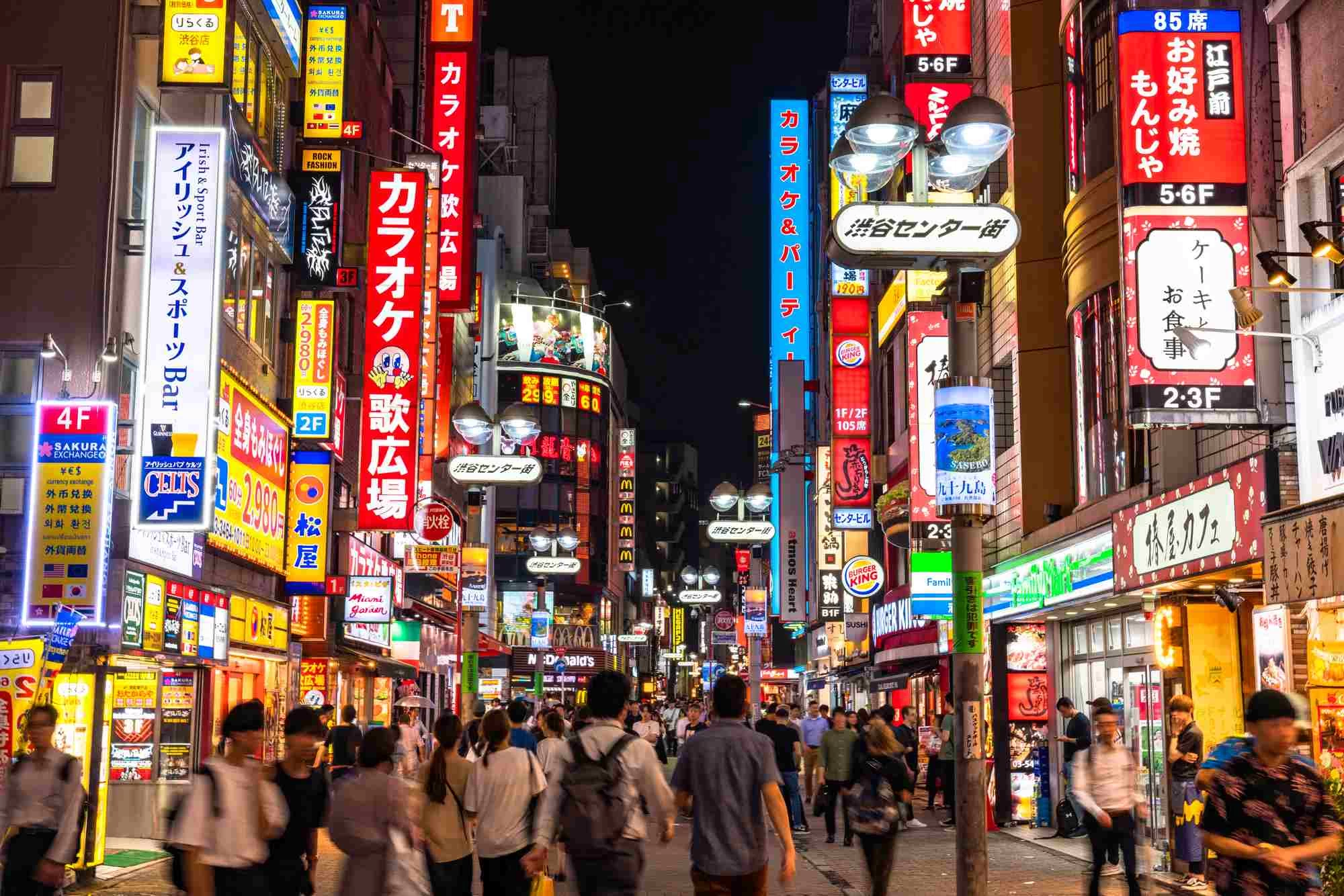
Starting just steps from the iconic Scramble Crossing, Shibuya Center-Gai is a high-energy street stretching about 350 meters. This hub of youth culture is packed with trendy fashion boutiques, lifestyle shops, cozy cafés, and lively izakaya pubs.
The area becomes especially lively during seasonal events such as summer festivals and winter illuminations. Known for its vibrant atmosphere and ever-changing trends, it remains one of the most dynamic streets in Shibuya.
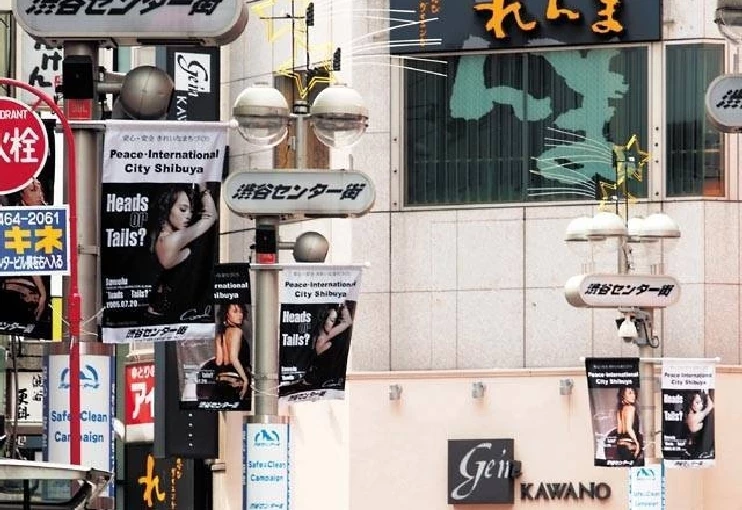
Shibuya Center-Gai remains at the forefront of Japanese youth culture, continually setting new trends. The area offers endless options for dining, shopping, and entertainment, appealing to a wide range of visitors from solo travelers to casual outings and dates.
Located just a short walk from Shibuya Station, the district is always buzzing with energy. Its easy access and lively atmosphere make it a popular choice for first-time visitors looking to experience the heart of Shibuya.
Shibuya Center-Gai
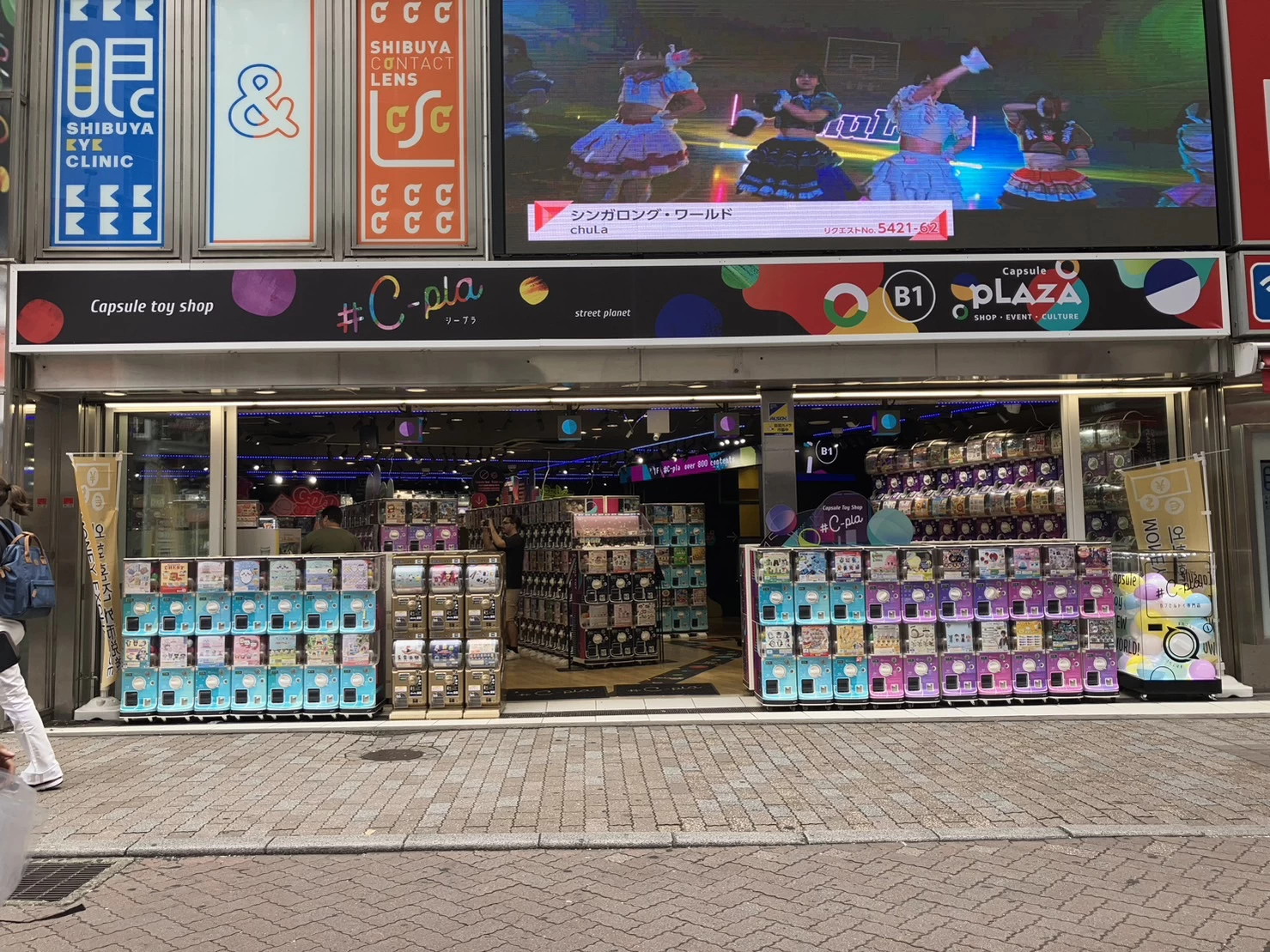
The store features an impressive lineup of around 1,700 different capsule toys. Interactive touch-panel boards help visitors browse the selection, showcasing recommended items chosen by staff and manufacturers.
With a massive variety that appeals to all ages, the space offers a playful experience where both children and adults can rediscover the simple joy of capsule toys. It is also a popular place to find unique souvenirs or enjoy a moment of childhood nostalgia.
# C-pla Shibuya Center Gai
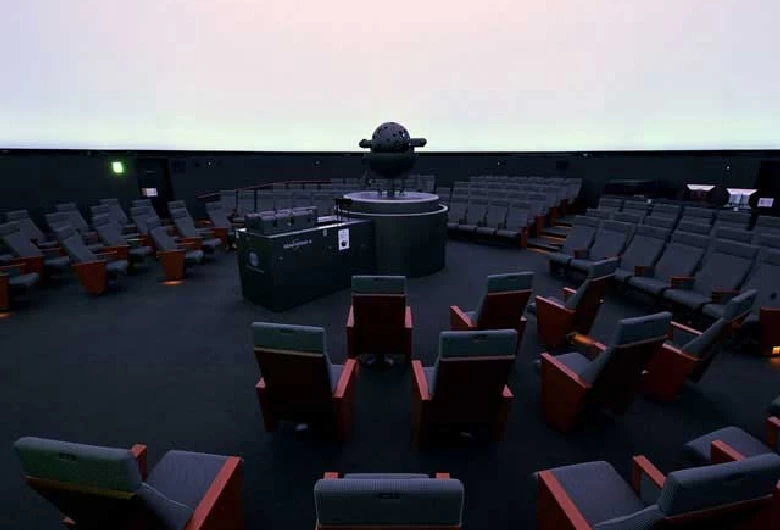
This planetarium carries on a legacy dating back to 1957, offering a peaceful escape into the cosmos. It is best known for its engaging, live presentations delivered by a team of eight expert star guides, each bringing a unique style and passion to every show.
The 17-meter-diameter dome brings the night sky vividly to life, creating an immersive experience for visitors of all ages. With a diverse lineup of programs, seasonal events, and stargazing sessions, it remains a favorite spot to revisit.
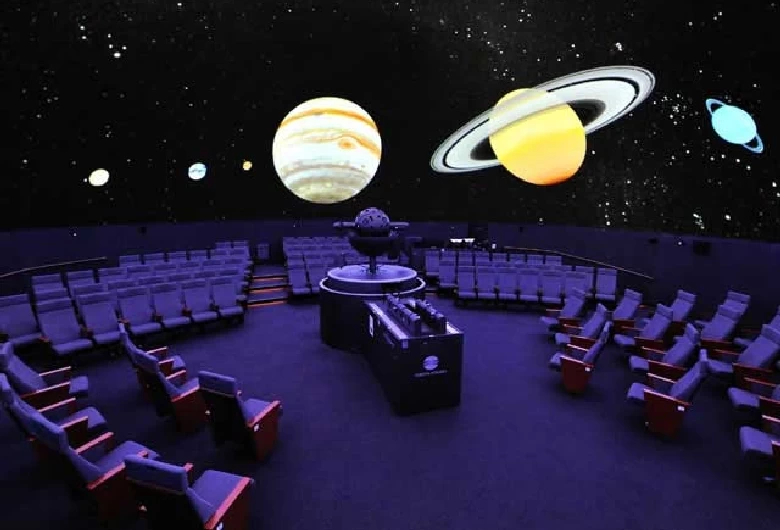
This planetarium welcomes visitors of all ages, including infants, and offers kid-friendly programs for preschoolers and young students, making it suitable for families exploring Shibuya.
Set in the heart of the city, it provides a calm, immersive space to enjoy a star-filled sky away from the urban bustle.
Cosmo Planetarium Shibuya
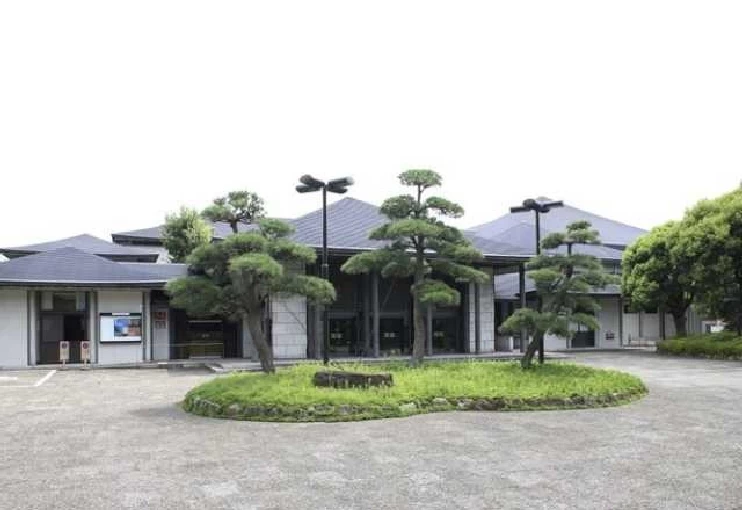
This hidden gem offers an accessible gateway to the world of Noh and Kyogen, appealing to visitors interested in Japanese history and the performing arts. Its diverse lineup includes public performances, educational workshops, and outreach shows with expert commentary.
To ensure a smooth viewing experience, every seat is equipped with a personal monitor displaying clear subtitles in both English and Japanese. This thoughtful feature allows international visitors and those who are hard of hearing to comfortably immerse themselves in the beauty and drama of these centuries-old traditions.
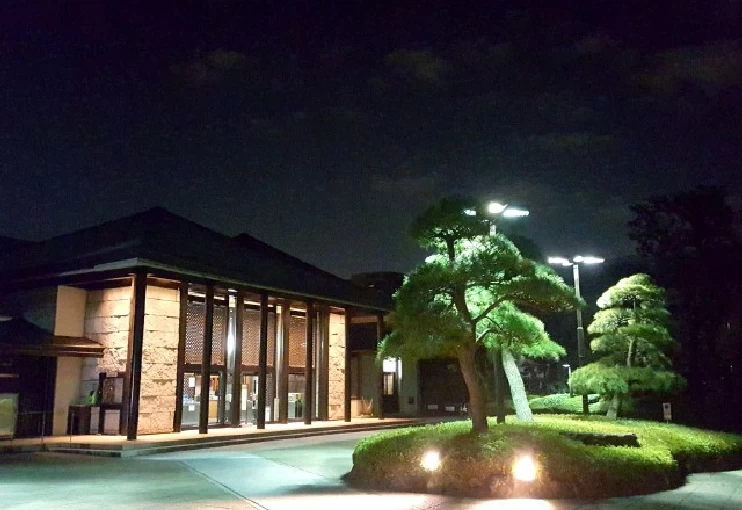
As a pleasant prelude to a Noh performance, the on-site restaurant is a popular place to enjoy a meal. Highly regarded for its refined flavors, it is well loved by visitors of all generations.
Window seats overlooking the inner garden are especially sought after, offering a calm view of ever-changing Japanese scenery and a moment of seasonal serenity before the performance.
National Noh Theatre
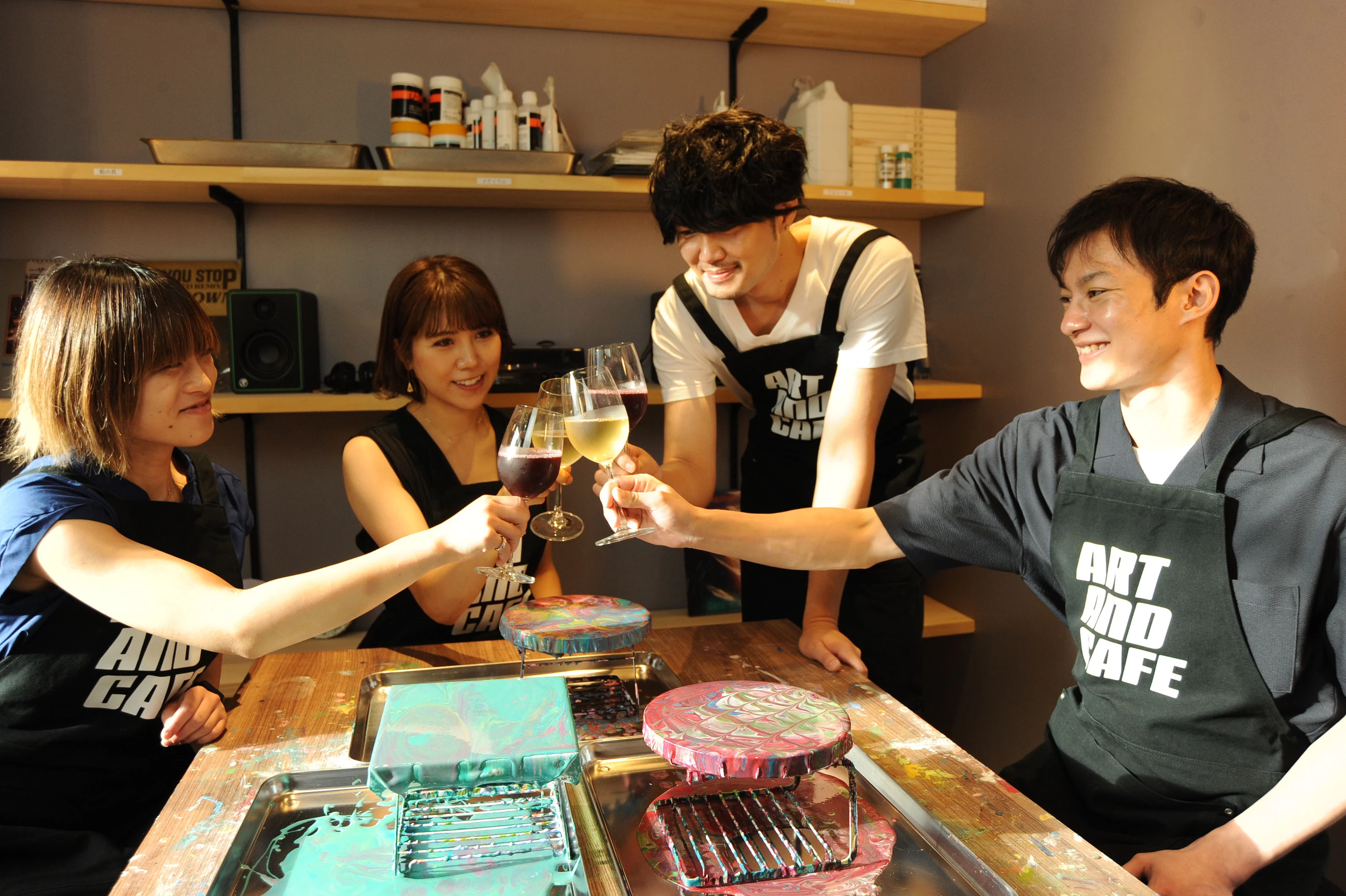
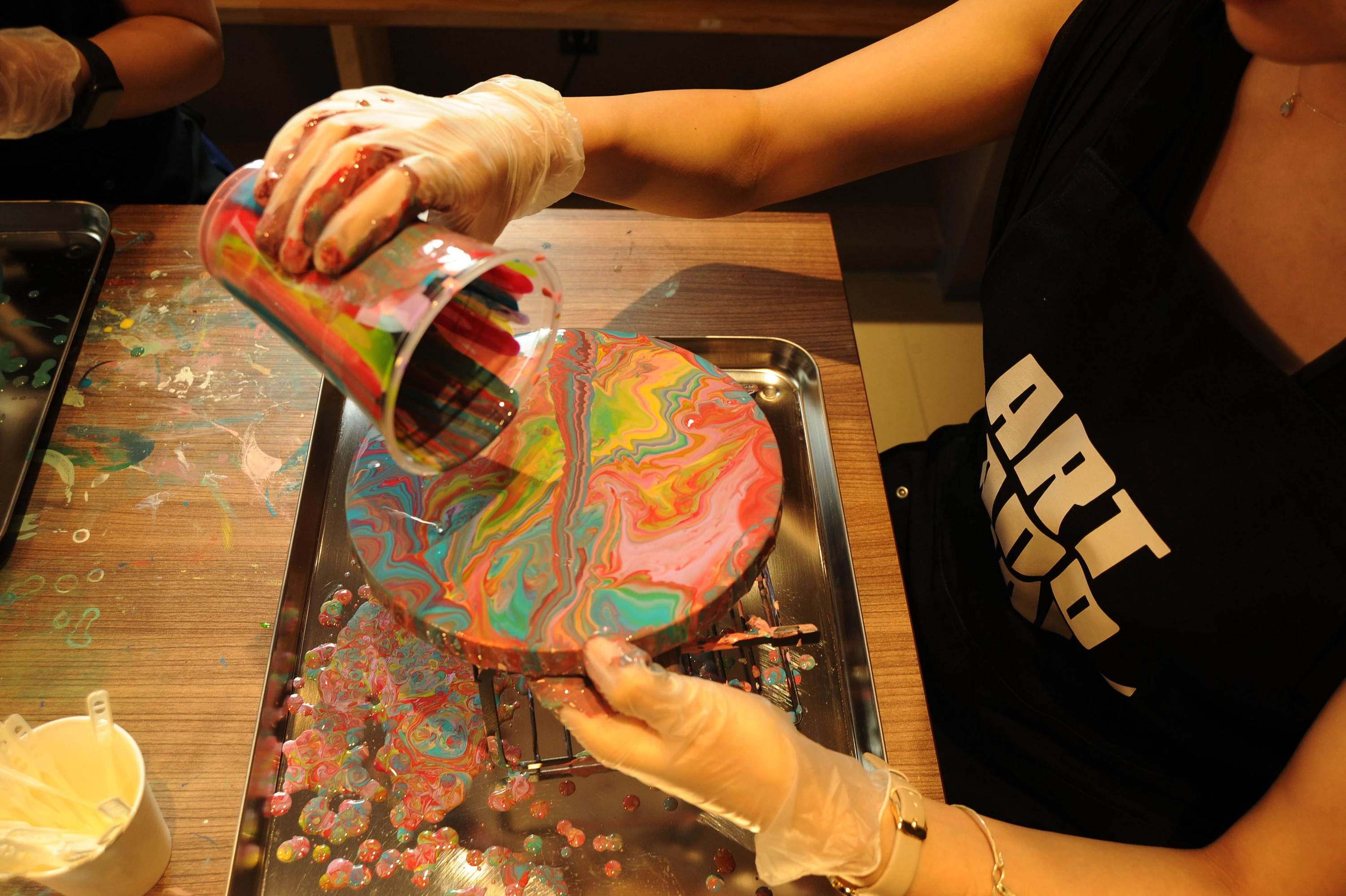
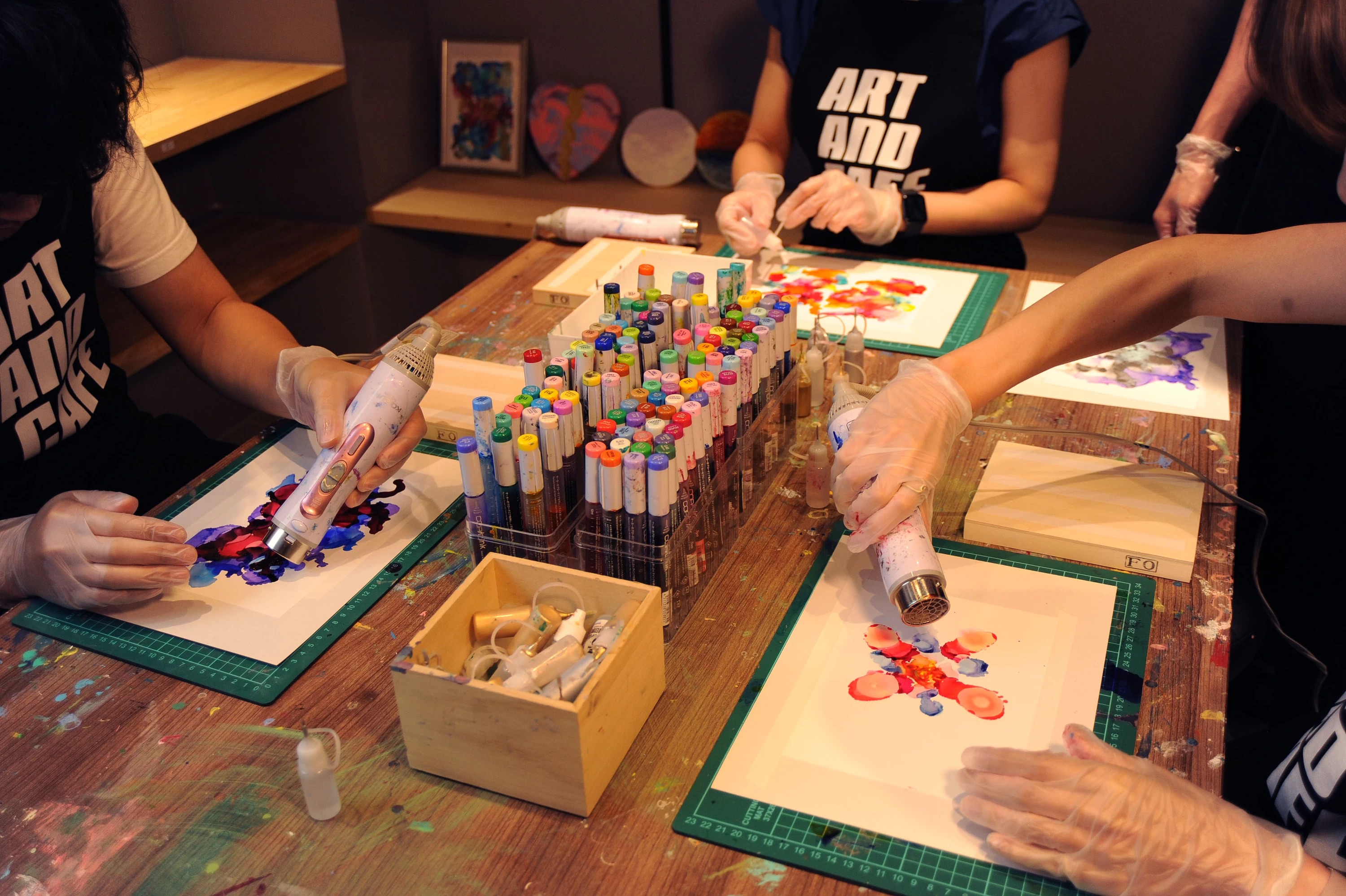

Located about a 9-minute walk from Gaienmae Station, ART AND CAFE Aoyama offers a refreshing, hands-on workshop experience. With soft music drifting through the space, the atmosphere feels like a relaxed creative sanctuary that encourages focus and imagination.
Visitors can immerse themselves in art while enjoying a drink, offering a modern and approachable way to engage with creativity. All materials, including professional art supplies and aprons, are provided, allowing participants to join easily without prior preparation.
ART AND CAFE Aoyama
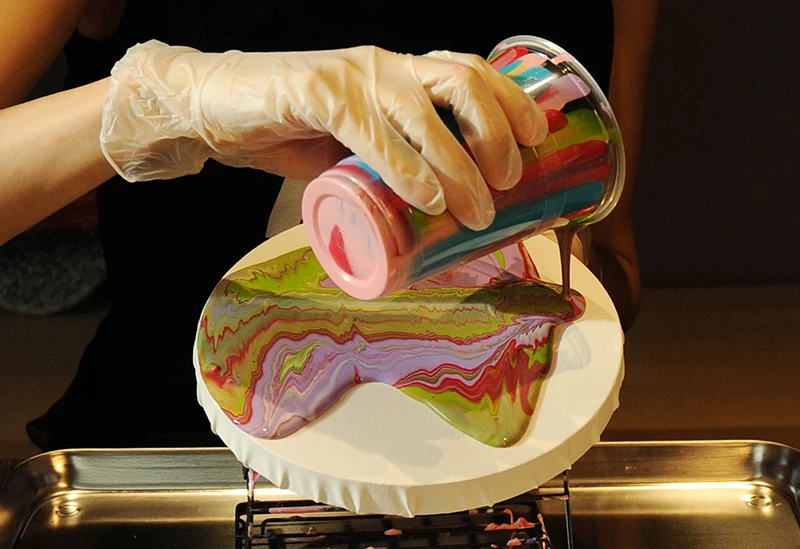

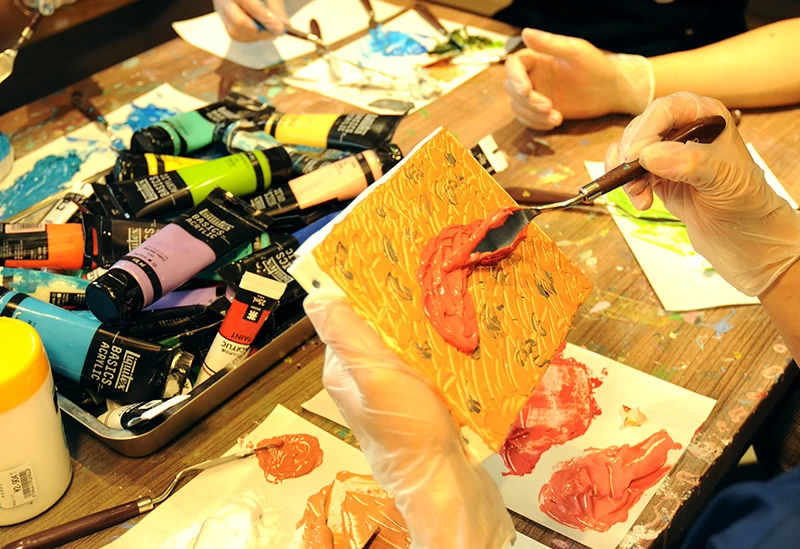

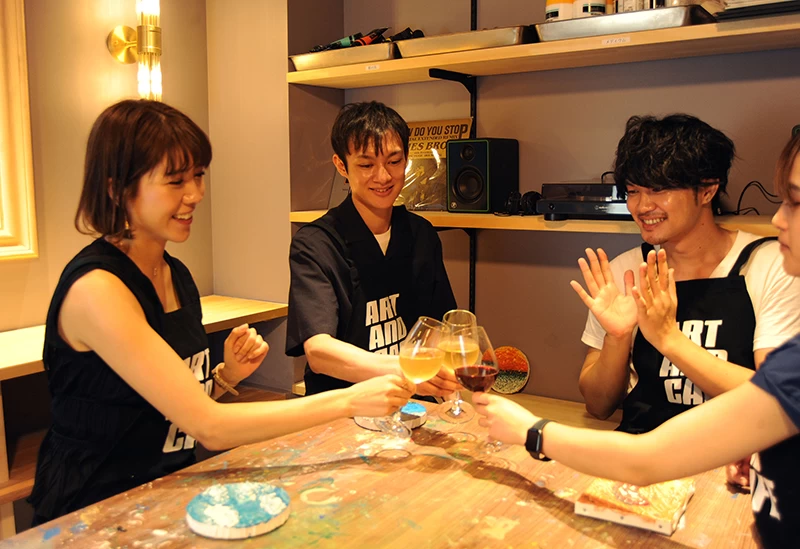

Located about a 7-minute walk from JR Harajuku Station, ART AND CAFE Harajuku offers a unique workshop experience where creativity meets curated drinks. Painting sessions are paired with fine wine, specialty tea, or barista-crafted coffee, creating a relaxed and engaging atmosphere.
The mood is enhanced by a carefully selected soundtrack of analog records and original mixes, tailored to each session. Open to solo visitors, couples, families, and groups of friends, the studio provides an inclusive space to immerse in art.
ART AND CAFE Harajuku
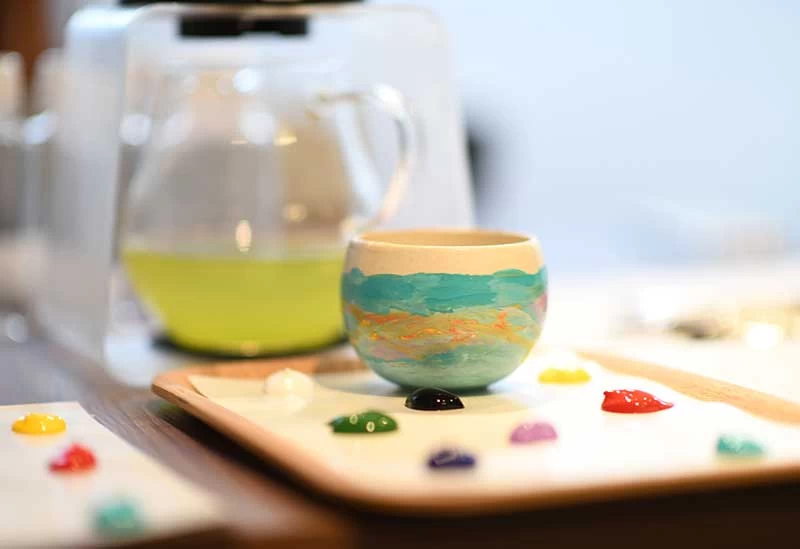
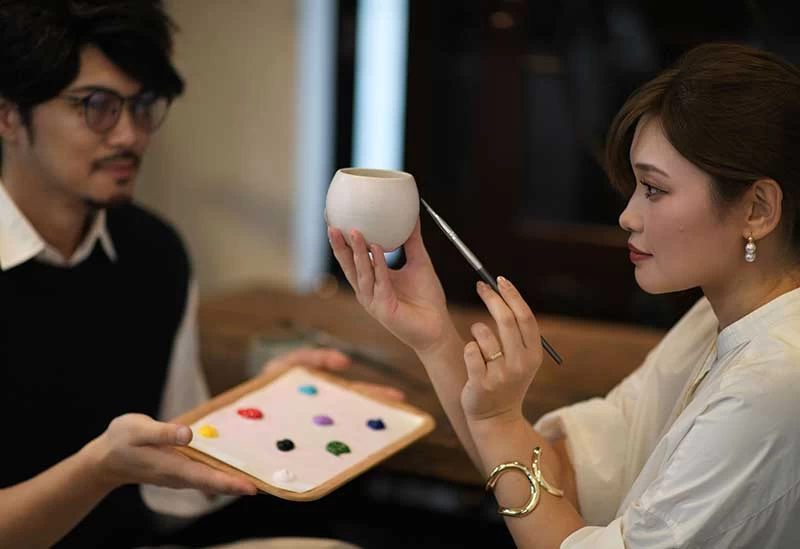
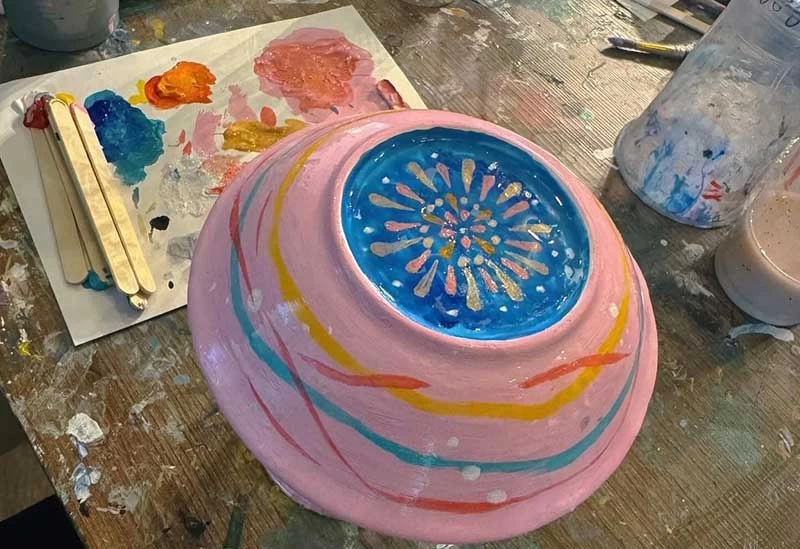
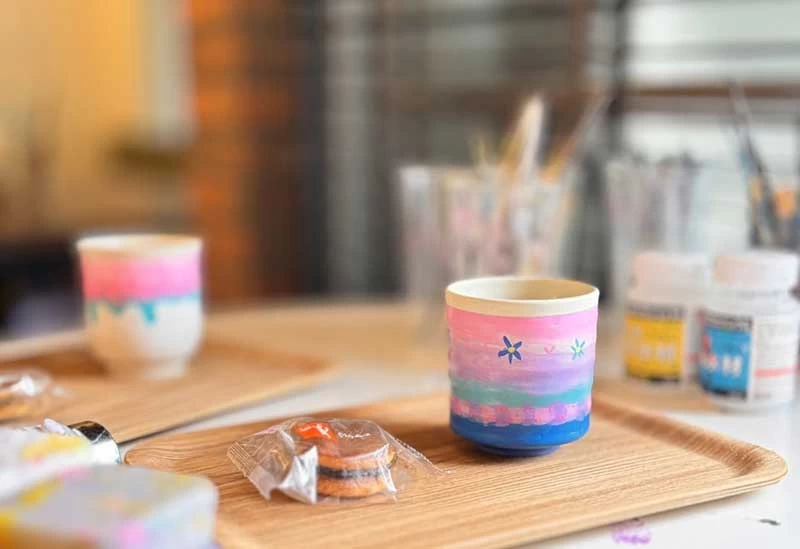
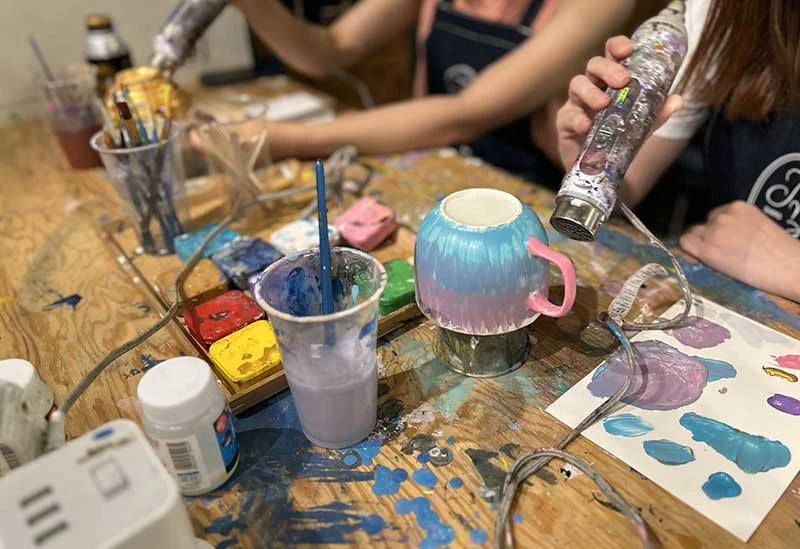

Located about a 9-minute walk from Gaienmae Station, Edo Saryo Aoyama offers a hands-on workshop for creating one-of-a-kind tea utensils using Edo-nuri, a technique that blends traditional craftsmanship with modern design.
The experience concludes with a calm tea session, featuring Japanese sweets and carefully selected teas such as high-grade gyokuro in a serene setting.
Edo Saryo Aoyama
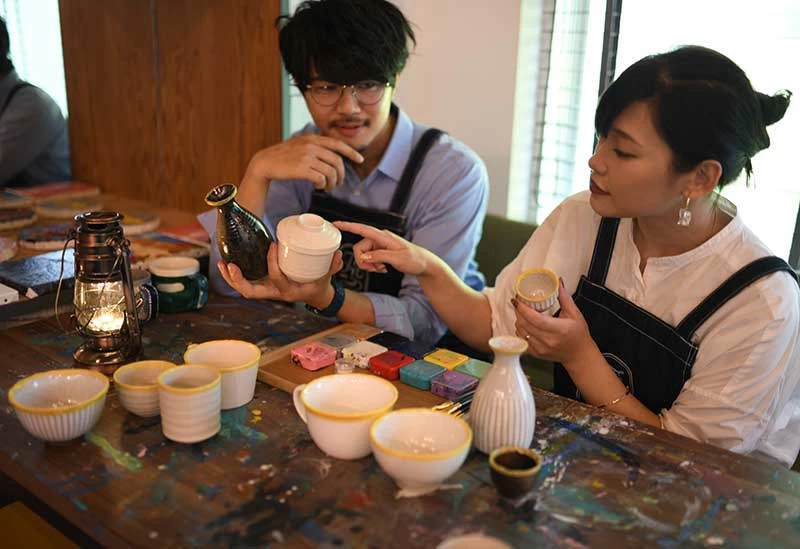
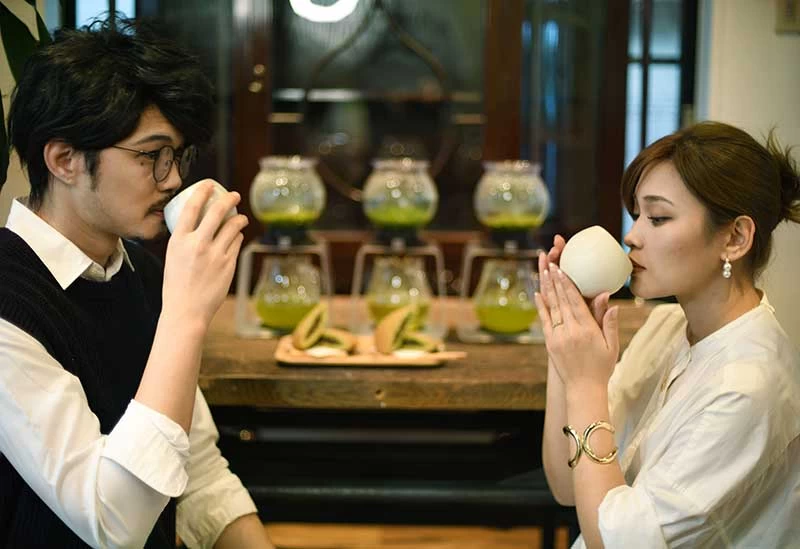
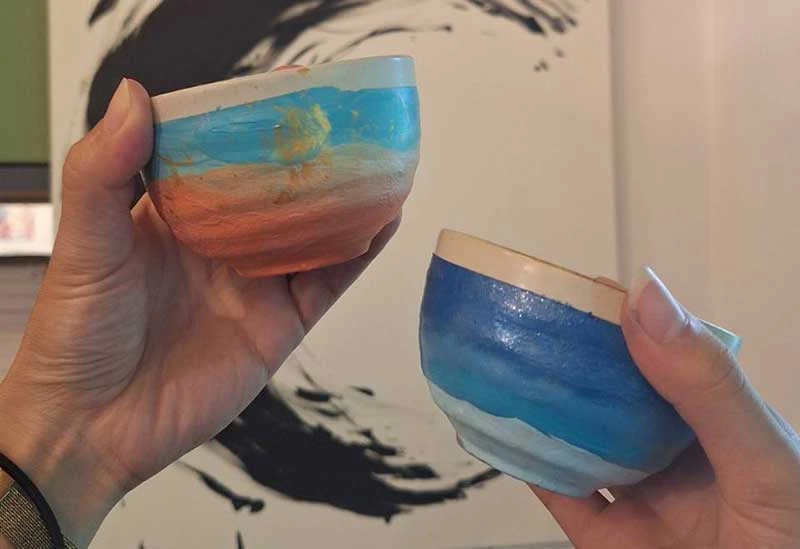
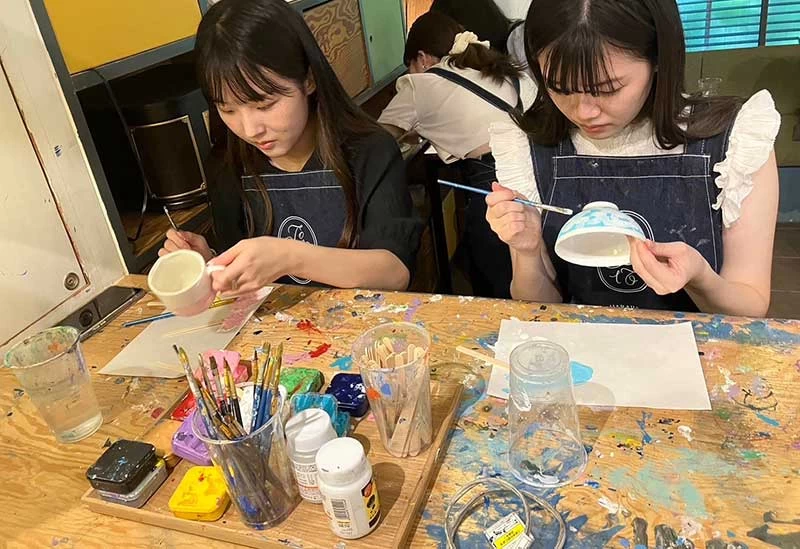
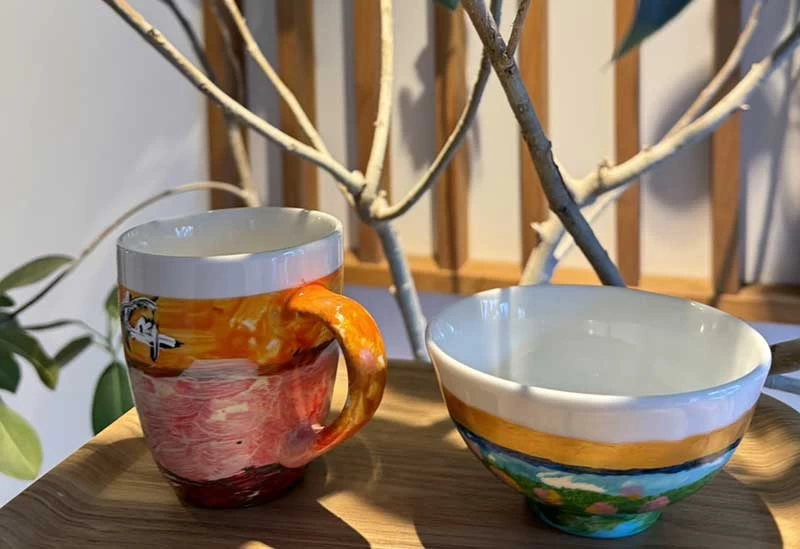
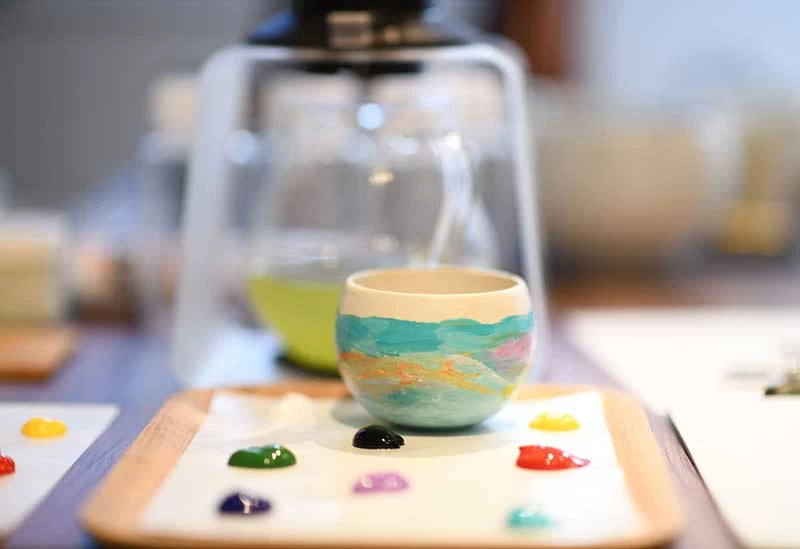
Located a 7-minute walk from JR Harajuku Station, Edo Saryo Harajuku is a creative workshop that blends Tokyo’s traditional craftsmanship with contemporary art. Using the Edo-nuri technique, participants create one-of-a-kind tea utensils through a hands-on, modern process.
After choosing from around 10 vessel styles and more than 20 colors, the experience concludes with a relaxed tea session using the finished piece.
Edo Saryo Harajuku
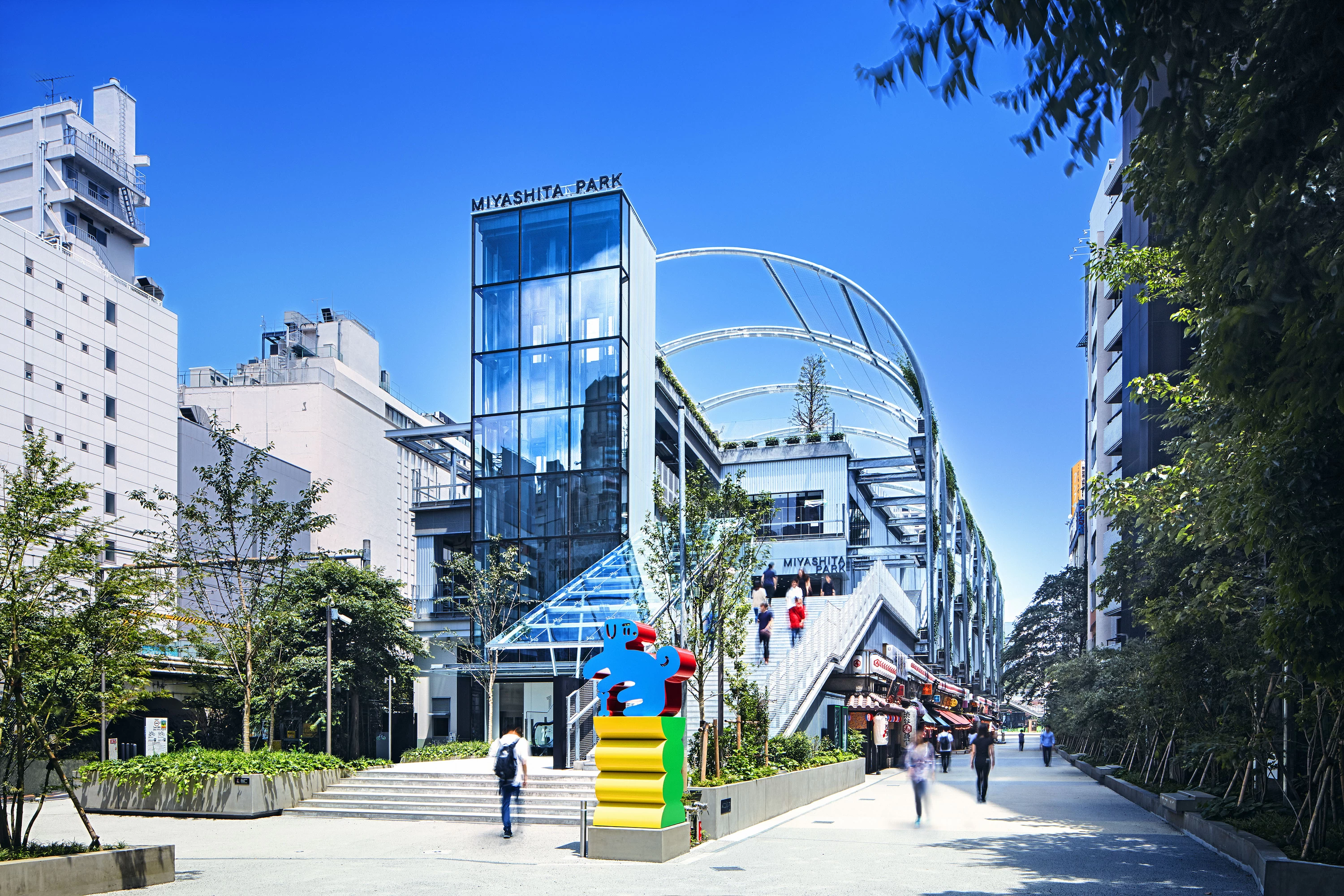
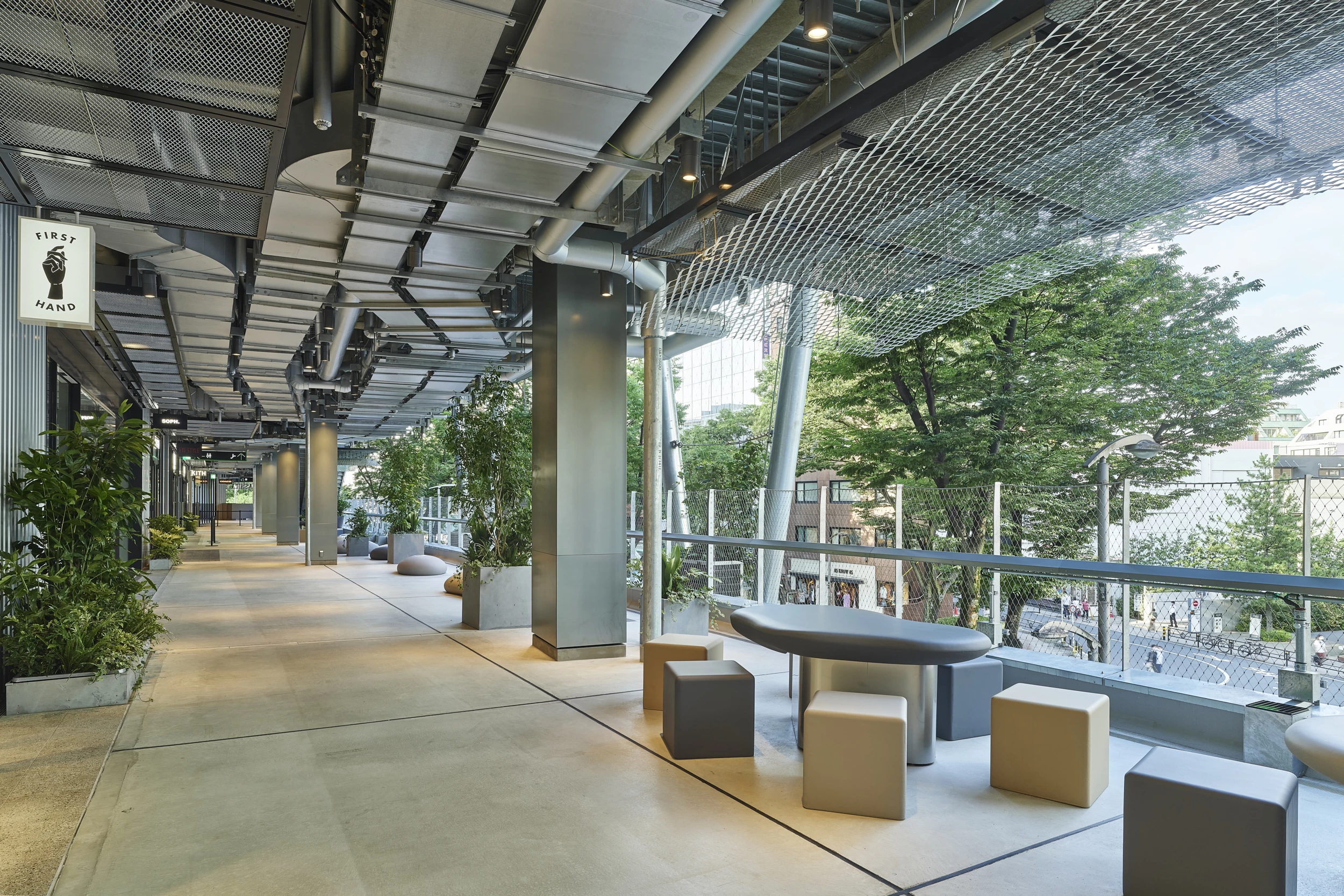
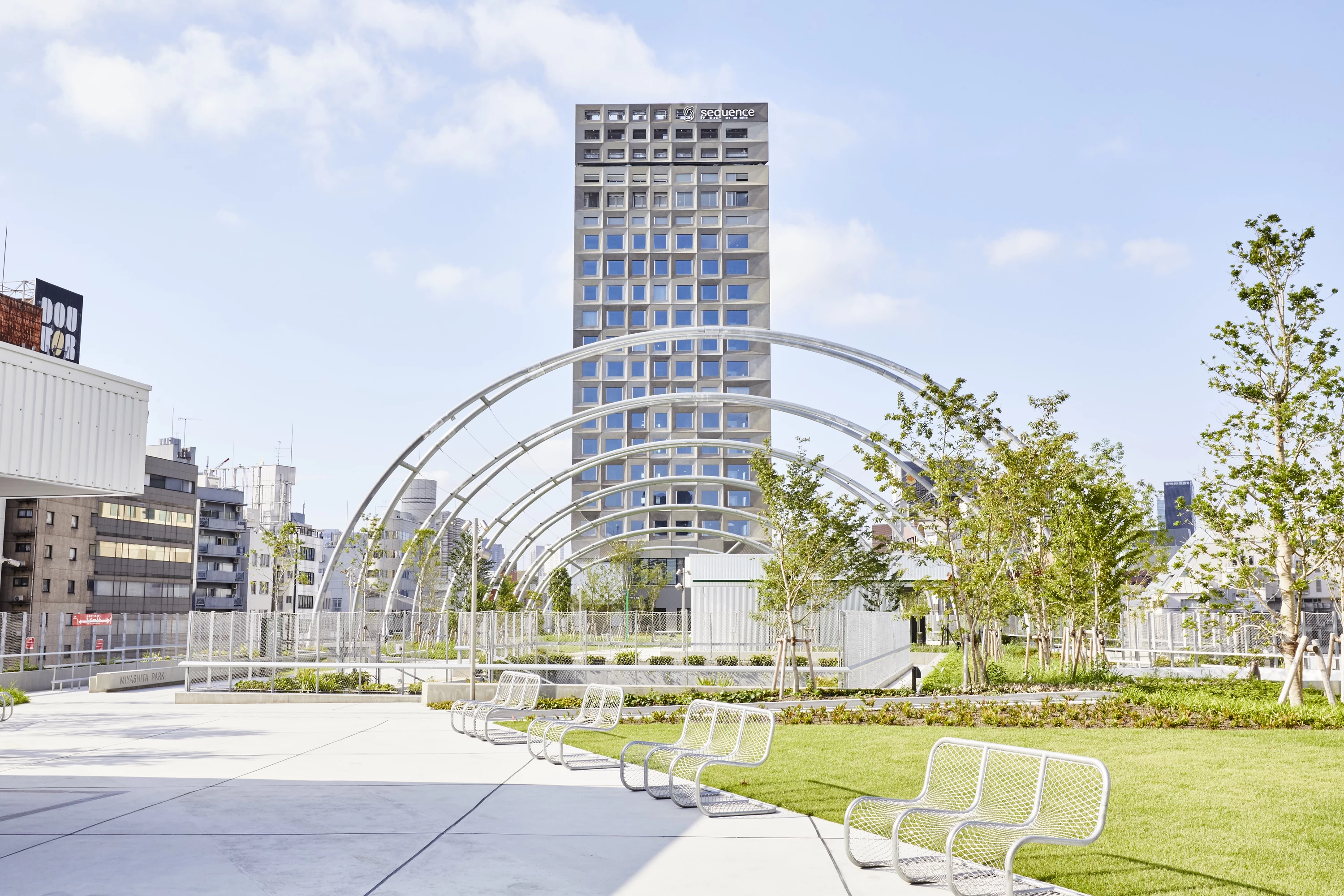
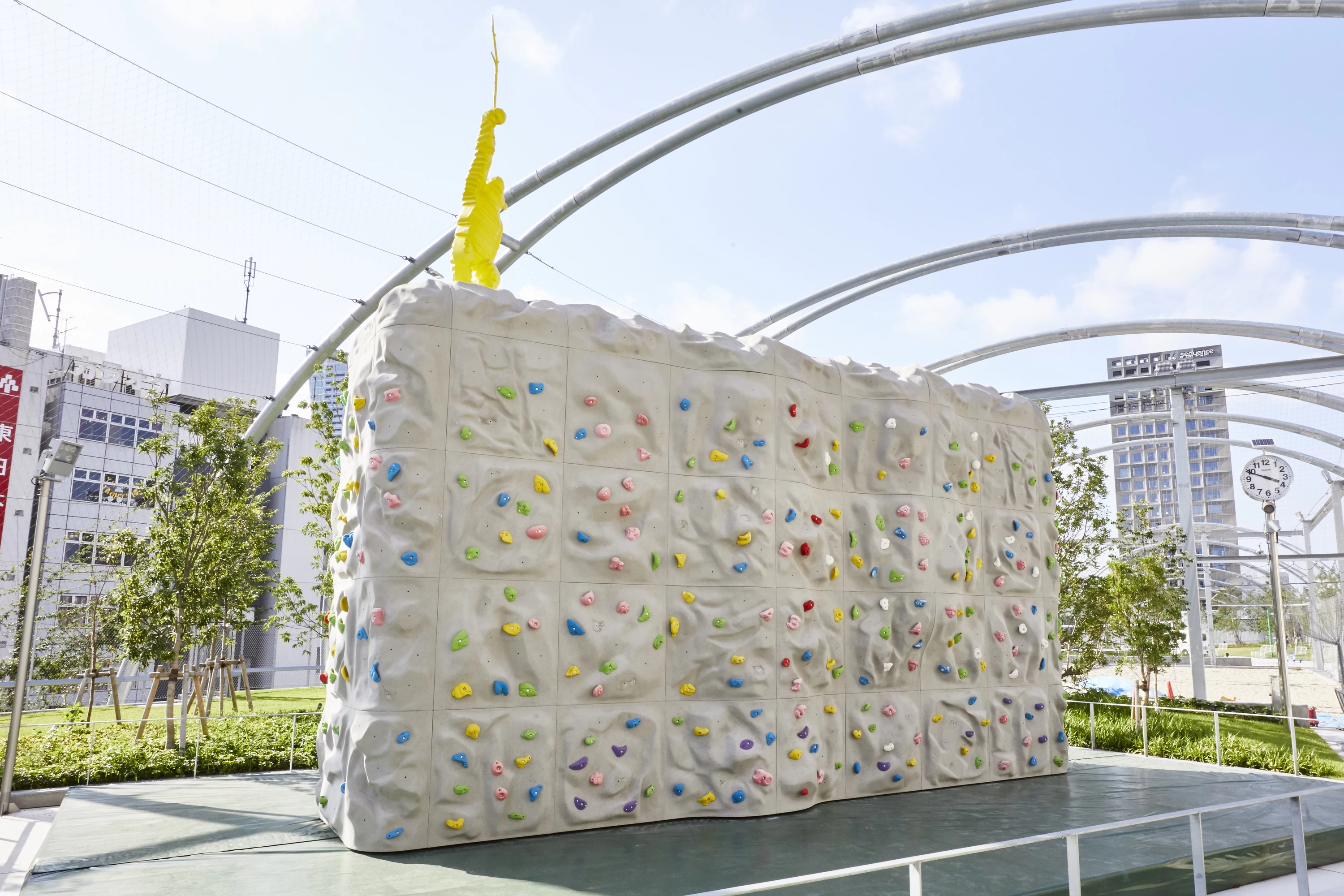
Renovated in 2020, the former site has been transformed into MIYASHITA PARK, a stylish four-story urban oasis that seamlessly blends a rooftop park with shopping facilities and a hotel. The expansive rooftop level features an open lawn, a bouldering wall, a skate park, and a versatile sand court for sports.
With its airy rooftop atmosphere and a sense of closeness to the sky, the park offers a comfortable place to unwind between shopping and dining. It serves as a refreshing, modern retreat in the heart of the bustling city.
MIYASHITA PARK
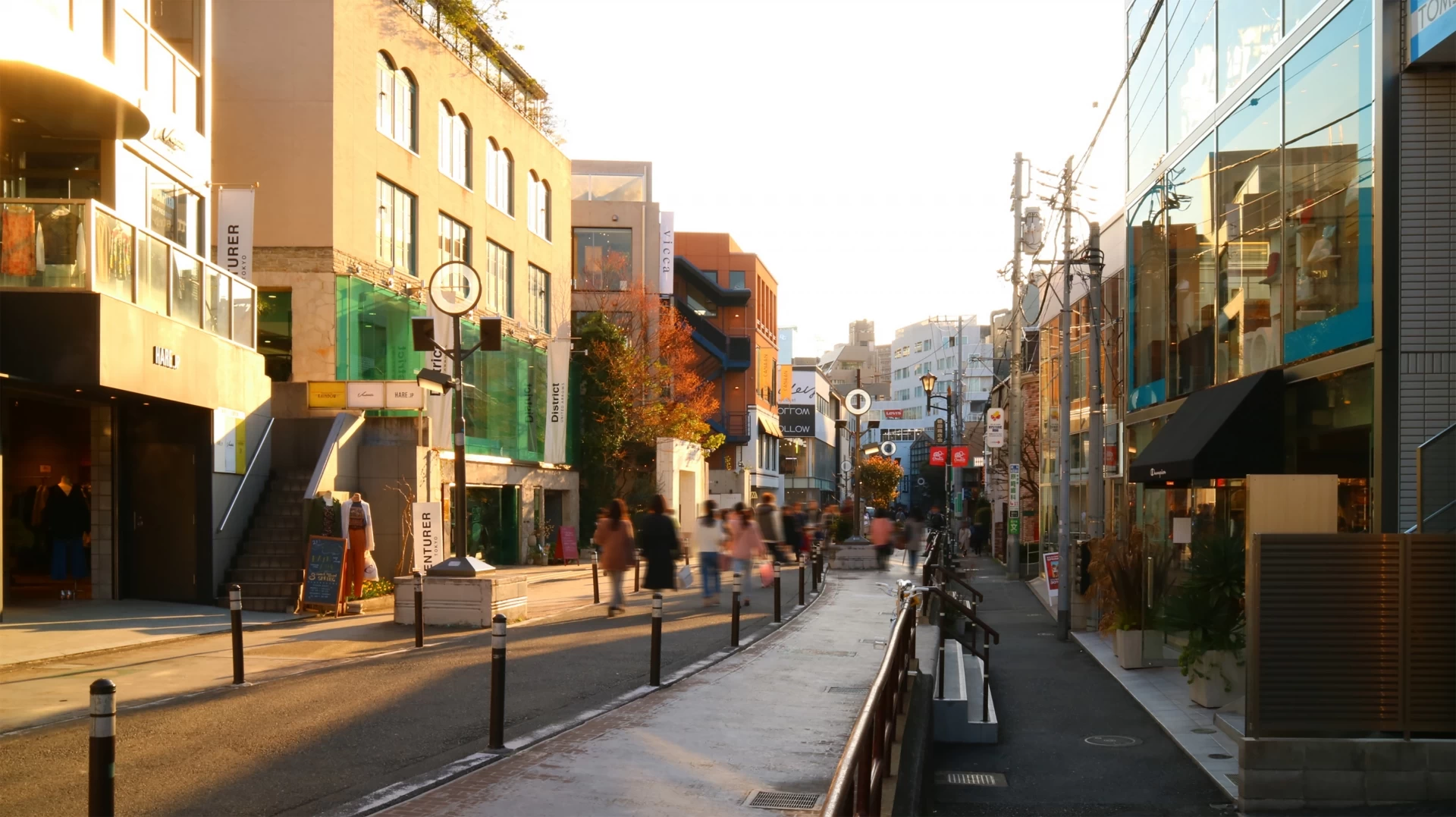
Cat Street is a pedestrian walkway stretching about 1km between Shibuya and Harajuku. Known for its relaxed, backstreet atmosphere, the area is lined with distinctive fashion boutiques and cafés, drawing trend-conscious locals as well as visitors from overseas.
The name is said to come from local stories, including the presence of stray cats in the past or a connection to the rockabilly band the Black Cats. Built over the former Shibuya River, now diverted underground, the street’s gentle curves and subtle changes in elevation still reflect its origins, adding a quiet layer of history to this lively modern area.
Cat Street
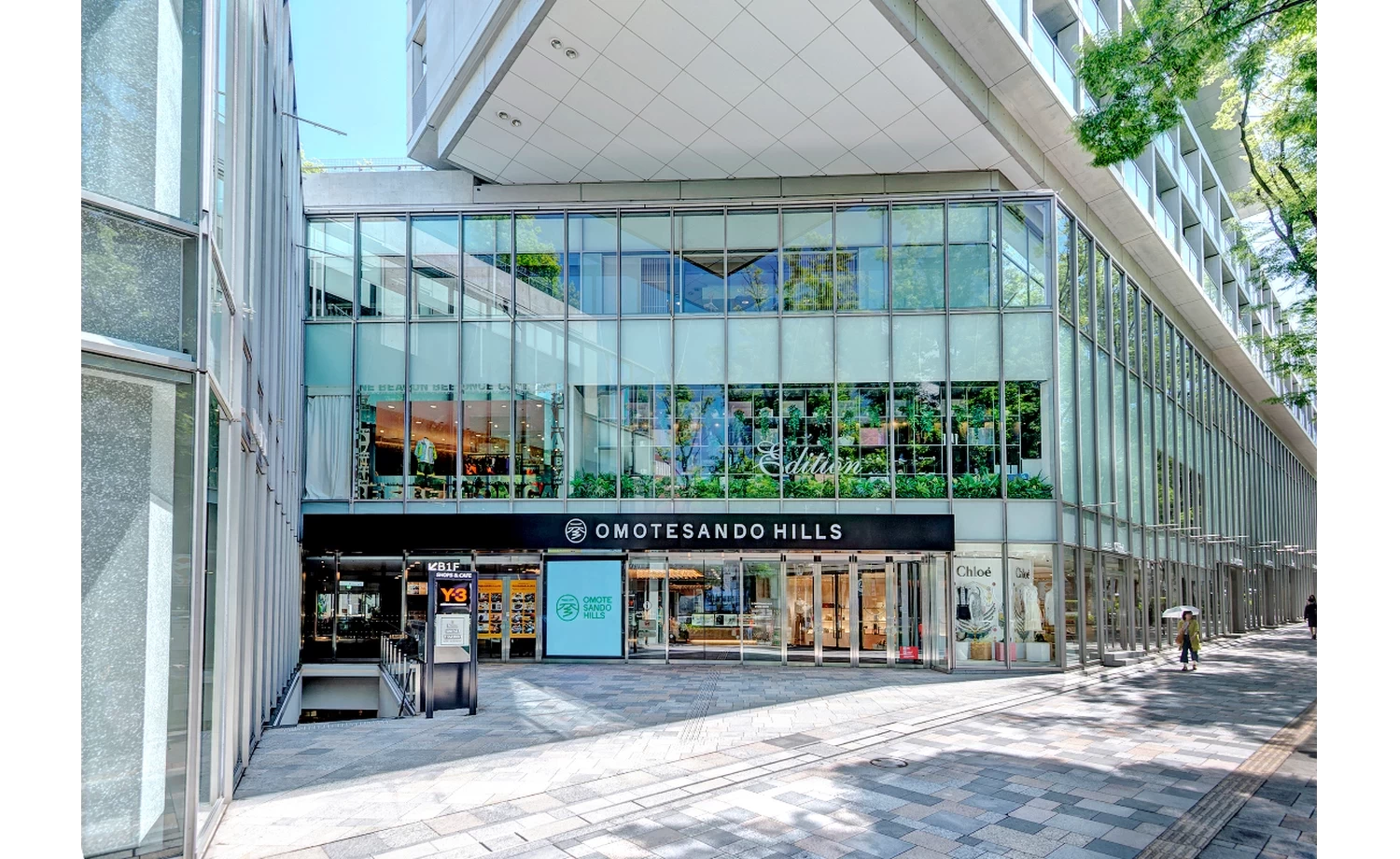
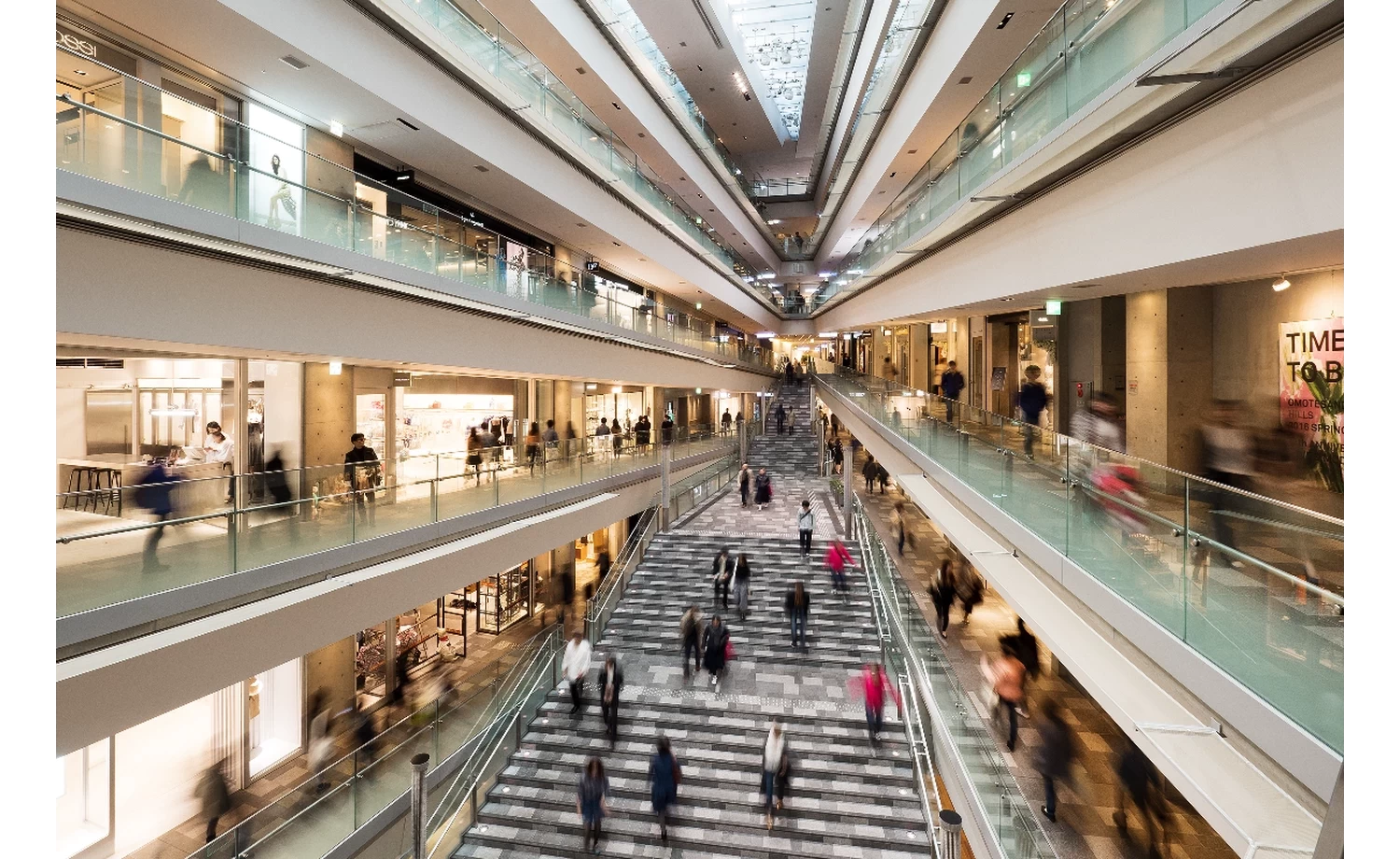
Opened in 2006 in Omotesando, a longtime center of Japanese fashion and culture, Omotesando Hills is a landmark complex featuring select shops, luxury brands, and dining. The open, light-filled interior was designed by architect Tadao Ando, creating a calm, modern atmosphere.
The adjacent Dojun-kan reinterprets elements of the former Dojunkai Aoyama Apartment, offering a subtle link to the area’s architectural history.
Omotesando Hills
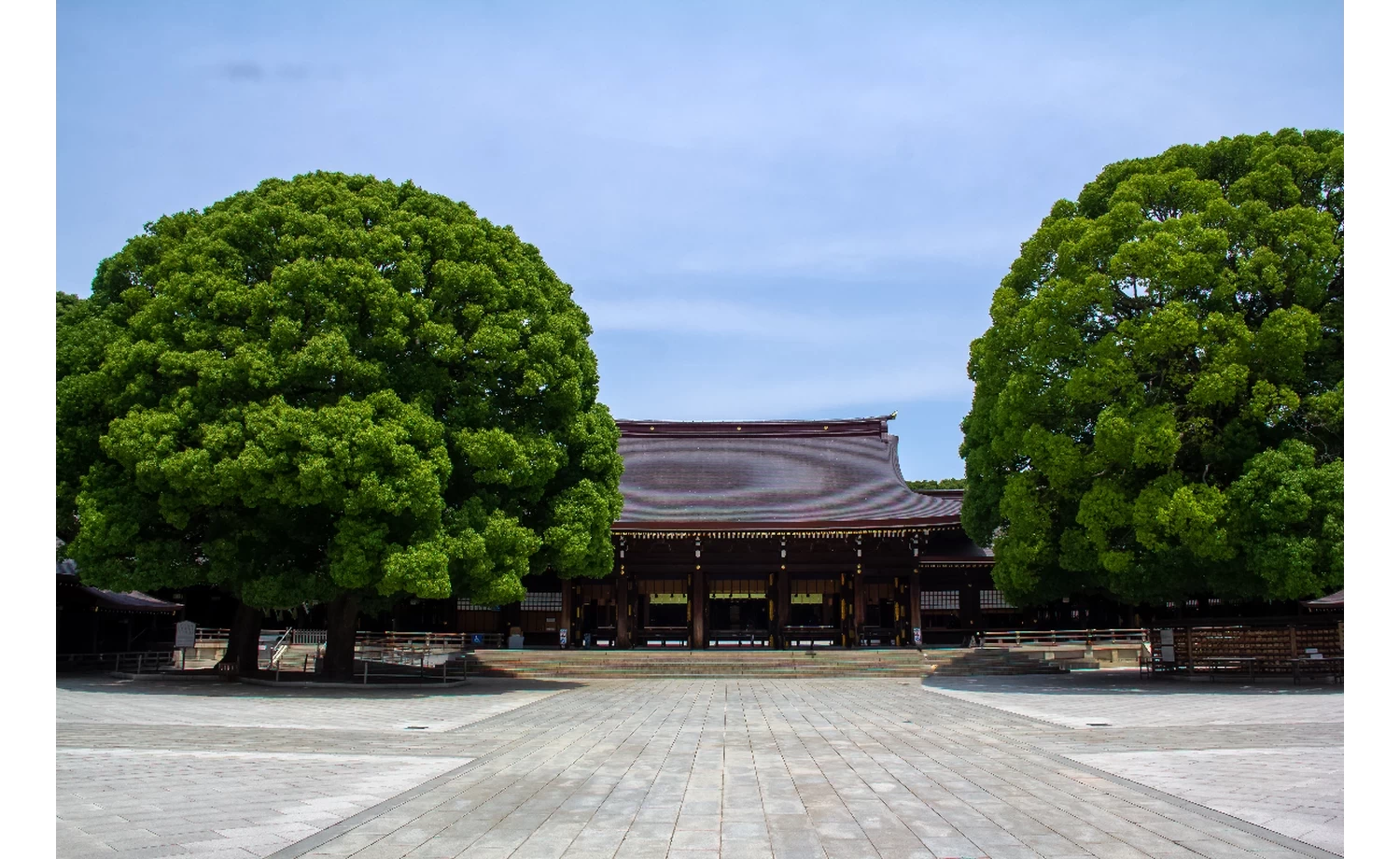
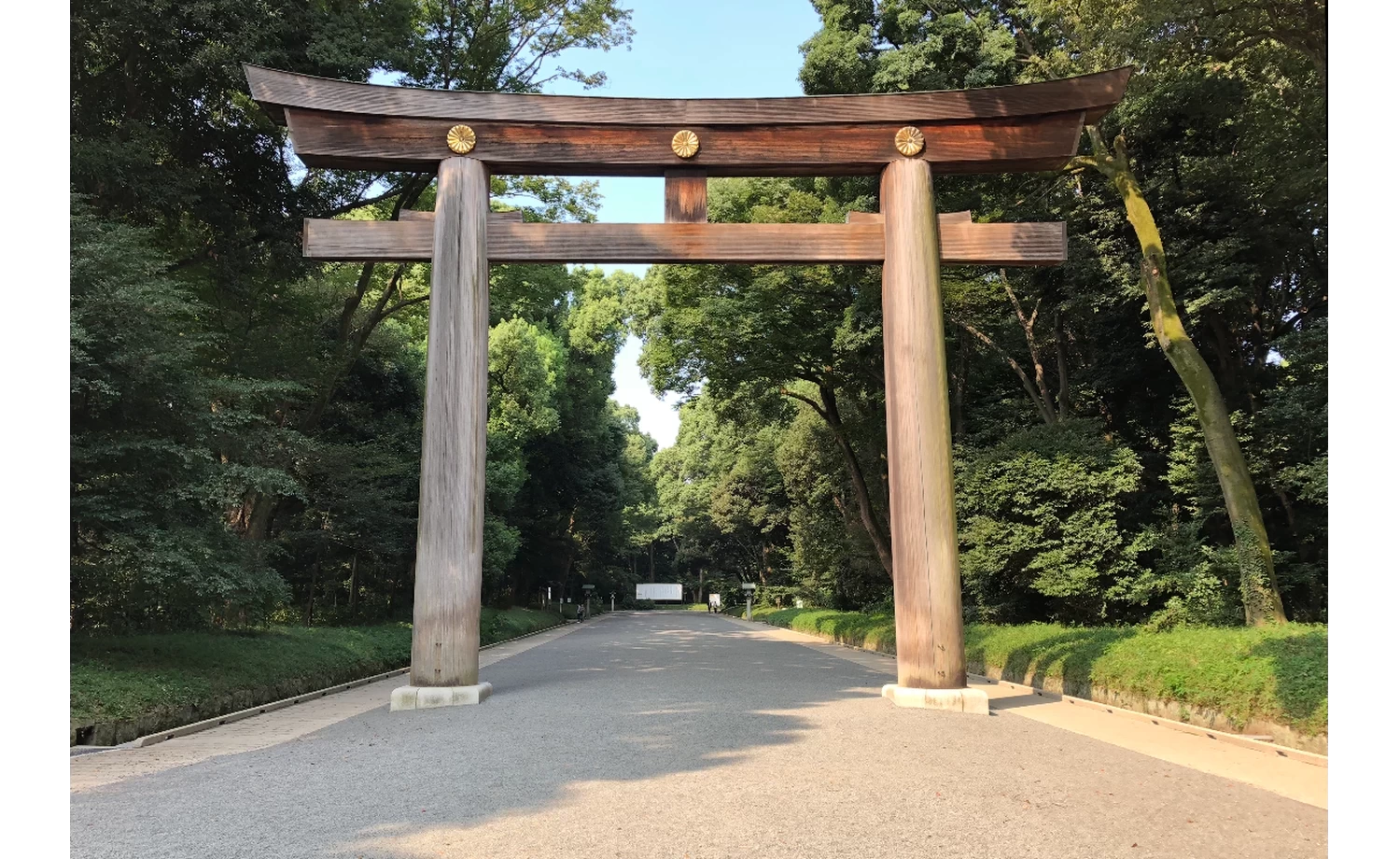
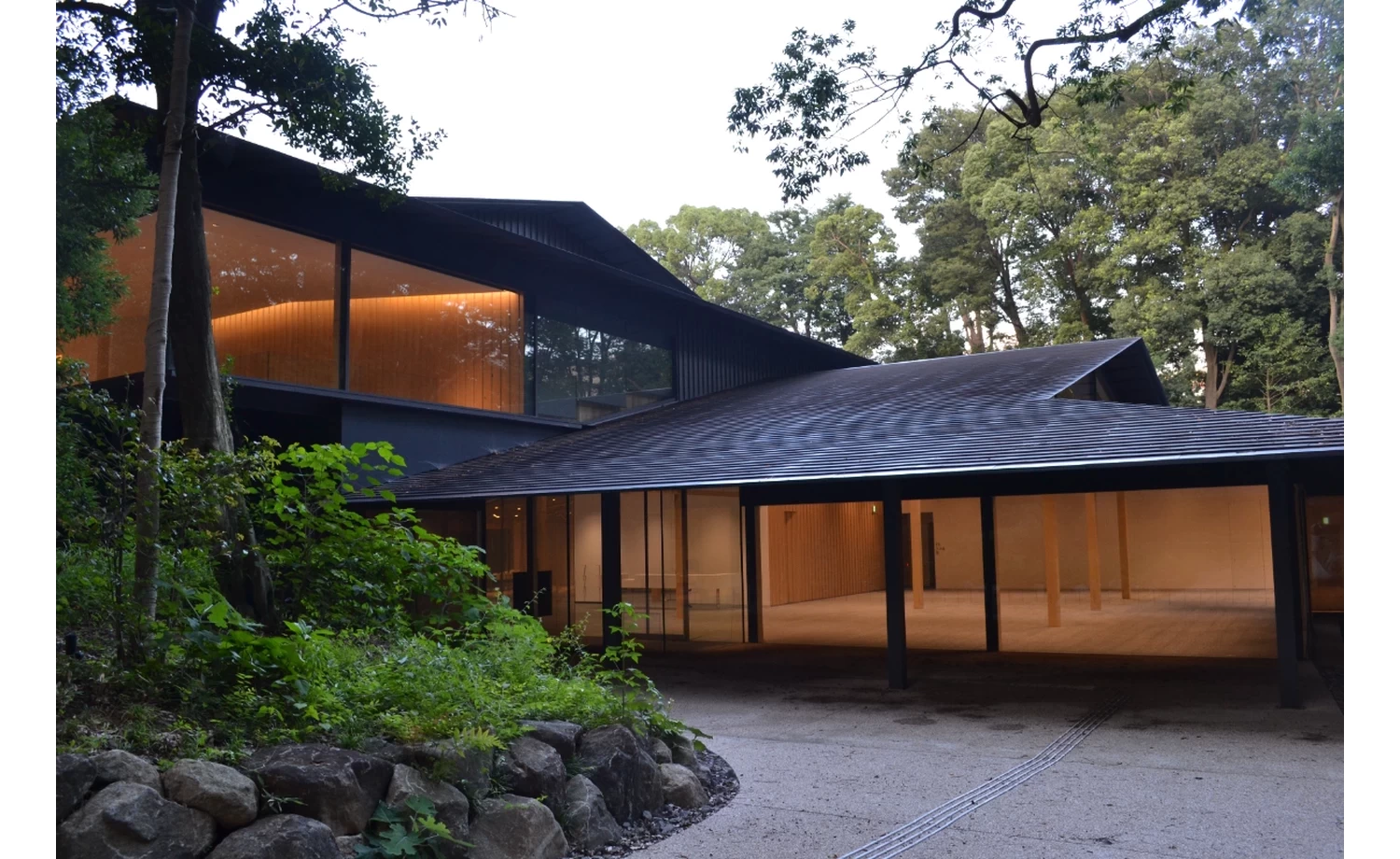
Meiji Jingu is a grand Shinto shrine dedicated to Emperor Meiji and Empress Shoken. Its expansive 70-hectare grounds are blanketed by a lush, sacred forest, creating a tranquil sanctuary that feels worlds away from the energetic pace of central Tokyo.
For deeper context, the Meiji Jingu Museum, opened in 2019, presents the shrine’s history and daily rituals through video exhibits and personal artifacts connected to the imperial couple. Visiting the museum alongside the shrine provides valuable insight into the cultural and spiritual legacy of Meiji Jingu.
Meiji Jingu
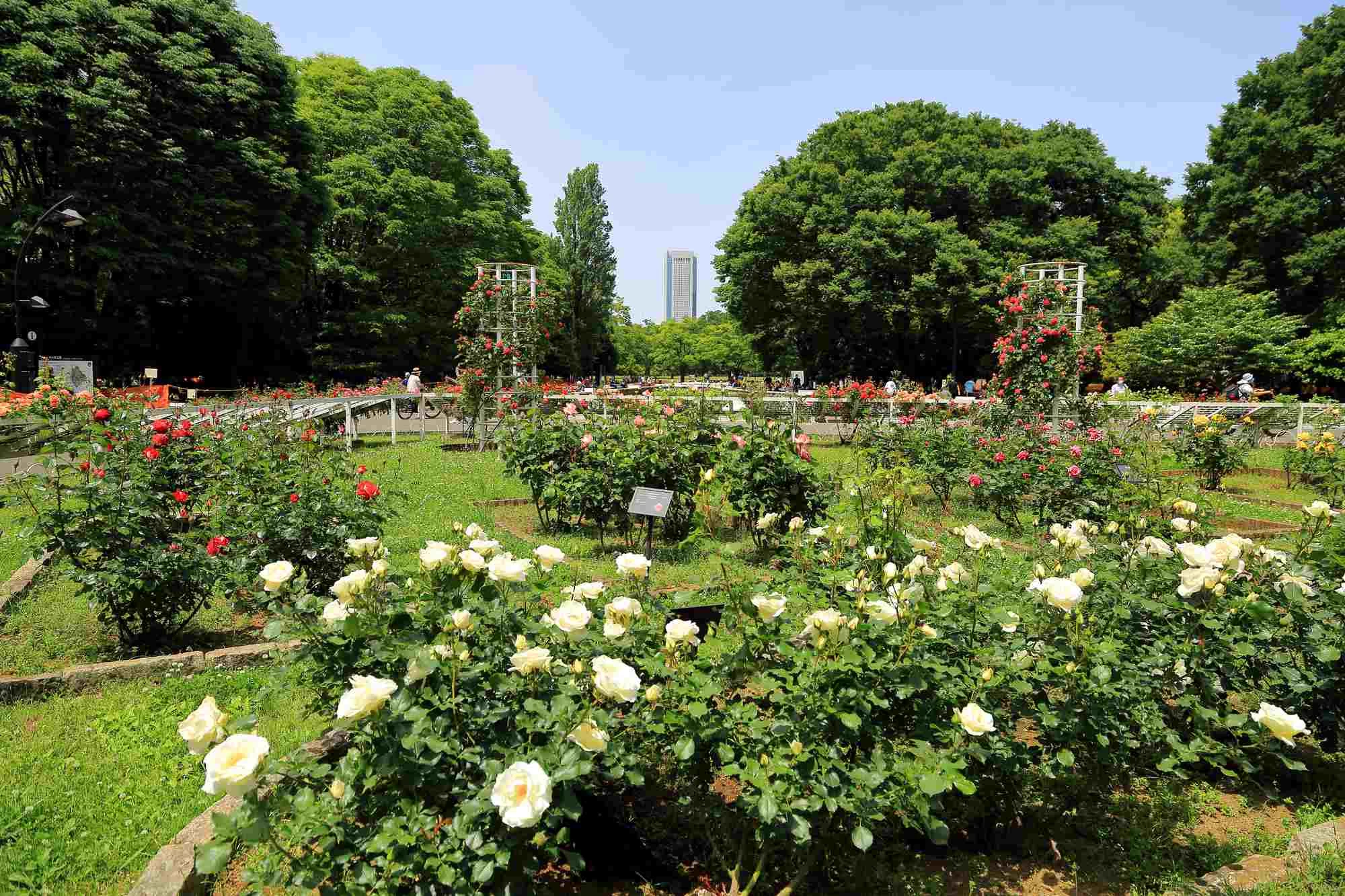
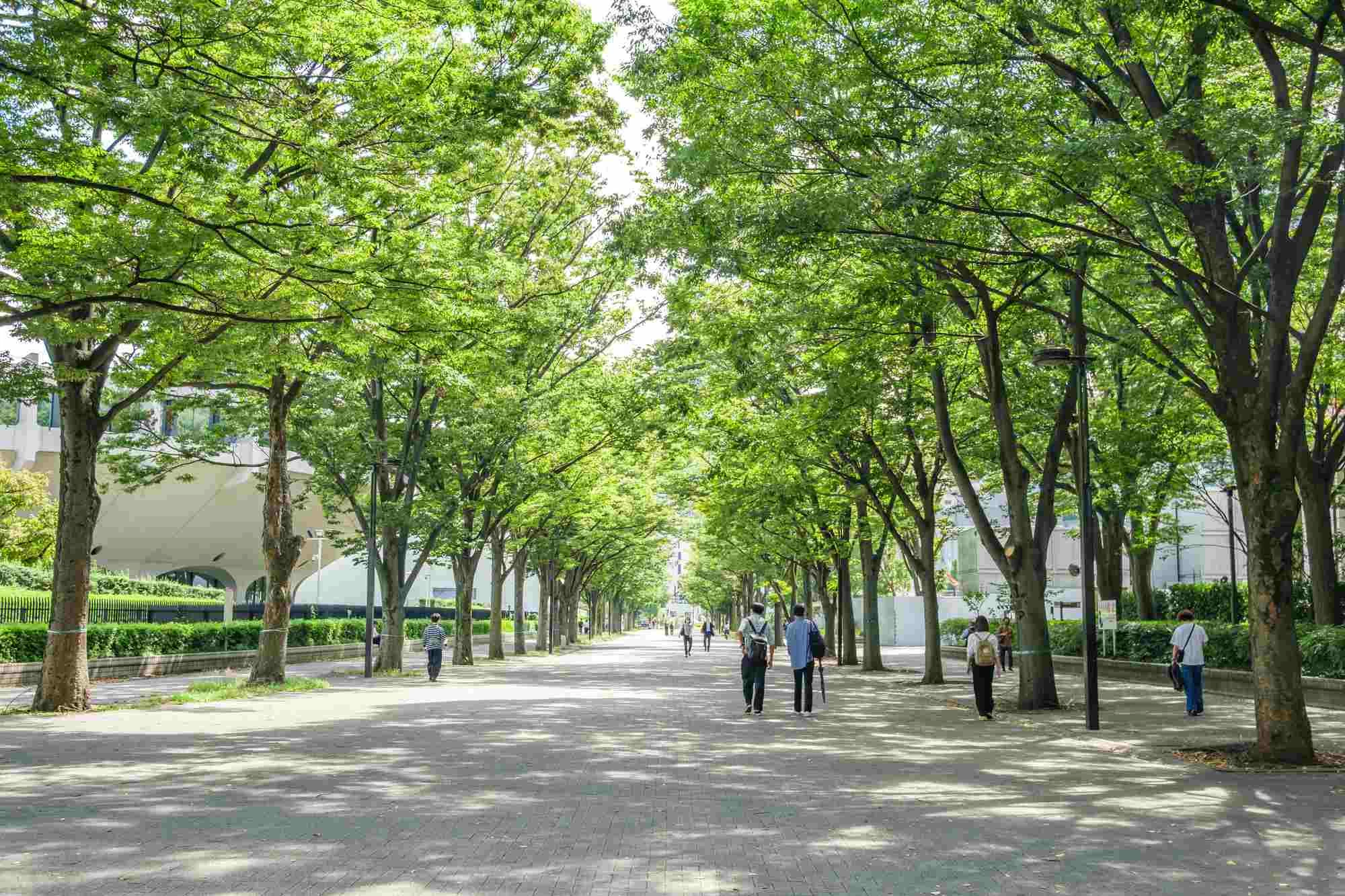
Yoyogi Park is a spacious green retreat known for its wide, open skies in central Tokyo. The site was once a military training ground, later became U.S. military housing, and served as part of the Olympic Village before opening as a public park in 1967.
Today, its event plaza hosts music performances, international festivals, and flea markets, especially on weekends. With expansive lawns and a relaxed atmosphere, the park offers an easy place to unwind between shopping and sightseeing.
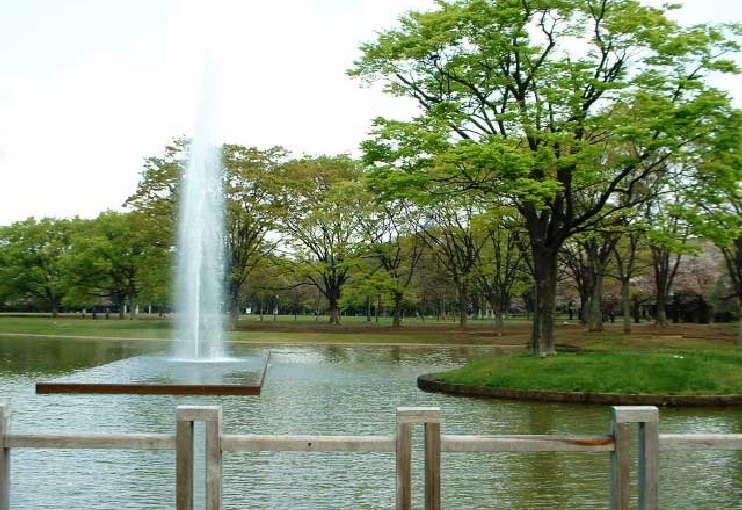
The park is well equipped for relaxed family time, featuring a bird sanctuary, a children’s cycling area, and a dog run. Surrounded by lush greenery, it offers a serene setting that feels far removed from the city’s bustle.
It is a rewarding stop for visitors seeking a different side of Shibuya sightseeing or a chance to enjoy nature in the heart of central Tokyo.
Yoyogi Park

Was it helpful? Please try using it when traveling or going out.
Article planning/supervision:Tabiiro Editorial Department Omori
writer:
Updated every Monday: Total number of views for 30 days

Coin lockers at Disneyland! Also what to do when you don't have a place or space to leave your belongings!
2024/11/25


Summary of Luggage Lockers (Coin Lockers) at Yokohama Station! Where Can You Find Free or Affordable Options?
2025/01/31

![[Nagasaki Tourism] 10 Famous Cherry Blossom Spots - Introducing the Best Spots for Cherry Blossom Viewing!](https://imgen.tabiiro.travel/kankou.tabiiro.jp/articles/images/1740626326-03_02_thum.jpg?w=180&h=180&mode=crop)
[Nagasaki Tourism] 10 Famous Cherry Blossom Spots - Introducing the Best Spots for Cherry Blossom Viewing!
2025/02/27

![[Osaka Tourism] 15 Famous Cherry Blossom Spots – Introducing the Best Spots for Cherry Blossom Viewing!](https://imgen.tabiiro.travel/kankou.tabiiro.jp/articles/images/1740624639-02_25_thum.jpg?w=180&h=180&mode=crop)
[Osaka Tourism] 15 Famous Cherry Blossom Spots – Introducing the Best Spots for Cherry Blossom Viewing!
2025/02/26

Kochi Tourism: 11 Cherry Blossom Spots – Discover the Best Spots for Cherry Blossom Viewing!
2025/02/24
dogenzaka-dori
6-minute walk from Shibuya Station (JR Lines),4-minute walk from Shibuya Station (Tokyo Metro Ginza Line / Keio Inokashira Line),A short walk from Shibuya Station (Tokyu Toyoko Line / Tokyu Den-en-toshi Line / Tokyo Metro Hanzomon Line / Tokyo Metro Fukutoshin Line)
Shibuya Mark City
6-minute walk from Shibuya Station (JR Lines),4-minute walk from Shibuya Station,A short walk from Shibuya Station
Scuba Pro Shop Shibuya
6-minute walk from Shibuya Station (JR Lines),4-minute walk from Shibuya Station,A short walk from Shibuya Station
Shibuya Scramble Square
Directly connected to Shibuya Station
Shibuya Hikarie
Direct access from Shibuya Station (JR Lines / Tokyo Metro / Tokyu Lines / Keio Lines).
Konnoh Hachimangu
5-minute walk from Shibuya Station
Shibuya Center-Gai
A short walk from Shibuya Station (JR Yamanote Line)
# C-pla Shibuya Center Gai
A short walk from Shibuya Station.
Cosmo Planetarium Shibuya
5-minute walk from Shibuya Station (JR Yamanote Line)
National Noh Theatre
5-minute walk from Sendagaya Station (JR Lines)
ART AND CAFE Aoyama
9-minute walk from Gaienmae Station (Tokyo Metro Ginza Line)
ART AND CAFE Harajuku
7-minute walk from Harajuku Station (JR Yamanote Line)
Edo Saryo Aoyama
9-minute walk from Gaienmae Station (Tokyo Metro Ginza Line)
Edo Saryo Harajuku
7-minute walk from Harajuku Station (JR Yamanote Line)
MIYASHITA PARK
3-minute walk from Shibuya Station,8-minute walk from Meiji-jingumae Station or Harajuku Station,A short walk from Miyashita Park Bus Stop,4-minute drive from Shibuya Exit
Cat Street
5-minute walk from Meiji-jingumae (Harajuku) Station,7-minute walk from Harajuku Station
Omotesando Hills
A short walk from Omotesando Station,3-minute walk from Meiji-jingumae (Harajuku) Station,7-minute walk from Harajuku Stationrajuku Station.
Meiji Jingu
A short walk from Meiji-jingumae (Harajuku) Station,3-minute walk toward Sangubashi Station,5-minute walk from Yoyogi Station or Kitasando Station
Yoyogi Park
3-minute walk from Harajuku Station (JR Lines)