



8 Recommended Travel Destinations in Japan for 2026
2026/06/10

 2024/11/22
Located in Obanazawa City, Yamagata Prefecture, Ginzan Onsen is one of the Tohoku region’s most picturesque hot spring towns. Historic wooden ryokan (traditional Japanese inns) line the river, creating a nostalgic atmosphere that feels like stepping back in time. Beyond the hot springs, visitors can sample local specialties and explore scenic attractions. Discover nine spots that make Ginzan Onsen an ideal destination for a relaxing, car-free trip with friends.
Table of Contents of This Article
Open Table of Contents ▼

Ginzan Onsen is one of Tohoku’s most picturesque hot spring towns, with historic wooden buildings dating from the late Taisho era (1912–1926) to the early Showa era lining the Ginzan River. Winter is especially beautiful, when snow-covered buildings glow under soft gas lamps at dusk, creating a nostalgic atmosphere that attracts visitors from across Japan.
Ginzan Onsen is accessible without a car, with a 40-minute bus ride from Oishida Station. Visitors can relax in a footbath, sample local specialties, stroll through the hot spring town, or explore nearby nature trails and historic ruins.


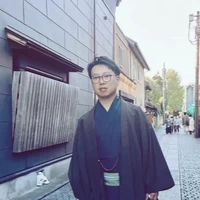
Located near Shirogane Bridge at the entrance to Ginzan Onsen, I'rasgayna combines a café stand with a traditional costume rental shop. The café serves coffee and fruit juices, including wild grape, apple, and watermelon juice made from Obanazawa's local specialty. Stop by for a break while exploring the town or enjoy views of the gas-lit streets in the evening. For a memorable experience, rent a Taisho-era-inspired outfit, reflecting Japan's blend of traditional and Western fashion in the early 20th century. Staff assist with dressing and styling, making it easy to take photos against Ginzan Onsen's historic backdrop.
I'rasgayna



Warashiyu Footbath is a free public footbath located along the Ginzan River, just a short walk from the entrance to Ginzan Onsen. The benches are thoughtfully arranged so visitors can relax, chat, and enjoy views of the river and surrounding town. The footbath uses natural hot spring water directly from the source, which can be quite hot. It’s a convenient place to rest tired feet after exploring the historic streets.
Warashiyu Footbath

Yamanokami Shrine is located about a 10-minute walk uphill from Ginzan Onsen, but its smaller branch shrine is easily accessible in the heart of the hot spring town. The shrine has long been associated with prayers for safe childbirth. According to local tradition, expectant mothers would borrow a sacred pillow from the shrine and return with a new one after a successful birth as a gesture of gratitude. A sign at the branch shrine also mentions a visit by Matsuo Basho, the famous 17th-century Japanese poet, offering a glimpse into the area's history.
Yamanokami Shrine Branch


Senshin Gorge is a scenic spot in Shirogane Park, about a 10-minute walk upstream from Ginzan Onsen. A walking trail follows the Ginzan River through the park, passing the vermilion Sekotoi Bridge. From the bridge, visitors can see Raion Falls, where rushing water cascades over rocks before flowing into a peaceful stream. The gorge’s name, meaning "heart-cleansing gorge," reflects the calming sound of the water and the surrounding natural beauty. Combine a visit with a walk to the nearby historic silver mine ruins to explore more of Ginzan Onsen’s natural and cultural heritage.
Senshin Gorge

Located at the entrance to Shirogane Park, at the far end of Ginzan Onsen, Shirogane Falls is a 22-meter waterfall surrounded by seasonal scenery. The water usually falls in two streams, though a third may appear depending on the water flow. Visitors can walk close to the base of the falls or enjoy the refreshing mist from a viewing platform across the river. Fresh greenery in summer, colorful foliage in autumn, and snow-covered scenery in winter make the falls a scenic spot throughout the year.
Shirogane Falls (Shirogane Park)


Nobesawa Silver Mine is the historic silver mine that gave Ginzan Onsen its name. Mining began in the 15th century, and the site became one of Japan’s major silver mines during the Edo period (1603–1868). As silver deposits dwindled, a major collapse in 1689 led to the mine’s closure. The area later developed into a hot spring resort, and the mine ruins are now designated a National Historic Site. The preserved mining tunnel features a walkway, lighting, and darkened rock walls that reveal traces of the area’s mining history. However, the tunnel is currently closed for safety inspections. Located about a 15-minute walk from the hot spring town, the ruins offer a glimpse into Ginzan Onsen’s mining past.
Nobesawa Silver Mine Ruins


Located just before Ginzan Onsen, Taisho Roman Kan is a retro-style rest stop with a souvenir shop and restaurant. Equipped with accessible restrooms and a rest area, it’s a convenient place to stop on the way to or from the hot spring town. The shop sells local specialties, including fried bread filled with zunda (sweet edamame paste) or anko (sweet red bean paste), and kujira mochi, a traditional Yamagata sweet made from rice flour. The restaurant serves handmade soba noodles using locally grown buckwheat, classic Chinese-style ramen, and freshly pounded mochi (rice cakes).
Taisho Roman Kan

Located near Shirogane Bridge, Shirogane-yu is a modern day-use onsen facility designed by renowned Japanese architect Kengo Kuma. Its exterior features traditional musou-goshi latticework, a detail often seen in Japanese homes, allowing the building to blend into the historic townscape while maintaining a contemporary look. Bathing areas are located on both the first and second floors, with access rotated between men and women. The first-floor bath has no windows, creating a cave-like atmosphere, while the second-floor bath features large windows and soft indirect lighting for a more open and tranquil setting. The water is quite hot, so it is best to ease in slowly.
Shirogane-yu


Izu Kokeshi Workshop Honten offers traditional kokeshi dolls, wooden crafts, and souvenirs from Ginzan Onsen. These handcrafted Japanese wooden dolls became widely known after appearing in the popular TV drama Oshin. Izu kokeshi are recognized for their large eyes and distinctive bobbed hairstyles. Visitors can also try painting their own kokeshi dolls at the workshop's craft center with advance reservations. Another specialty is the Birth Kokeshi, a custom-made doll matching a newborn baby's height and weight, making it a memorable keepsake or gift.
Izu Kokeshi Workshop Honten
With its nostalgic streets and picturesque scenery, Ginzan Onsen feels like stepping into another era. From historic wooden buildings to scenic natural attractions, the town offers plenty of photo opportunities. For a car-free getaway, explore Ginzan Onsen on foot and enjoy local food, beautiful scenery, and a relaxing hot spring atmosphere.
Was it helpful? Please try using it when traveling or going out.
Article planning/supervision:旅色編集部 fukai
writer:UNTRACE inc.
Updated every Monday: Total number of views for 30 days

Tokyo Disneyland Coin Lockers: Where to Store Luggage and What to Do When Lockers Are Full
2024/11/25


Yokohama Station Coin Lockers: Locations, Prices, and Free Options
2025/01/31


12 Must-Visit Okinawa Souvenir Shops for Awamori, Perfume, and Ryukyu Glass
2026/05/04

Top 10 Souvenirs to Buy at Shin-Yokohama Station — Best Spots for Cute Treats
2026/05/05


Exploring Okinawa by Campervan: A First-Timer’s Guide
2026/05/15
I'rasgayna
3-minute walk from Ginzan Onsen bus stop, 40-minute bus ride from Oishida Station
Warashiyu Footbath
3-minute walk from Ginzan Onsen bus stop, 40-minute bus ride from Oishida Station
Yamanokami Shrine Branch
3-minute walk from Ginzan Onsen bus stop, 40-minute bus ride from Oishida Station
Senshin Gorge
6-minute walk from Ginzan Onsen bus stop, 40-minute bus ride from Oishida Station
Shirogane Falls (Shirogane Park)
5-minute walk from Ginzan Onsen bus stop, 40-minute bus ride from Oishida Station
Nobesawa Silver Mine Ruins
15-minute walk from Ginzan Onsen bus stop, 40-minute bus ride from Oishida Station
Taisho Roman Kan
A short walk from Togei Center bus stop, 40-minute bus ride from Oishida Station
Shirogane-yu
3-minute walk from Ginzan Onsen bus stop, 40-minute bus ride from Oishida Station
Izu Kokeshi Workshop Honten
5-minute walk from Ginzan Onsen bus stop, 40-minute bus ride from Oishida Station