


The Ultimate Fujisawa & Enoshima Guide: Top Sights, Local Eats, and Day Trip Ideas
2026/05/26
 2026/05/01
From mountain peaks to hidden city corners, Japan is home to spiritual spots—sacred places filled with natural energy to heal your soul and recharge your spirit. Among these, Shinto shrines stand out as holy spaces to cleanse your mind and body. Simply stepping onto the grounds can invite good fortune. In this guide, Tabiiro presents the best shrines across the Kanto region to boost your luck, organized by prefecture. Visit these spiritual landmarks to refresh your energy and make 2026 your most vibrant year yet!
Table of Contents of This Article
Open Table of Contents ▼
Tokyo
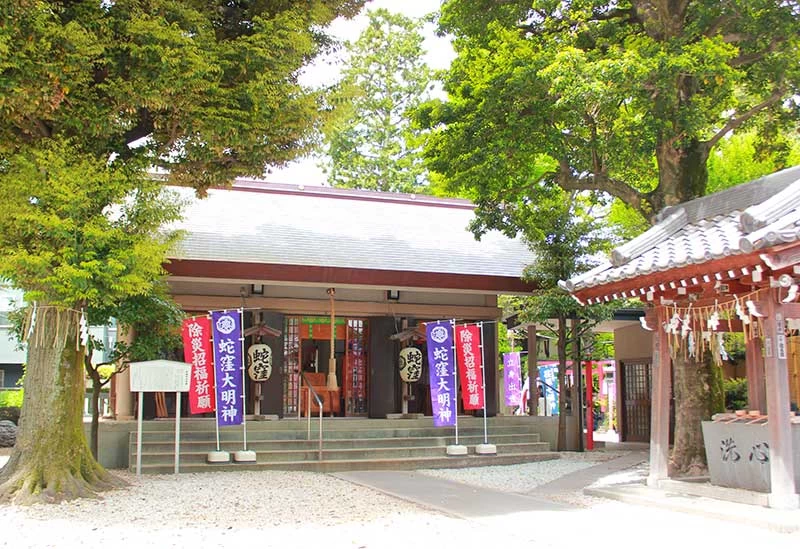
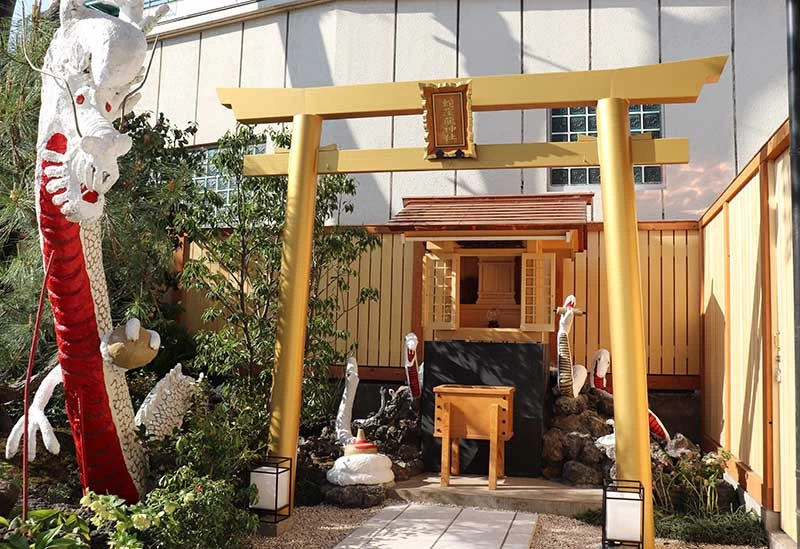
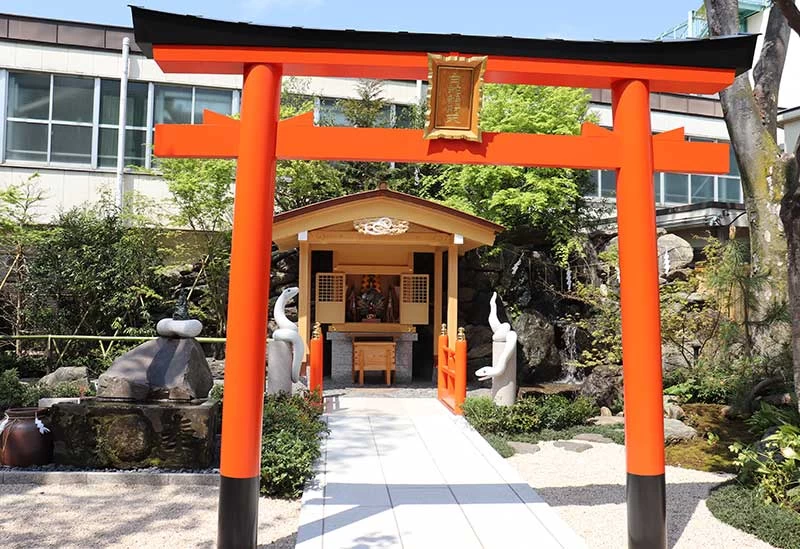
Experience Hebikubo Shrine in Shinagawa, Tokyo, a sacred site said to have been founded in 1322 after prayers for rain ended a devastating drought. Today, it is a rare spiritual destination where both Shirohebi Okami (White Serpent Deity) and Hebikubo Ryujin (Dragon God) are worshipped together, a pairing believed to bring success and advancement in life. The white serpent, regarded as a divine messenger of good fortune, draws many visitors seeking financial prosperity and spiritual purification. Many worshippers visit on auspicious Snake Days (Mi-no-hi), held every 12 days, so be sure to check the official website in advance when planning your visit.
Hebikubo Shrine

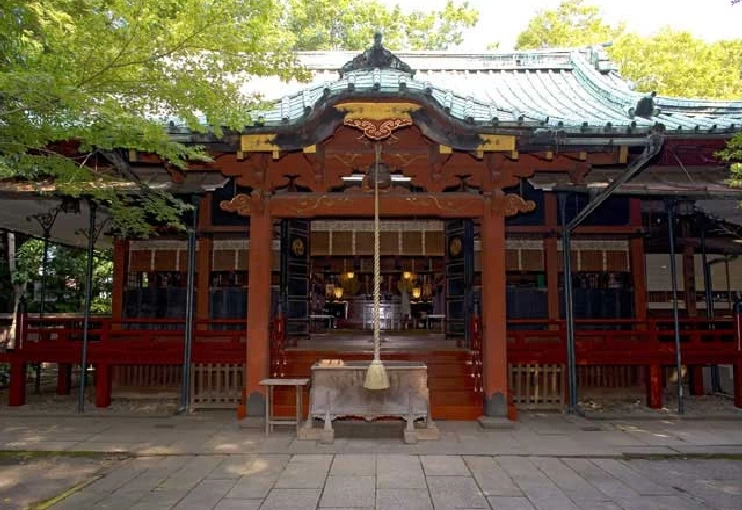
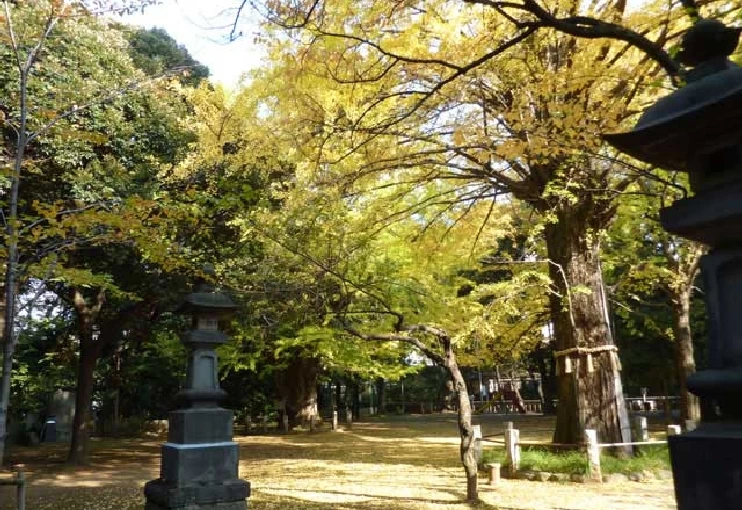
Experience more than 1,000 years of history at Akasaka Hikawa Shrine, long revered for warding off misfortune and fostering meaningful connections. The shrine is especially known for three unique matchmaking rituals. The first, Sakuranbo Musubi, invites visitors to tie a cherry-shaped charm crafted by shrine maidens with protective red thread to a sacred wishing tree; each charm contains a love fortune slip inside. The second ritual, Enyui, is inspired by an old Japanese custom of tying written wishes at shrines, allowing visitors to write their hopes on seasonal washi paper and pray for their fulfillment. Finally, the monthly Enmusubi Mairi ceremony offers prayers for a wide range of meaningful connections, including romance, family relationships, friendships, and success in work and life.
Akasaka Hikawa Shrine
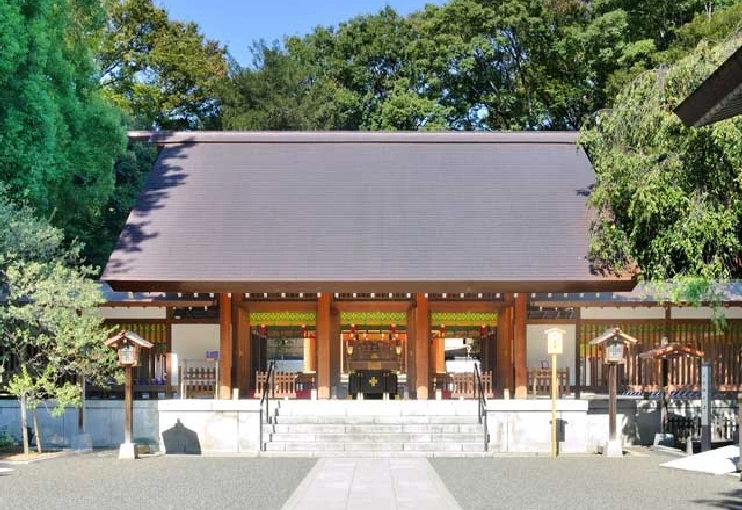
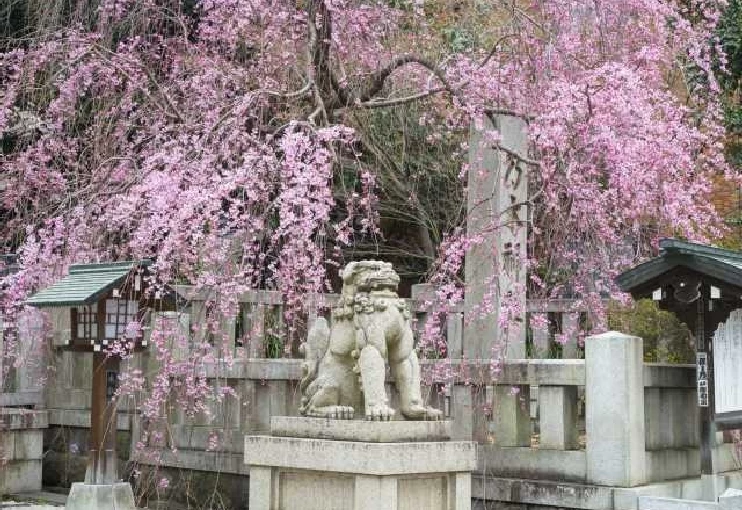
Dedicated to General Nogi and his wife Shizuko, prominent figures of the Meiji era, this shrine is known as a spiritual destination associated with success in competition and academic achievement. Because it honors a devoted couple, it is also a popular place for prayers for harmonious marriage and meaningful relationships. For a memorable keepsake, look for the Yorisoi Mamori, an amulet designed with motifs inspired by traditional wedding attire to symbolize a couple walking life’s path together. Another highlight is the Raijin Tree, a sacred camphor tree said to have taken a lightning strike in place of the main shrine building. The Josai Kaiun amulet contains a fragment of this tree and is believed to ward off misfortune and open the way to new opportunities. Visitors can experience a sense of history and quiet spiritual atmosphere while exploring the peaceful grounds.
Nogi Shrine
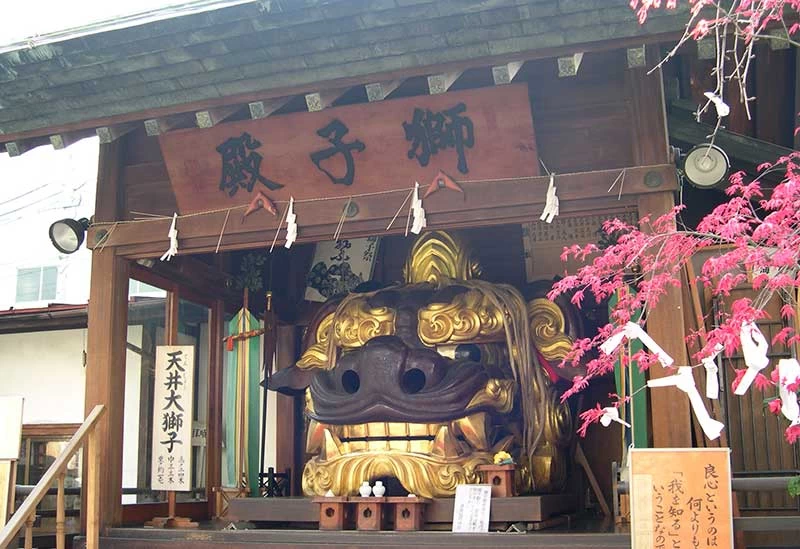
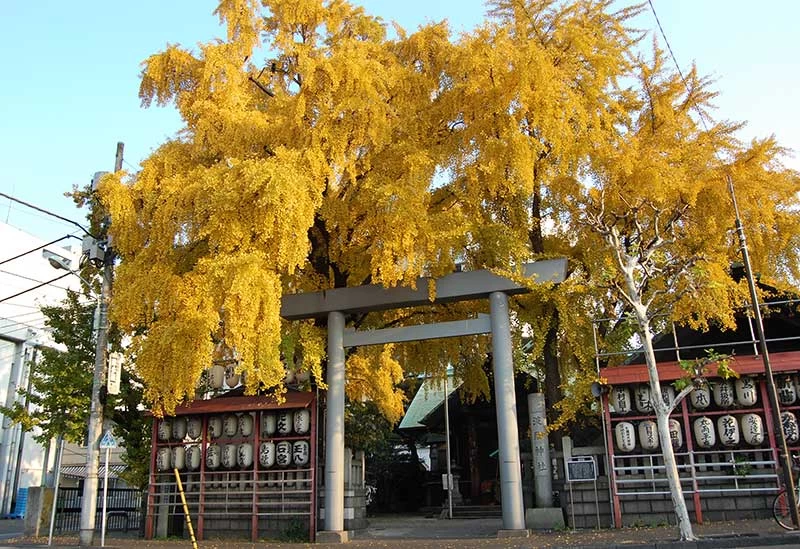
Experience Namiyoke Shrine, known for protecting worshippers from misfortune and helping them overcome life’s challenges. The shrine’s origins are linked to the reclamation of the Tsukiji area, when construction was repeatedly disrupted by rough waves. It is said that after a sacred Inari deity discovered drifting at sea was enshrined here, the waves calmed and the work proceeded safely. Today, visitors come to pray for protection from disasters, business prosperity, and success in overcoming difficulties. The shrine’s highlights are two impressive lion statues: the male Tenjo O-jishi and the female Ohaguro-jishi. For a unique spiritual experience, write your wish on a Negai-gushi (prayer stick) and place it in the basket on the lion’s tongue, where the lion is believed to “swallow” the wish and help bring it to fulfillment.
Namiyoke Shrine
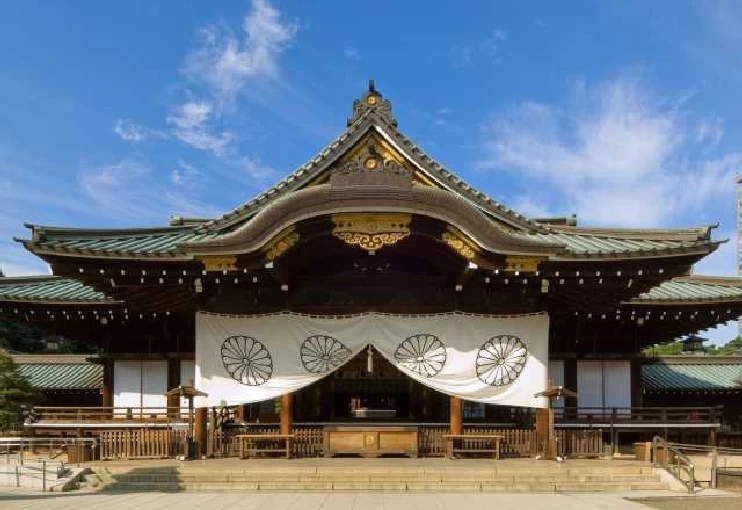
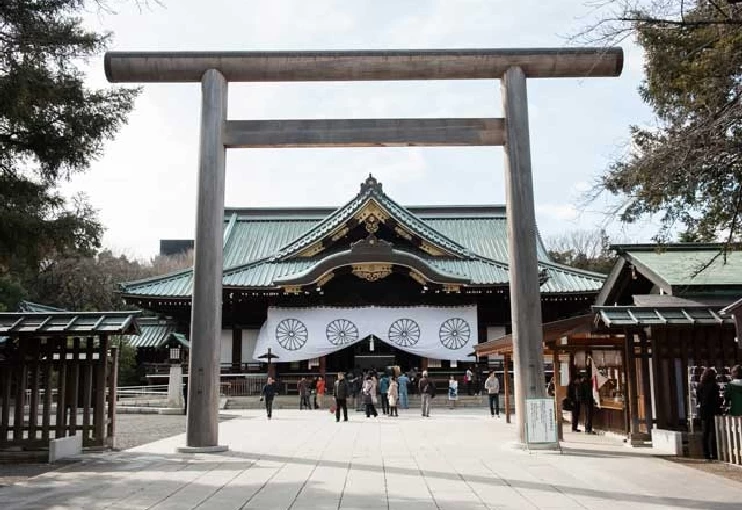
Founded in 1869 by Emperor Meiji, Yasukuni Shrine honors those who died in service to Japan. Here, all enshrined spirits are commemorated equally, regardless of rank or social status. One of the shrine’s most notable landmarks is the Second Torii Gate, renowned as the largest bronze torii gate in Japan. Spring is an especially popular season to visit, as the shrine grounds are home to Tokyo’s official cherry blossom specimen tree, whose blooming marks the official start of the cherry blossom season in the city. Another highlight is the Sakura Ceramic Panel Garden, created to commemorate the shrine’s 150th anniversary, where ceramic panels made using soil from across Japan’s prefectures celebrate the shrine’s history. Visitors can enjoy both seasonal beauty and a deeper glimpse into Japan’s modern history within these historic grounds.
Yasukuni Shrine
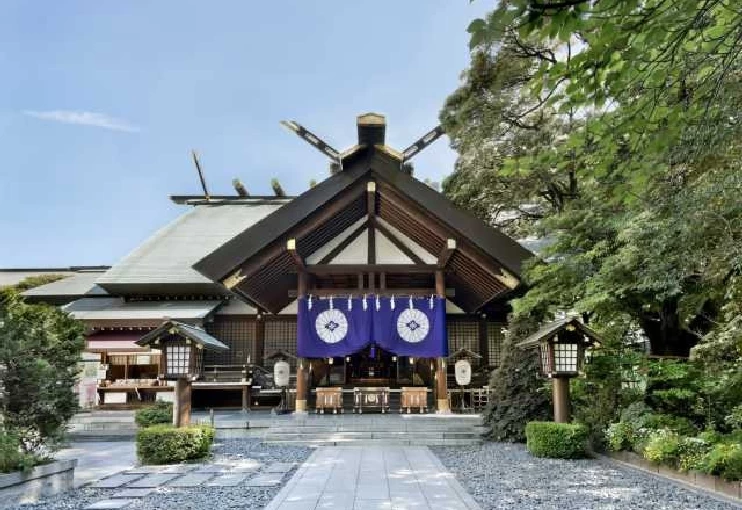
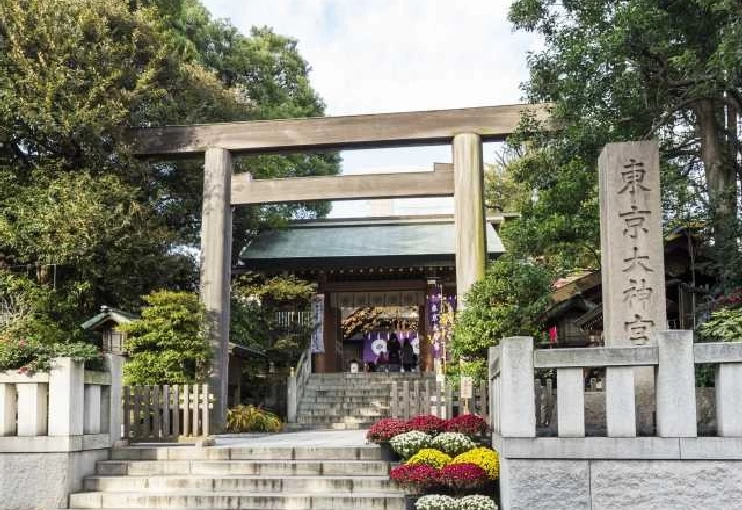
This shrine was founded as a place for distant worship connected to Ise Grand Shrine and is widely known for matchmaking and meaningful connections. It is said to have pioneered Japan’s first Shinto wedding ceremonies, further enhancing its reputation as a shrine associated with love and harmonious relationships. Visitors come to pray to the creator deities for blessings including good relationships, family safety, business prosperity, and academic success. The shrine also offers a variety of charms for love and good fortune. The Suzuran Mamori, shaped like a lily of the valley flower symbolizing the arrival of happiness, is especially popular, while the Shiawase Kagi Mamori (Key to Happiness) is believed to help open the path to mutual love and lasting relationships. The shrine is also regarded as a popular spiritual spot for those seeking positive connections and good fortune.
Tokyo Daijingu Shrine
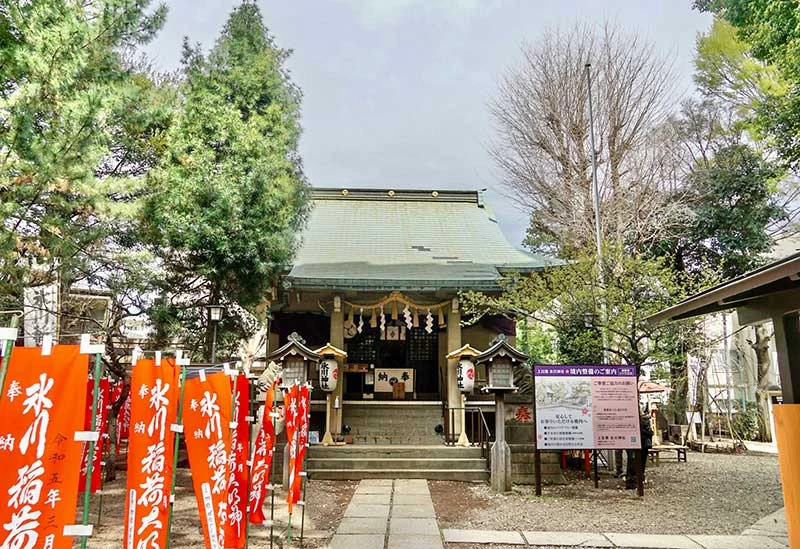
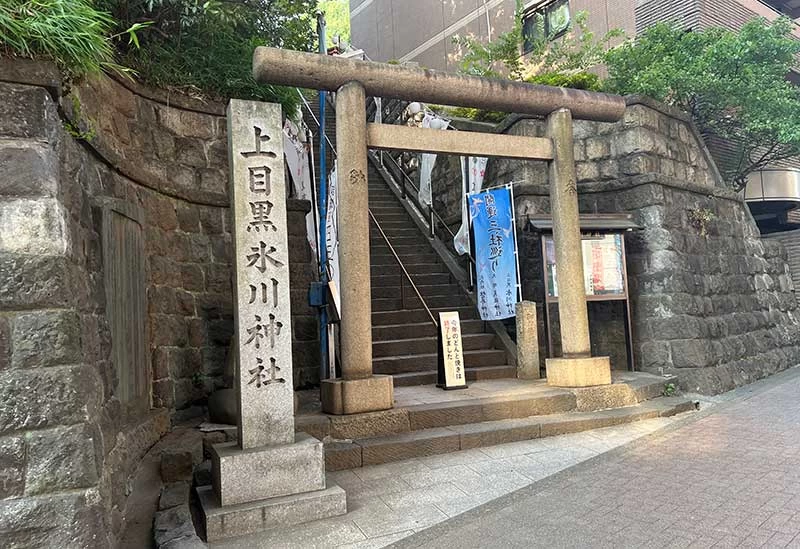
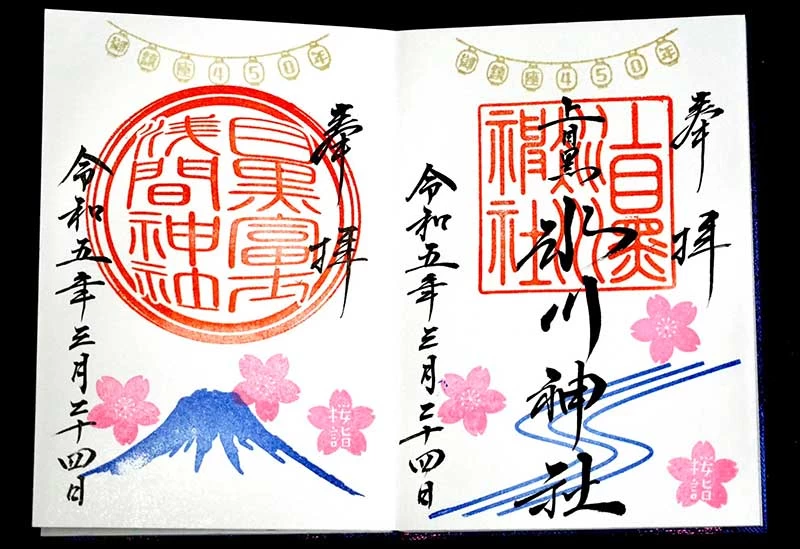
With over 450 years of history, Kamimeguro Hikawa Shrine is an important local shrine in the Meguro area. Today, the shrine continues to be revered for warding off misfortune and safeguarding the neighborhood. Located near the Meguro River—one of Tokyo’s most famous cherry blossom viewing spots—the shrine offers distinctive charms and souvenirs inspired by the seasonal scenery. Visitors can find Sakura Mamori (cherry blossom charms) and original goshuin books featuring beautiful daytime and nighttime sakura designs, making them popular keepsakes during cherry blossom season.
Kamimeguro Hikawa Shrine
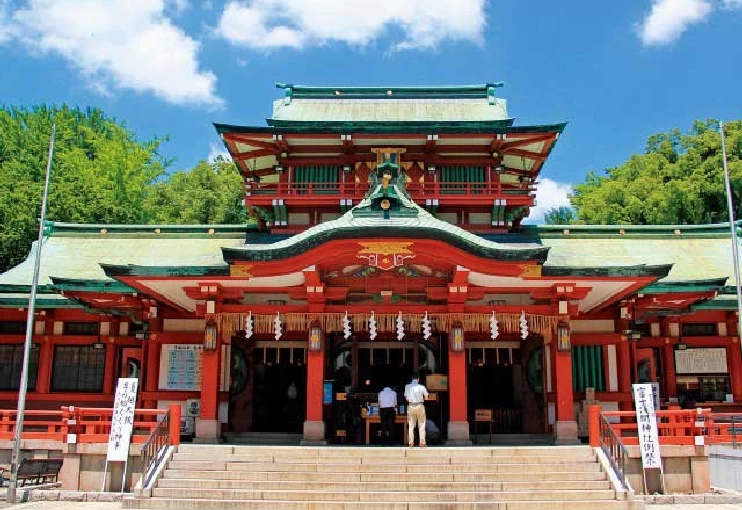
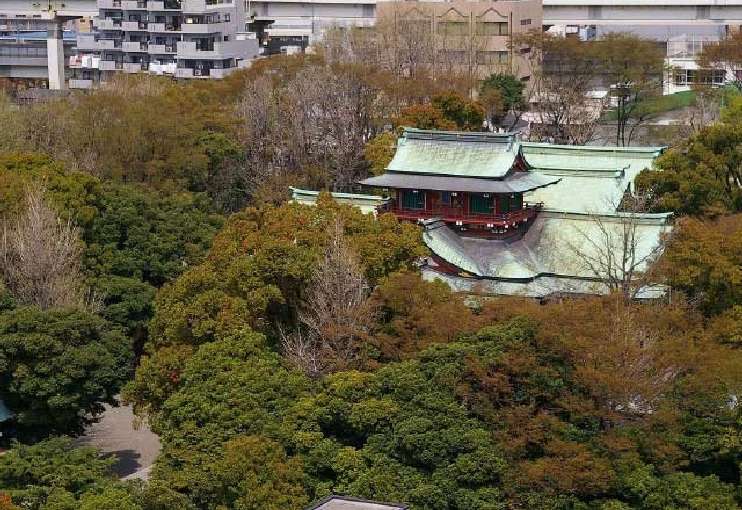
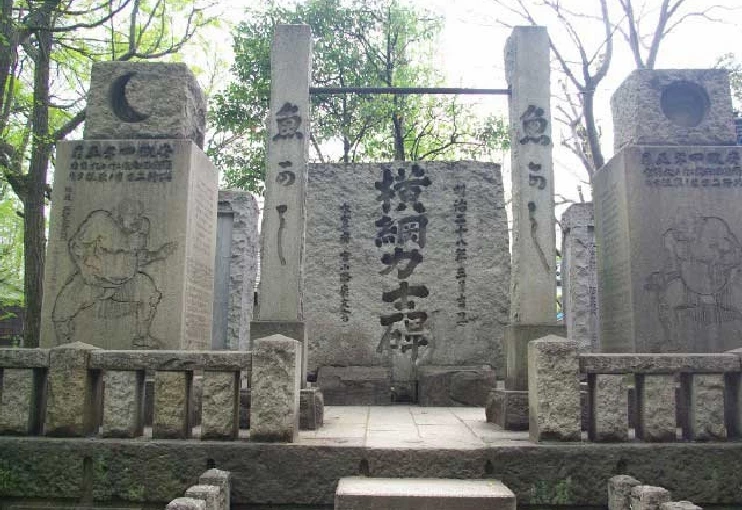
This historic shrine is famous as the birthplace of Edo-kanjin sumo and as the host of the Fukagawa Hachiman Festival, one of the Three Great Festivals of Edo. During the festival, spectators splash purifying water onto portable shrine bearers along the parade route, creating a lively celebration that brings participants and crowds together. While exploring the grounds, visitors can see the magnificent golden mikoshi, said to be the largest in Japan. The shrine is also home to ancient ginkgo trees that survived earthquakes and wartime destruction, symbolizing resilience and vitality. Inspired by these sacred trees, charms such as the Fukuen Ichō Mamori and Enmusubi Ichō Mamori are believed to bring good fortune and harmonious connections.
Tomioka Hachimangu
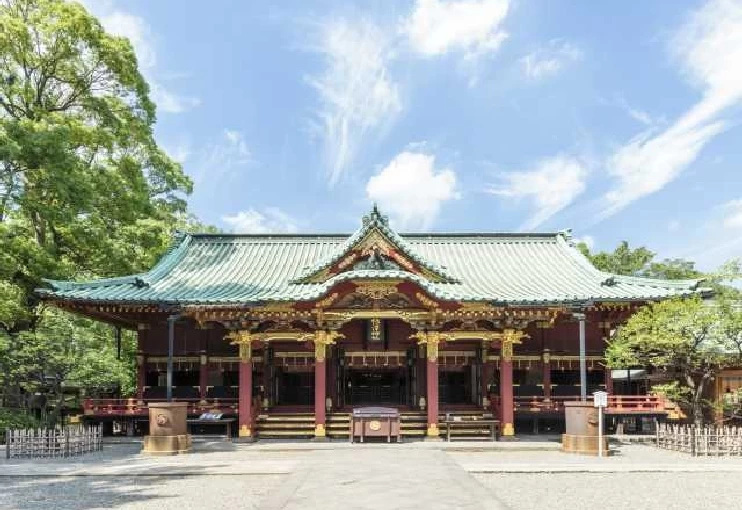
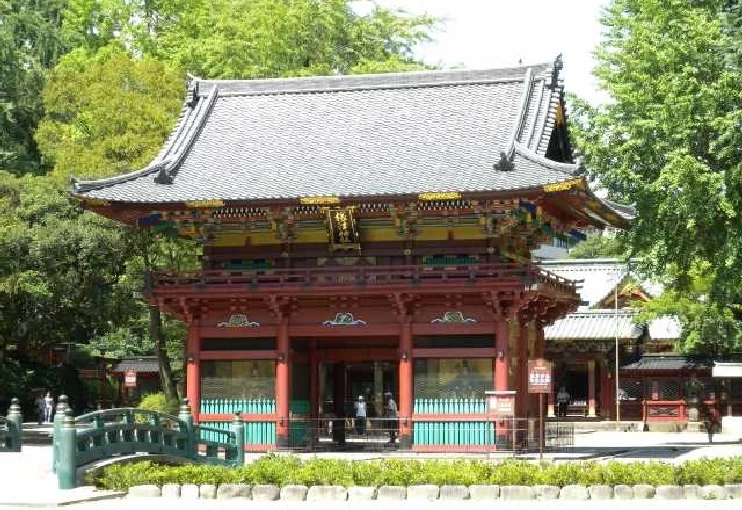
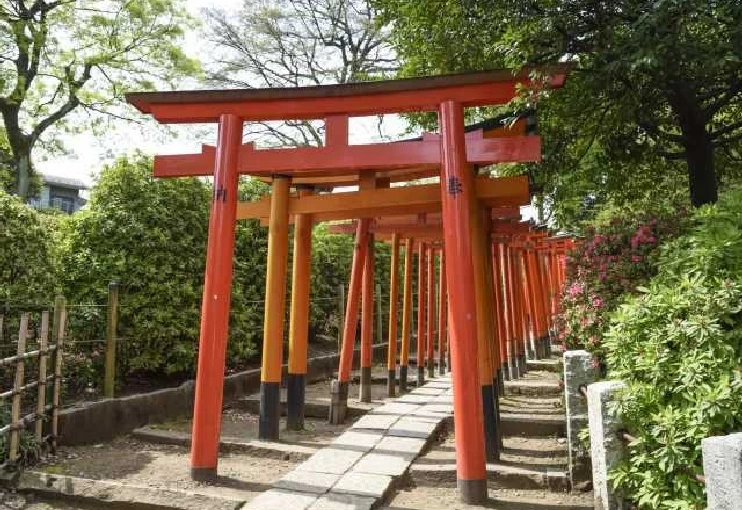
Step back into the Edo period at Nezu Shrine, one of the finest surviving examples of Edo-period shrine architecture in Japan. While associated with blessings such as protection and good fortune, it is especially popular for matchmaking and meaningful relationships. Walk through the breathtaking tunnel of vibrant vermilion torii gates leading to Otome Inari Shrine, a beloved spot for prayers related to love and connections. In spring, the grounds come alive with around 3,000 blooming azaleas in a wide range of colors. Visitors can also pick up ema plaques or a goshuin book decorated with delicate azalea motifs as memorable keepsakes.
Nezu Shrine
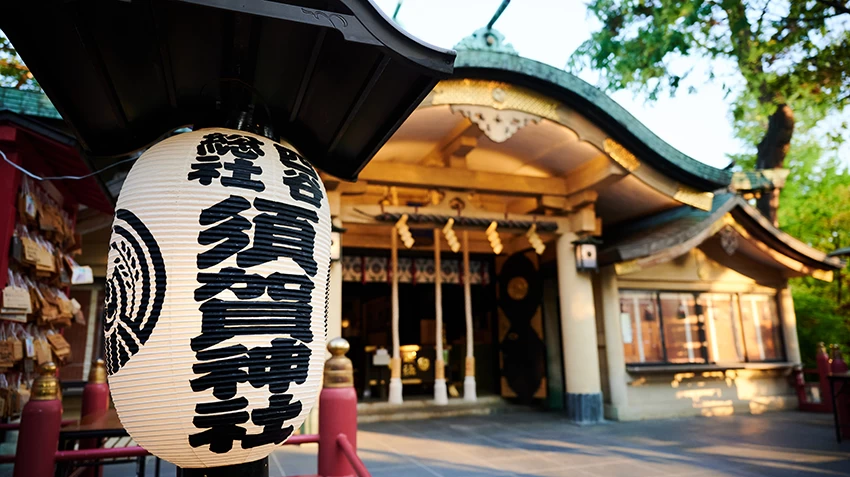
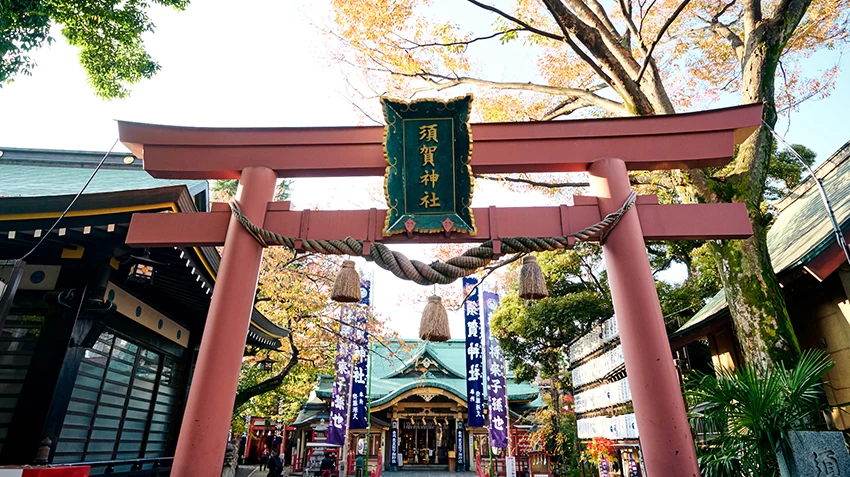
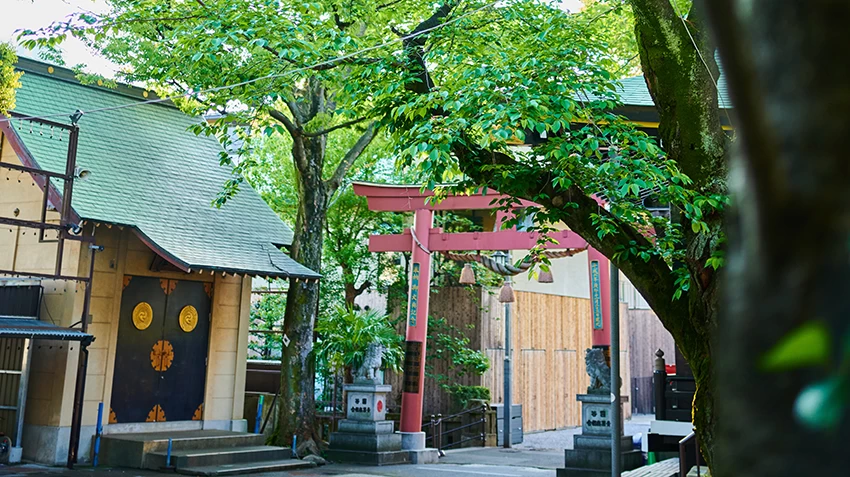
Escape the neon lights of Shinjuku and step into a peaceful shrine with nearly 400 years of history. This historic site is widely visited for blessings related to protection from misfortune, family harmony, and meaningful relationships. Just a short walk from bustling Shinjuku Station, the grounds offer a lush green retreat where the sounds of the city fade into calm surroundings. Visited by both locals and travelers, it provides a quiet place to pause, reflect, and regain a sense of balance in the heart of Tokyo.
Suga Shrine
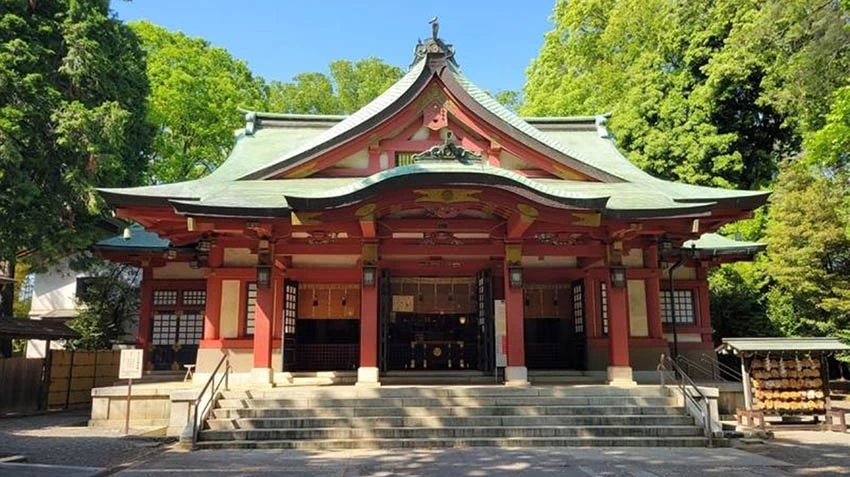
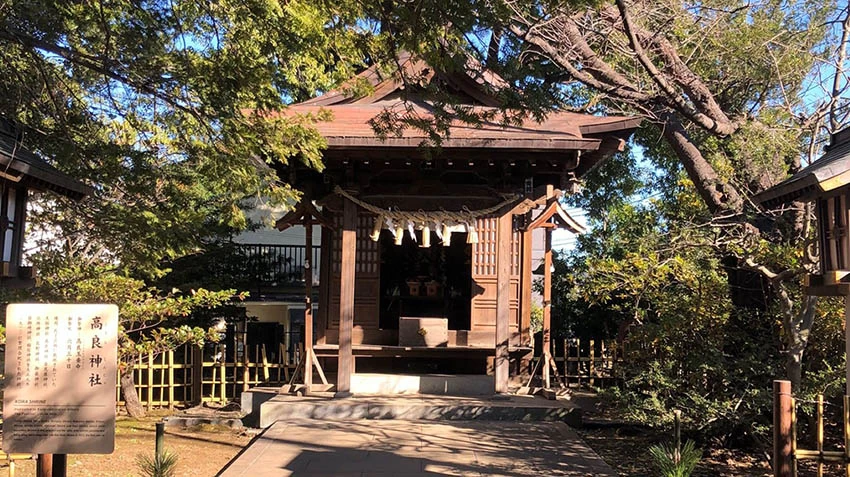
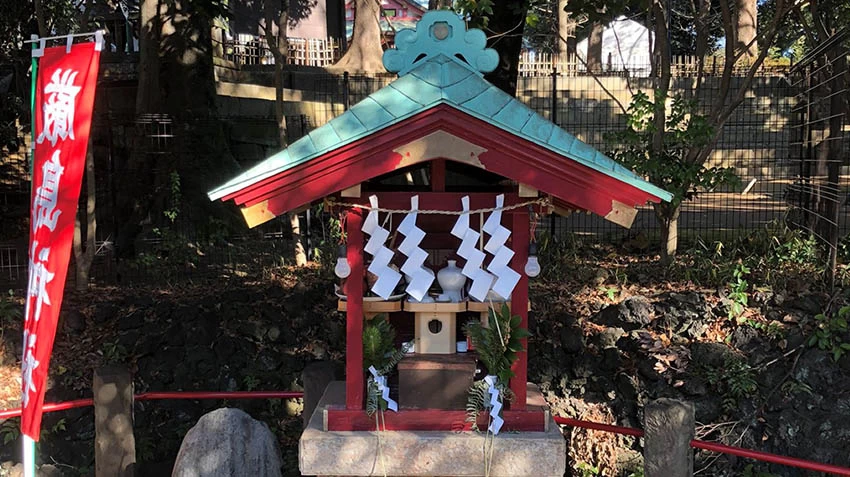
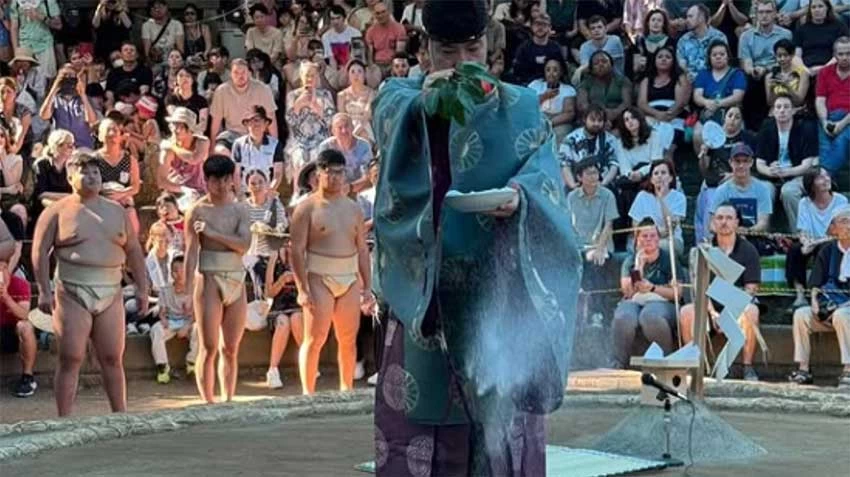
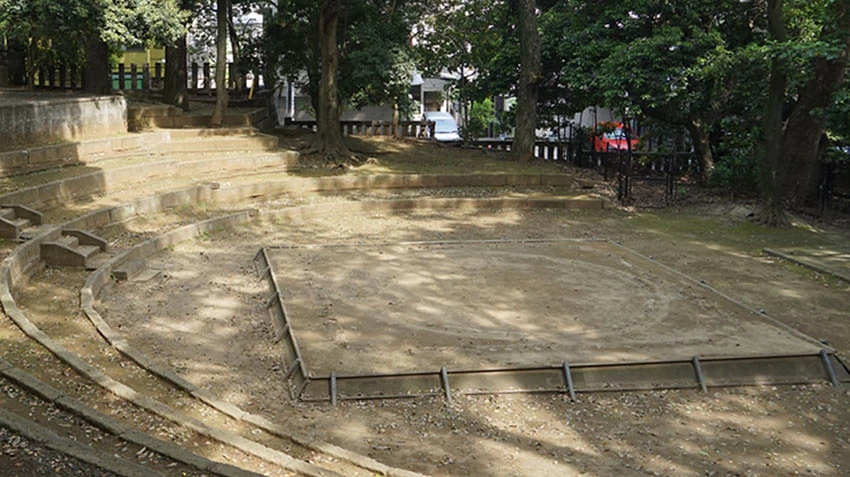
Just a short walk from Miyanosaka Station, Setagaya Hachimangu is a hidden gem with a history dating back to the Heian period. The shrine is associated with blessings for victory and success in competitions and life’s challenges. A distinctive feature of the grounds is a full-scale sumo ring, where traditional ceremonial matches are held during the lively autumn festival. Surrounded by lush greenery, the shrine offers a peaceful setting where visitors can step away from the bustle of the city and enjoy a quiet moment of reflection.
Setagaya-Hachimangu
Kanagawa Prefecture
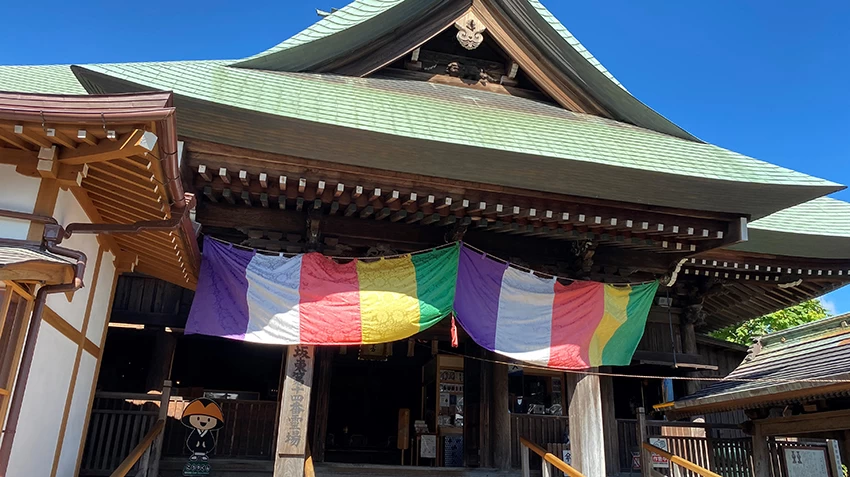
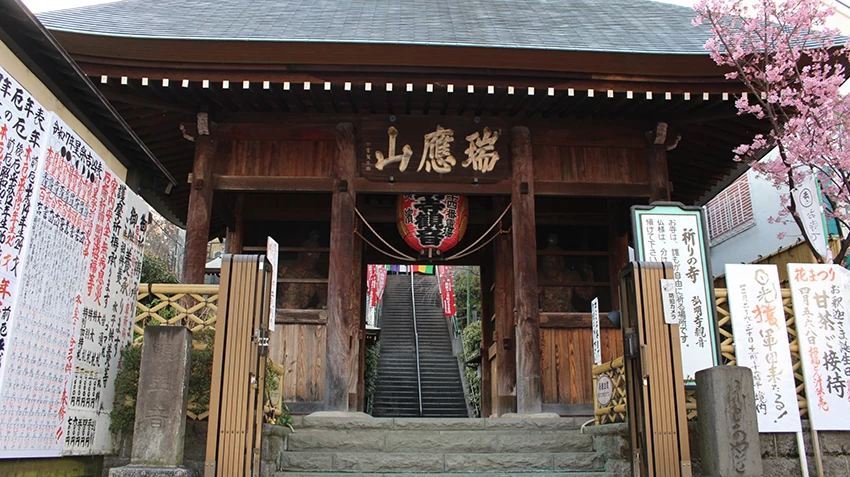
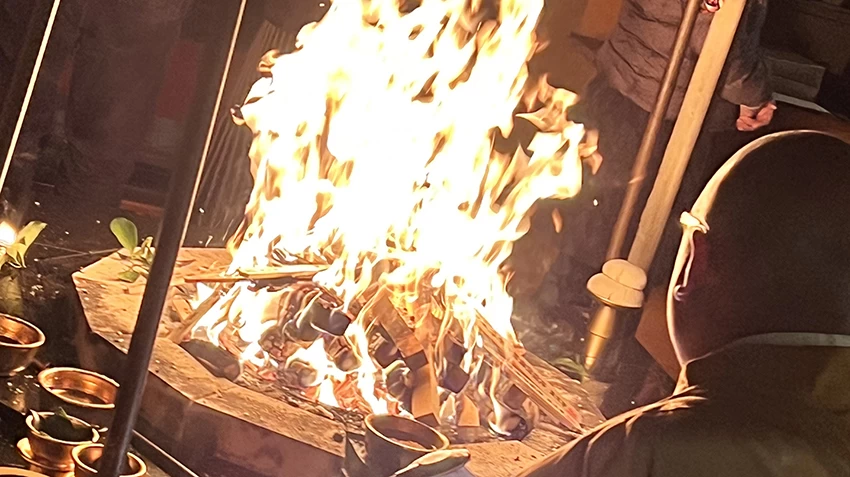
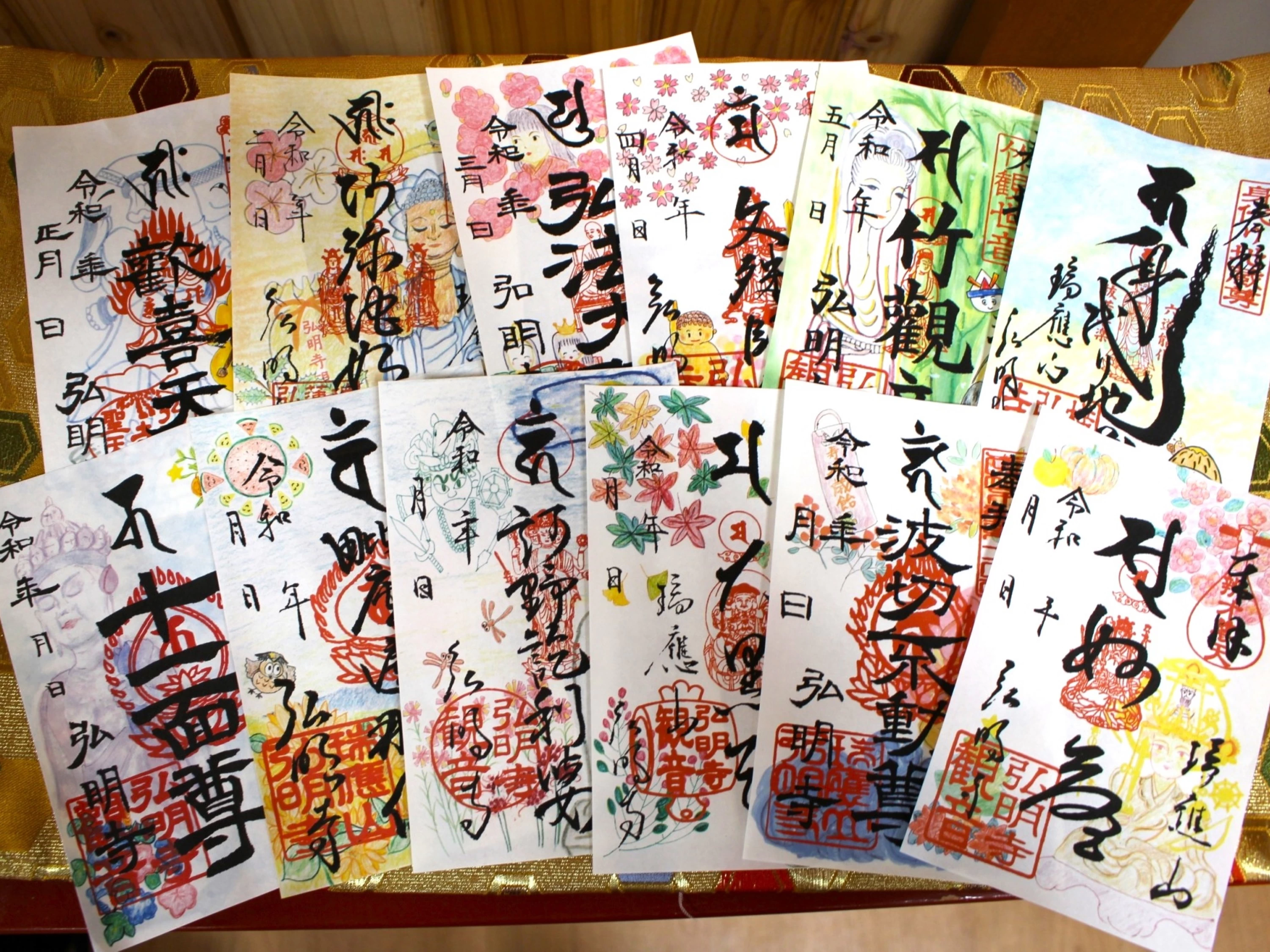
Discover Gumyoji Temple, the oldest temple in Yokohama and an important spiritual landmark of the city. Visitors approach the temple by passing through the lively Gumyoji Shopping Street, which developed as a temple town serving pilgrims for centuries. Within the peaceful grounds, the atmosphere feels far removed from the surrounding city. Monthly limited-edition goshuin stamps are especially popular among visitors, and seasonal festivals bring additional energy to the temple throughout the year. Gumyoji offers a meaningful glimpse into Yokohama’s long history and enduring spiritual culture.
Gumyoji Temple
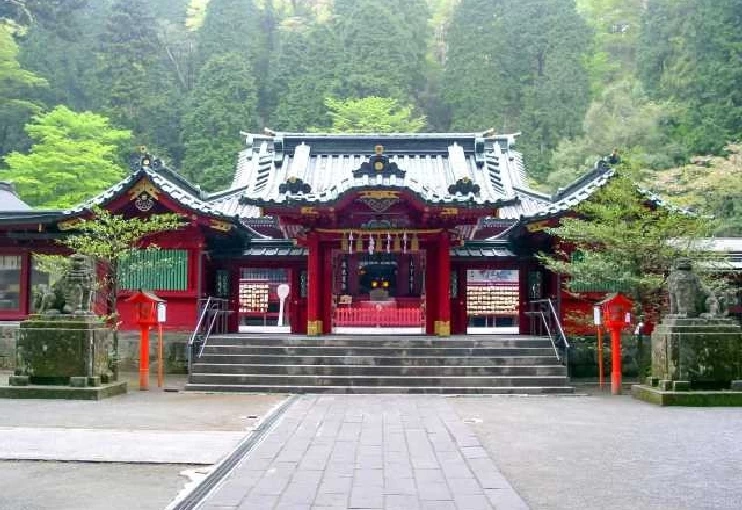
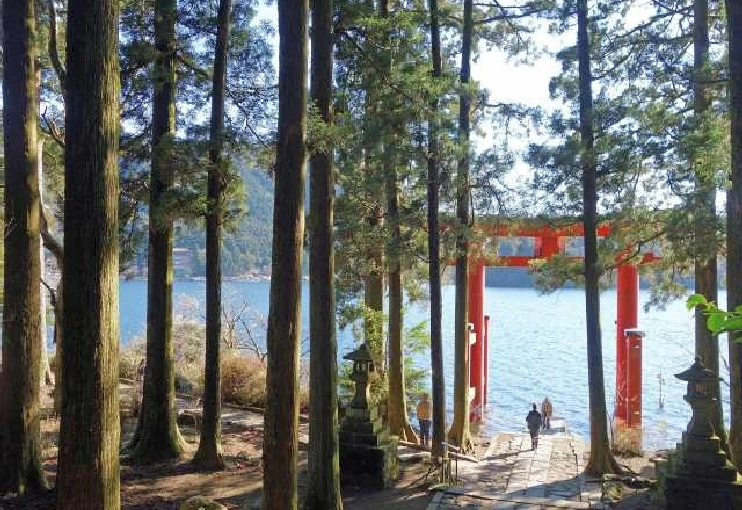
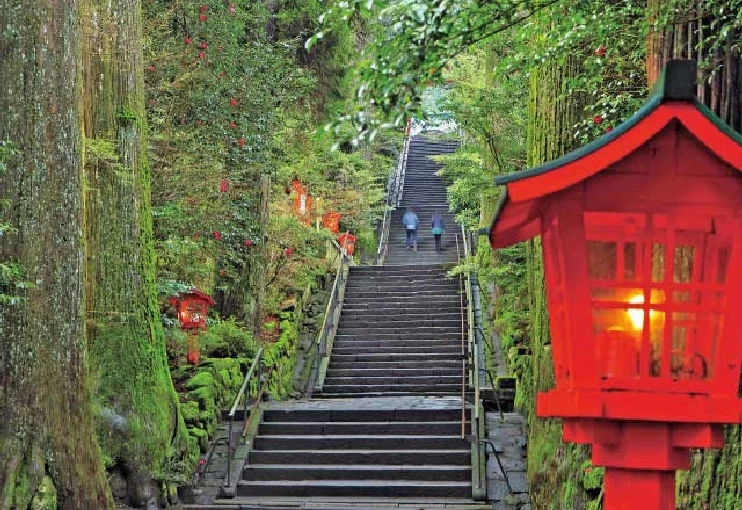
Hakone Shrine, one of the most revered shrines in the Kanto region, offers a spiritual setting surrounded by scenic views and ancient traditions. Its most famous landmark is the iconic Peace Torii Gate, which appears to float gracefully on the waters of Lake Ashi. Visitors can follow the traditional Three-Shrine Pilgrimage, beginning at the main hall and continuing to Kuzuryu Shrine Shingu, where the dragon deity of Lake Ashi is enshrined. Nearby flows Ryujin-sui (Dragon God Water), sacred spring water that visitors may collect and take home, with bottles available at the amulet office. The pilgrimage can be completed with a visit to Hakone Mototsumiya on Mount Komagatake, a shrine long associated with mountain worship. Completing this sacred route is believed to bring greater blessings for success, relationships, and protection.
Hakone Shrine
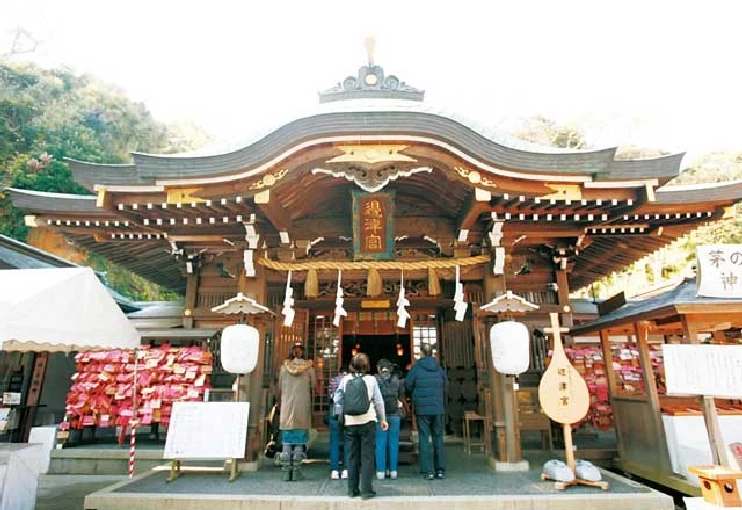
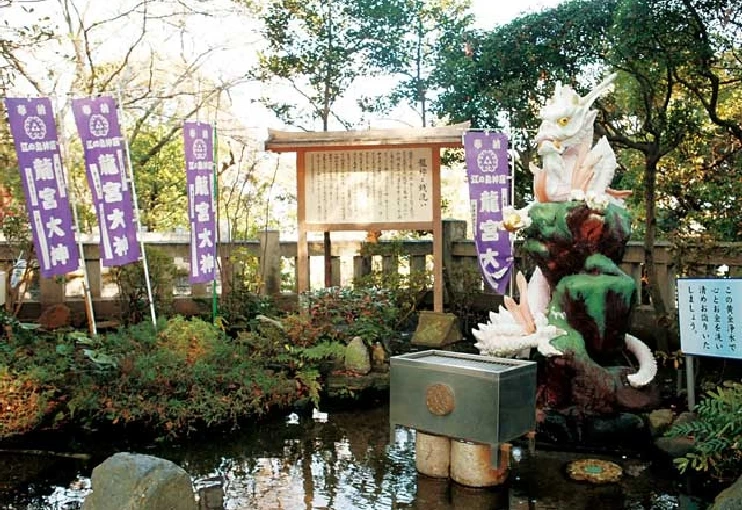
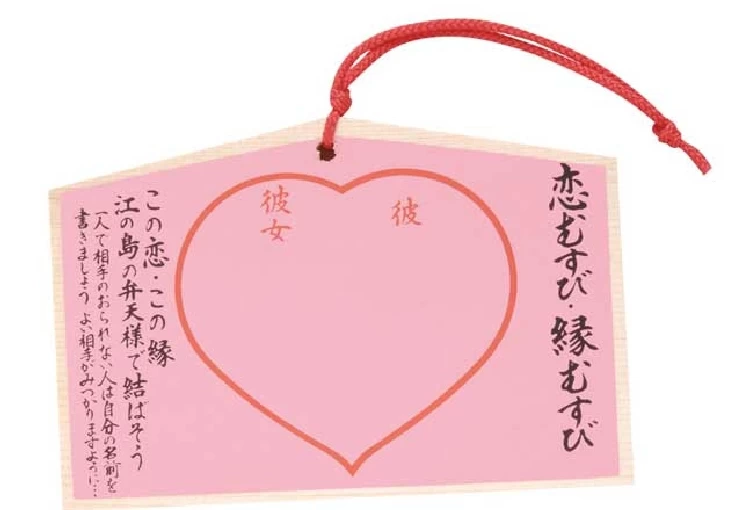
Perched on scenic Enoshima Island, Enoshima Shrine is one of Japan’s three major shrines dedicated to Benzaiten, the goddess of water, wealth, and the arts. Long associated with good fortune, the shrine is also a popular spiritual spot for relationships and romance, inspired by the ancient legend of a heavenly maiden and a five-headed dragon. Visitors can continue their journey to the Iwaya sea caves overlooking Sagami Bay, regarded as the birthplace of the shrine. These historic caves offer a unique spiritual atmosphere alongside sweeping ocean views.
Enoshima Shrine
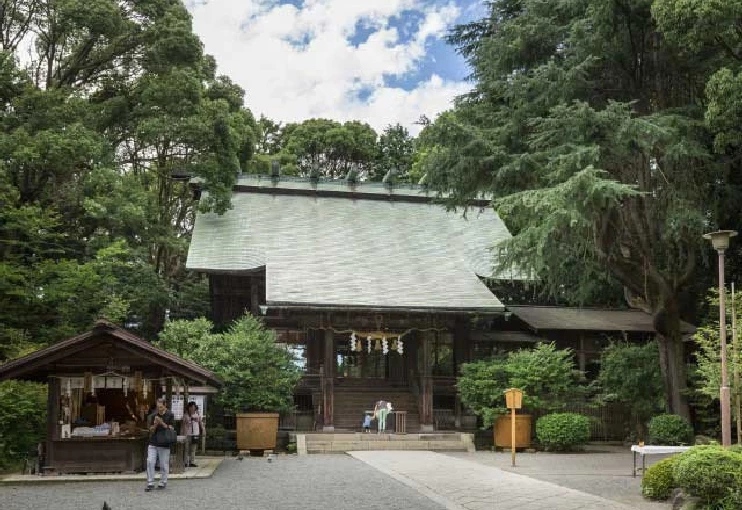
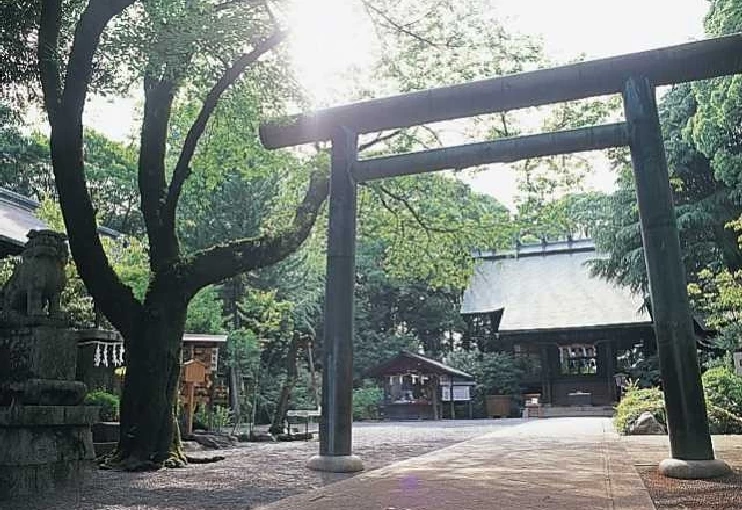
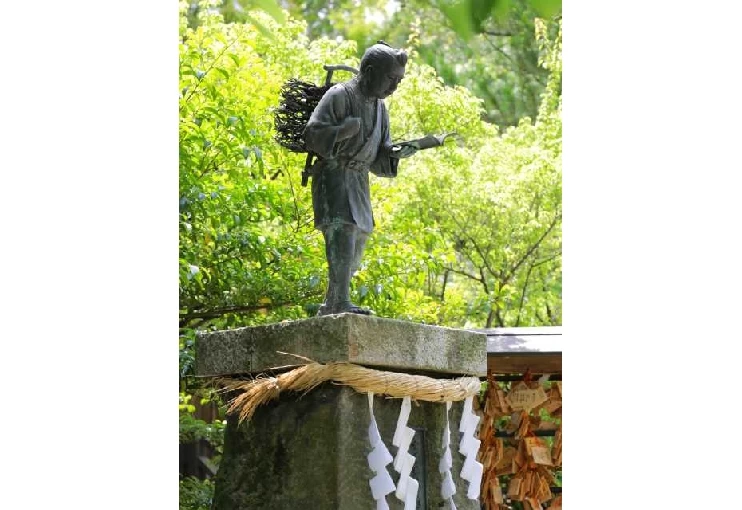
Located within historic Odawara Castle Park, this shrine is dedicated to Ninomiya Kinjiro, a historical figure admired for diligence and personal development. Many visitors come here to pray for academic success, business prosperity, and career advancement. At Kinjiro Café, visitors can try gojiru, a traditional soybean miso soup said to have been eaten by Kinjiro during the Edo period. For a more modern atmosphere, Café Odawara Kankitsu Club offers open-terrace seating where guests can enjoy local citrus treats while relaxing in the peaceful surroundings of Odawara Castle Park.
Hotoku Ninomiya Shrine
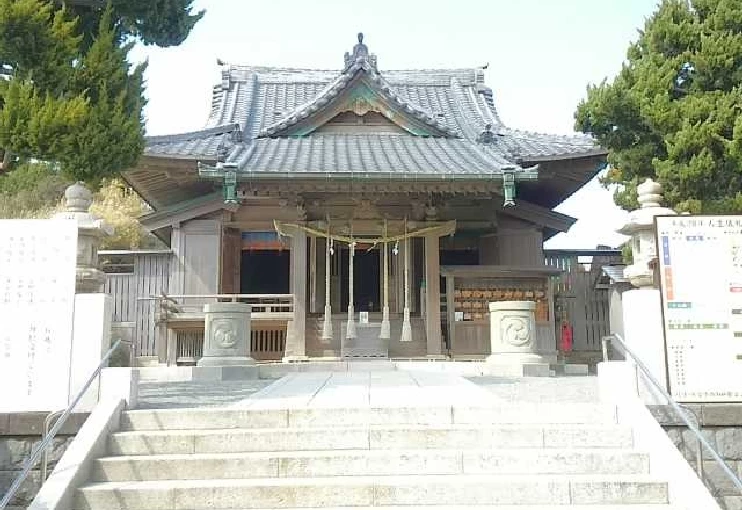
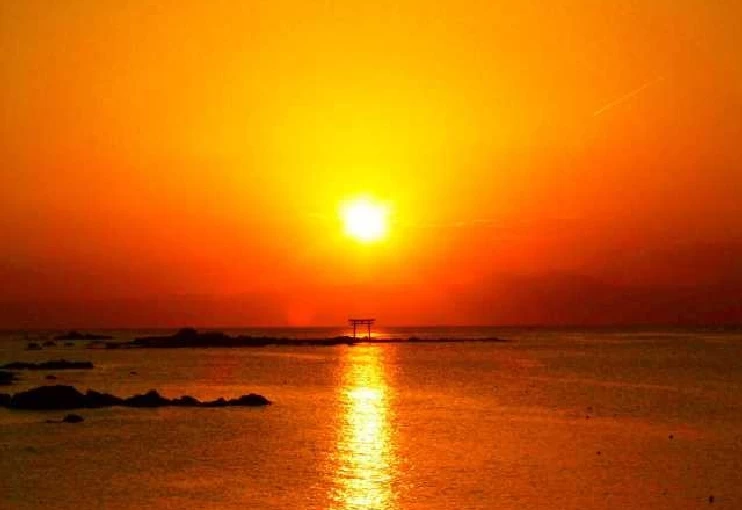
This historic shrine stands on a scenic cape along Morito Beach and is widely visited for blessings related to good fortune, protection from misfortune, harmonious relationships, and safe childbirth. At the nearby Suitengu Shrine, visitors gently touch the two rounded Kodakara Stones (Fertility Stones) while offering prayers for family and future happiness. A coastal path behind the shrine leads to sweeping ocean views, where visitors can see the torii gate on Najima Island, Hayama Lighthouse, Enoshima, and even Mt Fuji on clear days. The sunset scenery, known locally as one of Hayama’s most beautiful views, is especially popular in the evening.
Morito Daimyojin Shrine
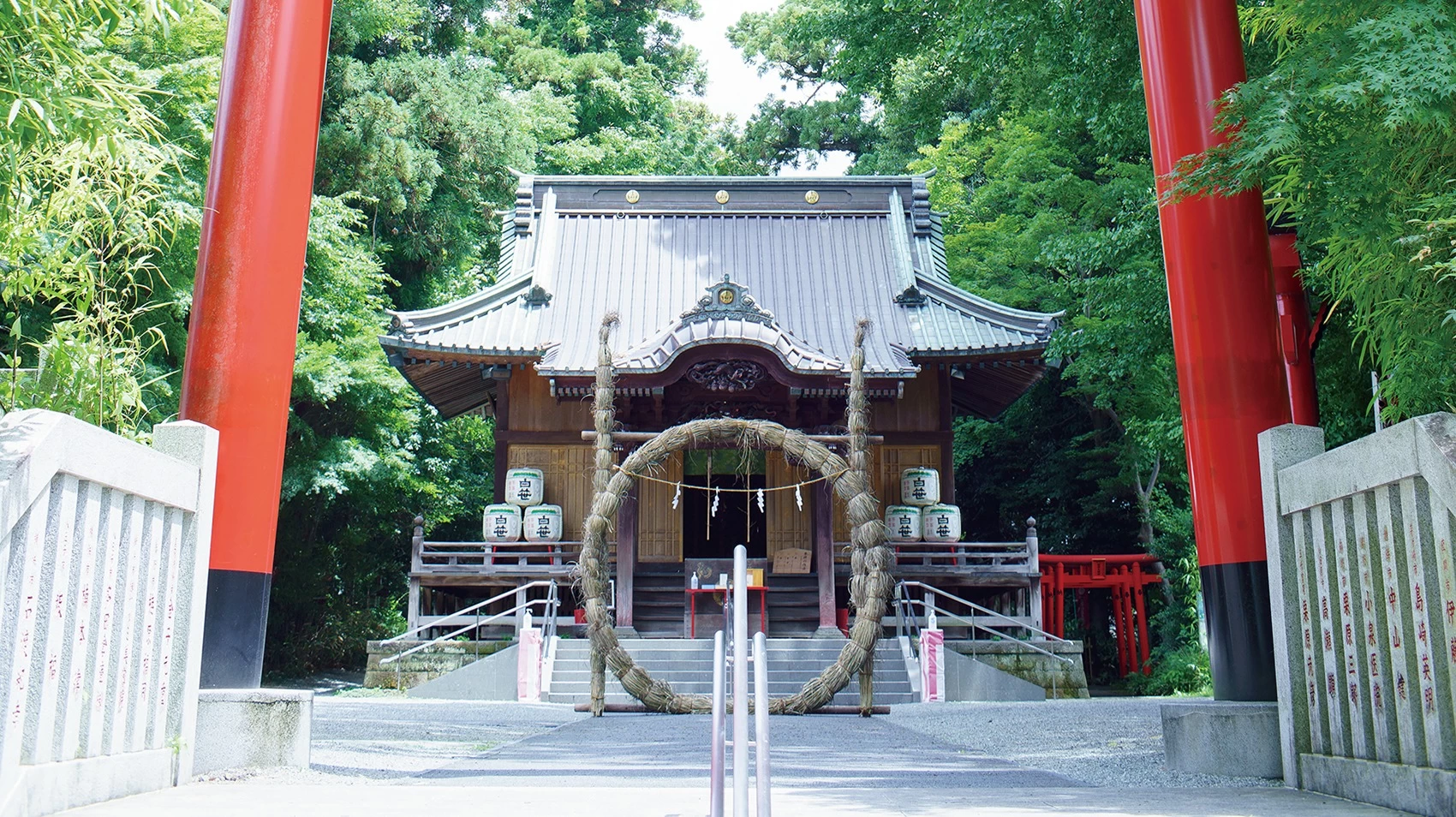
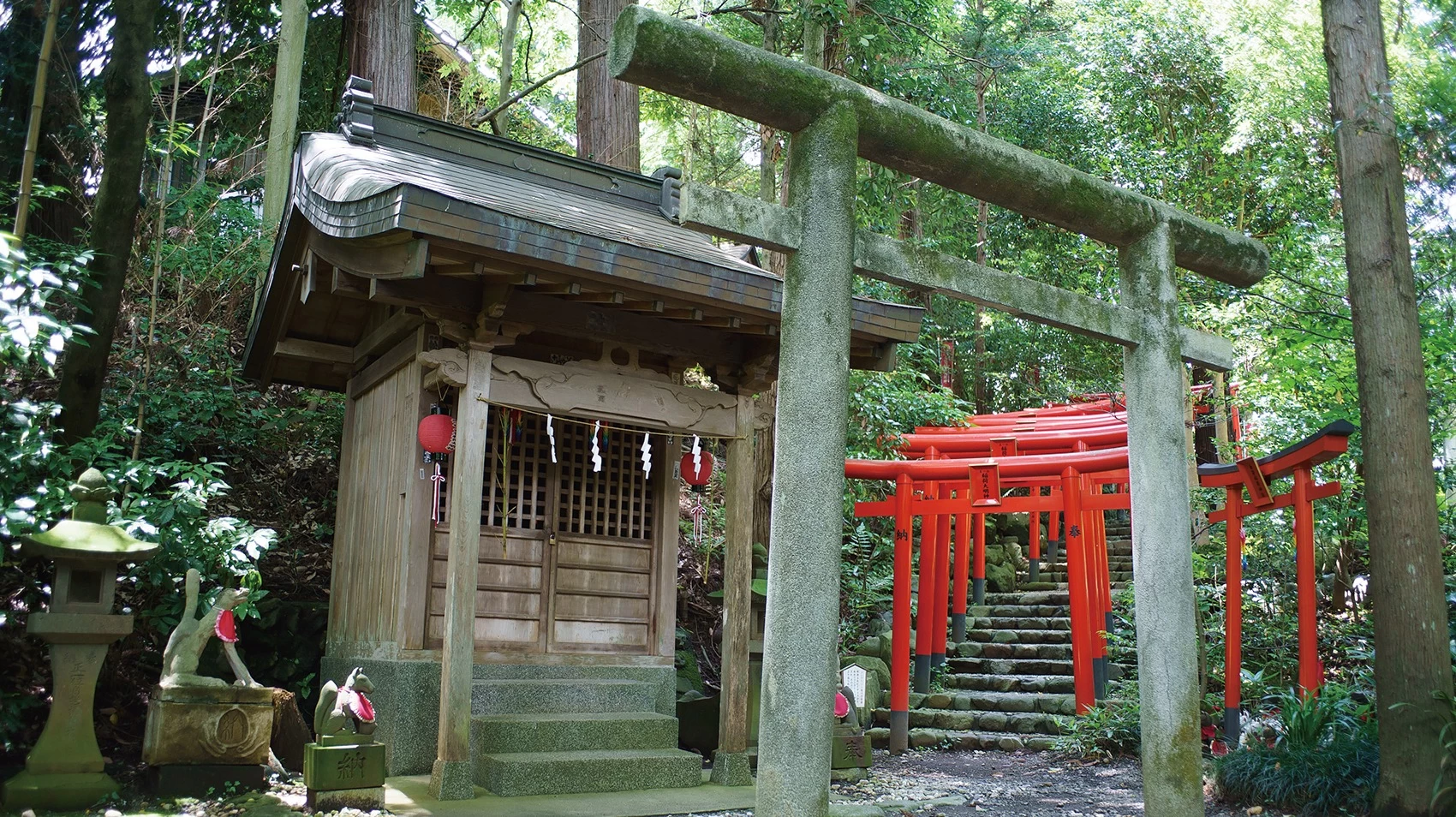
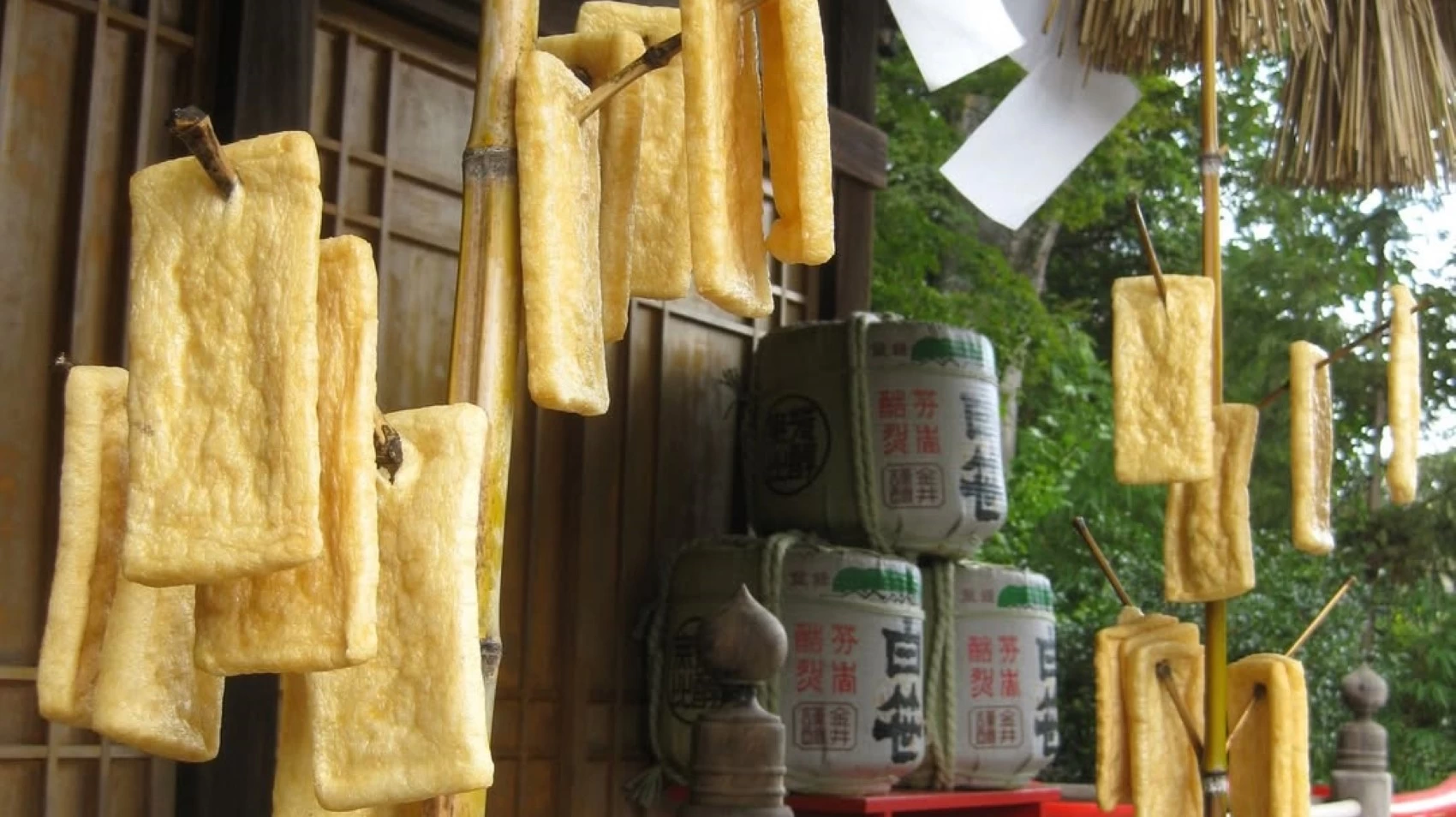
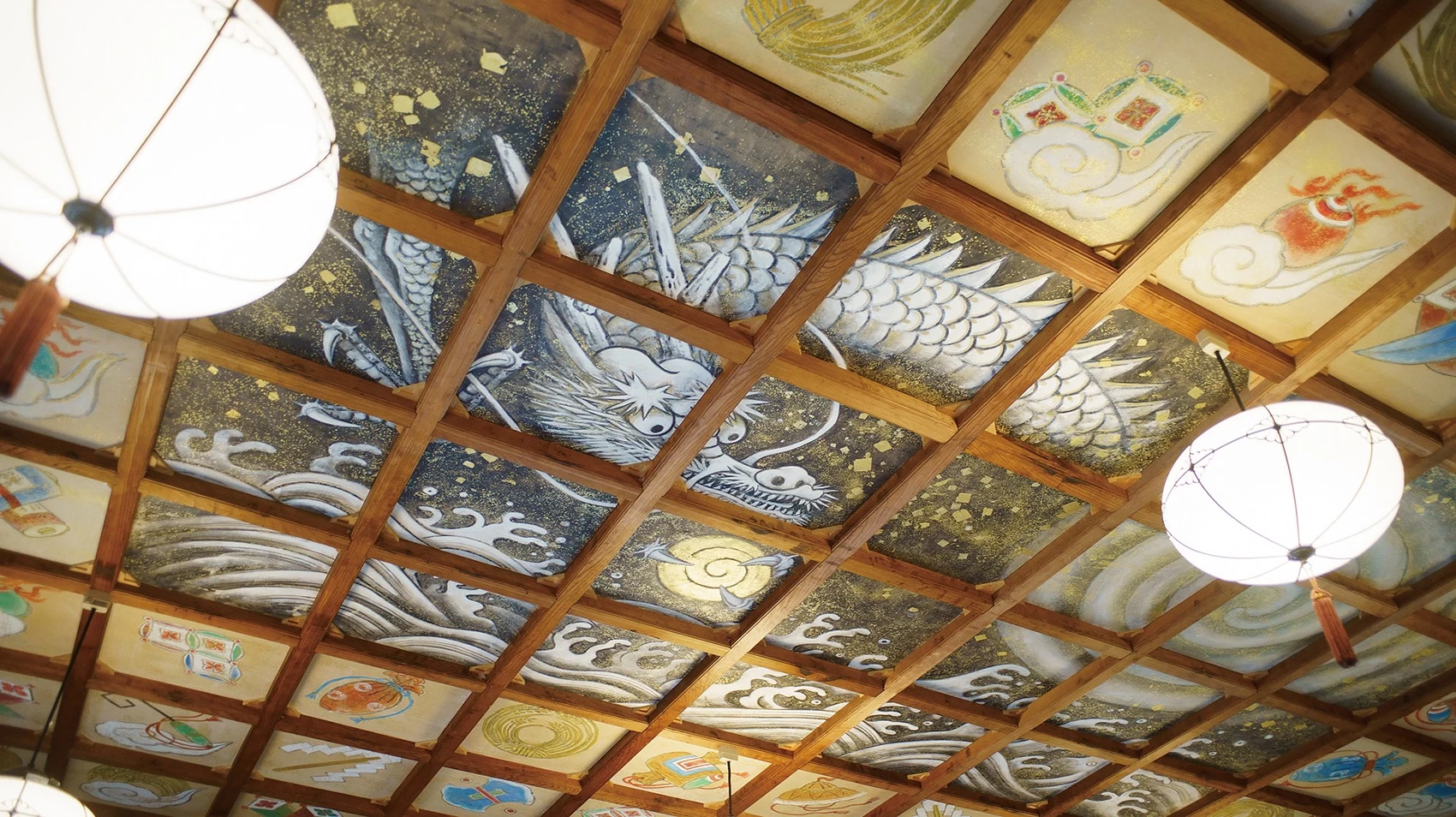
Shirasasa Inari Shrine, regarded as one of the three major Inari shrines in the Kanto region, stands at the foot of the Tanzawa Mountains in an area known for its exceptionally pure spring water. Visitors can experience a traditional Shinto custom by offering aburaage (fried tofu), a symbolic offering associated with Inari’s fox messengers. Inside the worship hall, the beautifully painted ceiling is another highlight. Beyond the torii gates lies Higashi Massha, an auxiliary shrine regarded by worshippers as a popular spiritual spot. Surrounded by mountain scenery and fresh spring water, the shrine offers a tranquil and refreshing atmosphere.
Shirasasa Inari Shrine
Chiba Prefecture
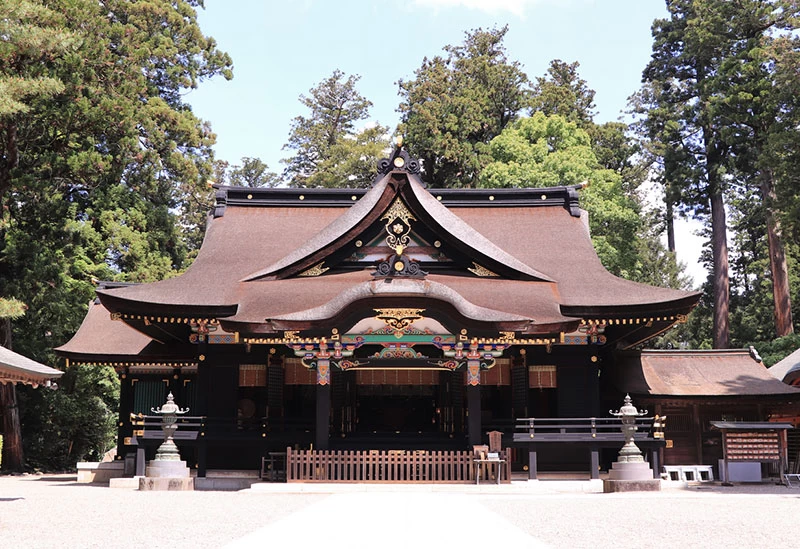
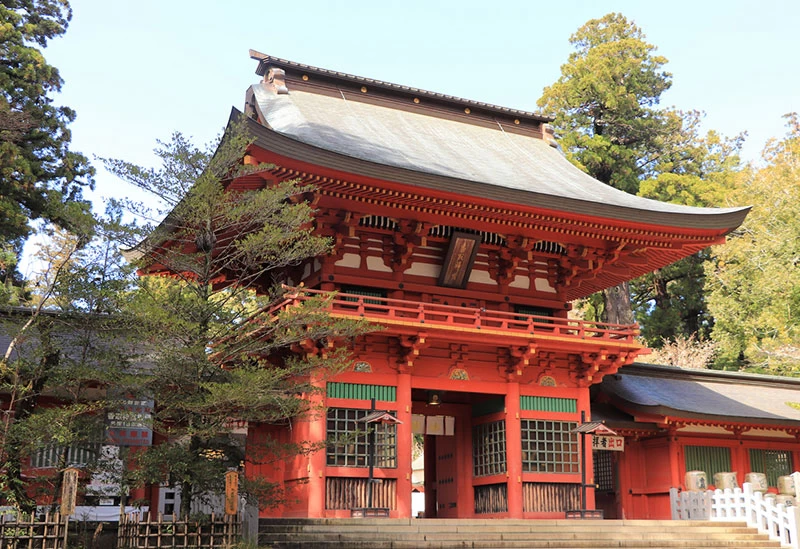
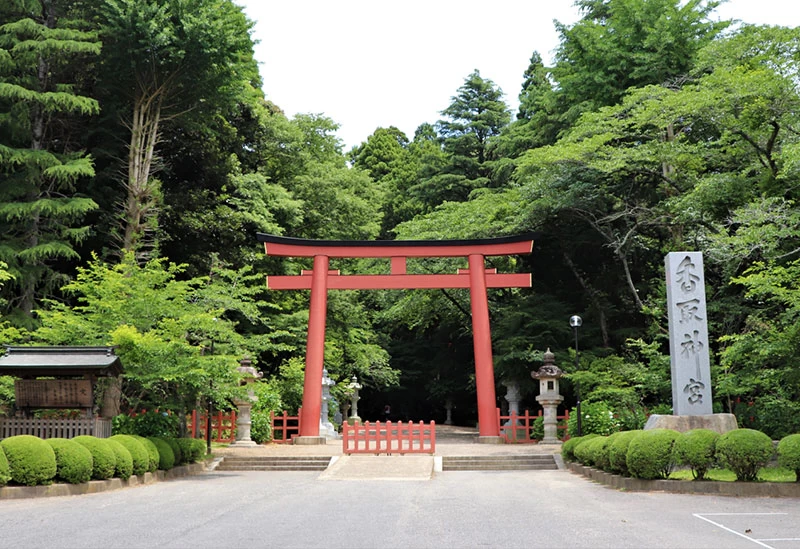
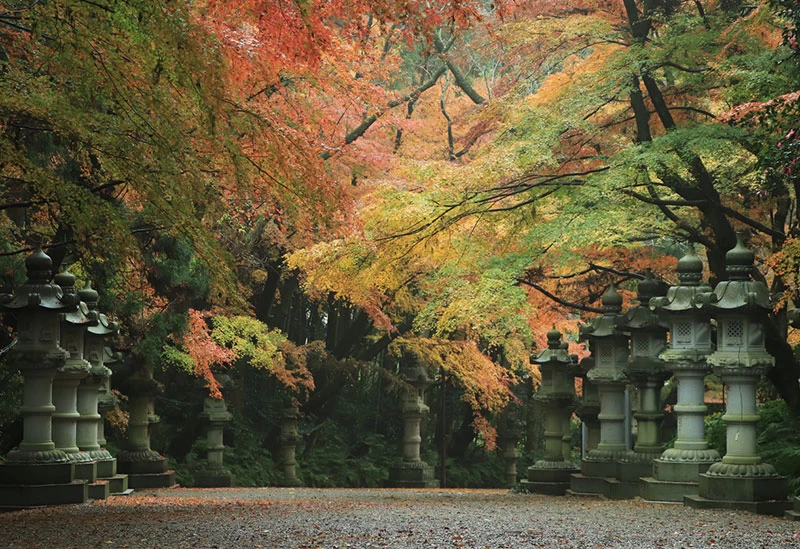
As the head shrine of more than 400 Katori shrines across Japan, Katori Jingu is traditionally said to date back to the legendary reign of Emperor Jimmu. Its main hall and Romon Gate, constructed in 1700 under the Tokugawa shogunate, are designated Important Cultural Properties of Japan. Dedicated to Futsunushi no Okami, a deity associated with martial virtue and protection, the shrine is widely visited for prayers related to victory, safety, family well-being, business success, and the fulfillment of wishes. The expansive grounds feature peaceful forested scenery, including Sakura Baba, admired for cherry blossoms in spring and vibrant autumn foliage. A notable highlight is the Kanameishi (Keystone), a sacred stone believed to extend deep underground to restrain the giant catfish said to cause earthquakes.
Katori Jingu Shrine
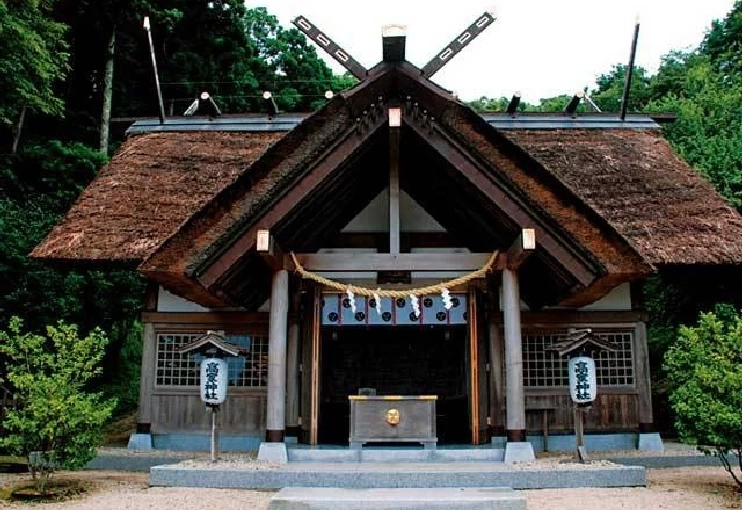
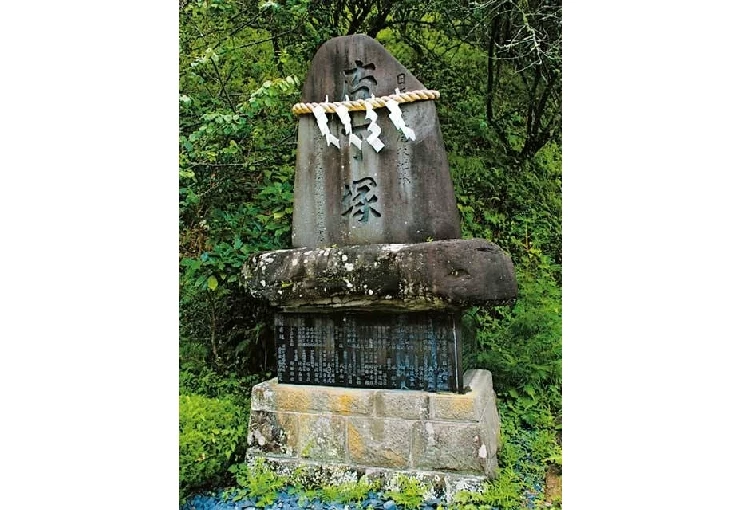
Takabe Shrine is a rare shrine dedicated to the deity of cuisine, making it a unique destination for food lovers and culinary professionals alike. Visitors come to pray for improved cooking skills, food safety, business prosperity, family well-being, and good health. One of the shrine’s most distinctive traditions is the Hocho-shiki (Knife Ceremony), a ritual in which a fish is prepared without being touched by hand, using only a traditional knife and long chopsticks. This ceremonial performance is held annually on May 17, October 17, and November 23 during traditional festivals. Takabe Shrine is especially recommended for anyone who loves cooking or wishes to deepen their connection with Japanese culinary culture.
Takabe Shrine
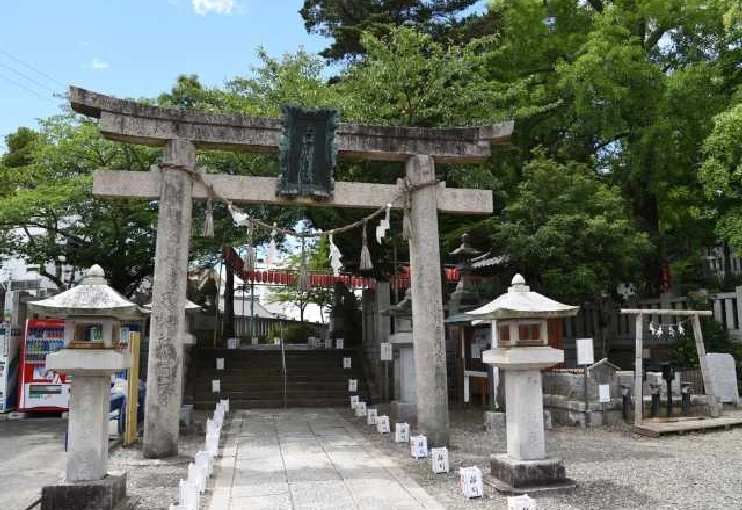
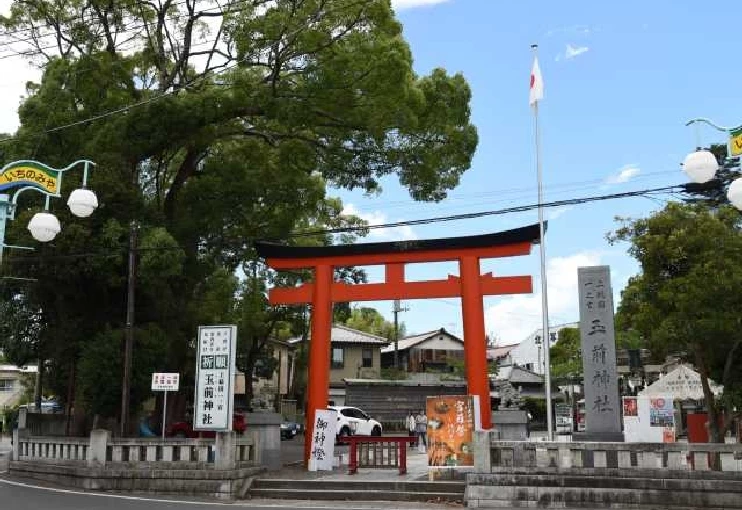
As the highest-ranking shrine of the former Kazusa Province, Tamasaki Shrine is regarded as one of the notable spiritual spots in the Kanto region and the eastern starting point of Japan’s Goraiko Road, a legendary ley line associated with the sunrise. Its first torii gate faces due east and is said to align with the sunrise on the spring and autumn equinoxes, connecting sacred sites such as Mount Fuji and Izumo Taisha along a single axis. The shrine is widely visited for blessings related to fertility, safe childbirth, and harmonious relationships. Within the grounds stands the sacred Fertility Ginkgo Tree, where visitors traditionally touch the male tree, the female tree, and then the young offspring tree in sequence while offering prayers for family happiness and the blessing of children.
Tamasaki Shrine
Saitama Prefecture
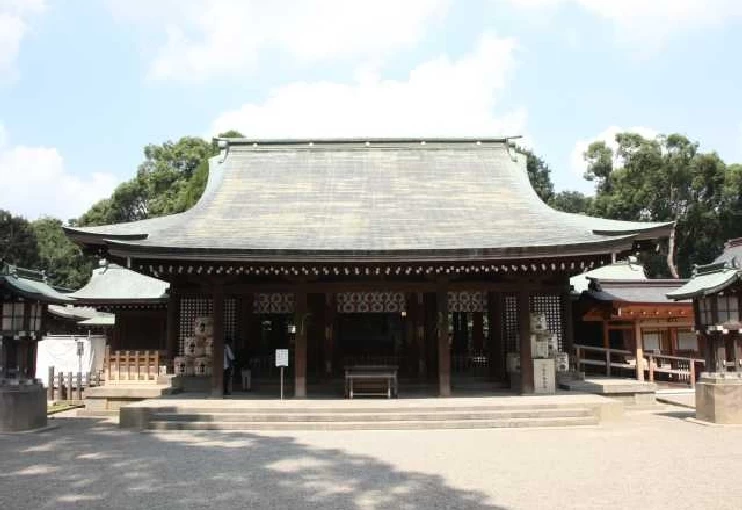
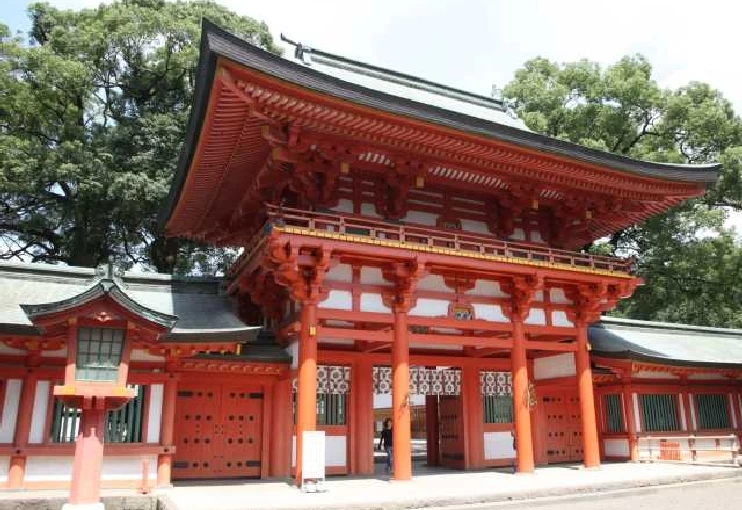
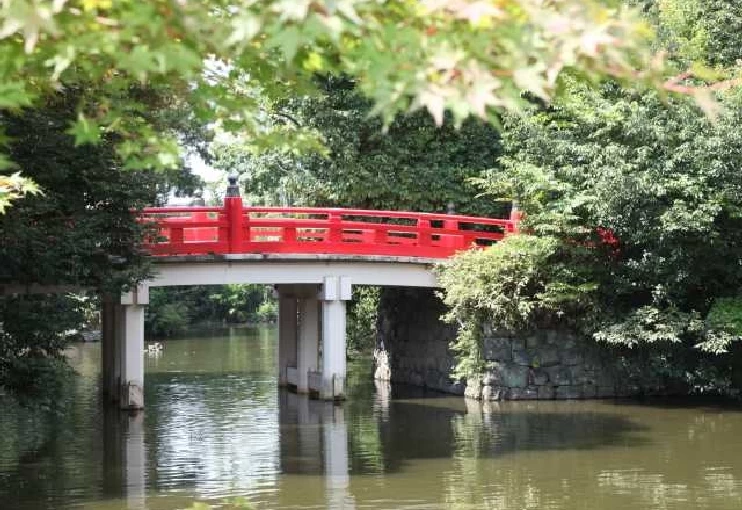
With a history spanning more than 2,400 years, Musashi Ichinomiya Hikawa Shrine is the head shrine of all Hikawa shrines in Japan and the origin of the city name Omiya, meaning “great shrine.” A scenic 2-kilometer approach lined with zelkova trees stretches south from the historic Nakasendo Road, offering a peaceful walk away from the city. Within the expansive, greenery-filled grounds are tranquil spots such as Snake Pond and the sacred Meoto Kusunoki (Paired Camphor Trees), both regarded as popular spiritual spots. Visitors come to pray for protection, success, and a moment of quiet reflection in this historic sanctuary.
Hikawa Shrine
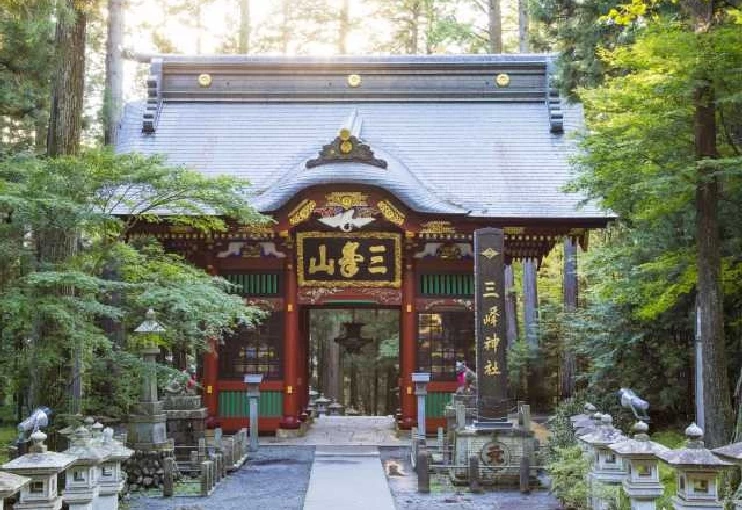
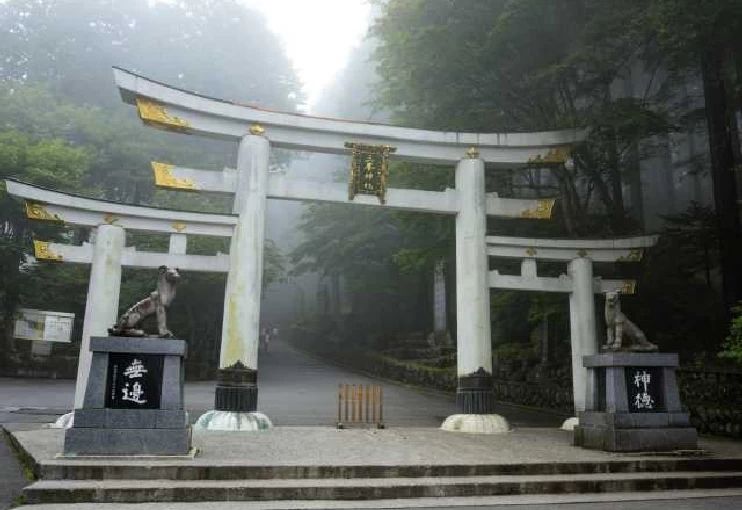
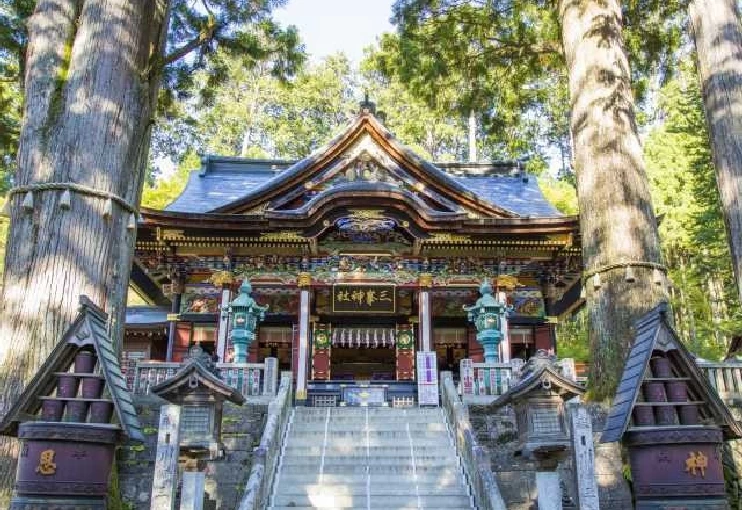
At the entrance rises the rare Mitsu-Torii, a distinctive triple gate guarded by two wolf statues. Surrounded by deep mountain forest, the shrine grounds feature an 800-year-old sacred tree, the Enmusubi Tree associated with harmonious relationships, and the Okumiya Worship Hall, where you may witness a breathtaking sea of clouds on clear mornings. The Seijo Waterfall, used by priests for ritual purification, adds to the shrine’s sacred atmosphere. With its dramatic elevation and rich natural setting, Mitsumine Shrine is widely regarded as one of the most significant spiritual sites in the region.
Mitsumine Shrine
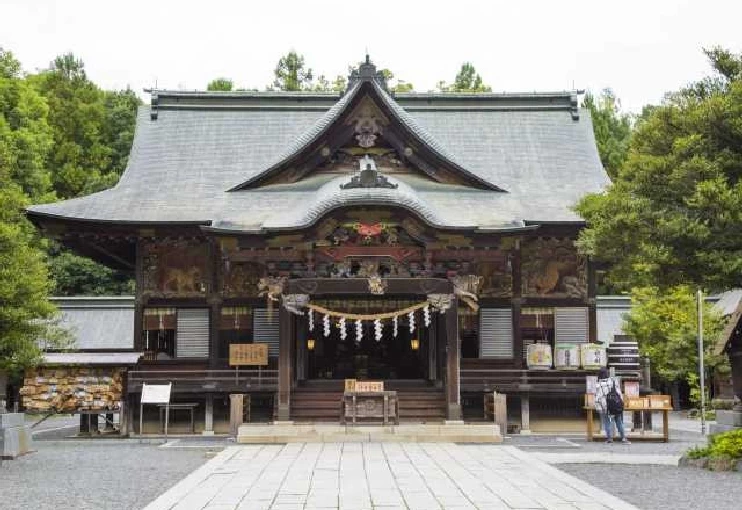
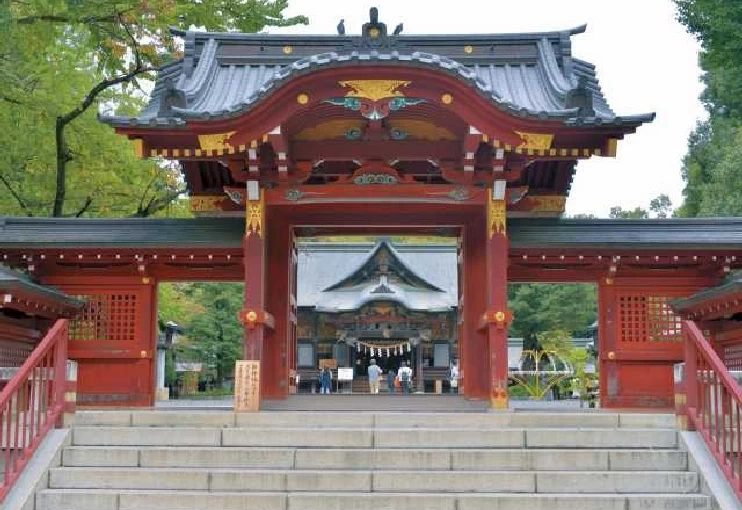
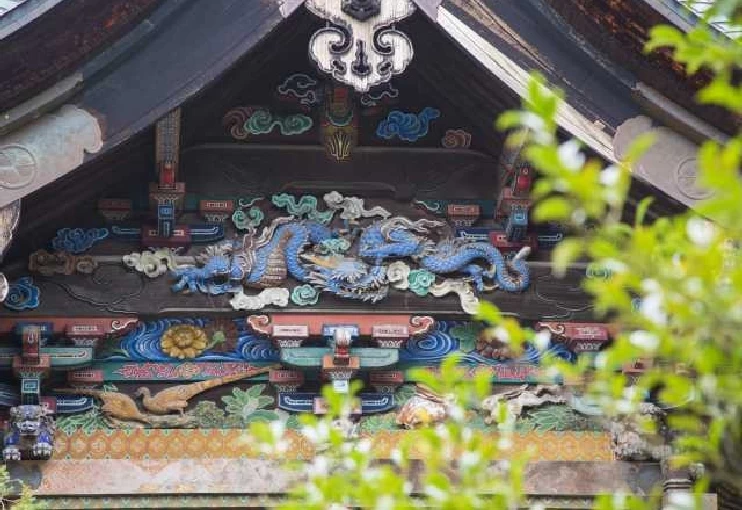
Located in the heart of Chichibu within the sacred Hahaso Forest, Chichibu Shrine is a historic sanctuary whose main hall is traditionally attributed to a donation by Tokugawa Ieyasu. As a designated Tangible Cultural Property, the vibrant structure is a masterpiece of ornate gongen-zukuri architecture and is richly adorned with legendary carvings. Among the highlights are the vividly colored Mother and Cub Tiger, symbolizing safe childbirth, and the dynamic Chained Dragon, both attributed to the master artisan Hidari Jingoro. The shrine is especially famous for the Chichibu Night Festival, one of Japan’s most celebrated float festivals.
Chichibu Shrine
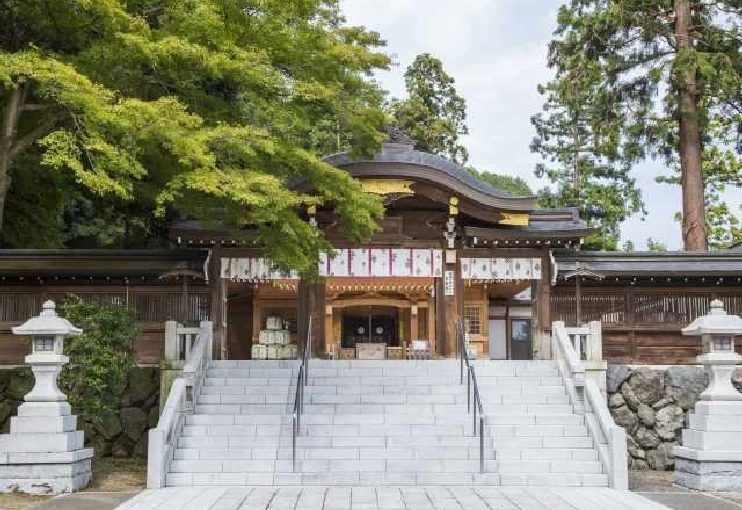
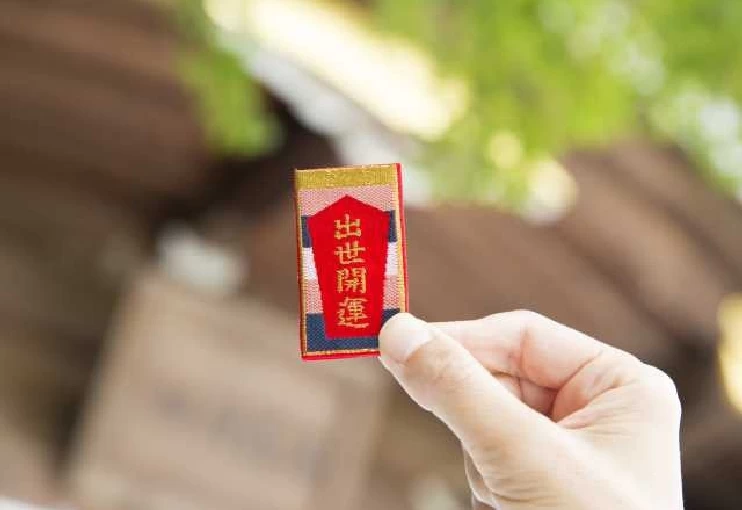
Koma Shrine honors Koma no Kokishi Jakko, a noble immigrant from the ancient Korean kingdom of Goguryeo, along with deities associated with guidance and longevity. The shrine became widely known as a place linked to career advancement after several politicians who prayed here later became Prime Minister. For more than 1,300 years and across 60 generations, the Koma clan has preserved its rituals, contributing to its reputation as a spiritual spot for success, prosperity, and family continuity. Visitors seeking professional success or a quiet moment in a historic setting will find a calm and meaningful atmosphere here.
Koma Shrine
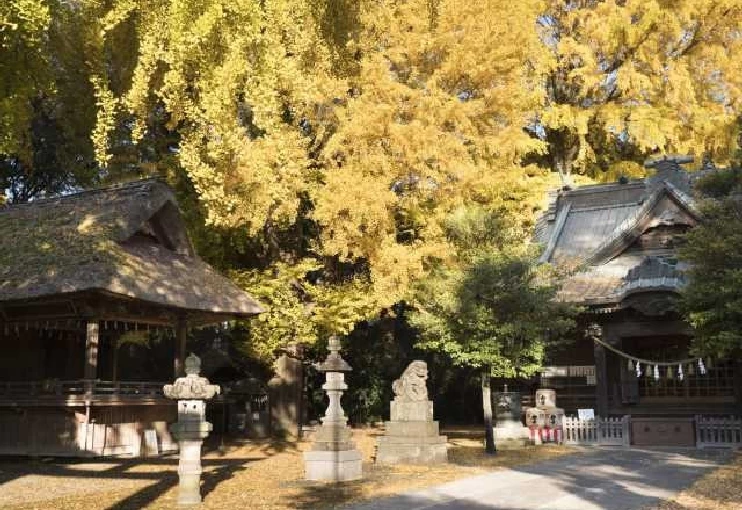
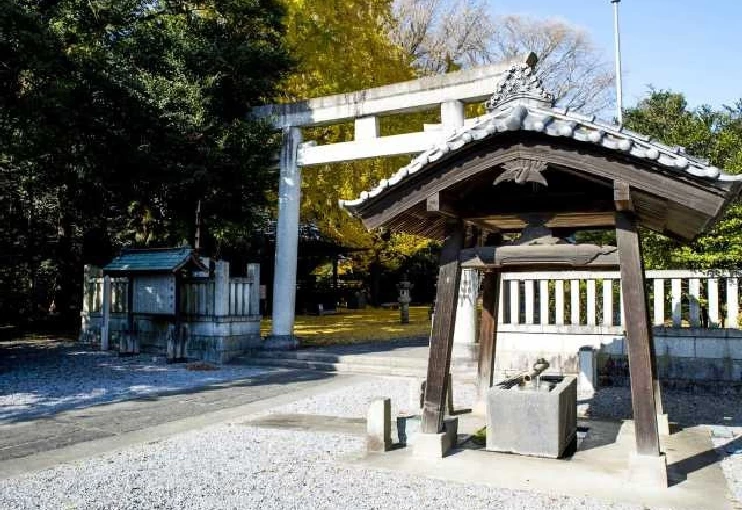

Enshrining the deity Okuninushi, Tamashiki Shrine is a sacred site revered for protection against misfortune, matchmaking, and safe childbirth. The grounds are home to two 500-year-old ginkgo trees, standing as symbols of remarkable vitality. 400-year-old Great Wisteria, which covers 700 square meters with blossoms that can reach over one meter in length from late April to early May. You can take this beauty home with the Fujiko Mamori, a special amulet containing a sachet scented with wisteria fragrance, or charms crafted from the wood of the sacred ginkgo. During your visit, you may witness traditional cultural treasures like the Tamashiki Shrine Kagura, an Important Intangible Folk Cultural Property, or the unique 200-year-old Oshishi-sama purification ritual.
Tamashiki Shrine
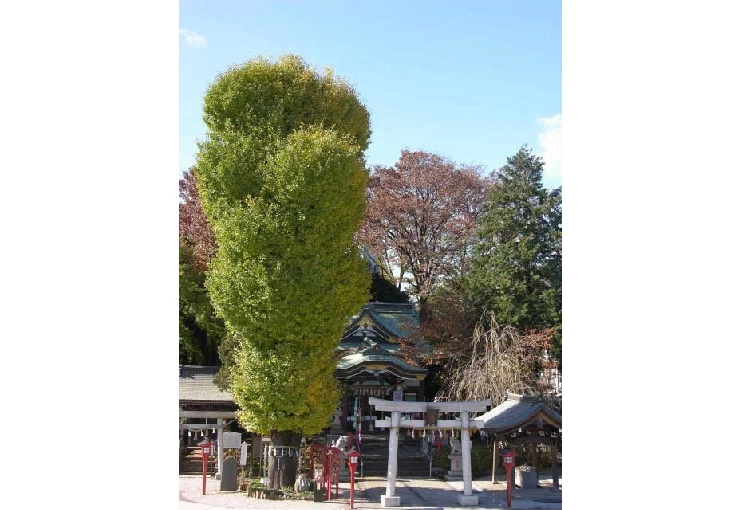
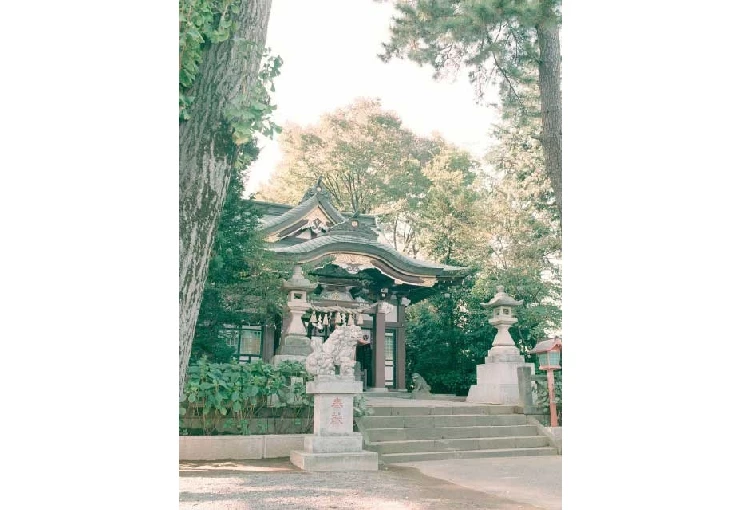
Kawagoe Hachimangu will celebrate its 1,000th anniversary in 2030. The shrine enshrines Emperor Ojin, revered as a deity of victory, success, and protection. Within the grounds stand a pair of sacred ginkgo trees—one male and one female—believed to bring harmonious relationships when touched and prayed to. Their distinctive aerial roots are regarded as symbols of fertility, and visitors gently touch them while praying for safe childbirth and healthy children. The auxiliary Minbu Inari is known for blessings related to leg and back health and is popular among athletes, with commemorative footprints of marathon runners and shoes dedicated by Olympic competitors displayed on the grounds. The shrine also includes a deity associated with eyesight, reflecting its broad spiritual significance within the community.
Kawagoe Hachimangu
Tochigi Prefecture
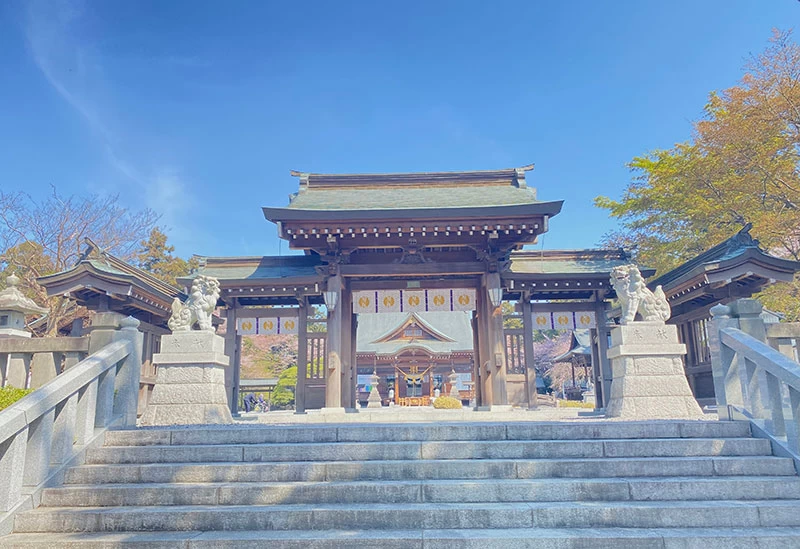
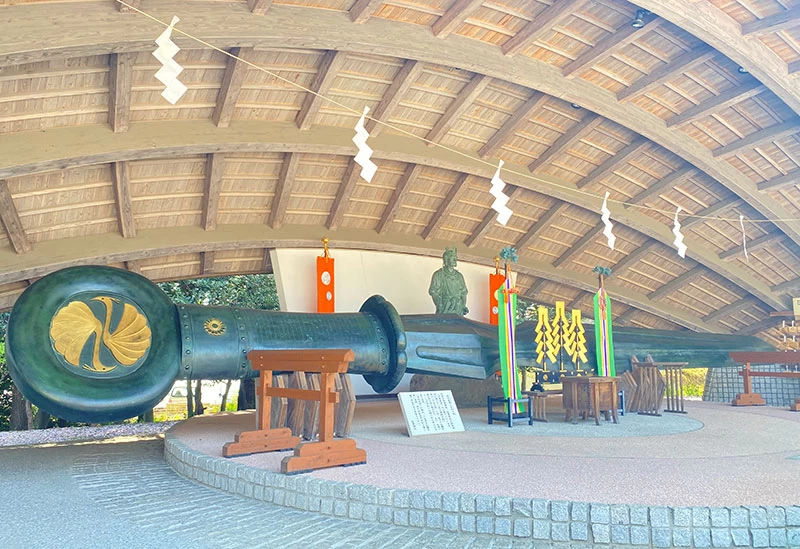
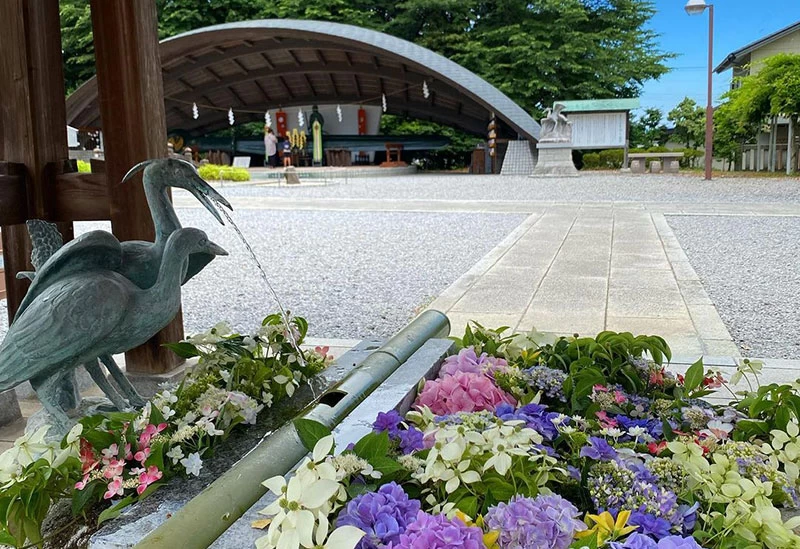
Shirasagi Shrine is said to have originated during a widespread epidemic, when a shrine was built following the divine instruction of Yamato Takeru to pray for protection from disease. Today, the shrine is believed to grant blessings for warding off misfortune and for traffic safety. One of its notable spiritual spots is the massive Sword of Peace. Inspired by the spiritual power of the Kusanagi-no-Tsurugi—one of Japan’s Three Sacred Treasures—the sword was dedicated to the shrine. It is said that touching it can cut away bad luck and negative ties, bringing good fortune and positive connections.
Shirasagi Shrine
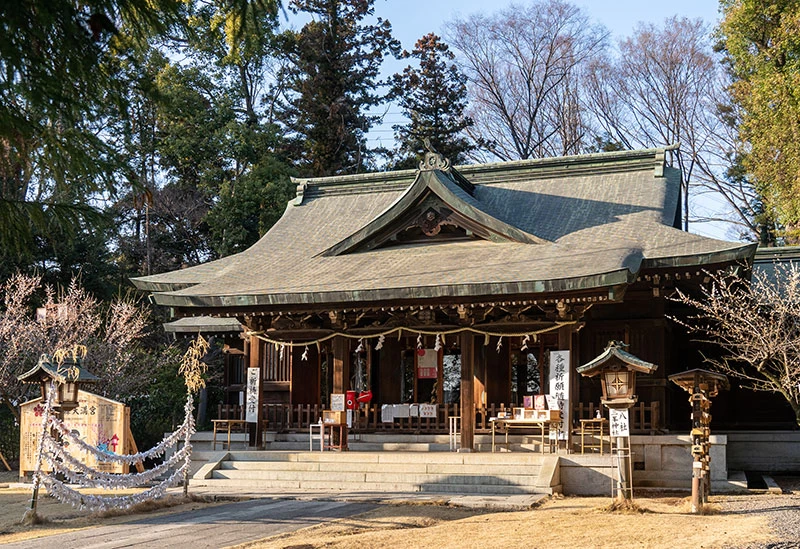
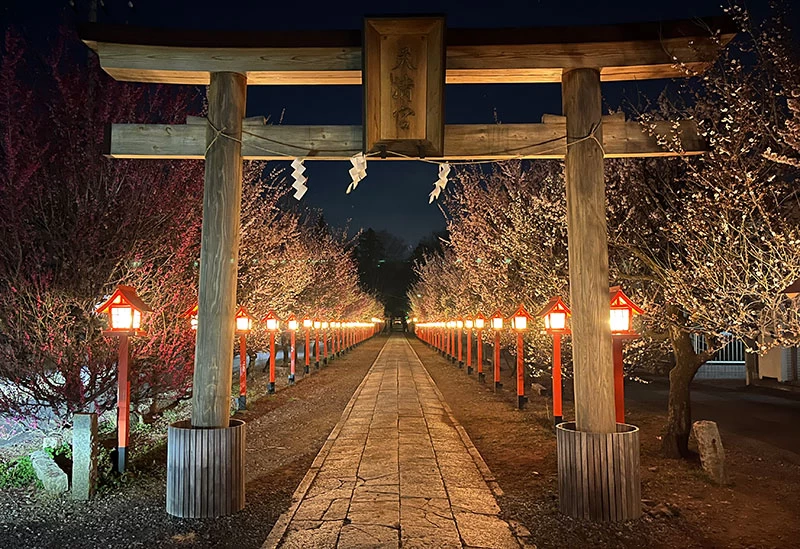
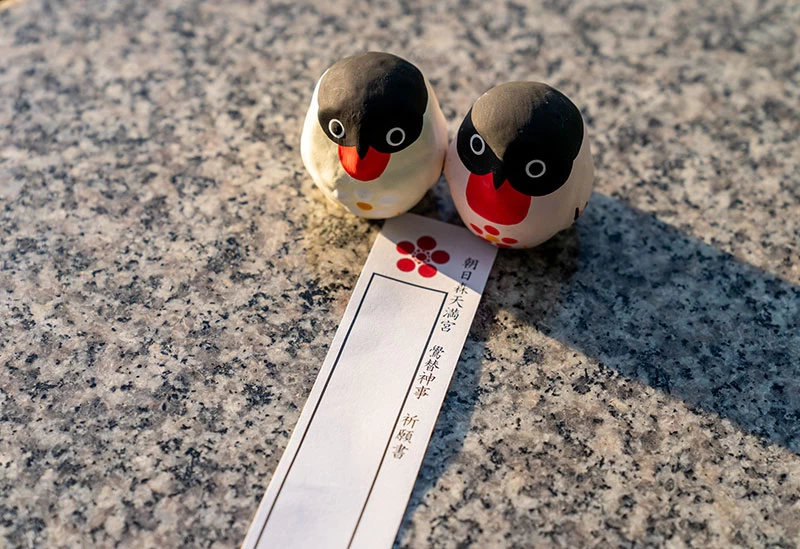
Asahimori Tenmangu is dedicated to Sugawara no Michizane, the revered deity of learning, and is visited for prayers for academic success, safe travel, and protection from misfortune. The shrine is known for its Uso-kae ritual, a unique tradition in which misfortune is symbolically exchanged for good luck. During the special prayer festival held in late January, visitors offer a small papier-mâché bullfinch called an uso before the altar. The shrine is also popular for its goshuin (shrine stamps), and visitors can request a custom character written directly by the chief priest when he is present. About 100 plum trees line the approach to the shrine, and their blossoms in early spring beautifully announce the arrival of the season.
Asahimori Tenmangu
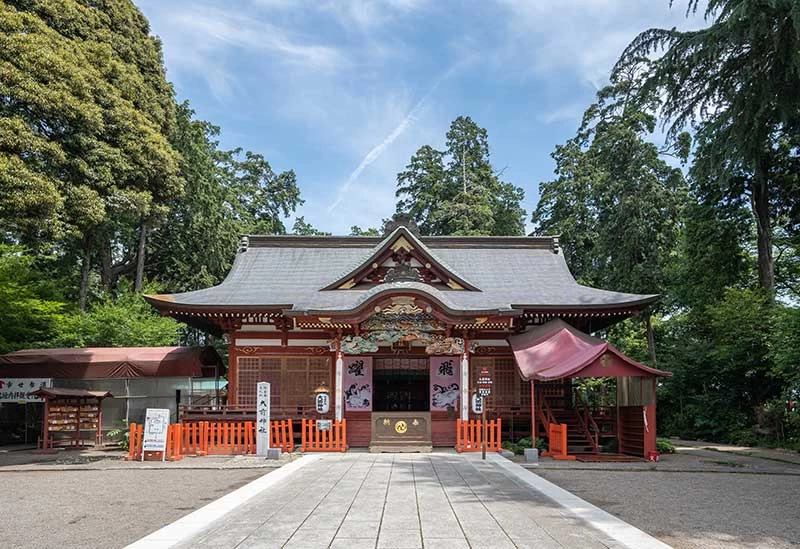
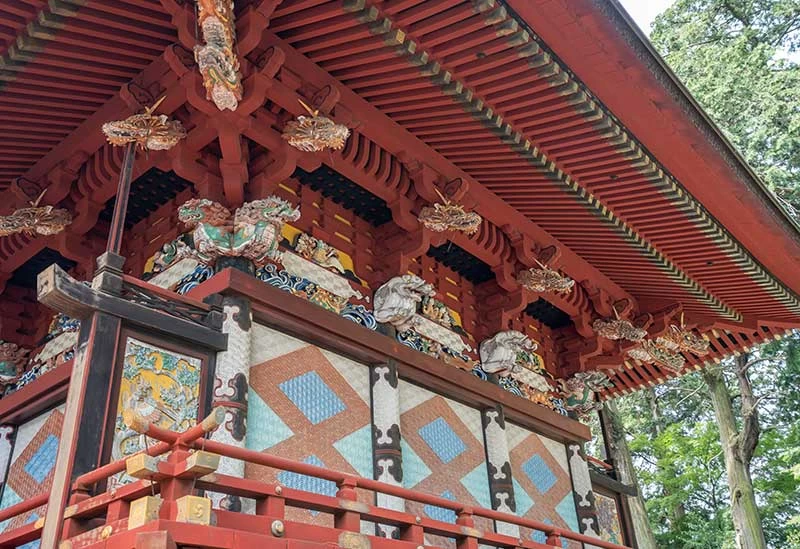
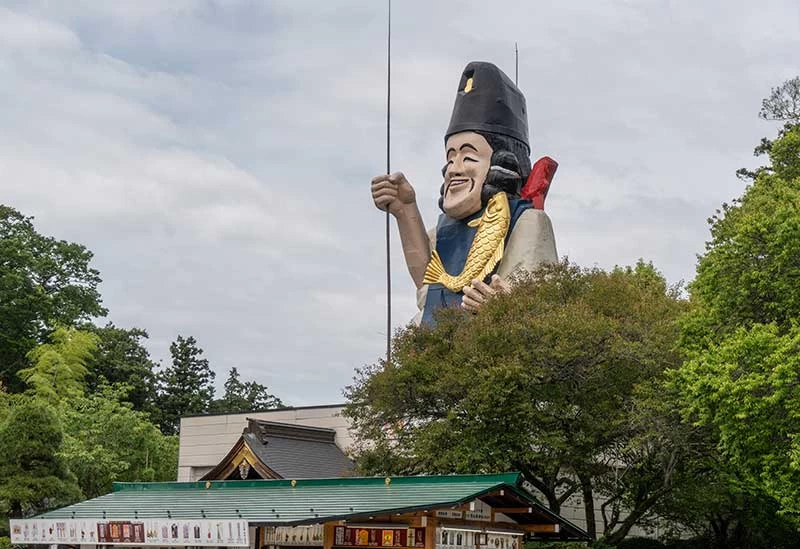
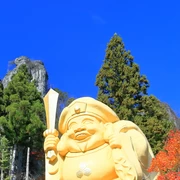
Omae Shrine is a historic shrine with over 1,500 years of history, featuring a main hall adorned with magnificent polychrome carvings designated as Important Cultural Properties of Japan. It enshrines Daikoku and Ebisu, the beloved deities of fortune, and is visited for blessings of prosperity, health, and matchmaking. A major highlight is the massive 20-meter statue of Ebisu, a popular spiritual spot famous for bringing luck in lotteries.
Omae Shrine
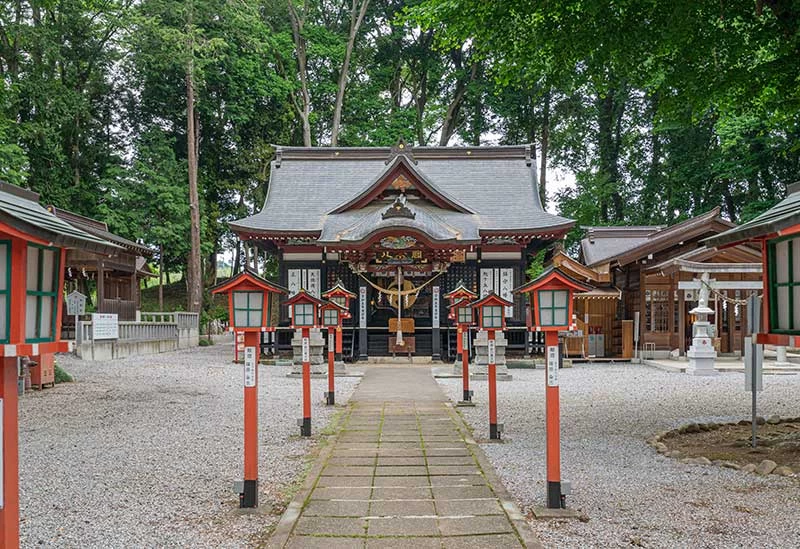
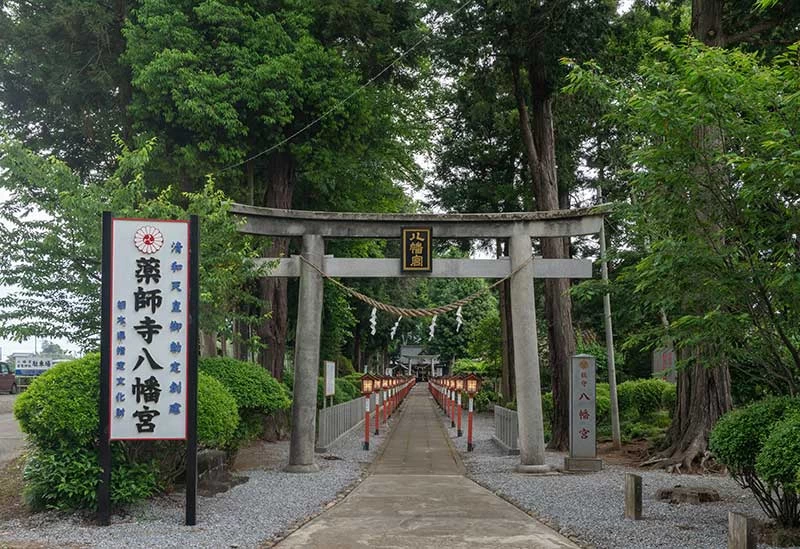
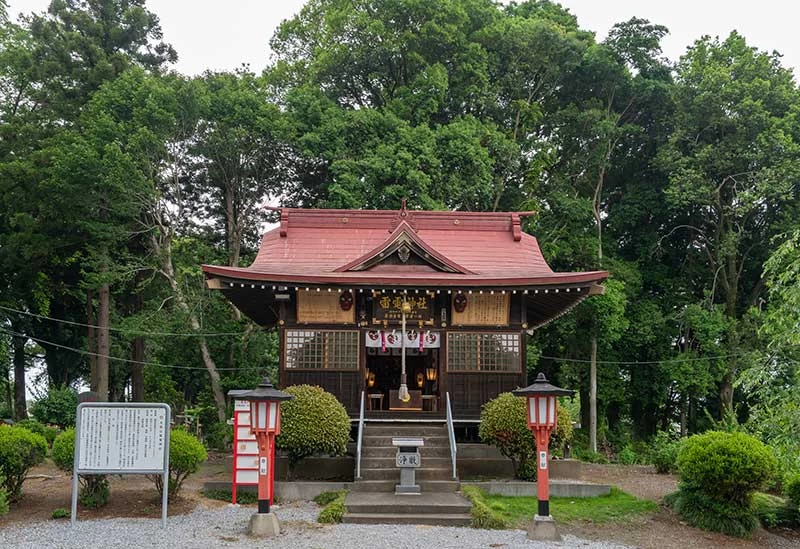
Founded in 875 by imperial order of Emperor Seiwa, this historic shrine is revered as the ancestral shrine of the Seiwa Genji, the lineage of the Minamoto clan. The grounds feature a 600-year-old zelkova tree and a large ginkgo known as Tarachine no Icho. Visitors can also explore nearby shrines within the precincts, including Tengu-yama Raiden Shrine, associated with local tengu legends. The 200-meter Yabusame approach, once used for traditional horseback archery, is lined with cherry trees that bloom beautifully in spring. From the great torii gate to the main hall, more than fifty Kasuga lanterns create a striking pathway.
Yakusiji Hachimangu
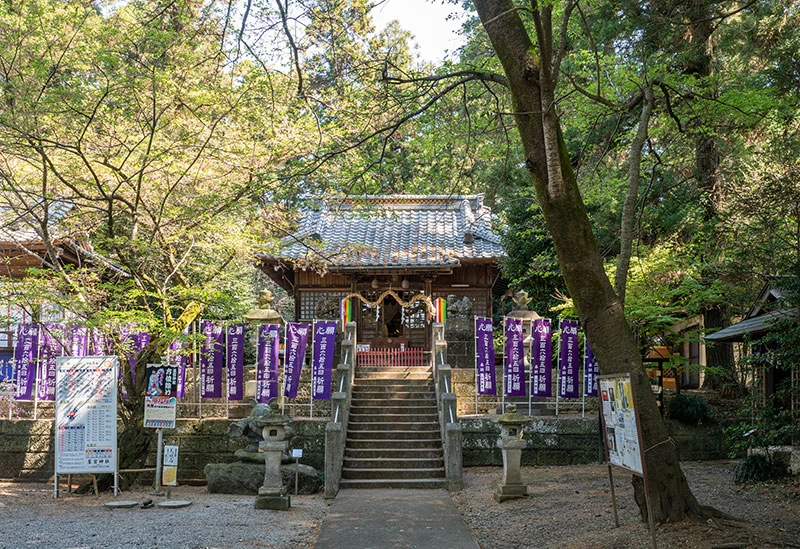
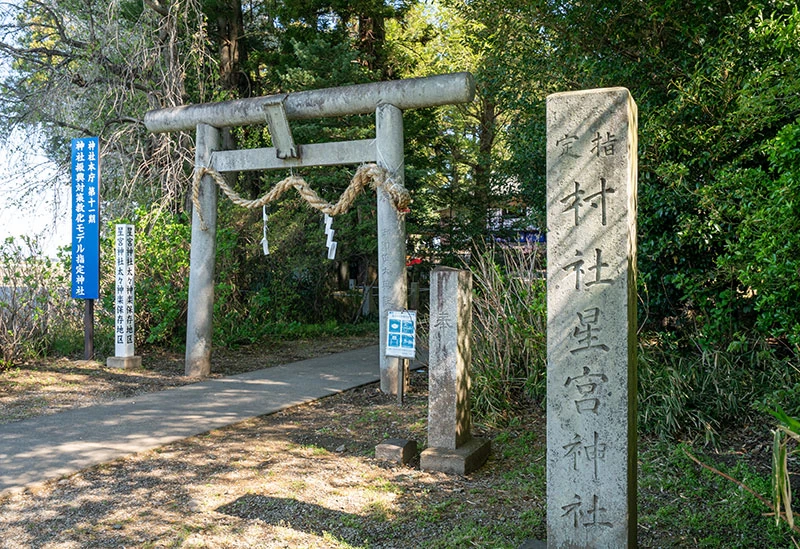
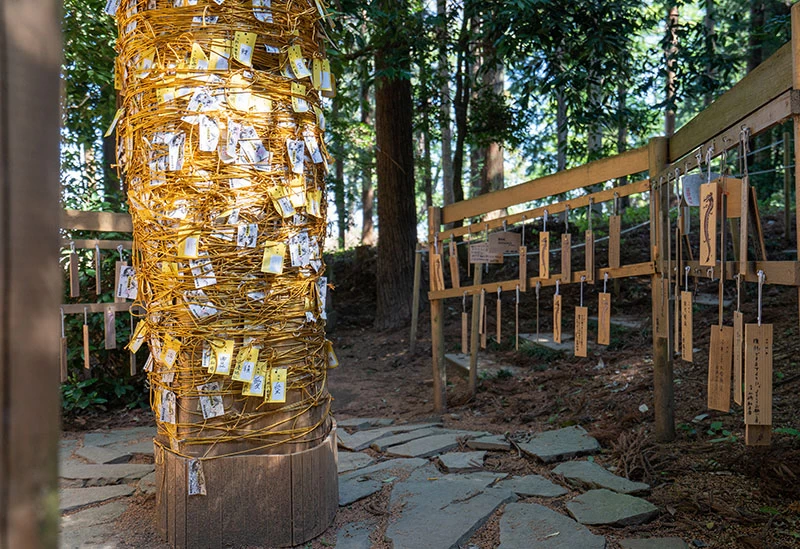
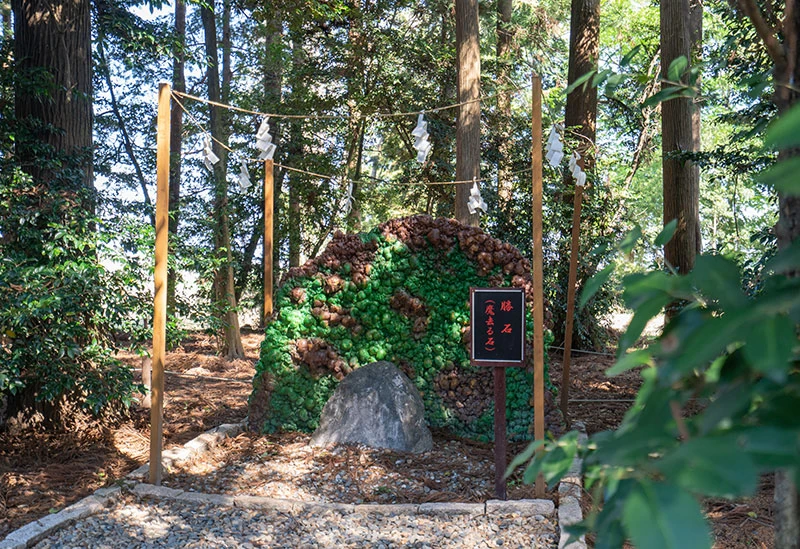
Shimotsuke Hoshinomiya Shrine is said to have been founded in 807 by a descendant of Fujiwara no Kamatari, enshrining guardian deities associated with land development and protection. The shrine is widely visited for blessings of good fortune, victory in competition, and protection from misfortune. Within the grounds, visitors can experience several unique rituals at its spiritual spots. Another ritual invites visitors to transfer their misfortunes into a small stone called a Yakuwari-dama and throw it at the sacred Katsuiwa (evil-dispelling stone) to symbolically cleanse themselves of bad luck. Before leaving, many visitors touch the unique snake-shaped shimenawa (sacred rope) wrapped around the torii gate, which is believed to bring increased financial luck.
Shimotsuke Hoshinomiya Shrine
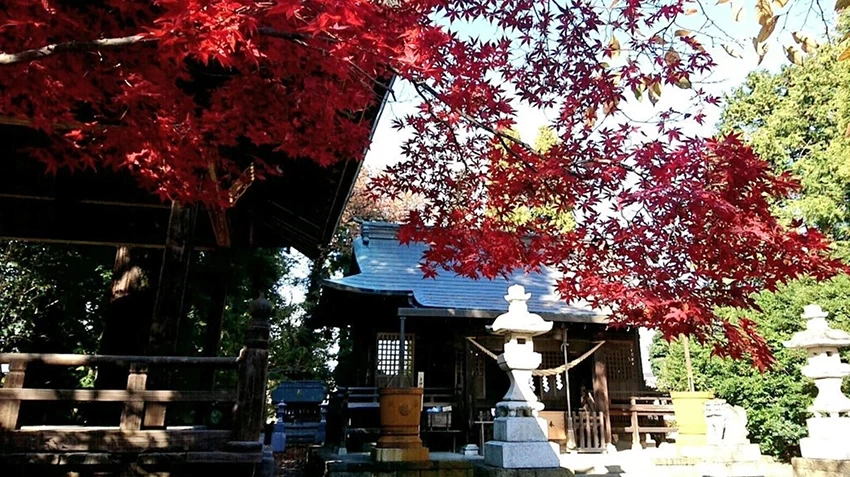
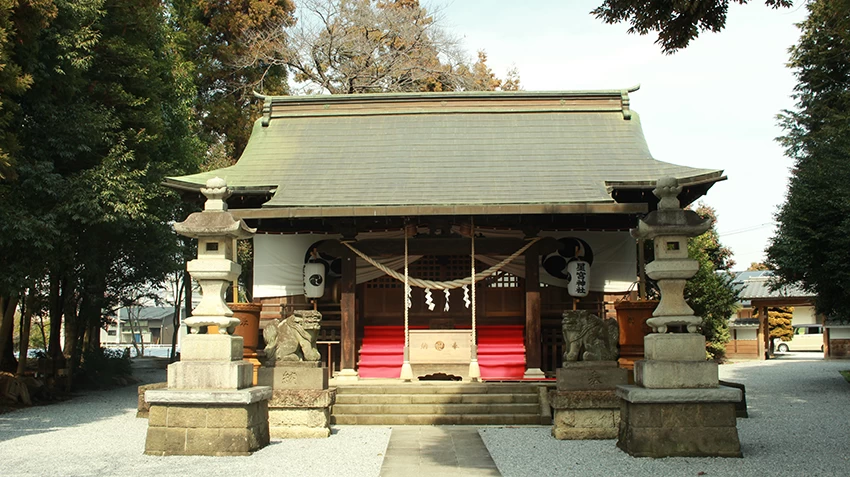
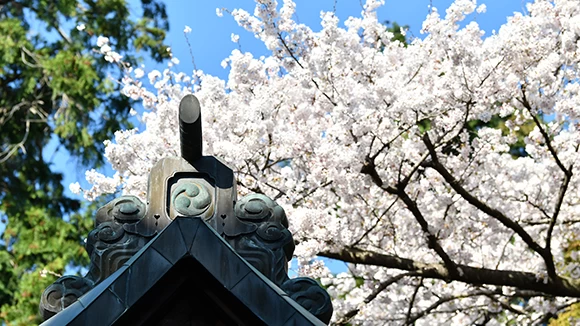
Hirayanagi Hoshinomiya Shrine is an ancient shrine in Tochigi City affectionately known by locals as Kokuzo-sama. Its history reflects the period of Shinto–Buddhist syncretism, when the Buddhist deity Kokuzo Bosatsu was also enshrined here until the 19th century. Because the eel is regarded as a sacred messenger of this deity, the shrine is associated with the eel’s vitality and rising fortune. Today, many visitors come to pray for success in competitions, examinations, and business ventures. Within the peaceful grounds stands the Nade-Unagi, a statue of an eel that visitors can gently rub while making a wish to receive its spiritual blessings for success and good health.
Hirayanagi Hoshinomiya Shrine
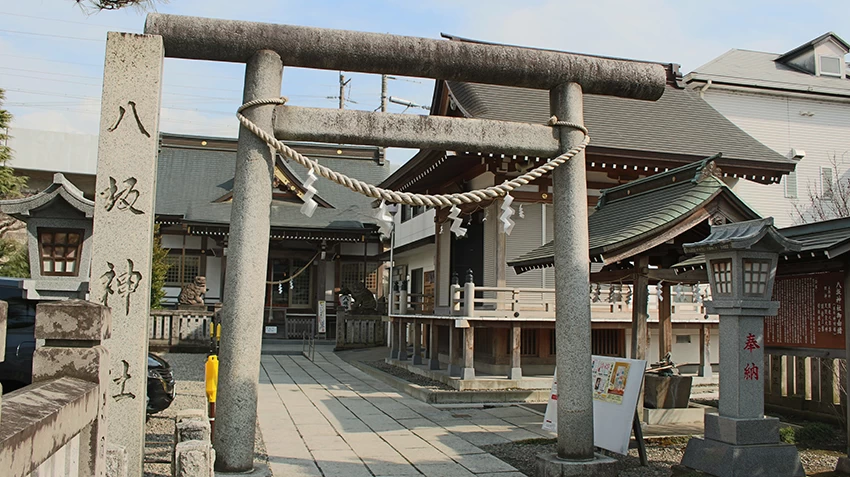
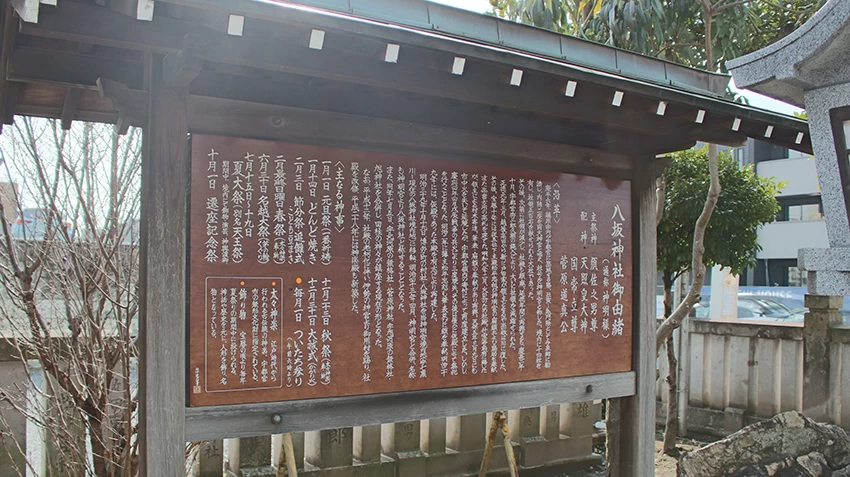
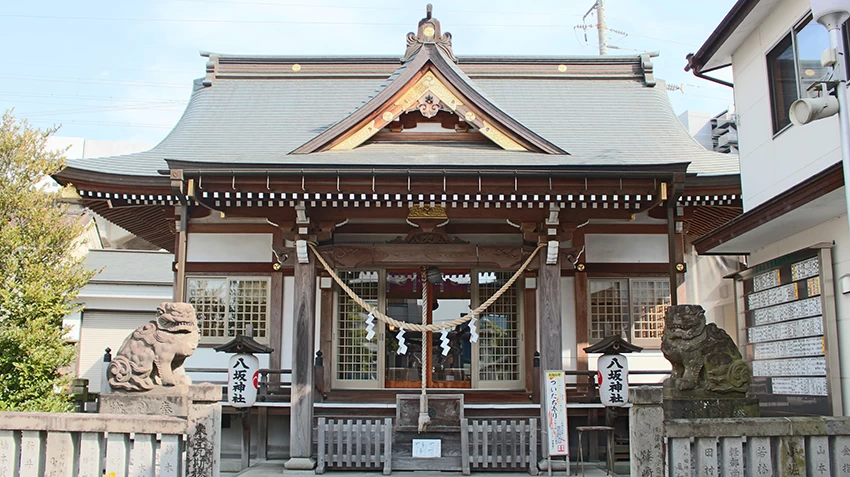
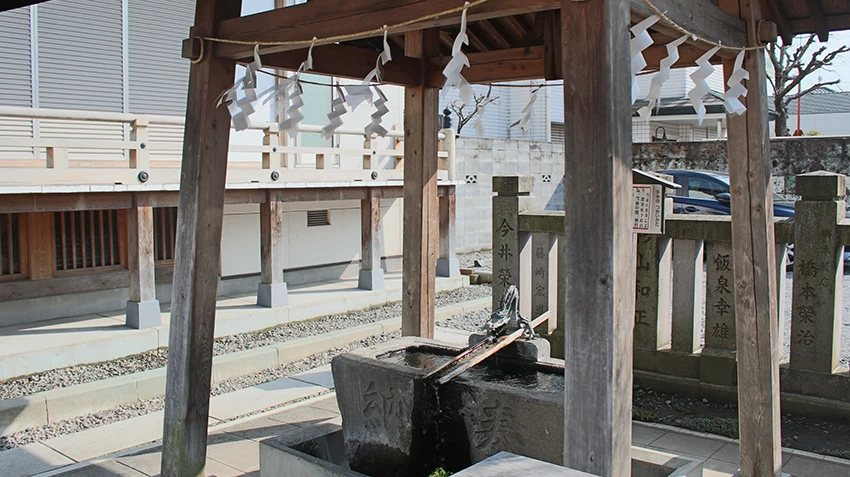
Imaizumi Yasaka Shrine traces its origins back to 1063, when it was established to protect Utsunomiya Castle from the Demon Gate. Today, the shrine is widely known as a welcoming place for pet owners. Within the grounds stand unique statues called Komainu and Komaneko (guardian dog and cat statues), where visitors pray for the long life and health of their beloved companions. Many visitors come with their pets and enjoy a peaceful walk through the shrine grounds. Another highlight is the Tsukimairi-fu, a monthly prayer charm released in limited numbers from the first day of each month. These card-sized charms feature beautiful seasonal designs that change throughout the year, making them a memorable souvenir of your visit.
Imaizumi Yasaka Shrine
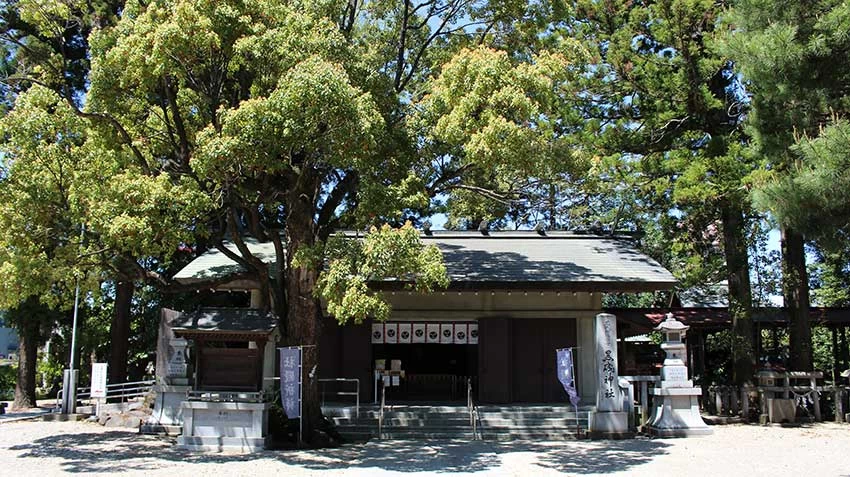
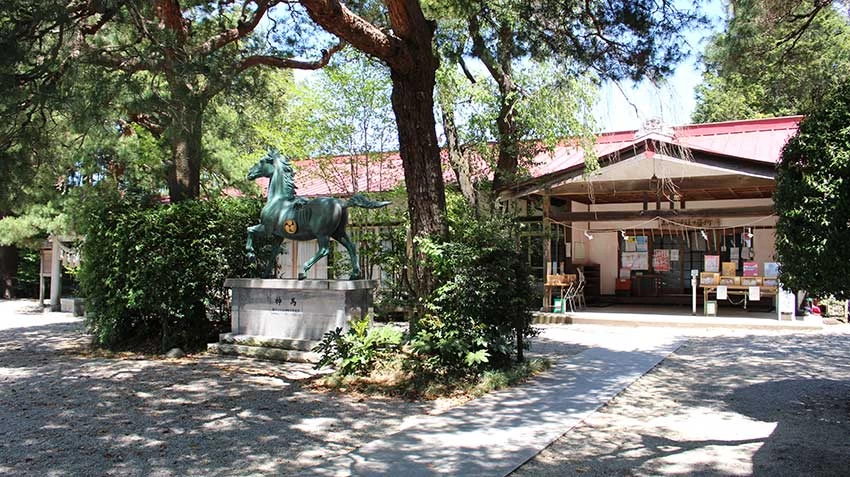
Kuroiso Shrine is the guardian shrine of the local community, founded in 1902 by early settlers who sought a place to revere the gods and nature. The shrine enshrines three major deities—Amaterasu Omikami, Okuninushi-no-Mikoto, and Ukanomitama-no-Mikoto—and is widely visited for prayers regarding household safety, business prosperity, and recovery from illness. Within the grounds are several historic sites reflecting the diverse origins of the local community, including the Soreisha (a hall honoring war victims), Ashio Shrine established by a former rickshaw guild, and the Chishin Monument built by migrants from Awa in Shikoku. These sacred places reflect the history of the area and continue to attract many visitors.
Kuroiso Shrine
Ibaraki Prefecture
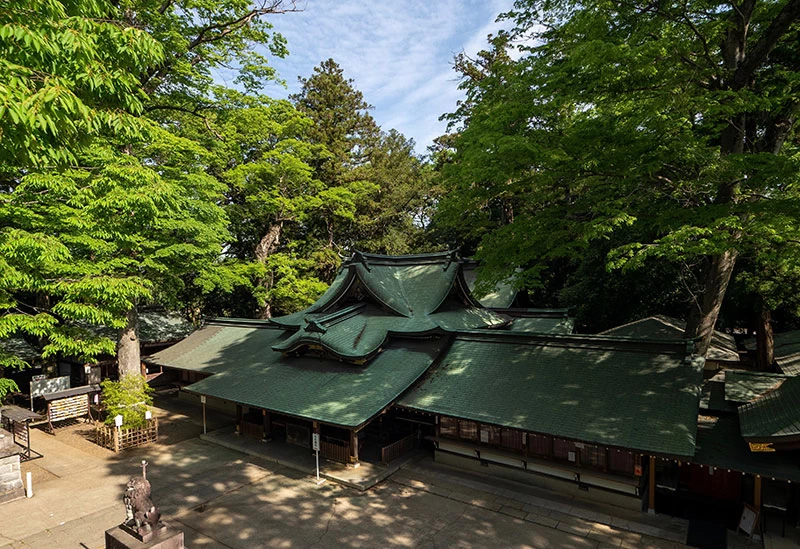
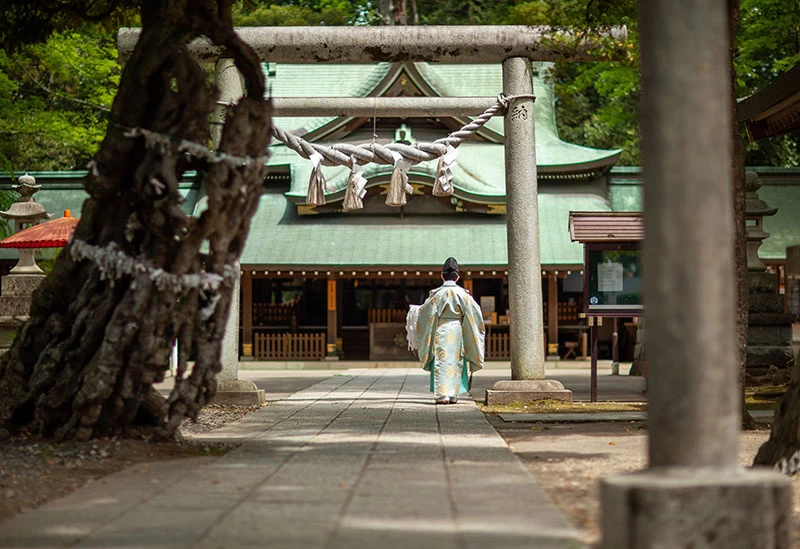
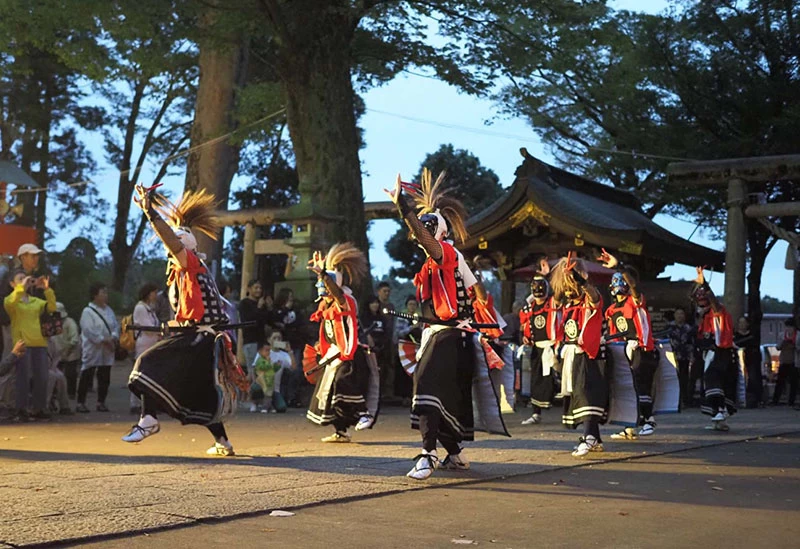
Founded in 809, Hitokotonushi Shrine is dedicated to Hitokotonushi-no-Okami, revered as a god of words. Within the peaceful grounds stands the legendary three-branched bamboo, said to have appeared where a mysterious light once shone. Another highlight is the sacred Nagi tree, believed to bring blessings for love and harmonious relationships. During the annual festival, visitors can witness Karakuri Tsunahibi, a rare performance combining mechanical fireworks and puppet theater that is designated as an Intangible Folk Cultural Property of Ibaraki Prefecture.
Hitokotonushi Shrine
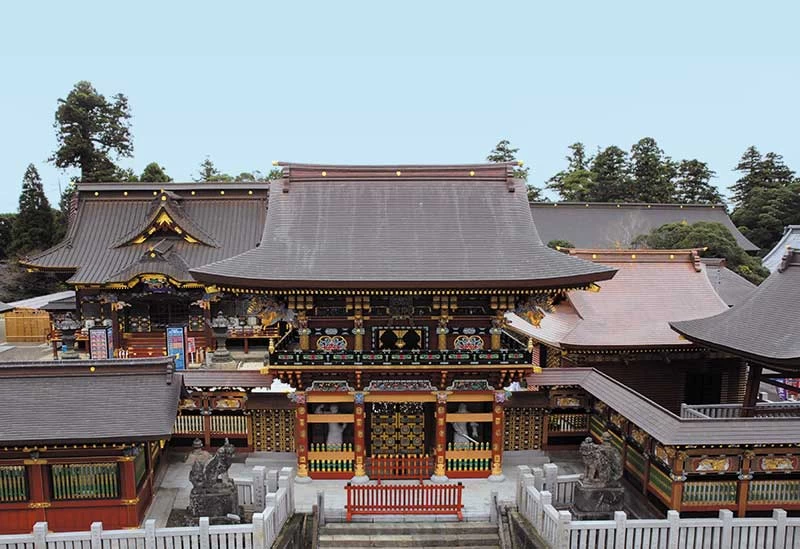
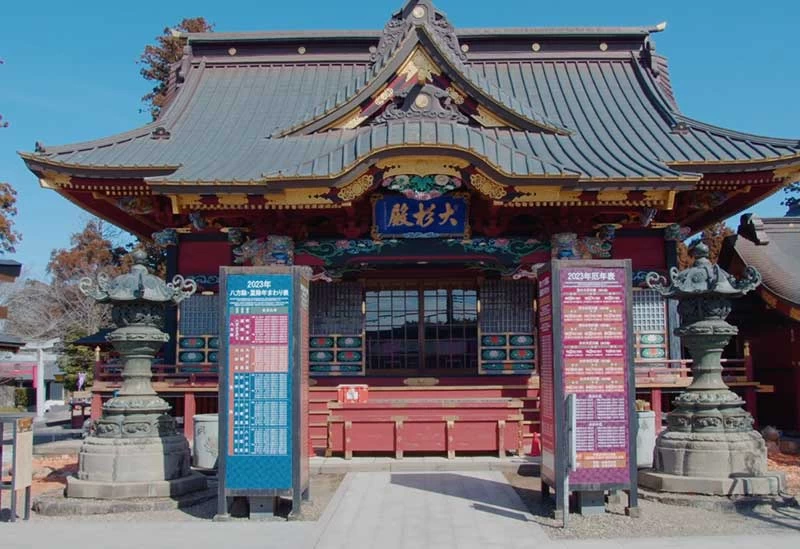
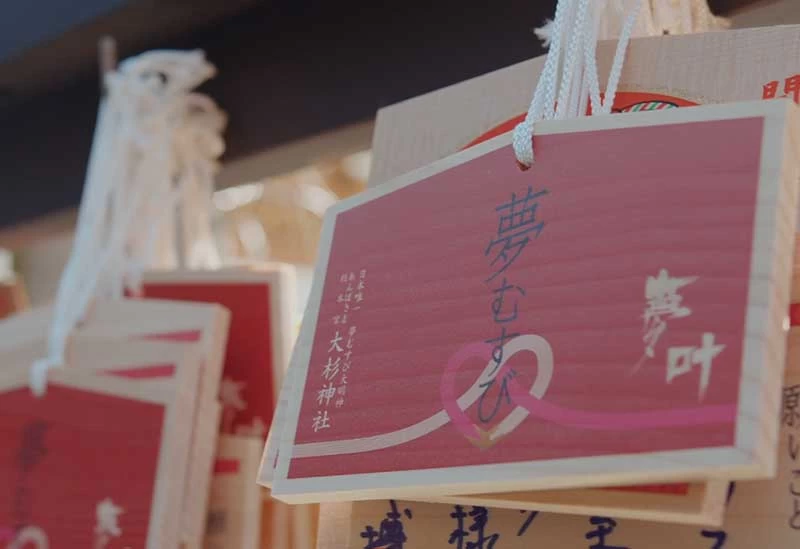
Founded in 767, Osugi Shrine is the head shrine of more than 600 Osugi shrines across Japan. Those with clear goals or dreams are encouraged to participate in the special three-year prayer practice known as the Three-Year Pilgrimage. Within the shrine grounds are several auxiliary shrines, including Daikoku Shrine for financial success, Katsuma Shrine for luck in horse racing, and Aioi Shrine for blessings in fertility. Many worshippers visit to receive a sacred fertility staff believed to aid in safe childbirth. With its wide range of spiritual blessings, the shrine continues to attract visitors seeking good fortune in many aspects of life.
Osugi Shrine
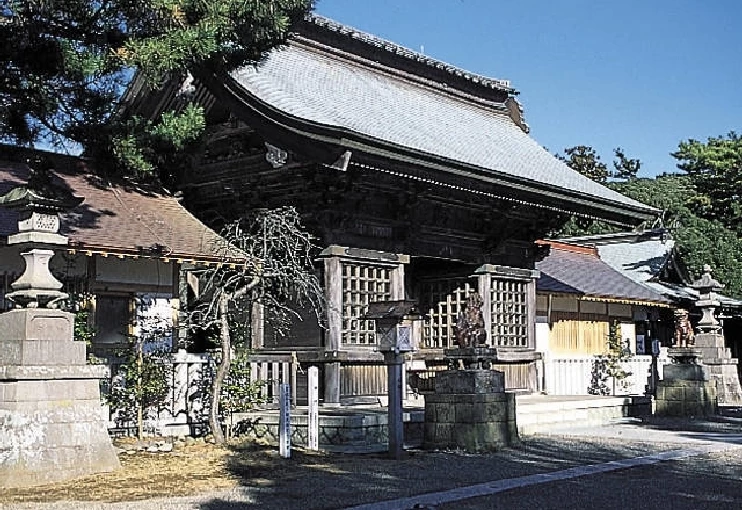
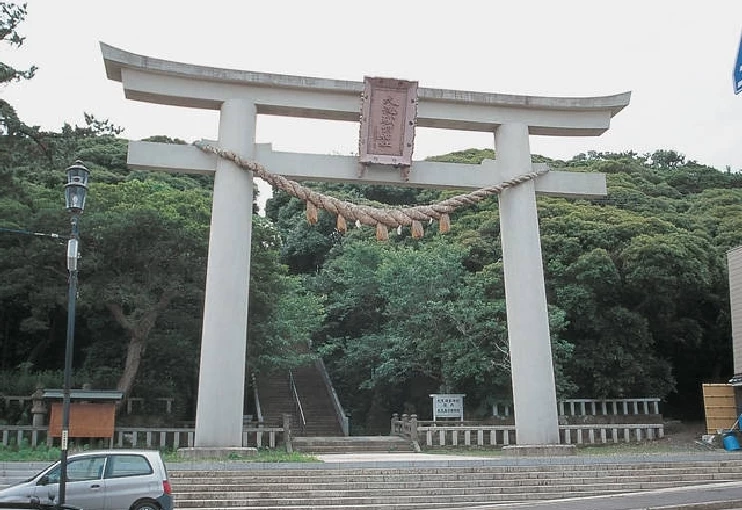
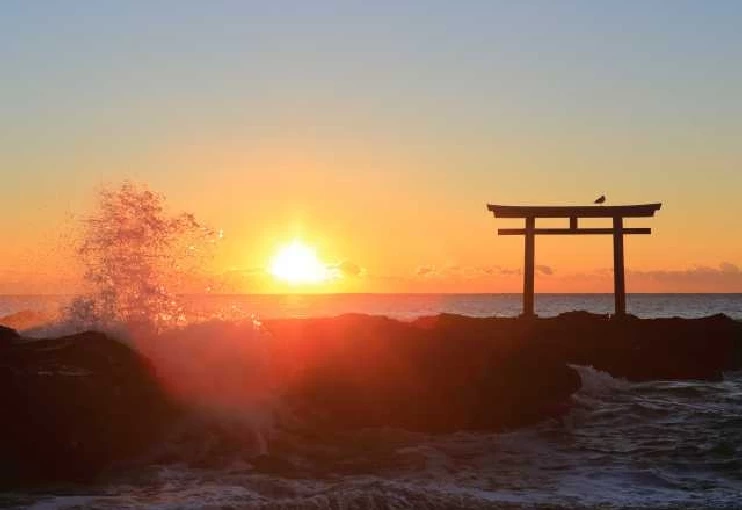
Oarai Isosaki Shrine is said to have been founded in 856, when the deities Onamuchi-no-Mikoto and Sukunahikona-no-Mikoto descended to this sacred place. One of its most iconic sights is the Kamiiso no Torii, a torii gate standing on coastal rocks where the gods are believed to have appeared. This dramatic seascape is a famous scenic spot and is especially popular for watching the first sunrise of the year. Visit the shrine and take a moment to admire this breathtaking sacred landscape along the Pacific coast.
Oarai Isosaki Shrine
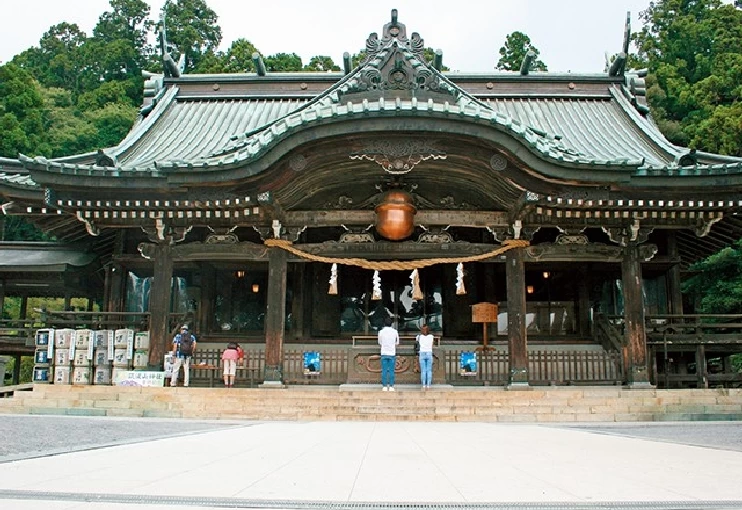
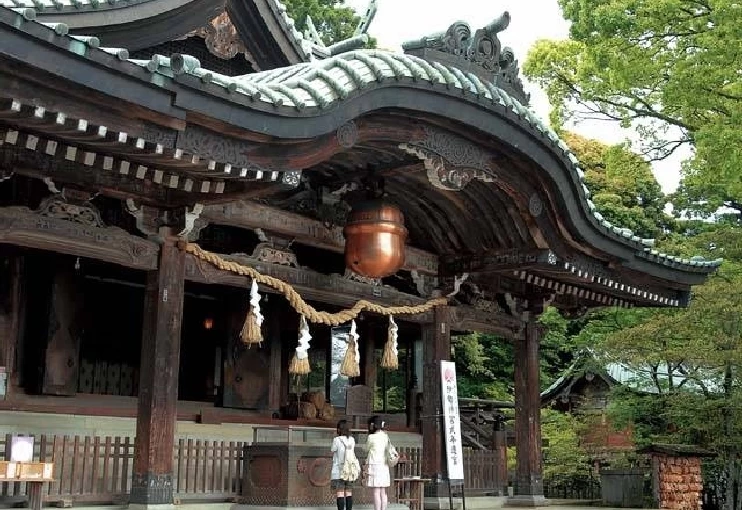
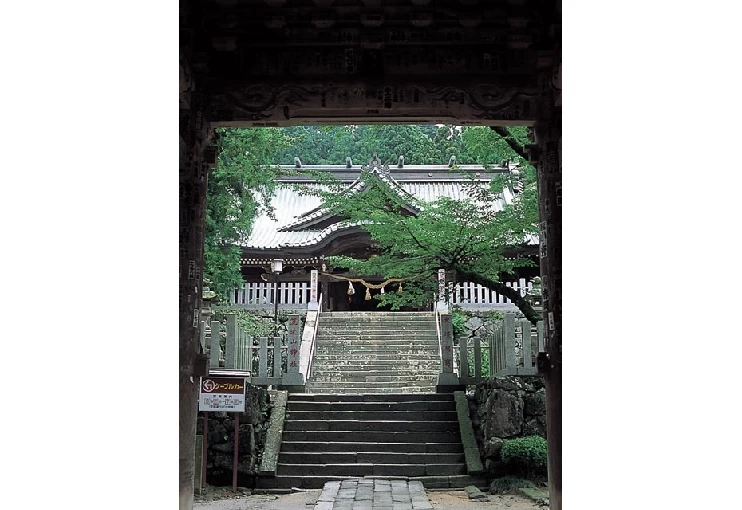
Tsukubasan Shrine is an ancient shrine that reveres Mount Tsukuba itself as its sacred object, a mountain worshiped for more than 3,000 years. It enshrines the divine couple Izanagi-no-Mikoto and Izanami-no-Mikoto, known as the Tsukuba Male Deity and Tsukuba Female Deity. Near the Zuishinmon Gate stands a sacred cedar tree estimated to be about 800 years old. Mount Tsukuba is filled with sacred sites, including dramatic rock formations such as Gama-ishi and Risshin-ishi. Along the Shirakumobashi hiking course leading to Nyotai-san (877 meters), visitors can see impressive formations such as Benkei Nanamodori, which is considered a sacred gateway separating the divine world from the human world. The summit can also be reached by cable car or ropeway, and hikers are encouraged to offer a prayer for safety before setting out.
Tsukubasan Shrine
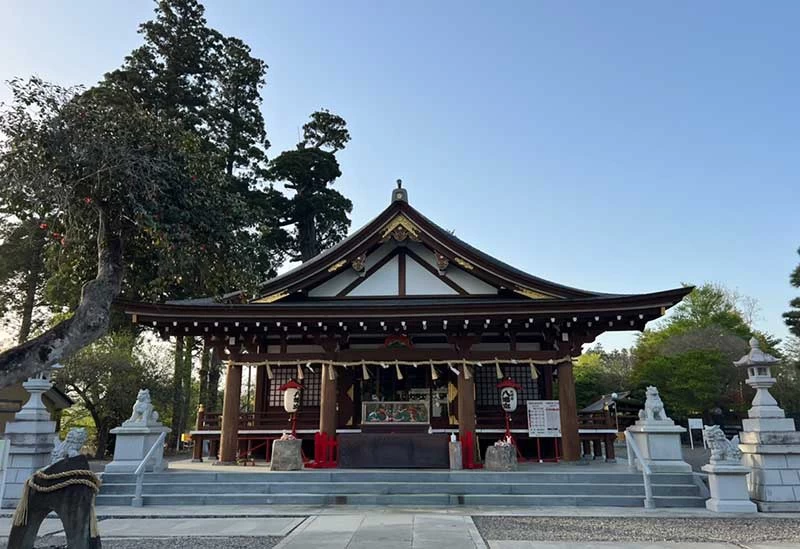
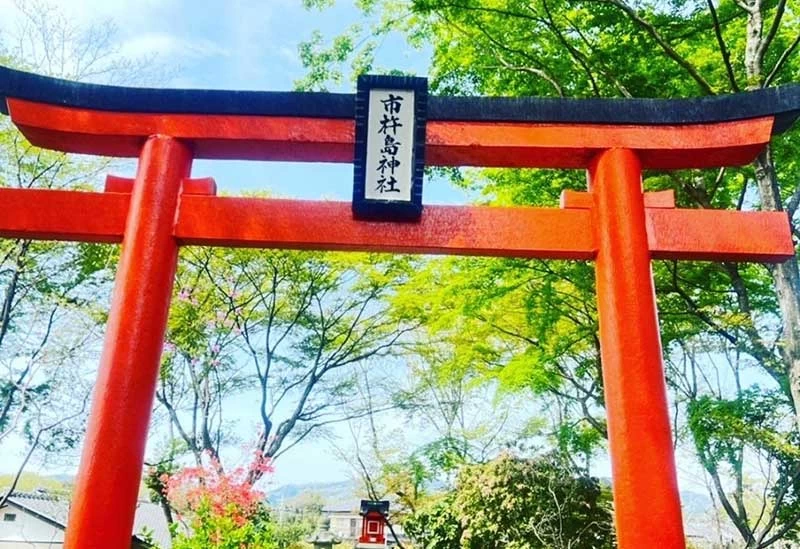
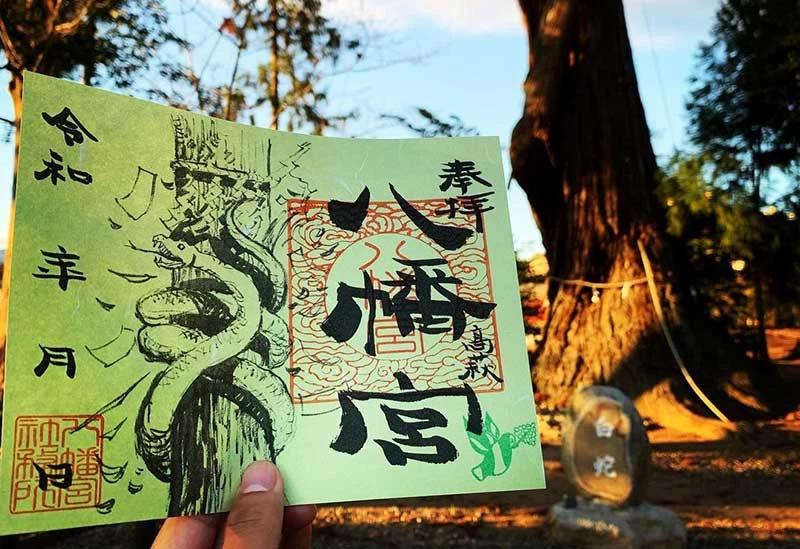
Takahagi Hachimangu is said to have been established in 985, when a sacred spirit was transferred from Iwashimizu Hachimangu in Kyoto. It is known as the only Hachiman shrine located north of Hitachi. A major highlight is the sacred cedar tree called Jiisugi, standing about 35 meters tall with a trunk circumference of nearly 10 meters and estimated to be over 1,000 years old. This tree is designated as a National Natural Monument. Visitors can also collect goshuin for both Hachimangu and the nearby Ichikishima Shrine. The tree-lined approach and the surrounding Hachiman Forest provide a peaceful natural space where visitors can enjoy the tranquil atmosphere.
Takahagi Hachimangu
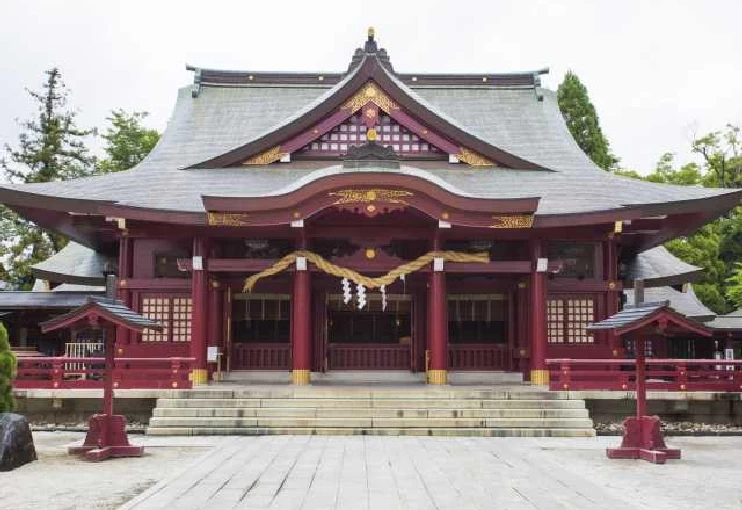
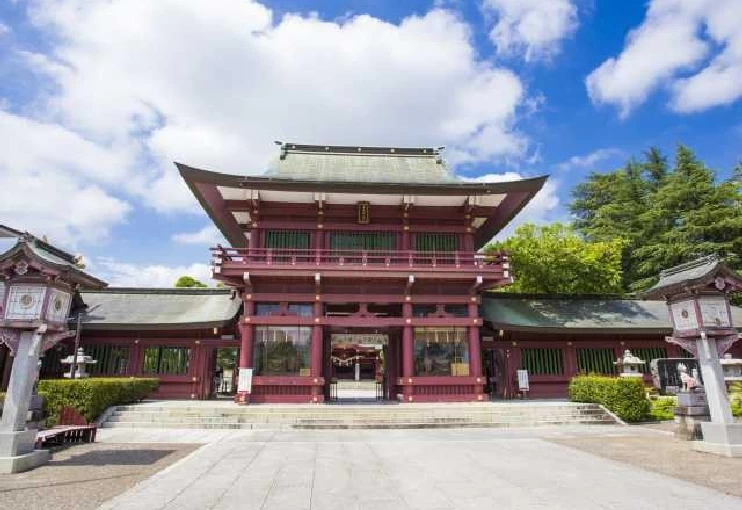
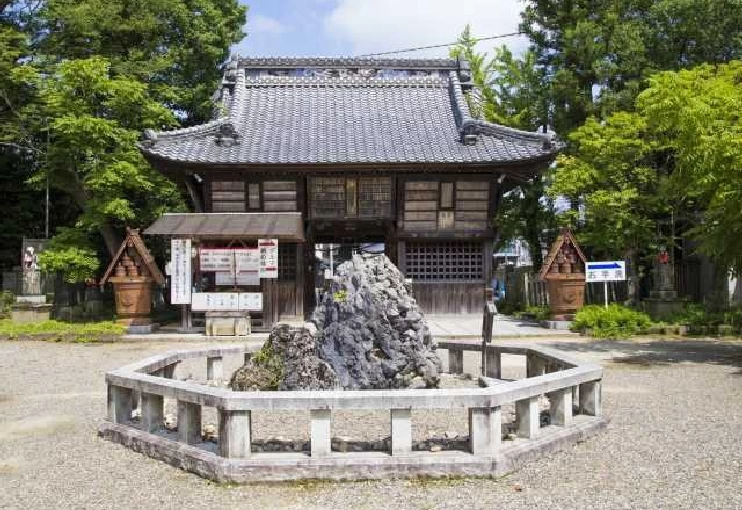
Founded in 651, Kasama Inari Shrine is one of Japan’s three major Inari shrines and has long been revered as a historic place of worship. The enshrined deity, Ukanomitama-no-Kami, is regarded as a god associated with the source of life and is worshipped as a guardian of agriculture, industry, commerce, and fisheries. The main hall, built in the late Edo period, is designated as an Important Cultural Property of Japan. Within the shrine grounds stand two ancient wisteria trees believed to be about 400 years old. One of them, the rare Yaefuji variety, is designated a Natural Monument of Ibaraki Prefecture and is known for its distinctive clusters of blossoms that resemble grapes. During the blooming season, the wisteria blossoms create a beautiful scene that many visitors come to admire.
Kasama Inari Shrine
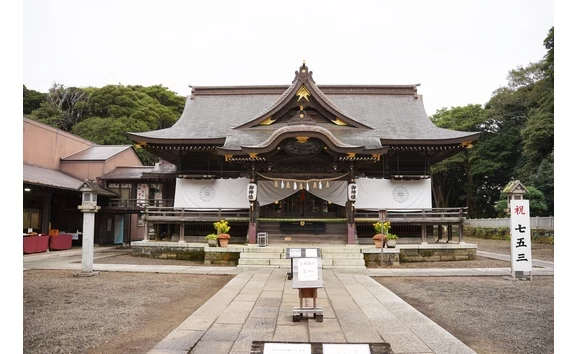
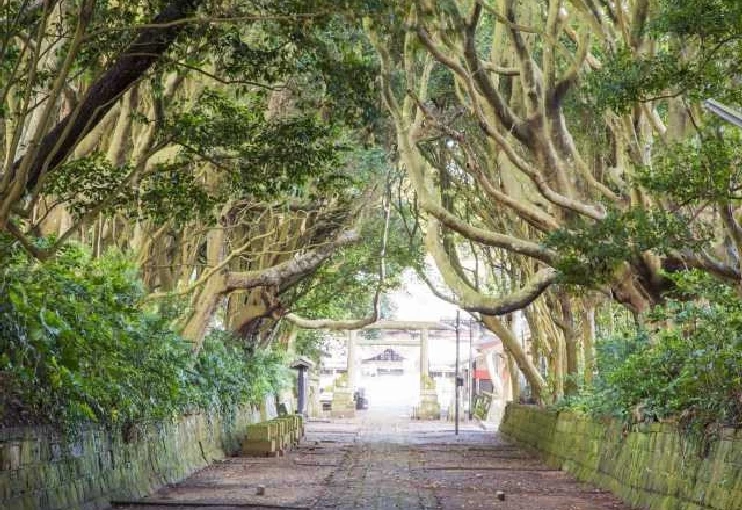
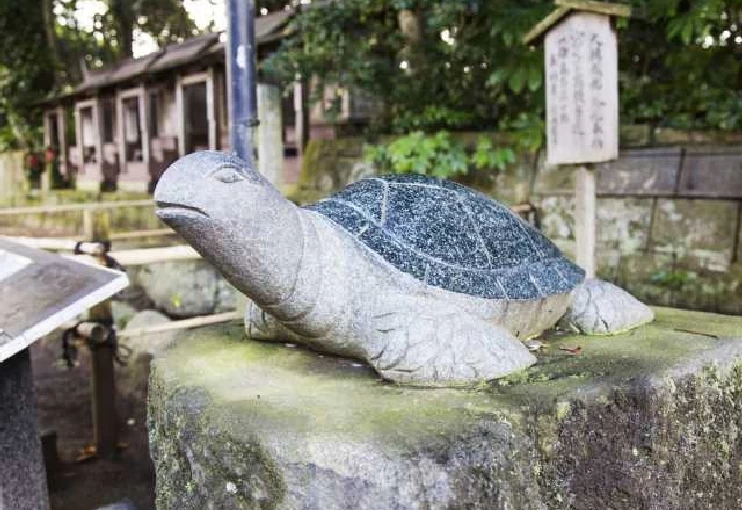
Sakatsura Isosaki Shrine is a historic shrine believed to date back to 856. It has long been revered as a sacred place associated with healing from illness, longevity, brewing traditions, and hot spring deities. The approach passes through a lush sacred grove where camellia and tabunoki trees more than 300 years old form a beautiful natural tunnel. Another path offers sweeping views of the coastline, where visitors can enjoy the graceful curve of the sea from the torii gate. Within the grounds stands a stone turtle dedicated by a lottery winner. Visitors often touch this lucky turtle to pray for financial fortune, making it a popular spot within the shrine.
Sakatsura Isosaki Shrine
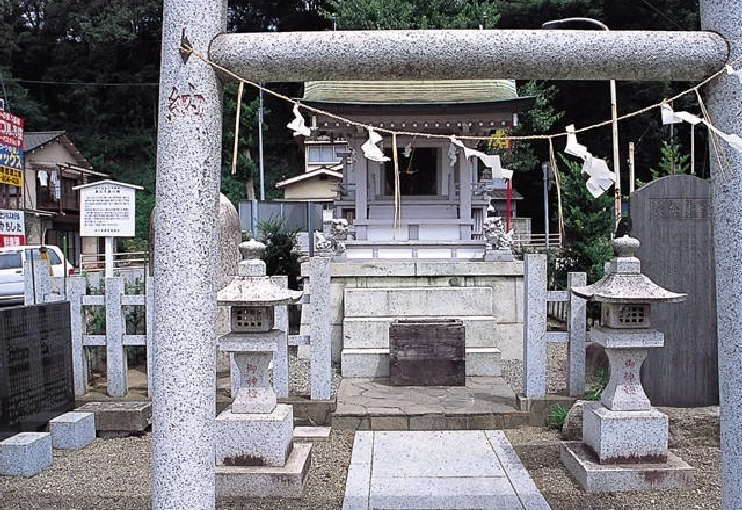
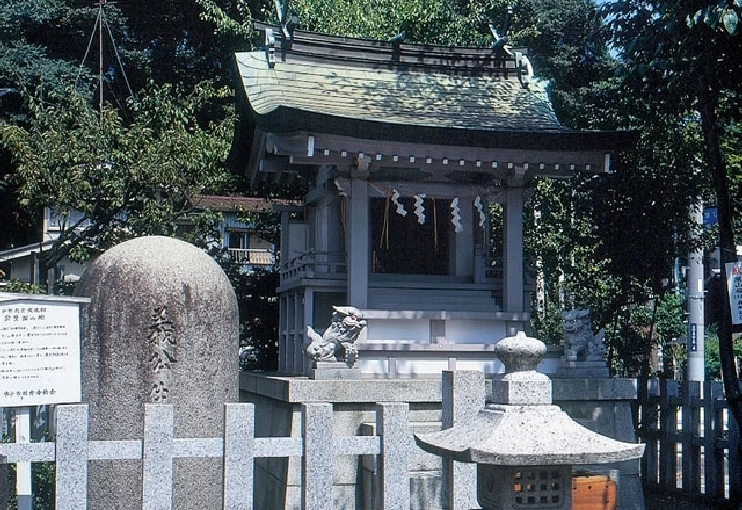
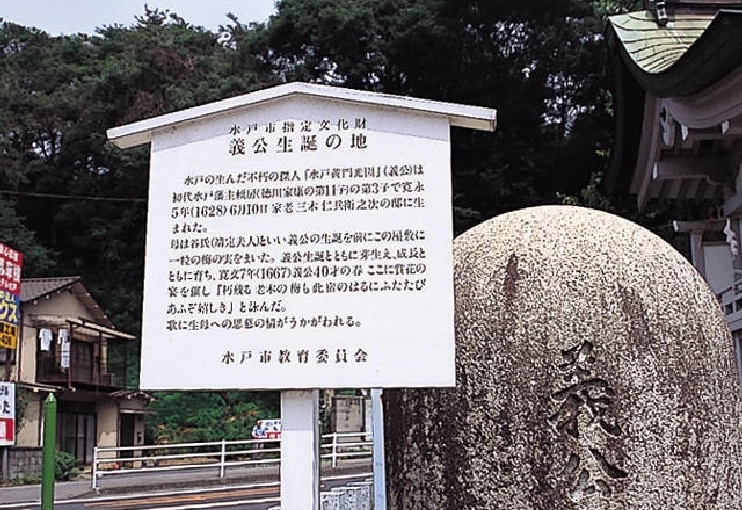
Mito Komon Shrine stands on the birthplace of Tokugawa Mitsukuni, an Edo-period lord popularly known in Japan as Mito Komon. Designated as a cultural property of Mito City, the shrine is also called the Giko Memorial Shrine. Located just a few minutes’ walk from the north exit of JR Mito Station, the shrine sits along the route to the former Mito Castle site where Mitsukuni later resided. Its central location makes it a convenient stop for visitors exploring the historic area of the city.
Mito Komon Shrine
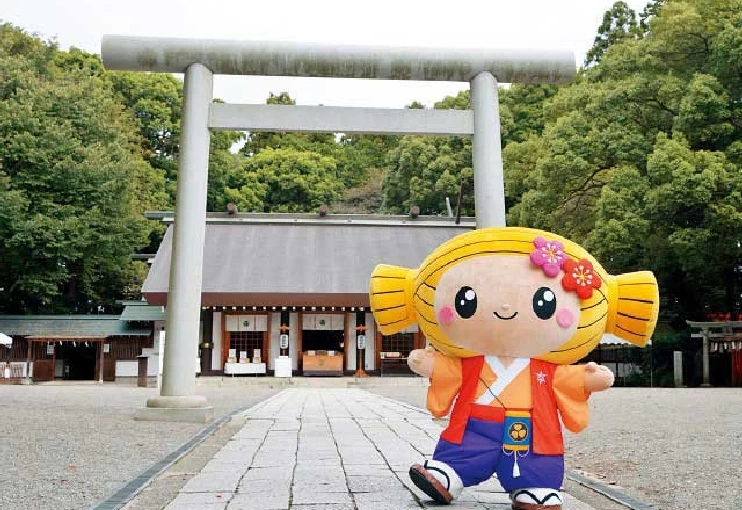
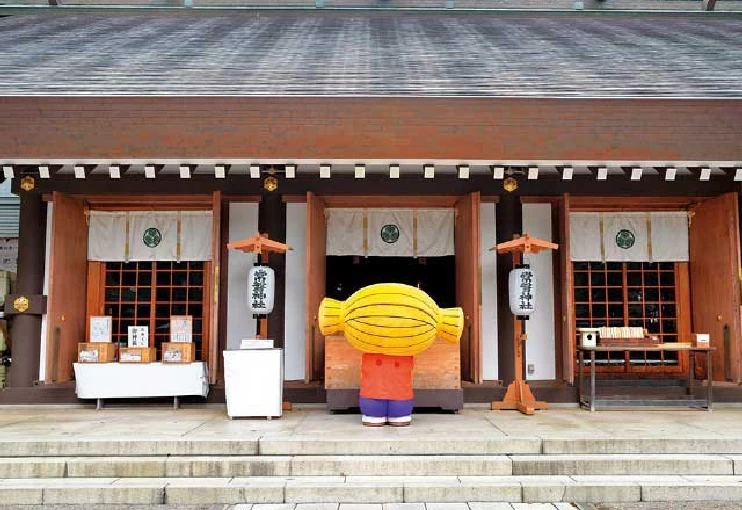
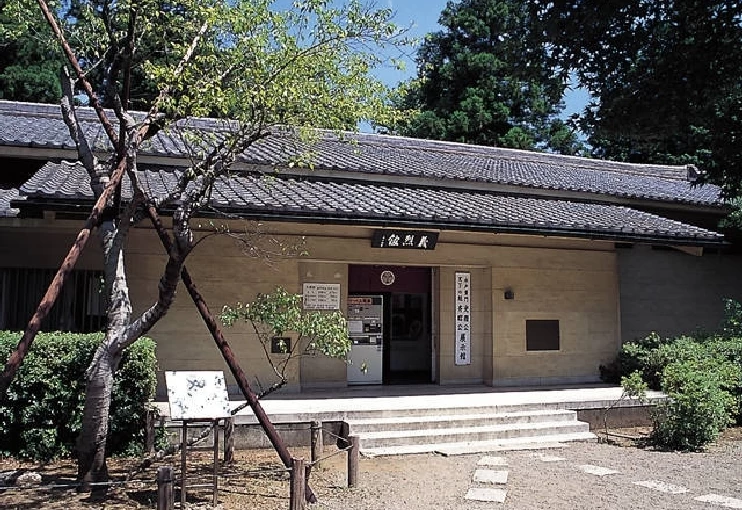
Tokiwa Shrine stands next to Kairakuen Garden, one of Japan’s Three Great Gardens, and enshrines Tokugawa Mitsukuni and Tokugawa Nariaki of the Mito Tokugawa family. The shrine is widely visited for blessings related to business success, traffic safety, and academic achievement. Within the grounds is the Giretsukan Museum, where visitors can see valuable historical materials, including personal belongings and calligraphy of Tokugawa Mitsukuni and Tokugawa Nariaki, as well as a jin-daiko drum said to be the largest in Japan. The shrine also features a kagura stage used for traditional performances such as the Mito Takigi Noh.
Tokiwa Shrine
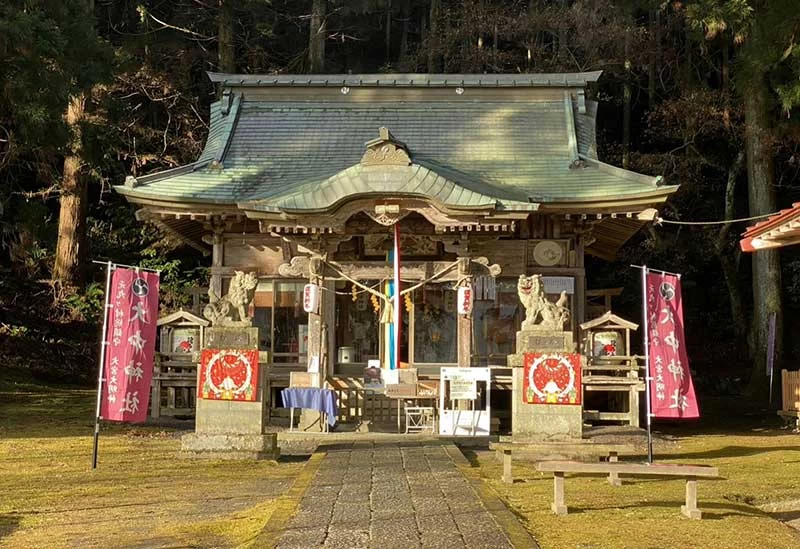
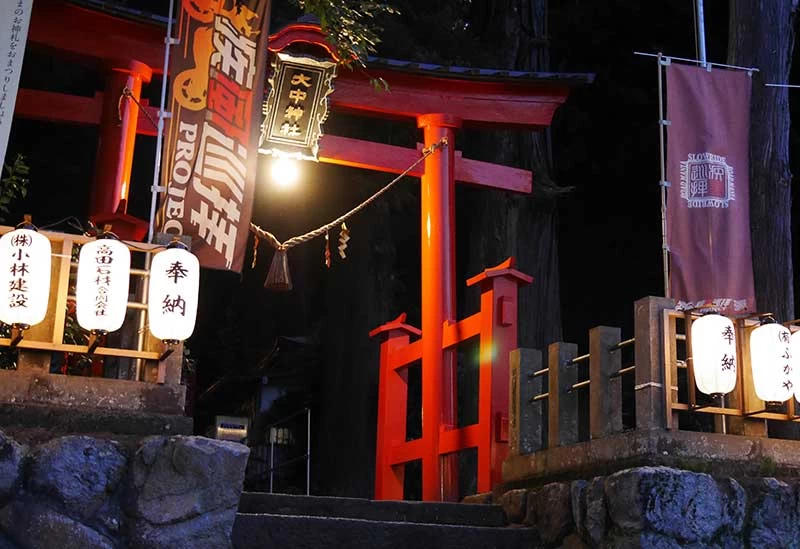
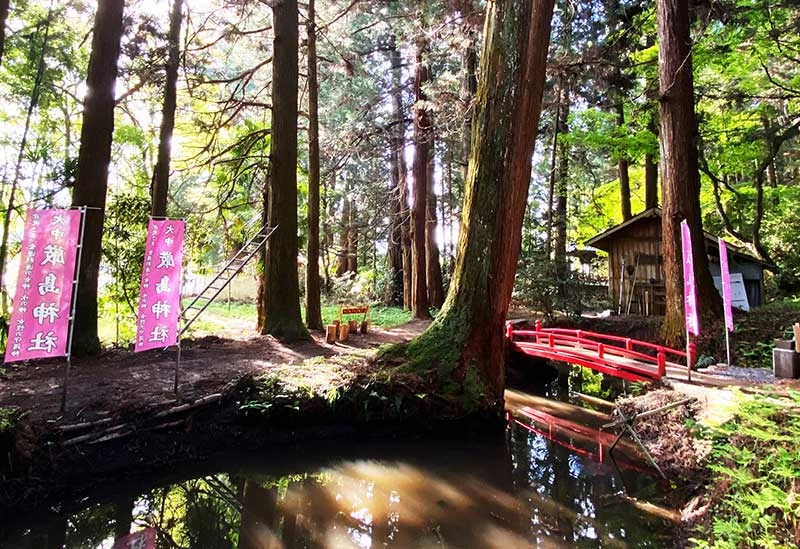
Oonaka Shrine is believed to have been founded in 807 and has long been revered as the guardian shrine of the former nine villages in the region. The shrine enshrines the deities Onamuchi-no-Mikoto and Sukunahikona-no-Mikoto, who are associated with blessings for harmonious marriage, matchmaking, and business prosperity. The main hall, known for its elegant and richly decorated architecture, is designated as a cultural property by the city. Visitors can enjoy unique experiences such as the mizu-omikuji, a water fortune slip that reveals your fortune when placed in spring water at the nearby Itsukushima Shrine. Another popular charm is the Kokudo Mamori, where you can stamp a leather band with a special seal as proof of your visit to create your own original amulet.
Oonaka Shrine
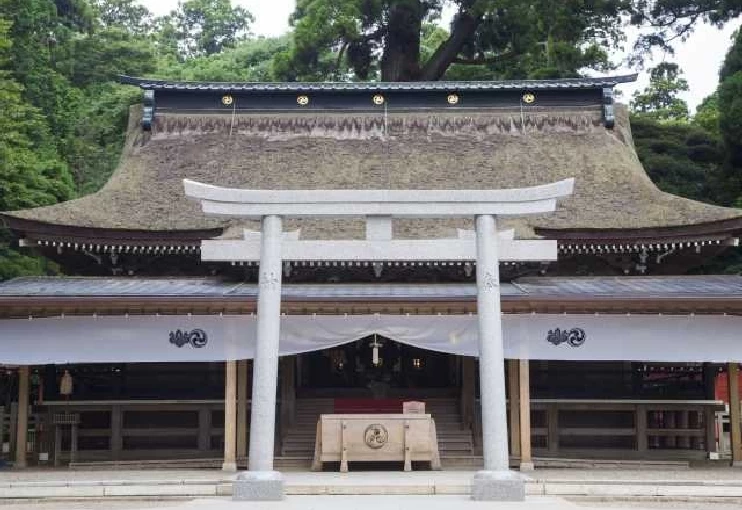
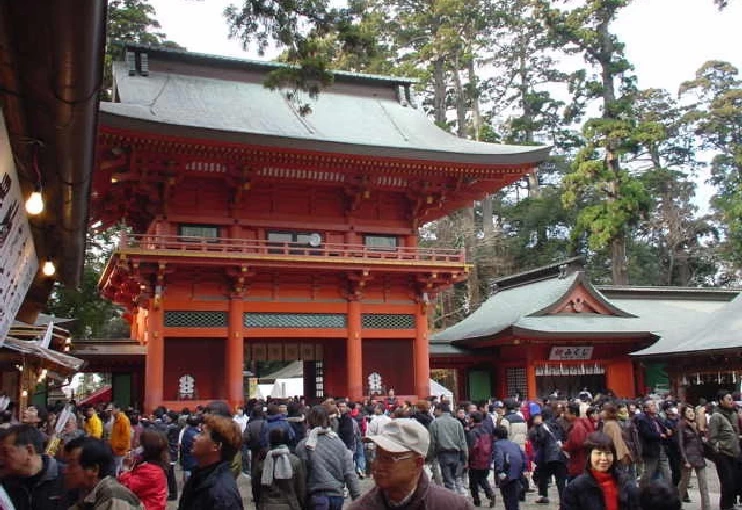
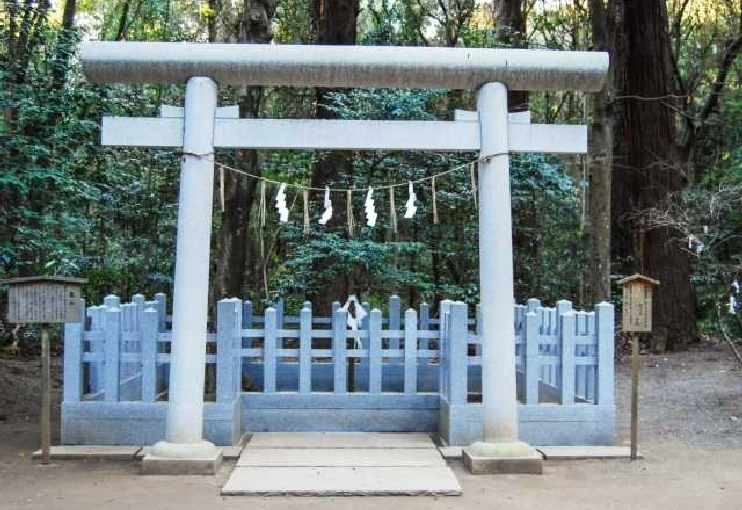
Kashima Jingu is a historic shrine traditionally said to date back to the founding of Japan. It enshrines Takemikazuchi-no-Okami, a powerful deity associated with the nation’s origins and the patron god of martial arts. The shrine is widely visited for blessings related to victory, success in competition, matchmaking, and safe childbirth. A sacred forest designated as a Natural Monument of Ibaraki Prefecture contains more than 600 species of plants, while a towering cedar tree estimated to be about 1,300 years old stands approximately 40 meters tall. A notable location within the grounds is Mitarashi Pond, a crystal-clear spring used for purification rituals where the reflection of the torii gate on the water creates a mystical scene. Another famous landmark is the First Torii Gate in Ofunatsu, which stands in the waters of Lake Kitaura and is known as a popular waterside torii spot.
Kashima Jingu
Gunma Prefecture
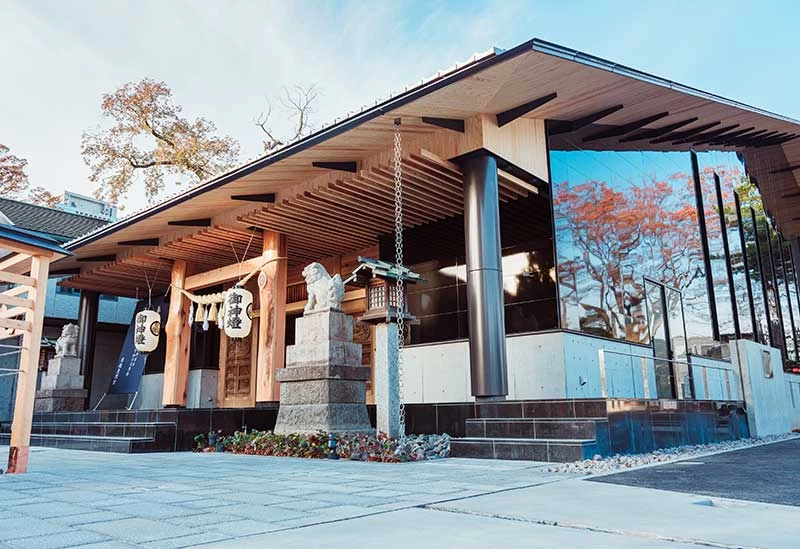
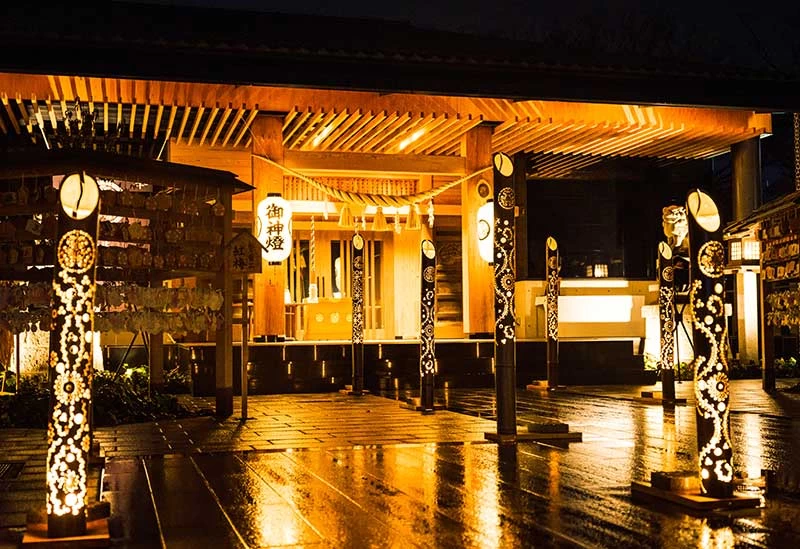
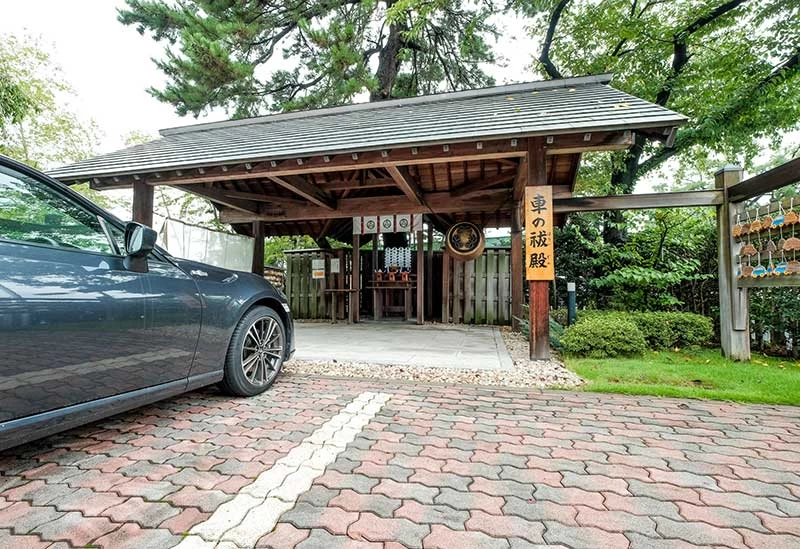
Maebashi Toshogu stands within Maebashi Park, a popular spot for viewing cherry blossoms. The shrine enshrines Tokugawa Ieyasu and has a history of more than 400 years. It is widely visited for blessings related to long life, protection from misfortune, and recovery from illness. The shrine also honors other deities, including Konohanasakuya-hime and Osakabe-sama, associated with safe childbirth and matchmaking, as well as Sugawara no Michizane, the deity of learning. Within the grounds flows the Harai River, where visitors can place paper dolls or small paper cars into the water to symbolically wash away impurities and pray for protection from misfortune.
Maebashi Toshogu
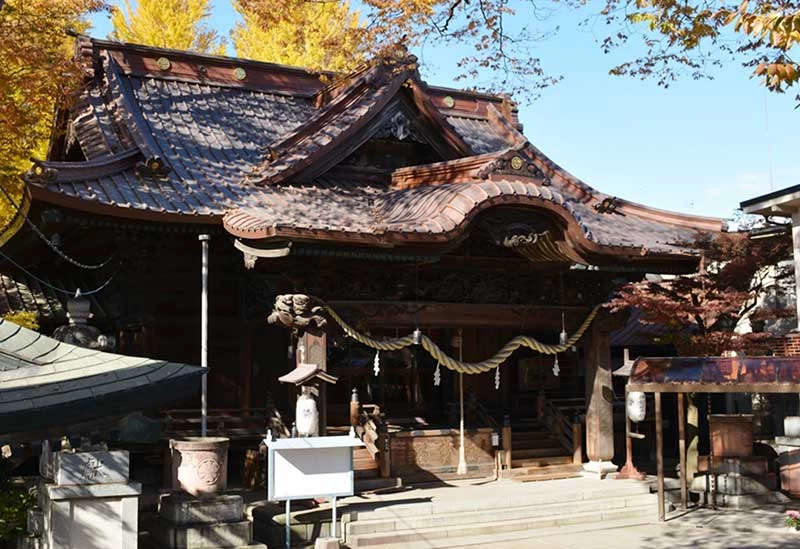
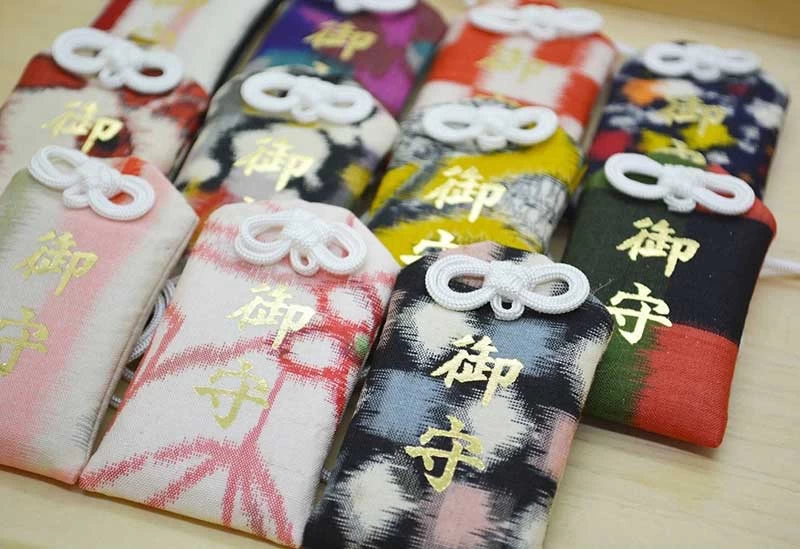
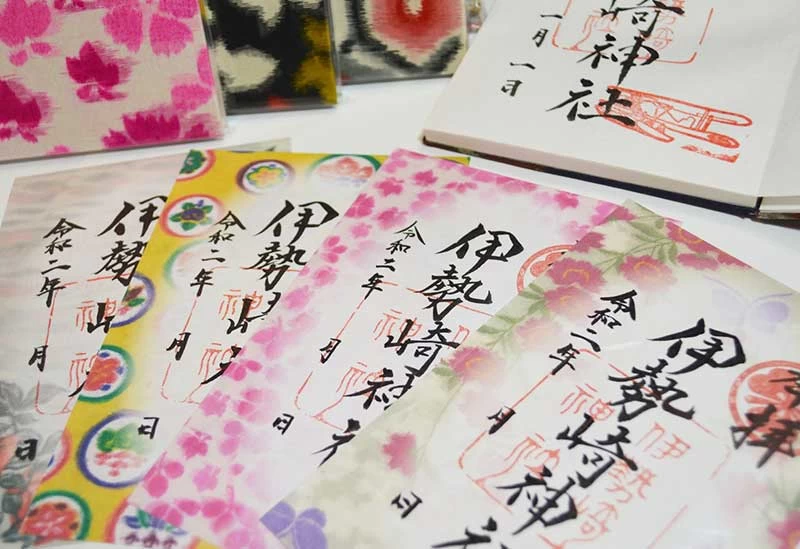
Isesaki Shrine was relocated to its present site and renovated by the local military leader Nitta Yoshisada, who enshrined the deities Yasaka, Inari, and Sugawara. Above the entrance of the worship hall hangs a wooden propeller donated during World War II by employees of the Nakajima Aircraft Company, the predecessor of Subaru Corporation. It was offered as a prayer for the safe return of aircraft and pilots, and today the shrine is associated with blessings for safe journeys and aviation safety. Isesaki Shrine is also known for reviving Isesaki Meisen, a traditional silk textile once produced in the city. Goshuin books, seals, and protective charms made with this fabric are available at the shrine. Each charm features a unique pattern, allowing visitors to choose their favorite design. The shrine also offers special seasonal goshuin, including a dragon-themed kirie (paper-cut) design.
Isesaki Shrine
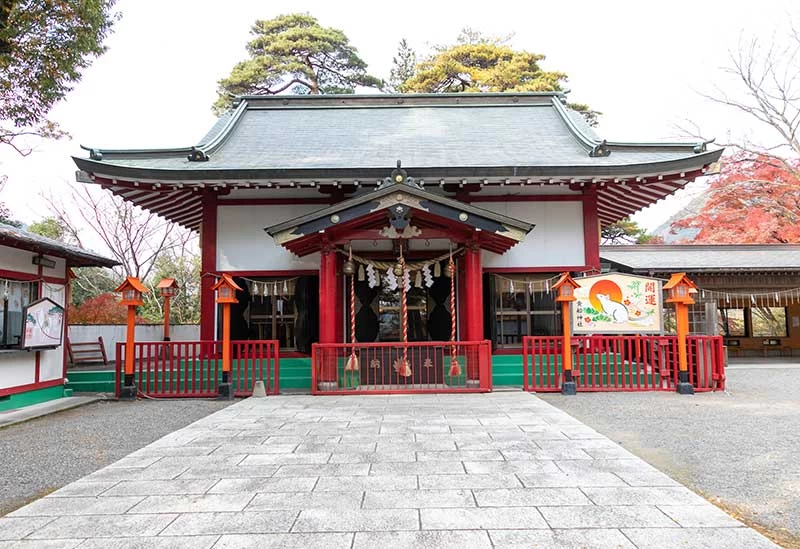
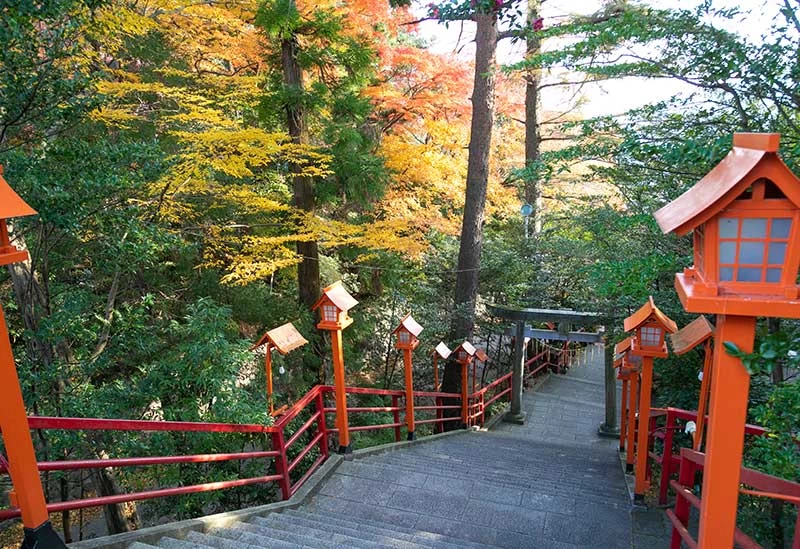
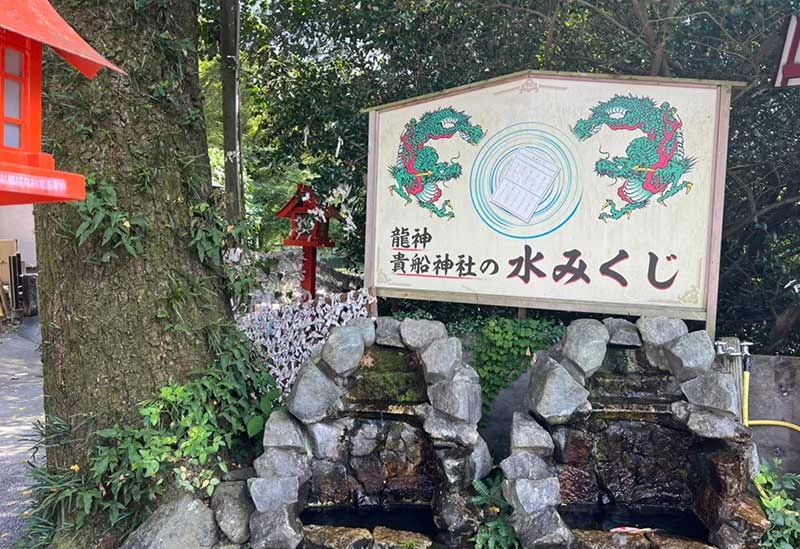
Kifune Shrine is said to have been founded after a severe drought struck the Kanto region in 956. The shrine is deeply revered as a deity of water and is believed to grant blessings for household safety, business prosperity, protection from misfortune, and the fulfillment of wishes. The name Kifune is sometimes written with characters meaning the roots from which life energy arises, and it is believed that visiting the shrine can awaken one’s inner spiritual energy and bring good fortune. Step into the grounds of Kifune Shrine to experience this uplifting energy for yourself.
Kifune Shrine
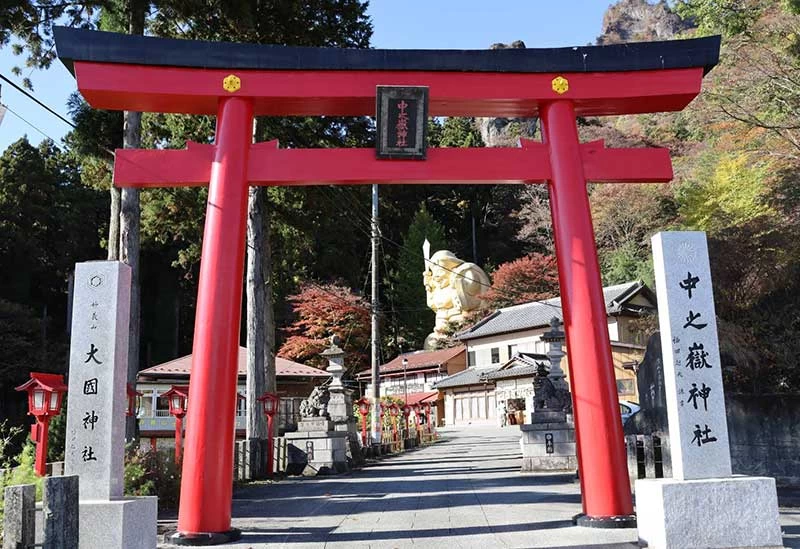
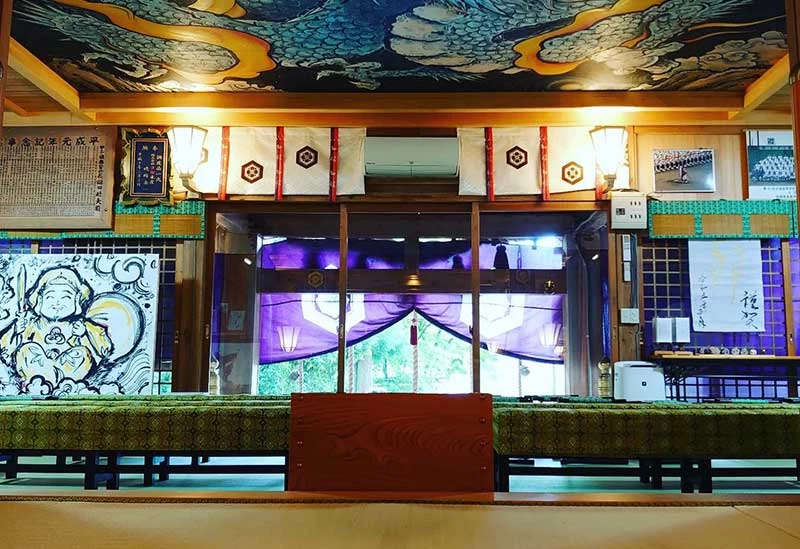
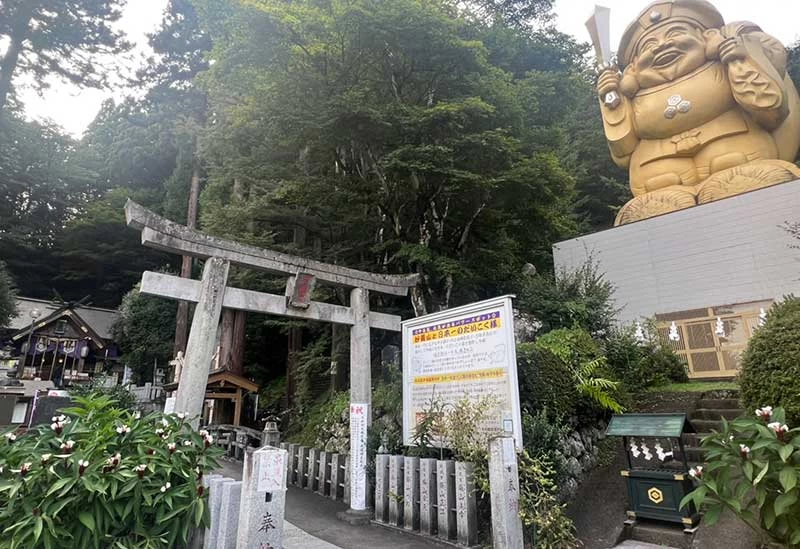
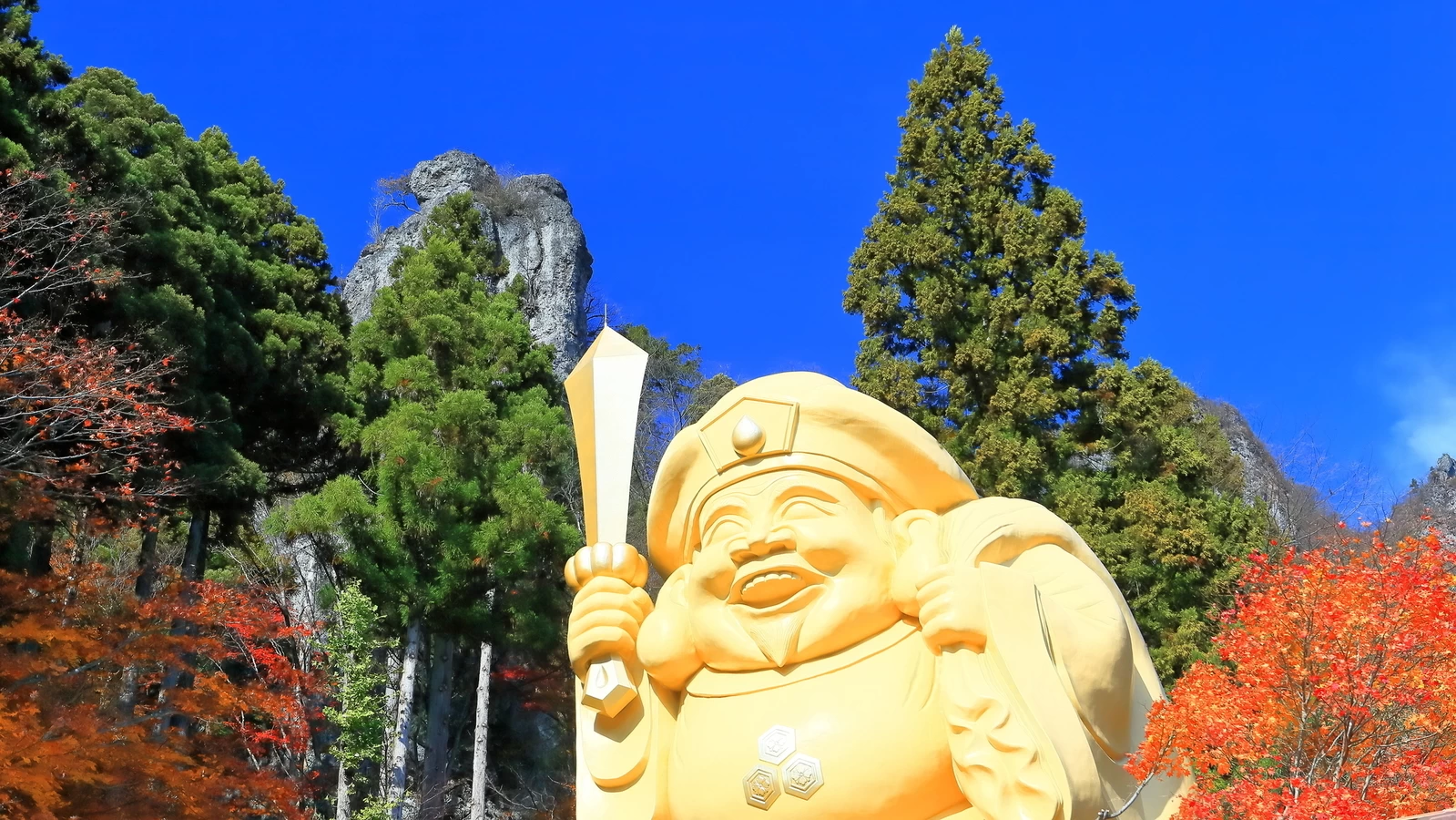
Nakanotake Shrine enshrines Todoroki Iwa, a sacred rock that forms part of Mount Myogi. The shrine features a rare architectural style consisting only of a worship hall and an offering hall (heiden), without a separate main sanctuary, allowing visitors to view the sacred rock directly from the worship hall. The shrine is also famous for its enormous statue of Daikoku, the deity of fortune. Standing about 20 meters tall and weighing approximately 8.5 tons, the statue is unusual because it holds a sword instead of the traditional mallet. This sword is believed to ward off illness, misfortune, and evil spirits, symbolizing both protection and the granting of good fortune. Visitors can find a wide variety of charms, including amulets featuring Daikoku and those dedicated to various sports.
Nakanotake Shrine
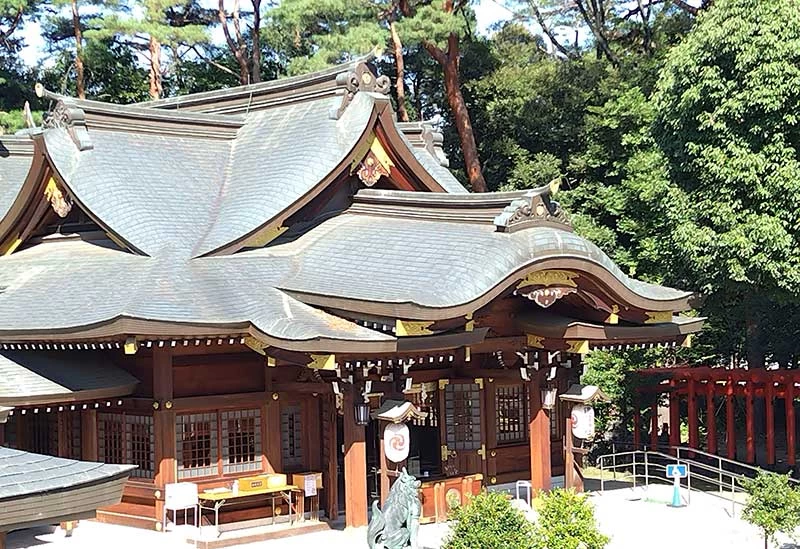
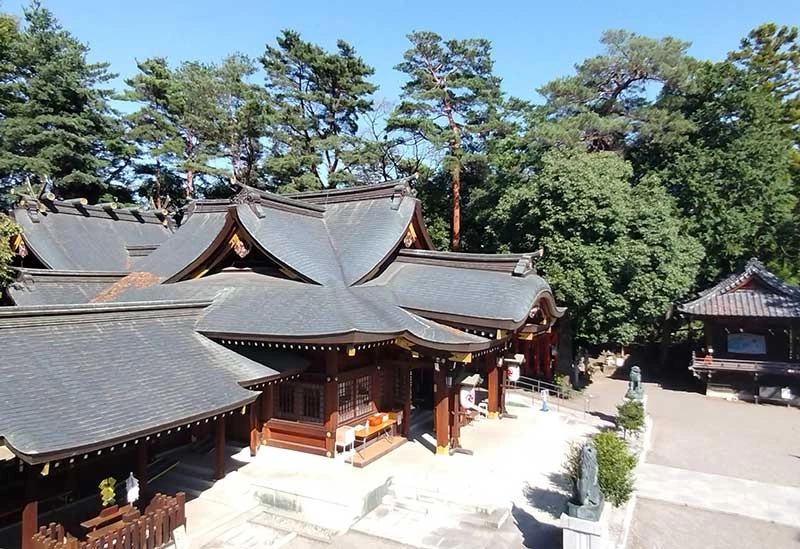
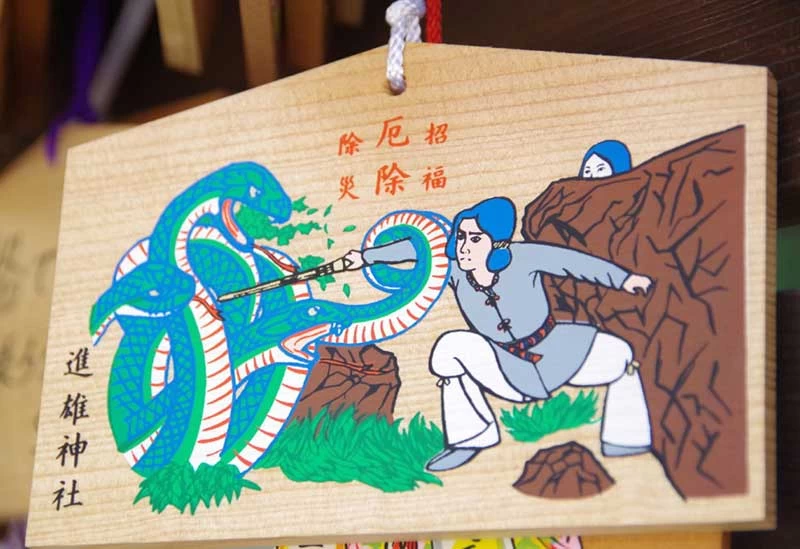
Susanoo Shrine in Takasaki City was founded in 869 after a branch of Tsushima Shrine was enshrined here to pray for the end of a devastating epidemic. The shrine is dedicated to Hayasusanoo-no-Mikoto and is widely revered for blessings related to health and protection from misfortune. Along the approach stands a bronze sacred horse statue, believed to be the divine mount of the deity. According to legend, the horse traveled overseas and brought important tree species such as cypress, cedar, and camphor back to Japan. Visitors gently touch the statue to pray for the health of their legs and back. In the shrine garden, you can see koi fish and peacocks, including a rare white peacock that adds to the shrine’s unique atmosphere.
Susanoo Shrine
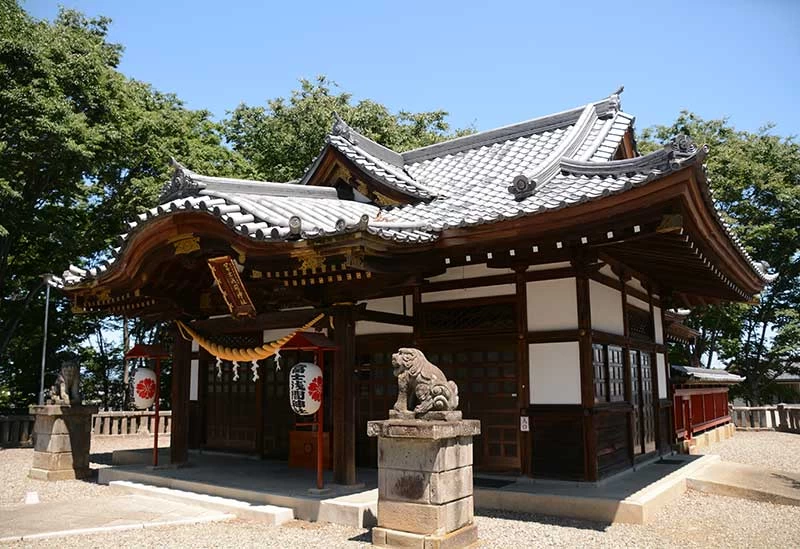
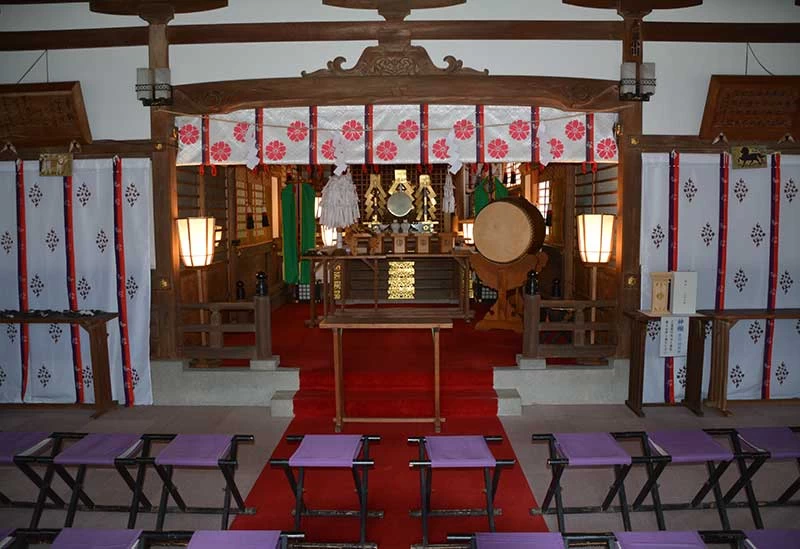
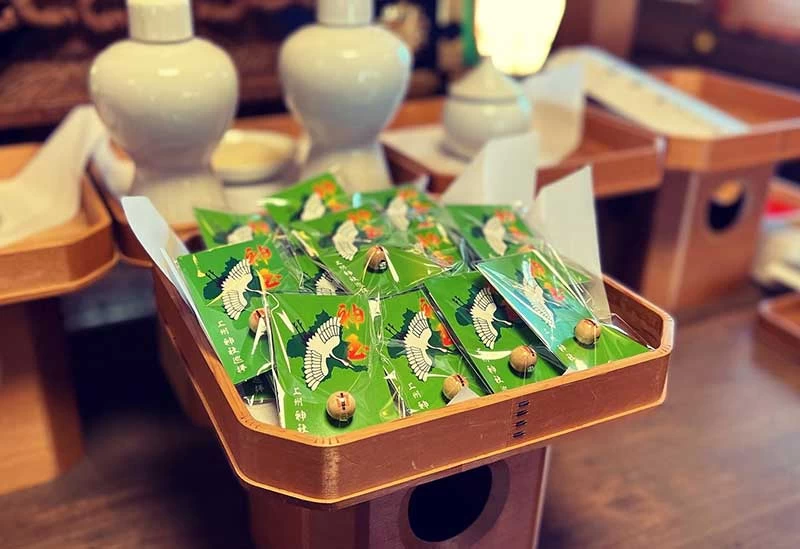
Fuji Sengen Shrine in Fujioka City was built on a small hill designed to represent Mount Fuji, allowing people to worship the sacred mountain without climbing it. The shrine is dedicated to Konohanasakuya-hime, the goddess of cherry blossoms and Mount Fuji. The shrine is a popular place for prayers related to childbirth, children’s health, and family milestones such as Omiyamairi and Shichi-Go-San. A distinctive tradition here is Hatsuyama, a ceremony in which a shrine seal is stamped on a baby’s forehead during a baby’s first shrine visit, symbolizing the child’s first pilgrimage to Mount Fuji.
Fuji Sengen Shrine
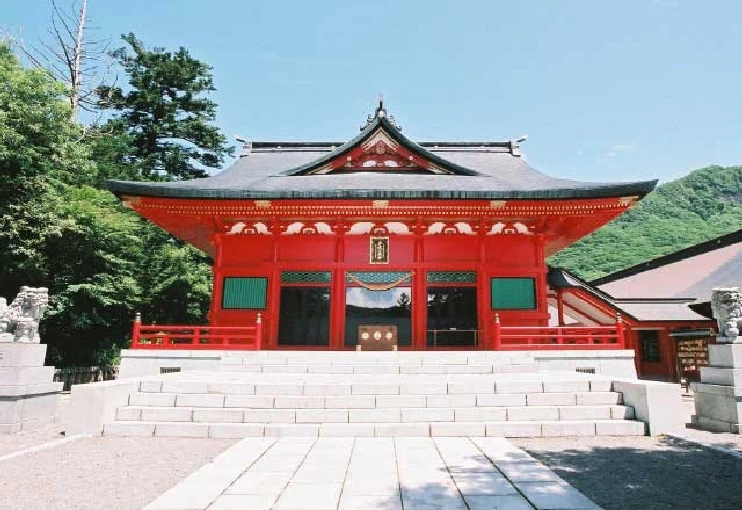
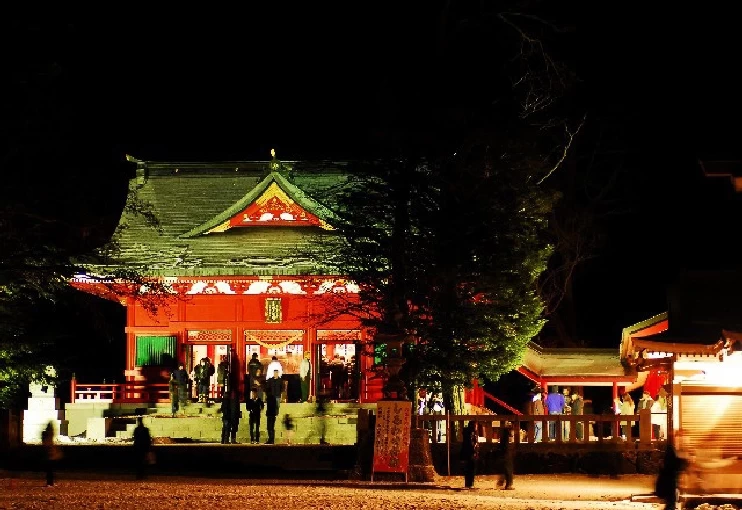
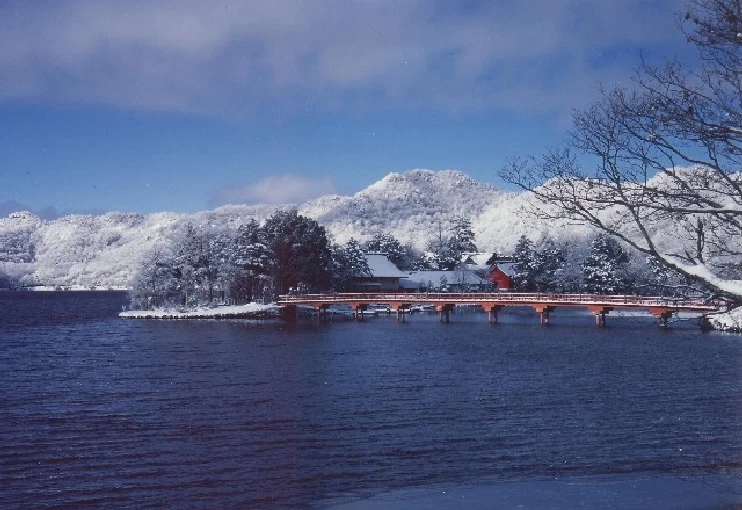
Akagi Shrine enshrines Akagi Daimyojin, also known as Akagi-hime, the deity associated with Mount Akagi and its sacred lake. The shrine also honors the deities of the surrounding peaks of Mount Akagi. It stands on Kojima Island in Lake Onuma, and visitors reach the shrine by crossing the striking vermilion Kitsutsuki Bridge. After passing through the torii gate, beautiful views of Lake Onuma open before you, and the mountains of the outer crater rim can be seen from the shrine grounds. Popular charms include the Hime-mamori, believed to protect women, and a special amulet inspired by the legend of Akagi-hime that prays for the safe birth of a healthy and beautiful child.
Akagi Shrine
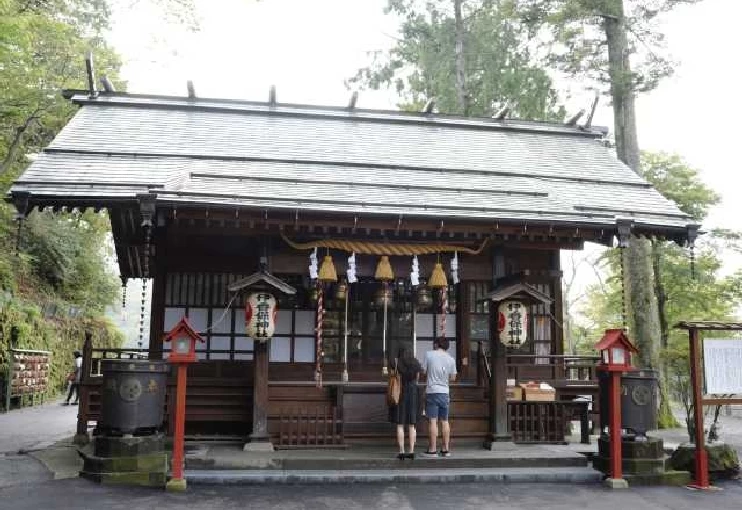
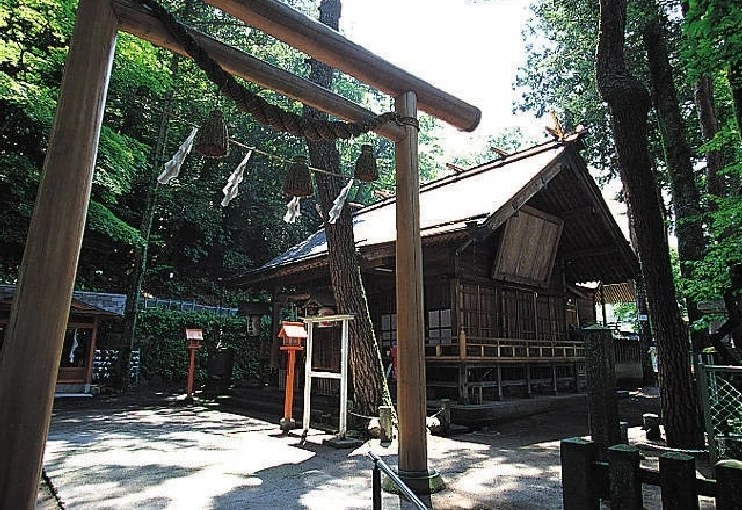
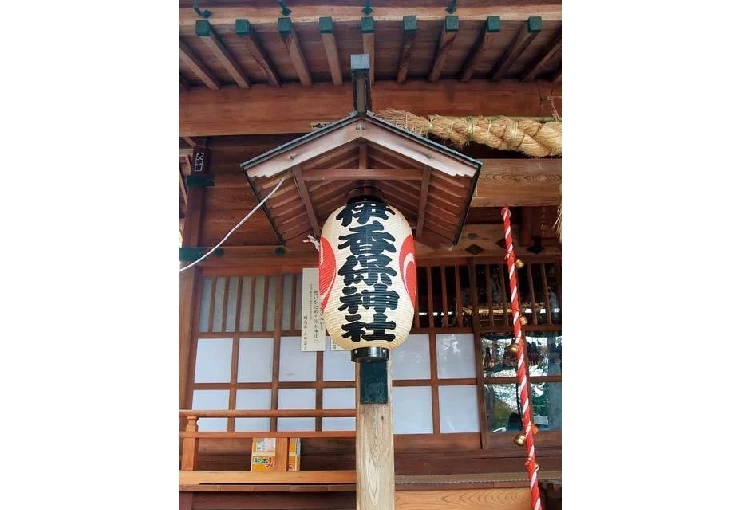
Ikaho Shrine stands near the hot spring source of Ikaho Onsen at the top of the famous stone steps of the town. The shrine has a history of more than 1,100 years, and the name Ikaho even appears in the ancient poetry anthology Man’yoshu. It enshrines Onamuchi-no-Mikoto and Sukunahikona-no-Mikoto, deities associated with hot springs, medicine, and business prosperity. The shrine sits at the top of Ikaho’s well-known 365 stone steps. Along the way, visitors can enjoy local shops, cafés, and souvenir stores while climbing toward the shrine.
Ikaho Shrine
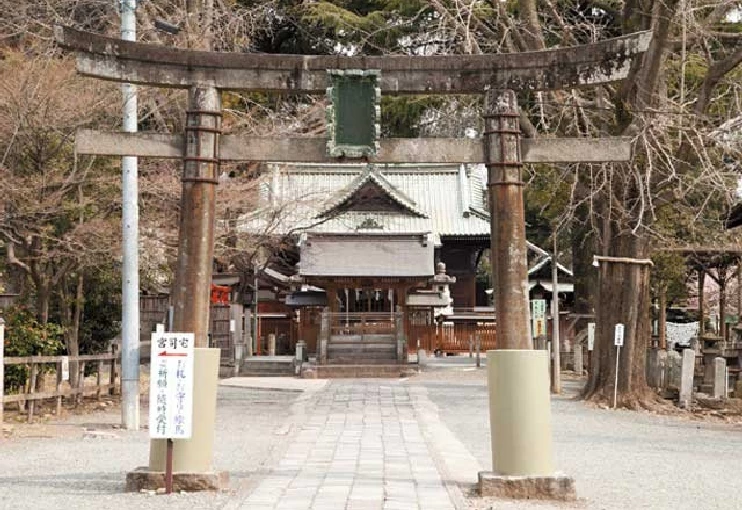
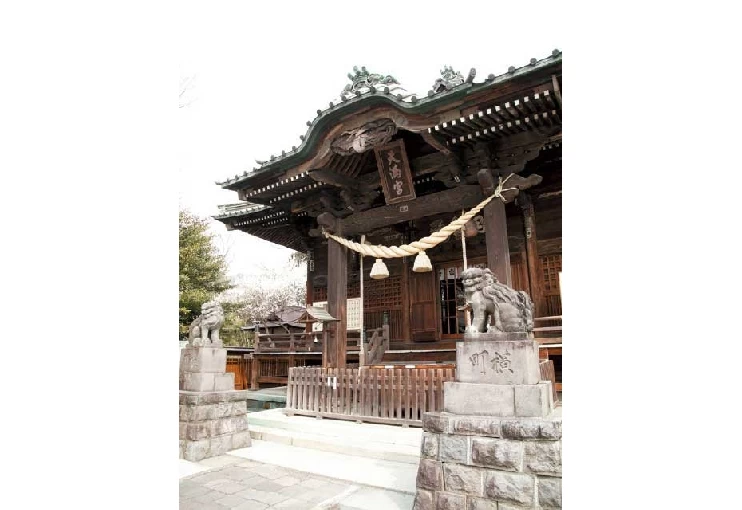
Kiryu Tenmangu enshrines Sugawara no Michizane, the deity of learning, along with his ancestor Ame-no-Hohi-no-Mikoto. Dragon imagery appears throughout the shrine’s carvings and paintings. The most famous are the dragon carvings on the front of the main hall and the ceiling painting known as Kiryū (Noble Dragon). This dragon symbolism is closely connected to the name Kiryu itself, and the shrine has long been revered as a deity believed to bring rising fortune and success. Inside the main sanctuary, the Four Guardian Beasts of Feng Shui are arranged to protect the sacred space: the Azure Dragon of the east (career and learning), the White Tiger of the west (business and wealth), the Vermilion Bird of the south (family fortune and relationships), and the Black Tortoise of the north (health and protection). It is believed that worshippers are protected by this ideal Feng Shui arrangement and receive the protective energy of this sacred place.
Kiryu Tenmangu
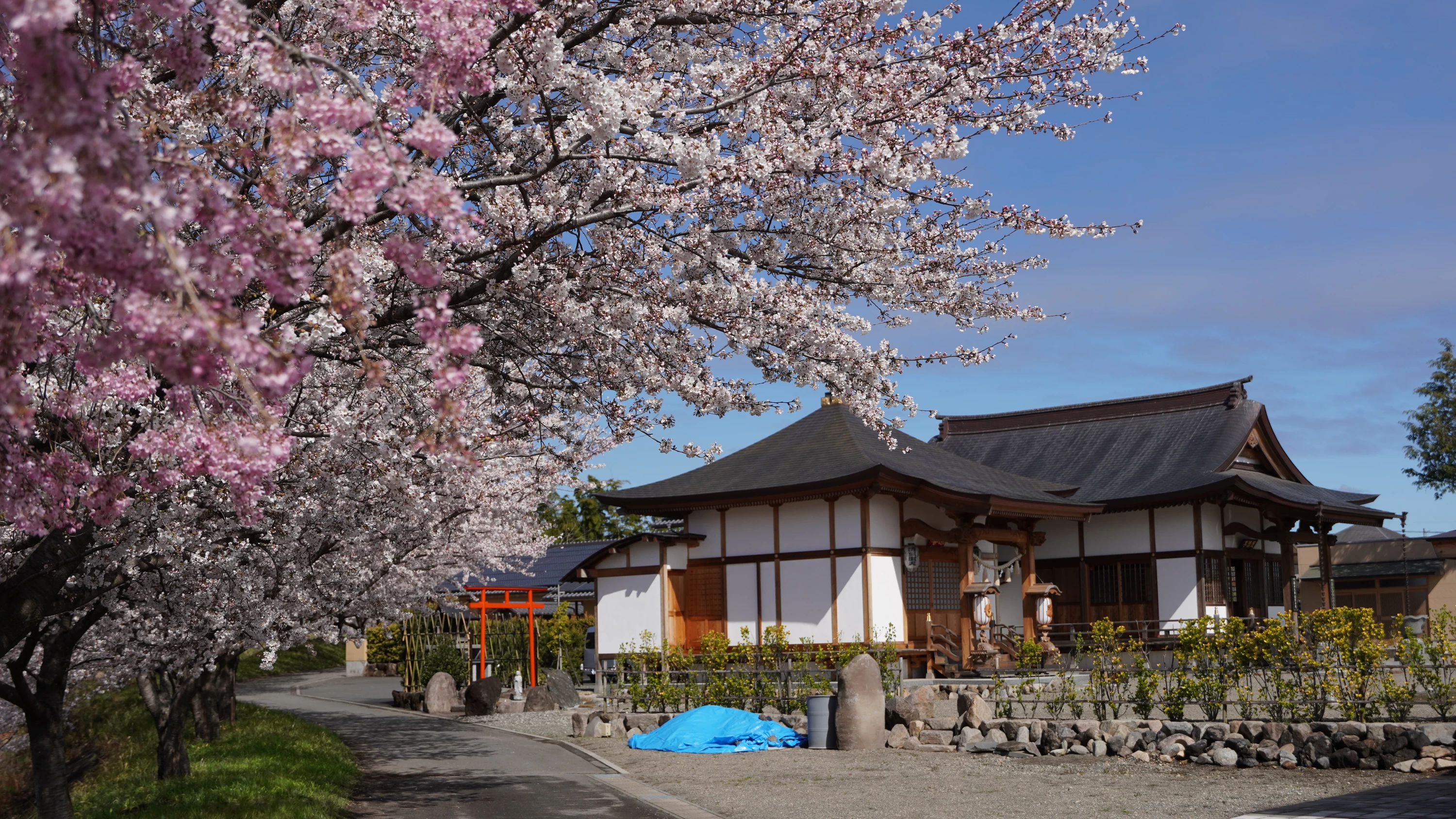
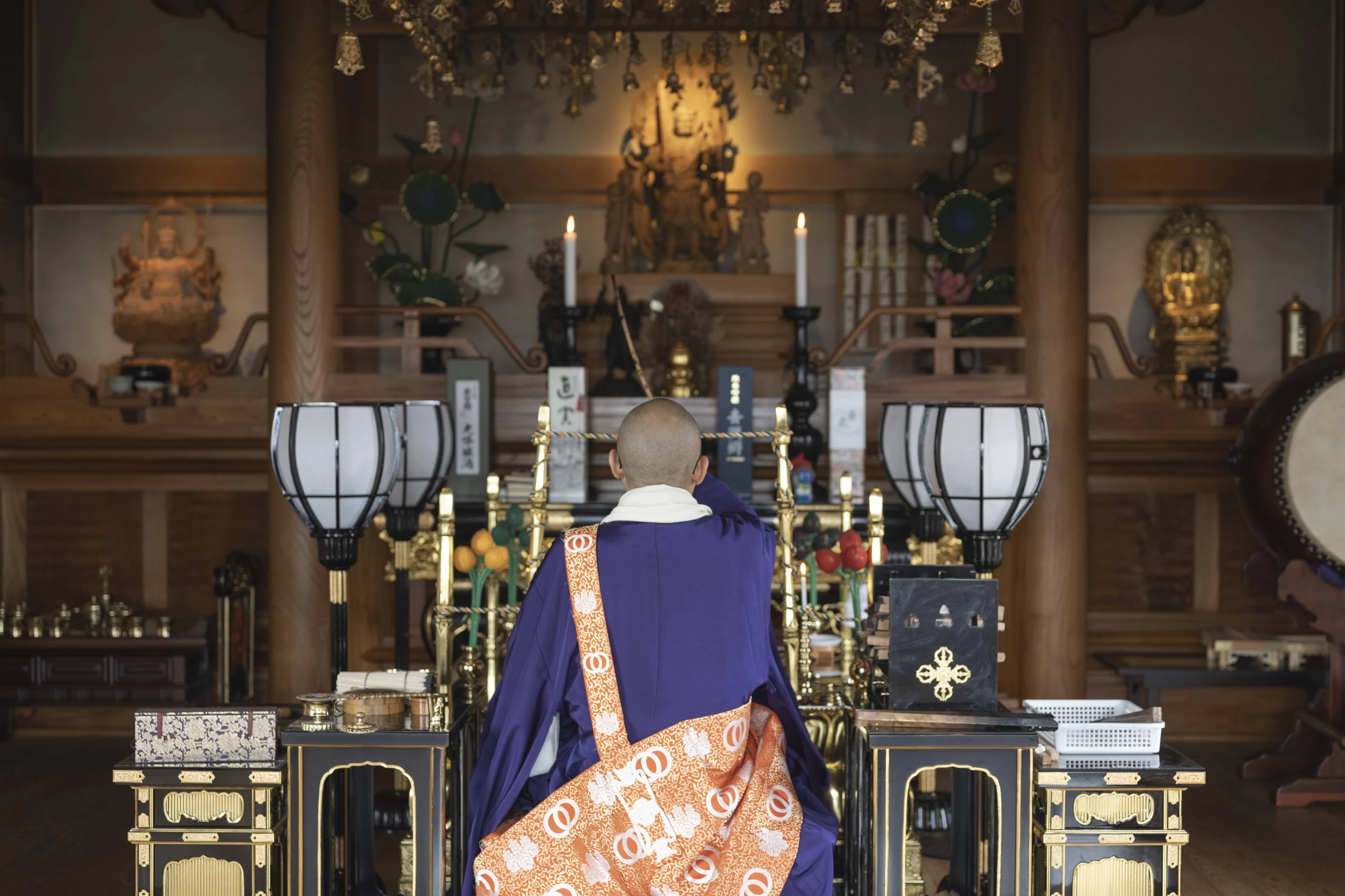
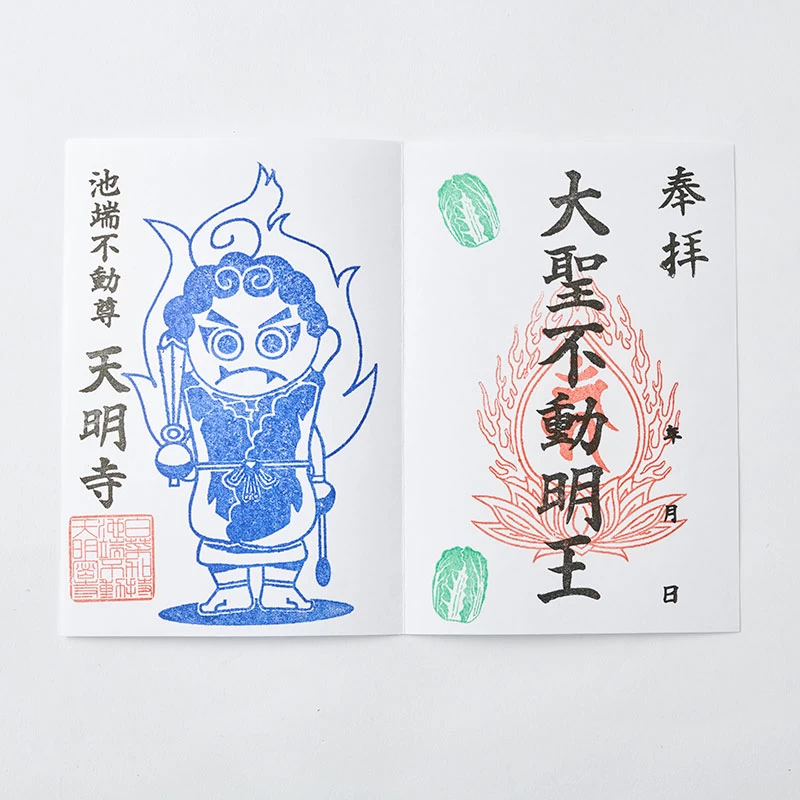
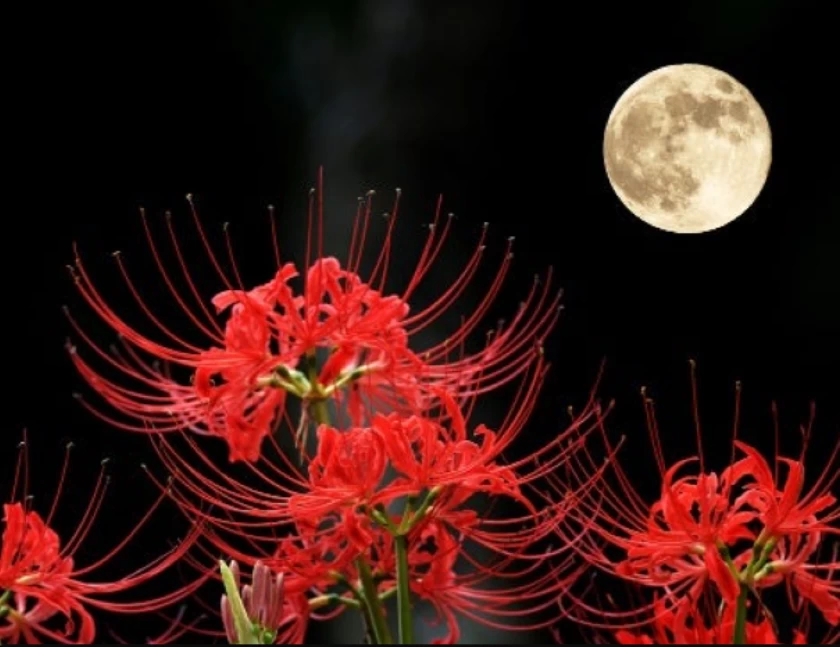
Tenmyoji Temple belongs to the Buzan branch of Shingon Buddhism and was founded in the mid-Edo period. The temple’s principal deity is Fudo Myoo, the Buddhist guardian known for protecting people from misfortune. Each year on April 29, the temple holds the Seiten Fuku Festival, when a sacred image of Kangiten, a deity associated with prosperity and joy, is revealed to the public once a year. At the temple’s goma hall, visitors can observe traditional goma fire rituals and participate in meditation workshops. Located about an 8-minute drive from JR Gunma-Soja Station, the temple offers convenient access and parking and welcomes visitors as a peaceful place of reflection.
Tenmyoji Temple
This guide introduces some of the best shrines in the Kanto region believed to bring good fortune. Each shrine offers different blessings and unique traditions. When visiting, be sure to follow proper shrine etiquette while praying. Showing respect for these customs is an important part of the experience. When visiting sacred mountains, forests, or other spiritual places, remember that taking stones or natural objects is often prohibited. Please respect the environment and local traditions. Many people also carry their omamori charms with them every day as a symbol of protection and good luck. If your wish comes true, it is customary to return to the shrine and offer thanks. Refresh your spirit with renewed energy and good fortune.

Was it helpful? Please try using it when traveling or going out.
Article planning/supervision:editor nakayama
writer:kukies
The Ultimate Fujisawa & Enoshima Guide: Top Sights, Local Eats, and Day Trip Ideas
2026/05/26
How to Get to Shonan and Enoshima: Best Access by Train or Car & Money-Saving Tips
2026/05/12
Akihabara Travel Guide 2026: 16 Must-See Spots from Top Attractions to Hidden Gems
2026/04/24
Shrine Etiquette: How to Pray at a Shinto Shrine and How It Differs from a Buddhist Temple
2026/04/06
18 Must-See Attractions Around Tokyo Tower
2026/03/26
Updated every Monday: Total number of views for 30 days


Coin lockers at Disneyland! Also what to do when you don't have a place or space to leave your belongings!
2024/11/25


Summary of Luggage Lockers (Coin Lockers) at Yokohama Station! Where Can You Find Free or Affordable Options?
2025/01/31

55 Must-Visit Spiritual Spot Shrines in the Kanto region
2026/05/01

A Leisurely Rickshaw Ride Through Historic Kanazawa
2026/05/14

19 Must-Buy Kyoto Souvenirs – From Popular Items to Hidden Gems
2026/04/27
Hebikubo Shrine
5-minute walk from Nakanobu Station (Toei Asakusa Line, Tokyu Oimachi Line), 8-minute walk from Nishi-Oi Station (JR Lines), 12-minute walk from Togoshi-Koen Station (Tokyu Oimachi Line)
Akasaka Hikawa Shrine
10-minute walk from Akasaka Station (Tokyo Metro Chiyoda Line)
Nogi Shrine
A short walk from Nogizaka Station (Tokyo Metro Chiyoda Line)
Namiyoke Shrine
5-minute walk from Tsukijishijo Station (Toei Oedo Line), 7-minute walk from Tsukiji Station (Tokyo Metro Hibiya Line)
Yasukuni Shrine
5-minute walk from Kudanshita Station
Tokyo Daijingu Shrine
5-minute walk from Iidabashi Station
Kamimeguro Hikawa Shrine
5-minute walk from Ikejiri-Ohashi Station (Tokyu Den-en-toshi Line)
Tomioka Hachimangu
3-minute walk from Monzen-nakacho Station (Tokyo Metro Tozai Line)
Nezu Shrine
5-minute walk from Nezu Station or Sendagi Station (Tokyo Metro Chiyoda Line)
Suga Shrine
7-minute walk from Exit 3 of Yotsuya-sanchome Station (Tokyo Metro Marunouchi Line), 11-minute walk from Exit 2 of Yotsuya Station (JR Chuo Line, JR Sobu Line, Tokyo Metro Marunouchi Line, Tokyo Metro Namboku Line)
Setagaya-Hachimangu
A short walk from Miyanosaka Station (Tokyu Setagaya Line)
Gumyoji Temple
10-minute drive from Bessho IC (Yokohama-Yokosuka Road), Hanano-ki IC or Nagata IC (Shuto Expressway Kanagawa Route 3 Kariba Line) A short walk from Gumyoji Station (Keikyu Main Line), 5-minute walk from Gumyoji Station (Yokohama Municipal Subway Blue Line) 5-minute walk from Gumyojiguchi Bus Stop (Kanagawa Chuo Kotsu Bus), 6-minute walk from Gumyoji Bus Stop (Yokohama Municipal Bus Routes 009 and 219)
Hakone Shrine
10-minute walk from Motohakone-ko Bus Stop (Hakone Tozan Bus)
Enoshima Shrine
20-minute walk from Katase-Enoshima Station (Odakyu Line)
Hotoku Ninomiya Shrine
15-minute walk from Odawara Station (JR Tokaido Shinkansen)
Morito Daimyojin Shrine
15-minute bus ride from Zushi Station (JR Line), A short walk from Morito Shrine Bus Stop
Shirasasa Inari Shrine
8-minute drive from Hadano-Nakai IC (Tomei Expressway) 5-minute drive or 20-minute walk from Hadano Station South Exit (Odakyu Odawara Line) 7-minute walk from Shirasasa Inari Shrine Entrance Bus Stop (Kanagawa Chuo Kotsu Bus)
Katori Jingu Shrine
3-minute drive from Sawara-Katori IC (Higashi-Kanto Expressway) 10-minute drive from Sawara Station (JR Narita Line)
Takabe Shrine
3-minute bus ride from Chikura Station (JR Uchibo Line) on the Tateyama Nitto Bus bound for Awa-Shirahama, then a 10-minute walk from Takabe Shrine Entrance Bus Stop
Tamasaki Shrine
7-minute walk from Kazusa-Ichinomiya Station (JR Sotobo Line)
Hikawa Shrine
15-minute walk from Omiya-Koen Station (Tobu Noda Line) 20-minute walk from Omiya Station (JR Lines)
Mitsumine Shrine
75 minutes by bus from Seibu Chichibu Station, then a 10-minute walk from the last stop
Chichibu Shrine
3-minute walk from Chichibu Station (Chichibu Railway)
Koma Shrine
20-minute walk from Komagawa Station (JR Lines)
Tamashiki Shrine
Bus from Konosu Station (JR Line) to Kazo Itchome Bus Stop, then an 8-minute walk
Kawagoe Hachimangu
6-minute walk from Kawagoe Station (JR Line)
Shirasagi Shrine
"10-minute drive from Utsunomiya-Kaminokawa IC (Kita-Kanto Expressway) 10-minute drive from Ishibashi Station (JR Tohoku Line)"
Asahimori Tenmangu
15-minute drive from Sano-Fujioka IC (Tohoku Expressway) 10-minute walk from Sano Station (JR Ryomo Line / Tobu Sano Line)
Omae Shrine
15-minute drive from Moka IC (Kita-Kanto Expressway) 15-minute walk from Kita-Moka Station (Moka Railway Moka Line), 50-minute drive from Utsunomiya Station (JR Lines)
Yakusiji Hachimangu
10-minute drive from Utsunomiya-Kaminokawa IC (Kita-Kanto Expressway) 5-minute drive from Jichi Medical University Station (JR Lines)
Shimotsuke Hoshinomiya Shrine
10-minute drive from Mibu IC (Kita-Kanto Expressway) 7-minute drive from Ishibashi Station (JR Lines)
Hirayanagi Hoshinomiya Shrine
"10-minute drive from Tochigi IC (Tohoku Expressway) 5-minute walk from Shin-Tochigi Station (Tobu Nikko Line / Tobu Utsunomiya Line)"
Imaizumi Yasaka Shrine
"20-minute drive from Utsunomiya IC (Tohoku Expressway) 12-minute walk from Utsunomiya Station (JR Lines)"
Kuroiso Shrine
13-minute drive from Kuroiso-Itamuro IC (Tohoku Expressway) 4-minute walk from Kuroiso Station (JR Utsunomiya Line / Tohoku Main Line)
Hitokotonushi Shrine
"15-minute drive from Yawara IC (Joban Expressway) 20-minute drive from Moriya Station (Tsukuba Express / Kanto Railway Joso Line)"
Osugi Shrine
Oarai Isosaki Shrine
40-minute walk from Oarai Station (Kashima Rinkai Railway Oarai Kashima Line), or a short walk from Oarai Isosaki Jinja-shita bus stop (Ibaraki Kotsu Bus). 15-minute drive from Mito-Oarai IC (Higashi-Mito Road).
Tsukubasan Shrine
40 minutes by Tsukubasan Shuttle Bus from Tsukuba Station (Tsukuba Express). 50 minutes by Kanto Railway bus bound for Tsukubasan-guchi from Tsuchiura Station (JR Joban Line), then transfer at Tsukubasan-guchi for a 10-minute bus ride to Tsukubasan Jinja Iriguchi.
Takahagi Hachimangu
10-minute drive from Takahagi IC (Joban Expressway). 10-minute drive or about a 30-minute walk from Takahagi Station (JR Joban Line).
Kasama Inari Shrine
20-minute walk from Kasama Station (JR Mito Line)
Sakatsura Isosaki Shrine
10-minute drive from Hitachinaka IC (Kita-Kanto Expressway)
Mito Komon Shrine
5-minute walk from JR Mito Station
Tokiwa Shrine
Oonaka Shrine
30-minute drive from Hitachi-Chuo IC (Joban Expressway)
Kashima Jingu
10-minute walk from Kashima Jingu Station (JR Kashima Line)
Maebashi Toshogu
10-minute drive from Maebashi IC (Kan-Etsu Expressway) 6-minute walk from Maebashi Park Bus Stop (Nihon Chuo Bus)
Isesaki Shrine
15-minute drive from Isesaki IC (Kita-Kanto Expressway), 25-minute drive from Honjo-Kodama IC (Kan-Etsu Expressway) 11-minute walk from Isesaki Station (JR Ryomo Line, Tobu Isesaki Line)
Kifune Shrine
35-minute drive from Ota-Yabuzuka IC (Kita-Kanto Expressway) 16-minute walk from Kamikambai Station (Watarase Keikoku Railway Watarase Keikoku Line)
Nakanotake Shrine
15-minute drive from Matsuida-Myogi IC (Joshin-Etsu Expressway), 25-minute drive from Shimonita IC (Joshin-Etsu Expressway)
Susanoo Shrine
15-minute drive from Takasaki IC or Tamamura IC (Kan-Etsu Expressway), 8-minute drive from Kuragano Station (JR Lines)
Fuji Sengen Shrine
Akagi Shrine
30-minute bus ride from JR Maebashi Station (Kanetsu Kotsu bus bound for Fujimi Onsen), transfer at the last stop to a Kanetsu Kotsu bus bound for Akagi Visitor Center (45 minutes), get off at Akagi Hiroba-mae, then a 10-minute walk.
Ikaho Shrine
25-minute drive from Shibukawa-Ikaho IC (Kan-Etsu Expressway)
Kiryu Tenmangu
5-minute drive from JR Kiryu Station
Tenmyoji Temple
12-minute drive from Maebashi IC (Kan-Etsu Expressway), 8-minute drive from Gunma-Soja Station (JR Joetsu Line)